Pare de Sufrir Mezcalería
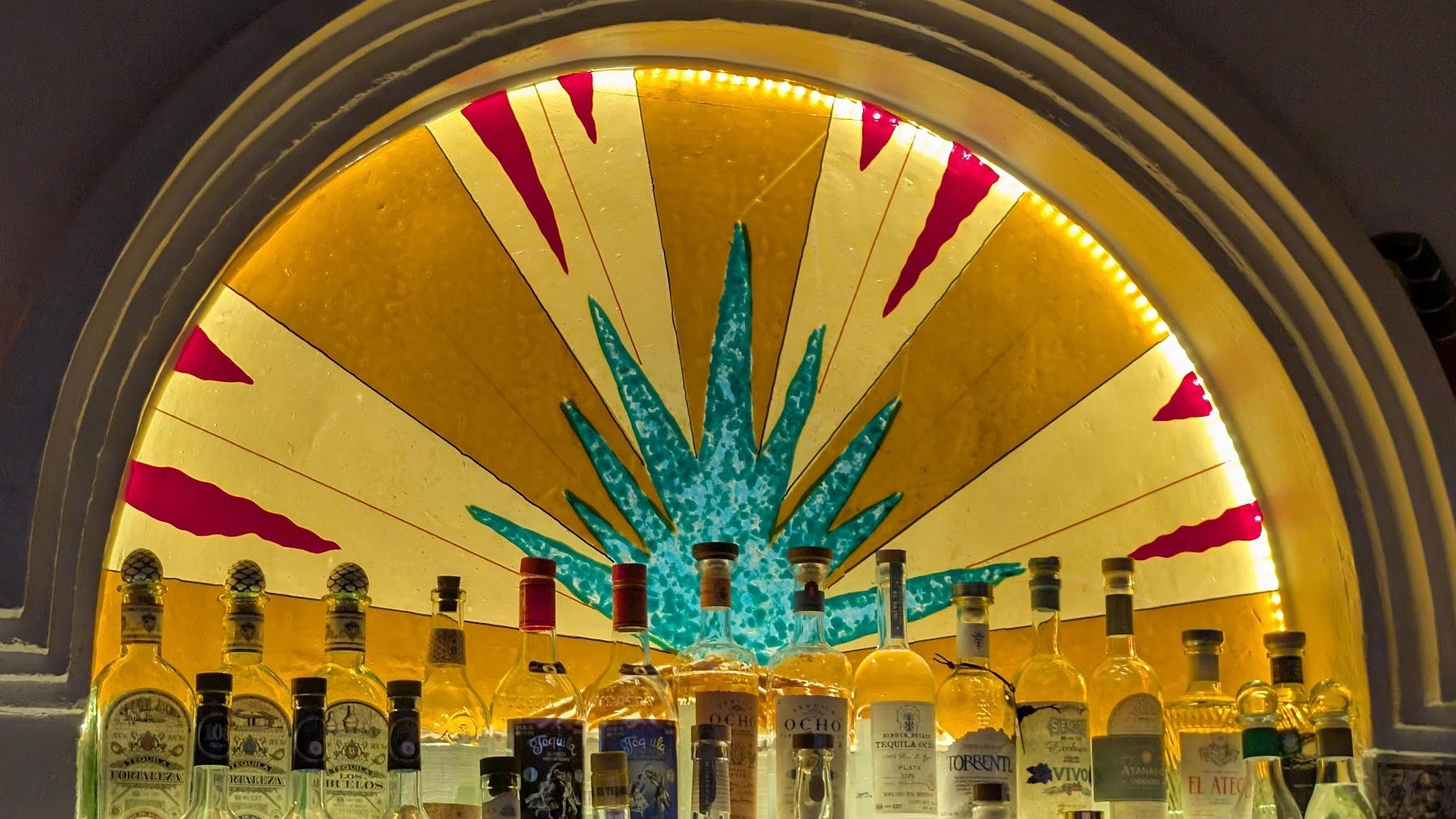
A mezcal bar in Guadalajara's Colonia Americana neighbourhood, Pare de Sufrir occupies the corner of Calle Argentina 66 with the relaxed authority of a place that has nothing left to prove. The name — roughly 'stop suffering' — signals the mood before you order. For locals and visiting spirits enthusiasts alike, this is where mezcal gets its proper treatment in a city that takes agave seriously.

Pearl is the En Primeur Club membership app — saves, bookings, and concierge access live there. Same editors, same standards.
- Address
- Calle Argentina 66, Col Americana, Americana, 44200 Guadalajara, Jal., Mexico
- Phone
- +52 33 3826 1041
- Hours
- Mon–Wed ClosedThu–Sat 9 PM–3 AMSun 6 PM–12 AM
- Website
- facebook.com
- Directions
- Get directions
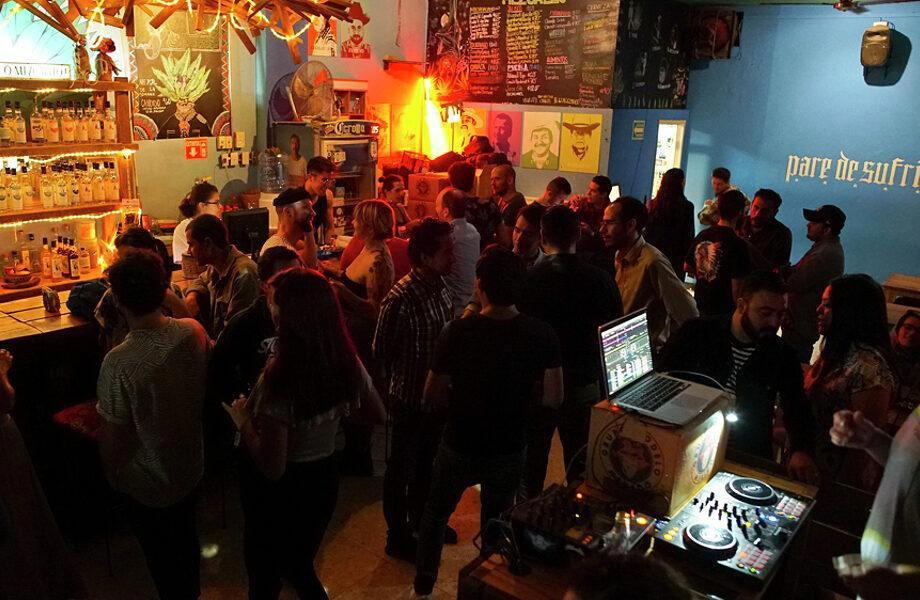
Colonia Americana's Agave Living Room
Guadalajara's Colonia Americana has spent the past decade consolidating its identity as the city's most culturally dense residential neighbourhood — tree-lined streets, converted Porfiriato-era homes, and a bar scene that runs from serious cocktail programs to neighbourhood cantinas where the conversation matters as much as what's in the glass. Pare de Sufrir Mezcalería sits squarely in the latter category. Calle Argentina 66 is not a tourist corridor, and the bar's name — loosely translated as 'stop suffering', is less a marketing slogan than a standing instruction to whoever walks through the door.
That distinction matters in a Mexican bar scene that has increasingly split between two poles: polished agave-forward cocktail destinations aimed at international visitors, and neighbourhood mezcalerías whose regulars measure loyalty in years rather than visits. Pare de Sufrir belongs to the second tradition. The address in Colonia Americana places it within walking distance of several of Guadalajara's most established drinking institutions, including Cantina La Fuente and Casa Colimita, which collectively define the neighbourhood's particular tone: informed without being earnest, relaxed without being careless.
Mezcal in a City That Earns an Opinion
Jalisco is tequila country by law and legend, but Guadalajara's drinking culture has long held space for mezcal alongside its more famous agave cousin. That's not a recent trend driven by international bar culture, it reflects Jalisco's geographic position as a corridor between Oaxaca's production heartland and the northern agave-growing states, and a tapatío palate that has always been at ease with smoky, funky, mineral spirits.
Across Mexico's serious mezcal scene, the format that has proven most durable is the mezcalería as social anchor, a place with a deep list, unpretentious presentation, and staff who can explain the difference between a Tobalá and an Espadín without making you feel tested. Pare de Sufrir operates in that format. The name itself is a cue: the bar positions itself as relief rather than performance, a contrast to the more theatrical agave bars that have multiplied across Mexican cities since mezcal's international ascent. For comparable serious agave programming in Mexico, the competitive reference points extend as far as Bekeb in San Miguel de Allende and Arca in Tulum, both of which operate with distinct editorial identities around spirits and place.
Who Comes Here and Why
The neighbourhood watering hole model depends on a particular social contract: the bar holds its ground, and the regulars return the favour. In Colonia Americana, that contract is well-established. The area's demographic mix, architects, artists, university faculty, international creatives with long-term ties to the city, produces a bar crowd that tends toward curiosity over status signalling. Pare de Sufrir's name suggests it understands its audience. Nobody arriving for their third mezcal of the week needs to be told they've made a sophisticated choice.
This is the neighbourhood dynamic that separates Colonia Americana from, say, Zona Rosa or the more curated drinking corridors closer to the historic centre. The bar's regulars are not there for a scene; they are the scene. El Gallo Altanero and AGUAFUERTE BAR operate in overlapping terrain, and the presence of multiple serious agave-oriented venues within the same neighbourhood is evidence of Colonia Americana's gravitational pull for this kind of drinking culture rather than dilution of any one venue's identity.
Placing Pare de Sufrir in the Wider Mexican Bar Context
Mexico's bar scene has undergone significant category differentiation over the past decade. At one end, venues like Baltra Bar in Mexico City operate with internationally recognized cocktail programs that compete directly with major global bar awards lists. At the other, neighbourhood mezcalerías like Pare de Sufrir serve the functional role that good local bars play in any city: they hold community together, they lower the threshold for a mid-week drink, and they make a specific kind of knowledge, in this case, agave literacy, accessible rather than exclusive.
Neither model is superior. They answer different questions. What the mezcalería format in a city like Guadalajara achieves is a kind of normalisation of quality, the assumption that the spirits poured are worth paying attention to, without requiring the visitor to perform connoisseurship to be welcome. That is considerably harder to sustain than a prestige program with a strong marketing identity, and it is what distinguishes the better neighbourhood mezcalerías from bars that simply list mezcal on the menu.
For travellers moving through western Mexico's bar culture more broadly, Guadalajara's Colonia Americana neighbourhood competes with destinations like Aruba Day Drink in Tijuana and, further afield, La Capilla in Tequila, venues where the drink in the glass connects directly to the regional identity of the place. Pare de Sufrir draws on Guadalajara's position in that tradition. See our full Guadalajara restaurants and bars guide for broader neighbourhood context.
Planning Your Visit
Calle Argentina 66 in Colonia Americana is easily reached from the city's historic centre by taxi or ride-share, a trip that takes under ten minutes from most central hotels. The neighbourhood is walkable from several of Guadalajara's more established cultural institutions, and an evening that begins at Pare de Sufrir fits naturally into the kind of loosely structured bar progression that Colonia Americana rewards. Given the bar's neighbourhood format, formal advance booking is not typical for the category, though weekend evenings in Colonia Americana do draw consistent crowds across all of the area's venues. Arriving before 10pm generally ensures comfortable access. For international visitors accustomed to booking-heavy bar experiences like Bar Leather Apron in Honolulu or Coco Bongo in Cancun, the drop-in culture here is part of what defines the experience.
Reputation First
Comparable venues nearby, for context on price, style, and recognition.
| Venue | Cuisine | Price | Awards | Notes |
|---|---|---|---|---|
| Pare de Sufrir MezcaleríaThis venue — the venue you are viewing | mezcaleria | $10–20 | Not listed | Not listed |
| Casa Colimita | beer_bar | $10–20 | Not listed | 1403900011325 |
| Minerva | beer_bar | Not listed | Not listed | 1403900010562 |
| Rayuela | wine_bar | $20–30 | Star Wine List | 1403900012145 |
| La Mantequería | wine_bar | Not listed | Not listed | Andares |
| AGUAFUERTE BAR | cocktail_bar | Not listed | Not listed | 1403900011607 |
Continue exploring
More in Guadalajara
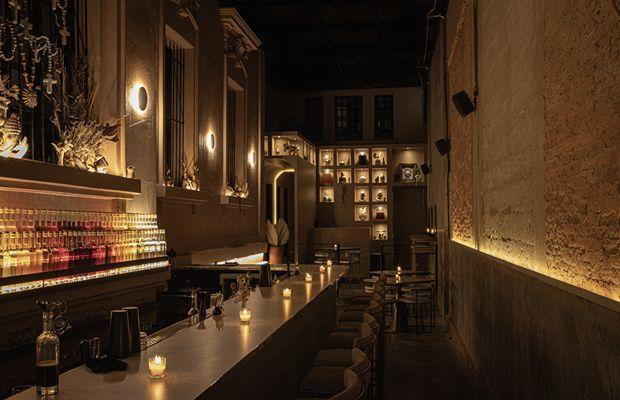
Bars in Guadalajara
Browse all →
Restaurants in Guadalajara
Browse all →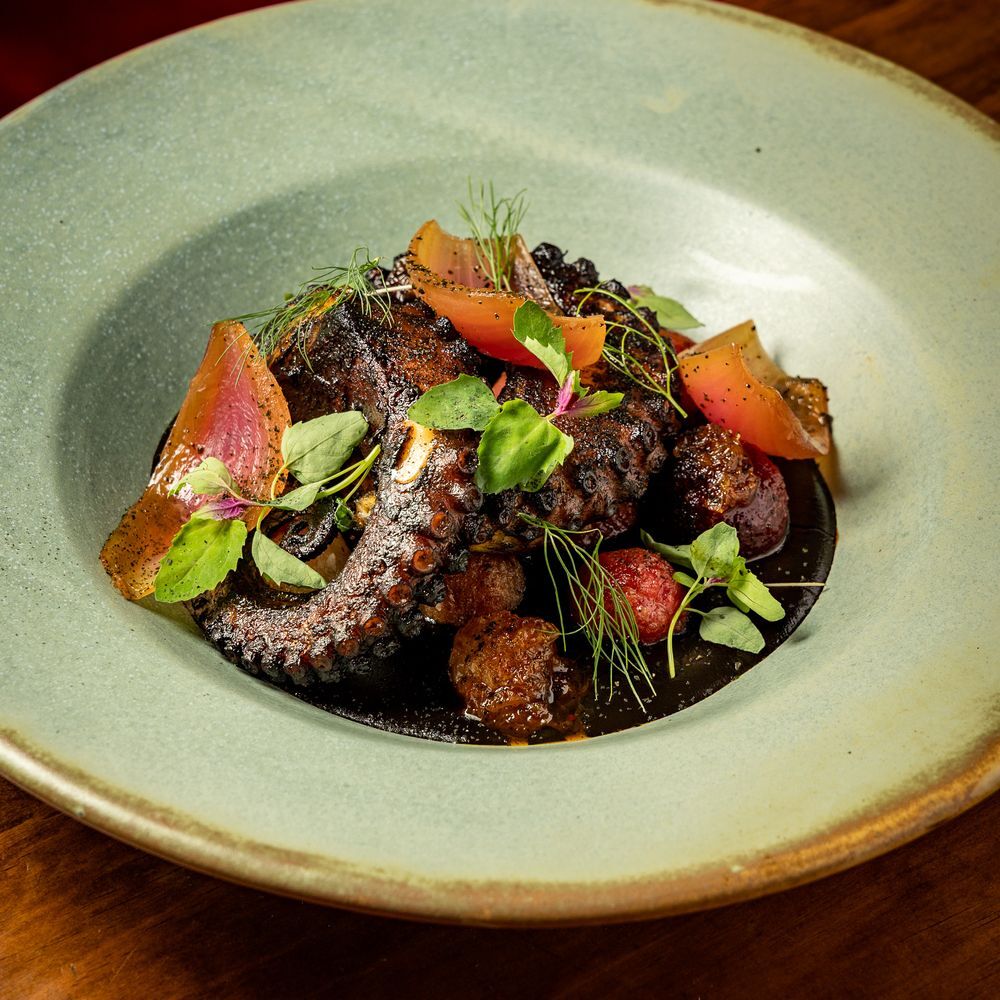
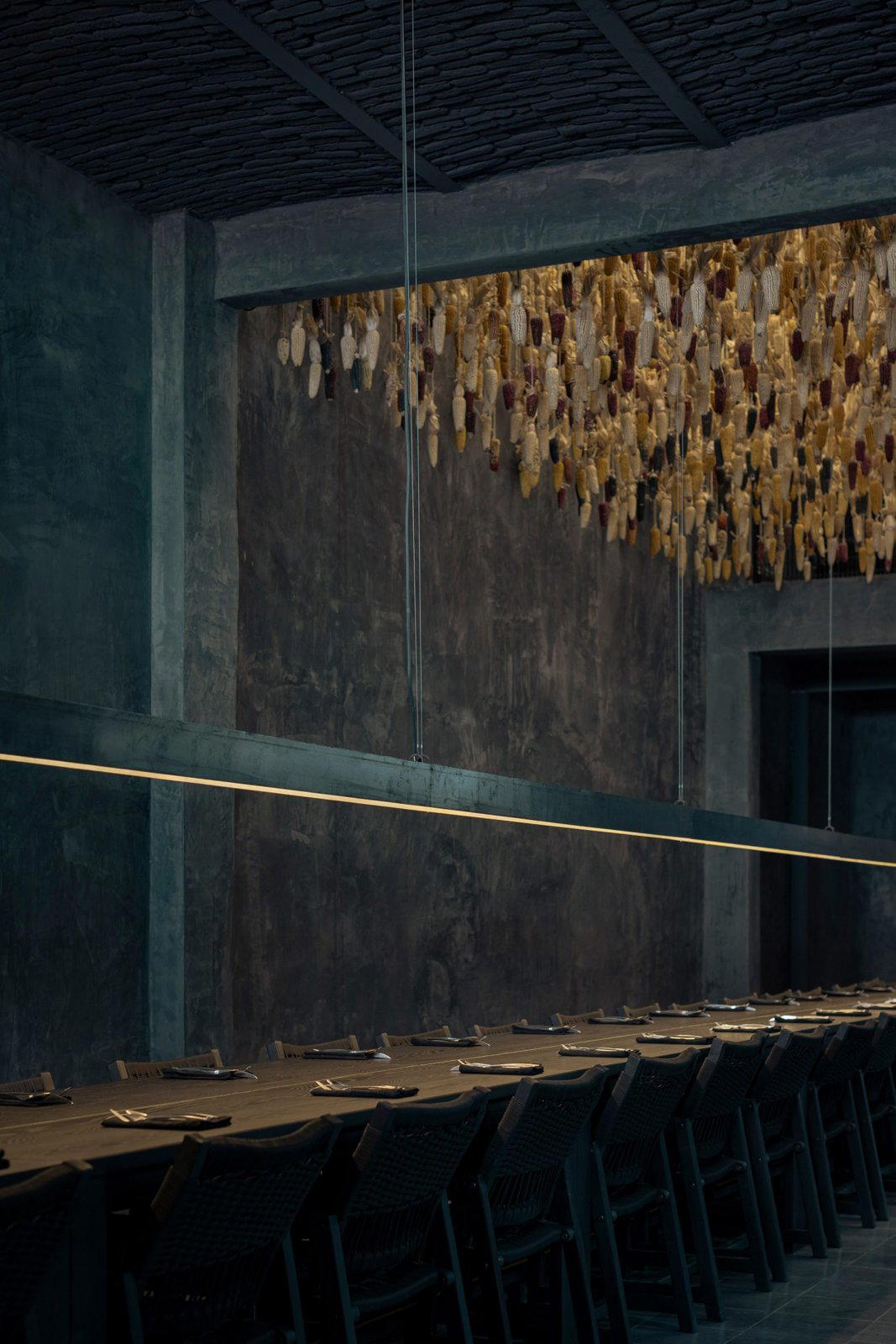
Hotels in Guadalajara
Browse all →
Details
- Lively
- Energetic
- Bohemian
- Trendy
- Well Known
- Late Night
- Group Outing
- Casual Hangout
- Celebration
- Live Music
- Standalone
- Standing Room
- Lounge Seating
- Mezcal
- Tequila
- Craft Beer
Current opening hours
- Monday
- Closed
- Tuesday
- Closed
- Wednesday
- Closed
- Thursday
- 9 PM–3 AM
- Friday
- 9 PM–3 AM
- Saturday
- 9 PM–3 AM
- Sunday
- 6 PM–12 AM
Hours can change for holidays and private events. Last verified .
Bright and festive with colorful murals, string lights, and a disco ball; energetic dance floor atmosphere that transforms into a party venue as the night progresses.