

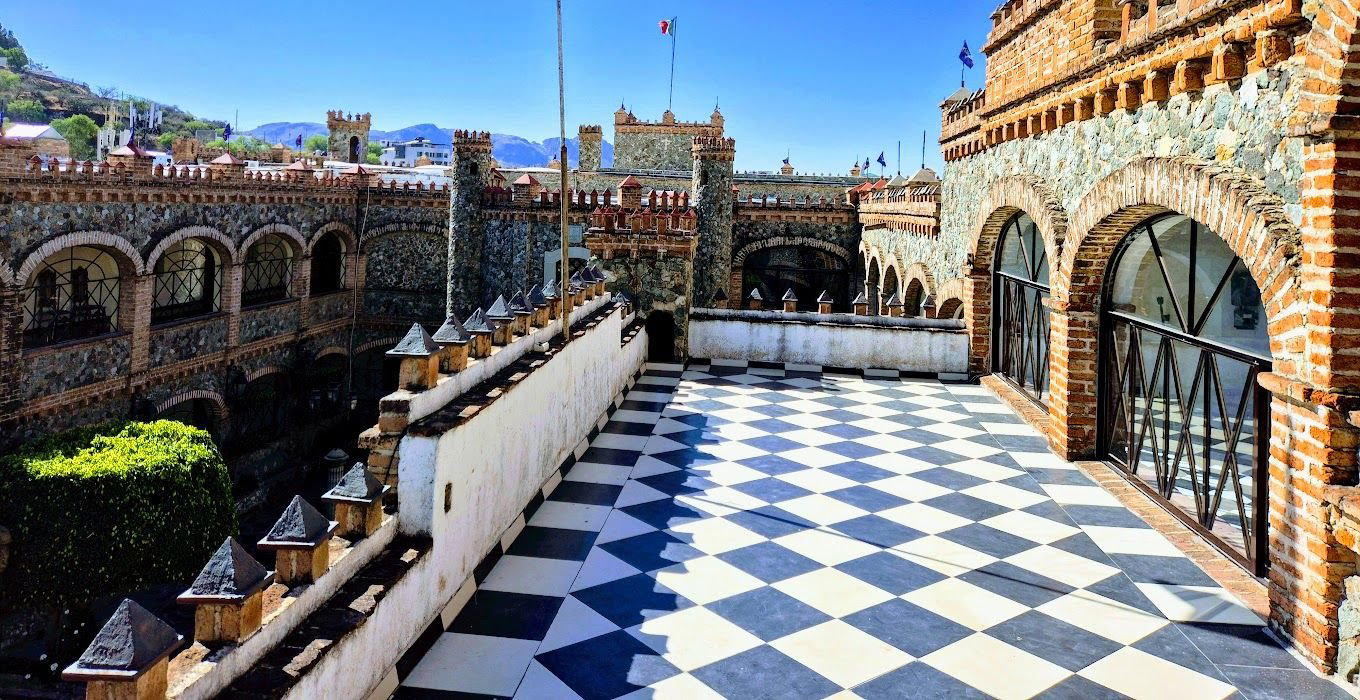
Elena de Cobre occupies a striking position in León's Centro, where its architecture draws a deliberate line between Brutalist mass and colonial ornament. The building has been recognised for presenting a new face of Mexican architecture, crossing two traditions that rarely share a wall. For travellers reaching beyond Mexico's coastal resort circuit, it represents the kind of design argument that León has been quietly making for years.
Pearl is the En Primeur Club membership app — saves, bookings, and concierge access live there. Same editors, same standards.
- Address
- Calle Rosas Moreno 201, Centro, León 37000, Mexico
- Phone
- +52 477 324 2092
- Website
- marriott.com
- Directions
- Get directions
 Saves & bookings on Pearl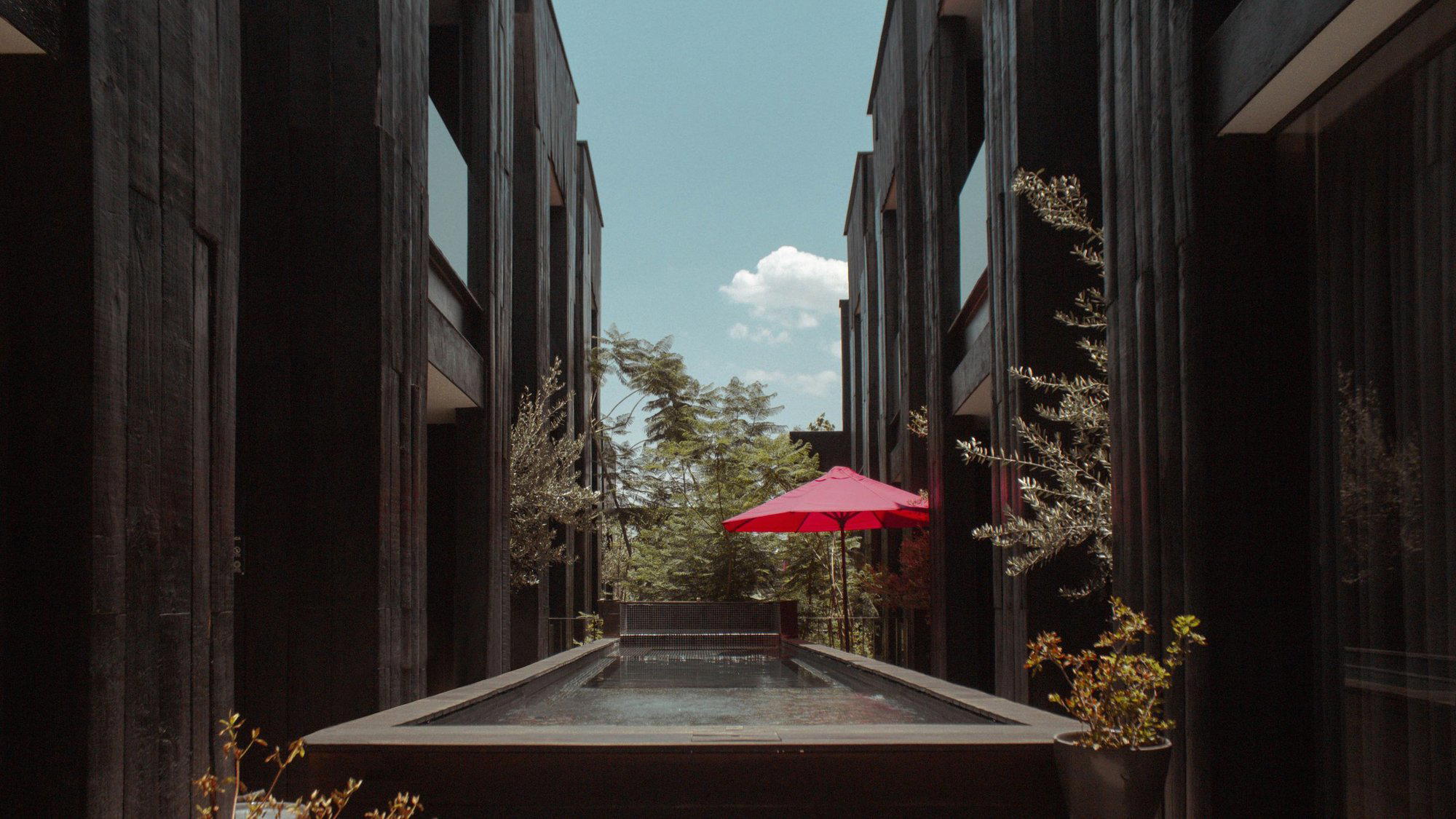
Where Brutalism Meets Colonial Stone in León's Centro
There is a particular tension in Mexican architecture between the weight of colonial inheritance and the ambitions of twentieth-century modernism, and most buildings resolve it by choosing one side. Elena de Cobre, at Calle Rosas Moreno 201 in León's Centro, refuses that resolution. Its design has drawn recognition precisely for crossing Brutalist structural language with colonial formal vocabulary, a combination that reads as confrontational on paper and surprisingly coherent in person.
León itself is a city that operates under a kind of cultural underestimation. Most international itineraries for Mexico funnel toward the coasts, to properties like One&Only; Mandarina in Riviera Nayarit, Las Ventanas al Paraíso, A Rosewood Resort in San José del Cabo, or Montage Los Cabos in Cabo San Lucas, or toward culturally certified colonial towns like San Miguel de Allende, where Casa de Sierra Nevada, A Belmond Hotel has long anchored the luxury offering. León, by contrast, is a working industrial city, the centre of Mexico's leather goods industry, and its architectural ambitions tend to be read through that commercial lens. Elena de Cobre situates itself outside that framing entirely.
The Design Argument: Brutalism and the Colonial Baroque
Brutalism arrived in Mexico through a different set of pressures than it did in postwar Europe. Here, raw concrete carried associations with public institutions, universities, and infrastructure rather than with social housing. The colonial style, meanwhile, was never just historical pastiche; in cities like León, Guanajuato, and Querétaro, it remained an active visual language, embedded in churches, civic buildings, and private courtyards that continued to shape street-level experience through the twentieth century and beyond.
What Elena de Cobre does is force these two systems into proximity without subordinating one to the other. Brutalism typically insists on structural honesty, on the visibility of load-bearing mass, while colonial architecture organises itself around ornamental hierarchies, arches, pilasters, and carved stone details that announce status and devotion. Buildings that attempt to combine these vocabularies usually flatten one into decoration. The recognition the hotel has received suggests it manages something harder: a genuine dialogue between the two systems rather than a compromise.
For travellers whose engagement with design runs beyond hotel lobbies and into architectural thinking, this is the category the hotel occupies.
León in Context: A City Building Its Own Case
The Bajío region of central Mexico, which includes León, Guanajuato city, Querétaro, and Aguascalientes, has seen sustained investment in cultural infrastructure over the past two decades. León's Centro, where the hotel is addressed, contains the concentration of colonial-era building stock that anchors most of the city's cultural programming. The neighbourhood operates as a walkable historic district, which means the hotel can be approached on foot from the city's main plazas and cathedral precincts, setting up the visual contrast between its design language and the surrounding fabric before you reach the entrance.
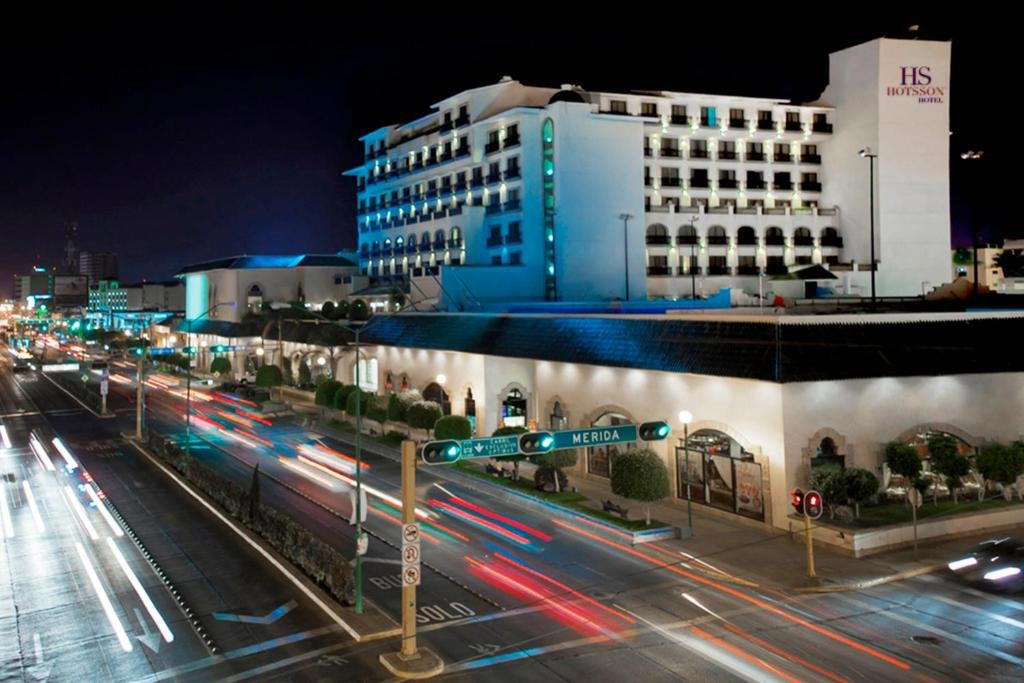
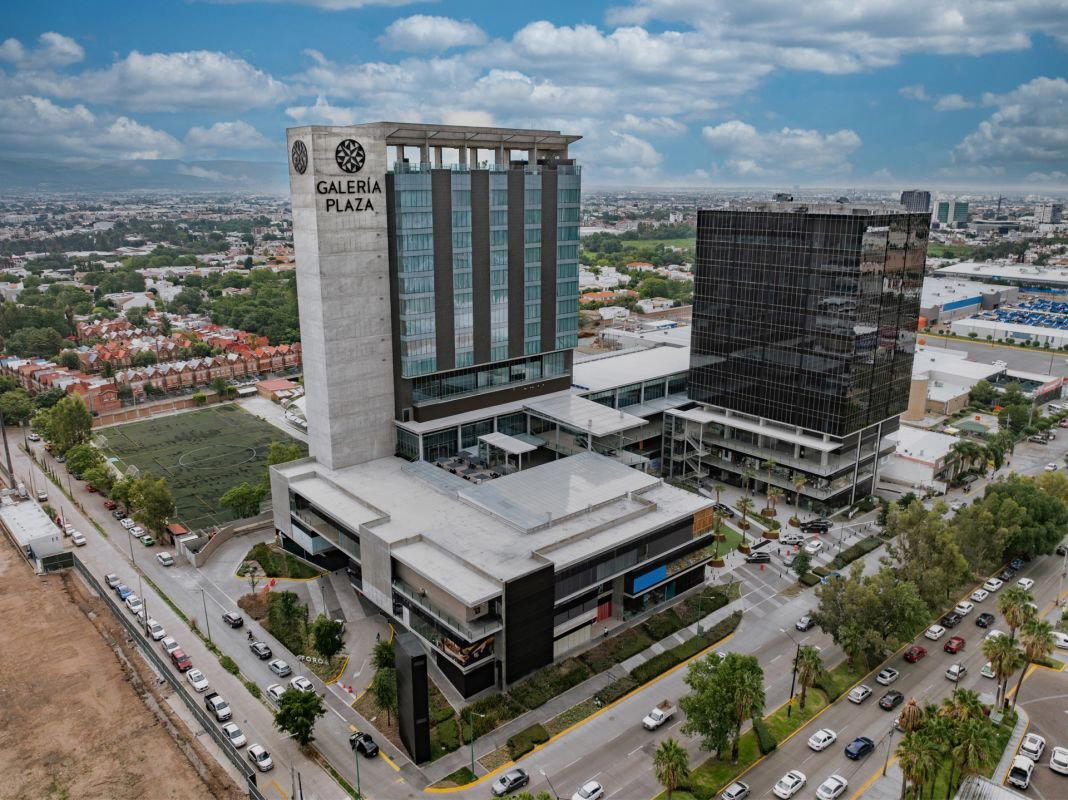
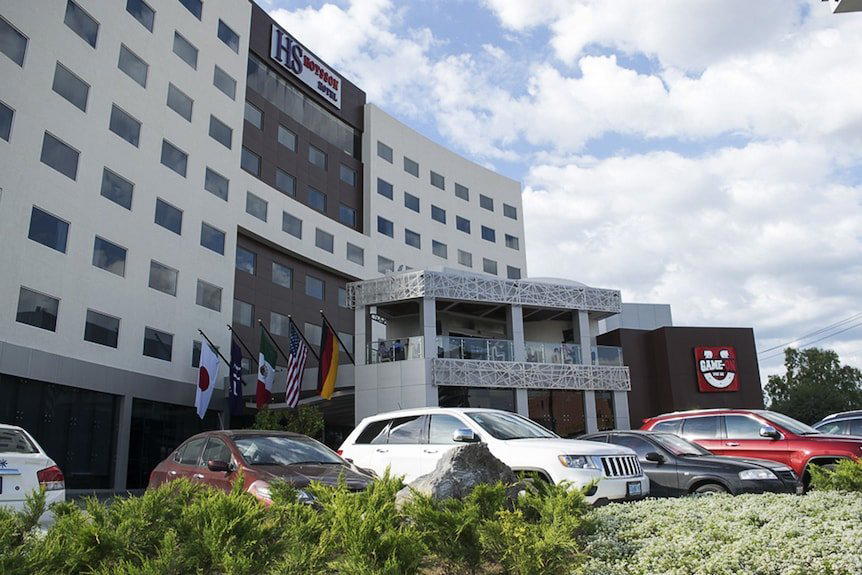
Visitors combining León with broader regional itineraries have options across the accommodation spectrum. Within the city, Galeria Plaza Leon and HS HOTSSON Hotel Leon represent the established business-hotel tier. Those building a wider Mexican itinerary across the cultural interior might also look at Hotel Demetria in Guadalajara, roughly 150 kilometres west, which sits in the same design-conscious, non-coastal accommodation tier.
For comparison points further afield in Mexico, the country's premium offer has diversified considerably. Properties like Hotel Esencia in Tulum, Chablé Yucatán in Merida, and Casa Antonieta in Oaxaca City demonstrate that design ambition and cultural specificity are not confined to the coastal resort format. The hotel reads as part of that same broader movement, in which Mexican cities are producing buildings and spaces that demand attention on architectural terms rather than on lifestyle marketing.
Planning a Visit
The hotel sits at Calle Rosas Moreno 201, Centro, León 37000, in the historic heart of the city. The Centro is the logical anchor for any León visit focused on architecture and urban character; the building's address places it within the network of colonial streets that make the neighbourhood navigable on foot.
How It Stacks Up
Comparable venues nearby, for context on price, style, and recognition.
| Venue | Cuisine | Price | Awards | Notes |
|---|---|---|---|---|
| Elena de CobreThis venue — the venue you are viewing | Restored colonial casa with modern Brutalist copper extension | $$$ | 5-Star | Not listed |
| Galeria Plaza Leon | Contemporary urban hotel with shopping integration | $$$ | 4-Star | central |
| HS HOTSSON Hotel Leon | Contemporary Mexican luxury hotel blending modern comfort with traditional hospitality in a central urban location. | $$$ | 4-Star | Central León |
| Una Vida Tulum | Tropical jungle oasis with indoor-outdoor living. | $$$$ | 5-Star | Tulum City Center |
| Real de Minas San Miguel de Allende | Colonial hacienda with modern conveniences | $$$ | 5-Star | Centro |
| Hotel Edelmira | Boutique luxury in restored 19th-century colonial house | $$$ | 5-Star | Centro Historico |
Recognition history
Dated appearances from independent guides and award organizations, with the underlying list record or original source where available.
Design Hotels Member
Design Hotels
Michelin Selected
Michelin


At a Glance
- Modern
- Elegant
- Cozy
- Sophisticated
- Romantic Getaway
- Weekend Escape
- Business Trip
- Historic Building
- Design Destination
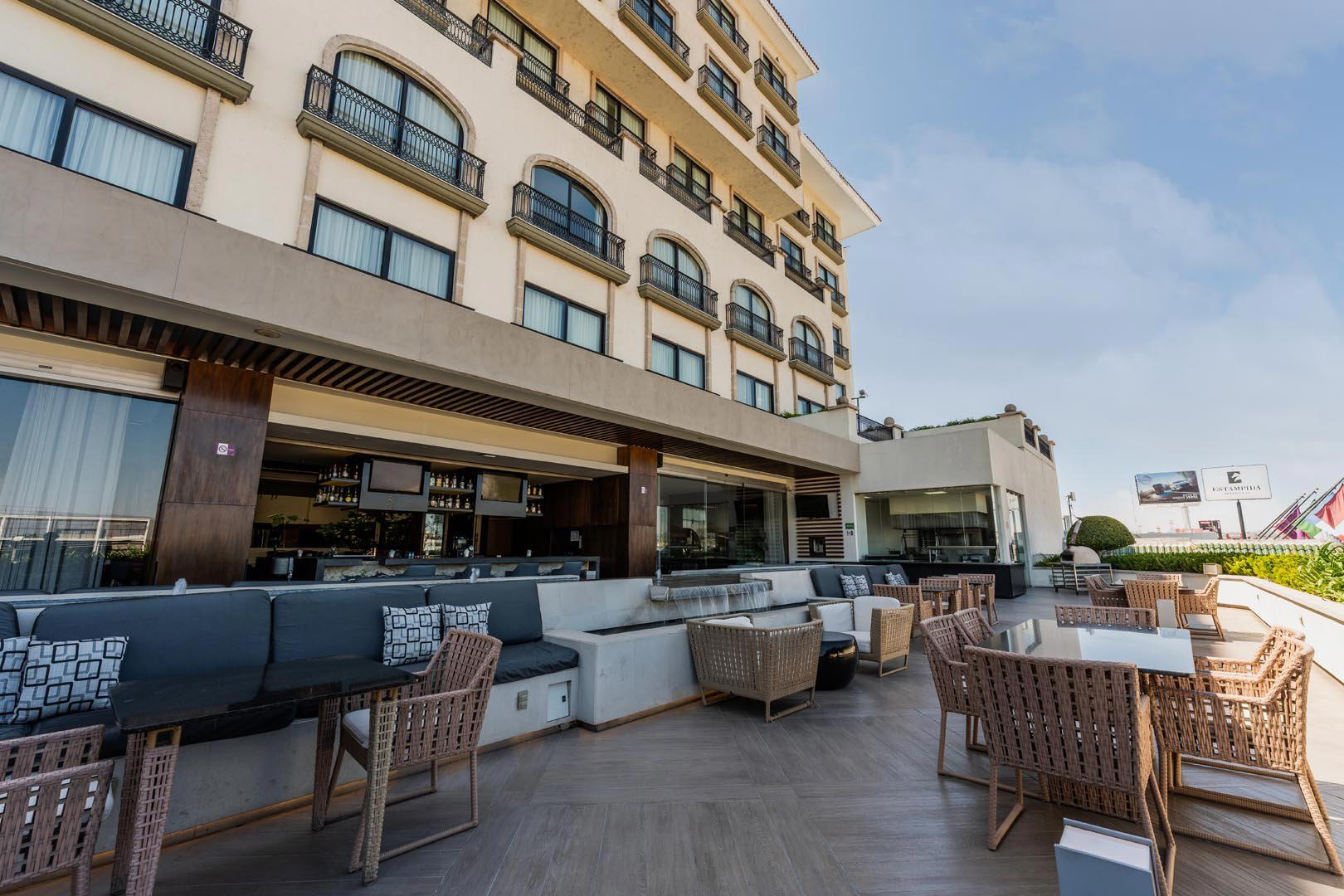
- Terrace
- Wi Fi
- Pool
- Spa
- Room Service
- Concierge
- Business Center
- Street Scene
- Wi Fi
- Pool
- Spa
- Room Service
- Concierge
- Business Center
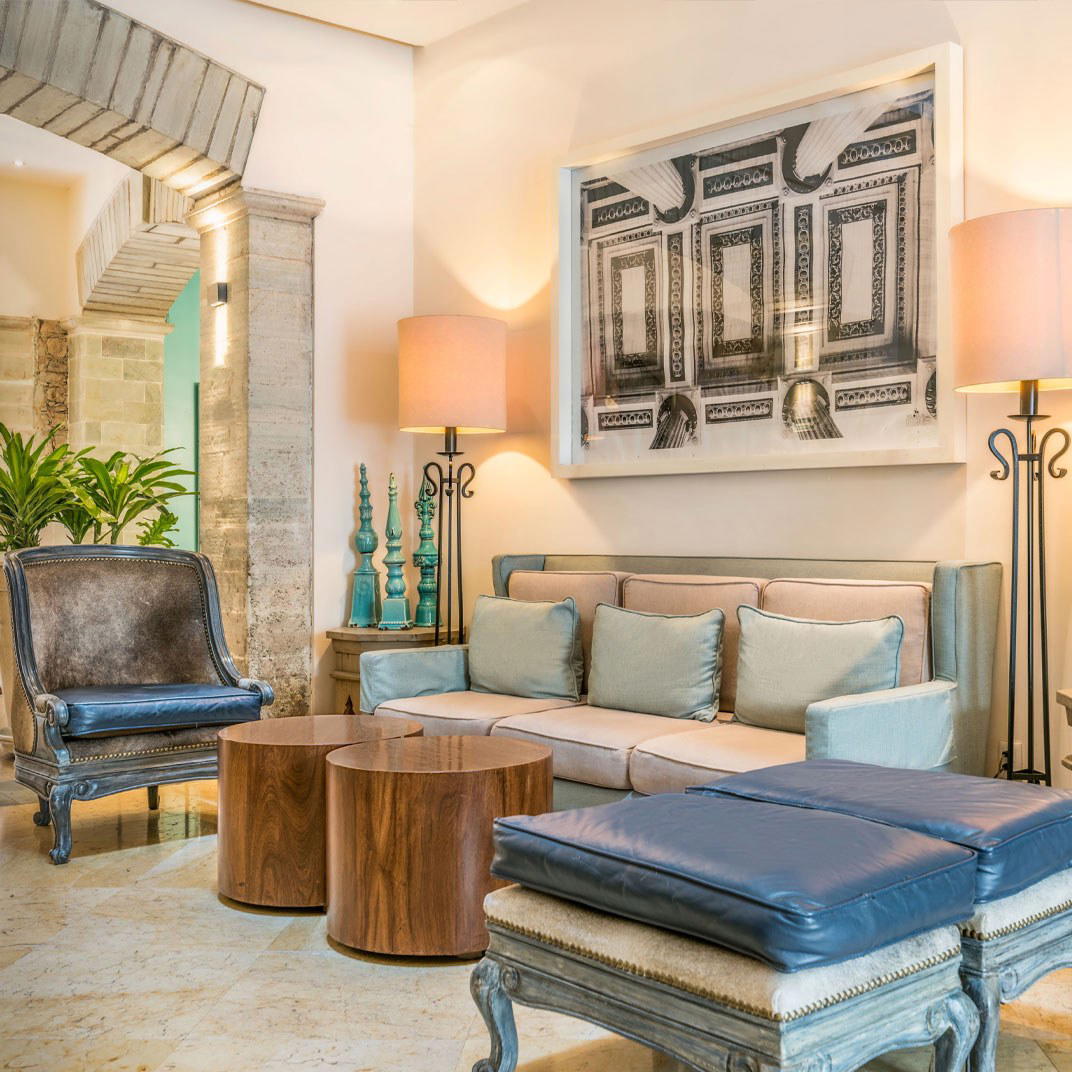
Soundproofed rooms in a chic, modern interior with historic charm, courtyards, and a tranquil, welcoming atmosphere praised for cleanliness and warmth.