Casa De Curry brings South Asian culinary traditions to an unexpected address inside León's Mercado Metropolitano on Blvd. Adolfo López Mateos. Operating in a city whose dining scene skews firmly toward Mexican and European registers, it occupies a distinct lane in the local market. For visitors mapping León's more exploratory restaurants, it represents one of the few places where spice-forward cooking from outside the region shapes the menu.
Pearl is the En Primeur Club membership app — saves, bookings, and concierge access live there. Same editors, same standards.
- Address
- Mercado Metropolitano, Blvd. Adolfo López Mateos 3111, El Rosario, 37125 León de los Aldama, Gto., Mexico
- Phone
- +524794952569
- Website
- linktr.ee
- Directions
- Get directions
 Saves & bookings on Pearl
Spice Traditions in an Industrial City
León is not a city travelers typically associate with South Asian cooking. Its reputation sits with leather goods, shoe manufacturing, and a downtown dining circuit that draws from Mexican regional cooking and a growing thread of European-inflected bistros. Restaurants like Pablo (Modern Cuisine) and Carea Bistró (Contemporary) represent the more conspicuous end of that scene. Against that backdrop, a curry-focused address inside a metropolitan market occupies a notably different register, one that positions itself against the grain of what the city's restaurant community has historically prioritized.
That context matters for understanding what Casa De Curry is doing inside the Mercado Metropolitano on Blvd. Adolfo López Mateos in the El Rosario district. Market-hall dining has become an organizing format for more exploratory food in several Mexican cities, allowing cuisines that might struggle to sustain a standalone address to reach audiences they otherwise would not. The format lowers barriers to discovery without necessarily compromising on specificity of cooking. In León's case, the Mercado Metropolitano serves as one of the few spaces where a South Asian concept can operate with enough foot traffic to build familiarity.
Why Curry Remains a Distinct Category Anywhere It Lands
The word "curry" covers enormous ground. In South Asian culinary tradition, it describes not a single dish but a methodology: the construction of spice-based sauces and dry preparations that vary enormously by region, religion, season, and household. Tamil Nadu's fish preparations look nothing like a Punjabi butter-based gravy or a Bengali mustard-oil dish. Sri Lankan coconut-heavy curries diverge sharply from Goan ones shaped by Portuguese contact. The culinary tradition is plural, historically layered, and deeply resistant to reduction.
When South Asian cooking travels, whether to the United Kingdom, where Bangladeshi-run restaurants reshaped British food culture across the twentieth century, or to Mexico, where the category remains comparatively rare, it tends to arrive simplified for audiences unfamiliar with regional distinctions. The more serious South Asian restaurants operating outside their source geographies have, over the past two decades, moved toward specificity: naming regions, sourcing particular spices, and explaining preparation traditions. Whether Casa De Curry operates at that level of regional granularity is not confirmed here, but the broader shift in how the category is being presented in premium dining contexts is the relevant backdrop. For comparison, the kind of cross-cultural culinary attention applied at places like Le Chique in Puerto Morelos or HA' in Playa del Carmen, where cuisines are framed with precision and depth, signals what is now expected of serious food programs that work outside their native traditions.
León's Dining Scene and Where This Fits
The city's restaurant community has diversified noticeably over the past several years. The growth of fusion-inflected spots like Becook (Fusion) and the continued presence of direct value-driven addresses like Argentilia León and Casa Mando shows a market that is expanding its range without necessarily deepening into the kind of tasting-menu formalism that defines, say, Pujol in Mexico City or Alcalde in Guadalajara. León eats practically, and its most interesting newer addresses tend to work at accessible price points with defined concepts rather than elaborate production.
South Asian cooking fits that model reasonably well. Curry-based formats are inherently communal, portion-generous, and spice-complex without requiring the kind of tableside theater associated with high-investment tasting menus. The cuisine's logic, building depth through spice layering rather than through rare ingredients or elaborate technique, allows it to perform at a range of price points without compromise. That positions a market-hall curry concept in León differently from, say, the elaborate preparation frameworks you find at KOLI Cocina de Origen in Monterrey or the ingredient-sourcing intensity at Olivea Farm to Table in Ensenada.
For the broader context of how Mexican cities are absorbing global dining influences, it is worth noting that the country's most recognized restaurants, from Animalón in Valle de Guadalupe to Lunario in El Porvenir and Pangea in San Pedro Garza García, have generally built recognition through deep engagement with local or regional ingredients. The South Asian concept sits outside that tradition entirely, which is both its challenge and its distinction in León specifically.
The Mercado Metropolitano Address
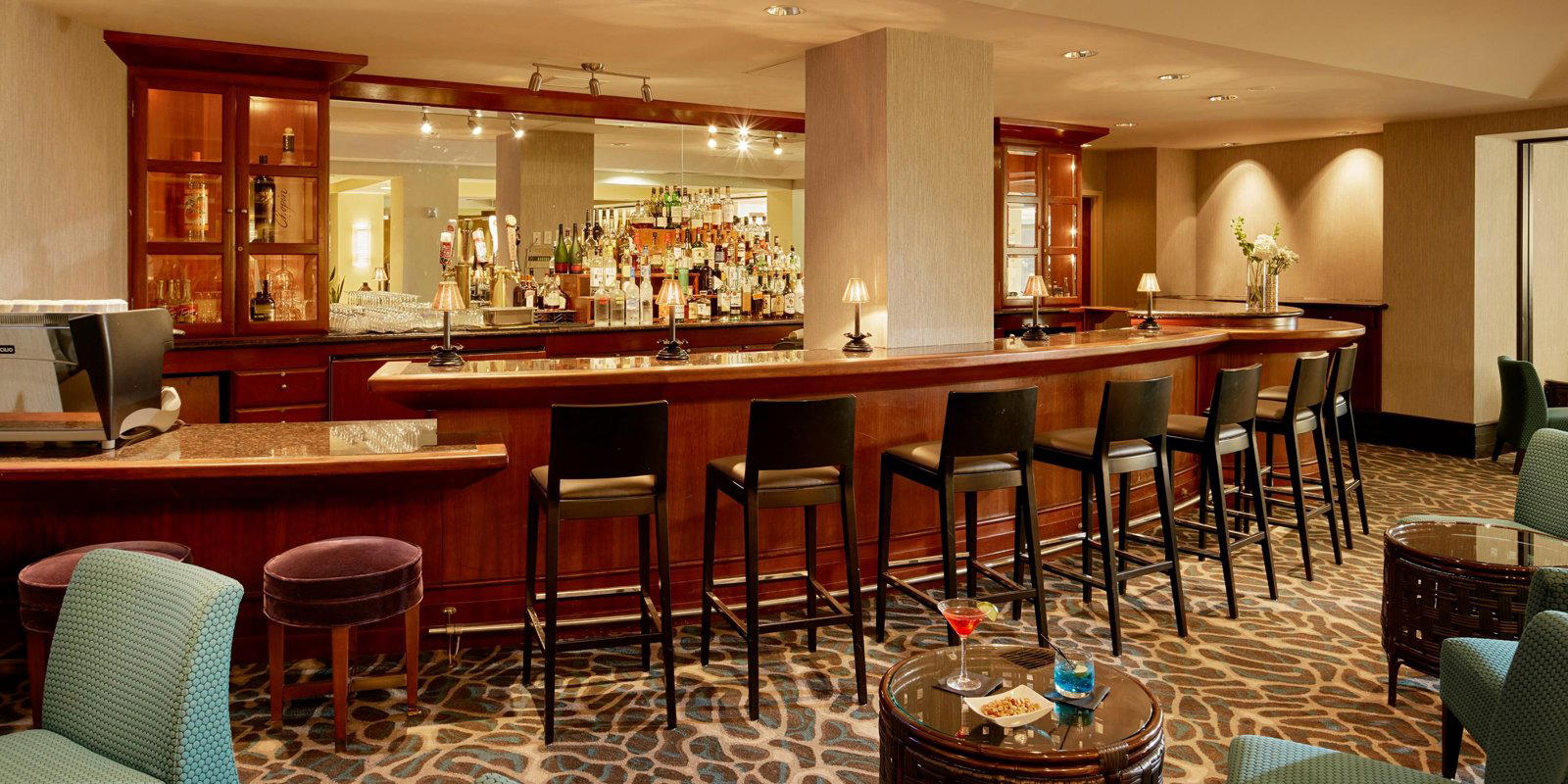
Market-hall settings carry their own set of reader expectations. They tend to mean open kitchens, communal or semi-communal seating, shorter service windows, and the background noise of a shared space. The experience of eating in a mercado differs from a standalone restaurant not in food quality necessarily, but in atmosphere and pacing. Food arrives faster, the dining transaction is more casual, and the social context of surrounding stalls and foot traffic shapes the meal.
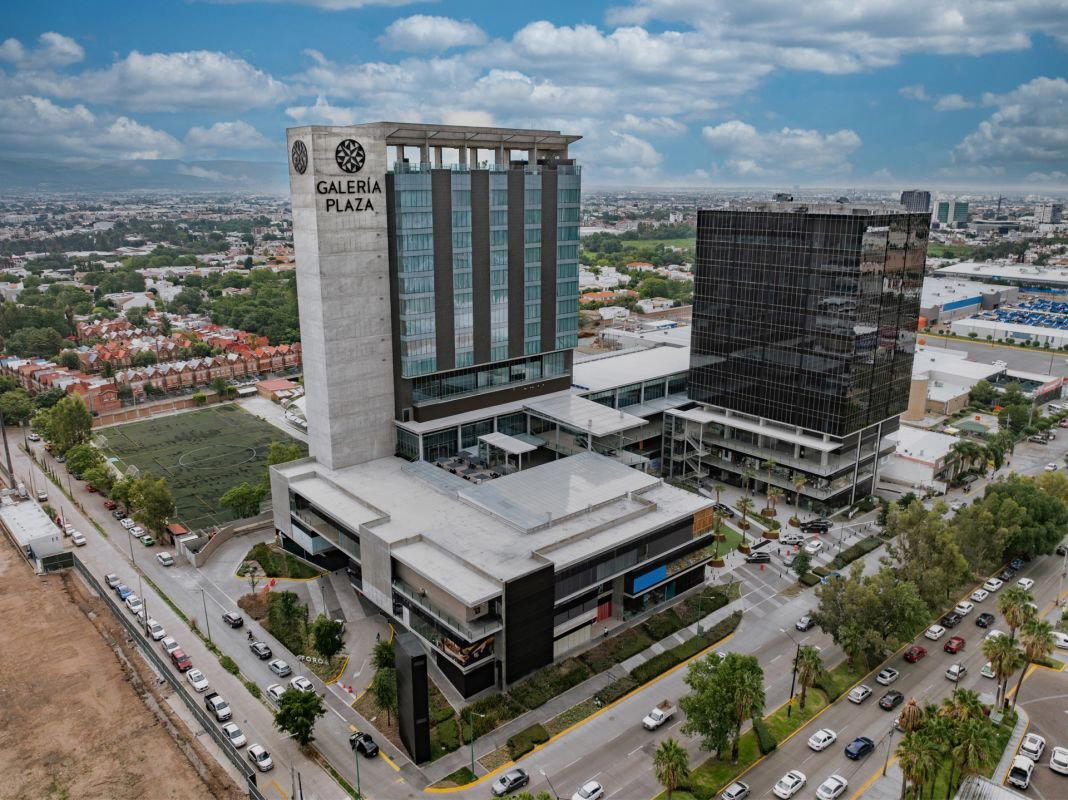
The Mercado Metropolitano on Blvd. Adolfo López Mateos sits in the El Rosario district, which places it in the western residential belt of León rather than in the historic center. This is relevant for planning: it is not a walk from the central hotel cluster, and visitors should factor in transit. The restaurant is open Tuesday through Sunday, with Monday closed. It is walk-in friendly, and the price point is around $10 per person.
Planning a Visit
Casa De Curry represents a specific niche within that map: a South Asian concept operating inside a market format, in a city where that cuisine type has limited competition. For travelers moving through Mexico's larger dining circuits, this registers as a considerably more casual and regional proposition, which is precisely what gives it its interest in context.
A Pricing-First Comparison
Comparable venues nearby, for context on price, style, and recognition.
| Venue | Cuisine | Price | Notes |
|---|---|---|---|
| Casa De CurryThis venue — the venue you are viewing | El Rosario, Authentic Indian Curry House | $ | Not listed |
| Argentilia León | Not listed | $$$ | Valle del Campestre, Argentine Steakhouse Fusion |
| Zerati | San José el Alto, Italian-Mexican Fusion | $$$ | Not listed |
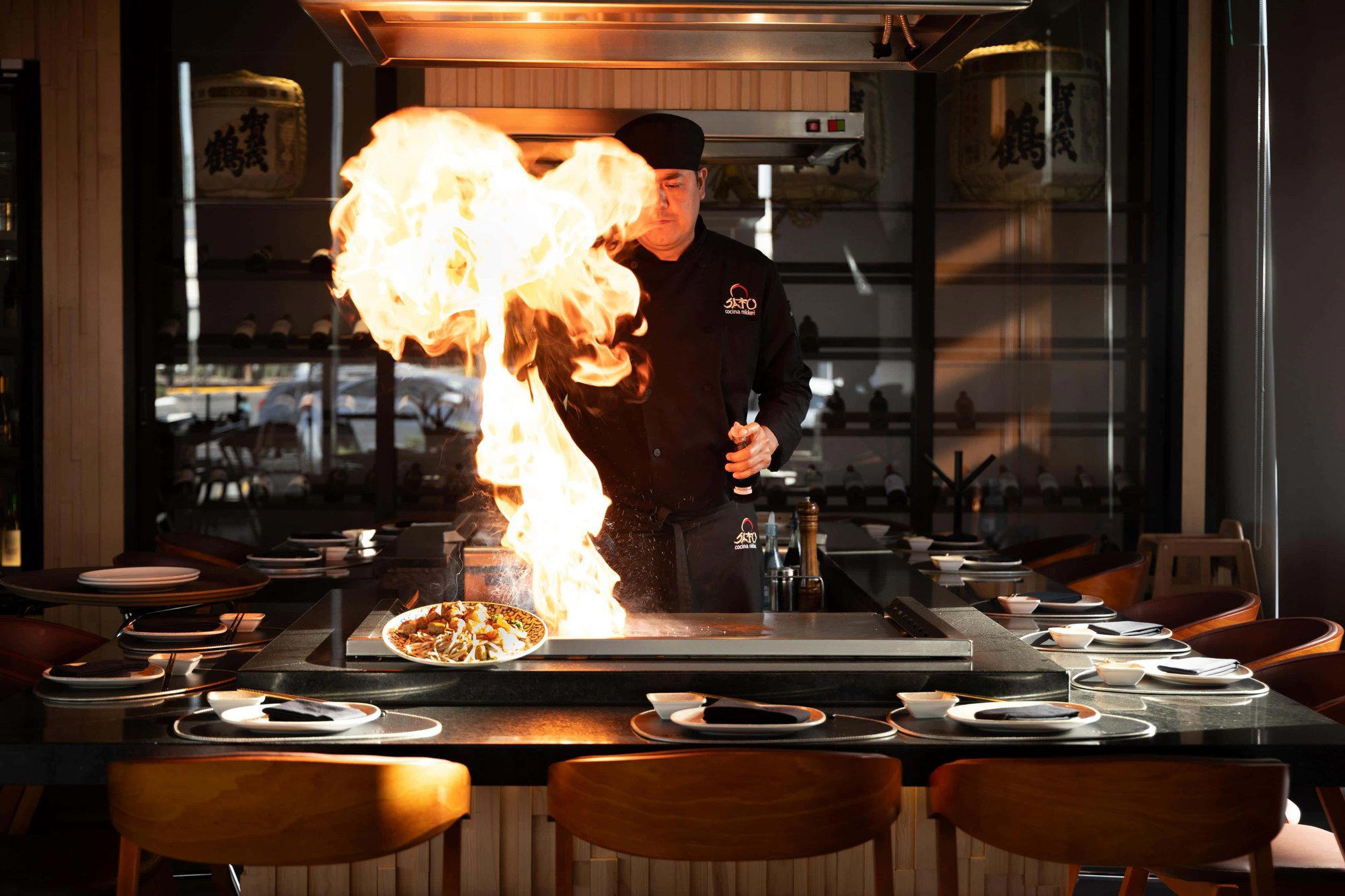
| Sato Restaurant | Casa de Piedra, Nikkei Japanese Fusion | $$$ | Not listed |
| Tacos De Birria Robles | Zona Romantica, Birria Tacos | $ | Not listed |
| Cocina Del Pueblo | Mercado Tulum, Authentic Mexican | $ | Not listed |
At a Glance
- Casual Hangout
- Family
- Standalone
- Local Sourcing
Current opening hours
- Monday
- Closed
- Tuesday
- 10 AM–5 PM
- Wednesday
- 10 AM–7 PM
- Thursday
- 10 AM–7 PM
- Friday
- 10 AM–7 PM
- Saturday
- 10 AM–7 PM
- Sunday
- 10 AM–7 PM
Hours can change for holidays and private events. Last verified .
Casual market stall atmosphere with focus on fresh, healthy preparation.