Castello Monterinaldi

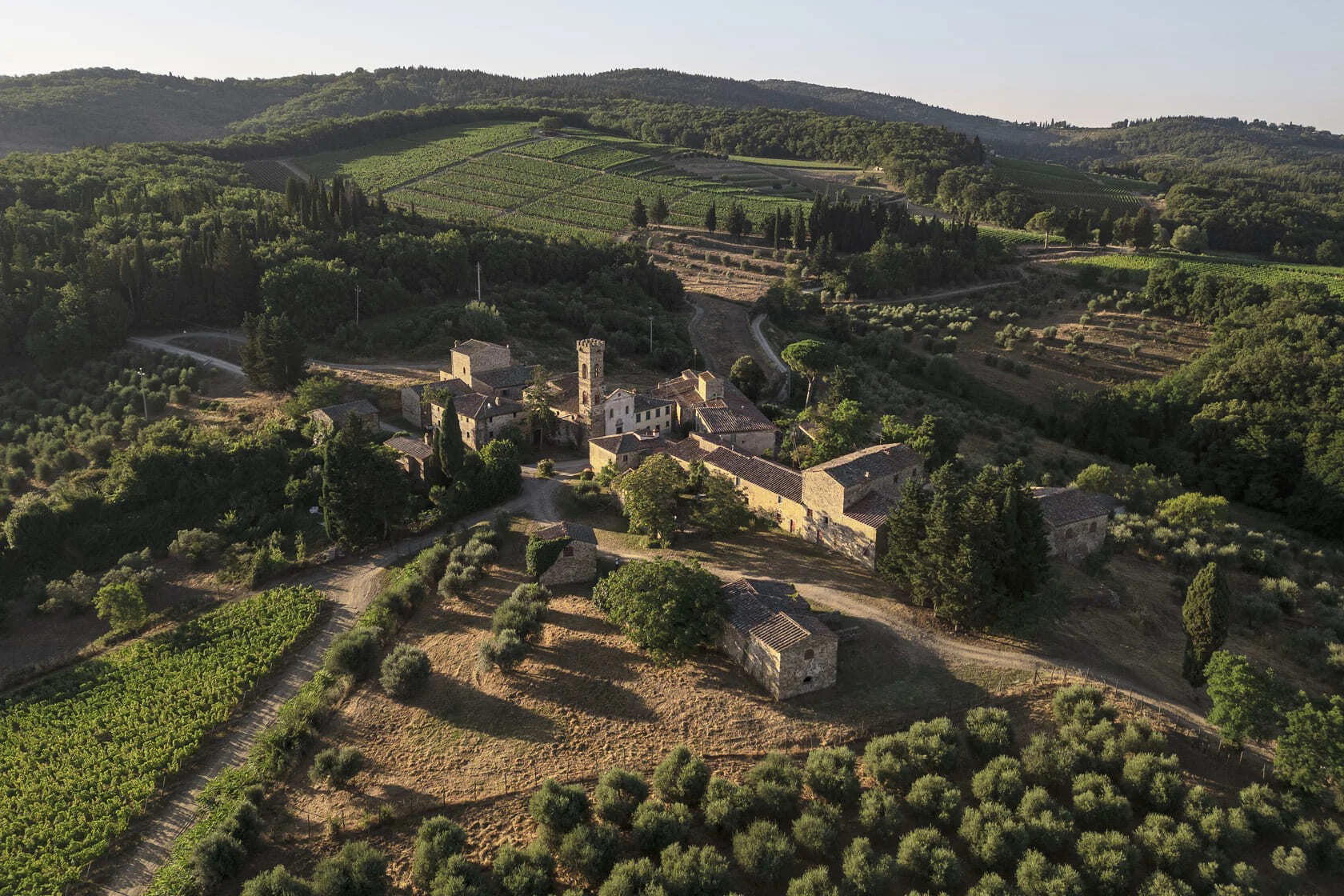
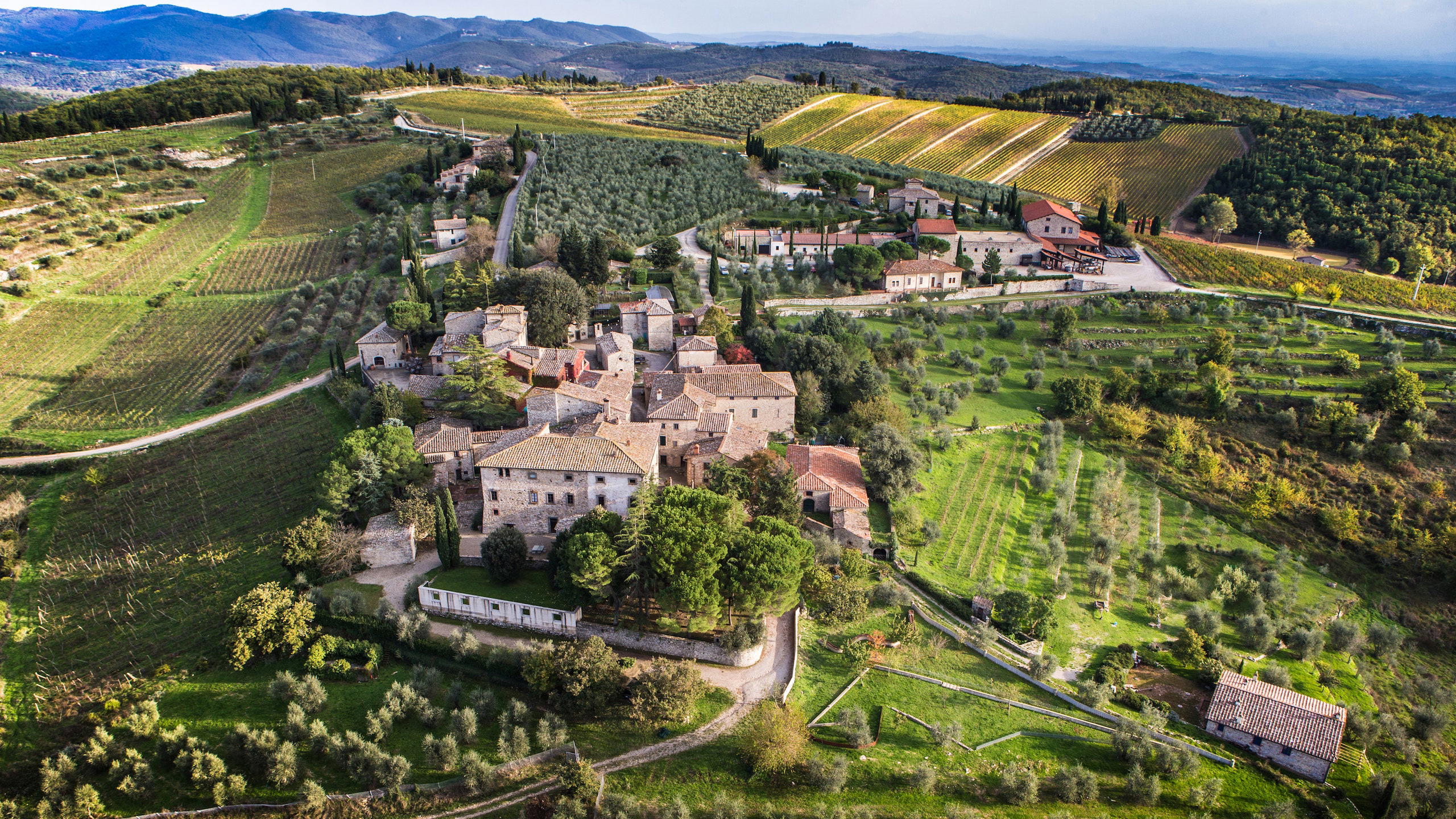
Castello Monterinaldi brings the Radda side of Chianti Classico into focus through organic Sangiovese, historic villa rooms, castle surroundings, and a hospitality format built around tastings, tours, meals, and wine education. The estate’s modern family-owned chapter dates to 1961, while its broader hilltop story reaches back through Tuscan history, giving the visit more substance than a standard cellar stop.
Pearl is the En Primeur Club membership app — saves, bookings, and concierge access live there. Same editors, same standards.
- Address
- Radda in Chianti, Tuscany, Italien
- Directions
- Get directions
 Saves & bookings on Pearl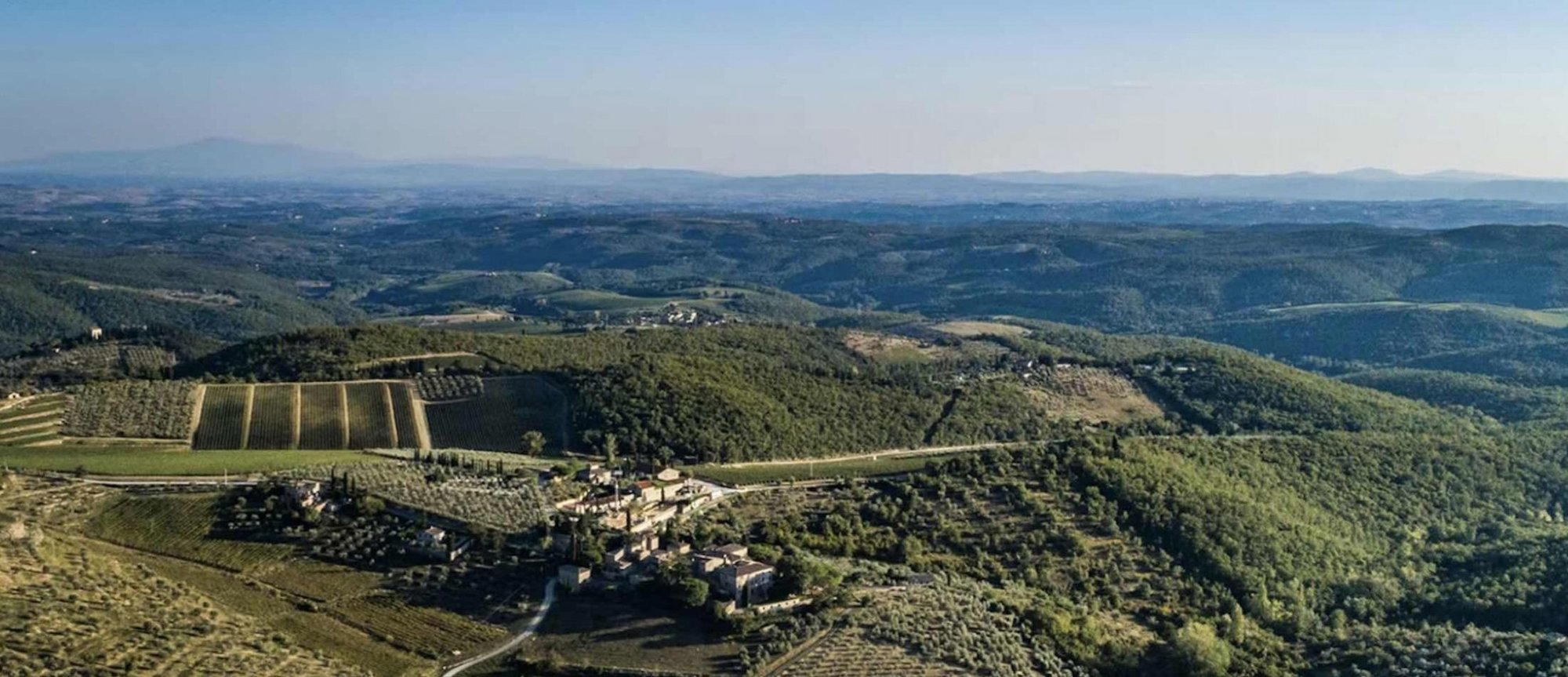
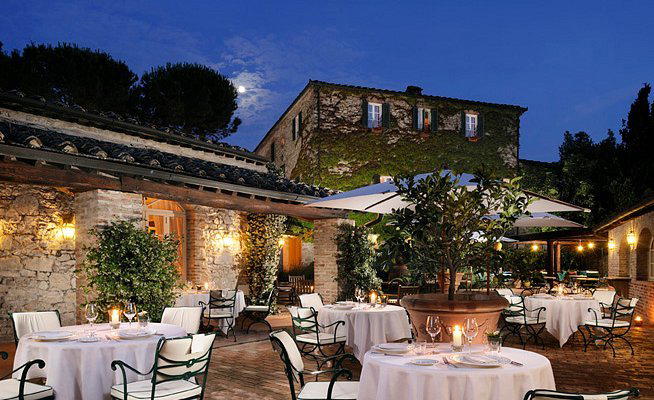
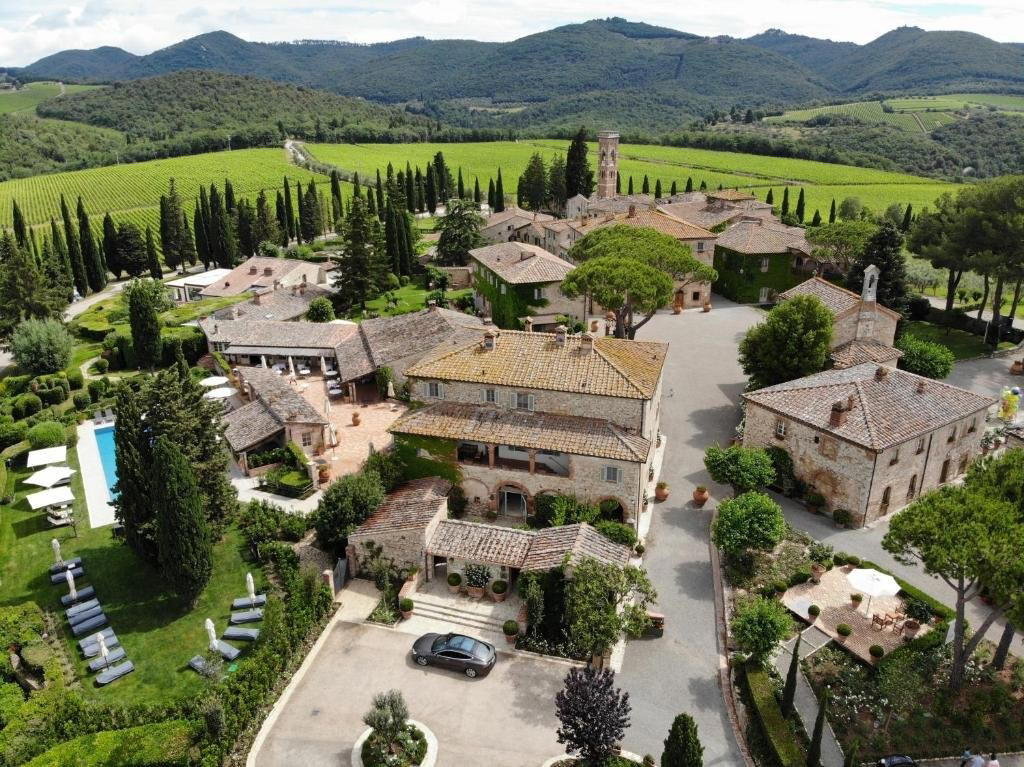
The approach to a Chianti Classico estate changes the tempo before a glass is poured: vineyard rows, olive groves, hill air, and the stone architecture that tells visitors they are in Sangiovese country rather than in a generic tasting room. At Castello Monterinaldi, that context matters. The estate sits in Radda in Chianti, with tastings and lunches staged around a historic castle estate and villa halls, and the tone is quiet, rustic, and deliberately unhurried.
Radda is one of the sharper lenses through which to read Chianti Classico. The area’s wines are often discussed for structure, acidity, and a more lifted Sangiovese profile than warmer Tuscan zones, and the estate’s work belongs to that conversation. The useful way to understand the visit is not as a castle photo opportunity, but as a lesson in how hillside farming, organic viticulture, and estate-grown fruit shape the glass.
Organic Sangiovese, read through the Radda hills
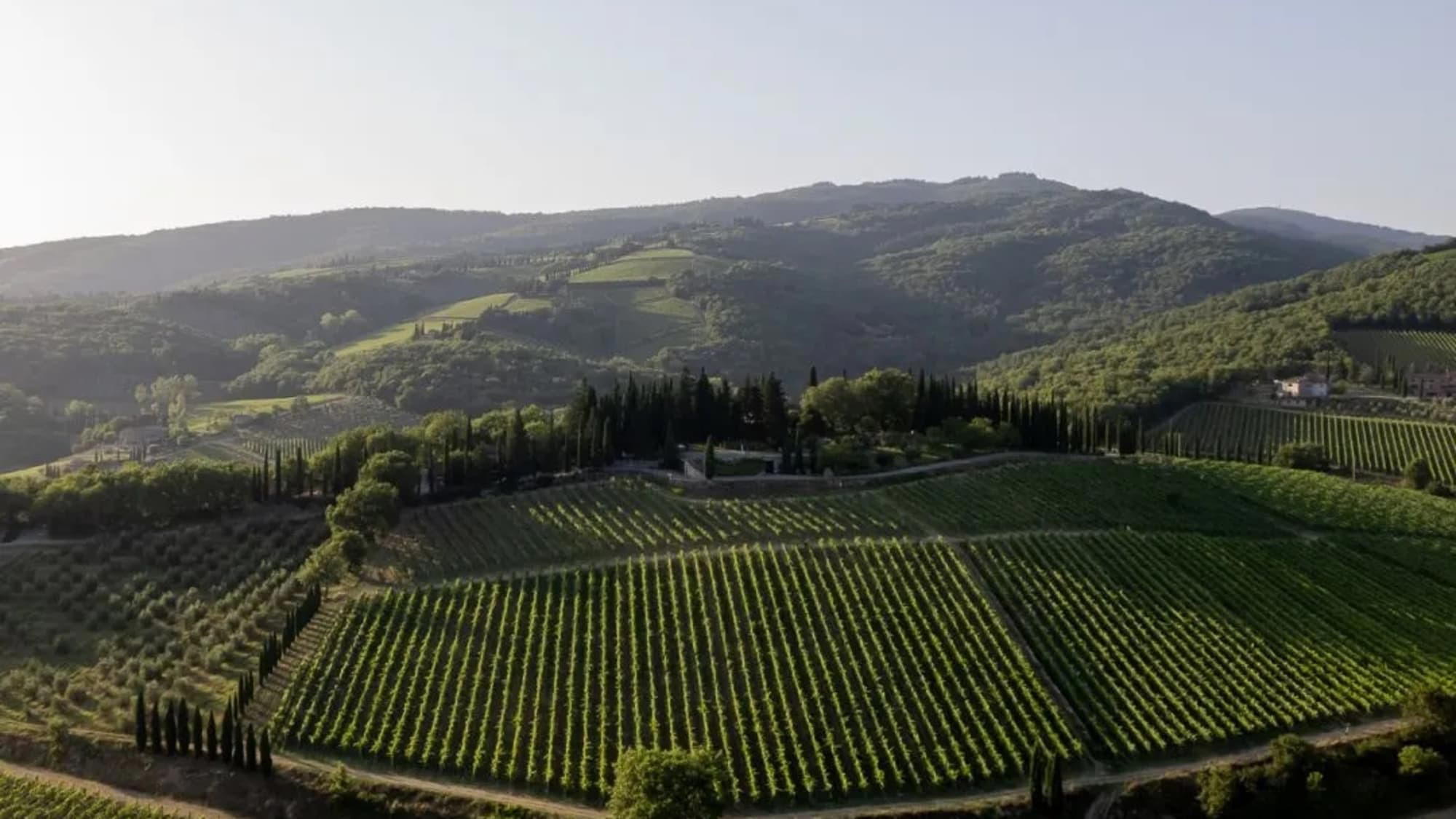
Chianti Classico has spent the past generation moving away from generic red-wine shorthand and toward more precise site language. Castello Monterinaldi fits that shift through scale and focus: around 50 hectares of organically farmed vineyards, spread across 18 plots, with Sangiovese at the center and supporting local red varieties including Canaiolo Nero. Organic certification dates to 2017, a meaningful marker in a region where vineyard management directly affects both soil health and tannin expression.
The estate’s modern family-owned chapter began in 1961, but the larger identity leans on deeper Tuscan memory: a hill associated with the Monterinaldi name from 1010, a castle damaged by war, and a setting near an ancient Etruscan road. Those details can sound decorative in lesser wine tourism, yet here they reinforce the central point: Chianti Classico is not just an appellation on a label, but a rural system of hills, mixed agriculture, old roads, and families working within long historical pressure.
The portfolio is broad enough to show range without losing the regional through-line. Still reds lead, but the estate also produces white, rosé, dessert wine, sparkling wine, and olive oil. That matters for visitors because a tasting can move beyond the usual single-register Chianti stop. The more serious lens remains Sangiovese: how it behaves across plots, how acidity is preserved, and how supporting grapes are used without making the wines feel detached from Radda.
Turtle symbol attached to the estate is useful when treated as production shorthand rather than romance. Slow, steady, patient farming is a credible philosophy in a place where Sangiovese needs time to ripen properly and where overworked wines can quickly lose regional character. In practical tasting terms, the better question is not whether the wines are powerful, but whether they carry the line, freshness, and grip that make Chianti Classico compelling at the table.
A tasting estate built for learning, not just sampling
Premium wine tourism in Tuscany now splits between quick retail tastings and fuller estate experiences that combine cellar context, food, landscape, and education. Castello Monterinaldi sits in the second camp. Tastings can be built around seated formats, tours, food pairings, traditional lunches, cooking classes, vineyard time, and more immersive wine-education sessions. The format gives the estate a broader use case than a short stop between towns.
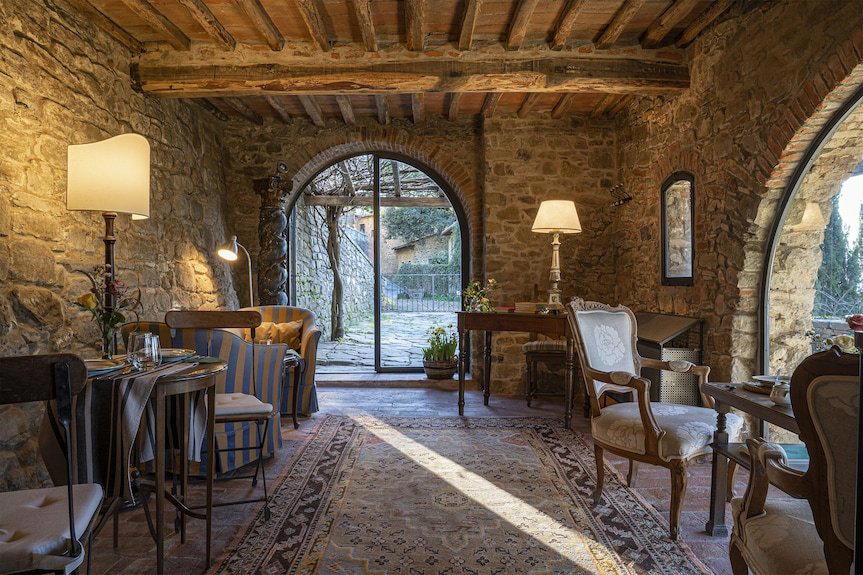
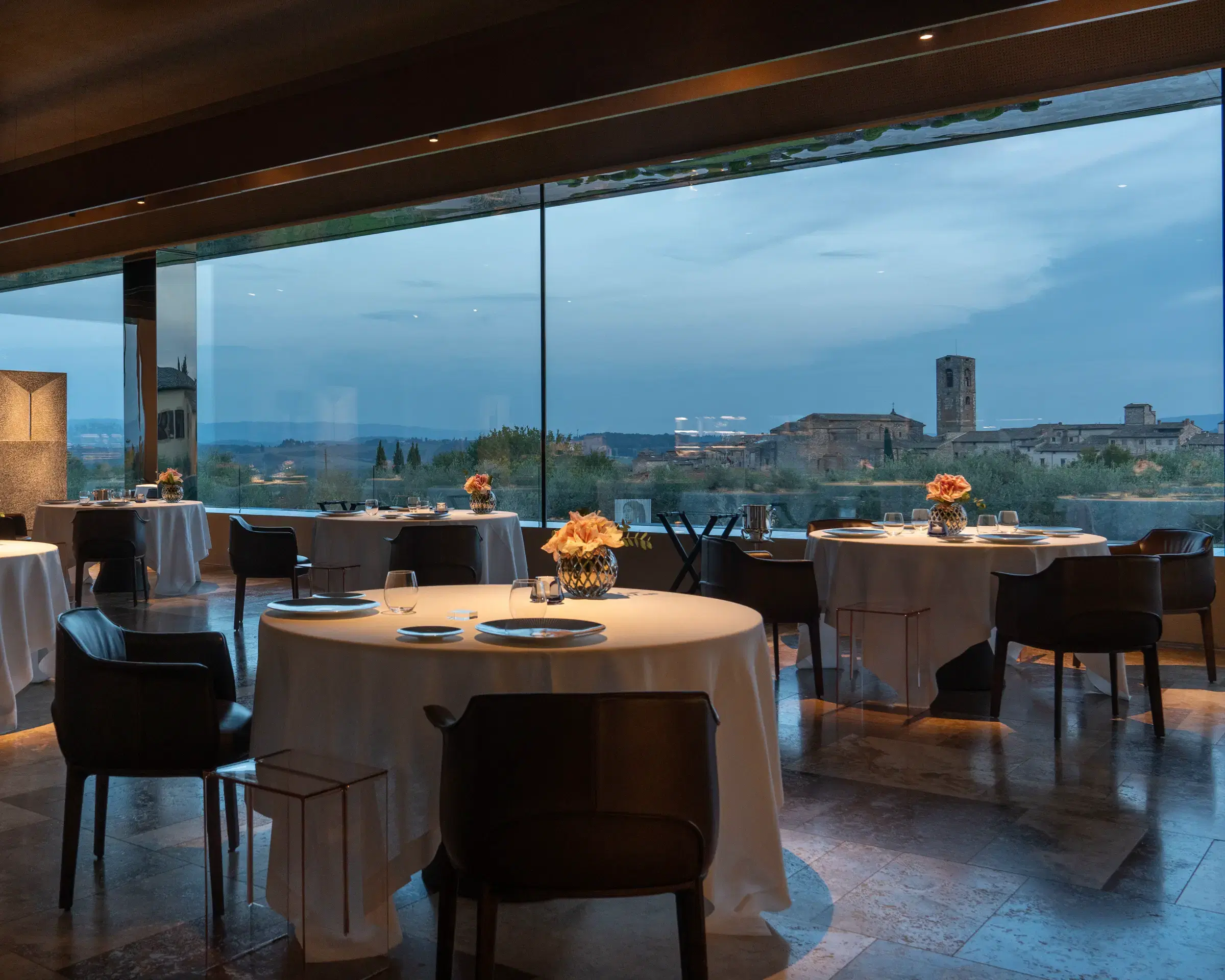
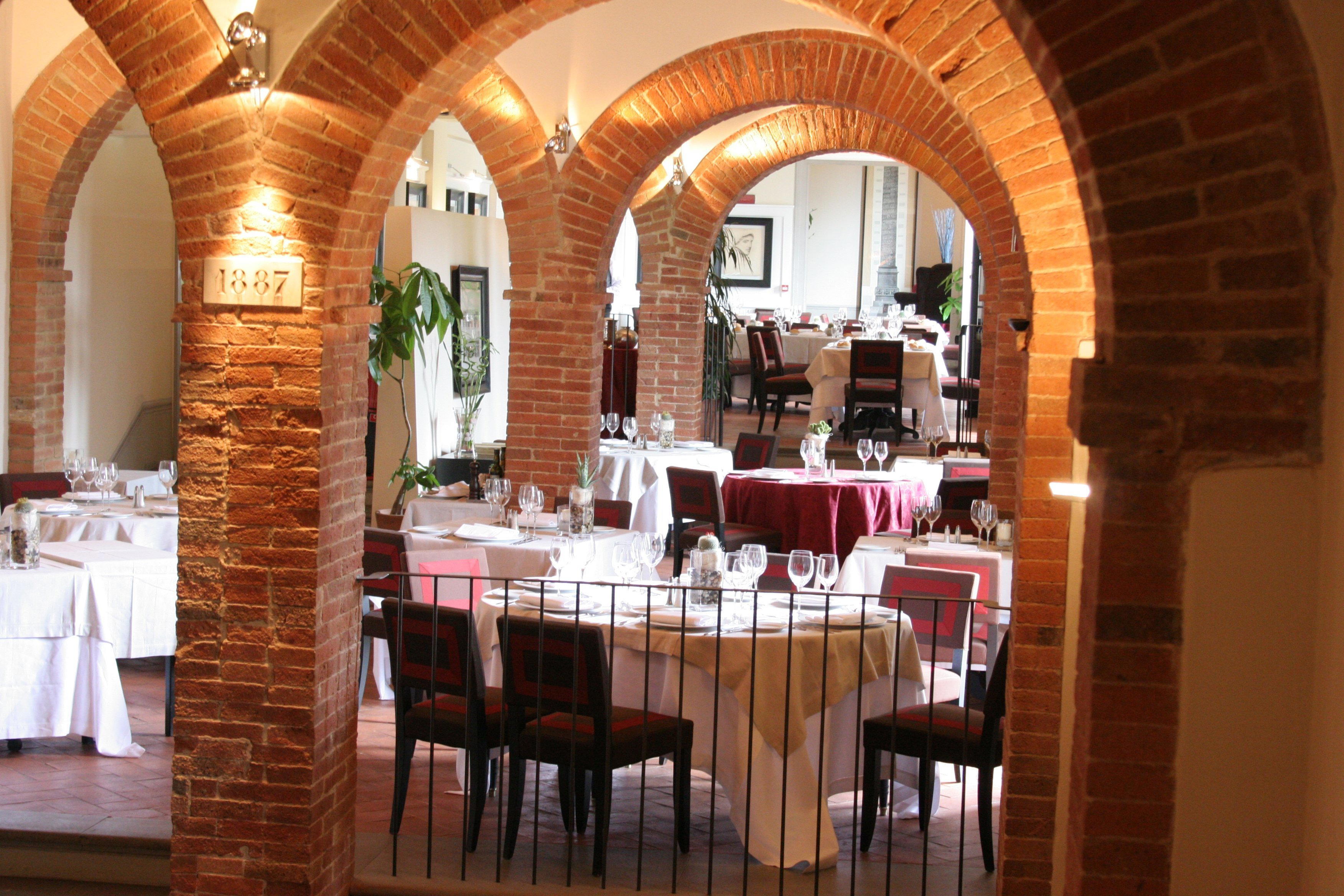
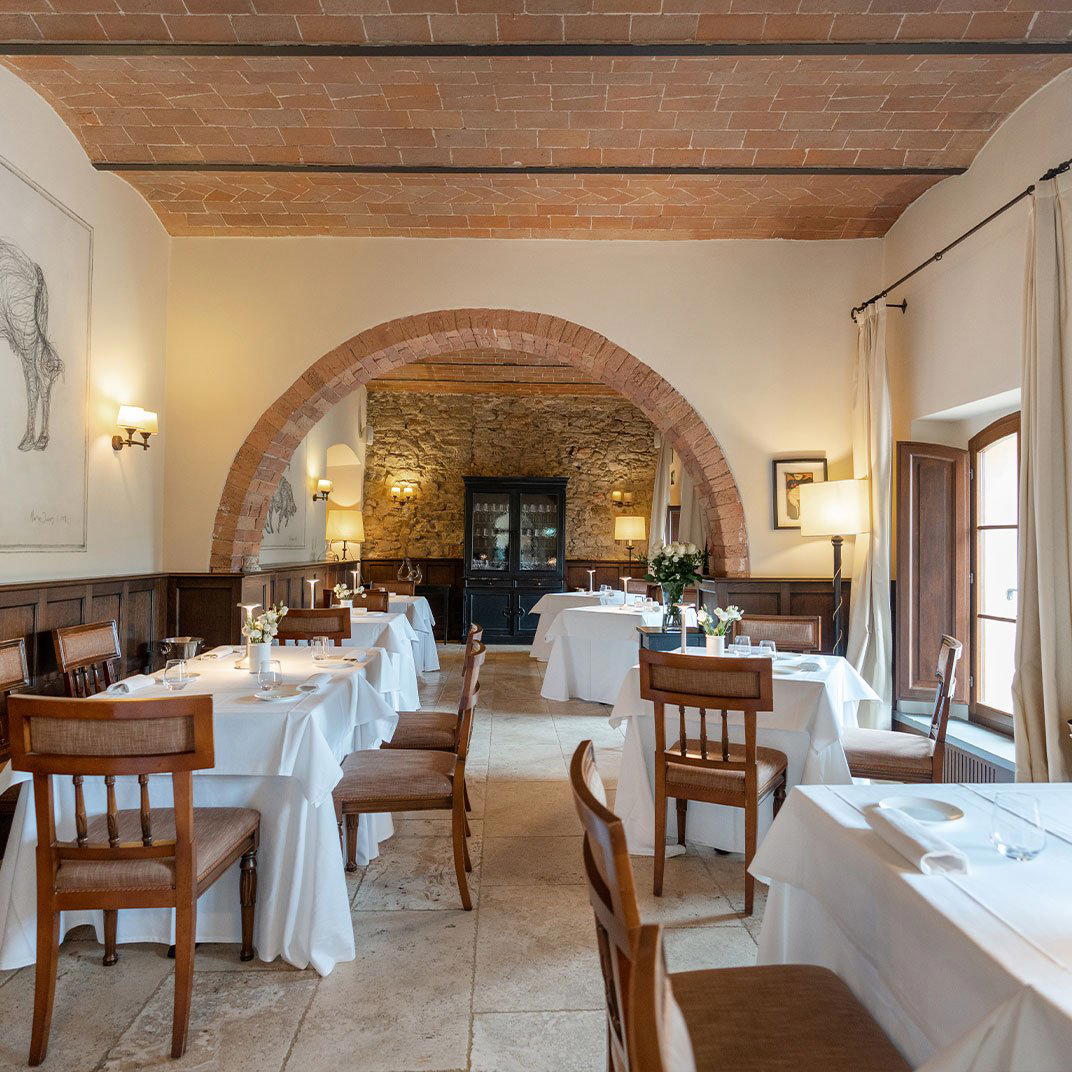
The setting strengthens that educational role. Tastings and meals in 19th-century villa halls and castle surroundings keep the experience anchored in place without turning the visit into costume drama. The atmosphere is quiet and intimate rather than theatrical, which suits Radda better than high-gloss luxury. This is Chianti Classico as working countryside: stone, vines, oil, food, and cellar conversation in close proximity.
For travelers building a wine-focused itinerary, the estate works especially well as a slower anchor in a Radda day. Nearby planning can be widened through Our full Radda in Chianti wineries guide, while the broader town logistics sit naturally beside Our full Radda in Chianti restaurants guide, Our full Radda in Chianti hotels guide, Our full Radda in Chianti bars guide, and Our full Radda in Chianti experiences guide.
Internal touring comparisons should stay within confirmed editorial routes rather than invented rivalry. Other Radda wine pages worth opening while planning include Arillo in Terrabianca, Azienda Agricola Colle Bereto, Azienda Agricola Il Barlettaio, Azienda Agricola Livernano, and Borgo La Stella. For a wider European winery scan, the index also connects to 3GP SRL in Treviso, 47 Anno Domini in Trebaseleghe, A Mano Wine in Noci, »der Steiner« Hans Steiner in Podersdorf am See, and & Handwein in Mannheim.
Who should put it on a Chianti Classico itinerary
This is a strong fit for travelers who want context with their wine: organic farming, estate history, Sangiovese, food pairings, and a setting that makes the appellation legible. It is less suited to anyone looking for a fast, anonymous tasting counter. The estate’s value lies in the way the visit connects land and bottle, especially for guests who want to understand why Radda tastes different from warmer, broader Tuscan red-wine territory.
The editorial case is clear: the winery gives Chianti Classico visitors a grounded, slow-format estate experience with enough production detail to satisfy serious drinkers and enough atmosphere to engage companions who are less technical about wine. Its trust signals are not built on trophy awards, but on concrete markers: family ownership since 1961, organic certification from 2017, around 50 hectares under vine, multiple tasting formats, and a hospitality style shaped by the estate rather than by a generic tourism script.
Recognition history
Dated appearances from independent guides and award organizations, with the underlying list record or original source where available.
Falstaff Winery - Listed
Falstaff
Continue exploring
More in Radda in Chianti
Wineries in Radda in Chianti
Browse all →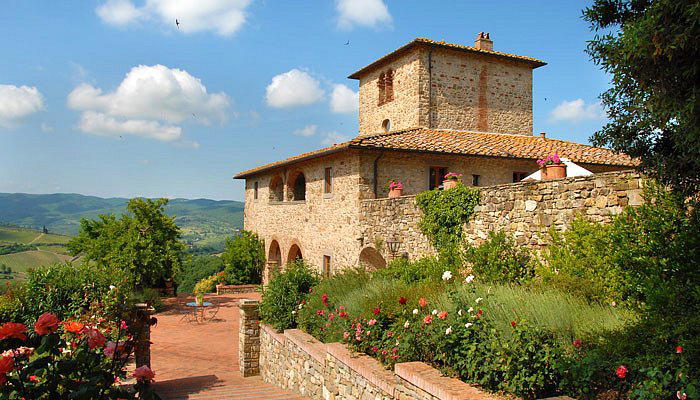
Bars in Radda in Chianti
Browse all →
Restaurants in Radda in Chianti
Browse all →
At a Glance
- Scenic
- Rustic
- Classic
- Romantic
- Intimate
- Romantic Getaway
- Group Outing
- Wine Education
- Corporate Event
- Estate Grounds
- Vineyard Tour
- Historic Building
- Panoramic View
- Private Tasting
- Organic
- Sustainable
- Vineyard
- Garden
- Mountain
- Chianti Classico DOCG
- Sangiovese
- Canaiolo Nero
- Local Red Varieties
- Still Red
- Still White
- Still Rosé
- Dessert
- Sparkling
- Bar Tasting
- Seated Tasting
- Tasting With Tour
- Tasting With Meal
Historic Chianti Classico estate with a slow, mindful philosophy inspired by the turtle; tastings and lunches are hosted in atmospheric 19th‑century villa halls and castle surroundings, with a warm, personal, and hospitable feel highlighted by guests as charming, quiet, and elegant.