Kilchoman Distillery
Kilchoman Distillery brings Islay whisky back to the farm, with barley, malting, distilling, maturation and bottling tied to Rockside Farm on the island’s north-west coast. The draw is not scale or polish; it is the rare chance to see a modern single malt house built around land, grain and peat rather than visitor-theatre alone.
Pearl is the En Primeur Club membership app — saves, bookings, and concierge access live there. Same editors, same standards.
- Address
- Rockside Farm, Bruichladdich, Isle of Islay PA49 7UT, United Kingdom
- Phone
- +44 1496 850011
- Website
- kilchomandistillery.com
- Directions
- Get directions
 Saves & bookings on Pearl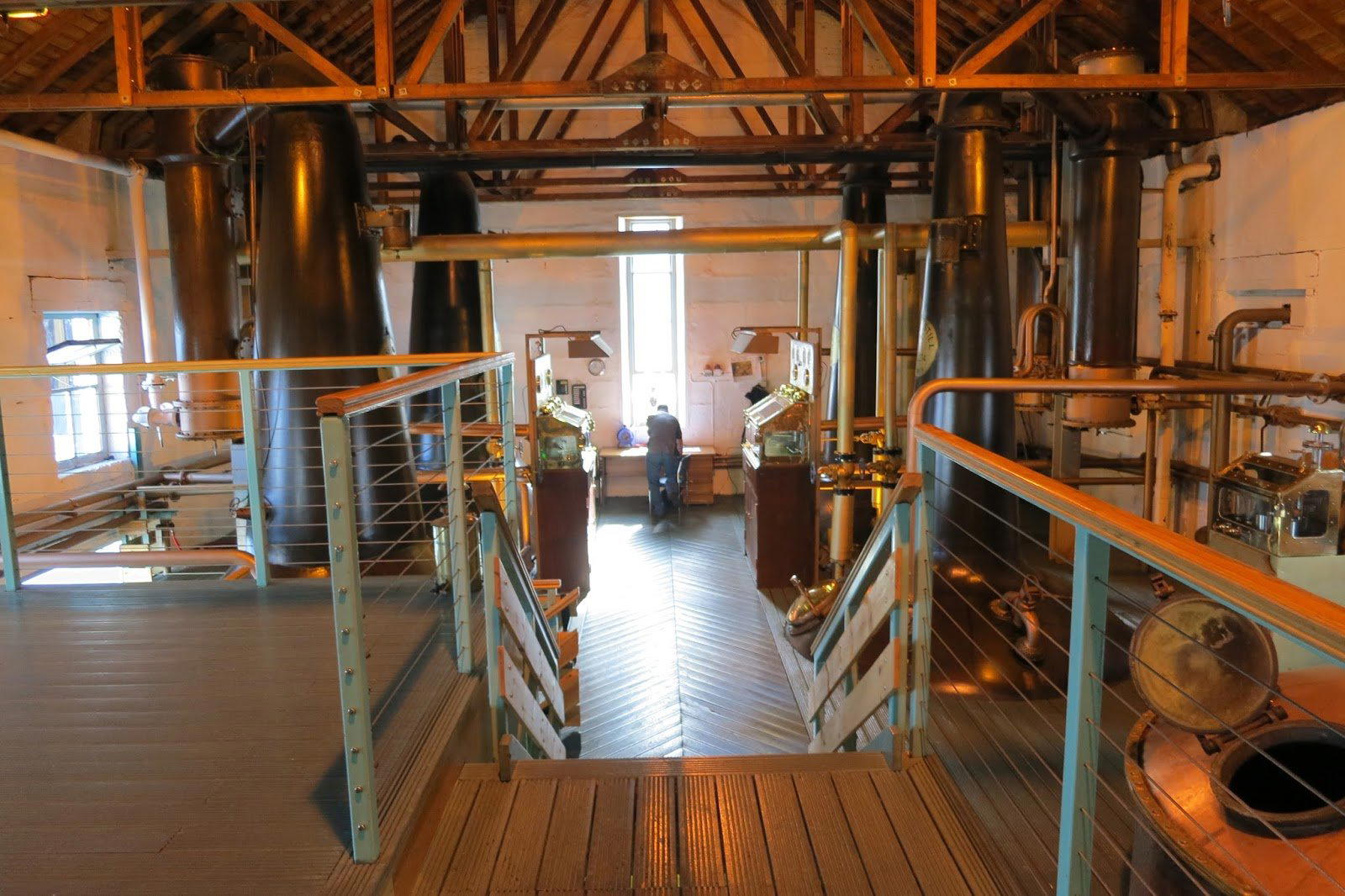
Approaching Kilchoman Distillery means trading the harbour-and-village rhythm of much Islay whisky tourism for fields, farm buildings and a working agricultural frame. The setting matters because this is not just scenic context around a still house; it is the central argument. Islay’s whisky reputation is often reduced to peat and coast, but here the more interesting story is grain: barley grown, malted, peated, distilled, matured and bottled on the same farm.
That farm-to-bottle claim gives Kilchoman a sharper identity than many younger distilleries can sustain. Production began in 2005, making it the first new distillery established on Islay in more than 124 years, and the project was built as a small-scale, family-run farm distillery rather than a revival of industrial volume. The result is a modern Islay producer whose credibility comes from process control and place, not from inherited age alone.
Islay terroir, read through barley and peat rather than spectacle
Single malt often borrows the language of terroir from wine, sometimes too loosely. Kilchoman gives the term more substance because the production chain stays unusually close to the land. A significant amount of barley is grown at Rockside Farm, malting takes place on site, and bottling remains part of the same estate logic. That does not make every release an agricultural case study, but it does mean the distillery’s claim to place is more than a label line.
The house style sits firmly inside the peat-forward Islay conversation, yet its emphasis is not brute smoke. The core range is described around maritime peat smoke, citrus sweetness, cooked fruit and spice, with releases such as Rockside 11, Sanaig, 100% Islay and Loch Gorm showing different balances of fruit, oak, caramel, chocolate, toffee and peat. Those are official tasting frames rather than invented tasting-room poetry, and they point to a distillery trying to make peat legible through texture and fruit rather than treating smoke as a blunt instrument.
For visitors, that makes the experience more educational than decorative. The important thing to understand is the chain from field to glass: why estate barley matters, how on-site malting changes the story, and why a small farm distillery occupies a different lane from larger island producers.
A compact visitor format built around the working farm
The hospitality format follows the production identity. Kilchoman is described as a relaxed visitor centre with tasting bar and café, set among traditional buildings, dunnage warehouses and surrounding fields. Classic tours run around 75 minutes, roving tastings around 90 minutes, and premium or limited-edition formats around two hours. That range matters: first-timers can get the production overview without turning the day into a technical seminar, while committed whisky drinkers can use the longer formats to focus on limited releases and deeper tasting context.
The distillery’s small scale is part of the draw. Historical production has been cited around 120,000 to 200,000 litres of spirit per year, later expanded to roughly 0.46 to 0.48 million litres of pure alcohol. Those numbers are modest by Islay standards and help explain why the visit feels tied to a working farm rather than a high-volume attraction. The Kilchoman Club, with limited-edition releases, tours, tastings and an annual members-only Club Release, also signals a producer speaking to enthusiasts rather than casual souvenir traffic alone.
Anthony Wills’ role is relevant because it explains the structure without turning the story into founder mythology. Before the distillery opened, he had run an independent single-cask bottling company for eight years, and that background helps make sense of a producer attentive to provenance, cask identity and small-batch loyalty. The stronger editorial point, though, is that Islay’s modern whisky scene is no longer only about old names and coastal warehouses; newer producers can earn authority by making the agricultural system visible.
How to place Kilchoman in an Islay drinking itinerary
Kilchoman works well for travellers who want whisky tourism with a production spine. The atmosphere is casual, the noise level conversational, and the format suits solo exploration, groups, families and drinkers who care about education as much as tasting. Reservations are recommended, and the visit type is listed as by reservation, so this is not a venue to treat as an afterthought between ferries and meals.
The key editorial reason to go is the estate model. In a category where many distilleries speak about place, this one can show more of the chain: fields, farm buildings, malting, maturation and bottling inside one identity. That is the substance behind the name “Islay’s Farm Distillery.” It is also why the 100% Islay expression carries more conceptual weight than a standard range extension; it compresses the agricultural and distilling argument into the bottle.
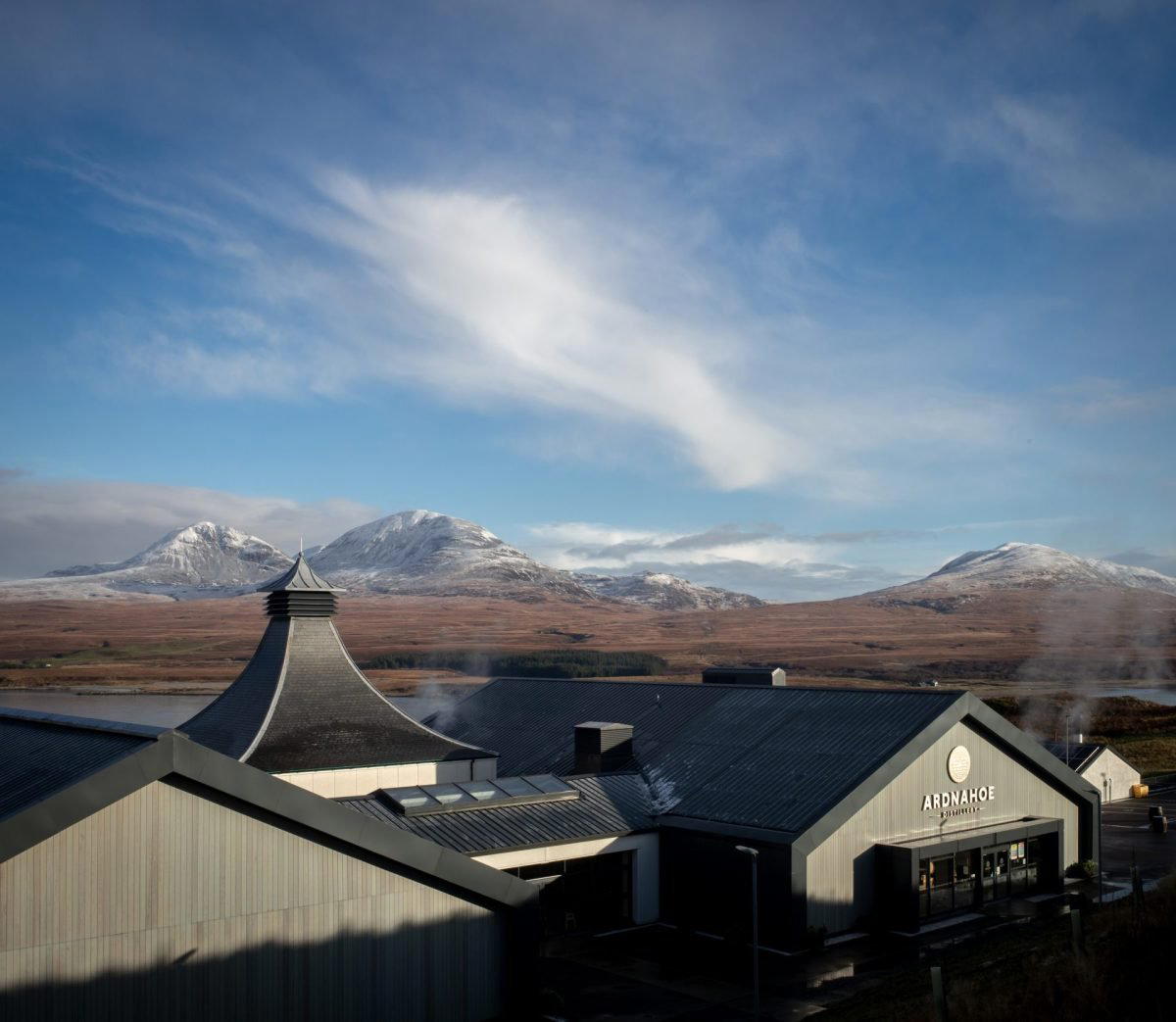
For a broader trip, keep the whisky visit in dialogue with the rest of Bruichladdich rather than treating it as a single stop. EP Club’s local planning pages cover Our full Bruichladdich restaurants guide, Our full Bruichladdich hotels guide, Our full Bruichladdich bars guide and Our full Bruichladdich experiences guide. Readers building a wider drinks map can also file away Aberlour in Aberlour, Arbikie Highland Estate in Arbroath, Ardbeg in Port Ellen, Ardnahoe in Port Askaig, Balfour - Hush Heath Estate in Staplehurst, Bibendum Wine in London, »der Steiner« Hans Steiner in Podersdorf am See and & Handwein in Mannheim.
Continue exploring
More in Bruichladdich
Wineries in Bruichladdich
Browse all →
Restaurants in Bruichladdich
Browse all →
Hotels in Bruichladdich
Browse all →
At a Glance
- Rustic
- Scenic
- Cozy
- Well Known
- Group Outing
- Celebration
- Solo Exploration
- Wine Education
- Family
- Special Occasion
- Estate Grounds
- Waterfront
- Historic Building
- Private Tasting
- Sustainable
- Dry Farmed
- Islay
- Classic Tasting
- Premium Tour & Tasting
- Roving Tasting
- Limited Edition Tasting
Current opening hours
- Monday
- 9:30 AM–5 PM
- Tuesday
- 9:30 AM–5 PM
- Wednesday
- 9:30 AM–5 PM
- Thursday
- 9:30 AM–5 PM
- Friday
- Closed
- Saturday
- Closed
- Sunday
- 9:30 AM–5 PM
Hours can change for holidays and private events. Last verified .
Small, family-run farm distillery with a relaxed visitor centre, tasting bar and café; atmosphere is rustic and welcoming, with traditional farm buildings, dunnage warehouses and views over surrounding fields contributing to a cozy yet scenic feel.
Know Before You Go
- Reservations
- Recommended
- Dress code
- Casual