BdT Club
BdT Club sits on Maipú in central Buenos Aires, a location that places it inside the city’s late-night bar circuit rather than a destination dining enclave. With no published awards, chef, price range, hours, or cocktail specifics in the available record, the useful reading is contextual: treat it as part of Buenos Aires’ broader drinking culture, where address, pacing, and peer comparison matter before committing an evening.

Pearl is the En Primeur Club membership app — saves, bookings, and concierge access live there. Same editors, same standards.
- Address
- Maipú 907, C1006 Cdad. Autónoma de Buenos Aires, Argentina
- Phone
- +54 43160800
- Hours
- Mon–Tue ClosedWed–Sat 5 PM–12 AMSun Closed
- Website
- bocadetoro.com
- Directions
- Get directions
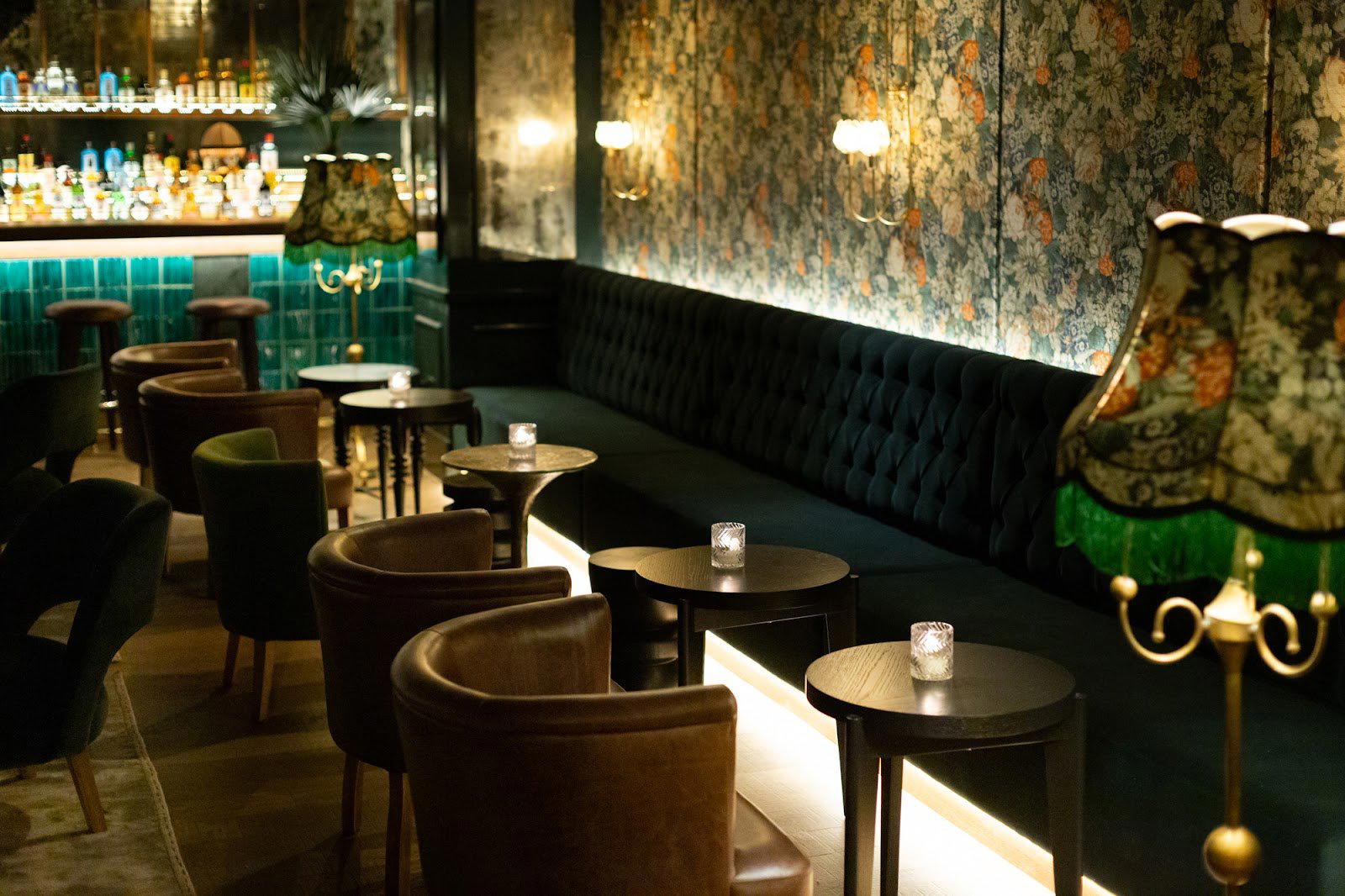
Maipú after dark, and the Buenos Aires bar question
Maipú is a downtown address, and that matters. In Buenos Aires, a bar on a central street carries a different promise from a Palermo cocktail room, a Recoleta hotel lounge, or a San Telmo drinking den. The approach is urban rather than resort-like: office blocks, theatres, hotels, taxis, and the practical rhythm of a capital city that keeps late hours. BdT Club, listed at Maipú 907 in the Ciudad Autónoma de Buenos Aires, belongs to that central circuit, where a drink can function as a pre-theatre pause, a post-dinner landing place, or a late start to a longer night.
The useful way to read a Buenos Aires bar is not by asking whether it behaves like London, New York, or Barcelona. The city has its own grammar. Dinner skews late, conversation carries weight, and the line between café, wine bar, cocktail room, and social club has always been porous. That is why the strongest bar pages in Buenos Aires are not only about what is in the glass. They are about timing, neighbourhood, table culture, and the kind of evening being built around the room.
That absence is itself useful for a serious traveller. Buenos Aires has a developed cocktail scene with venues that publish international accolades, menu concepts, and reservations clearly; a bar without that public detail should be approached through location and intention rather than through trophy language. It may be a fit for travellers already nearby in Microcentro or Retiro, while those designing a cocktail-led itinerary should compare it with better-documented peers before making it the anchor of the night.
The cocktail programme as a Buenos Aires decision
Buenos Aires drinking has changed over the past decade. The older model, built around vermouth, Fernet and cola, whisky, beer, and long café hours, has been joined by a more technical cocktail culture: clarified serves, bitter-led aperitif structures, regional botanicals, low-ABV drinks, and bars that treat ice, glassware, and menu architecture as part of the craft. That shift is visible in internationally recognised rooms and in smaller neighbourhood bars that borrow the language without the ceremony.
That limits any responsible claim about the cocktail programme. The editorial question, then, becomes comparative: in a city where several bars have made their identities public through awards, menus, and bar-team visibility, a less-documented venue asks for a lower-risk slot in the evening. It can be placed after dinner, before a planned reservation elsewhere, or as a central stop when the group values convenience over a researched tasting arc.
That distinction is important. A cocktail-led traveller in Buenos Aires has strong reference points. 878 Bar sits in the city’s modern cocktail conversation with the kind of neighbourhood-bar seriousness that helped shape local expectations. CoChinChina speaks to the newer, design-conscious and globally legible side of the scene. Florería Atlantico connects Buenos Aires drinking to immigration, port-city identity, and the international bar-awards circuit. Hotel bars, including Four Seasons, occupy another lane, where polish, service predictability, and traveller convenience carry more weight than counterculture energy.
Against that field, BdT Club should be read as a central-city option rather than a documented standard-bearer. That does not make it lesser; it makes the planning logic different. A bar with public awards and a named programme can justify a night built around it. A bar with minimal public data is better used with flexibility: check current operating information directly, confirm whether reservations are needed, and treat the first round as the test of pace, balance, and room tone.
Why central Buenos Aires changes the night
Microcentro and the streets around Retiro have an after-dark personality that differs from Palermo’s weekend density. The centre has hotels, business traffic, theatres, heritage buildings, and practical transport connections. It can feel transient during the day and cinematic at night, especially when an evening moves between dinner, drinks, and a final taxi rather than staying inside one neighbourhood. A Maipú address benefits from that mobility.
For visitors, this location is useful when the night is not meant to be a single-district crawl. It pairs naturally with classic downtown dining, theatre plans, and hotel stays around Retiro, Plaza San Martín, and Avenida 9 de Julio. It also works as a midpoint between neighbourhoods: a group staying centrally can start here before moving north, while travellers returning from dinner elsewhere may use it as a final stop closer to their hotel., the sensible move is to verify the current schedule before committing, because Buenos Aires nightlife rewards late planning but punishes assumptions.
The city’s hospitality rhythm also affects expectations around price and service. Buenos Aires cocktail prices can vary sharply by neighbourhood, imported-spirit use, hotel setting, and award visibility. In practice, the traveller should judge value by build quality and setting rather than by drink cost alone: balanced dilution, fresh citrus, properly cold glassware, and staff who can explain the menu without turning the table into a lecture.
How it compares with the city's bar scene
The award-led cocktail circuit
Buenos Aires has bars that communicate their status through international recognition, published menus, and a clear point of view. These are the addresses for travellers who plan nights around cocktail technique. They usually make the case before arrival: there is a visible team, a concept, a reservation path, and enough public information to judge whether the room suits the evening. In that category, the decision is relatively easy, because the evidence is public.
The neighbourhood serious-drinking room
Another Buenos Aires type is less theatrical: a room with good drinks, a loyal local audience, and a pace that rewards conversation. These bars may not rely on spectacle. Their value comes from consistency, an educated back bar, and bartenders who know when to intervene and when to let a table settle. A venue with sparse public information can belong to this category, but the claim has to be earned in the room rather than asserted in advance.
The hotel and traveller-convenience bar
Hotels play a particular role in Buenos Aires drinking. They solve logistics: safe arrival, predictable service, English-language ease for some guests, and proximity to rooms or restaurants. The trade-off is that hotel bars can feel insulated from the city’s social texture. A downtown independent bar, if it has energy and discipline, can offer a more local evening without requiring a trip across town.
The late-night fallback
Every serious city needs bars that work when the plan changes. A dinner runs long, a reservation falls through, or a group decides that one more drink is sensible before calling it. Central Buenos Aires is well suited to that kind of evening because taxi access and hotel proximity reduce friction. This is where BdT Club may make the strongest planning sense: not as the sole reason to cross the city, but as a useful central stop when the night is already in motion.
Planning a broader Buenos Aires itinerary
A strong Buenos Aires trip should not isolate bars from the rest of the city’s hospitality culture. The drinking scene is tied to steakhouse tradition, new Argentine cooking, café life, hotel geography, and wine. For dining context, Our full Buenos Aires restaurants guide helps separate old-school parrilla gravity from newer tasting-menu and bistronomy formats. For where to sleep, Our full Buenos Aires hotels guide is useful because hotel choice shapes the ease of late nights more than many visitors expect.
Bars deserve their own map. Our full Buenos Aires bars guide places downtown addresses, Palermo cocktail rooms, hotel lounges, and destination bars in relation to one another. Wine is another axis of the city’s drinking culture, even when the night begins with cocktails; Our full Buenos Aires wineries guide gives context for Argentina’s bottle culture and cellar-led planning. For travellers building days around art, architecture, tango, or private guiding, Our full Buenos Aires experiences guide helps keep the evening from carrying all the pressure.
Argentina also rewards comparison beyond the capital. A bar in Buenos Aires operates in a different register from a lodge lounge near the rainforest or a beer-led stop in wine country. Awasi Iguazú Bar and Lounge in Puerto Iguazu belongs to a lodge context, where place and retreat shape the drinking rhythm. Antares Mendoza in Mendoza sits in a region where wine tourism changes what visitors expect from a bar. Even international references can clarify the point: Café La Trova in Miami shows how music, diaspora, and cocktail heritage can define a room as much as recipes do.
Practical reading for BdT Club
The confirmed practical information is limited but concrete: BdT Club is listed at Maipú 907, C1006, Ciudad Autónoma de Buenos Aires, Argentina. Those gaps should guide behaviour. Confirm current opening times through a reliable live source before going, especially around Sundays, holidays, and summer travel periods when Buenos Aires schedules can shift.
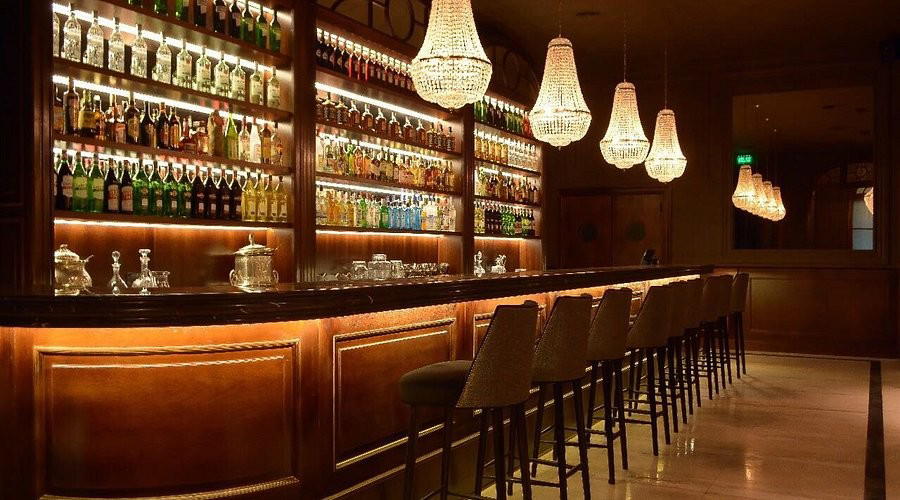
Atmosphere-wise, expect the planning logic of a central Buenos Aires bar rather than a resort lounge or a suburban destination. The address suits travellers who are already downtown, staying nearby, or pairing drinks with theatre, dinner, or hotel-based logistics.
Continue exploring
More in Buenos Aires
Bars in Buenos Aires
Browse all →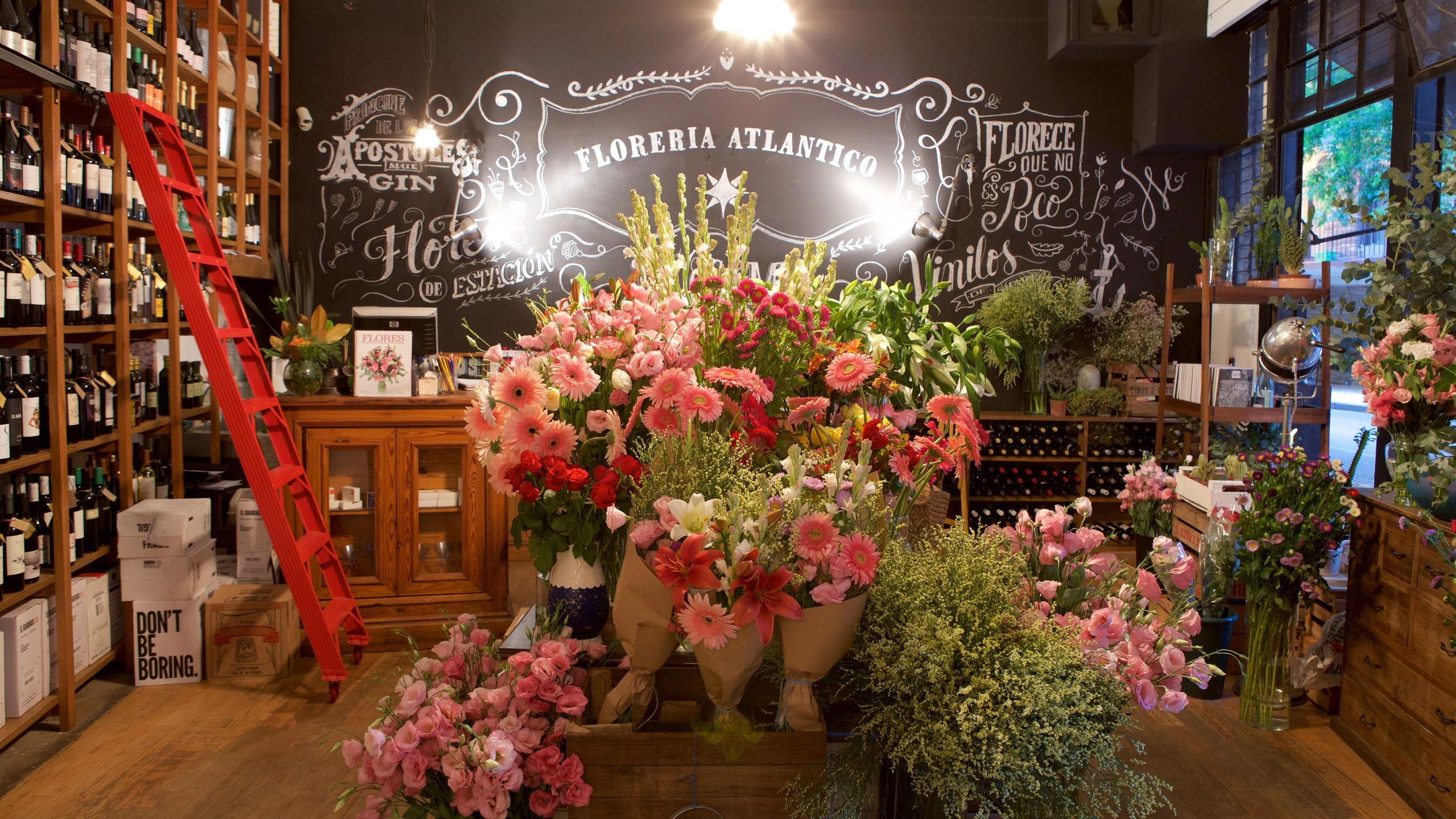
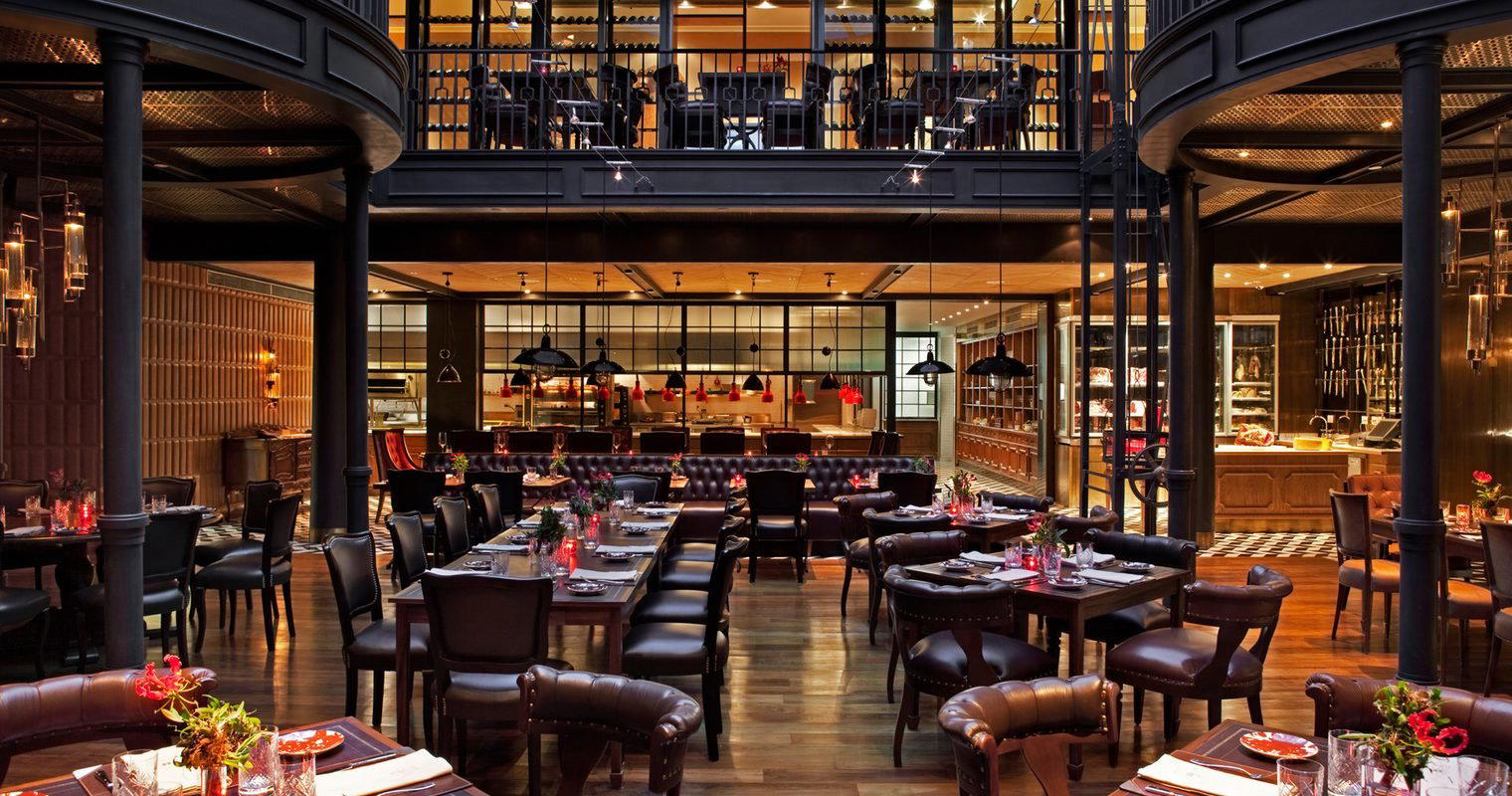
Restaurants in Buenos Aires
Browse all →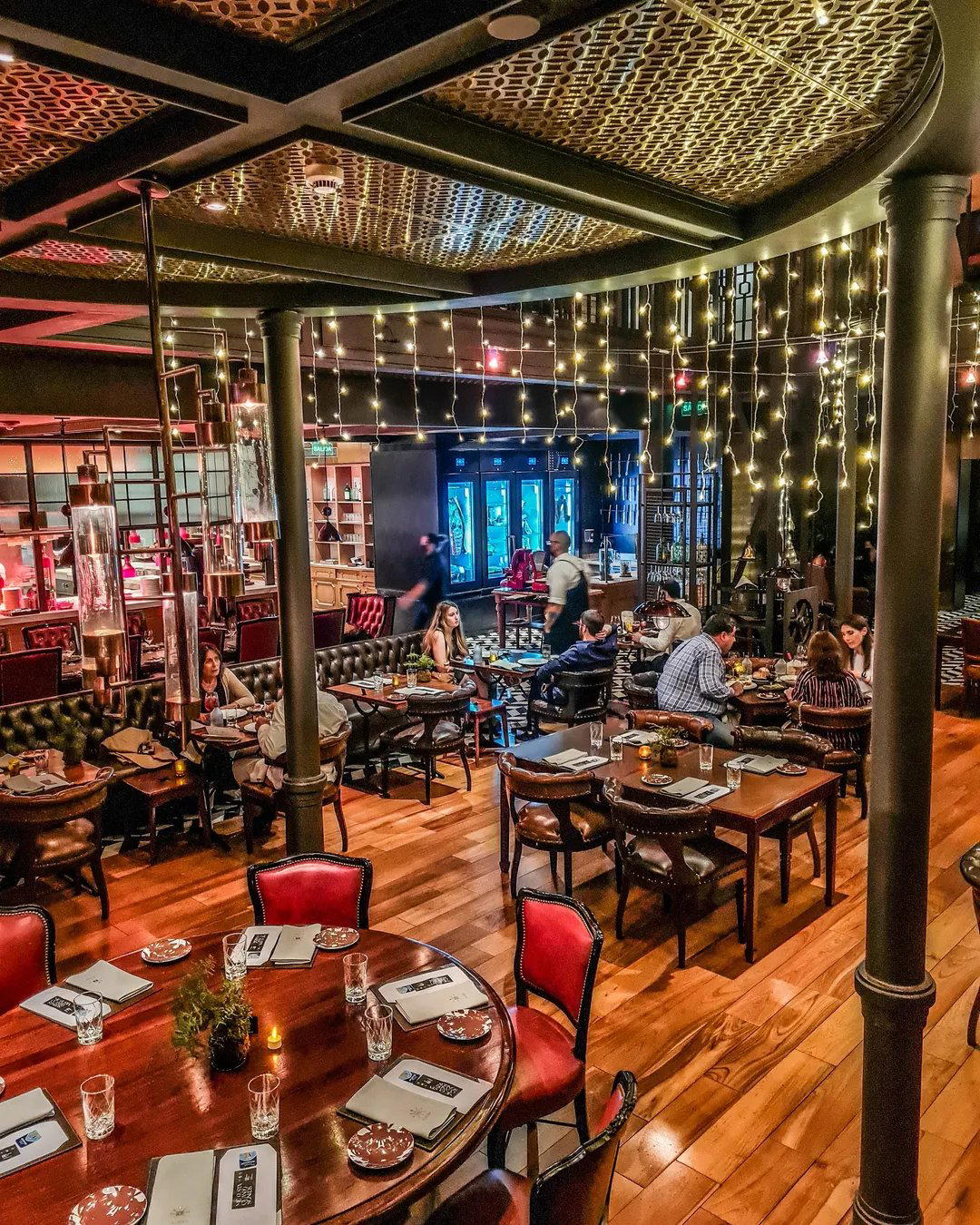
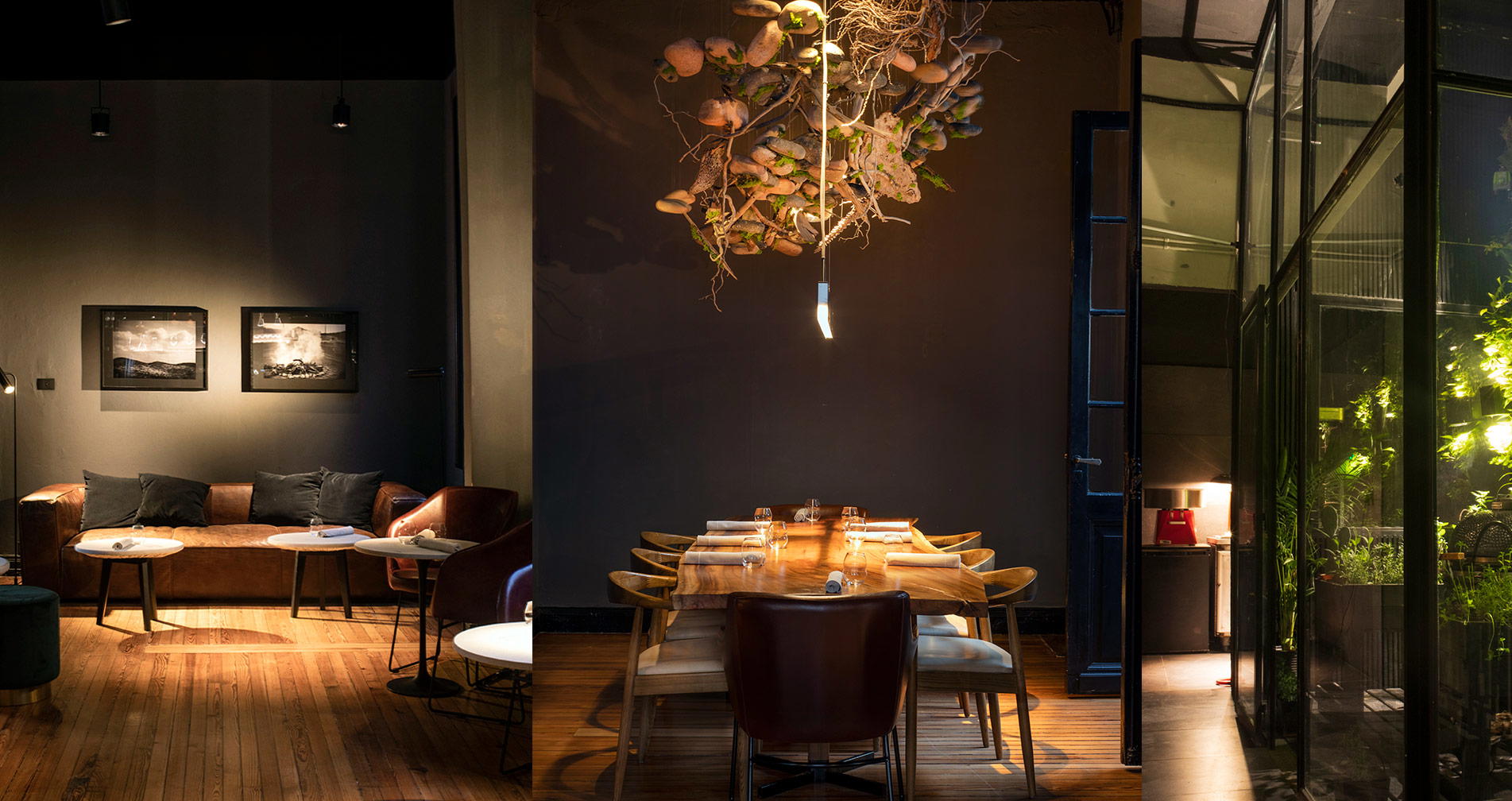
Hotels in Buenos Aires
Browse all →
Wineries in Buenos Aires
Browse all →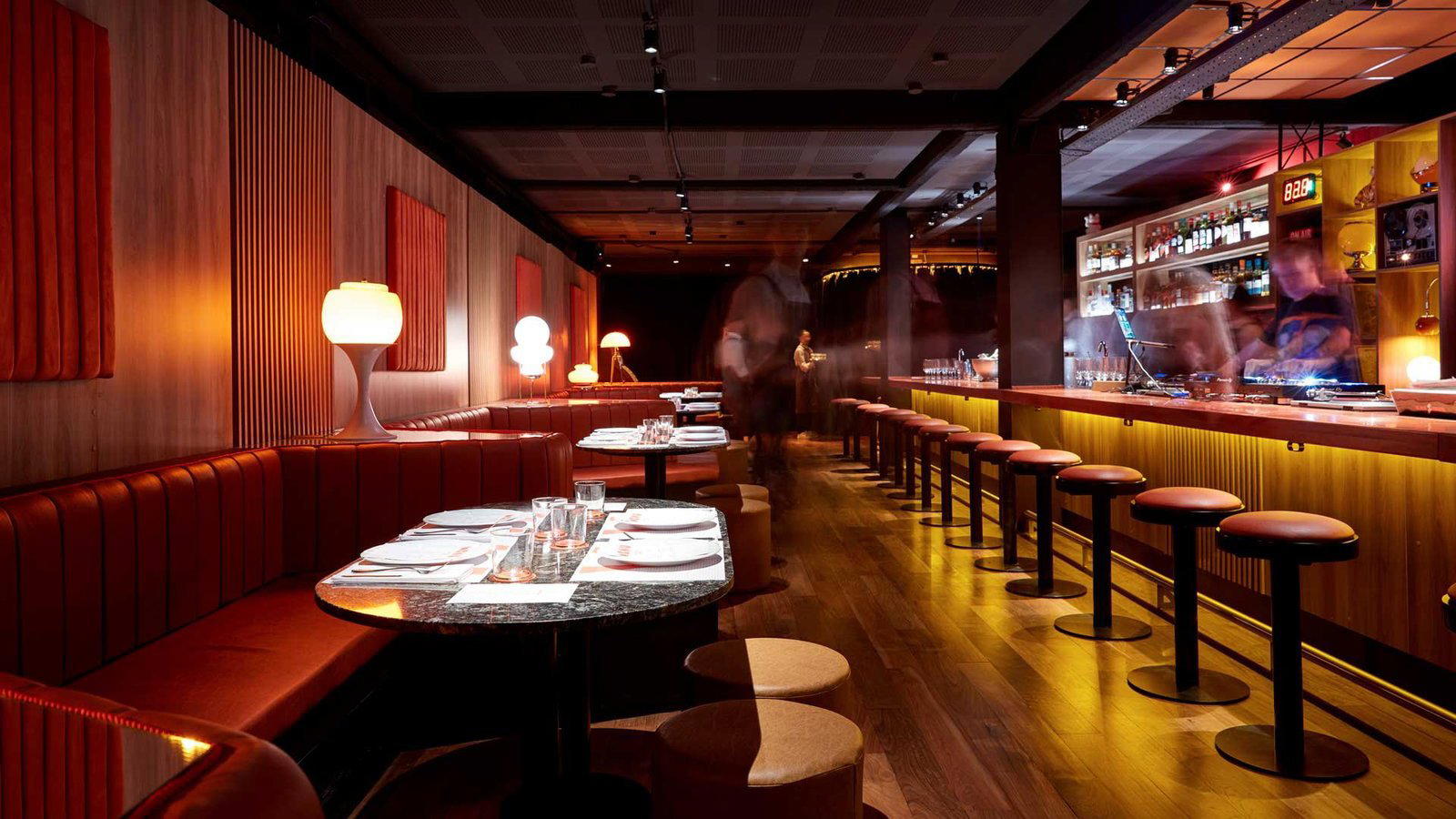
Details
- Elegant
- Cozy
- Intimate
- Sophisticated
- Trendy
- Date Night
- After Work
- Late Night
- Group Outing
- Celebration
- Private Event
- Standalone
- Design Destination
- Seated Bar
- Lounge Seating
- Private Rooms
- Craft Cocktails
- Classic Cocktails
- Sake
- Low Abv
Current opening hours
- Monday
- Closed
- Tuesday
- Closed
- Wednesday
- 5 PM–12 AM
- Thursday
- 5 PM–12 AM
- Friday
- 5 PM–12 AM
- Saturday
- 5 PM–12 AM
- Sunday
- Closed
Hours can change for holidays and private events. Last verified .
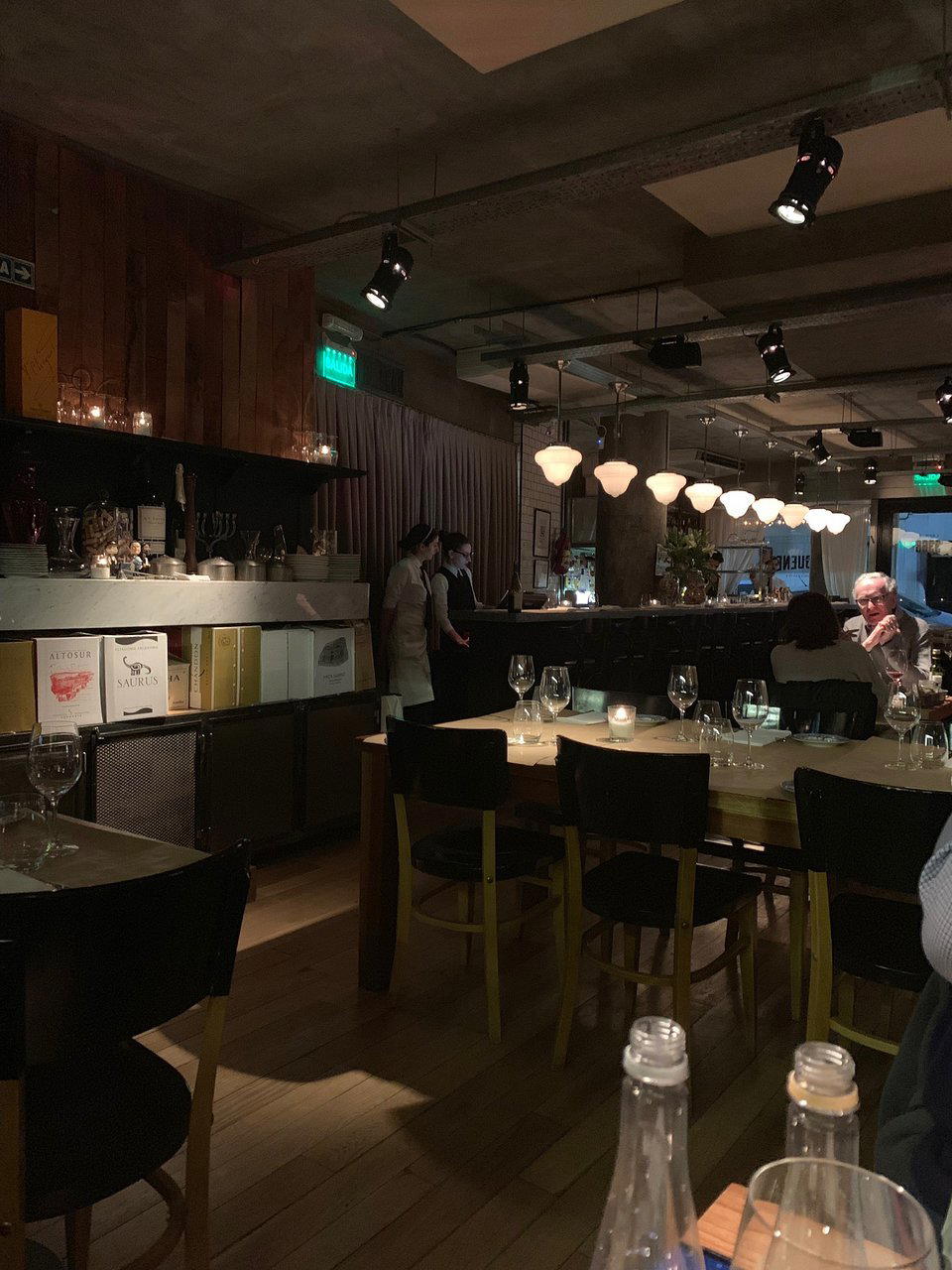
Dim, warm lighting and a hushed, confidential buzz create an intimate, old-style club atmosphere with an art deco vibe, ideal for late-night cocktails and social gatherings.