CAUCE de los Fuegos

Michelin Plate
Our verdict
Among Puerto Madero's waterfront grill restaurants, CAUCE de los Fuegos occupies a recognisable position: a Michelin Plate-recognised address in the $$$ tier that takes Argentina's asado tradition seriously without the theatre of a destination steakhouse.

Pearl is the En Primeur Club membership app — saves, bookings, and concierge access live there. Same editors, same standards.
- Address
- Av. Alicia Moreau de Justo 440, C1107 Puerto Madero, Cdad. Autónoma de Buenos Aires, Argentina
- Phone
- +54 11 5032-2567
- Hours
- Mon–Thu 12 PM–12 AMFri–Sat 12 PM–1 AMSun 12 PM–12 AM
- Website
- cauce.com.ar
- Directions
- Get directions
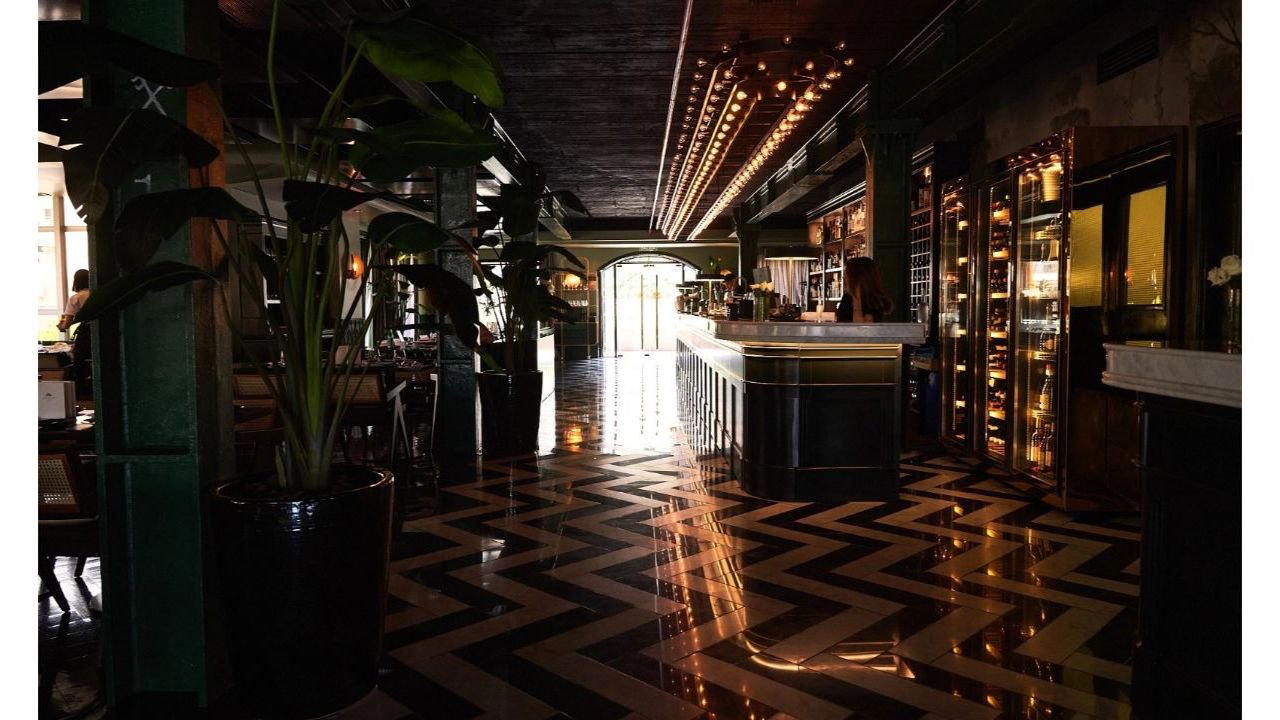
Fire on the Waterfront: How CAUCE de los Fuegos Positions Itself in Buenos Aires's Grill Scene
Puerto Madero is a particular kind of dining address. The reclaimed docklands neighbourhood that runs along the eastern edge of Buenos Aires has, for two decades, functioned as the city's most commercially polished restaurant corridor: wide pavements, converted brick warehouses, a constant river breeze, and a price tier that skews toward expense accounts and visiting business travellers. Within that setting, the restaurants that earn sustained credibility tend to do so not through novelty but through rigour. CAUCE de los Fuegos, sitting at Av. Alicia Moreau de Justo 440 on the western waterfront dock, is that kind of place: a fire-and-meat restaurant that earns its 2024 Michelin Plate recognition through the discipline of a focused menu rather than the spectacle of a showroom kitchen.
The Michelin Plate, awarded as part of the guide's Buenos Aires selection, signals cooking that meets the inspectors' standard for quality without yet reaching Star territory. In a city where Don Julio (Argentinian Steakhouse) holds a full Star at the $$$$ tier, and where the broader scene is increasingly splitting between neighbourhood parrillas and destination-priced showpieces, a Plate-recognised $$$ address in Puerto Madero represents a specific and useful slot in the market. It is not the most ambitious kitchen in the city, nor is it trying to be. What it offers is a coherent, well-executed argument for Argentine fire cooking at a price point that sits below the top tier.
What the Menu Architecture Says About the Kitchen
In Buenos Aires, the structure of a grill restaurant's menu is rarely accidental. The sequence of a serious asado-oriented kitchen almost always encodes a philosophy: how the kitchen thinks about cut hierarchy, how it treats offal relative to prime muscle, whether it acknowledges regional traditions beyond the Pampean mainstream, and whether the vegetable and side card is treated as an afterthought or as a legitimate second act. These choices are diagnostic.
At fire-led restaurants operating in CAUCE de los Fuegos's tier, the menu architecture typically anchors around four zones: entrantes built on achuras (offal cuts like morcilla, chinchulines, and mollejas), a main card organised by cut and cooking method, a complementary section of sides and salads with enough ambition to justify the price point, and a wine list calibrated to the beef-heavy core. Volume and consistency in the same kitchen is a genuine operational achievement.
Cabaña Las Lilas, Puerto Madero's most internationally recognised steakhouse, operates at the top of the local price range and trades heavily on its own-ranch provenance narrative. CAUCE de los Fuegos, priced a tier below, competes on execution rather than pedigree storytelling. That is, arguably, the more demanding position: every plate has to justify itself on its own terms rather than borrowing equity from a brand origin story.
The Buenos Aires Grill Scene: Where Fire Cooking Has Moved
Argentina's relationship with fire cooking is not static, even if the cultural mythology around the asado suggests otherwise. Over the past decade, Buenos Aires's serious grill restaurants have absorbed influences from wood-fire movements in Spain and the United States, placed greater emphasis on dry-aging programs, and begun treating the parrilla (the Argentine grill grate) as a precision instrument rather than a blunt tool. The city's most discussed grill addresses now include spots like Corte Comedor and Fogón Asado, which sit in a newer generation that treats fire as technique. Don Julio in Palermo, with its Michelin Star and $$$$ positioning, now functions as the city's reference point for what a steakhouse at full stretch can achieve.
CAUCE de los Fuegos occupies a different register: a Michelin-recognised kitchen in a high-footfall waterfront location, priced accessibly enough to absorb both the regular and the first-time visitor. In that sense, it serves a connective function in how the city's grill tradition reaches audiences that might not navigate toward Palermo or the more residential neighbourhoods where the newer wave of parrillas has concentrated. If you are coming to Buenos Aires and Puerto Madero is your base, this is the address that warrants a Plate-level expectation rather than a compromise. For a fuller view of where CAUCE sits relative to the city's broader dining options, see our full Buenos Aires restaurants guide.
For those interested in how Argentine fire cooking compares internationally, Carcasse in Sint-Idesbald and Damini Macelleria & Affini in Arzignano represent the European tradition of serious meat-focused restaurants working at a similar level of craft commitment. The comparison is instructive: fire and butchery are universal disciplines, but the Argentine version, with its Pampean beef provenance and centuries of open-fire tradition, remains among the world's most developed expressions of the form.
Planning Your Visit
CAUCE de los Fuegos is located in Puerto Madero, on Av. Alicia Moreau de Justo, the western dock road that runs parallel to the Río de la Plata. The neighbourhood is easily reached from the city centre and from most major hotels in Microcentro or Retiro, making it a practical dinner option for visitors based in those areas. At the $$$ price tier, expect to spend in the mid-range of Buenos Aires's better restaurants: more than a neighbourhood parrilla, less than a full Stars experience. Booking ahead is advisable, particularly on weekends, when Puerto Madero's waterfront restaurants fill with both locals celebrating and international guests.
For visitors building a broader Buenos Aires itinerary, EP Club also covers hotels, bars, wineries, and experiences across the city. For those extending their trip into Argentina's wider dining geography, fire-led and regionally distinctive restaurants worth considering include Azafrán in Mendoza, Cavas Wine Lodge in Alto Agrelo, EOLO in El Calafate, La Bamba de Areco, Awasi Iguazu, and El Colibri in Santa Catalina. For Buenos Aires diners curious about what serious modern Argentine cooking looks like beyond the grill tradition, Trescha represents the city's creative end of the spectrum.
Frequently asked questions
What's the best thing to order at CAUCE de los Fuegos?
The kitchen at CAUCE de los Fuegos earned a Michelin Plate in 2024, which in Buenos Aires's grill scene signals serious technique at the fire. For a meat-and-grill focused menu in this city, the cuts that define a kitchen are generally the larger, slower-cooked pieces rather than quick-fire options — the kind of work that shows how well the team reads heat and timing. Go with whatever the kitchen considers its signature whole cuts or off-the-menu recommendations from your server.
How much does it cost to eat at CAUCE de los Fuegos?
Pricing at CAUCE de los Fuegos is listed as $$$.
What part of town is CAUCE de los Fuegos in?
CAUCE de los Fuegos is located at Av. Alicia Moreau de Justo 440, C1107 Puerto Madero, Cdad. Autónoma de Buenos Aires, Argentina, Buenos Aires.
Do I need a reservation for CAUCE de los Fuegos?
Puerto Madero restaurants with Michelin recognition — CAUCE de los Fuegos received a Plate in 2024 — tend to fill quickly, particularly on weekend evenings when the waterfront district draws both locals and visitors. Booking ahead is advisable. Contact details are not currently listed on EP Club, so check directly via search or the restaurant's own channels for current availability.
A Lean Comparison
Comparable venues nearby, for context on price, style, and recognition.
| Venue | Cuisine | Price | Awards | Notes |
|---|---|---|---|---|
| CAUCE de los FuegosThis venue — the venue you are viewing | Modern Argentine Steakhouse | $50–100 | Michelin Plate | Not listed |
| La Cabaña | Traditional Argentine Parrilla Steakhouse | $50–100 | Michelin Plate | Piñeyro, Traditional Argentine Parrilla Steakhouse |
| Fogón Asado | Traditional Argentine Asado Tasting | $100–150 | Michelin Plate | Once, Traditional Argentine Asado Tasting |
| La Cabrera | Traditional Argentine Parrilla | $30–50 | Not listed | Palermo, Traditional Argentine Parrilla |
| 4ta Pared | Contemporary Argentine | Not listed | Michelin Plate | Villa Devoto, Contemporary Argentine |
| Desnivel | Classic Argentine Parrilla | $20–30 | Not listed | San Telmo, Classic Argentine Parrilla |
Recognition history
Dated appearances from independent guides and award organizations, with the underlying list record or original source where available.
Michelin Plate
Michelin
Continue exploring
More in Buenos Aires
Restaurants in Buenos Aires
Browse all →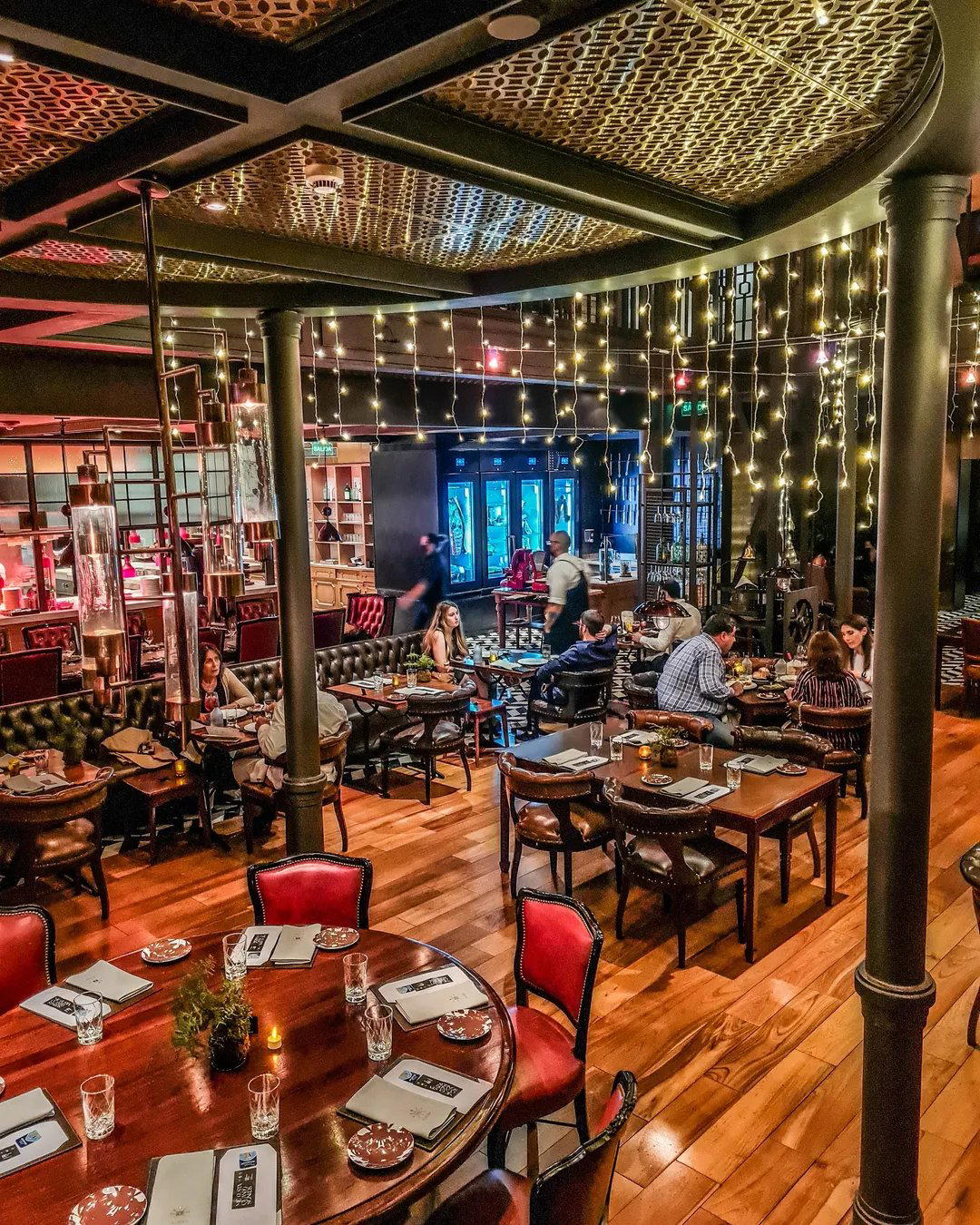
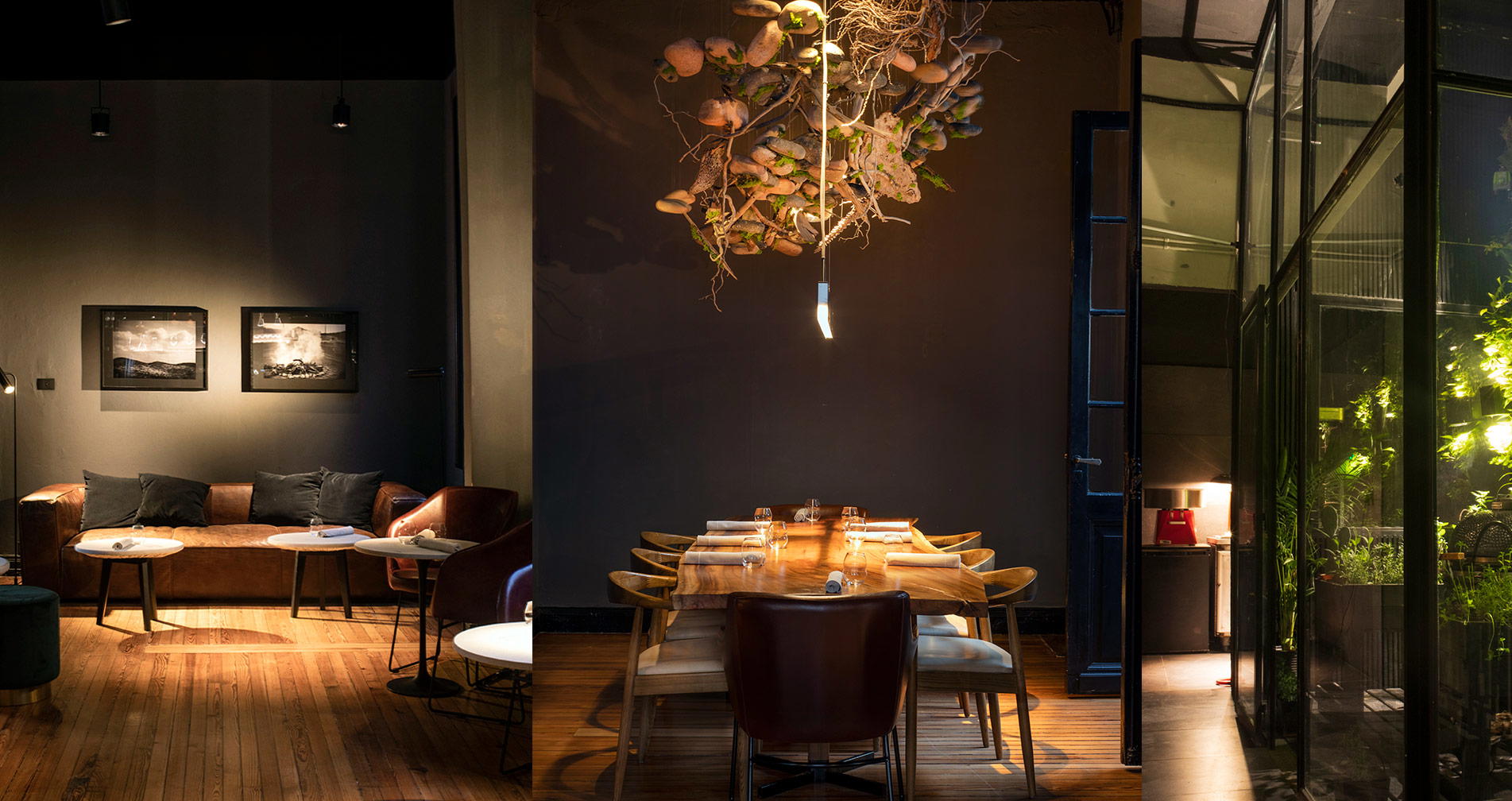
Bars in Buenos Aires
Browse all →
Hotels in Buenos Aires
Browse all →
Wineries in Buenos Aires
Browse all →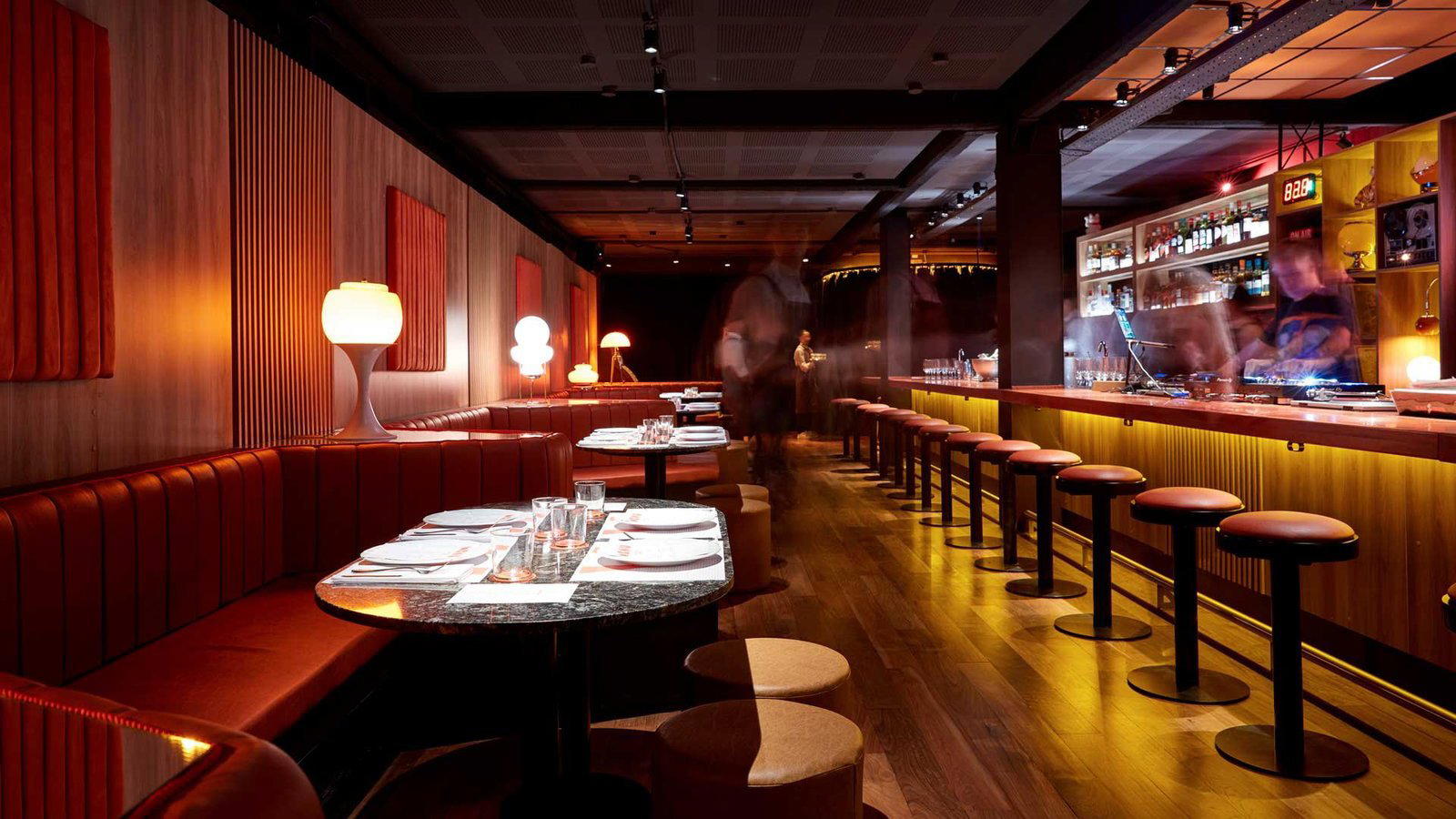
Details
- Elegant
- Sophisticated
- Date Night
- Business Dinner
- Celebration
- Waterfront
- Extensive Wine List
- Waterfront
- A La Carte
- Wine
Current opening hours
- Monday
- 12 PM–12 AM
- Tuesday
- 12 PM–12 AM
- Wednesday
- 12 PM–12 AM
- Thursday
- 12 PM–12 AM
- Friday
- 12 PM–1 AM
- Saturday
- 12 PM–1 AM
- Sunday
- 12 PM–12 AM
Hours can change for holidays and private events. Last verified .
Pleasant atmosphere with river views, attentive service, and a refined dining setting.