Bodega Casarena
Among Luján de Cuyo's estate wineries, it sits in the mid-to-upper prestige tier, with a wine program oriented toward the region's signature high-altitude Malbec and blending tradition. Visiting requires advance planning, as Perdriel properties generally operate on appointment-based schedules.

Pearl is the En Primeur Club membership app — saves, bookings, and concierge access live there. Same editors, same standards.
- Address
- Brandsen 505, M5544 BDK, Mendoza, Argentina
- Phone
- +54 261 696-1497
- Hours
- Daily 9:30 AM–5 PM
- Website
- casarena.com
- Directions
- Get directions
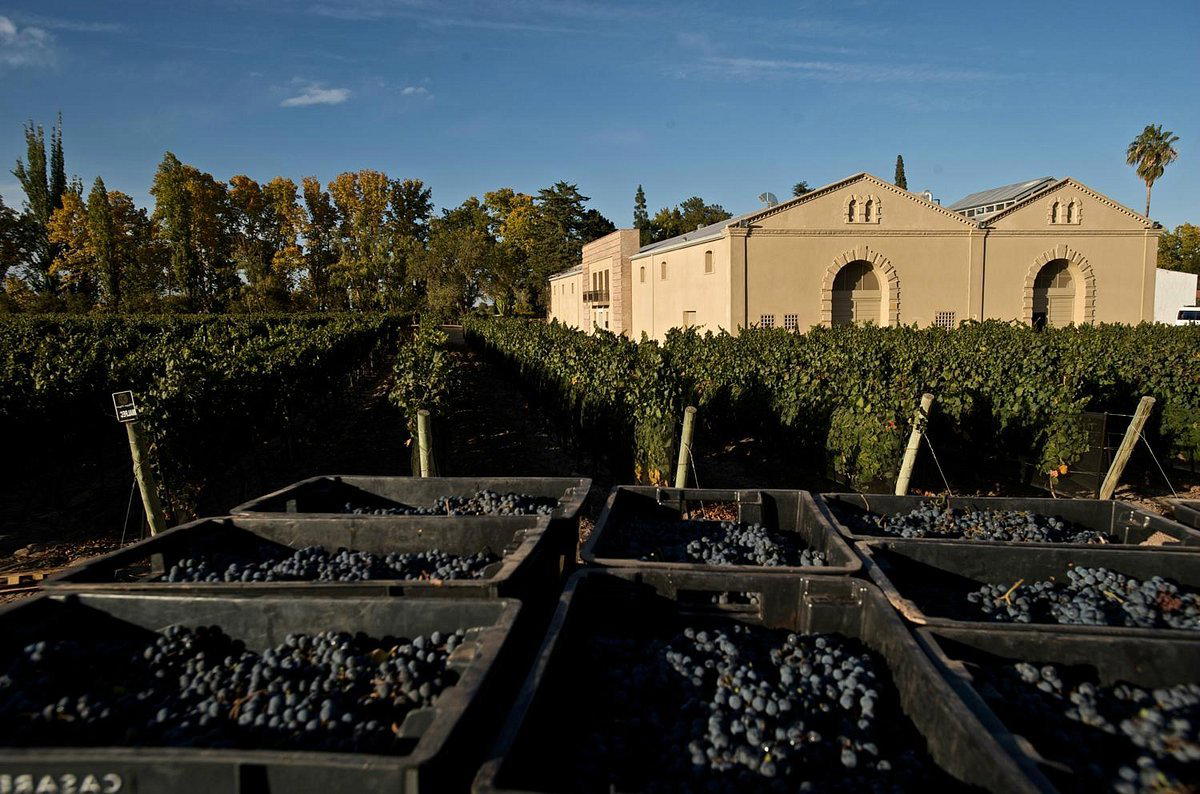
Perdriel's Elevation Advantage and Where Casarena Sits Within It
Perdriel, the sub-district within Luján de Cuyo where Bodega Casarena operates at Brandsen 505, is not the most photographed corner of Mendoza, but it is among the most closely watched by producers who care about altitude's effect on phenolic development. Sitting at roughly 900 metres above sea level, this belt of the Mendoza foothills produces Malbec with a different tonal register than the valley floor: firmer tannin structure, longer hang time, and an acidity that survives the Andean sun more intact.
Understanding where Casarena fits means understanding how Luján de Cuyo's winery scene has stratified. At the broadest level, producers here range from large-volume exporters whose labels move through international supermarket chains to small-estate operations farming a handful of parcels with close attention to soil block and clone. Casarena belongs to the latter category, a point confirmed by its prestige-tier recognition rather than volume-market positioning. Peer producers in the district — Bodega Lagarde, Cheval des Andes, and Bodega Norton — each occupy a recognisable niche within the region's premium identity, and Casarena's positioning signals a similar orientation: estate-driven, altitude-conscious, and built for an audience that reads labels for provenance rather than price point.
The Wine List as the Central Argument
At most Mendoza estate wineries, the tasting room visit is, functionally, a structured encounter with the wine list. What distinguishes prestige-tier operations from their lower-rated counterparts is not merely bottle quality but curation logic: which wines are poured, in what sequence, and against what explanatory framework. The difference between a well-organised tasting and a revealing one comes down to whether the wines are presented as products or as evidence for a place.
Casarena's cellar output, set against the Perdriel terroir argument, belongs to the latter model. The district's high-altitude Malbec has a reasonable claim to being Mendoza's most closely studied single varietal expression: decades of planting data, microclimate research, and comparative tastings with lower-altitude counterparts have built a body of knowledge that serious producers in the zone draw on when assembling their portfolios. A winery operating at prestige level in Perdriel is expected to show that research in the glass, whether through single-vineyard bottlings that isolate parcel character, vertical selections that document how the wine ages, or blending experiments that test the limits of Malbec's structural range.
For context on how Mendoza's premium wine list culture compares across the province's zones: in Cafayate, Bodega El Esteco builds its program around Torrontés and high-altitude red varieties specific to Salta's extreme elevation; in Tunuyán, Bodega DiamAndes leans into the Valle de Uco's cooling effect and Bordeaux-influenced blending philosophy. Luján de Cuyo's version of the prestige tasting is more Malbec-centric and generally more focused on demonstrating the Andean foothill argument than experimenting broadly with variety. Casarena sits squarely within that local tradition.
Visitors planning a focused wine itinerary through Luján de Cuyo will find that pairing Casarena with estates that take different interpretive approaches sharpens the comparative value of each visit. Chakana Winery brings a biodynamic lens to similar altitude; Durigutti Winemakers works with a family-production philosophy that prioritises restraint in extraction. Tasting across these producers in a single day reveals how much Luján de Cuyo's terroir can express itself differently depending on the winemaker's intervention decisions, and anchors the visitor's understanding of where Casarena's own choices sit on that spectrum.
The Physical Experience: What Arriving at a Perdriel Estate Looks Like
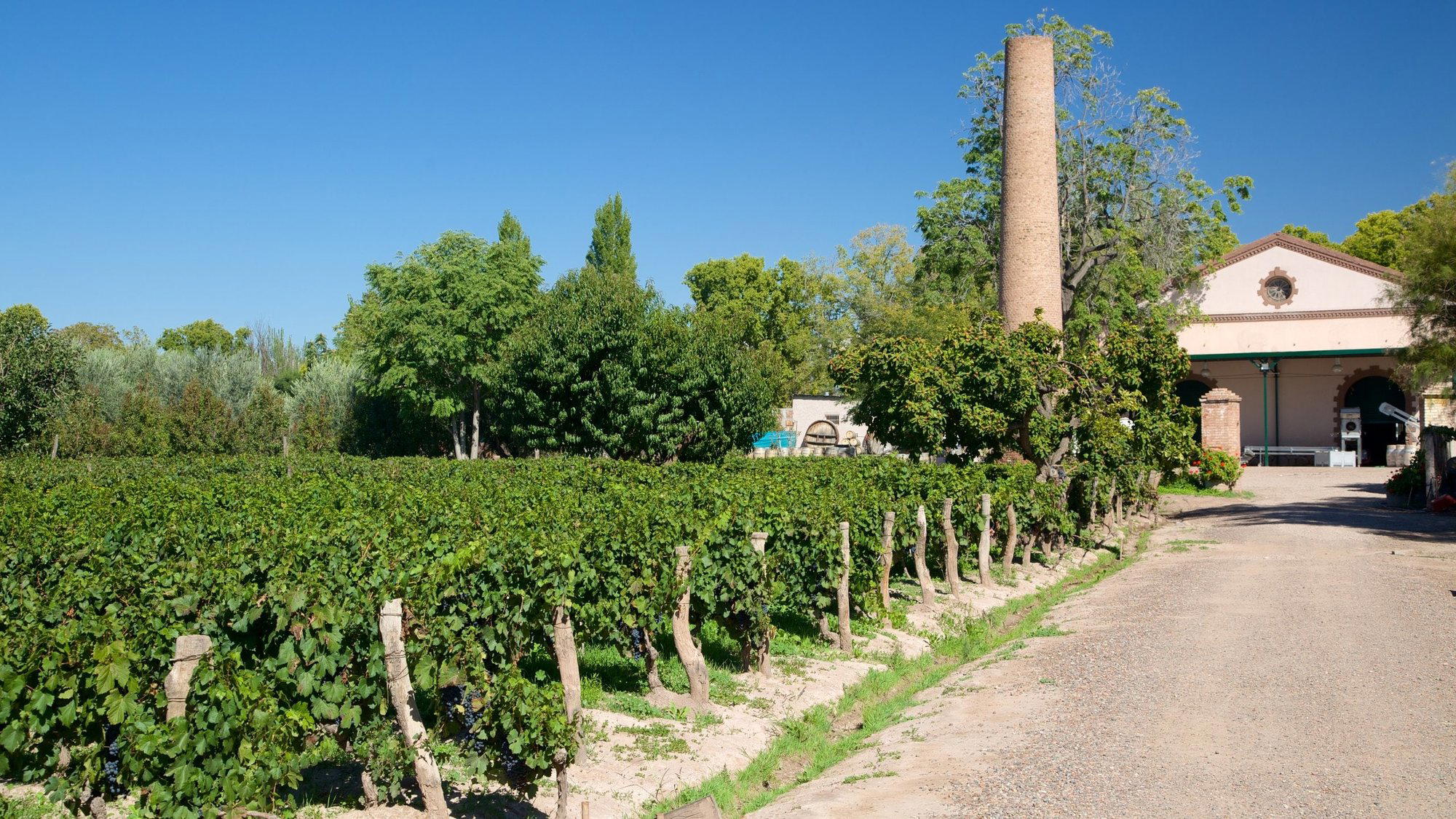
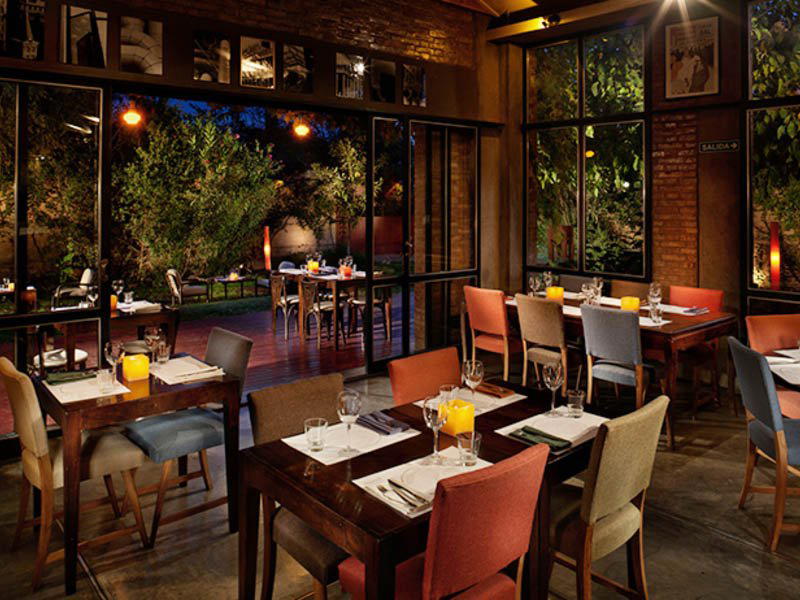
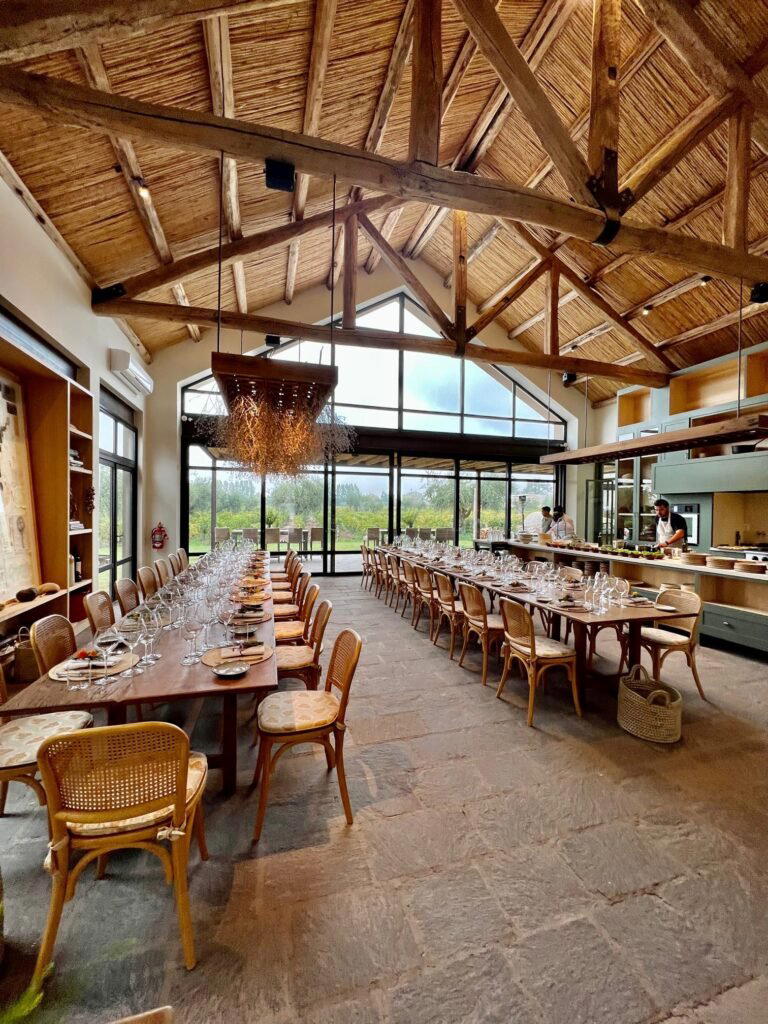
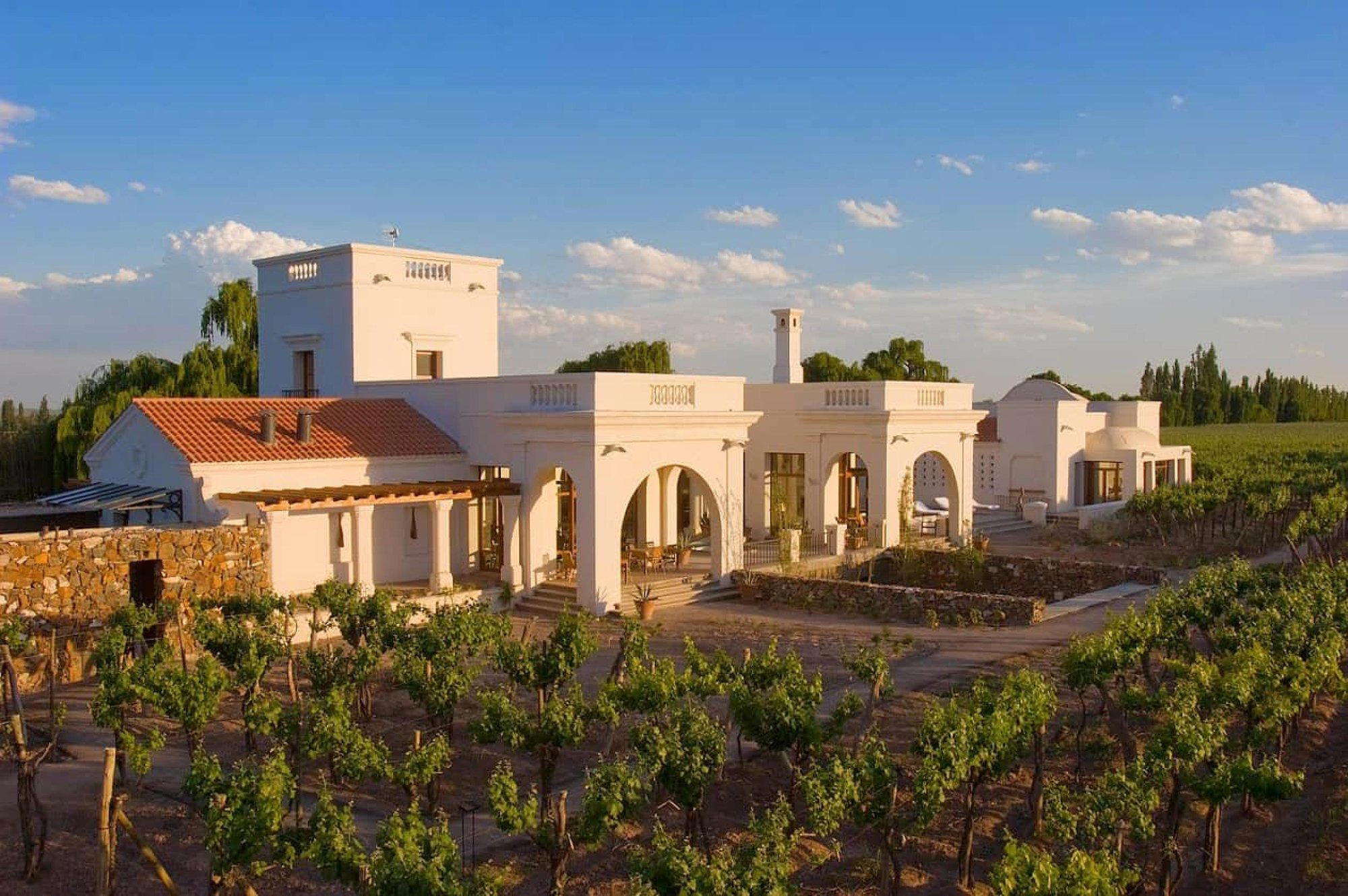
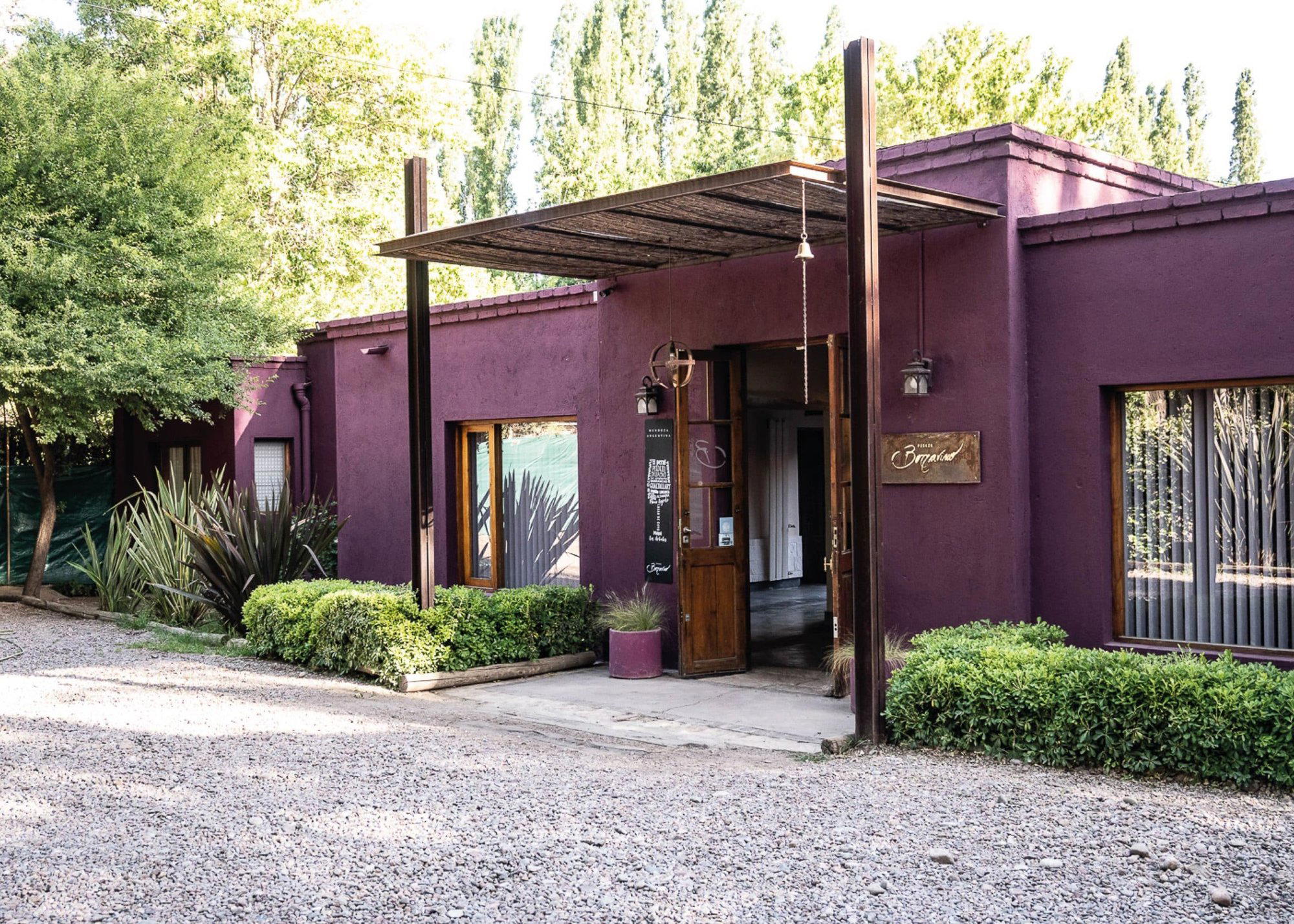
Perdriel has the feel of a working agricultural zone that has not yet committed fully to the visitor-experience economy in the way that some of Mendoza's more tourism-optimised sub-regions have. The roads running between estates here pass through active vine blocks rather than landscaped arrival sequences, and the scale of the operations, mid-size by Mendoza standards, means the architecture tends toward functional winery construction with design elements added rather than purpose-built hospitality compounds. Approaching Brandsen 505, that sensibility holds: the address sits within the planted density of Perdriel rather than on its scenic periphery.
That context matters for calibrating expectations. The Perdriel estate visit is generally a wine-forward rather than resort-forward experience. The draw is proximity to the vineyard blocks, the clarity of the production story, and the quality of what ends up in the tasting glass, not spa amenities or chef-driven menus. For visitors whose primary interest is serious wine engagement, this is an argument in Perdriel's favour.
For comparison, the broader Argentine wine tourism spectrum spans from remote high-altitude operations like Bodega Colomé in Molinos (which pairs winery visits with full hotel infrastructure) to urban-adjacent operations like Escorihuela Gascón in Godoy Cruz, which integrates into a city-centre dining context. Casarena's Perdriel address places it in the traditional estate-visit format: drive-to, appointment-preferred, wine-primary.
Planning a Visit: Practical Framing
Luján de Cuyo wineries in the prestige tier consistently operate on appointment-based or pre-booked tasting schedules rather than walk-in access. This is partly a function of staff ratios at smaller estates and partly a quality-control decision: guided tastings in this tier are designed experiences rather than self-service pours. Visitors planning to visit Casarena should treat it as a scheduled appointment, confirmed in advance, and should build their Mendoza itinerary around that constraint rather than hoping for ad hoc access.
The Perdriel district is approximately a 20-minute drive from Mendoza city by road, making it a practical half-day or full-day excursion depending on how many estates are included. Most visitors combine two or three winery visits in a single day; the district's density means driving time between properties is short, but the quality of tastings at prestige-tier estates rewards not rushing. A morning visit to one estate followed by an afternoon appointment at another gives enough time to engage properly with each program without fatigue.
For visitors building a broader Mendoza wine itinerary beyond Luján de Cuyo, the province's other premium zones are logistically accessible but geographically distinct: Tupungato and its neighbor Tunuyán in the Valle de Uco sit an hour or more south and represent a noticeably different terroir argument. Rutini Wines in Tupungato and Familia Schroeder in San Patricio del Chañar offer points of comparison from those regions. For the full picture of how Luján de Cuyo fits within Mendoza's premium tier, see our full Luján de Cuyo guide.
The Short List
Comparable venues nearby, for context on price, style, and recognition.
| Venue | Cuisine | Price | Awards | Notes |
|---|---|---|---|---|
| Bodega CasarenaThis venue — the venue you are viewing | Not listed | $50–100 | Not listed | Not listed |
| Doña Paula | Not listed | $50–100 | Not listed | Luján de Cuyo, Malbec, Cabernet Sauvignon |
| Bodega Luigi Bosca | Not listed | $50–100 | Falstaff Winery - Listed | Luján de Cuyo, Malbec, Cabernet Sauvignon |
| Viña Alicia | Not listed | Not listed | Not listed | Luján de Cuyo, Malbec, Cabernet Sauvignon |
| Chakana Winery | Agrelo, Malbec, Cabernet Franc | Not listed | Falstaff Winery - Listed | Not listed |
| Bodega Alta Vista | Not listed | $20–30 | Falstaff Winery - Listed | Chacras de Coria, Malbec, Cabernet Sauvignon |
Continue exploring
More in Luján de Cuyo
Wineries in Luján de Cuyo
Browse all →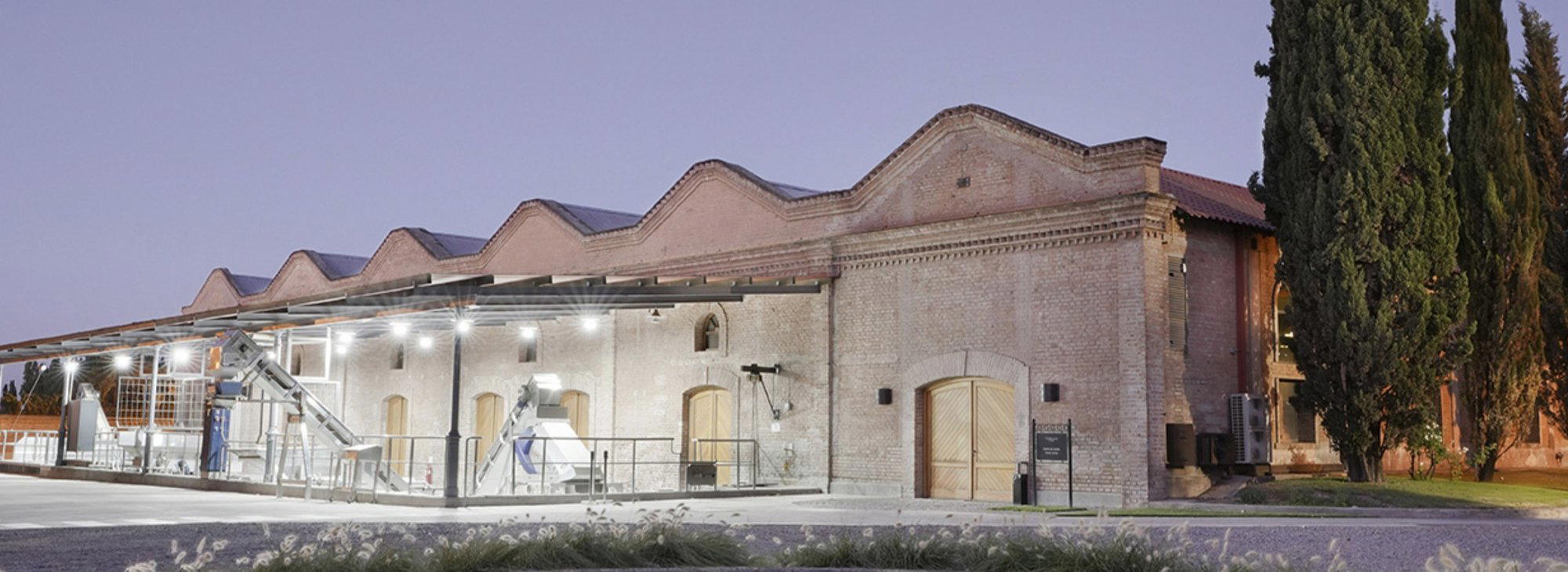
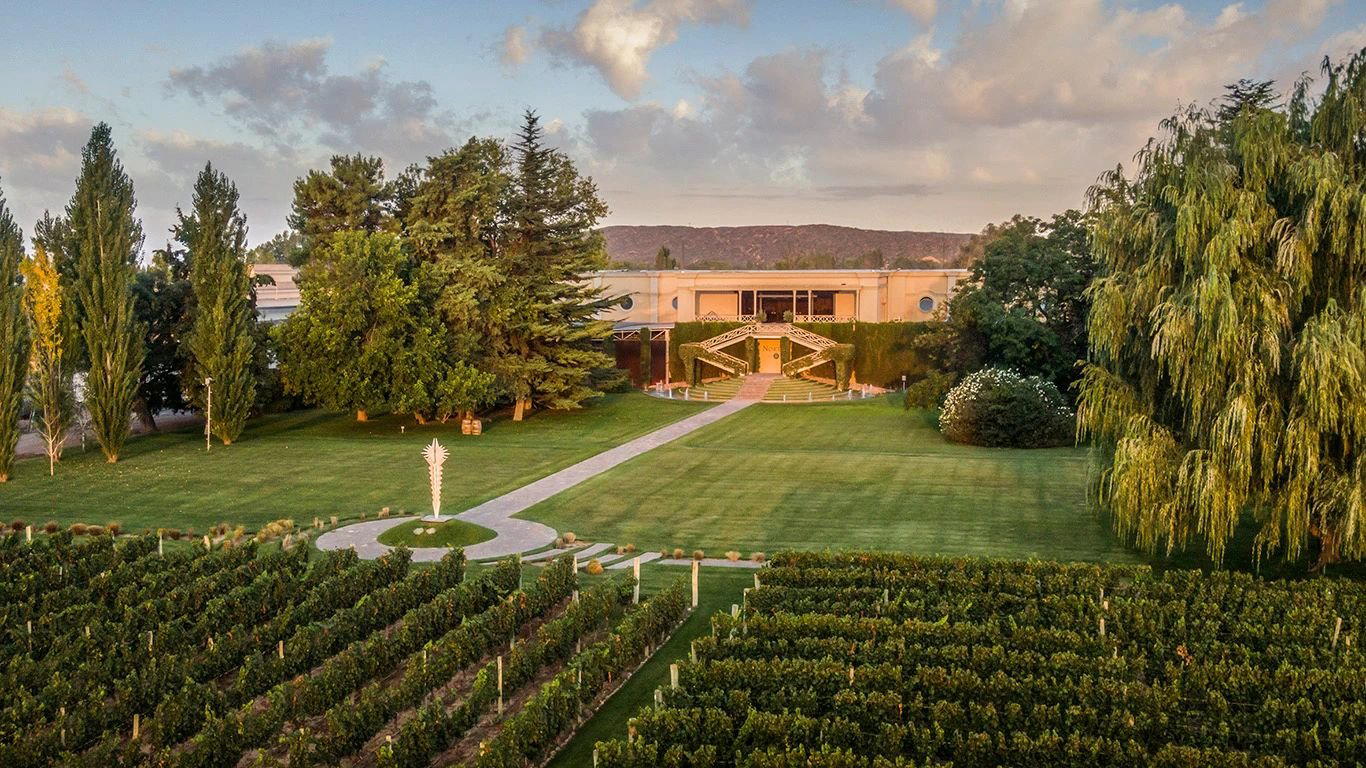
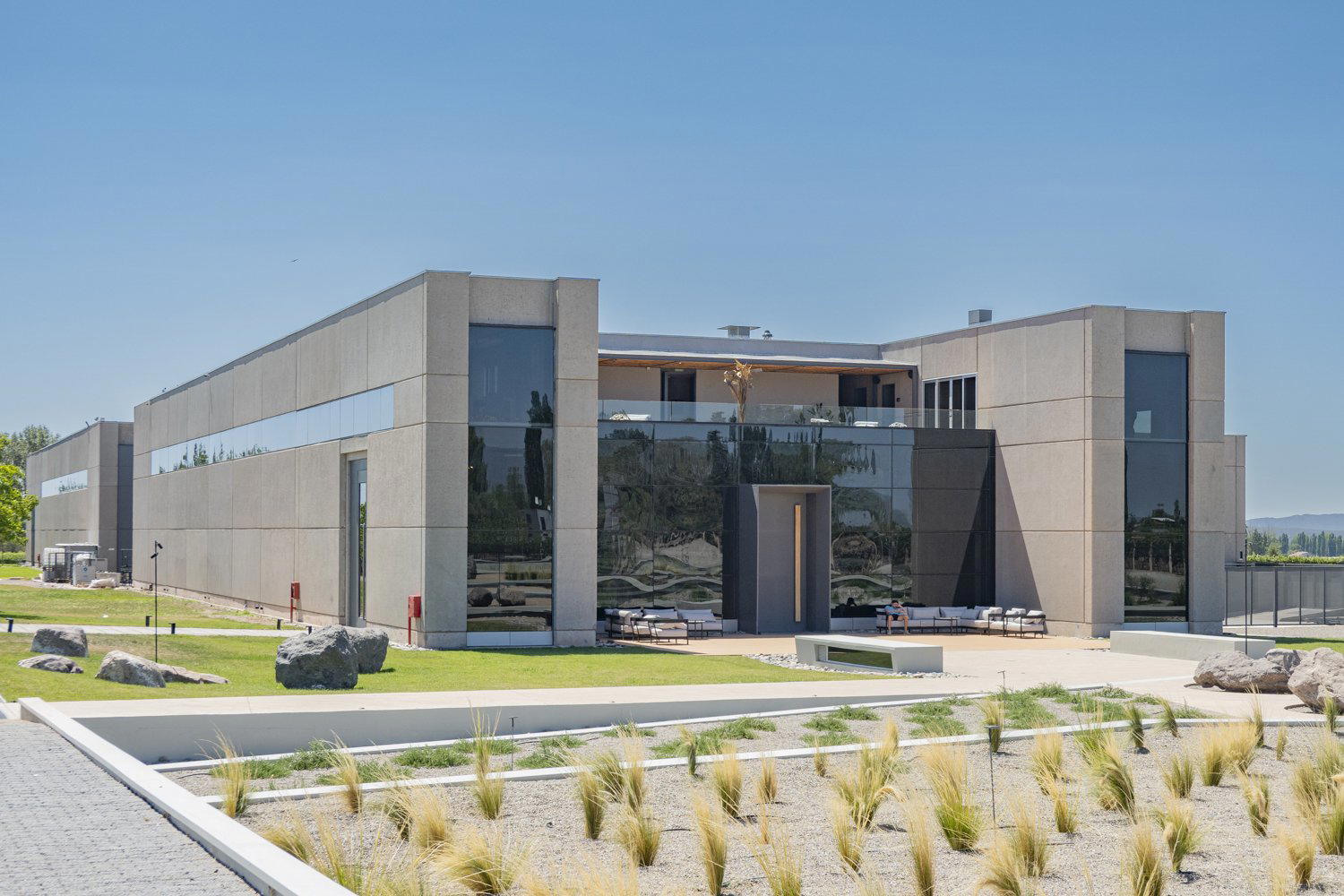
Bars in Luján de Cuyo
Browse all →
Restaurants in Luján de Cuyo
Browse all →
Details
- Scenic
- Elegant
- Rustic
- Romantic
- Romantic Getaway
- Wine Education
- Special Occasion
- Group Outing
- Vineyard Tour
- Estate Grounds
- Terrace
- Panoramic View
- Historic Building
- Private Tasting
- Barrel Room
- Picnic Area
- Sustainable
- Organic
- Vineyard
- Mountain
- Garden
- Malbec
- Cabernet Sauvignon
- Cabernet Franc
- Chardonnay
- Semillon
- Torrontes
- Still Red
- Still White
- Still Rosé
- Guided Tasting
- Single Vineyard Tasting
- Premium Tasting With Food Pairing
- Express Tasting
- Spanish
- English
- Portuguese
Current opening hours
- Monday
- 9:30 AM–5 PM
- Tuesday
- 9:30 AM–5 PM
- Wednesday
- 9:30 AM–5 PM
- Thursday
- 9:30 AM–5 PM
- Friday
- 9:30 AM–5 PM
- Saturday
- 9:30 AM–5 PM
- Sunday
- 9:30 AM–5 PM
Hours can change for holidays and private events. Last verified .
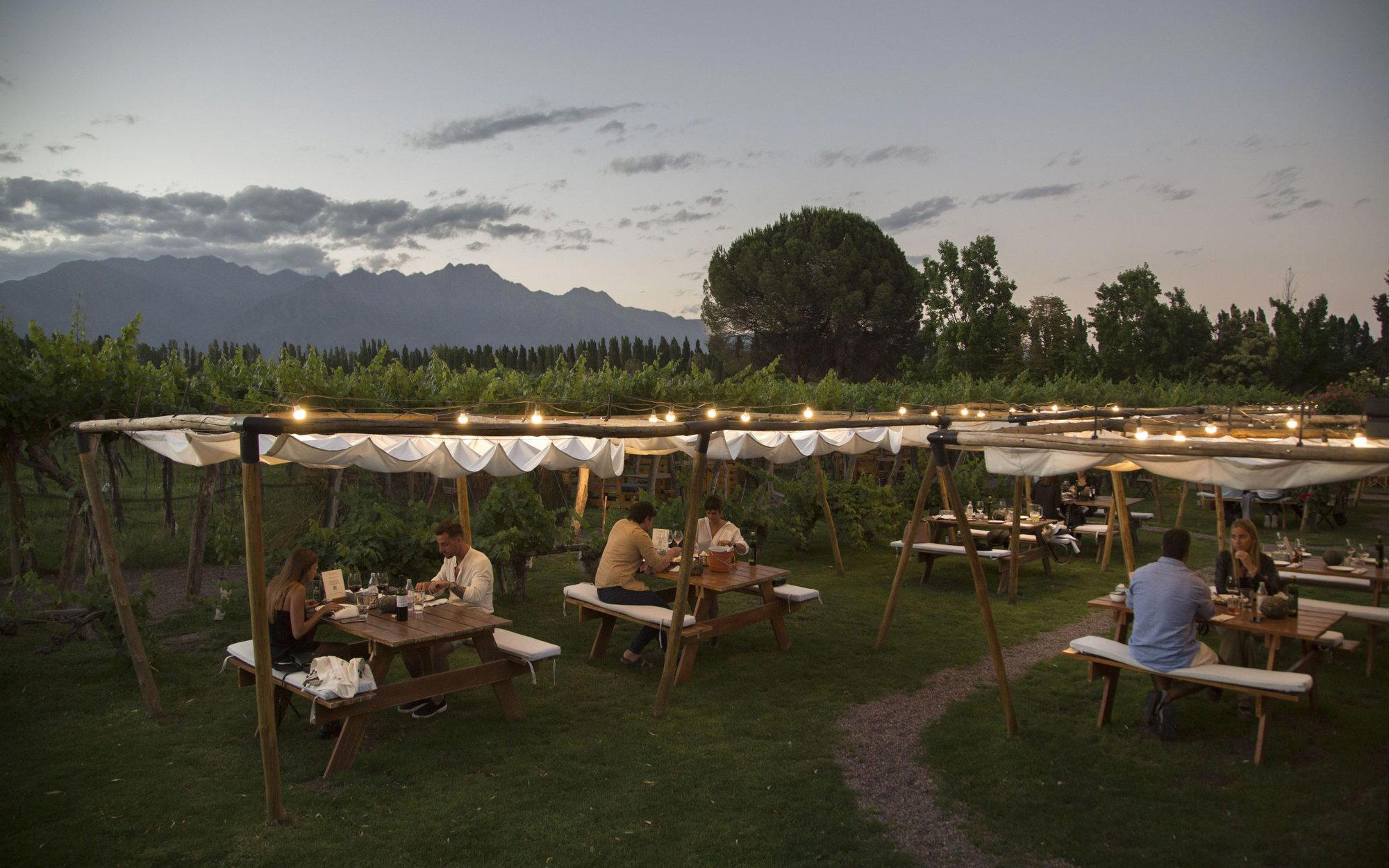
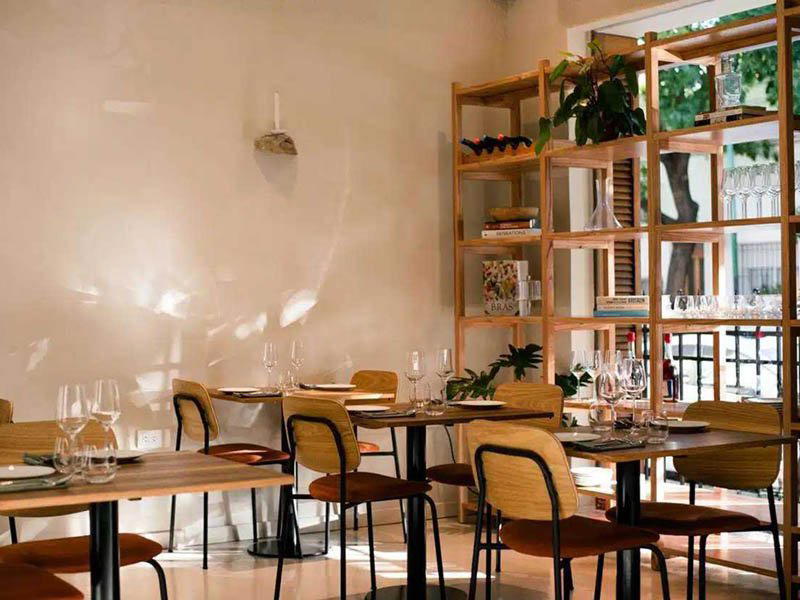
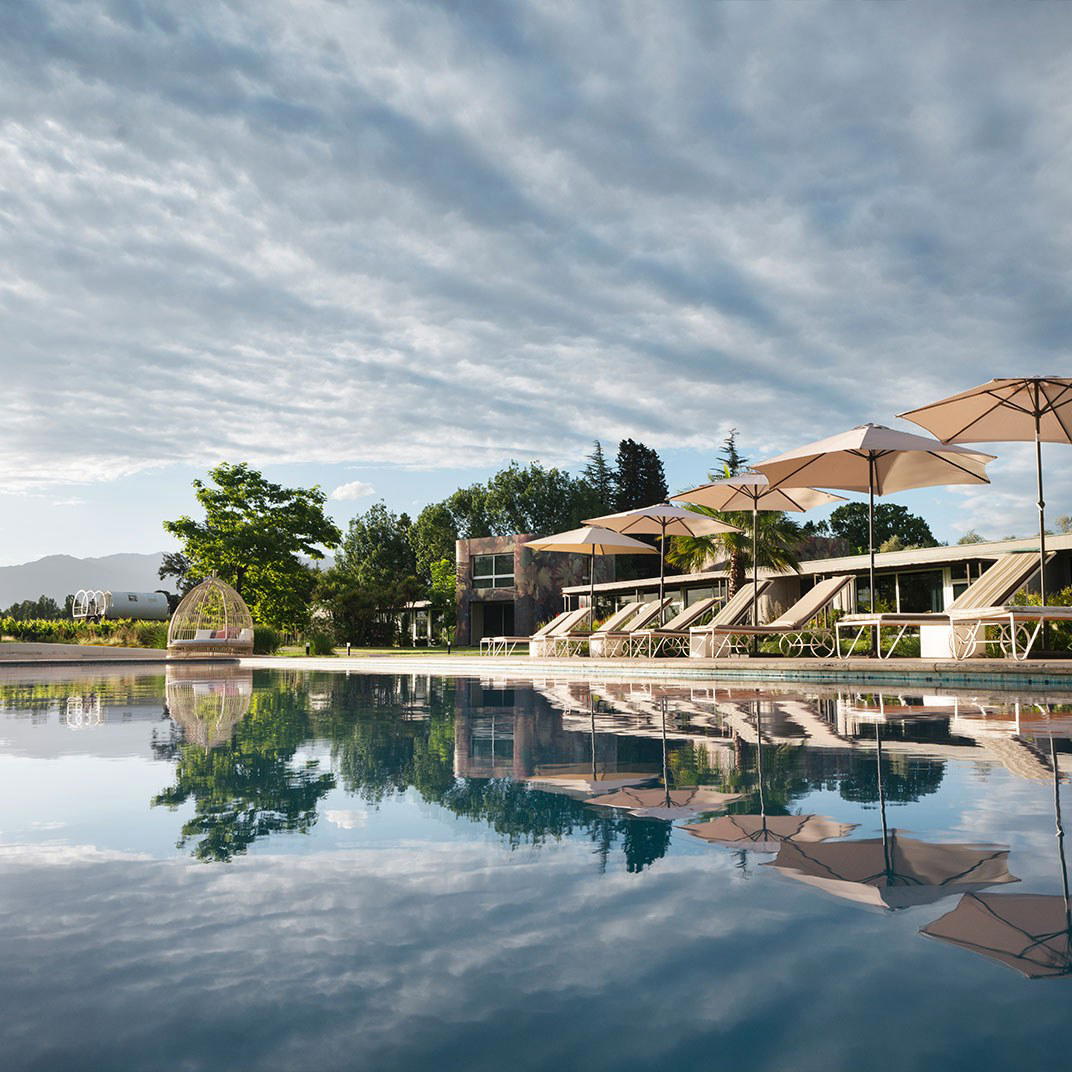
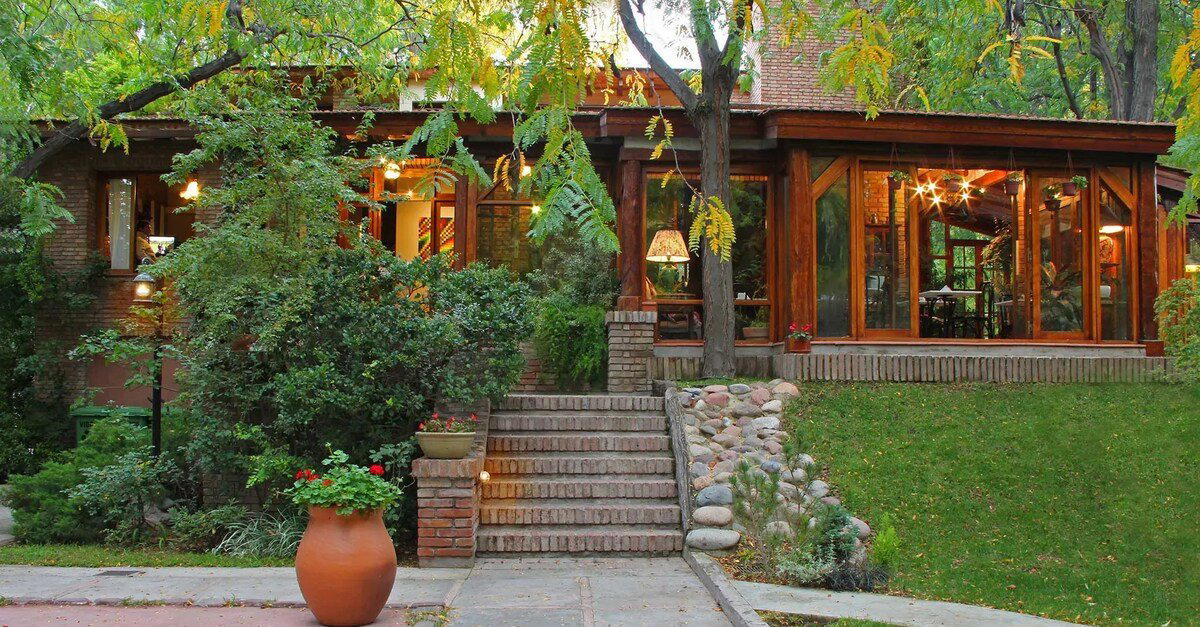
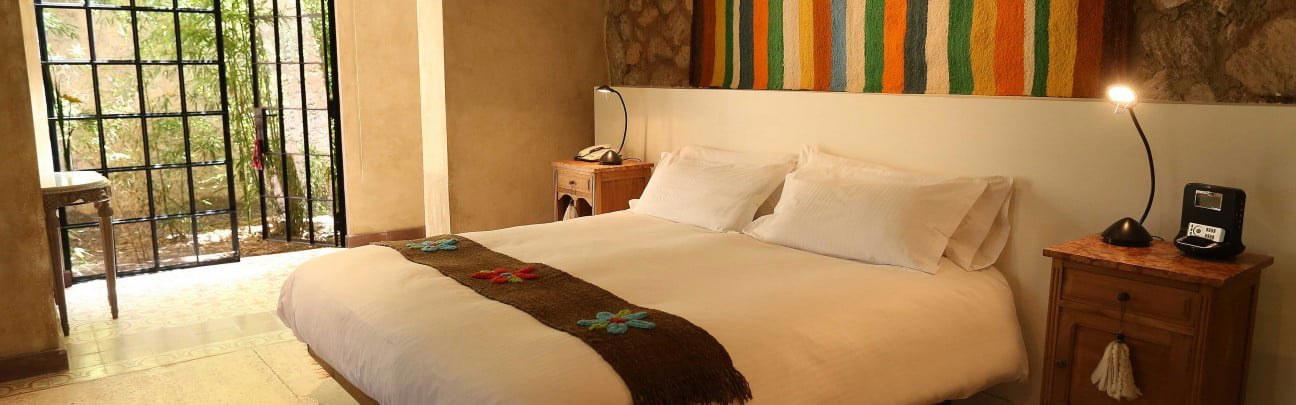
Sophisticated yet warm atmosphere with natural light from vineyard views, featuring local art, native flora, and panoramic Andes vistas from terraces and dining areas.