Ballentine Vineyards
Ballentine Vineyards sits along the Silverado Trail corridor in St. Helena. The property belongs to the quieter, estate-focused tier of Napa Valley producers, where farming philosophy and site expression carry more weight than production volume. It is a reference point for visitors tracing Napa's restrained, terroir-driven tradition.

Pearl is the En Primeur Club membership app — saves, bookings, and concierge access live there. Same editors, same standards.
- Address
- 2820 St Helena Hwy, St Helena, CA 94574
- Phone
- (707) 963-7919
- Website
- ballentinevineyards.com
- Directions
- Get directions
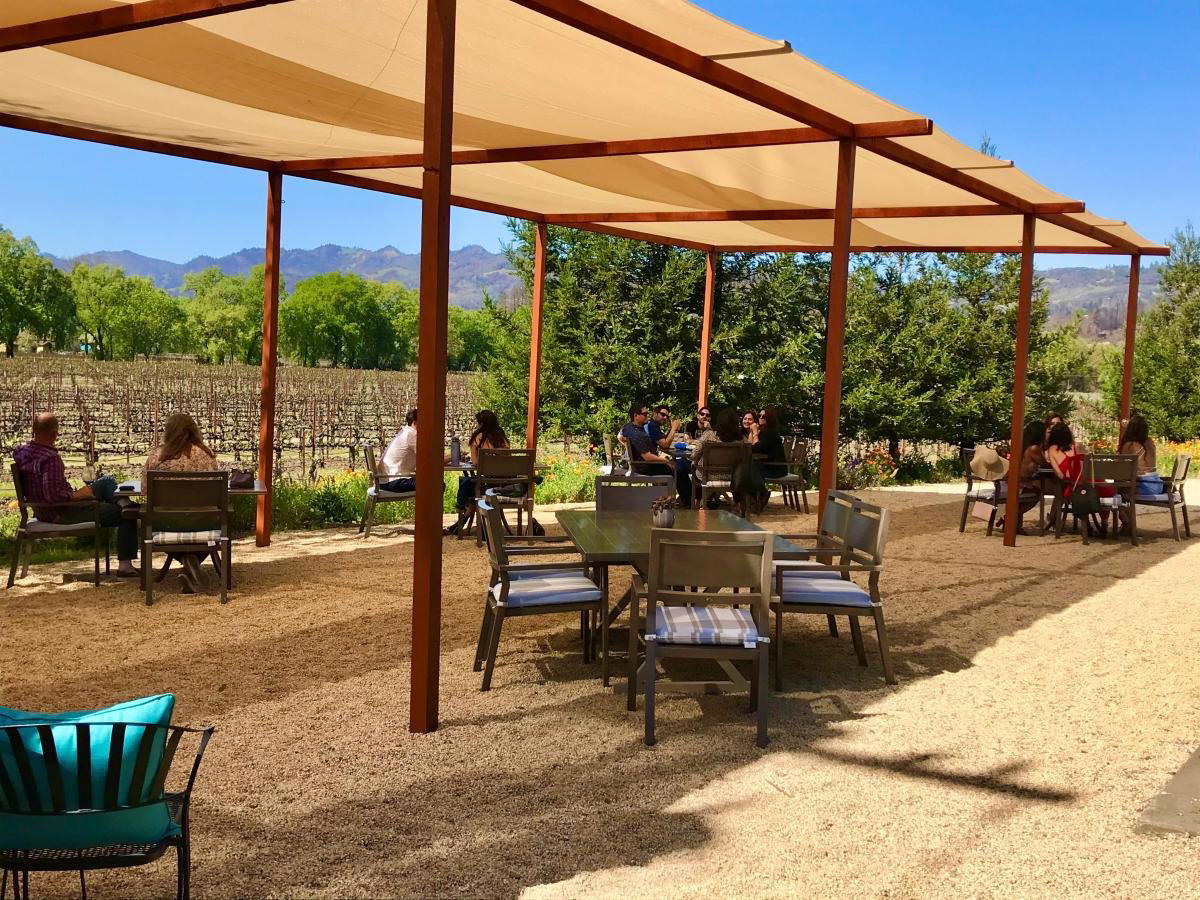
Where St. Helena's Agricultural Character Still Holds
The stretch of Highway 29 running through St. Helena contains some of Napa Valley's most concentrated winemaking real estate, yet the properties that endure longest in serious collectors' conversations are rarely the ones with the largest visitor centers. Ballentine Vineyards, at 2820 St Helena Hwy, occupies the kind of address that rewards a deliberate detour rather than a drive-by impulse — a working estate property where the vines themselves remain the primary argument.
St. Helena's wine corridor has split in recent decades between high-profile hospitality destinations and smaller estate producers who keep visitor programming lean and winemaking central. Ballentine sits clearly in the second group. That positioning carries real meaning for the visitor who arrives knowing the difference: you are there to understand what the land produces, not to experience a designed hospitality spectacle.
The Farming Argument: Why Viticulture Philosophy Matters Here
Napa Valley's premium tier has been having an increasingly direct conversation about farming in recent years. The debate is no longer confined to small biodynamic producers; it has moved into the mainstream, with established estates across the valley revising their land-management approaches in response to both consumer pressure and the practical realities of farming in a warming climate. In that context, the properties worth tracking are those where farming choices visibly connect to what ends up in the glass — where the decision to forgo synthetic inputs, manage cover crops deliberately, or reduce irrigation is legible in the wine's structure and acidity.
Estate vineyards along the St. Helena appellation floor have particular soil complexity to work with. The valley floor's mix of alluvial deposits, volcanic sediment, and well-drained benchland soils means that viticulture decisions compound across seasons in ways that are harder to engineer around than in more homogenous regions. Producers who farm with that complexity in mind, adjusting canopy management to preserve natural acidity, timing harvest to site character rather than calendar, tend to make wines with more distinct address than those who manage to a formula. The comparison with similarly estate-focused producers elsewhere in California reinforces the point: Adelaida Vineyards in Paso Robles and Alban Vineyards in Arroyo Grande have each built reputations on exactly this kind of site-attentive farming, even in regions with less cachet than Napa.
Within St. Helena specifically, this approach places Ballentine in a cohort that includes Chappellet Winery and Dana Estates, both of which have built their positioning around long-term estate farming over multi-decade timelines. The comparison is useful not because these producers make identical wines, but because they share a common premise: that the vineyard is the primary instrument of quality, not the winery.
Napa's Prestige Tier and Where Ballentine Sits Within It
Understanding any Napa producer's position requires situating it against the valley's internal hierarchy. Below that, but still firmly in the prestige category, sits a broader group of estate producers with strong critical followings and direct-to-consumer programs that prioritize depth of relationship over volume.
That positioning has practical implications for the visitor. Properties in this middle-prestige tier are typically more accessible, in terms of both booking and price, than the allocation-only names, while still offering the kind of focused tasting experience that separates them from high-volume tourism operations. Charles Krug, one of the valley's historic anchors, and Alpha Omega Winery in Rutherford each operate in a comparable register: established enough to carry institutional credibility, accessible enough to reward a planned visit without six months of advance logistics.
For visitors calibrating a St. It indicates that Ballentine has cleared a meaningful quality threshold and belongs in the same conversation as properties that serious wine travelers prioritize. Our full St. Helena restaurants and producers guide maps the broader scene for those building a multi-day visit.
Regional Context: Napa Among California's Farming-Forward Estates
The shift toward transparency in viticulture practices has accelerated across California's premium wine regions simultaneously, which gives comparative context to what individual Napa estates are doing. In the Willamette Valley, Adelsheim Vineyard in Newberg has been farming with sustainability certification for years, while in Sonoma County, Alexander Valley Vineyards in Geyserville has made estate-grown, family-farmed positioning central to its identity. Even producers as architecturally ambitious as Artesa Vineyards and Winery in Napa have increasingly framed their vineyard management as central to their quality argument.
What distinguishes the strongest performers in this broader movement is not the certification label or the marketing language around farming, but the measurable consistency of the wines across vintages with different weather profiles. A vineyard farmed with genuine attention to soil health and vine balance tends to produce wines that absorb difficult vintages more gracefully than those managed to maximize output in optimal years.
Internationally, farming-philosophy-first producers like Andrew Murray Vineyards in Los Olivos and regional specialists such as Achaia Clauss in Patras illustrate how widely the estate-farming argument has traveled. Even heritage producers like Aberlour in Scotland operate with a long-view site philosophy that, while applied to distilling rather than winemaking, shares the same underlying premise: that the land's character, managed with patience, produces something a formula cannot replicate.
Planning a Visit
Ballentine Vineyards is located at 2820 St Helena Hwy, St Helena, CA 94574, on the main wine country artery that connects the valley floor's key appellations. St. Helena sits at roughly the midpoint of the Napa Valley corridor, making it a natural base or stopping point whether you are traveling north from the town of Napa or south from Calistoga. The town itself is compact, with a walkable main street and a concentration of producers within a short drive. Current booking details and visiting hours should be confirmed directly with the winery, as estate properties in this tier frequently update their visiting programs and tasting formats on a seasonal basis. For the broader context of where Ballentine sits among St. Helena's producers and dining options, the EP Club St. Helena guide is the reference point. Visitors planning a deeper Napa itinerary may also find Chappellet and Dana Estates worth adding to the same day's route, as both share a comparable estate-farming orientation and sit within the same geographic corridor.
Where the Accolades Land
Comparable venues nearby, for context on price, style, and recognition.
| Venue | Cuisine | Price | Awards | Notes |
|---|---|---|---|---|
| Ballentine VineyardsThis venue — the venue you are viewing | Cabernet Sauvignon, Zinfandel | $30–50 | Not listed | Not listed |
| Yao Family Wines | Winery | $30–50 | Not listed | St. Helena |
| Charbay Winery & Distillery | Chardonnay, Cabernet Sauvignon | Not listed | Not listed | Spring Mountain District |
| Cain Vineyard & Winery | Cabernet Sauvignon, Merlot | $30–50 | Falstaff Winery - Listed | Spring Mountain District |
| Pride Mountain Vineyards | Cabernet Sauvignon, Chardonnay | Not listed | Not listed | Spring Mountain District |
| Brown Estate Vineyards | Zinfandel, Cabernet Sauvignon | Not listed | Not listed | St. Helena |
Continue exploring
More in St. Helena
Wineries in St. Helena
Browse all →
Bars in St. Helena
Browse all →
Restaurants in St. Helena
Browse all →
Details
- Rustic
- Intimate
- Classic
- Scenic
- Wine Education
- Romantic Getaway
- Group Outing
- Barrel Room
- Vineyard Tour
- Estate Grounds
- Panoramic View
- Historic Building
- Private Tasting
- Sustainable
- Mountain
- Vineyard
- Cabernet Sauvignon
- Zinfandel
- Merlot
- Petit Verdot
- Cabernet Franc
- Malbec
- Chenin Blanc
- Malvasia Bianca
- Still Red
- Still White
- Guided Tasting
- Barrel Room Tour
- English
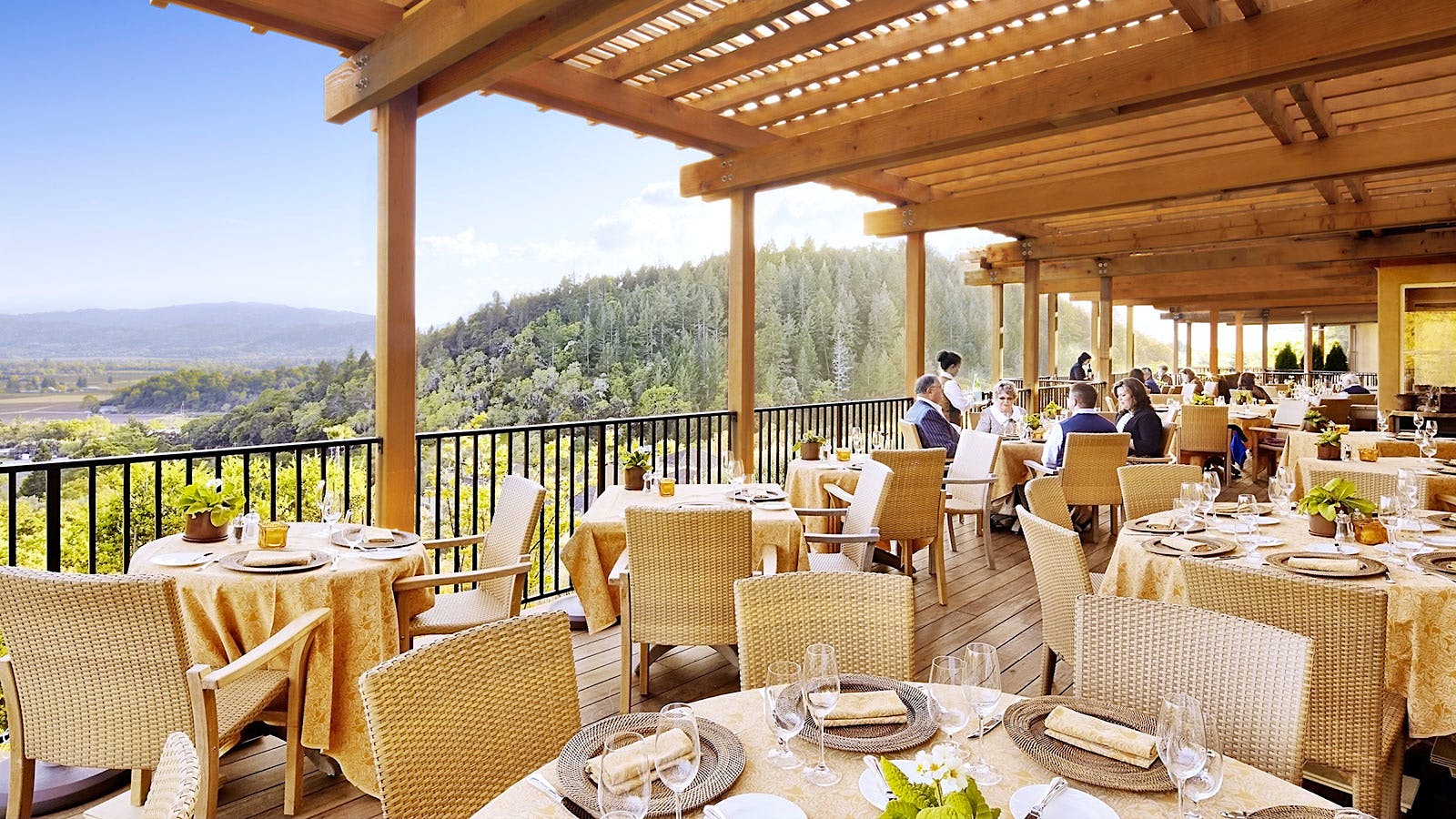
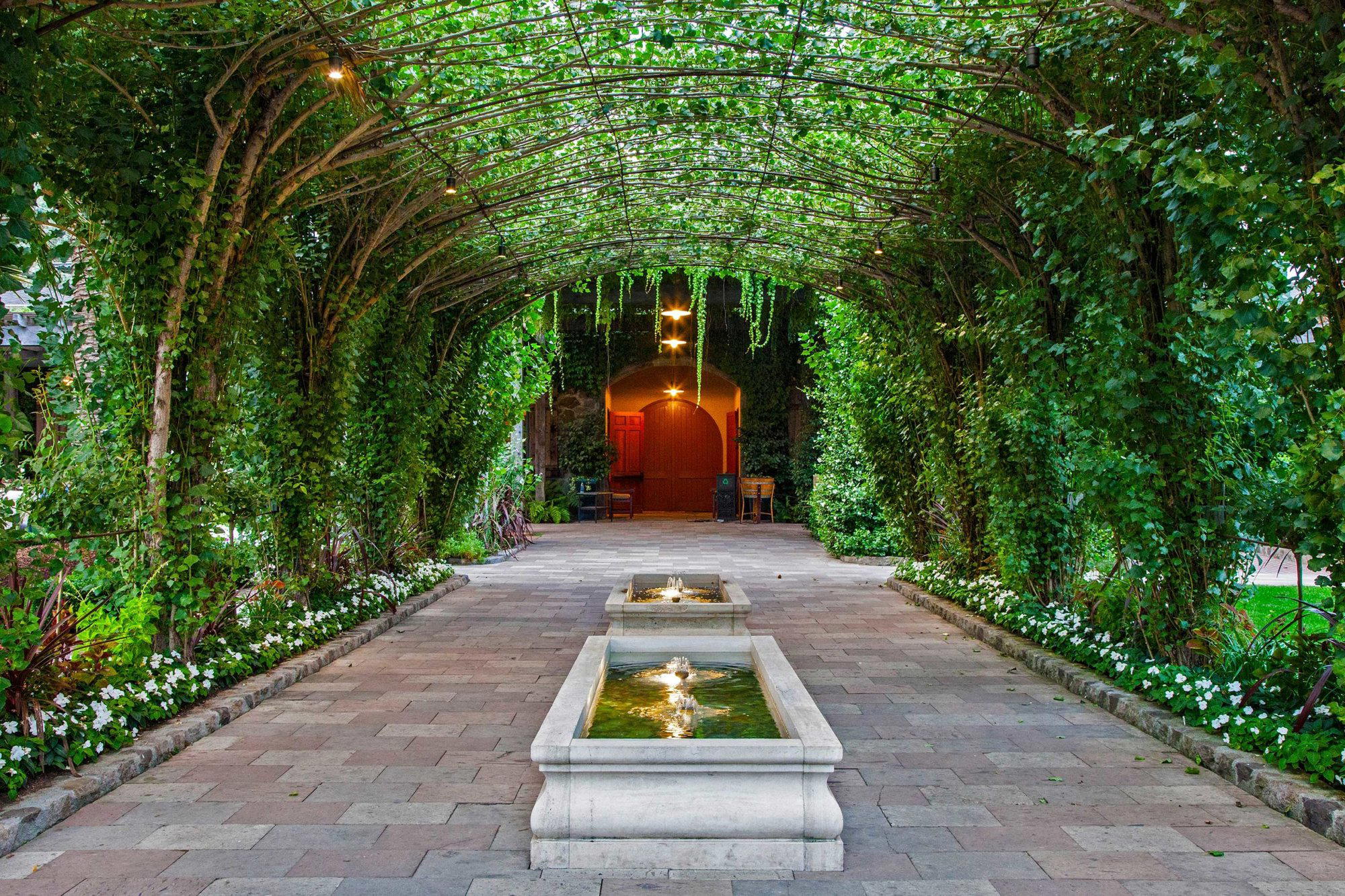
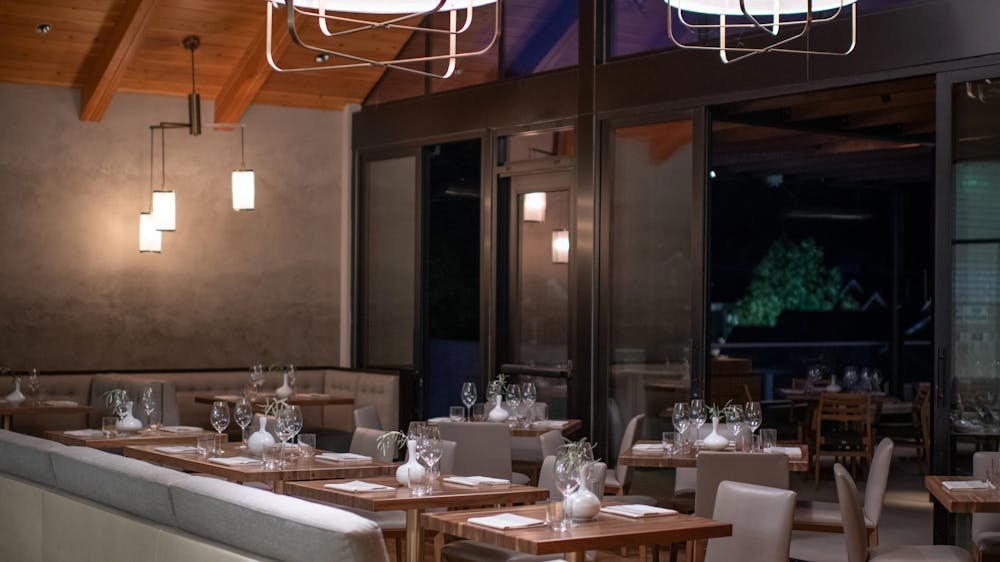
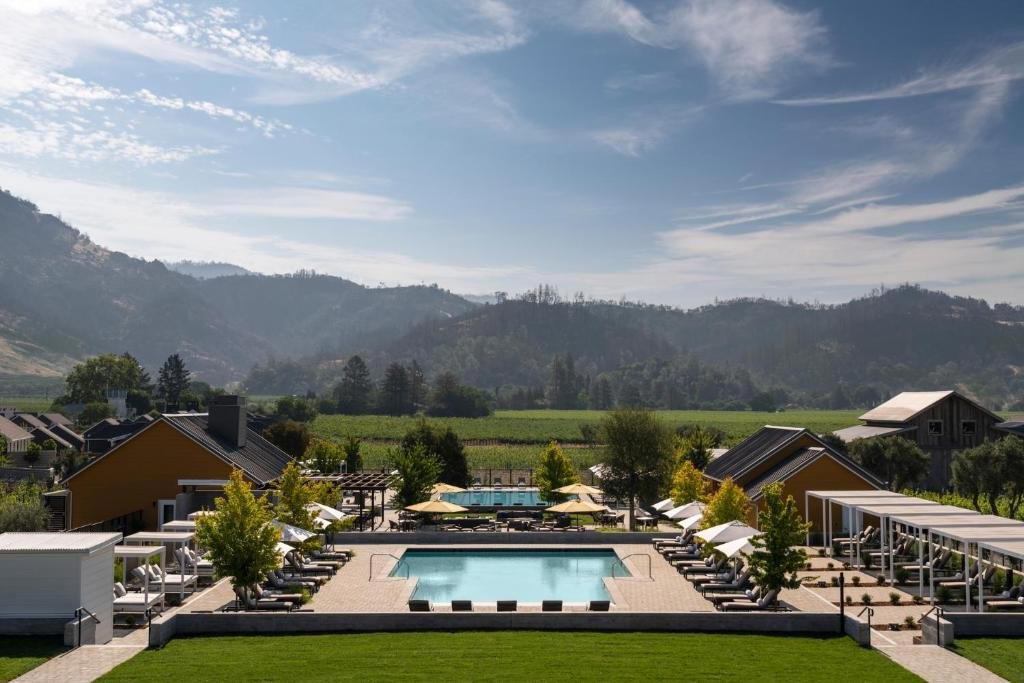
Intimate and functional tasting room with far-reaching views of Spring Mountain, the Palisades, Mt. St. Helena, and Howell Mountain; recently remodeled with a warm, welcoming atmosphere focused on wine quality over visual splendor.