Cain Vineyard & Winery

Cain Vineyard & Winery sits high on Spring Mountain above St. Helena, producing estate Bordeaux blends from one of Napa Valley's more demanding mountain terroirs. Visits here reward those willing to engage with wine on its own terms, away from the valley floor's more accessible tasting formats.
Pearl is the En Primeur Club membership app — saves, bookings, and concierge access live there. Same editors, same standards.
- Address
- 3800 Langtry Rd, St Helena, CA 94574
- Phone
- +1 707-963-1616
- Website
- cainfive.com
- Directions
- Get directions
 Saves & bookings on Pearl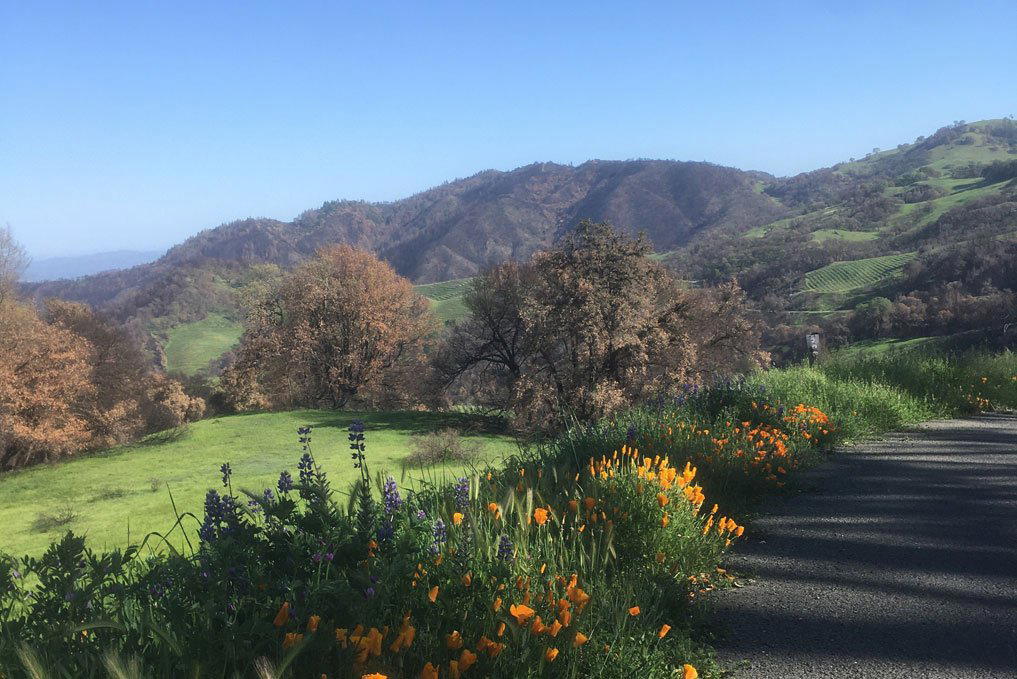
Spring Mountain and the Logic of Elevation
The road to 3800 Langtry Road climbs well above the valley floor before the Spring Mountain terrain levels enough for vines to take hold. This is not the Napa that most visitors encounter on their first trip. The appellation's mountain districts, Spring Mountain among them, operate at a different register: cooler growing seasons, fractured volcanic soils, yields that rarely approach what valley-floor blocks produce, and a tasting culture oriented toward the serious collector rather than the weekend tourist. Cain Vineyard & Winery sits within that specific context, and every element of a visit here follows from it.
Among St. Helena's producer set, Cain occupies a position closer to Chappellet Winery and Dana Estates than to the valley-floor houses that shape Napa's public image. The shared logic is elevation and commitment to estate fruit, where the conversation shifts from accessibility to typicity.
The Ritual of a Mountain Tasting
Napa tasting culture has, in recent years, split decisively between high-volume hospitality experiences and appointment-only programs built around small production and producer engagement. Mountain estates almost universally belong to the latter category, and Cain is no exception to that pattern. The physical remove of the property enforces a pacing that valley-floor visitors can find surprising: there is no drop-in foot traffic, no merchandise corridor to pass through on the way out. The tasting itself is the structure.
That structure matters for how you approach the wines. Bordeaux blends, which have defined Cain's program since the property established itself on Spring Mountain, reward sequential tasting and the kind of unhurried attention that appointment formats allow. The classic Napa Cabernet-dominant blend in a mountain context typically shows more pronounced tannin architecture in youth and greater complexity over extended aging than comparable valley-floor expressions. Visiting with that framework in mind changes what you listen for in the glass. This is not a format where the wines meet you where you are; you are expected to come to the wines.
For collectors already familiar with Accendo Cellars or Brand Napa Valley, the register will feel familiar, though Cain's Spring Mountain address and long production history give it a distinct terroir argument. The estate's position within the appellation means the wines carry elevation-derived characteristics that separate them from Rutherford or Oakville benchmarks.
What the 2025 Prestige Rating Signals
In California, that tier is competitive. Napa alone houses dozens of producers with credible claims to prestige standing, and the mountain districts, despite smaller output, have historically punched above their volume in critical recognition. Cain's placement in that tier in 2025 reflects both the estate's reputation among collectors and the broader critical consensus around Spring Mountain as a source of age-worthy, structured red wine.
For context within California's wider producer map, the prestige mountain-estate category that Cain inhabits differs substantially from the high-volume Napa brands built on valley-floor fruit. It also differs from the restrained, Burgundy-inflected Pinot and Chardonnay houses that constitute a separate niche within California premium wine. Cain is firmly in the Bordeaux-varietal, mountain-elevation tradition, a position that aligns it with producers like Alpha Omega Winery in Rutherford and, at greater geographic distance, Artesa Vineyards and Winery in Napa, though each operates from different soil and elevation profiles.
For readers who want to understand how Cain fits into California's broader mountain-wine argument, comparisons with elevation-driven estates elsewhere in the state are instructive. Adelaida Vineyards in Paso Robles and Alban Vineyards in Arroyo Grande demonstrate how California's non-coastal mountain and hillside terroirs each generate distinct house styles shaped by elevation, aspect, and soil. Spring Mountain's specific volcanic and sedimentary mix, combined with maritime influence pushed through the Petaluma Gap and the Napa watershed, gives Cain a terroir argument that is genuinely distinct from these southern counterparts.
Planning a Visit
Reaching 3800 Langtry Road requires a car and the willingness to take the mountain seriously. The road up Spring Mountain is not technically difficult, but it is narrow in sections and the elevation gain is real. Plan to arrive with time to decompress before the tasting begins; the transition from Napa's valley-floor traffic to the quieter rhythm of the mountain estate is part of the experience.
The contrast between an estate like Cain and valley-floor producers such as Charles Krug, one of the valley's oldest continually operating wineries, illustrates how sharply the Napa experience varies by elevation and production philosophy within a relatively compact geography.
Collectors extending their California itinerary beyond Napa will find useful comparison points in Oregon's Willamette Valley, where Adelsheim Vineyard in Newberg represents a similarly estate-focused, appointment-oriented model in a cooler-climate red-wine context. The tasting culture, pacing, and collector orientation translate across the regional difference, even where the grape varieties and style diverge substantially. Further afield, Alexander Valley Vineyards in Geyserville and Andrew Murray Vineyards in Los Olivos each demonstrate how California's diverse appellations handle the mountain or hillside estate format with regional specificity.
Recognition Snapshot
Comparable venues nearby, for context on price, style, and recognition.
| Venue | Cuisine | Price | Notes |
|---|---|---|---|
| Cain Vineyard & WineryThis venue — the venue you are viewing | Cabernet Sauvignon, Merlot | $$$ | Not listed |
| Anderson's Conn Valley Vineyards | Cabernet Sauvignon, Cabernet Franc | $$$ | Conn Valley |
| Trinchero Napa Valley | Cabernet Sauvignon, Sauvignon Blanc | $$$ | St. Helena |
| Barnett Vineyards | Cabernet Sauvignon, Petit Verdot | $$$ | Spring Mountain District |
| HALL Wines St. Helena | Cabernet Sauvignon, Merlot | $$$ | St. Helena |
| Schweiger Vineyards | Cabernet Sauvignon, Merlot | $$$ | Spring Mountain |
Recognition history
Dated appearances from independent guides and award organizations, with the underlying list record or original source where available.
Falstaff Winery - Listed
Falstaff
Continue exploring
More in St. Helena
Wineries in St. Helena
Browse all →
Bars in St. Helena
Browse all →
Restaurants in St. Helena
Browse all →

At a Glance
- Scenic
- Elegant
- Sophisticated
- Classic
- Wine Education
- Special Occasion
- Romantic Getaway
- Vineyard Tour
- Estate Grounds
- Panoramic View
- Sustainable
- Mountain
- Vineyard
- Spring Mountain District AVA
- Cabernet Sauvignon
- Merlot
- Cabernet Franc
- Petit Verdot
- Malbec
- Sauvignon Blanc
- Grenache
- Mourvèdre
- Tempranillo
- Still Red
- Estate Tasting
- Vineyard Tour
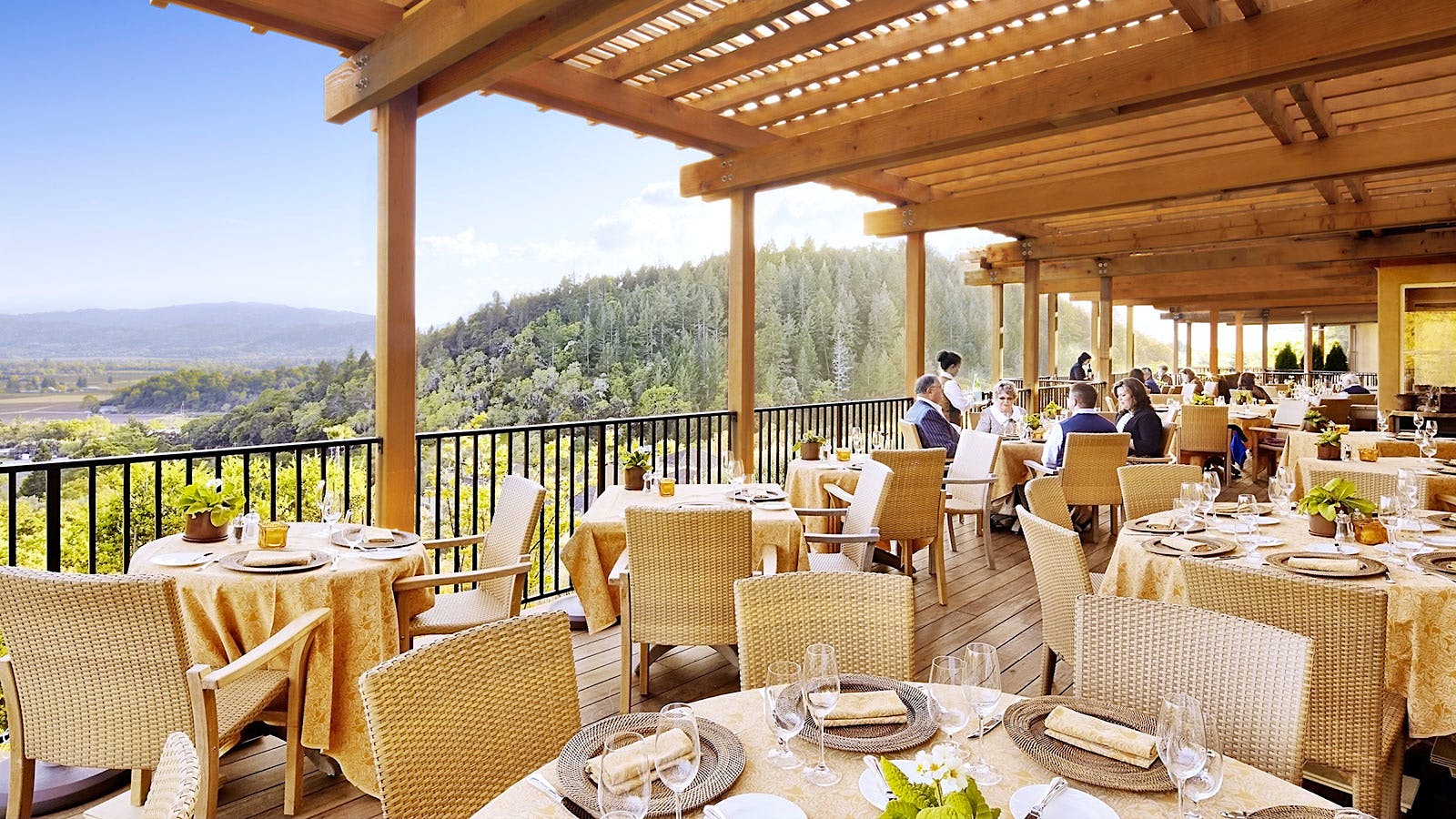
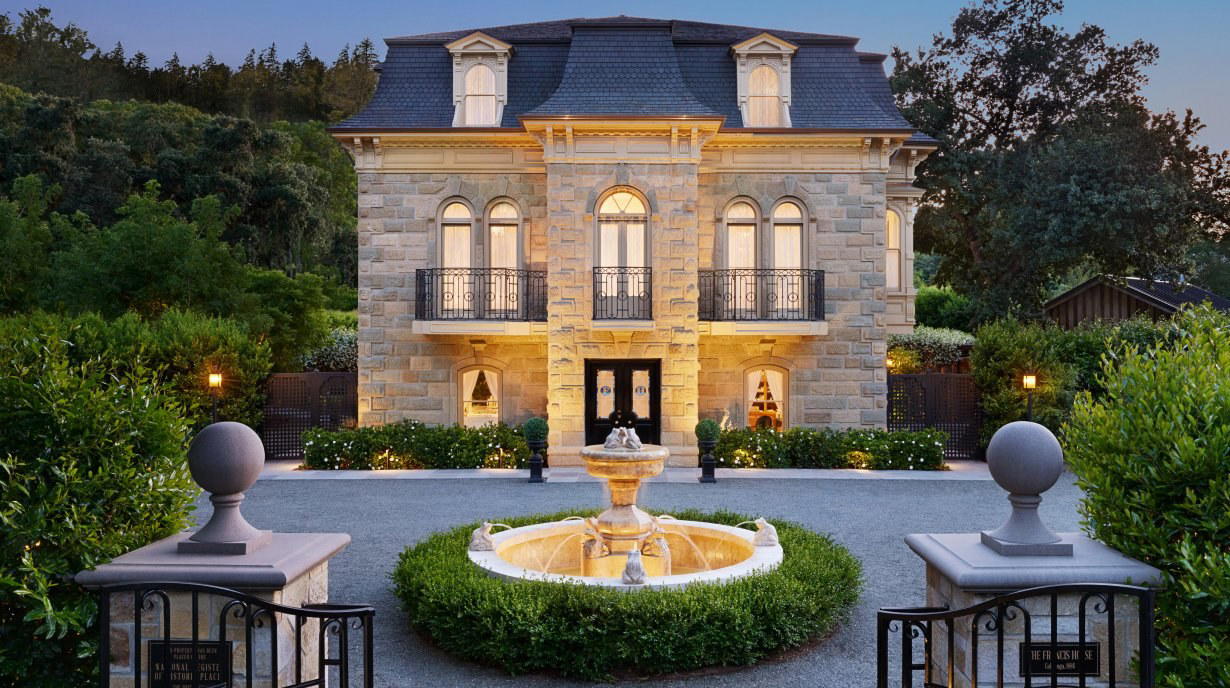
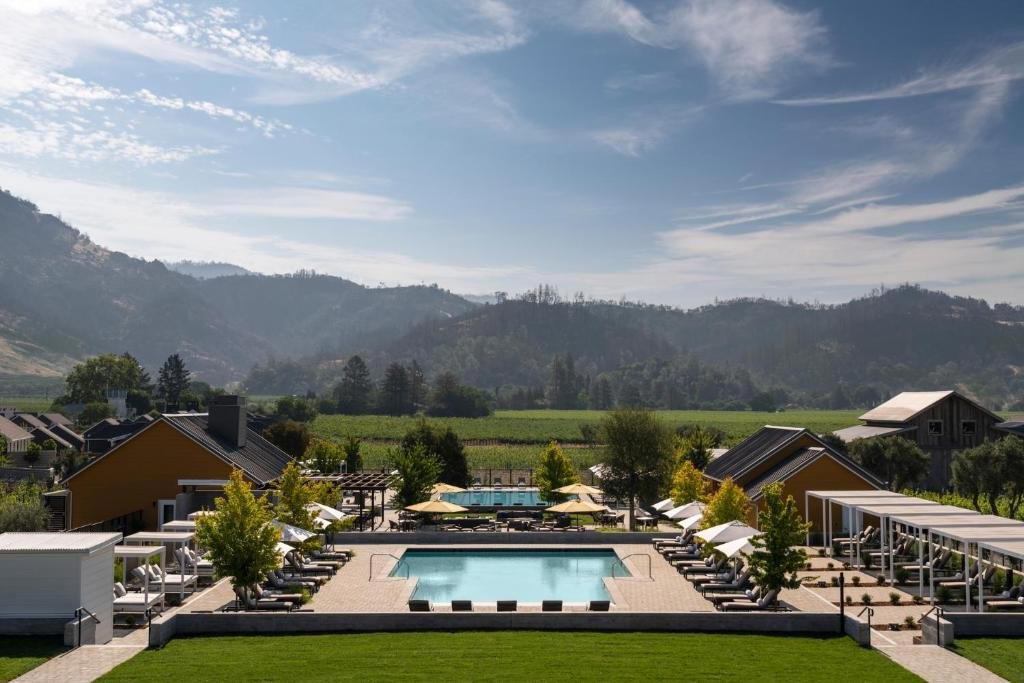
Contemplative and intellectually stimulating atmosphere with dramatic views overlooking St. Helena from 2,000 feet elevation; brooding, earthy character reflecting the mountain vineyard's distinctive terroir.