Azienda Agricola Gabutti di Boasso Franco

Falstaff Winery - Listed
Azienda Agricola Gabutti di Boasso Franco belongs to the traditional Serralunga d’Alba school: family-run, vineyard-led, and shaped by Nebbiolo from the Gabutti, Meriame and Margheria sub-zones. The interest here is terroir rather than theatre, with Barolo DOCG, Barbera, Dolcetto, Arneis and Moscato framed by a small mixed-farm model that has become rarer in the Langhe.
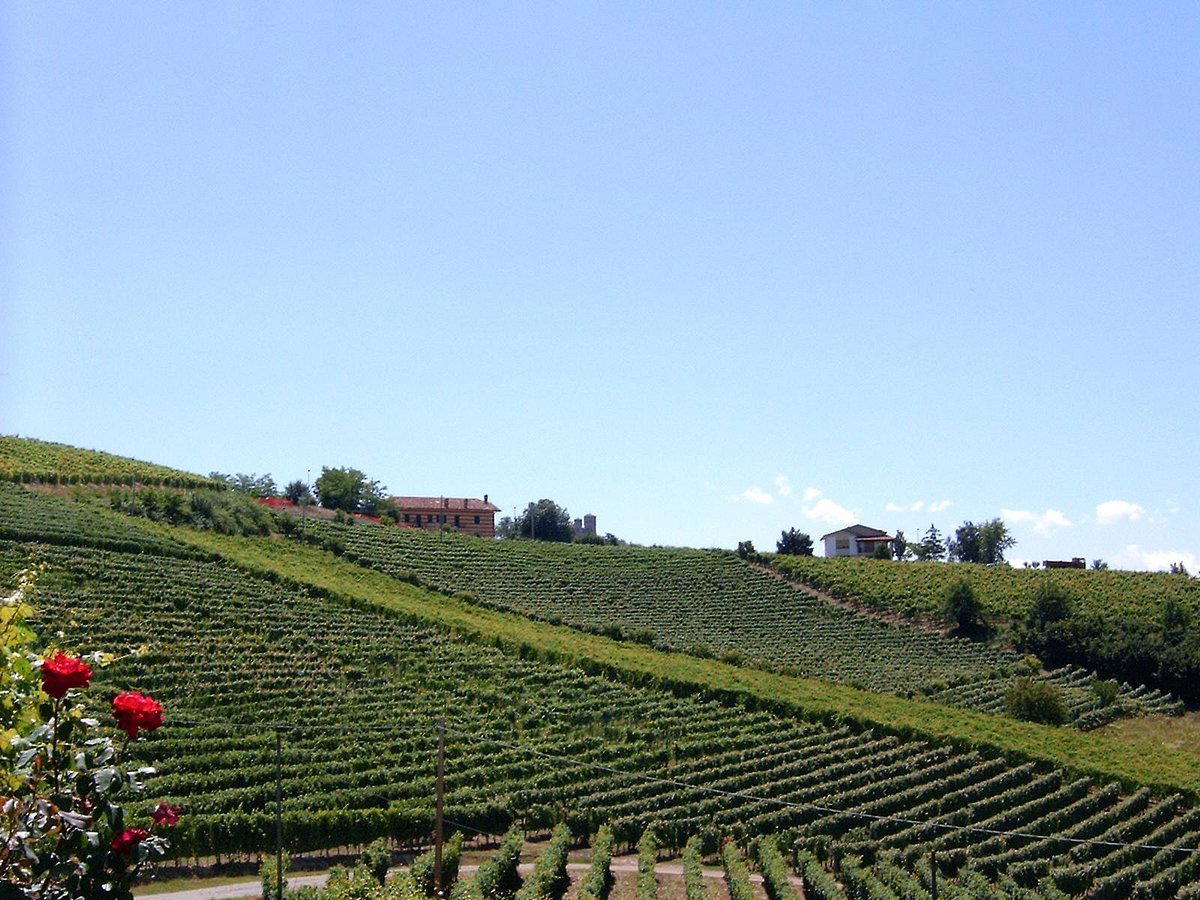
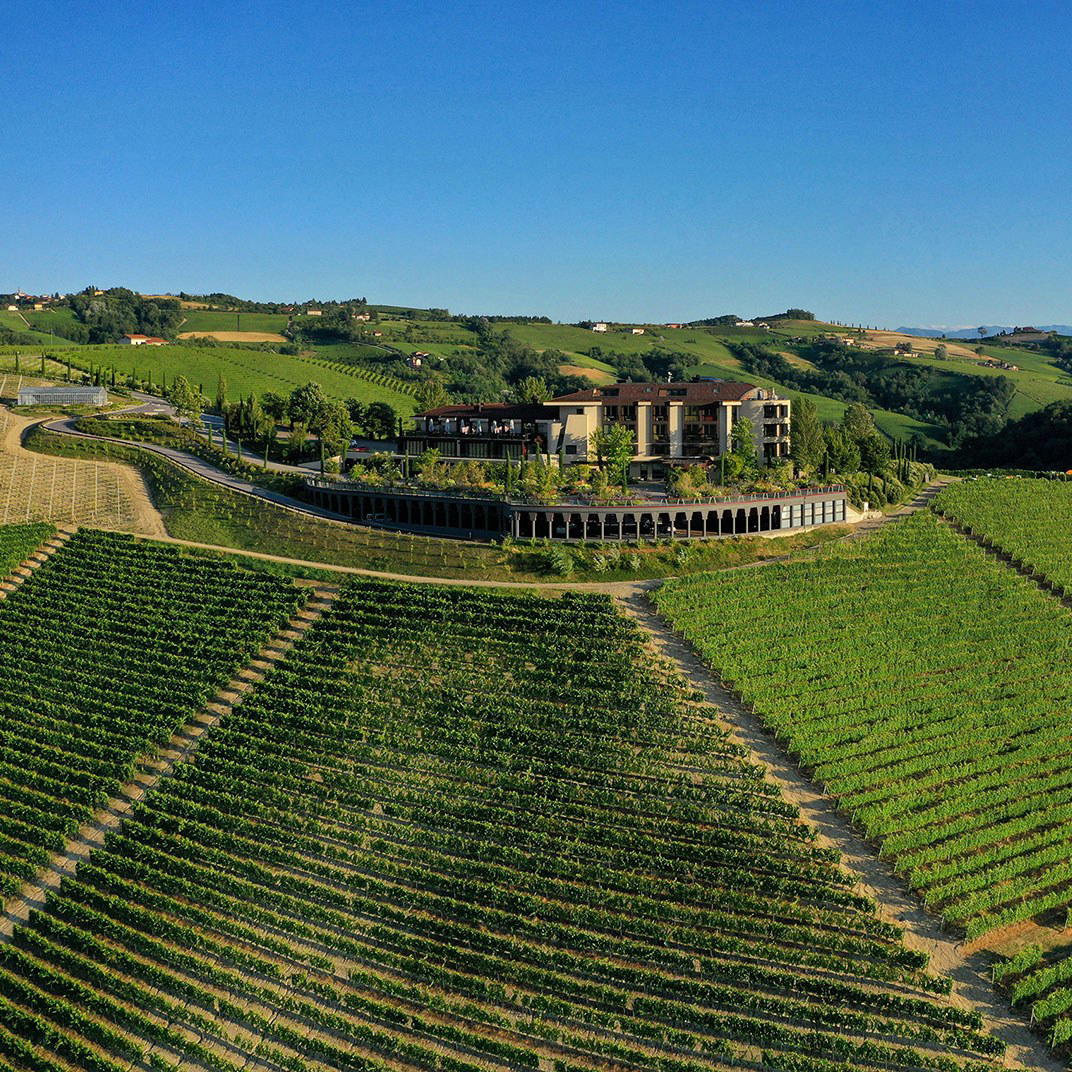
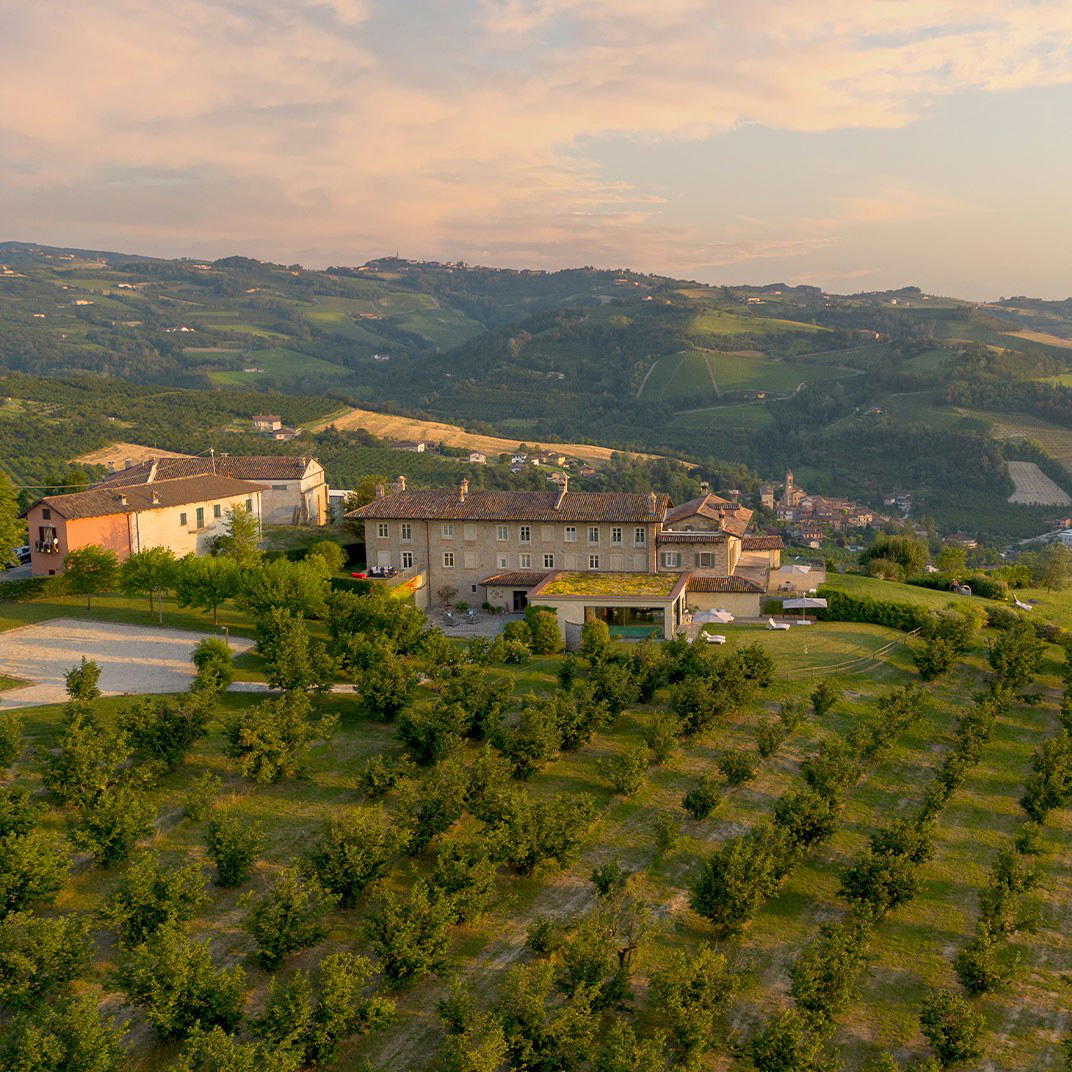
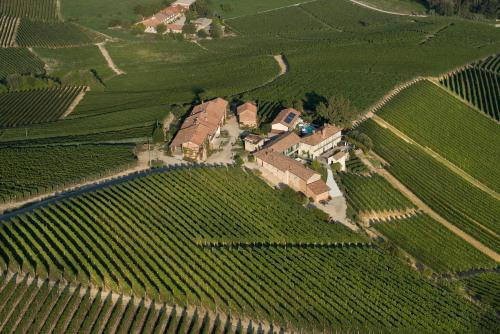
Approaching a small Langhe cellar in Serralunga d’Alba, the first cue is scale. Vine rows, farm buildings and the quiet rhythm of a working agricultural property matter more than polished hospitality choreography. That context suits Azienda Agricola Gabutti di Boasso Franco, a family-run Barolo estate whose identity is tied to the Gabutti hamlet and to the older Piedmontese idea of the azienda mista, where viticulture sits alongside hazelnuts, fields, pasture and livestock rather than replacing the rest of the farm.
Serralunga d’Alba has a particular gravity within Barolo. Its wines are often discussed through structure, age-worthiness and Nebbiolo’s capacity to transmit soil and slope with little need for decorative winemaking. This estate fits that conversation through a compact 4.5 hectares of vineyards in Gabutti, Meriame and Margheria, all within the Serralunga district. The production scale, around 30,000 bottles per year, keeps the frame personal rather than industrial, and the cellar’s emphasis on Barolo DOCG places the visit firmly inside the commune’s classical register.
Gabutti, Meriame and Margheria give the tasting its real subject
The appeal of this address is not breadth for its own sake. It is the chance to read Serralunga through a focused set of vineyard names. Gabutti carries particular weight in Barolo history; Renato Ratti’s vineyard classification treated it as a first-class site, a useful marker for readers trying to understand why certain slopes in this commune command more attention than others. Meriame and Margheria add further local detail, giving the portfolio a narrow geographical logic rather than a generic Langhe sweep.
The soils of the area, dominated by clay, marl and limestone, are a large part of the explanation. Clay helps retain water, marl and limestone contribute structure, and Nebbiolo responds to that combination with tannin, acidity and slow aromatic development. In Serralunga, that can mean Barolo built less for immediate softness than for patience. Azienda Agricola Gabutti di Boasso Franco works inside that tradition with Nebbiolo at the center, supported by Dolcetto, Barbera, Arneis and Moscato, the familiar local cast that keeps a Langhe cellar from becoming a single-variety museum.
Main Barolo DOCG del Comune di Serralunga d’Alba is made from Nebbiolo grown in the estate’s Serralunga vineyards, with production noted at 15,700 bottles. Fermentation for that wine runs on the skins in stainless steel for 15 to 20 days, followed by 30 months in 25-hectoliter oak botti. Those numbers matter because they put the wine on the traditional side of the modern Barolo argument: extraction is measured by maceration and time, while large-format oak avoids turning the cellar signature into the dominant voice.
A mixed-farm Barolo model with a cellar-first visit
Boasso family began vinifying its own grapes in the early 1970s, a period when many growers in the Langhe were moving from grape-selling into estate bottling. That shift changed Barolo’s hierarchy. Growers who once supplied fruit to larger houses could begin attaching their own family names to specific vineyards, and the market learned to read communes and crus with more precision. Franco Boasso’s role as proprietor belongs to that broader generational change: the personal detail is less important than the regional pattern it represents.
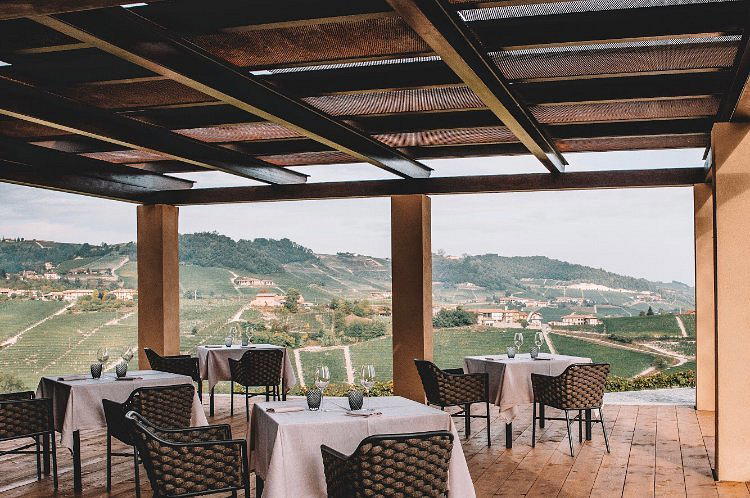
Mixed-farming model gives the estate a different feel from tasting rooms built primarily for visitor throughput. Hazelnut trees, fields and pasture belong to the same agricultural picture as the vines. In a region where luxury wine tourism can sometimes detach the glass from the farm, this format keeps the connection visible. Tastings focus on the cellar and vineyards, with a small-group scale and a quiet, rural atmosphere rather than a staged visitor circuit.
Portfolio is usefully didactic for anyone trying to understand the Langhe through its denominations. Barolo DOCG anchors the tasting, but Barbera d’Alba, Dolcetto d’Alba, Langhe Nebbiolo, Roero Arneis and Moscato d’Asti show how local varieties occupy different roles at the table and in the cellar. Barbera brings acidity and generosity, Dolcetto sits closer to everyday Piedmontese drinking culture, Arneis gives a white-wine counterpoint from Roero, and Moscato keeps the region’s sweet, aromatic tradition in view. The strength of the visit lies in that comparative arc, not in novelty.
Hospitality is structured around pre-arranged cellar tastings, vineyard-inclusive visits and private tasting formats, with Italian, French and English among the listed languages. On-site parking, wheelchair-accessible facilities and shipping availability make the practical side less complicated than at many rural cellars, though the experience remains small in scale. The dress code is casual, which is exactly right for a working winery where the substance is vineyard origin, not ceremony.
Where it fits in a Serralunga wine itinerary
For a Serralunga d’Alba itinerary, this is a strong counterweight to more formal cellar appointments because the agricultural frame is still visible. The estate’s membership in the Strada del Barolo also places it within the region’s organized wine route, useful for travelers building a day around commune-specific tastings rather than scattered stops across the wider Langhe.
Readers mapping the area can continue with Our full Serralunga d'Alba wineries guide, then plan the rest of the stay through Our full Serralunga d'Alba restaurants guide, Our full Serralunga d'Alba hotels guide, Our full Serralunga d'Alba bars guide and Our full Serralunga d'Alba experiences guide. Other Serralunga winery pages worth using for orientation include Azienda Agricola Cascina Cucco, Azienda Agricola Guido Porro, Azienda Agricola Luigi Pira, Azienda Agricola Schiavenza and Azienda Agricola Sukula.
For a wider European wine-travel lens, compare how small producers present place across 3GP SRL in Treviso, 47 Anno Domini in Trebaseleghe, A Mano Wine in Noci, »der Steiner« Hans Steiner in Podersdorf am See and & Handwein in Mannheim. The comparison is not about likeness; it is about seeing how small-scale wine hospitality changes when the primary asset is not architecture or spectacle, but land translated through bottle and conversation.
Frequently asked questions
What's the general vibe of Azienda Agricola Gabutti di Boasso Franco?
The tone is quiet and rural, with a family-run cellar in the Gabutti hamlet of Serralunga d'Alba and vineyards around it. Tastings are pre-booked and run at a small scale, so the experience feels personal rather than formal.
Where do I go for Azienda Agricola Gabutti di Boasso Franco?
Azienda Agricola Gabutti di Boasso Franco is located at Serralunga d'Alba, Piedmont, Italien, Serralunga d'Alba.
What's the pricing like at Azienda Agricola Gabutti di Boasso Franco?
Pricing at Azienda Agricola Gabutti di Boasso Franco is listed as $$.
What should I know about Azienda Agricola Gabutti di Boasso Franco before I go?
Visits are by reservation, usually last 60–120 minutes, and the estate accepts cash, credit cards, and debit cards. It opened in 1970, sits in Barolo DOCG country, and offers Italian, French, and English during tastings.
Recognition history
Dated appearances from independent guides and award organizations, with the underlying list record or original source where available.
Falstaff Winery - Listed
Falstaff
Request a visit to Azienda Agricola Gabutti di Boasso Franco
Tell us when you would like to go and how many people, and we put the request to the estate and reply to you by email.
Continue exploring
More in Serralunga d'Alba
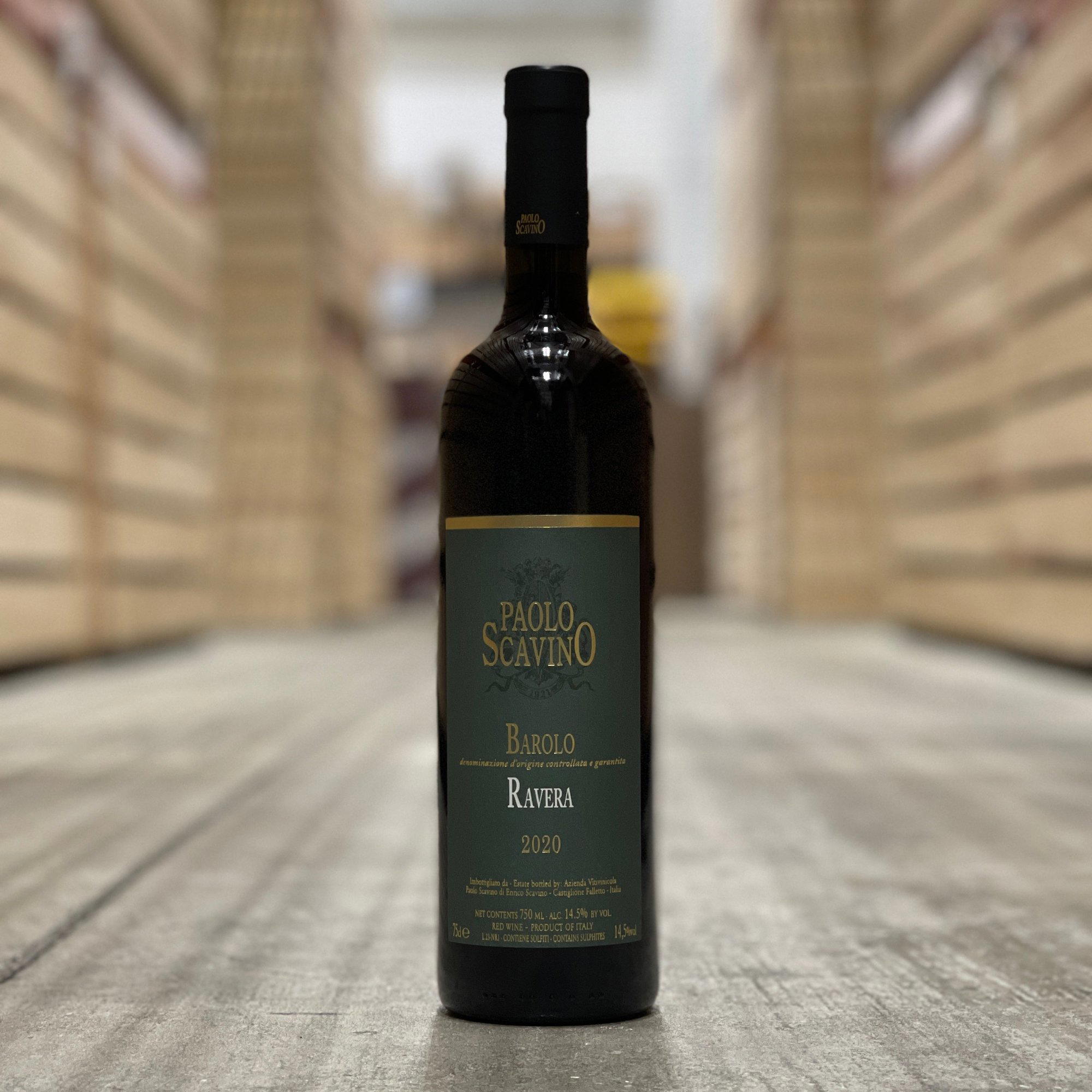
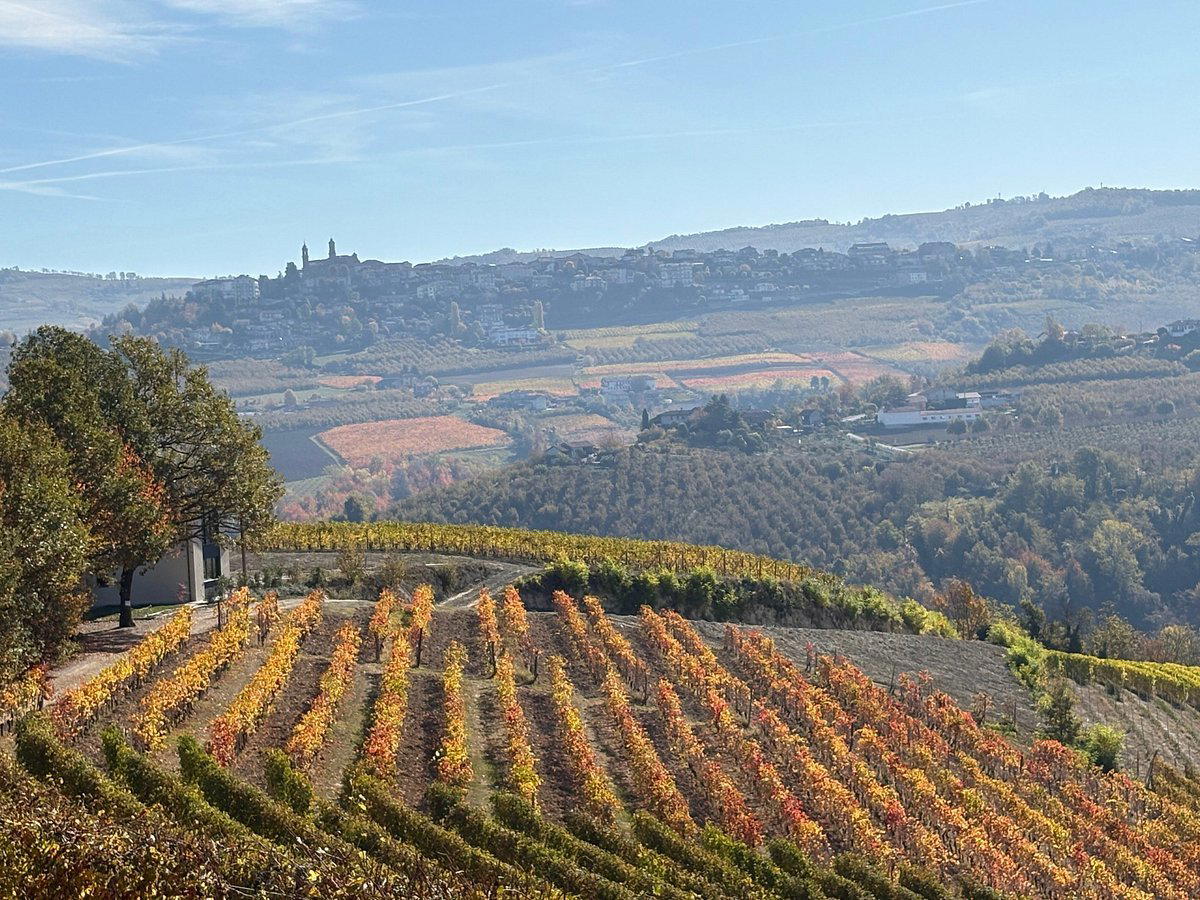
Wineries in Serralunga d'Alba
All wineries in Serralunga d'Alba →
Bars in Serralunga d'Alba
Browse all →
Restaurants in Serralunga d'Alba
All restaurants in Serralunga d'Alba →

Details
- Rustic
- Scenic
- Classic
- Intimate
- Romantic Getaway
- Group Outing
- Solo Exploration
- Wine Education
- Estate Grounds
- Vineyard Tour
- Private Tasting
- Historic Building
- Sustainable
- Vineyard
- Mountain
- Garden
- Nebbiolo
- Dolcetto
- Barbera
- Arneis
- Moscato
- Still Red
- Still White
- Dessert
- Cellar Tasting
- Vineyard Inclusive Visit
- Small Group Tasting
- Pre Booked Tasting
- Italian
- French
- English
Current opening hours
- Monday
- 8 AM–6:30 PM
- Tuesday
- 8 AM–6:30 PM
- Wednesday
- 8 AM–6:30 PM
- Thursday
- 8 AM–6:30 PM
- Friday
- 8 AM–6:30 PM
- Saturday
- 9 AM–12 PM, 2–6 PM
- Sunday
- Closed
Hours can change for holidays and private events. Hours as of .
Family-run traditional Langhe winery with a quiet, rural atmosphere surrounded by vineyards; tastings focus on classic Barolo and local varieties in a simple, welcoming cellar setting with personal interaction with the Boasso family.