Unico Zelo
Unico Zelo operates from Gumeracha in the Adelaide Hills.

Pearl is the En Primeur Club membership app — saves, bookings, and concierge access live there. Same editors, same standards.
- Address
- 24 Victoria St, Gumeracha SA 5233
- Phone
- +61 8 6333 0399
- Website
- unicozelo.com.au
- Directions
- Get directions
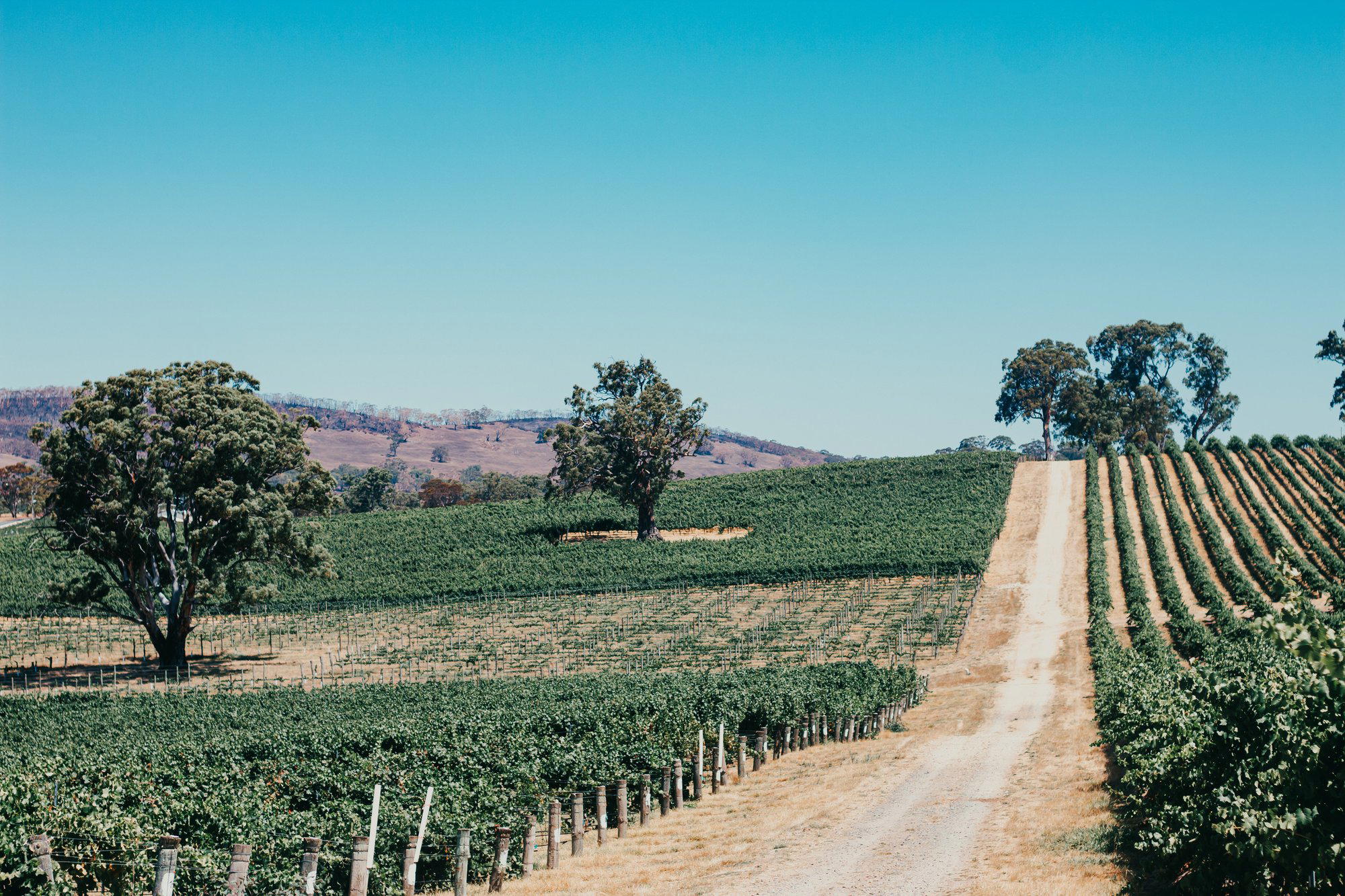
Where the Adelaide Hills Rewrites Its Own Script
The Adelaide Hills spent decades trading on a single calling card: cool-climate freshness, Sauvignon Blanc, and the kind of crisp acidity that contrasted sharply with the Barossa floor just to the north. That framing was commercially useful and editorially tidy, but it undersold what the region actually contained. Over the past fifteen years, a new cohort of producers has pulled the Hills in a different direction, one defined less by variety and more by a willingness to work with less familiar grapes, lighter extraction, and a refusal to anchor the region's identity to any one international template. Unico Zelo, operating from an address at 24 Victoria St in Gumeracha, belongs squarely to that cohort.
Gumeracha sits in the eastern arc of the Hills, removed from the café-and-cellar-door circuit that runs between Hahndorf and Lobethal. That physical remove is not incidental. The producers who have set up in quieter parts of the Hills tend to share an orientation toward making wine first and building visitor infrastructure second, which shapes the kind of conversation you have when you do find them.
A Region in Transition
The Adelaide Hills as a wine region is legally defined by elevation rather than soil or aspect, with vineyards broadly required to sit above 300 metres. That single parameter creates enormous variability within the appellation: the western slopes facing the Gulf of St Vincent differ markedly from sheltered eastern gullies, and vintages that suit one sub-zone can punish another. What the region shares is diurnal temperature range, the wide swing between warm afternoons and cool nights that preserves acidity and slows ripening in ways that the floor of the Barossa cannot replicate.
Within that broad framework, the Hills has developed several distinct producer orientations. The large, export-facing operations use the region's cool credentials as a point of difference in international markets, primarily through Sauvignon Blanc and Chardonnay. A second group, which includes names like Bird in Hand and Murdoch Hill, occupies a middle tier: established cellar doors, Shiraz and Pinot alongside the white varieties, and a reliable audience built over two or more decades. A third cohort, smaller and less institutionally settled, has been working with Italian and Iberian varieties, extended macerations, and amphora aging.
For context on how the Hills sits within South Australia's broader wine geography, it is worth setting the region against its neighbours. The Barossa Valley's prestige currency is concentrated in old-vine Grenache and Shiraz, where deep soils and warm summers push extraction and concentration. The Hills inverts almost every one of those parameters. Producers like Ashton Hills Vineyard and Gentle Folk have built reputations on restraint and site fidelity rather than power, and Unico Zelo's own positioning aligns with that current.
Variety as an Editorial Position
In Australian wine, the decision to plant or work with Fiano, Nero d'Avola, Assyrtiko, or Sagrantino is itself a statement. These varieties arrived in the country relatively recently, and many were planted speculatively by producers who believed Australian conditions could unlock qualities the original regions take for granted. The Adelaide Hills, with its combination of warmth and acid-preserving nights, has become one of the more logical homes for Mediterranean whites in particular: varieties that need heat to ripen fully but acidity to remain interesting.
Unico Zelo's alignment with this approach puts it in a conversation that extends well beyond South Australia. Nationally, the debate about whether Australian wine's future lies in international variety breadth or deeper articulation of classic regions is unresolved, but the producers who have committed to the former tend to attract a specific kind of attention: early-adopter sommeliers, restaurant wine lists looking for points of difference, and international buyers who want something outside the Shiraz-Cabernet axis.
For those exploring how Australia handles spirits alongside wine, the Adelaide Hills Distillery (78°) in the same region has developed a parallel reputation for working with local botanicals, illustrating how the Hills' producer culture extends beyond viticulture into a broader appetite for craft production with a regional signature.
Across Australia, producers with equivalent recognition include operations whose reputations rest on long-term consistency rather than single celebrated vintages. In Victoria, Bass Phillip in Gippsland has built its standing through Pinot Noir at a scale and price point that commands allocation-list behaviour. In New South Wales, Brokenwood in Hunter Valley represents a different model: broader production, deeper archive, and a flagship Semillon that functions as a reference point for the style.
Producers like Angove Family Winemakers in Renmark illustrate how South Australia's broader wine geography handles organic certification and family continuity at greater volume, while All Saints Estate in Rutherglen demonstrates how a Victorian producer can build prestige across a portfolio range that spans fortified and table wine. Neither is a direct stylistic analogue to Unico Zelo, but both illustrate the breadth of what Australian prestige wine can mean outside the conventional Barossa-Coonawarra axis.
Internationally, the conversation about alternative varieties in warm-climate regions is active in California, southern France, and parts of Spain, where producers are also testing the limits of what their terroir can express through non-native varieties. Accendo Cellars in St. Helena and Blue Pyrenees Estate in Pyrenees each inhabit their own regional identities, but the underlying question of how a producer distinguishes itself within an established appellation is shared territory.
Planning a Visit to Gumeracha
Cost and Credentials
Comparable venues nearby, for context on price, style, and recognition.
| Venue | Cuisine | Price | Awards |
|---|---|---|---|
| Unico ZeloThis venue — the venue you are viewing | Gumeracha, Fiano, Nero d'Avola | Not listed | Not listed |
| Ochota Barrels | Basket Range, Grenache, Syrah | Not listed | Falstaff Winery - Listed |
| Gentle Folk | Basket Range, Pinot Noir, Chardonnay | Not listed | Not listed |
| Nepenthe | Balhannah, Sauvignon Blanc, Pinot Gris | Not listed | Not listed |
| Murdoch Hill | Oakbank, Sauvignon Blanc, Chardonnay | $10–20 | Not listed |
| Shaw + Smith | Balhannah, Sauvignon Blanc, Riesling | $20–30 | Falstaff Winery - Listed |
Continue exploring
More in Adelaide Hills
Wineries in Adelaide Hills
Browse all →
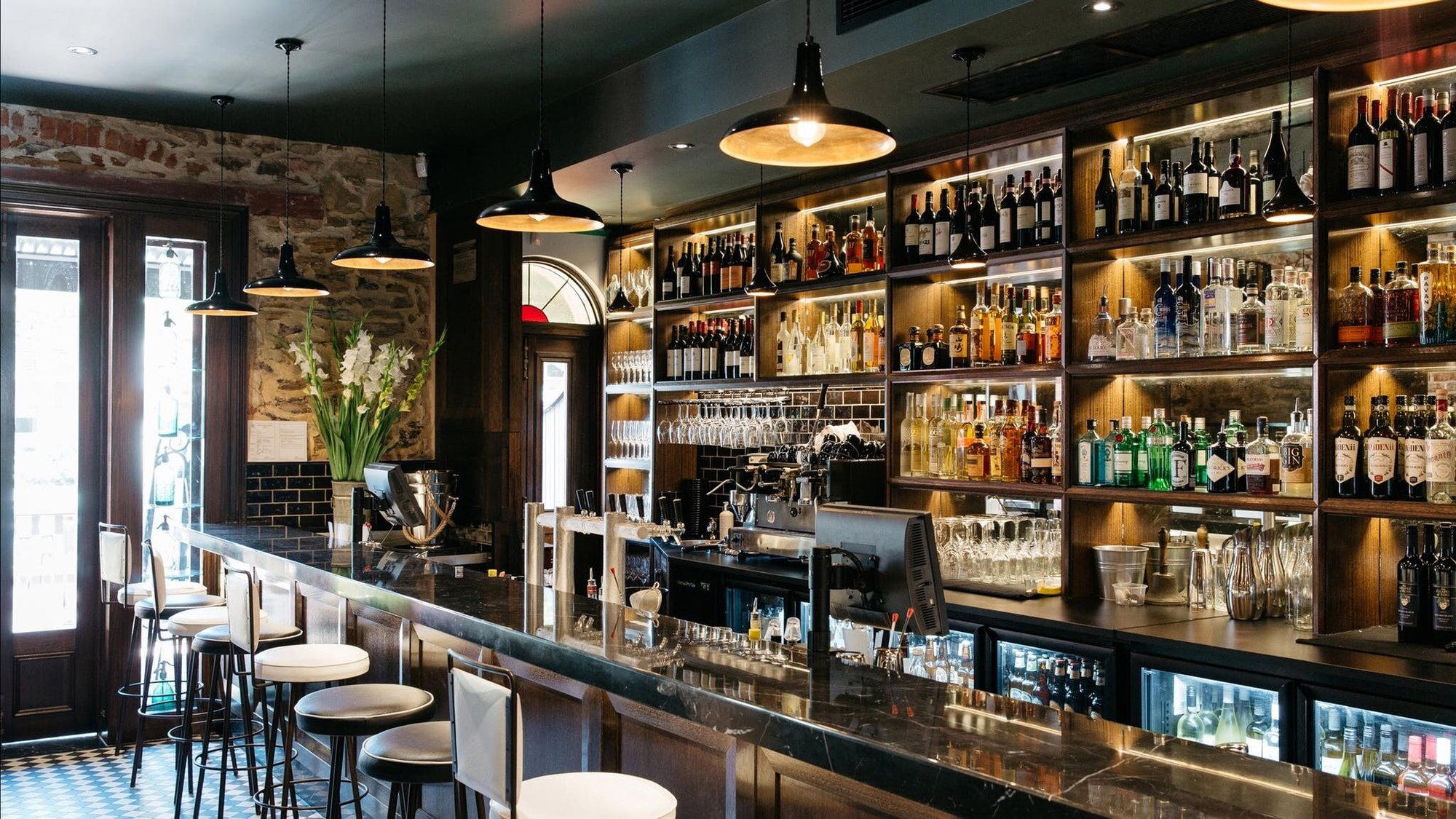
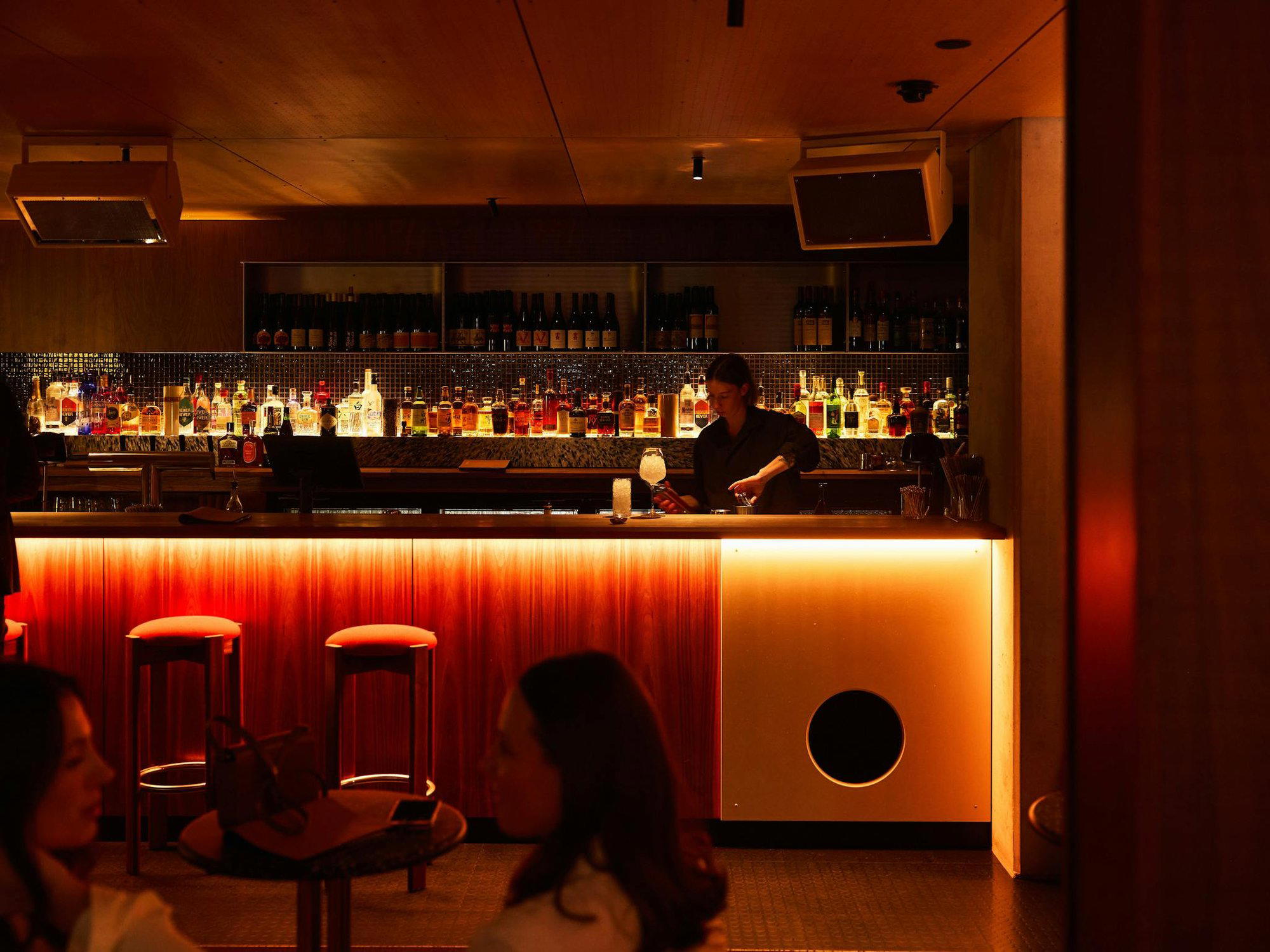
Bars in Adelaide Hills
Browse all →
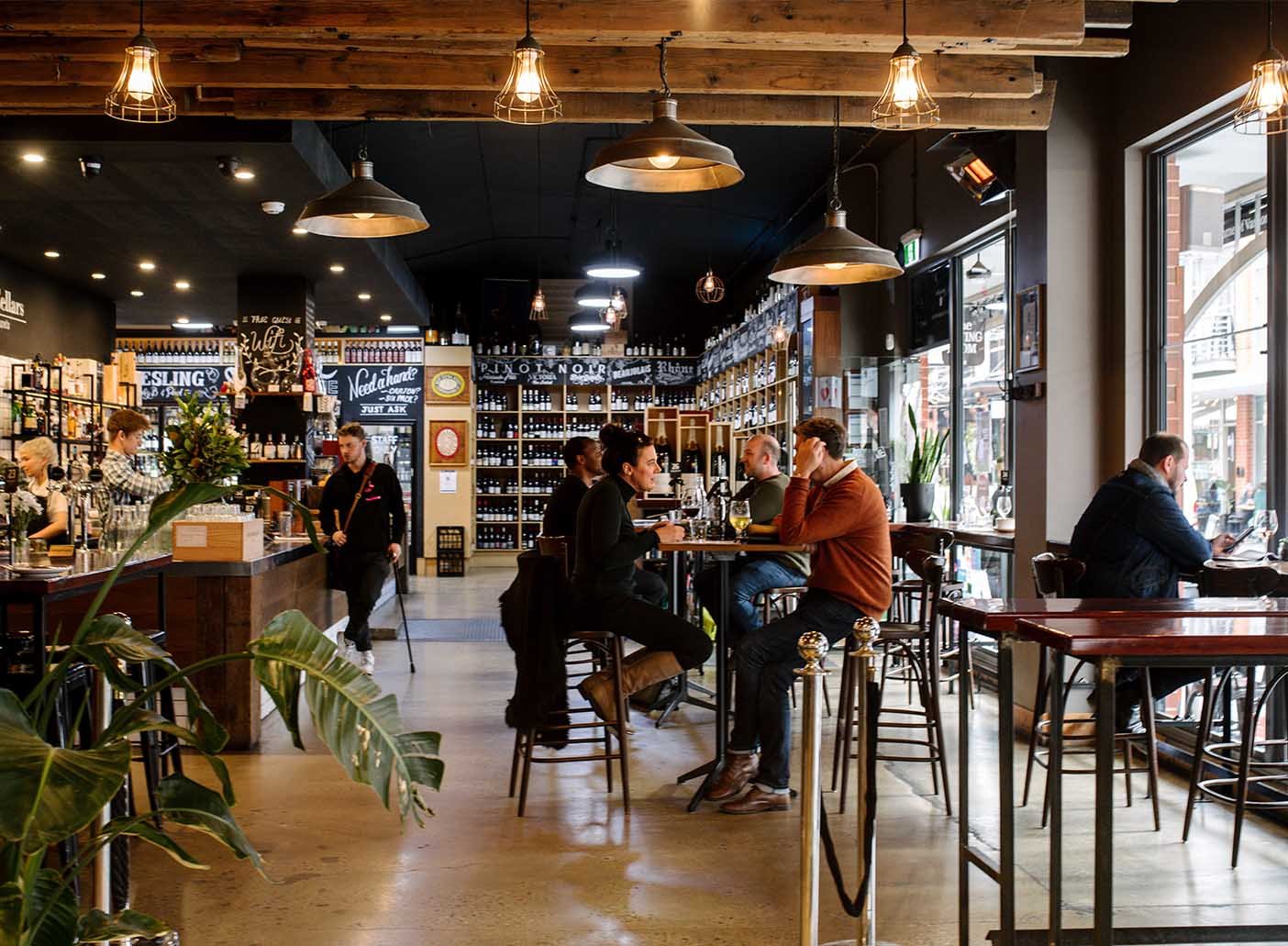
Restaurants in Adelaide Hills
Browse all →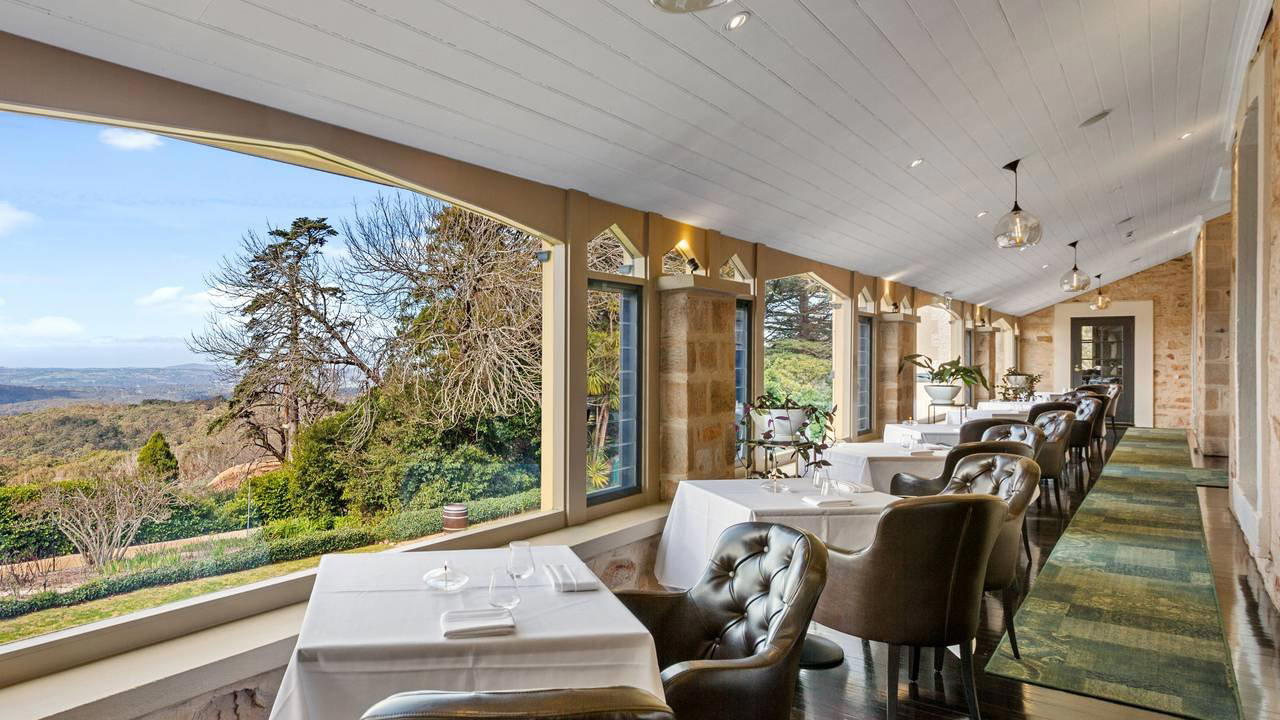
Details
- Rustic
- Scenic
- Intimate
- Wine Education
- Solo Exploration
- Group Outing
- Vineyard Tour
- Estate Grounds
- Sustainable
- Organic
- Vineyard
- Mountain
- Fiano
- Nero D'avola
- Nebbiolo
- Sangiovese
- Zibibbo
- Barbera
- Still White
- Still Red
- Pet Nat
- Skin Contact
- Indoor Tasting
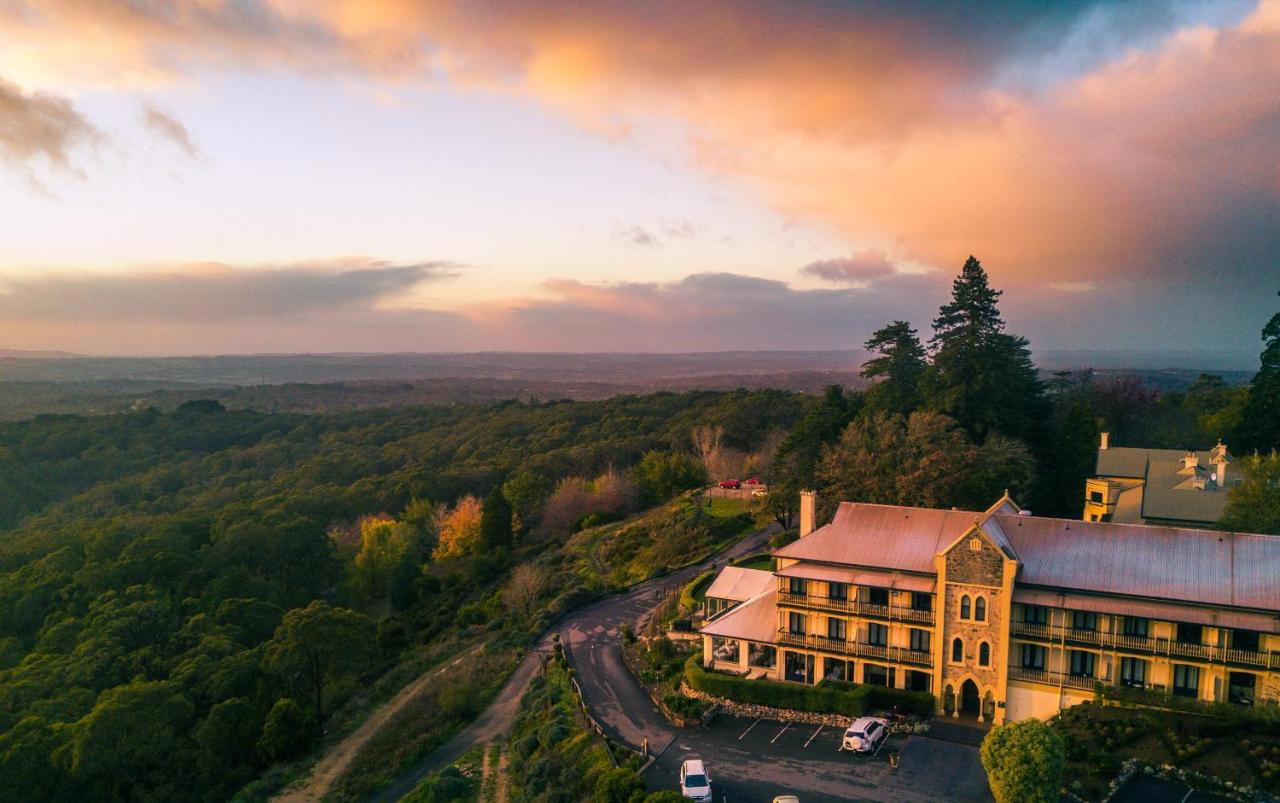
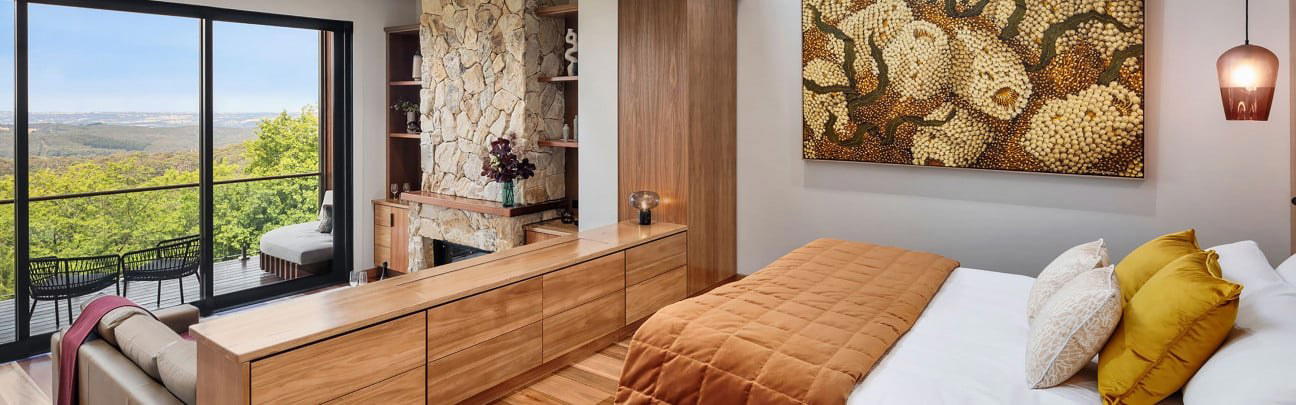
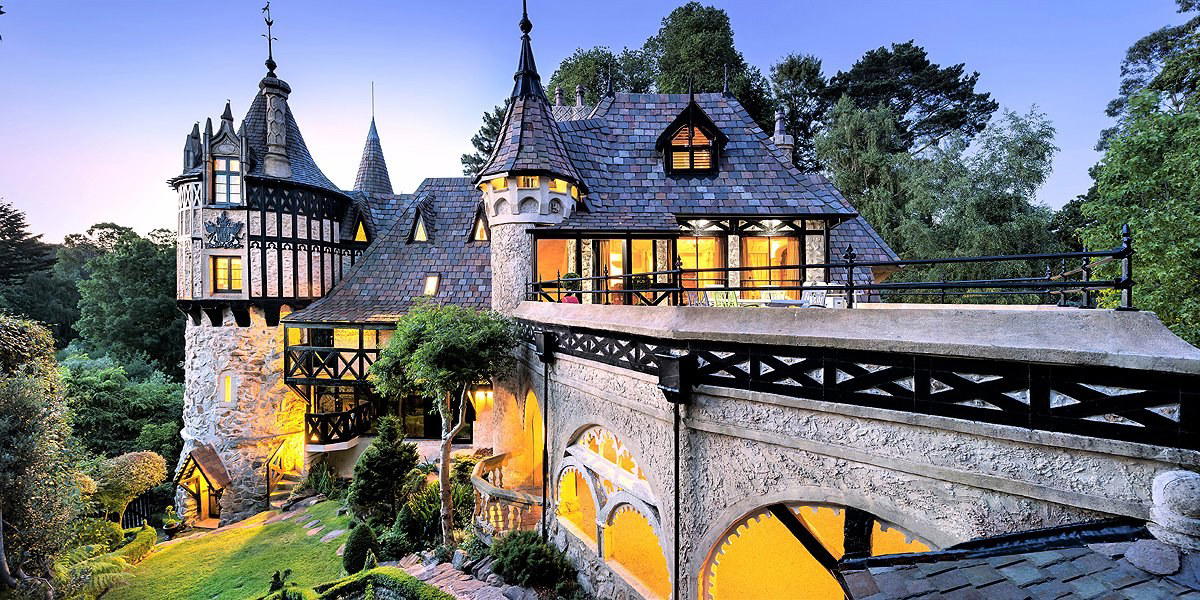
Relaxed and welcoming with scenic Adelaide Hills views, focusing on education and community through tastings at sister distillery.