
Falstaff Winery - Listed
Arione places Canelli’s sparkling-wine heritage in a practical, family-run frame rather than a grand-estate performance. The draw is Piedmontese range: Asti DOCG, Moscato d’Asti DOCG, Barbera, Dolcetto, Roero Arneis, wine-based aperitif formats, and an alcohol-free sparkling line, all tied to Langhe and Monferrato rather than a single luxury cuvée narrative.

Pearl is the En Primeur Club membership app — saves, bookings, and concierge access live there. Same editors, same standards.
- Address
- Strada S. Carlo, 8, 12053 Castiglione Tinella CN, Italy
- Phone
- +39 0141 855116
- Hours
- Mon–Fri 8 AM–6 PMSat–Sun Closed
- Website
- arione.it
- Directions
- Get directions
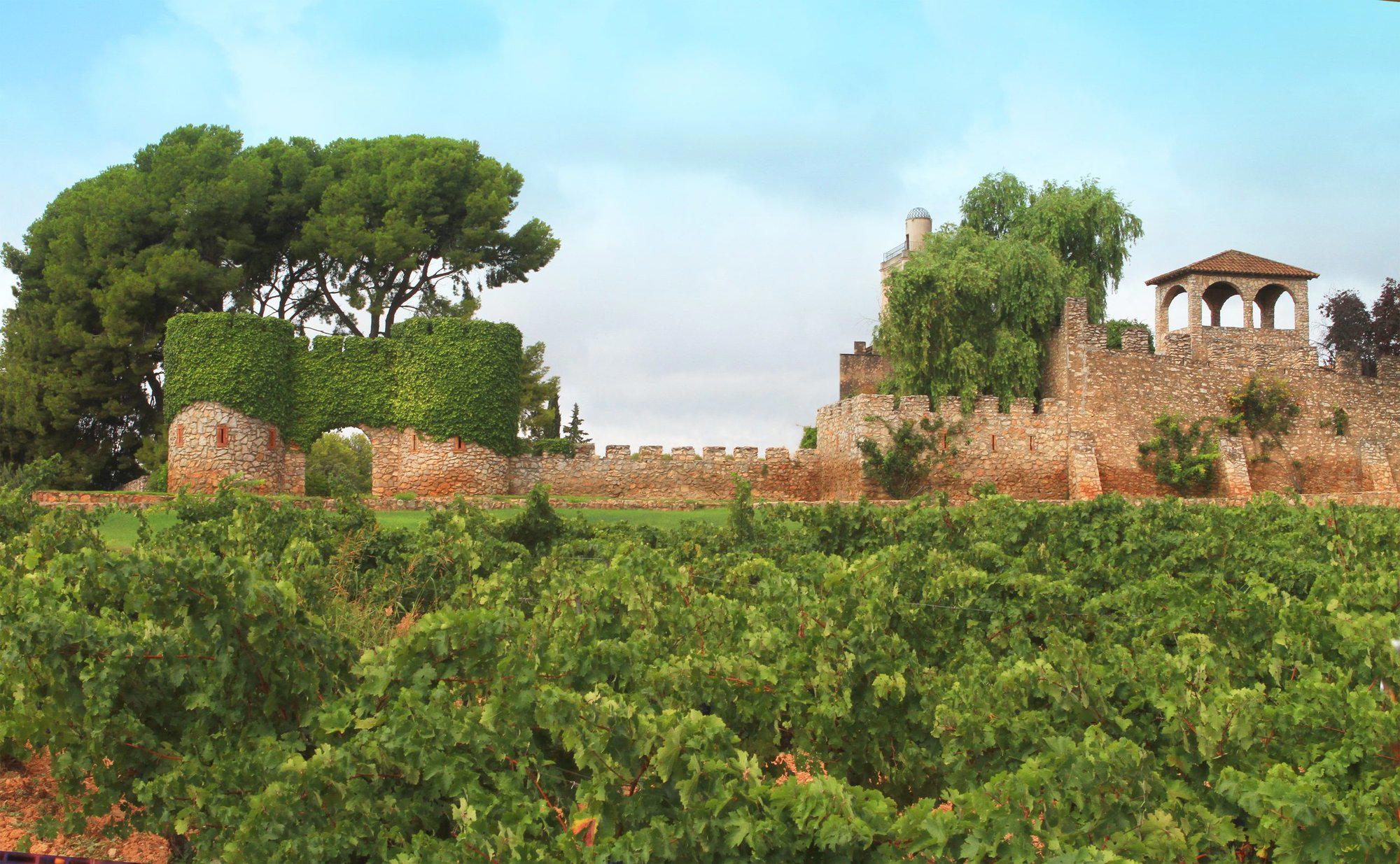
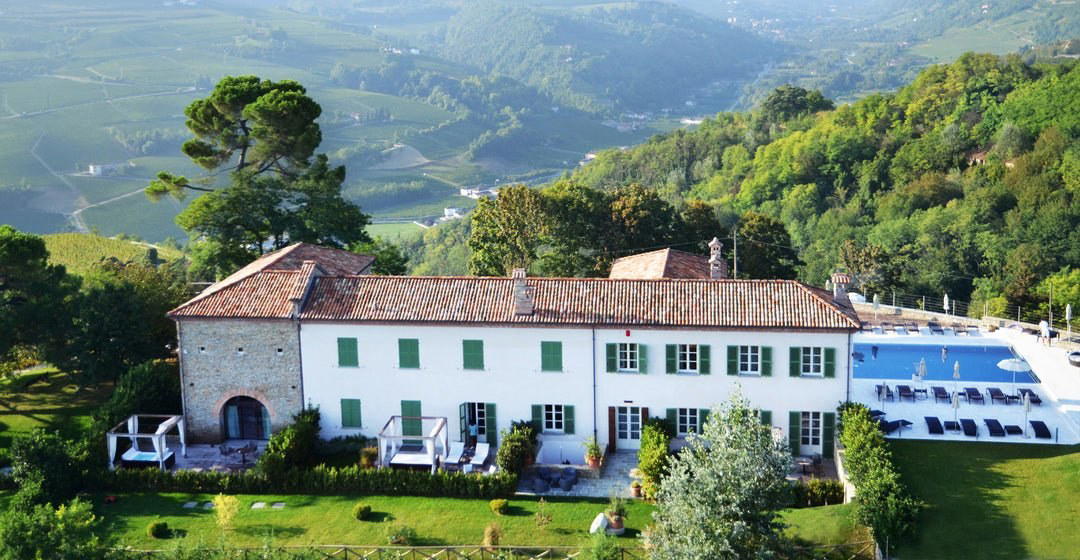
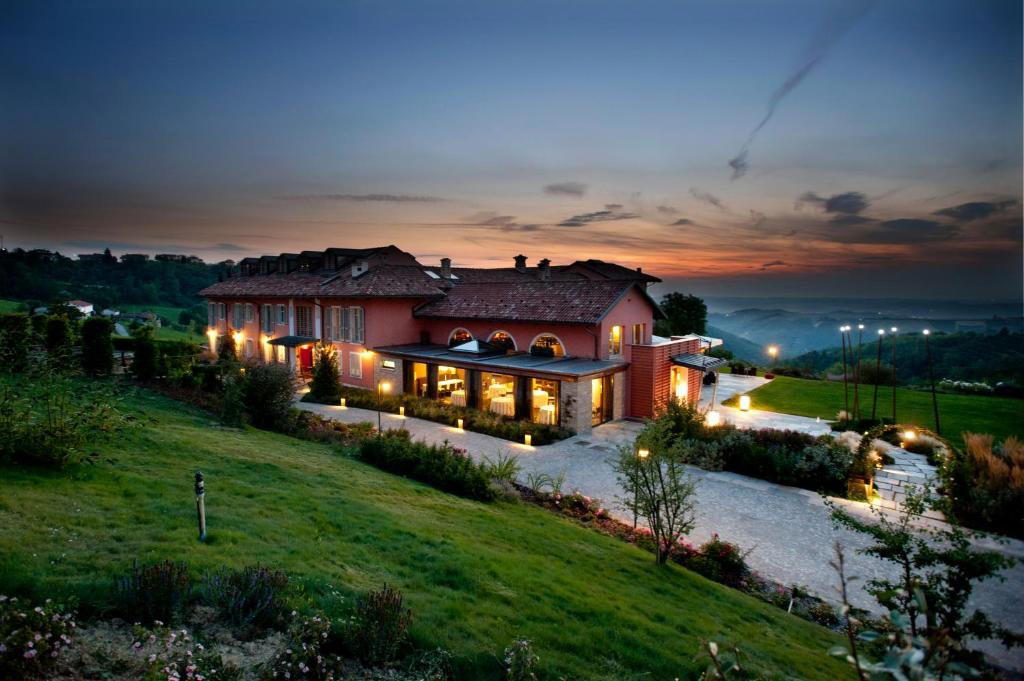
Arione is in Canelli and is best understood as a historic, family-run Piedmontese wine producer rather than a luxury estate experience. The useful expectation is practical hospitality focused on showcasing a wide range of regional still and sparkling wines in a classic, scenic, rustic atmosphere. Read it less as a place defined by polish, performance, or tightly packaged luxury cues, and more as a producer whose value comes from setting, continuity, and a clear connection to local wine culture. For travellers using EP Club to plan realistically, that framing matters: Arione is most compelling when approached as an accessible Canelli wine stop, not as a venue whose appeal depends on rare-bottle theatre or a highly scripted visit.
Canelli's regional wine setting
The useful way to read Arione is through place. Canelli is part of Piedmont wine culture, and Arione presents itself through that regional lens. The appeal is not a specific rare bottle, vintage, or formal tasting format, but the chance to approach local still and sparkling wines through a producer rooted in the area. In practical terms, the setting is part of the experience: the point is to understand the wines in relation to Canelli rather than to detach them from their surroundings and treat the visit as a generic tasting room stop.
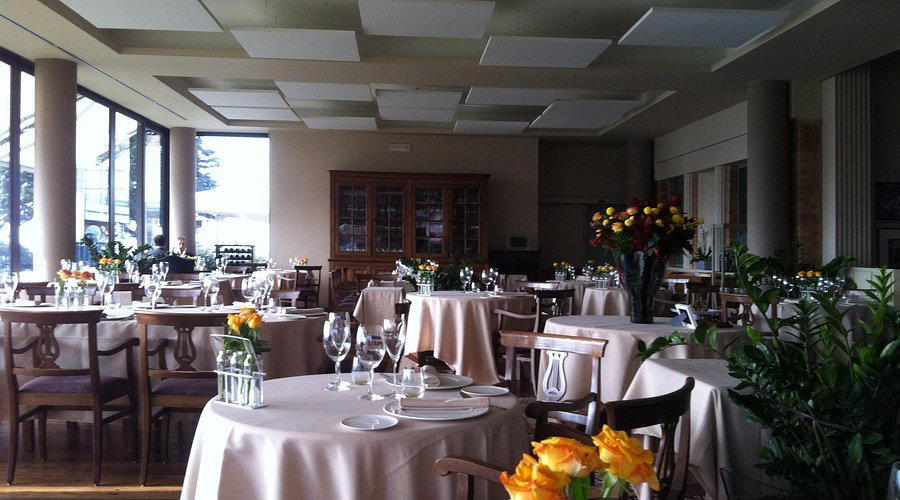
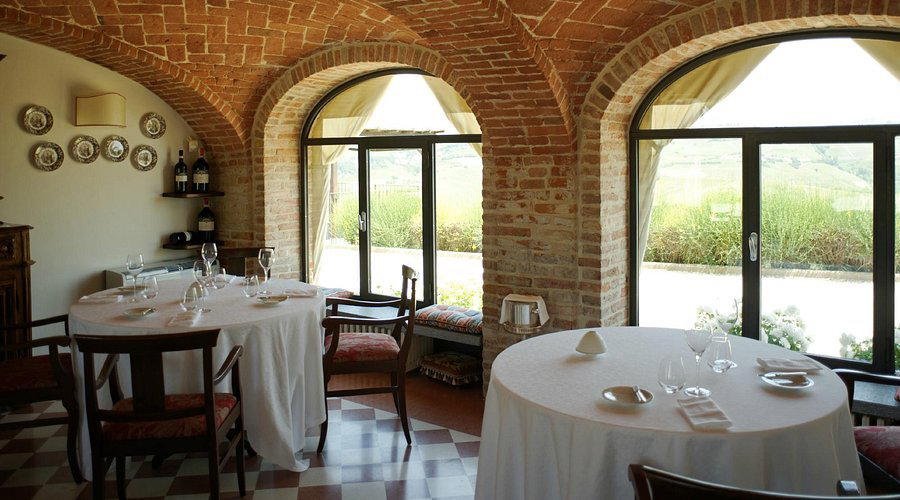
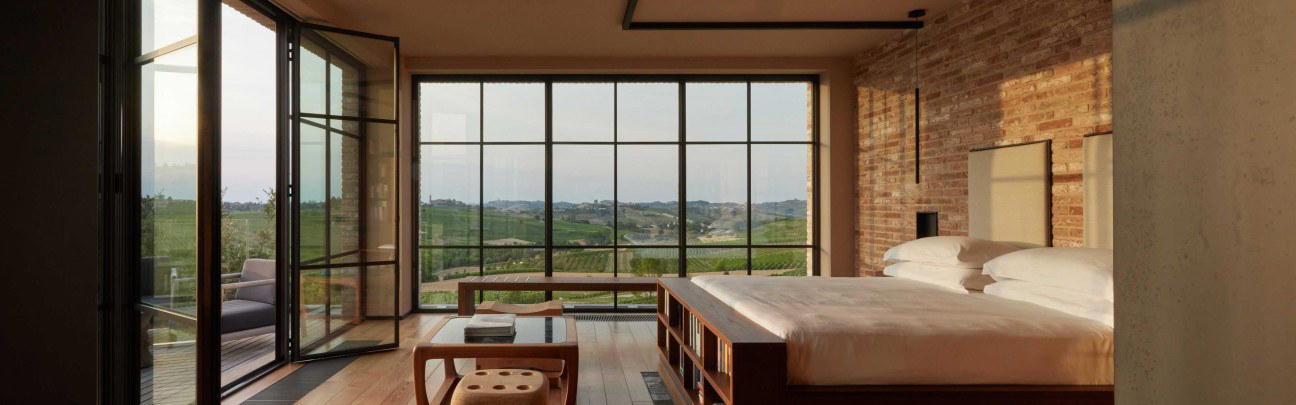
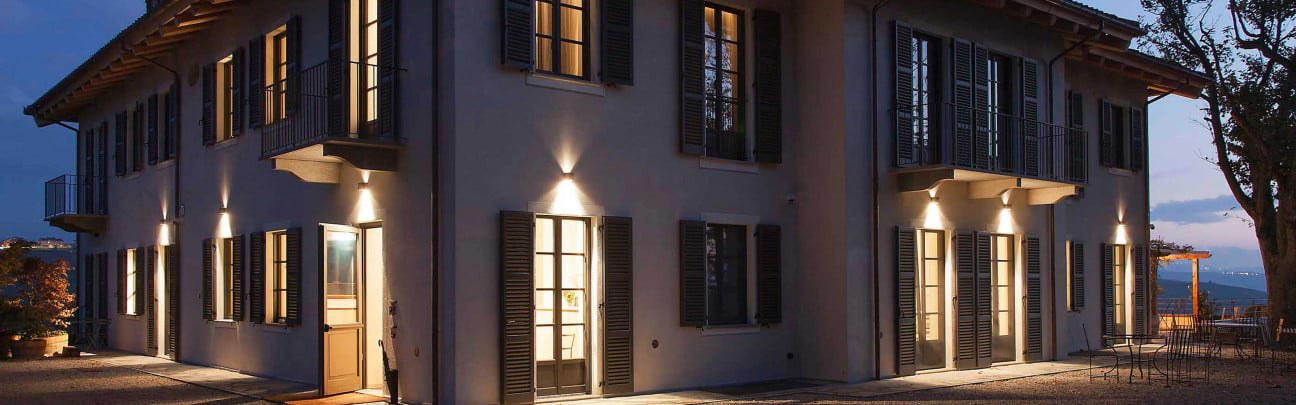
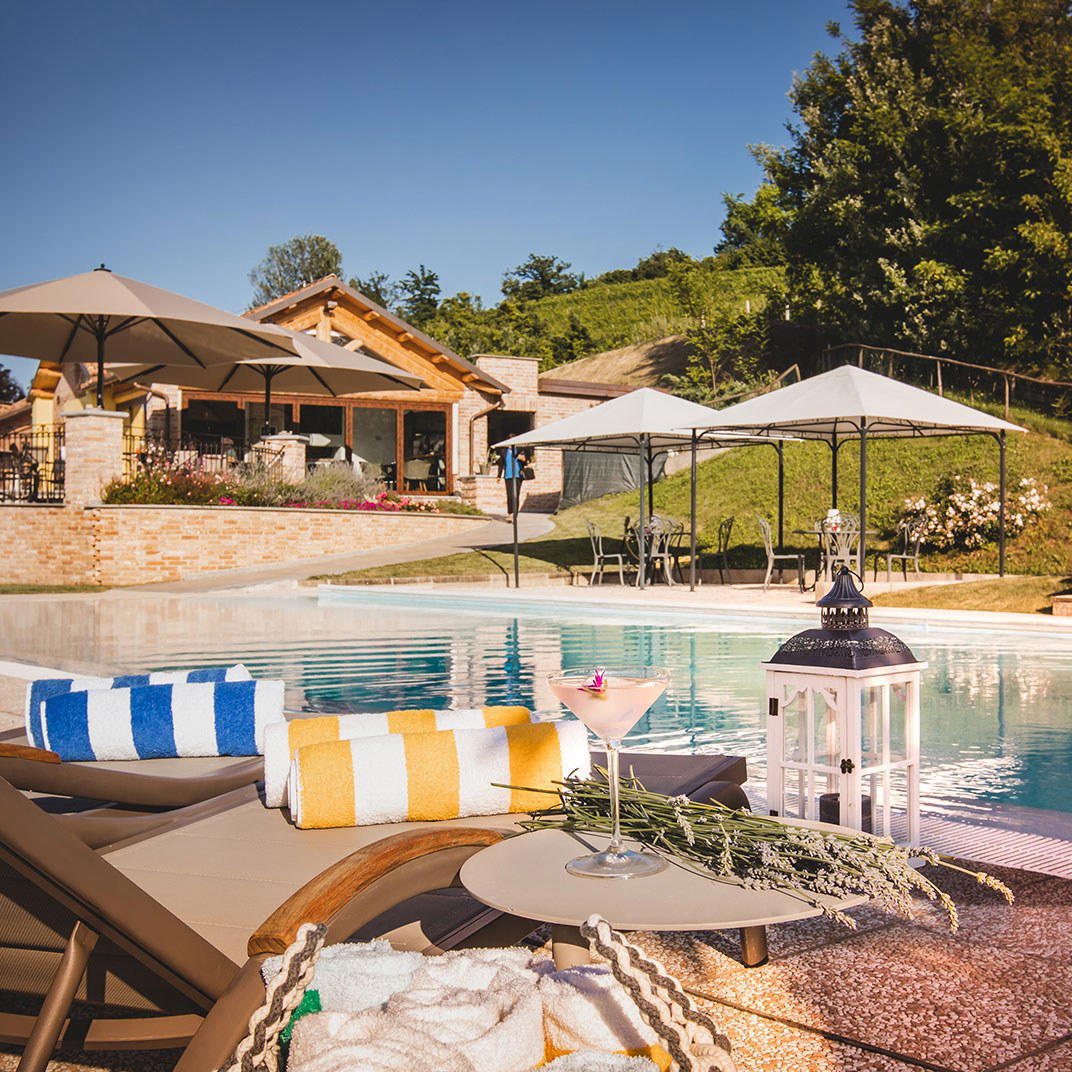
For visitors, that makes Arione a direct Canelli stop: family-run, historically grounded, and more practical than polished in the luxury-estate sense. It is best understood as a hospitality-oriented producer for people who want regional context without expecting a heavily staged experience. That can be a strength, especially for travellers who prefer producers that feel connected to their place and purpose rather than shaped around international luxury expectations. The mood to expect is classic and rustic rather than sleek, with the scenic quality of the area supporting the experience rather than overwhelming it.
Expect the emphasis to be on regional wines, setting, and accessibility, not on confirmed seat counts, set menus, awards, or named bottle lineups. This is an important distinction because it keeps expectations aligned with what is actually established. The planning value lies in knowing the type of stop Arione represents: a grounded producer visit in Canelli where the broad category of still and sparkling regional wines matters more than any single promised label, accolade, or formal structure.
A broad producer lens rather than a trophy-bottle performance
Arione’s appeal comes from continuity and breadth. It is presented as a historic family-run Piedmontese wine producer with a practical atmosphere, focused on showing a range of regional still and sparkling wines rather than creating a luxury estate performance. That breadth gives the venue its usefulness: it can function as a window into a producer’s regional identity without asking the visitor to anchor the entire experience around one headline bottle or one prestige signal.
That distinction is important for planning. This is not a page to read as a promise of a specific tour structure, named winemaker, score, award, or technical program. The grounded reason to consider Arione is its Canelli setting, its family-run identity, and its orientation toward regional wine hospitality. In other words, the appeal is cumulative rather than singular. The family-run and historic descriptors point toward continuity; the regional still and sparkling focus points toward range; the practical atmosphere points toward an experience that should be assessed on accessibility and context rather than luxury choreography.
In that sense, Arione works well for travellers who want a classic, rustic, scenic Canelli wine stop. Treat it as a broad introduction to a local producer rather than a destination built around confirmed trophy bottles or formal prestige cues. Visitors looking for highly defined luxury markers may find the framing too modest, but those building a day around regional understanding are more likely to appreciate what the venue is meant to provide. Its role is not to dominate an itinerary with spectacle, but to add a rooted, locally legible wine experience to time spent in Canelli.
How to place it in a Canelli itinerary
Canelli rewards visitors who treat wine producers as chapters in a local wine landscape rather than isolated stops. Use Arione as a broad-view stop for regional still and sparkling wines, then build the rest of the day around other Canelli dining, lodging, bars, and experiences according to your schedule. This approach keeps the visit in proportion: Arione can supply a useful producer perspective, while the surrounding itinerary can carry the broader sense of place through food, overnight planning, and other local stops.
For EP Club planning, Arione can be considered on its own terms: a historic, family-run Piedmontese producer in Canelli with practical hospitality and a regional wine focus. It is most useful when expectations stay close to that description. Go for the combination of family-run identity, Canelli context, still and sparkling regional wines, and a classic rustic atmosphere, rather than for unconfirmed details about menus, awards, seat counts, bottle lineups, or formal programming. Framed that way, Arione becomes a clear and sensible part of a Canelli wine itinerary: approachable, place-led, and best valued for its regional grounding.
Recognition history
Dated appearances from independent guides and award organizations, with the underlying list record or original source where available.
Falstaff Winery - Listed
Falstaff
Continue exploring
More in Canelli
Wineries in Canelli
Browse all →
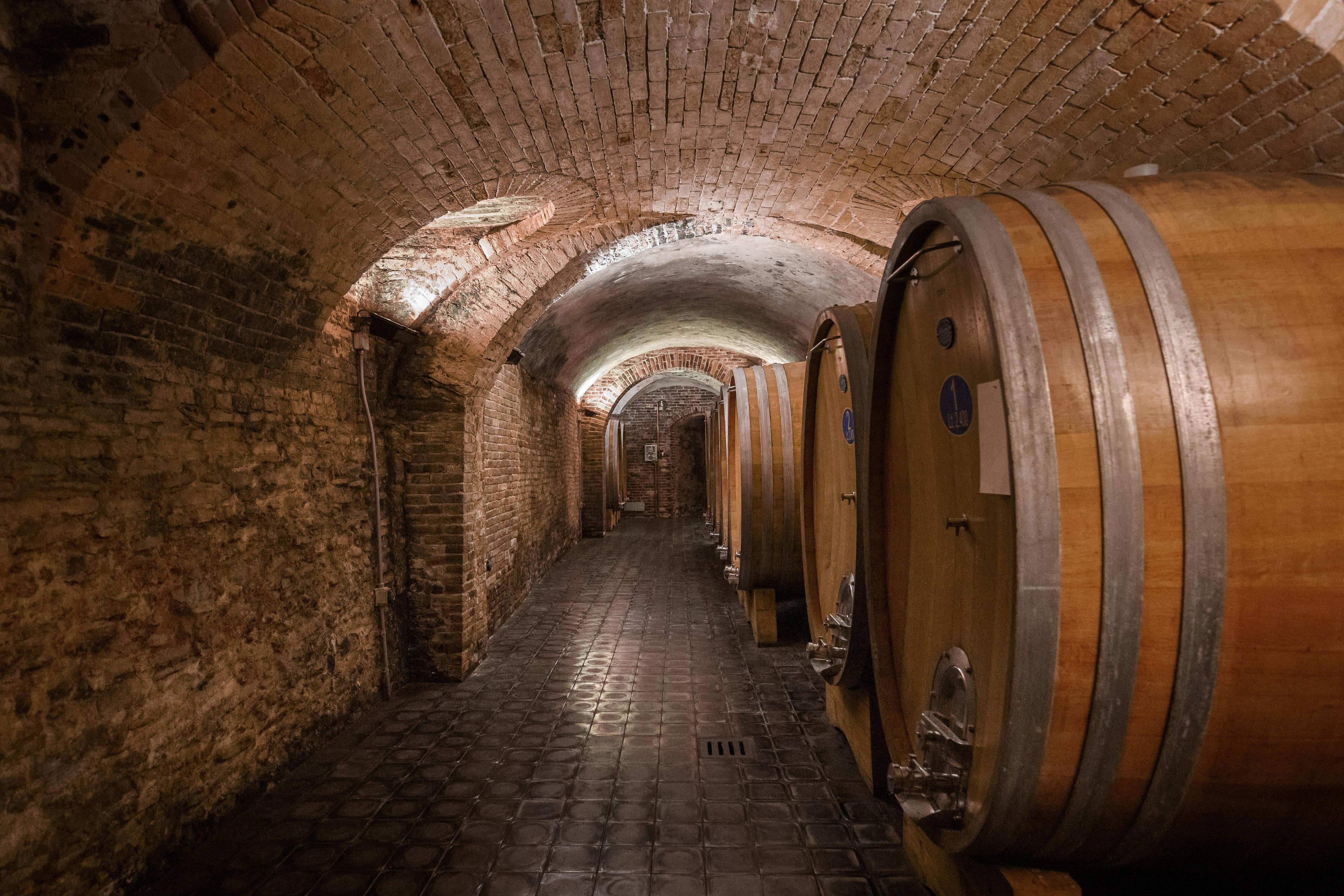
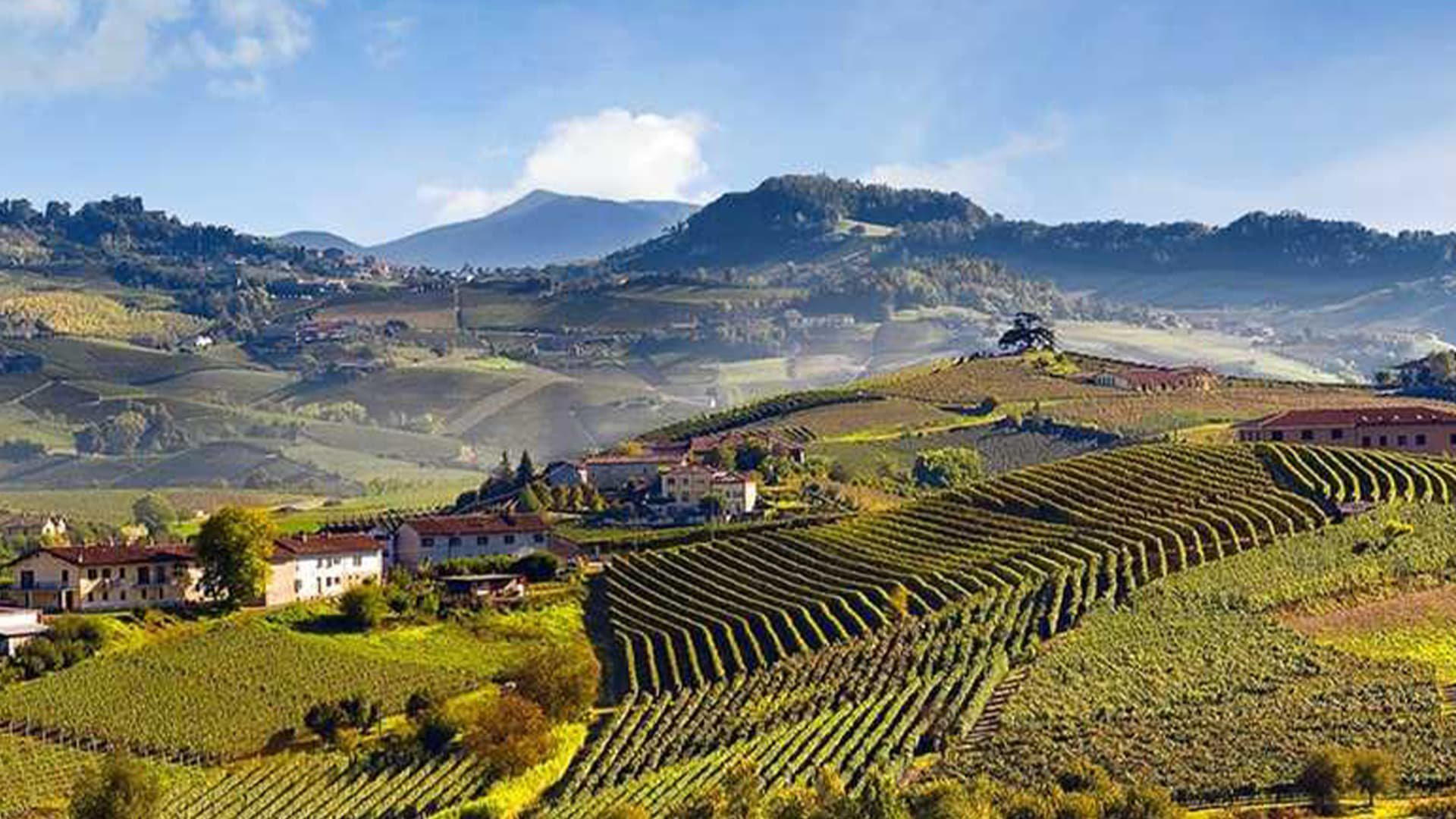
Bars in Canelli
Browse all →
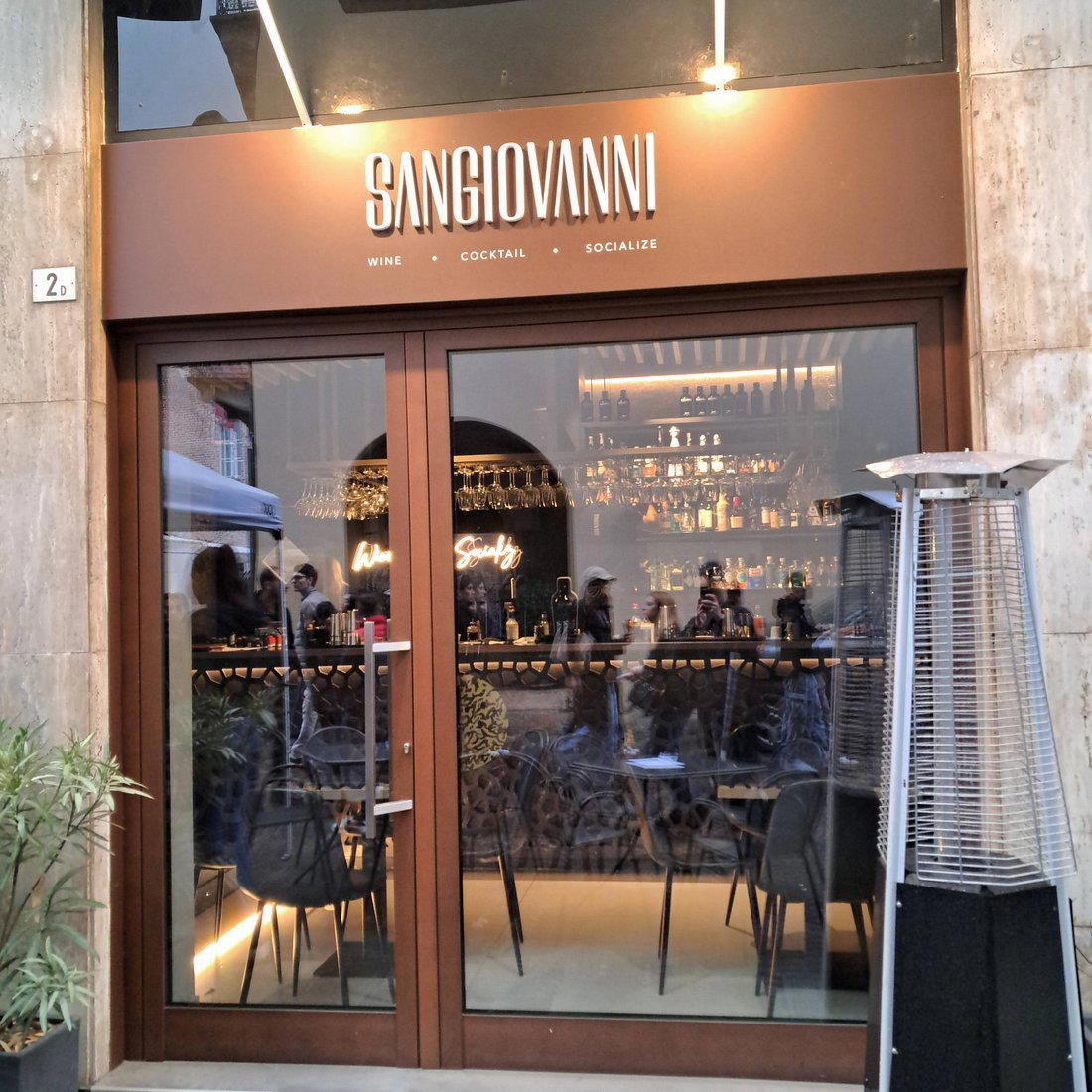
Restaurants in Canelli
Browse all →
Details
- Classic
- Scenic
- Rustic
- Well Known
- Group Outing
- Wine Education
- Solo Exploration
- Corporate Event
- Estate Grounds
- Sustainable
- Vineyard
- Moscato
- Barbera
- Nebbiolo
- Arneis
- Still Red
- Still White
- Sparkling
- Dessert
- Standard Tasting
- Trade Focused Tasting
- Italian
- English
Current opening hours
- Monday
- 8 AM–6 PM
- Tuesday
- 8 AM–6 PM
- Wednesday
- 8 AM–6 PM
- Thursday
- 8 AM–6 PM
- Friday
- 8 AM–6 PM
- Saturday
- Closed
- Sunday
- Closed
Hours can change for holidays and private events. Last verified .
Historic family-run Piedmontese wine producer with a practical, hospitality-oriented atmosphere focused on showcasing a wide range of regional still and sparkling wines rather than a luxury estate experience.