
In the Apennine village of Urbe, La Civetta operates as a small osteria where Ligurian and Piedmontese cooking traditions meet the rhythms of what the surrounding land and nearby sea produce each season. A young couple runs the kitchen and dining room with a daily lunch menu built around a single changing offer, and a more considered à la carte available by reservation. The fried anchovies and house-made sea bream ravioli signal exactly where the kitchen's priorities lie.
Pearl is the En Primeur Club membership app — saves, bookings, and concierge access live there. Same editors, same standards.
- Address
- Piazza S. Pietro, 6, Urbe, 17048, Italy
- Directions
- Get directions
 Saves & bookings on Pearl
Where the Apennines Meet the Ligurian Coast: The Sourcing Logic Behind La Civetta
This is border country in culinary terms: Liguria to the south and west, Piedmont to the north and east, and a kitchen tradition that draws on both without committing entirely to either. La Civetta, positioned on Piazza San Pietro at the centre of this small village, operates inside that geographic tension and makes it the organising principle of the menu. The approach is not fusion in the modern marketing sense. It is, rather, what cooking looks like when the supply chain runs in two directions and the cook pays attention to both.
Small Apennine settlements of this kind have long supported a particular type of eating house: the osteria as daily institution rather than destination restaurant. The format prioritises the fixed-price lunch, a menu that changes with availability rather than chef preference, and an à la carte option reserved for those willing to plan ahead. La Civetta follows this structure faithfully. The daily lunch menu operates on whatever the kitchen has sourced that morning; the full à la carte, available by reservation, opens up the more considered preparations that require advance notice to execute well. Both tiers share the same sourcing logic.
Ligurian Anchovies, Piedmontese Ravioli: Reading the Menu as a Geography Lesson
Two dishes illustrate the kitchen's position more clearly than any description of intent could. Fried anchovies with basil-lime mayonnaise place the kitchen squarely within the Ligurian coastal tradition: anchovies from the Riviera di Ponente, the stretch of Ligurian coast closest to this part of the Apennines, have been salted, preserved, and fried in this region for centuries. The basil in the accompanying mayonnaise is not decorative. Ligurian basil, particularly from the area around Prà, carries a sweetness and absence of bitterness that distinguishes it from varieties grown elsewhere in Italy, and its presence in a cold sauce alongside the saline intensity of fried anchovies is a classically Ligurian compositional instinct, even if the lime adds a contemporary pivot.
The house-made ravioli filled with sea bream alla ligure maps a different boundary. Pasta as vehicle for fish filling is a Ligurian tradition, seen most famously in the ravioli di pesce common along the Riviera. The technique of making the pasta by hand, with the care that implies, connects to a Piedmontese sensibility about fresh egg pasta as a craft rather than a convenience. Across Italy's more decorated restaurants, from the fixed-menu precision of Osteria Francescana in Modena to the seafood intelligence of Uliassi in Senigallia, pasta represents one of the clearest tests of a kitchen's technical seriousness. At the restaurant, the same logic applies at a different scale: house-made pasta in a two-person operation is a deliberate allocation of time and effort that signals what the kitchen considers worth doing properly.
The Osteria Format and What It Demands of the Cook
Italy's osteria tradition is not a lower form of restaurant. It is a different contract between kitchen and guest. The simplicity of the offer, a daily menu, limited covers, no formal wine list to navigate, no tasting menu to commit to, places the burden of quality entirely on the day's sourcing and the cook's execution. There is no elaborate plating to compensate for ingredient shortfall, no prestige-wine pairing to shift the conversation. At places like Dal Pescatore in Runate or Le Calandre in Rubano, the format has expanded into something more architecturally complex. The osteria strips that back. What the restaurant offers is closer to what those restaurants were before ambition and recognition scaled them up: a direct transaction between a small kitchen and its immediate community.
For the traveller arriving from outside Liguria or Piedmont, this format requires a corresponding adjustment in expectations. The daily menu is not a limitation. It is information about what arrived that morning and what the kitchen has decided to do with it. In mountain villages with access to both coastal and inland suppliers, that daily calculation can be more interesting than a fixed menu designed months in advance.
Seasonality Without Performance
The sourcing logic at this kind of osteria is also seasonal in a way that larger, more celebrated restaurants sometimes struggle to maintain without turning it into a narrative. At Atelier Moessmer Norbert Niederkofler in Brunico or Piazza Duomo in Alba, seasonality is a stated philosophy with the tasting menu architecture to prove it. The kitchen at the restaurant works within the actual seasonal supply of its region, the Ligurian coast and the inland Apennine valleys, rather than sourcing globally to maintain a fixed menu year-round. Land and sea dishes appear alongside each other because the geography makes that natural, not because a menu designer decided to signal range.
That proximity to primary producers gives kitchens of this scale their specific quality. It is the same sourcing logic, applied at a different price point and ambition level, that drives the leading seafood-focused cooking at places like Quattro Passi in Marina del Cantone. The fish is good because the distance between sea and plate is short. In Urbe's case, that distance is measured in kilometres across the Ligurian Apennines.
Planning a Visit: What to Know Before You Go
Urbe is a small village in the Savona province of Liguria, reached most practically by car from Savona or from inland Piedmontese towns to the north. The village's scale means the restaurant is not a walk-in destination in the usual sense: arriving without a plan, particularly for the à la carte service, is a risk not worth taking. The kitchen's reservation model for the full menu is a practical requirement, not a formality. For the daily lunch menu, the format is more flexible, but given the village's limited footfall and the kitchen's small scale, confirming in advance avoids the possibility of a wasted journey. The restaurant has no listed phone or website in the sources available to us; local tourism contacts in Savona province or direct approach at the piazza are the practical routes to a booking.
Fast Comparison
Comparable venues nearby, for context on price, style, and recognition.
| Venue | Cuisine | Price | Awards | Notes |
|---|---|---|---|---|
| La CivettaThis venue — the venue you are viewing | Ligurian & Piedmontese Osteria | $$ | Bib Gourmand | Not listed |
| Bino | Modern Italian Seafood | $$ | Michelin Plate | historic centre |
| Rosita | Traditional Ligurian Seafood | $$ | Michelin Plate | Finale Ligure |
| Piazza dei Mestieri | Modern Piedmontese | $$ | Michelin Plate | San Donato |
| Vascello d'Oro | Traditional Piedmontese Trattoria | $$ | Bib Gourmand | Carrù |
| Osteria del Borgo | Traditional Italian Osteria | $$ | Michelin Plate | historic center |
Recognition history
Dated appearances from independent guides and award organizations, with the underlying list record or original source where available.
Michelin Bib Gourmand
Michelin
Continue exploring
More in Urbe
Restaurants in Urbe
Browse all →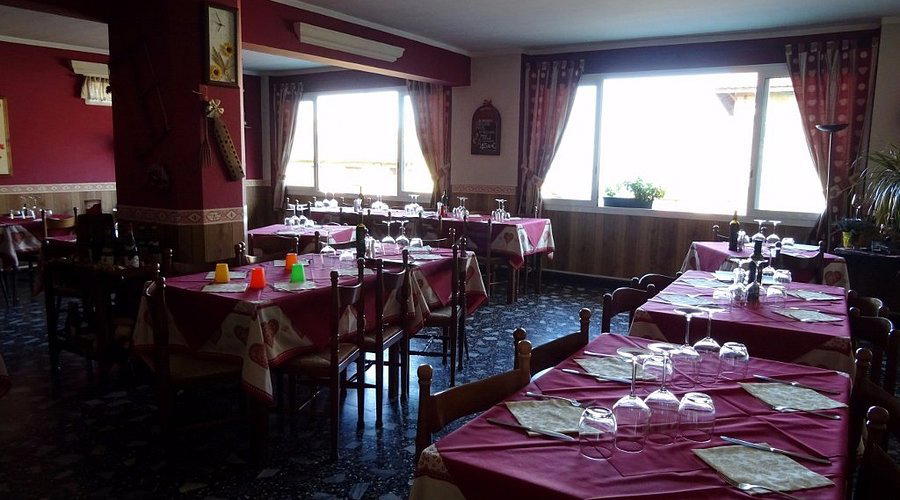
Bars in Urbe
Browse all →
Hotels in Urbe
Browse all →
At a Glance
- Cozy
- Intimate
- Rustic
- Date Night
- Special Occasion
- Natural Wine
Current opening hours
- Monday
- Closed
- Tuesday
- Closed
- Wednesday
- 12–2:30 PM
- Thursday
- 12–2:30 PM
- Friday
- 12–2:30 PM, 7–10:30 PM
- Saturday
- 12–2:30 PM, 7–11 PM
- Sunday
- 12–2:30 PM
Hours can change for holidays and private events. Last verified .
Cozy, down-to-earth atmosphere with warm, friendly service creating a homey feel.