


Drómo occupies the first floor of a small shopping centre in Badajoz's Valdepasillas neighbourhood, where chef-owner Juan Manuel Salgado frames Extremaduran pantry staples, Iberian pork, and childhood recipes within two structured tasting menus. The format is disciplined: all diners start simultaneously, and the bar counter offers a direct view of the kitchen's work. For a city with limited options in this register, it sits apart.
Pearl is the En Primeur Club membership app — saves, bookings, and concierge access live there. Same editors, same standards.
- Address
- C. Antonio Martínez Virel, 2, 06011 Badajoz, Spain
- Phone
- +34 645 61 32 14
- Website
- dromobadajoz.es
- Directions
- Get directions
 Saves & bookings on Pearl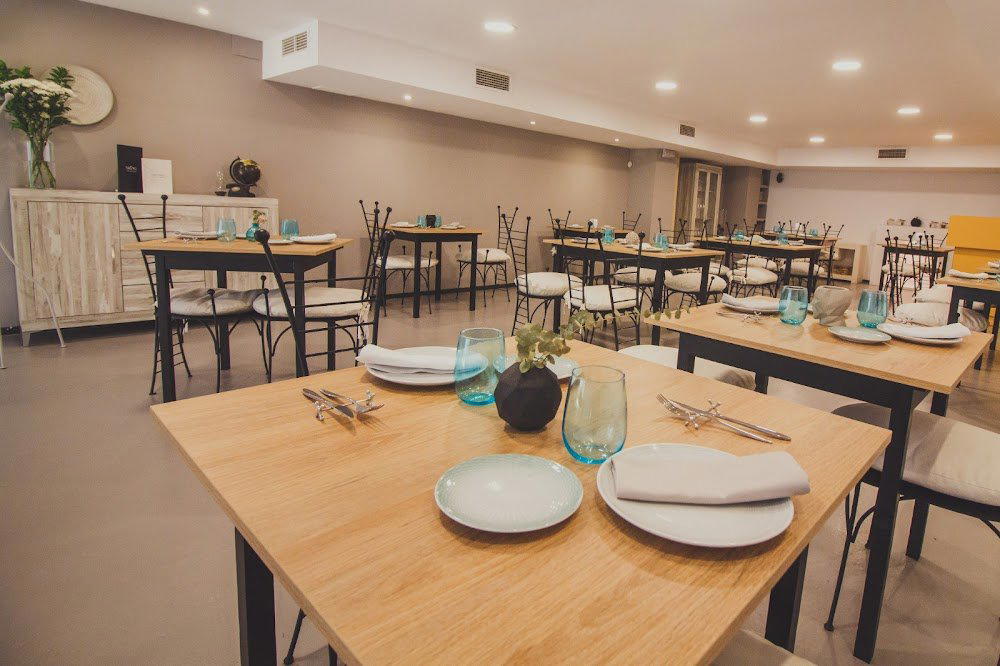
Extremadura on the Plate: What Drómo Is Actually Doing
Badajoz is not a city that generates much dining coverage outside Spain, and within Spain it rarely features in the conversations that orbit around El Celler de Can Roca in Girona or Arzak in San Sebastián. That absence is partly geographic and partly structural: Extremadura, the autonomous community straddling the Portuguese border, has historically exported its ingredients, particularly its Iberian pork, its paprika, and its game, to kitchens elsewhere. What Drómo proposes is a different arrangement, one where those same ingredients stay in the region and are worked through a contemporary tasting format rather than shipped to Madrid or Barcelona to underpin someone else's menu.
The setting does nothing to signal ambition from the outside. The restaurant occupies the first floor of Reina Mercedes, a modest shopping centre in Valdepasillas, the modern residential district on Badajoz's northern edge. Arriving through a commercial building, past the ordinary markers of neighbourhood retail, recalibrates expectations before a single dish appears. Venues like DiverXO in Madrid or Azurmendi in Larrabetzu operate from spaces that signal their ambitions architecturally. Drómo does not, which is either a deliberate provocation or simply a pragmatic choice for a city where the audience for formal tasting menus is narrower.
The Extremaduran Pantry as Editorial Point of View
Spain's dominant fine-dining conversation, from Mugaritz in Errenteria to Aponiente in El Puerto de Santa María, has long been preoccupied with technique as a kind of argument. Drómo makes a different argument: that the specificity of a regional pantry is itself a sufficient foundation for serious cooking, and that childhood recipes, reread through a contemporary lens, are a legitimate intellectual position rather than a retreat to nostalgia.
The dishes that structure chef-owner Juan Manuel Salgado's menus draw on a specific Extremaduran vocabulary. Pringá, the slow-cooked meat preparation tied to the region's cocido tradition, appears here not as a rustic comfort dish but as a reference point within a more constructed setting. Cachuela, the liver and fat preparation associated with the region's matanza season, and puchero, the stew form common across southern Spain, surface in similar fashion. Iberian pork, which Extremadura produces in significant volume across its dehesa oak groves, runs as a consistent thread. A tartare of pork shoulder with pistachio and caviar, noted by EP Club editors as particularly fresh and well-conceived, shows how that base ingredient can be re-framed entirely without losing the sourcing logic that gives it meaning: the cut stays identifiably Iberian, the additions introduce contrast rather than disguise the protein.
That ingredient-first orientation connects Drómo to a broader move visible across Spain's mid-tier creative restaurants, where chefs in cities outside the main fine-dining circuits, think of Quique Dacosta in Dénia in an earlier phase, have used hyper-local sourcing as a way to establish a reason-for-being that purely technical ambition cannot provide. The logic holds especially well in Extremadura, where the raw material quality, particularly in acorn-fed pork and game, is difficult to match elsewhere in the country.
Format and the Counter as Instrument
Drómo operates through two tasting menus: Drómo and Gran Viaje. The format imposes a structure that most casual dining in Badajoz does not attempt: all diners are asked to arrive punctually so the experience begins simultaneously across the room. That synchronised start is common in the most rigorous omakase and tasting-format restaurants, from the kind of counter-led Japanese operations in Tokyo to venues like Atomix in New York City, where sequencing and pacing are considered part of the work. In Badajoz, it reads as an assertion that the kitchen's rhythm matters as much as the diner's convenience.
The bar counter is the room's most instructive seat. From there, the preparation process is fully visible, which at a restaurant that names itself after a personal biographical reference and leans on memory and regional identity as its organising ideas, adds a layer of transparency that reinforces the cuisine's argument. Contemporary Spanish fine dining in its most recognised forms, the spectacle of Cocina Hermanos Torres in Barcelona or the conceptual intensity of Martin Berasategui in Lasarte-Oria, tends to place the kitchen at a remove from the dining room. Here the opposite logic applies: the work is the show, and the counter is where that proposition is most direct.
The name Drómo itself carries over from a previous incarnation of the space, a retained identity that signals continuity rather than reinvention. In a city where this format of dining has shallow roots, that continuity is a practical signal of stability for a local audience still building familiarity with the tasting-menu model.
How Drómo Sits Within Badajoz's Dining Picture
Badajoz's restaurant options span a wide register, from traditional Extremaduran cooking to more accessible contemporary formats. Galaxia and Galaxia Cocina Pepehillo (Traditional Cuisine) each occupy distinct positions within the city's eating landscape. Drómo sits at a different register, one defined by the tasting-menu format and by a more explicit engagement with regional culinary references as the primary structural device. For visitors or residents who want to eat in Badajoz at the level of considered tasting-menu cuisine rather than conventional à la carte, it occupies largely uncontested territory in its own city.
For anyone building a broader picture of the city's hospitality, the full Badajoz restaurants guide covers the range in more detail, as does the Badajoz hotels guide for accommodation context. The Badajoz bars guide, Badajoz wineries guide, and Badajoz experiences guide round out the picture for anyone spending more than a single evening in the city.
Planning Your Visit
Drómo is located at C. Antonio Martínez Virel, 2, 06011 Badajoz, within the Reina Mercedes shopping centre in the Valdepasillas district. Given the synchronised-start format, punctuality is not a courtesy but a functional requirement of how the kitchen operates. Booking in advance is advisable: the format and seating configuration suggest a limited cover count, and tasting-menu restaurants at this level in mid-sized Spanish cities rarely have surplus capacity at peak service times. Those who want the most direct engagement with the cooking should prioritise the bar counter seats over table seating.
How Drómo Badajoz compares with similar nearby venues.
| Venue | Cuisine | Price | Awards |
|---|---|---|---|
| Drómo | Not listed | Not listed | Guía Repsol 2 Soles (2026); Michelin Plate (2026) |
| Galaxia Cocina Pepehillo | Traditional Cuisine | €€ | Not listed |
Recognition history
Dated appearances from independent guides and award organizations, with the underlying list record or original source where available.
Guía Repsol 2 Soles
Guía Repsol
Macarfi 7.3 Food Rating
Macarfi
Michelin Plate
Michelin
At a Glance
- Intimate
- Elegant
- Modern
- Romantic
- Date Night
- Solo
- Business Dinner
- Special Occasion
- Open Kitchen
- Private Dining
- Extensive Wine List
- Local Sourcing
Current opening hours
- Monday
- Closed
- Tuesday
- Closed
- Wednesday
- 2:30–5 PM
- Thursday
- 2:30–5 PM
- Friday
- 2:30–5 PM, 9:30 PM–12 AM
- Saturday
- 2:30–5 PM, 9:30 PM–12 AM
- Sunday
- Closed
Hours can change for holidays and private events. Last verified .
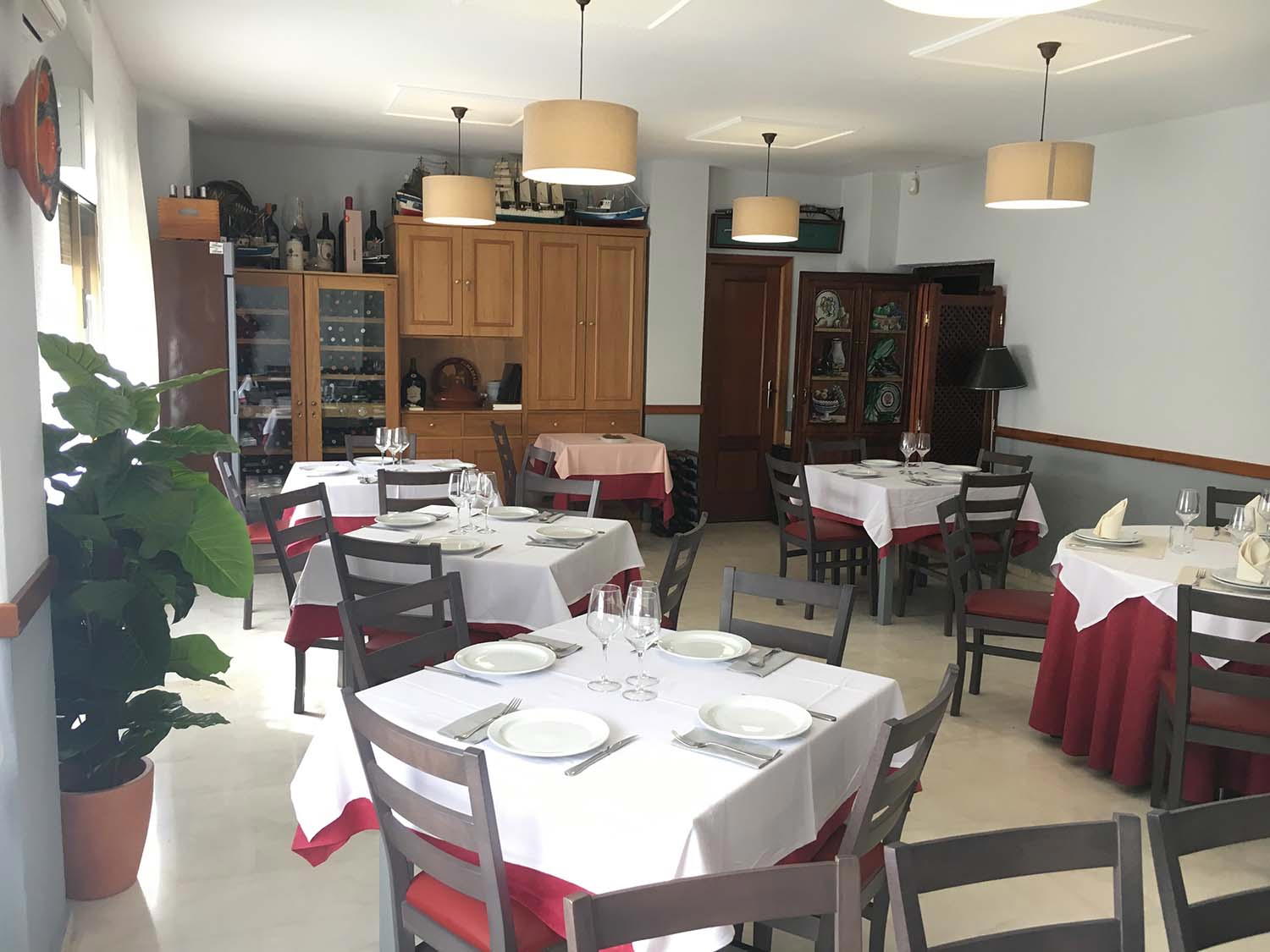
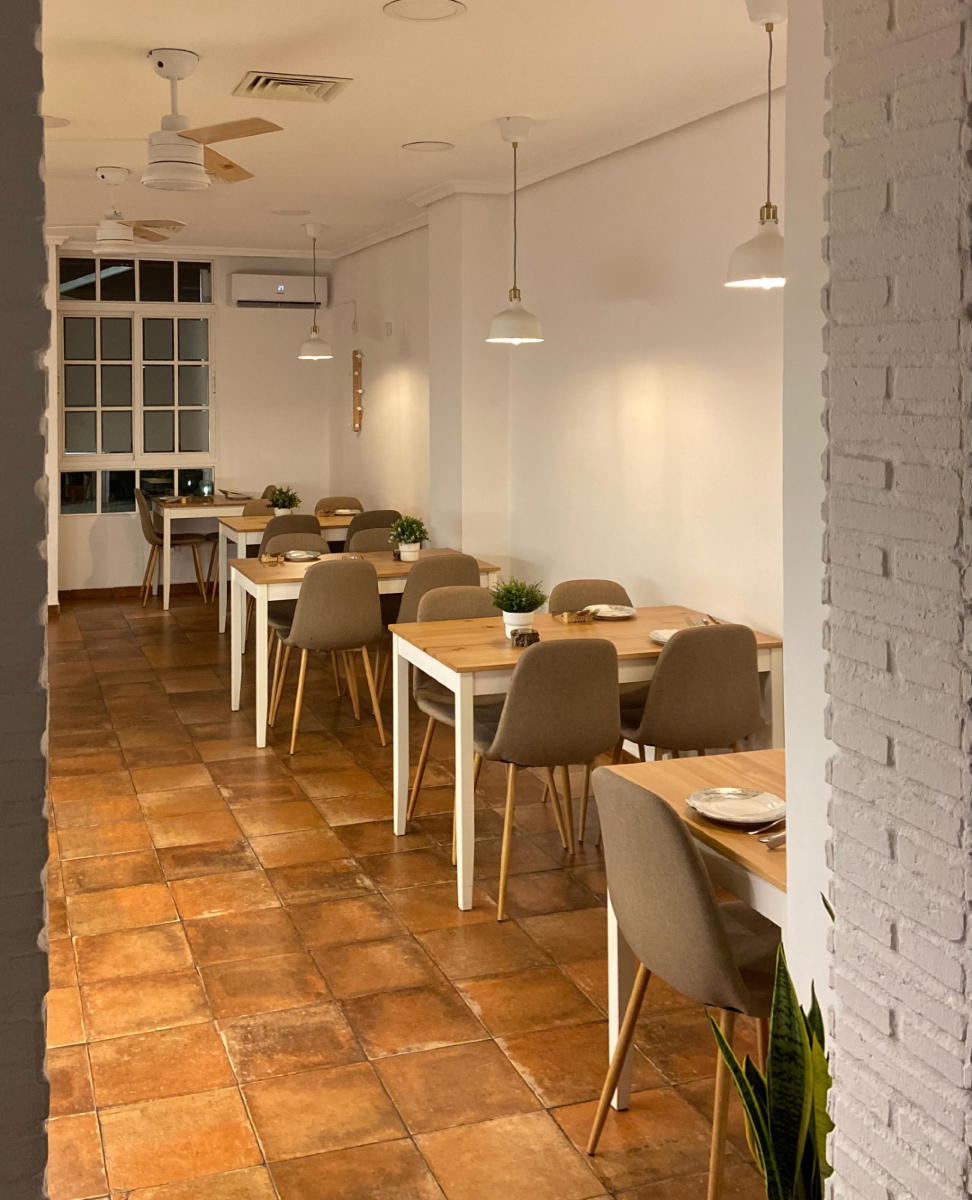
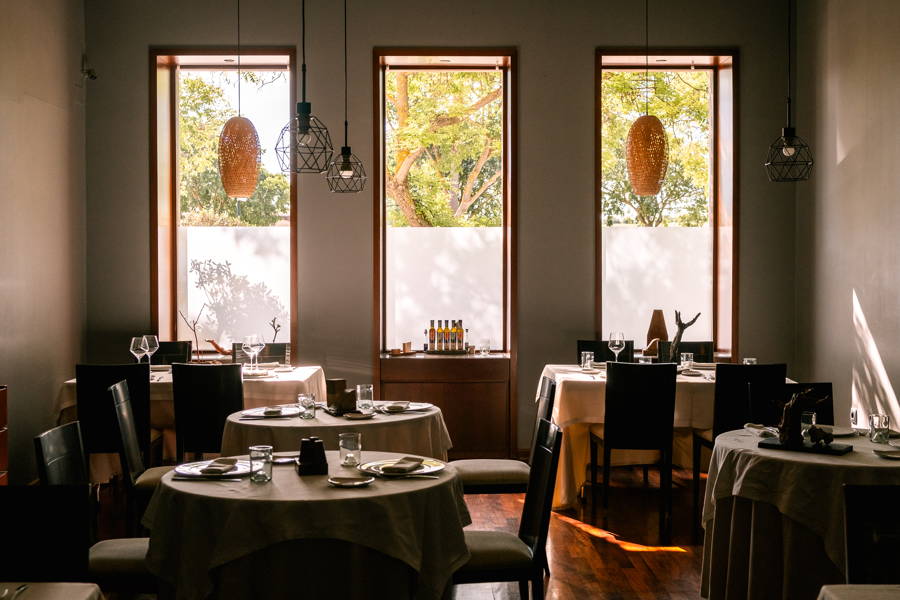
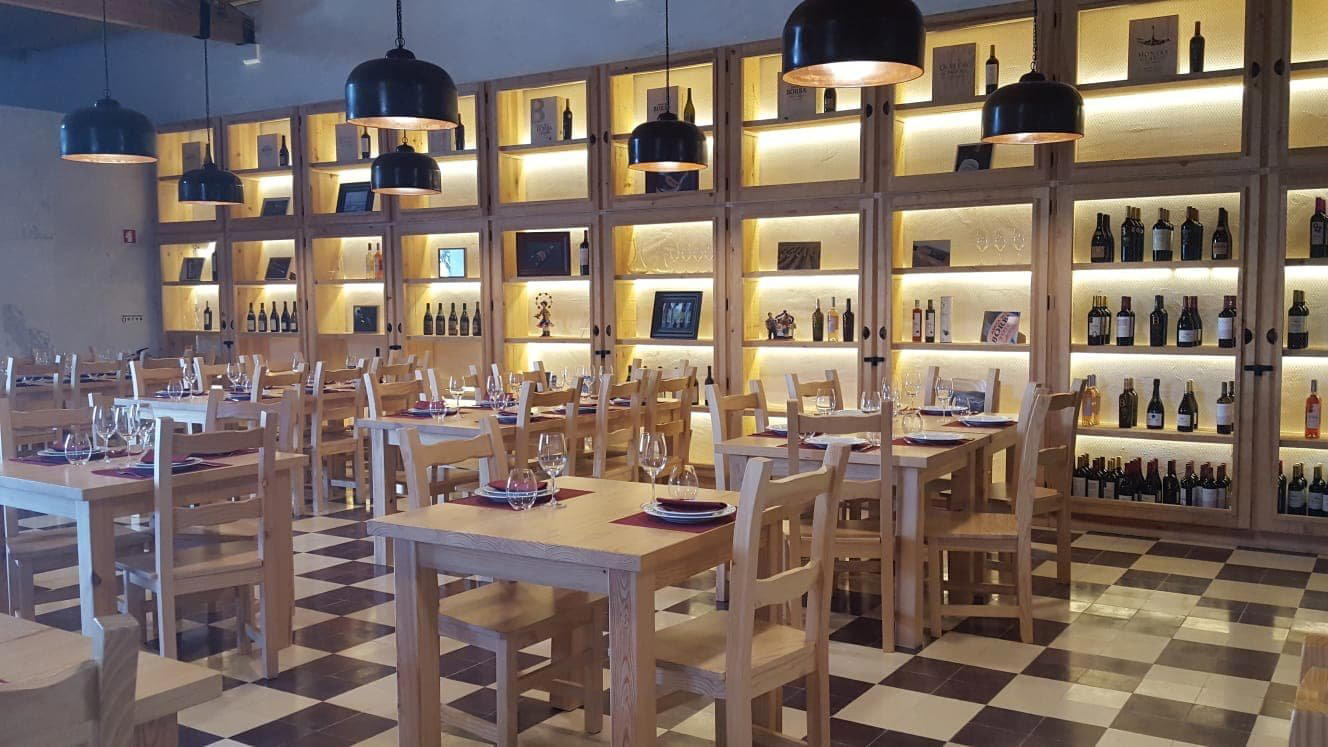
Contemporary dining room with a predominantly white colour scheme and geometric decoration, creating an elegant and personal atmosphere.
Know Before You Go
- Getting there
- C. Antonio Martínez Virel, 2, 06011 Badajoz, Spain