

A 15th-century Augustinian convent converted into a Michelin Selected hotel on the outskirts of Évora, Convento do Espinheiro sits at the upper end of the city's heritage accommodation tier. The monastery's original cloisters, chapel, and stone corridors remain structurally intact, offering a sense of place that purpose-built luxury hotels in the Alentejo rarely replicate.
Pearl is the En Primeur Club membership app — saves, bookings, and concierge access live there. Same editors, same standards.
- Address
- Evora, Portugal
- Phone
- +351 266 788 200
- Website
- conventodoespinheiro.com
- Directions
- Get directions
 Saves & bookings on Pearl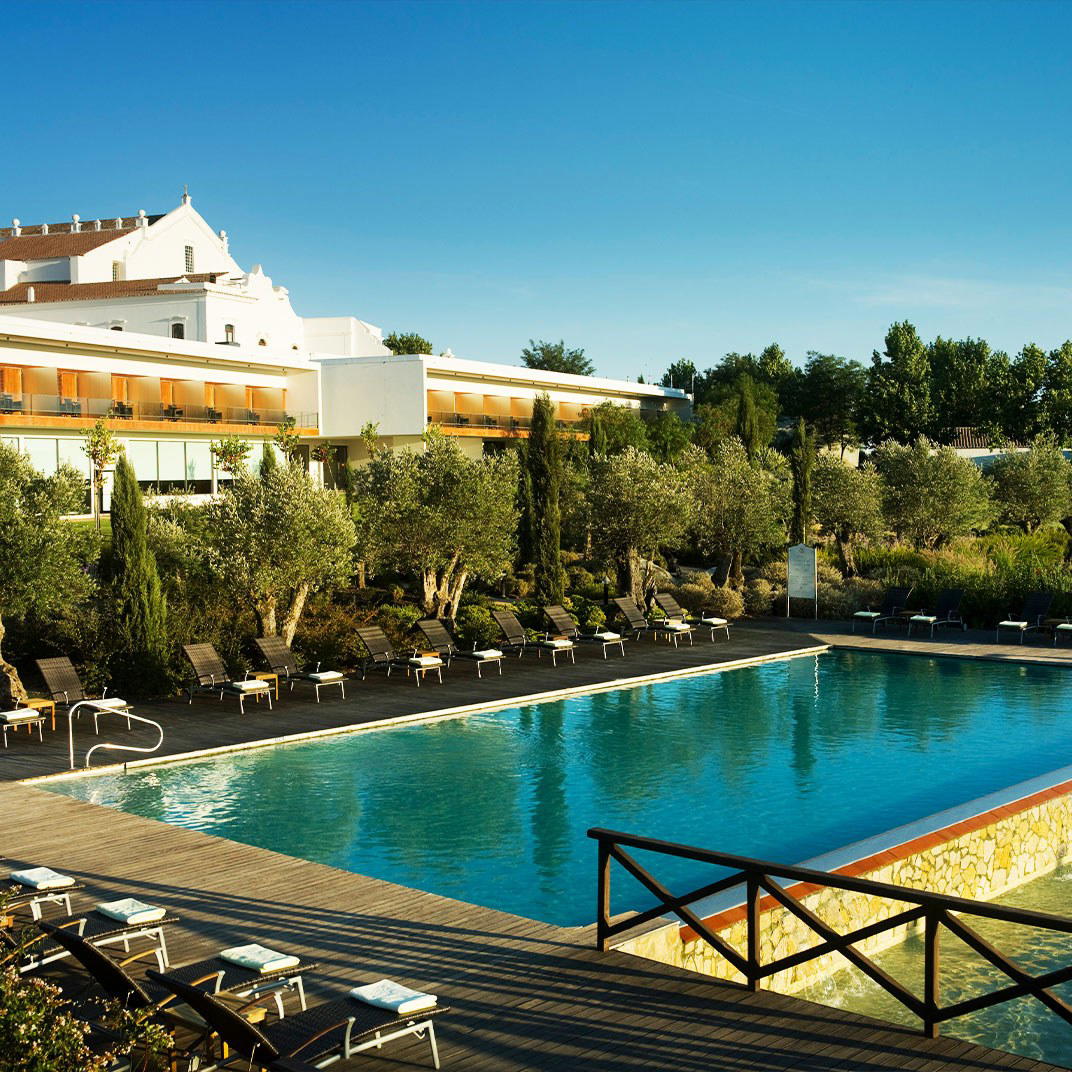
A Convent at the Edge of Évora
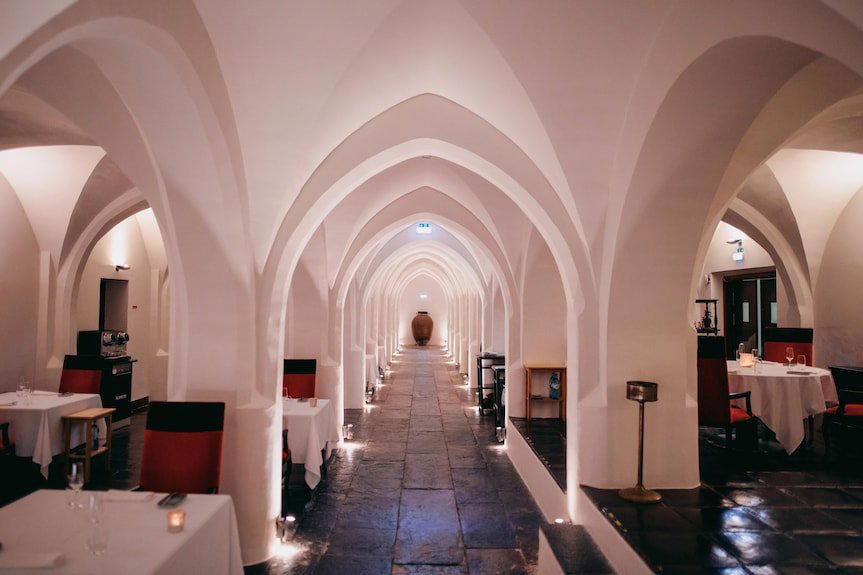
Évora's position as a UNESCO World Heritage city shapes its hotel market in a specific way: the most compelling addresses are either historic structures converted with care or design-led properties that work in dialogue with the city's Roman and medieval fabric. Convento do Espinheiro Hotel occupies the first category with unusual authority. The building dates to the 15th century, when it functioned as an Augustinian convent, and its essential architectural logic — cloisters arranged around a central garden, a chapel, stone-vaulted corridors, and the deep-set windows typical of Portuguese monastic construction — has not been erased in the conversion. That physical continuity is the property's core asset, and it's one that competitors in the city's premium tier cannot easily replicate.
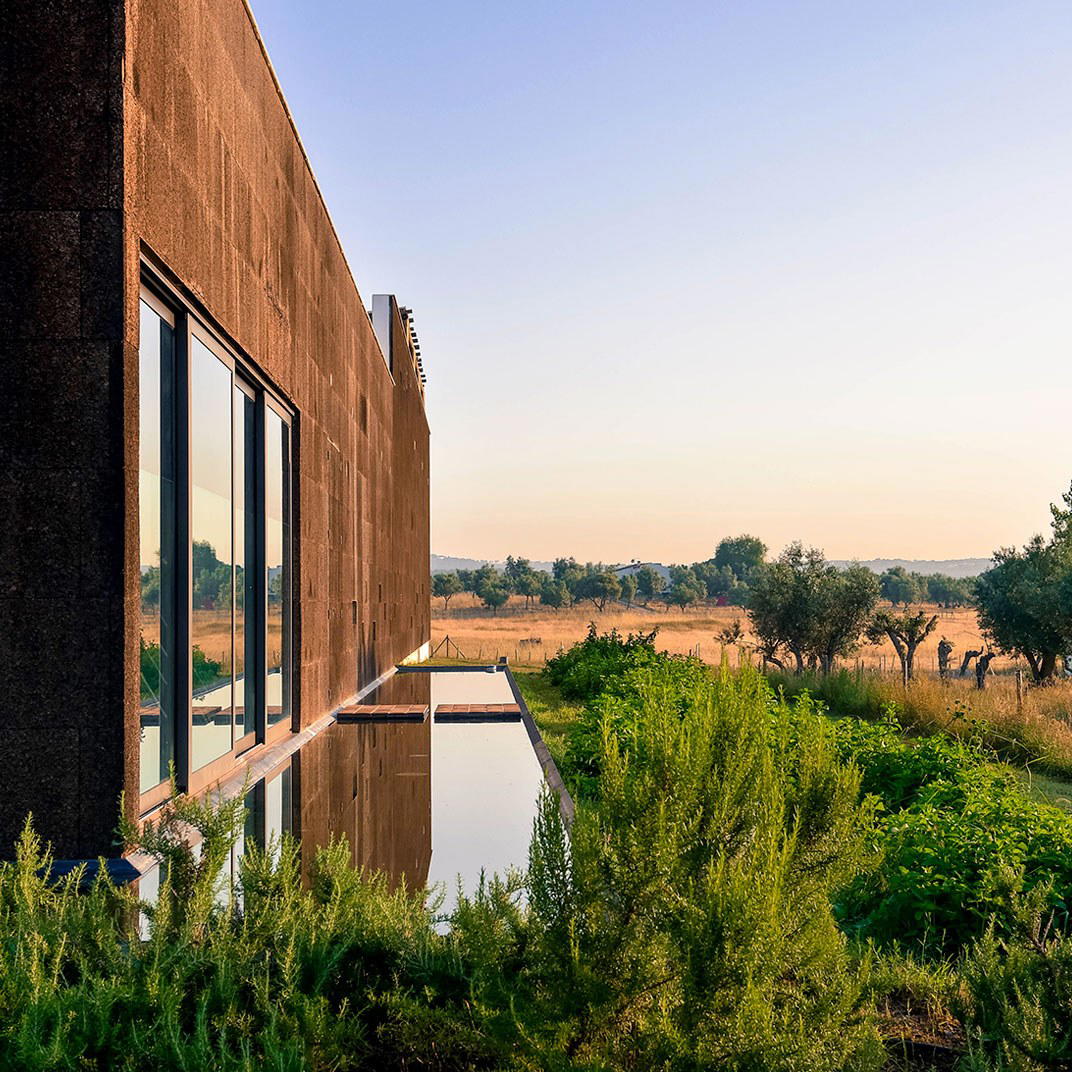
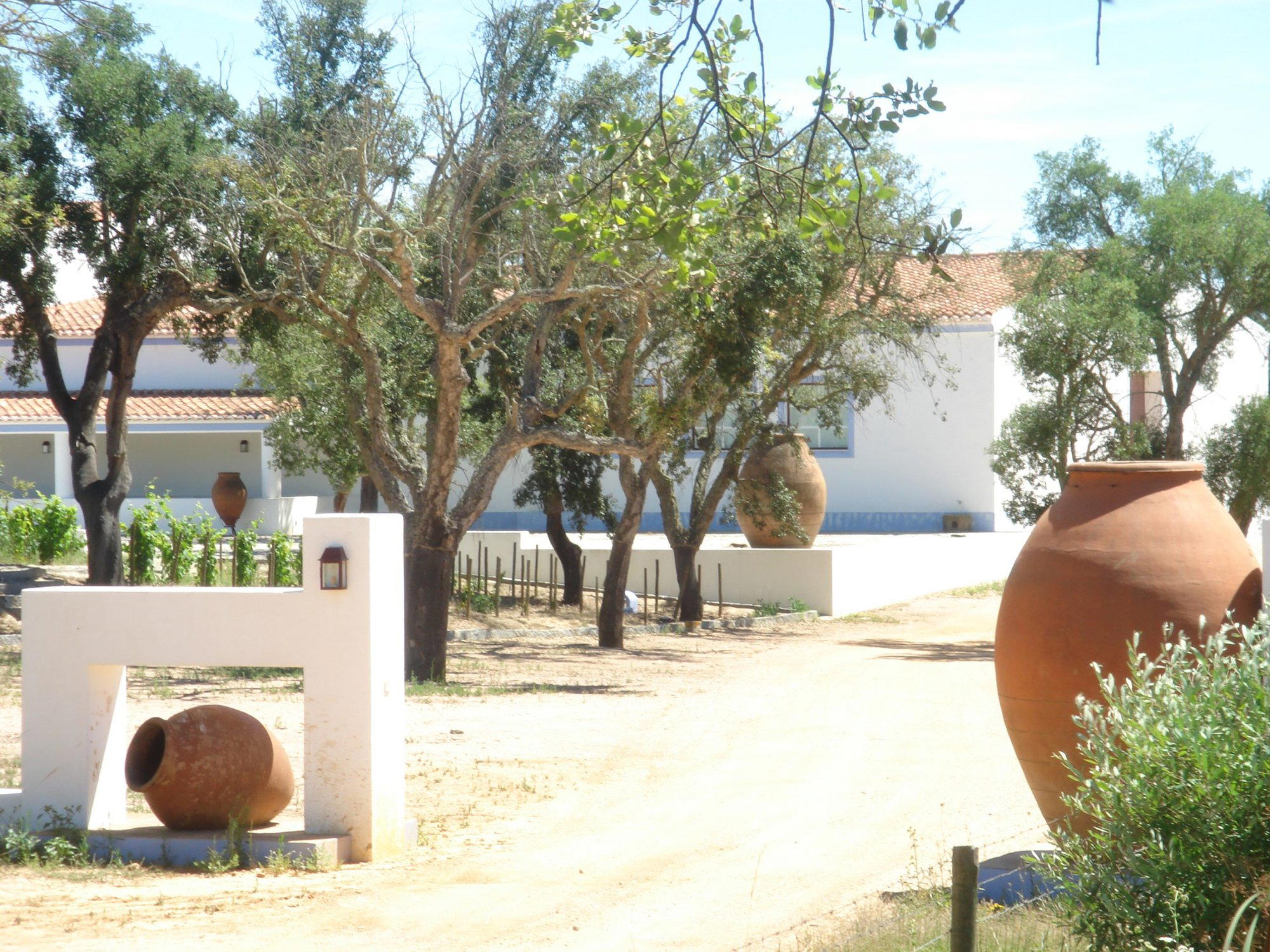
The approach to the hotel, through the agricultural fringe of the Canaviais district north of the city walls, already signals a departure from Évora's denser urban accommodation options. Where properties like M'AR De AR Aqueduto and MouraSuites Hotel draw guests into the city's pedestrian centre, the Convento sits outside that urban density, surrounded by a range of cork oaks and low Alentejo scrub. This is a deliberate trade. You arrive not into Évora's streets, but into the measured stillness of a former religious enclosure, a different kind of context for a stay in the region.
What the Address Provides
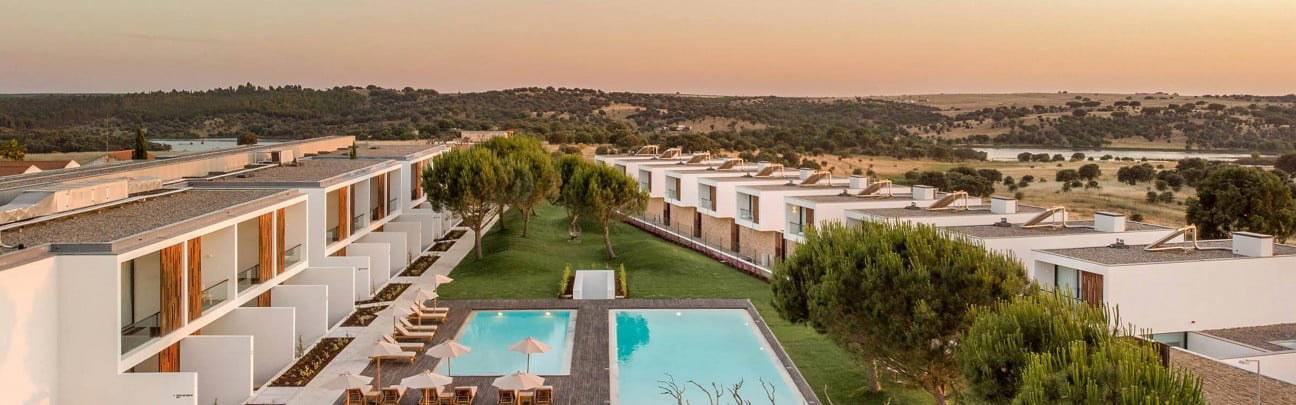
The location outside the city walls is a structural advantage in a specific respect: scale. A convent compound requires land, and the Convento do Espinheiro has it. The grounds allow for an outdoor pool, spa facilities, and a relationship with the surrounding countryside that a hotel inside Évora's dense historic core simply cannot offer. Guests who stay here can move between the city's Roman temple, the cathedral quarter, and the Saturday market as day activities, then return to something that functions more like a rural estate than an urban hotel.
Évora itself sits roughly 130 kilometres east of Lisbon, a positioning that makes it accessible as a standalone destination or as part of a broader Alentejo circuit. The drive from Lisbon takes approximately 90 minutes, which places the hotel within reach for guests arriving through Lisbon's Humberto Delgado Airport. Within the Alentejo, the property also functions as a base for the region's wine routes: the Alentejo DOC is one of Portugal's most significant appellations, and the surrounding countryside holds a number of producer estates worth visiting. For guests prioritising that kind of access, the hotel's position on the city's northern approach keeps the agricultural hinterland close in a way that an address inside the walls would not.
Heritage Accommodation in the Michelin Selected Tier
The Michelin Selected designation for 2025 positions Convento do Espinheiro within a curated reference set that Michelin applies to hotels meeting specific criteria across accommodation quality, service, and setting. In Portugal, that list includes properties across a wide range of formats and price brackets, from urban boutique addresses to rural quintas and coastal resorts. What the designation signals here is that the conversion has been executed at a level that sustains critical attention, the architectural fabric is intact, but the infrastructure operates as a functioning luxury hotel rather than a preserved ruin with beds added.
In Évora's specific market, the hotel competes at the upper end of the heritage segment. Octant Évora approaches the city from a design-led angle, while The Lince Ecorkhotel Évora emphasises sustainability credentials in its positioning. The Convento's differentiator is the depth of its historical context: a 15th-century convent carries a layer of narrative that newer builds or lighter conversions cannot manufacture. For guests whose travel decisions weigh architectural provenance, that distinction is substantive. For guests whose priorities run toward city-centre walkability or design minimalism, Villa Extramuros or the urban properties represent a more natural fit.
The Monastery Interior as Experience
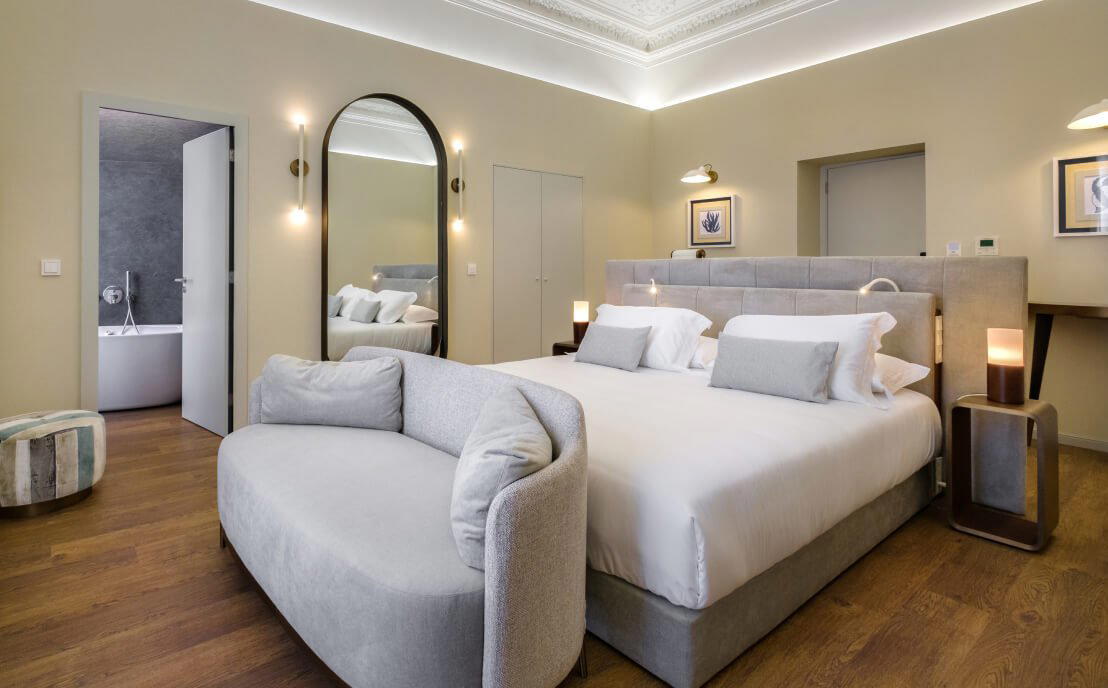
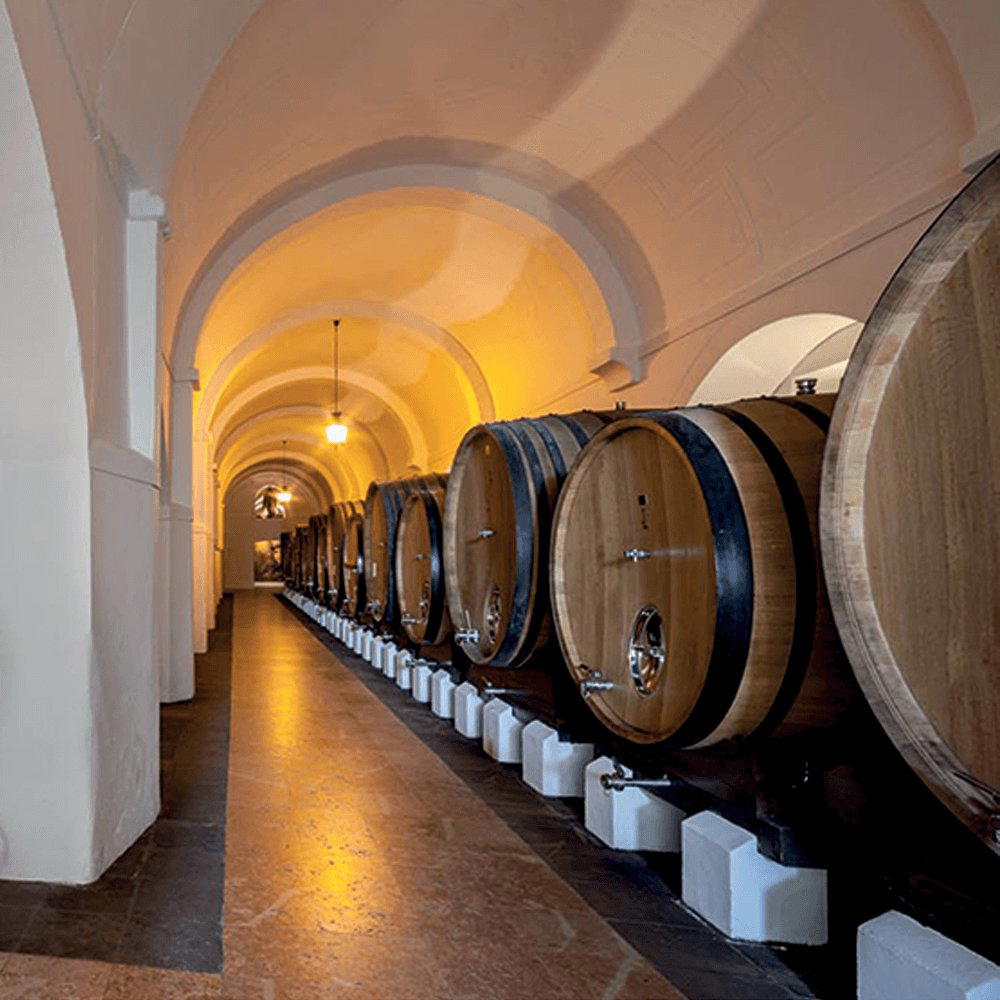
Portuguese monastic architecture of the late Gothic and Manueline periods produced a particular spatial vocabulary: cloisters as organising structures, stone floors worn to a polish by centuries of use, walls of considerable thickness that regulate interior temperature passively, and chapels that retain an acoustic gravity regardless of their current function. Convento do Espinheiro's conversion preserves this vocabulary in its public spaces. Guests move through corridors and vaulted rooms that remain legible as their original selves, which creates a cumulative effect that a room-by-room summary cannot capture. The chapel in particular is a structure with an independent historical significance, and its presence within the hotel grounds adds a dimension to a stay that sits outside the standard hotel amenity framework.
That spatial experience is the primary reason to choose this address over alternatives in the Évora market. The spa, pool, and dining are supporting infrastructure for a stay whose central logic is the building itself. Guests who approach a hotel stay primarily through the lens of room comfort, F&B; programming, or brand recognition will find those elements present, but they are not the argument for staying here. The argument is the place.
Planning a Stay
The Alentejo's climate divides into two reliable windows: spring (March to May) and autumn (September to October), when temperatures sit in a manageable range and the surrounding landscape holds colour. The summer months bring intense heat that is characteristic of the interior Alentejo plateau, and while the hotel's stone construction provides some buffer against that, outdoor activities in July and August require early morning or evening timing. Winter stays are quiet and often significantly cooler, but the city itself rewards off-season visits when the main sites are uncrowded.
Guests arriving by car can reach the property directly from the A6 motorway, which connects Évora to Lisbon. The hotel's location in Canaviais means that a car is practical rather than optional for guests planning to explore the wider Alentejo wine region or visit sites outside the city walls. Those without a vehicle can reach central Évora's key attractions on foot or by taxi from the property. For broader Portugal context, the country's heritage hotel market extends across a number of formats worth comparing: Ventozelo Hotel & Quinta in the Douro and Vidago Palace in the Norte region represent different expressions of the same impulse to convert historic agricultural and aristocratic buildings into hotel stays with a strong sense of place. For converted palacete formats specifically, MS Collection Aveiro - Palacete Valdemouro and Palacete Severo in Porto offer urban counterparts to this rural monastic model. Further afield, Hotel Casa Palmela in Setúbal and Palácio de Tavira in Tavira complete a portrait of how Portuguese heritage accommodation manages the tension between preservation and contemporary hospitality standards.
For the full picture of where to eat and stay in the city, see our full Évora restaurants guide.
How Convento do Espinheiro, Évora compares with similar nearby venues.
| Venue | Awards |
|---|---|
| Convento do Espinheiro, Historic Hotel & Spa | MICHELIN Guide, Hotels Selected (2025) |
Recognition history
Dated appearances from independent guides and award organizations, with the underlying list record or original source where available.
Virtuoso Luxury Hotel Partner
Virtuoso
Michelin Selected
Michelin
Continue exploring
More in Évora
Hotels in Évora
Browse all →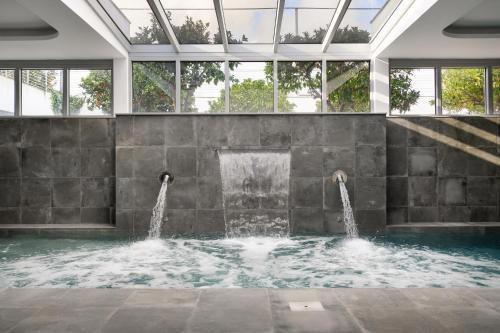
Bars in Évora
Browse all →
Restaurants in Évora
Browse all →



At a Glance
- Romantic
- Quiet
- Elegant
- Sophisticated
- Rustic
- Classic
- Romantic Getaway
- Honeymoon
- Wellness Retreat
- Anniversary
- Weekend Escape
- Historic Building
- Infinity Pool
- Panoramic View
- Garden
- Terrace
- Spa
- Pool
- Indoor Pool
- Outdoor Pool
- Fitness Center
- Wi Fi
- Room Service
- Concierge
- EV Charging
- Garden
- Spa
- Pool
- Indoor Pool
- Outdoor Pool
- Fitness Center
- Wi Fi
- Room Service
- Concierge
- EV Charging
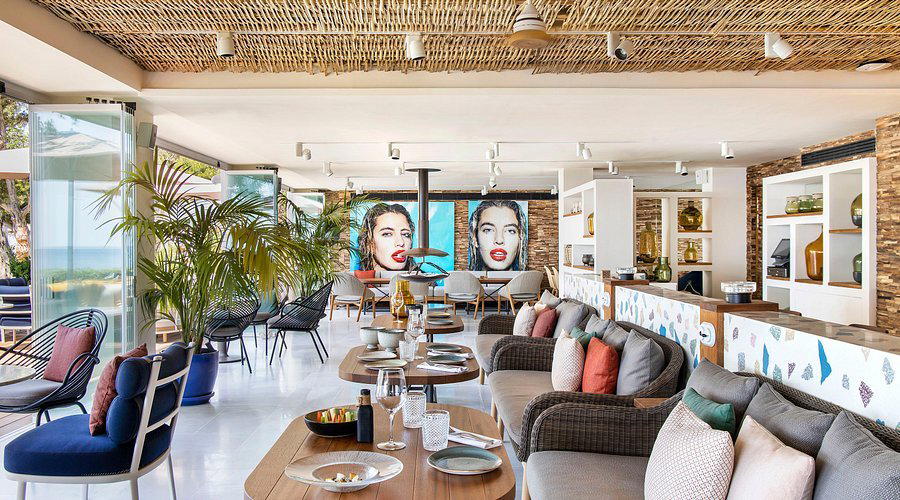
Serene and tranquil atmosphere with historic stone architecture, vaulted ceilings, and peaceful gardens, evoking a sense of spiritual calm and rustic elegance.