Zuru Zuru Ramen brings Japanese noodle culture to Kortrijksesteenweg in Ghent, joining a neighbourhood dining strip that has grown increasingly international in recent years. The format centres on ramen as a serious proposition rather than a fast-food afterthought, positioning it within a small cluster of Ghent spots where single-cuisine focus defines the offer. For visitors exploring the city's broader restaurant scene, it sits at an accessible price point relative to the fine-dining tier nearby.
Pearl is the En Primeur Club membership app — saves, bookings, and concierge access live there. Same editors, same standards.
- Address
- Kortrijksesteenweg 110, 9000 Gent, Belgium
- Phone
- +3293777161
- Website
- zuruzuru-ramen.be
- Directions
- Get directions
 Saves & bookings on Pearl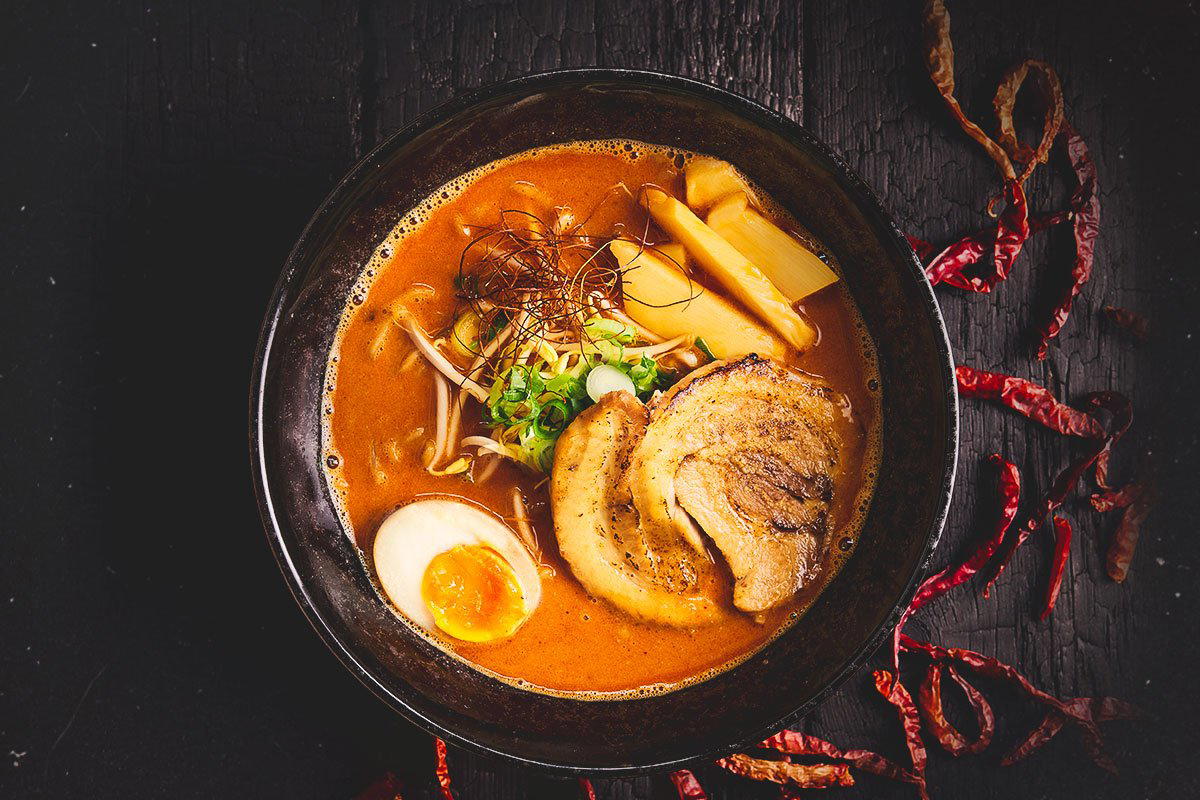
Ramen as a Discipline: What Ghent's Noodle Scene Reveals
Across northern European cities that lack a deep Japanese immigrant food tradition, ramen has arrived in two distinct waves. The first brought high-volume, low-differentiation bowls built around mass-produced broth bases and aimed at students or late-night traffic. The second, still working its way through cities like Amsterdam, Copenhagen, and Ghent, treats ramen as a discipline with genuine technical demands: broth clarity, noodle hydration, tare construction, and topping balance all function as separate variables that a kitchen must control independently. Zuru Zuru Ramen, on Kortrijksesteenweg 110 in Ghent, operates within that second wave, in a city where the overall dining scene punches well above its population size.
Ghent's restaurant density along the Kortrijksesteenweg corridor reflects a broader southward shift in the city's eating geography. The strip has absorbed a wave of single-cuisine specialists over the past decade, sitting between the historic centre's tourist-facing addresses and the quieter residential quarters further south. For a ramen shop, this location makes structural sense: proximity to a student population and younger professional demographic, combined with foot traffic that rewards a legible, focused menu over complex multi-page formats.
Reading the Menu as Architecture
The clearest signal a ramen kitchen sends about its ambitions is not the number of bowls on offer but how those bowls are differentiated. A menu that lists six variations of tonkotsu with minor topping swaps is a different proposition from one that separates broth families, tonkotsu, shoyu, miso, shio, and treats each as a distinct technical challenge. Where Zuru Zuru Ramen sits on that spectrum is the defining question for any first visit.
Japanese ramen culture, particularly in the post-Ippudo international expansion era, has bifurcated sharply. Chains have standardised the tonkotsu format to the point of global legibility, while independent operators in cities from London to Berlin have pushed toward regional Japanese styles that most non-Japanese diners have never encountered: niboshi (dried sardine) broths from Hokkaido, clear chicken paitan from Tokyo, or aged tare builds that require weeks of preparation. The merit of a focused menu in a city like Ghent is that it forces the kitchen to compete on execution rather than variety. A shop that does two or three broths well earns more credibility than one that offers ten with inconsistent results.
For visitors approaching Zuru Zuru Ramen for the first time, the practical advice is to treat the menu structure itself as information. Note whether the kitchen separates broth types or layers them; observe whether add-ons are framed as genuine enhancements or revenue padding; consider whether noodle type varies by bowl or remains fixed across the menu. These architectural choices reveal more about a kitchen's philosophy than any front-of-house description could.
Ghent's Dining Context: Where Ramen Fits
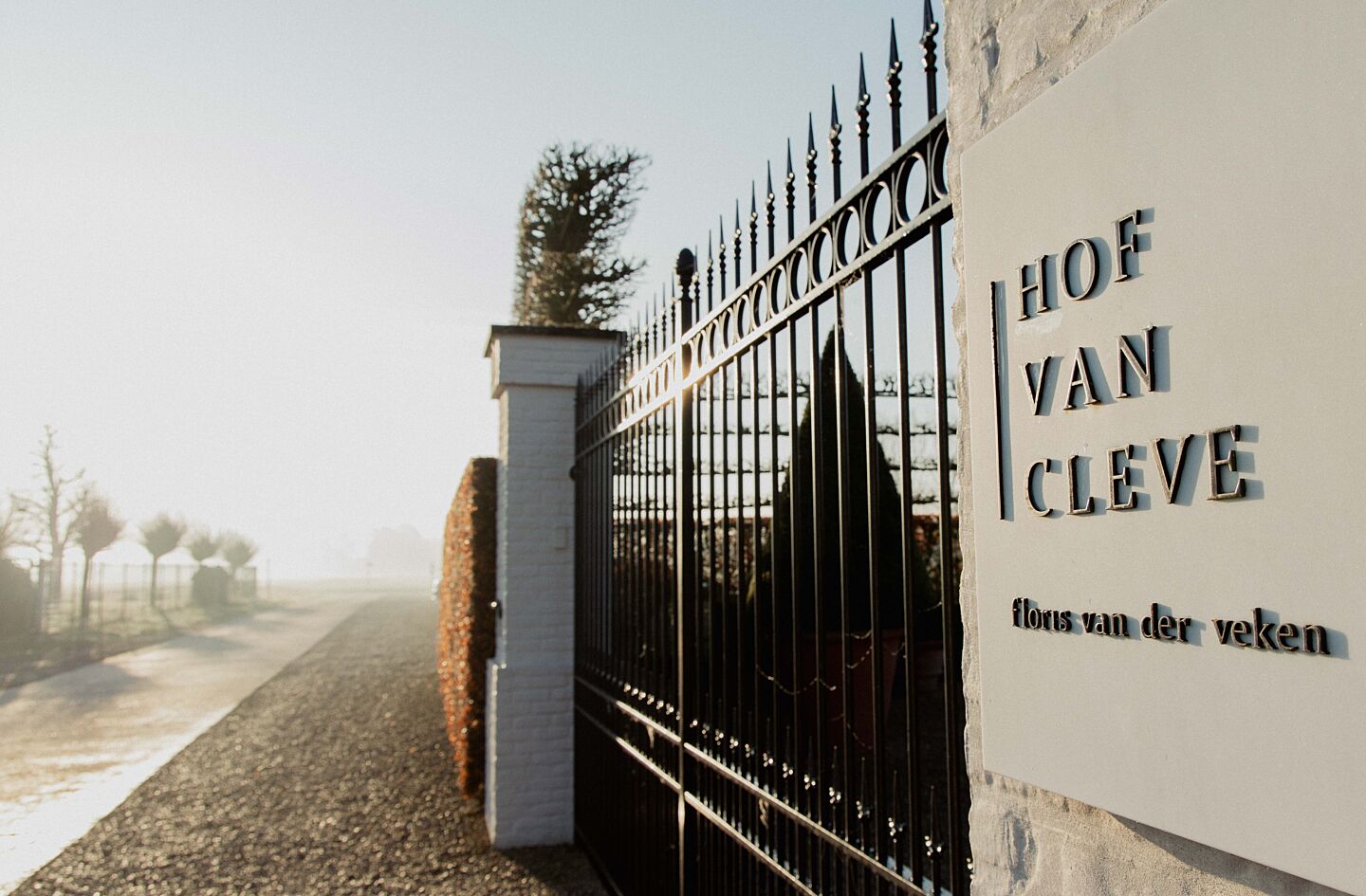
Ghent occupies a particular position in Belgian dining. The city's fine-dining tier connects directly to the broader Belgian haute cuisine circuit that includes addresses like Boury in Roeselare, Zilte in Antwerp, and Hof van Cleve in Kruishoutem, all operating at price points and formality levels that occupy a different universe from a neighbourhood ramen counter. Below that tier, Ghent has developed a genuinely plural mid-market: the kind of city where a Lebanese kitchen like Beiruti, a creative European address like Arbane, and a Japanese-influenced concept like Astro Boy can all hold distinct audiences without significant overlap.
That plurality matters for understanding where the restaurant fits. Ghent diners at this price tier are not choosing between ramen and a steak; they are choosing between ramen, natural wine bars, modern Asian formats, and neighbourhood bistros. The competitive pressure is horizontal across cuisines rather than vertical within Japanese food, which means a ramen kitchen succeeds by being a clear answer to a specific craving rather than by outcompeting other Japanese restaurants. Within that framing, consistency and atmosphere do more work than menu length.
Other spots worth noting on the Ghent mid-market: BABÚ, Bij den Wijzen en den Zot, and Epiphany's Kitchen each represent different facets of what the city's non-fine-dining tier has become. For a broader overview, maps the current scene across neighbourhoods and price points.
Planning a Visit
Kortrijksesteenweg 110 is accessible from the city centre by tram, with the address sitting on one of Ghent's main southbound arterials. The format of a ramen shop, counter or small table service, relatively quick turns, no dress code, means a visit rarely requires much advance planning beyond checking current opening hours. Walk-in remains the standard entry model here, though weekend evenings can generate queues at popular addresses. Arriving slightly before peak dinner service, typically before 19:00, is the practical approach if you want to be seated without a wait.
For those using Ghent as a base to explore the wider Belgian dining circuit, addresses like Willem Hiele in Oudenburg, Bartholomeus in Heist, and Castor in Beveren are all within day-trip range. Further afield, Bozar Restaurant in Brussels, De Jonkman in Sint-Kruis, L'air du temps in Liernu, and d'Eugénie à Emilie in Baudour round out a Belgium itinerary with serious culinary range. For international comparison points in the serious Japanese-influenced dining space, Atomix in New York City and Le Bernardin in New York City illustrate how far the spectrum extends at the leading end.
Style and Standing
Comparable venues nearby, for context on price, style, and recognition.
| Venue | Cuisine | Price | Notes |
|---|---|---|---|
| Zuru Zuru RamenThis venue — the venue you are viewing | Authentic Japanese Ramen | $$ | Not listed |
| Astro Boy | Japanese Izakaya Fusion | $$ | Sluizeken - Tolhuis - Ham |
| Eat Love Pizza | Roman-Style Artisan Pizza | $$ | Elisabethbegijnhof - Prinsenhof - Papegaai - Sint-Michiels |
| Chubby Cheeks | Bistronomic Fusion with Natural Wines | $$ | Elisabethbegijnhof - Prinsenhof - Papegaai - Sint-Michiels |
| Le Botaniste | Plant-Based Organic Global Bowls | $$ | Binnenstad |
| Bistro Chó | Asian-inspired Bistro | $$ | Binnenstad |

At a Glance
- Cozy
- Trendy
- Modern
- Casual Hangout
- Open Kitchen
- Sake Program
- Local Sourcing
Current opening hours
- Monday
- Closed
- Tuesday
- 12–2 PM, 6–9 PM
- Wednesday
- 12–2 PM, 6–9 PM
- Thursday
- 12–2 PM, 6–9 PM
- Friday
- 12–2 PM, 6–9:30 PM
- Saturday
- 12–2 PM, 6–9:30 PM
- Sunday
- Closed
Hours can change for holidays and private events. Last verified .
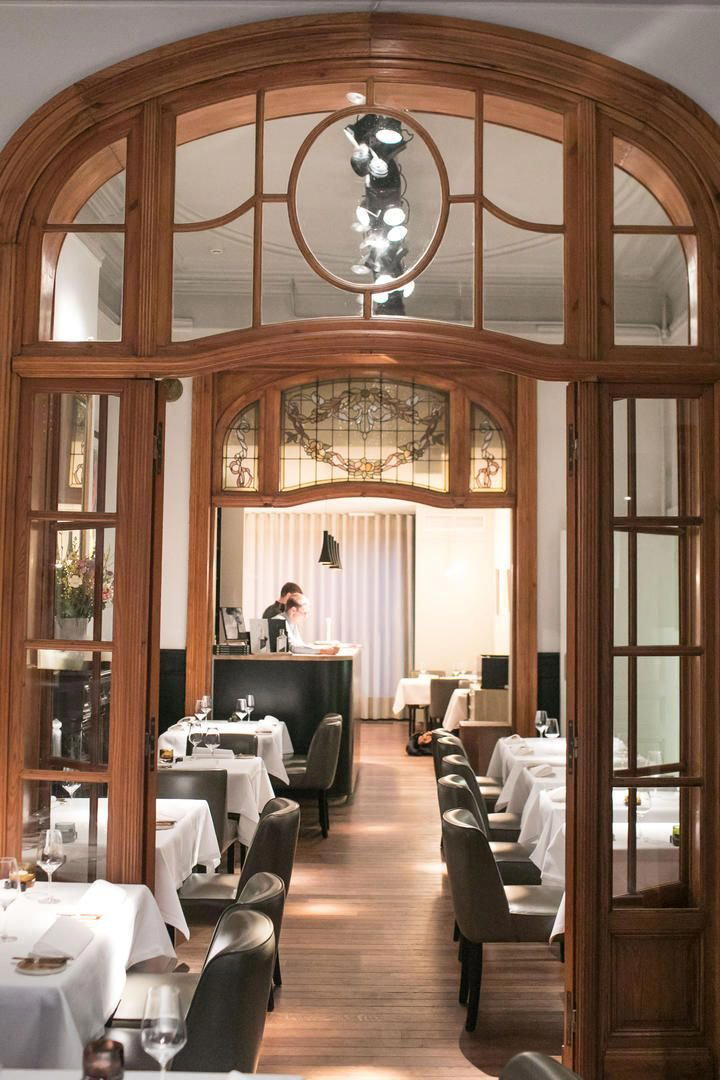
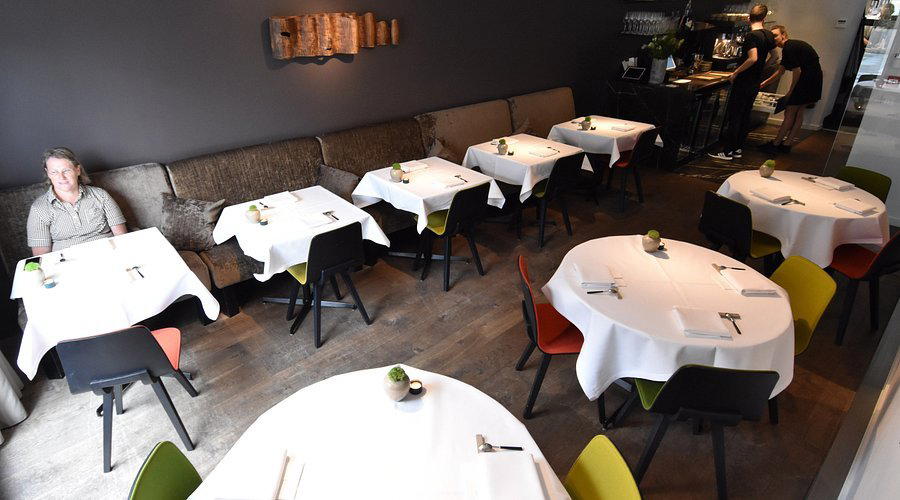
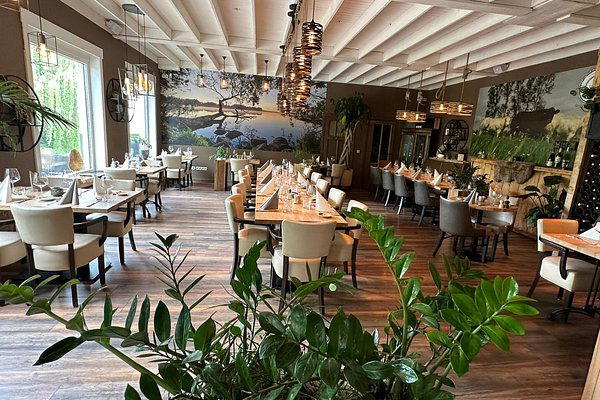
Small ramen bar with distinctive art pieces around a large angular counter, offering a cozy and authentic Japanese experience.