On Onderbergen, one of Ghent's most characterful streets, Chubby Cheeks occupies a position that places it squarely within the city's growing roster of serious independent restaurants. The name signals approachability, but the address tells a different story — this is a dining room that rewards closer attention, sitting within reach of Ghent's established fine-dining circuit and the quieter wave of ambitious neighbourhood tables that has reshaped the city's culinary identity over the past decade.
Pearl is the En Primeur Club membership app — saves, bookings, and concierge access live there. Same editors, same standards.
- Address
- Onderbergen 33, 9000 Gent, Belgium
- Phone
- +32497301822
- Website
- chubbycheeks.be
- Directions
- Get directions
 Saves & bookings on Pearl
Onderbergen and the Restaurants That Define It
Ghent's restaurant scene has reorganised itself around a handful of streets and squares where serious independent operators have chosen to plant flags. Onderbergen — the long, narrow artery that runs between the Korenlei waterfront and the quieter inner neighbourhoods — is one of them. The buildings along this stretch are Flemish townhouse stock: tall, narrow facades, ground floors that have been occupied by taverns, merchants, and craftspeople for centuries. When a restaurant takes a room here, it inherits a sense of place that is harder to manufacture than any interior design brief. Chubby Cheeks, at number 33, is one of the addresses that has settled into this character.
The name is disarming by design. In a Belgian dining culture that can lean toward formal signals, linen, ceremony, names that gesture toward classical French lineage, a restaurant called Chubby Cheeks is making a deliberate tonal choice. That choice is consistent with a broader shift visible across Ghent: a generation of restaurants that trade on warmth and directness without softening their ambition in the kitchen or at the pass. Neighbours on the Ghent circuit, from the plant-forward program at Vrijmoed in Gent to the more technically rigorous format at Arbane, show the range of registers that the city now supports.
Ghent as a Dining City: Context Before Detail
Belgium's restaurant reputation is anchored most visibly by Brussels and, increasingly, by coastal Flemish addresses. But Ghent has built a genuinely independent culinary identity, one less driven by tourism than Bruges, more compact and walkable than Antwerp. The city's dining scene runs from student-facing casual to ambitious tasting menus, with a middle register of serious bistro and contemporary Flemish cooking that is arguably the most interesting tier. It is in this middle register that the most credible creative work is happening, at addresses like Astro Boy, BABÚ, and Beiruti, each of which operates with a distinct cultural lens on what a Ghent meal can be.
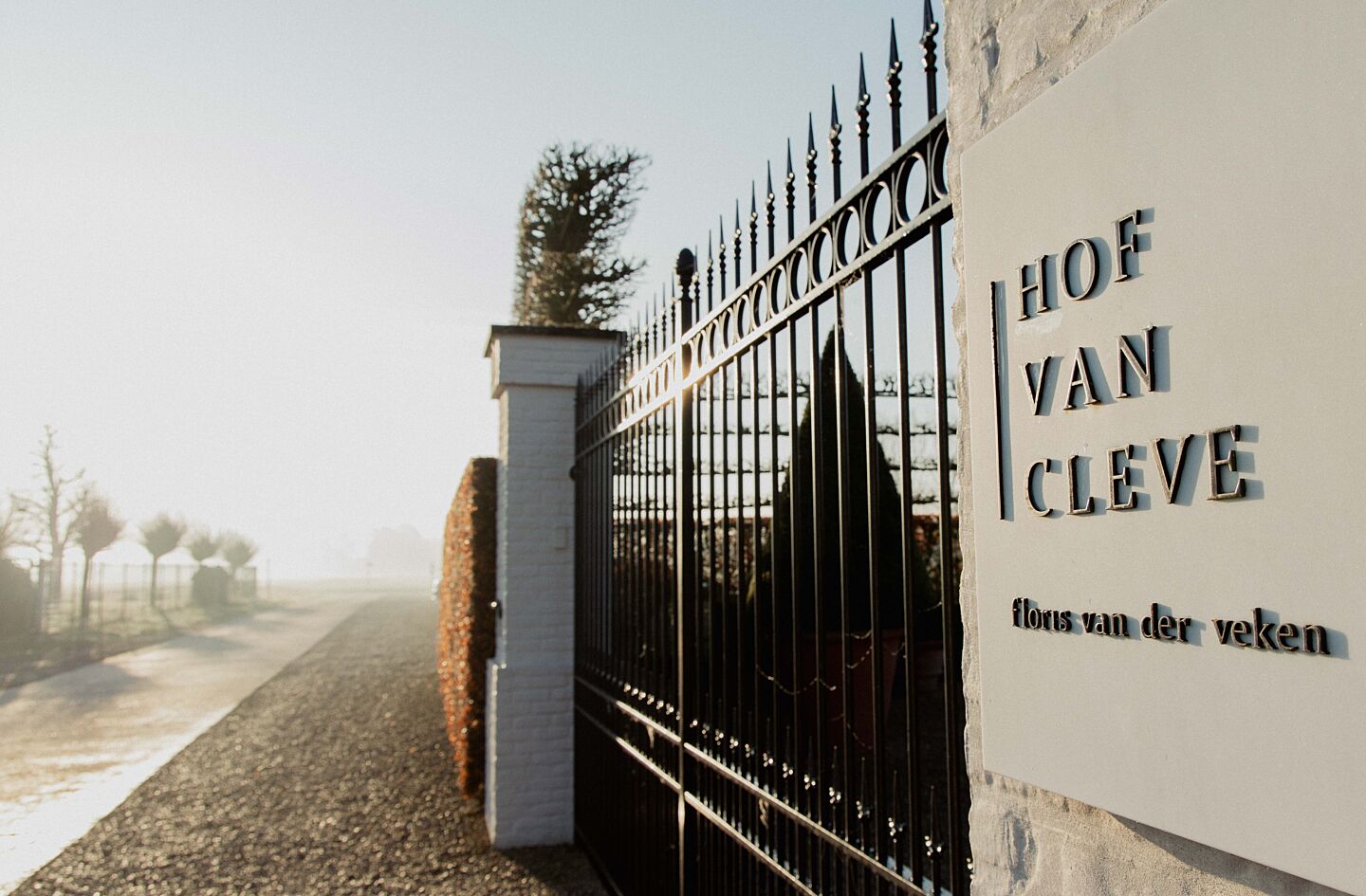
The broader Belgian fine-dining circuit provides a useful frame for understanding where Ghent restaurants sit. At the top of the national structure, addresses like Hof van Cleve in Kruishoutem and Boury in Roeselare define the formal tasting-menu tier, while Zilte in Antwerp and Bozar Restaurant in Brussels anchor the urban prestige end. Ghent's most compelling restaurants occupy a different register entirely, more accessible in price and atmosphere, but no less considered in sourcing and technique. Bij Den Wijzen en Den Zot represents the longer-standing neighbourhood institution end of that spectrum.
The Wine Dimension: How Ghent Restaurants Are Building Their Lists
One of the clearest markers of ambition in this tier of Belgian restaurant is the wine list. A decade ago, a Ghent bistro's cellar was reliably predictable: a rotation of négociant Burgundy, some Alsatian whites, and whatever the local cash-and-carry was moving. That model has been displaced, at the more serious addresses, by something more considered. The shift mirrors what has happened at similar-tier restaurants in cities like Lyon, Copenhagen, and Lisbon, a move toward lists that reflect a point of view rather than a purchasing habit.
In practical terms, this means natural and low-intervention producers appearing alongside classical appellations, smaller growers from overlooked regions getting shelf space beside established names, and sommeliers who can articulate why a particular glass pairs with a particular dish rather than simply presenting a wine menu as a revenue document. At the most ambitious end of this movement in Belgium, you see it in how restaurants like Willem Hiele in Oudenburg have used their cellar as a genuine editorial statement about terroir and time. At the mid-tier, the shift is quieter but no less real.
Chubby Cheeks sits within this evolving context. What is documentable is the address's positioning within a Ghent scene that increasingly holds its restaurants to a higher standard on the glass than it did five years ago. For visitors accustomed to the wine depth at comparable city restaurants, say, the sommelier-led programs at Lazy Bear in San Francisco or the classical depth at Le Bernardin in New York City, the expectation when arriving at a serious Ghent independent should be a list that rewards engagement rather than defaulting to the obvious.
Within Ghent, the competitive set for an address like Chubby Cheeks spans restaurants that share its general register of informal-but-considered dining. The category includes places like La Durée in Izegem and d'Eugénie à Emilie in Baudour in nearby Flemish and Walloon towns, which offer useful comparison points for understanding where Belgian restaurants in this tier are investing their energy. At the more experimental end, Cuchara in Lommel and Ralf Berendsen in Neerharen demonstrate that Belgian restaurant ambition is not confined to the major cities.
The Onderbergen location places Chubby Cheeks in the part of Ghent that attracts a local professional clientele alongside visitors who have moved past the main tourist circuit. That demographic tends to be a reliable signal: restaurants on streets like this survive on repeat business from residents who have choices, not on the tolerance of first-time visitors unlikely to return. It is a tougher audience to hold than a tourist-heavy pitch, and the restaurants that manage it generally do so through consistency rather than novelty.
Planning a Visit
Ghent is accessible from Brussels by train in under forty minutes, and from Bruges in roughly thirty. Onderbergen sits within comfortable walking distance of the main train station via the historic centre, or a short tram or taxi ride. For visitors building a broader Belgian itinerary, Ghent's independent dining scene is coherent enough to anchor a two-night stay, with the restaurants on our full Ghent restaurants guide covering the range of styles and price points across the city.
The address is Onderbergen 33, 9000 Gent. For reservations, visiting the restaurant directly or checking current third-party booking platforms is the most reliable approach. Given the size of most rooms on this street, walk-in availability on weekend evenings is not guaranteed, and for any visit where the meal is the occasion rather than a spontaneous stop, contacting ahead is advisable.

At a Glance
- Cozy
- Trendy
- Intimate
- Date Night
- Casual Hangout
- Group Dining
- Open Kitchen
- Natural Wine
- Local Sourcing
- Organic
Current opening hours
- Monday
- Closed
- Tuesday
- Closed
- Wednesday
- 6 PM–1 AM
- Thursday
- 6 PM–1 AM
- Friday
- 6 PM–1 AM
- Saturday
- 4 PM–1 AM
- Sunday
- Closed
Hours can change for holidays and private events. Last verified .
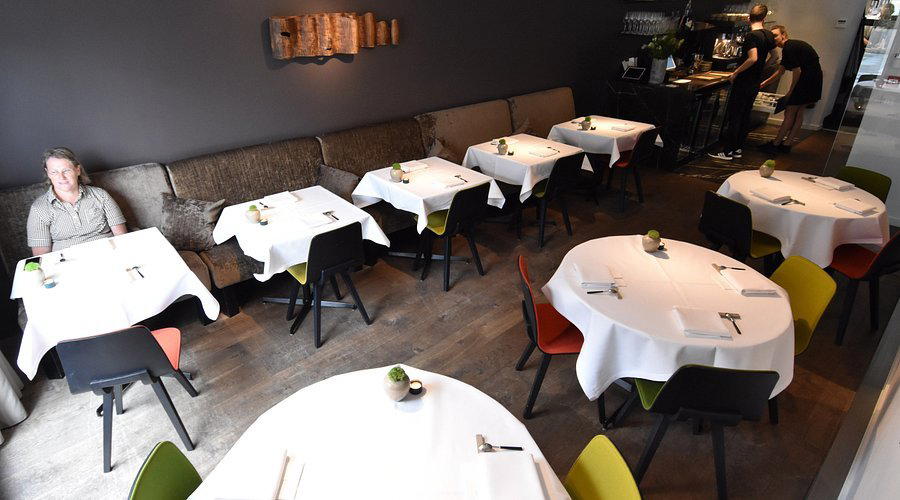
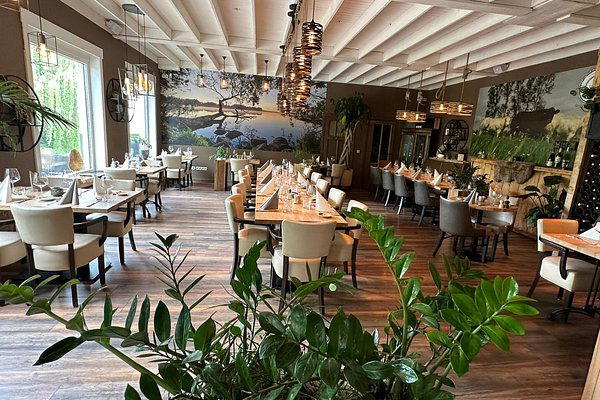
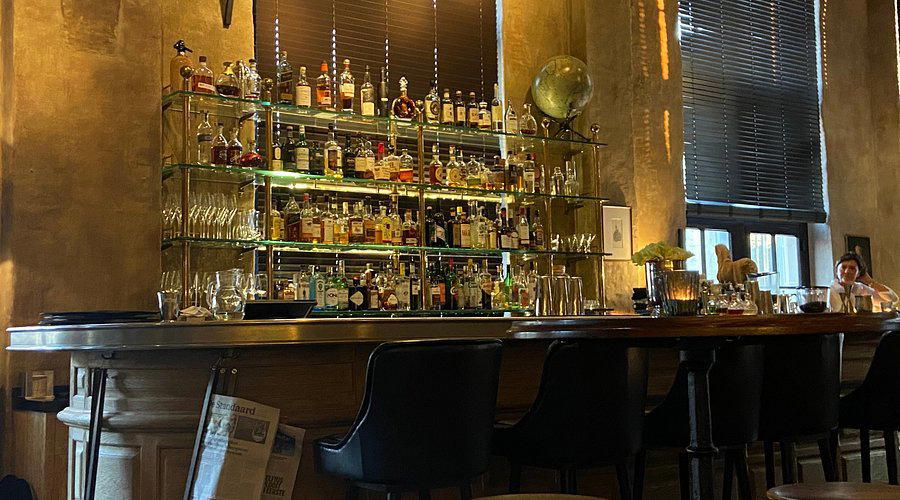
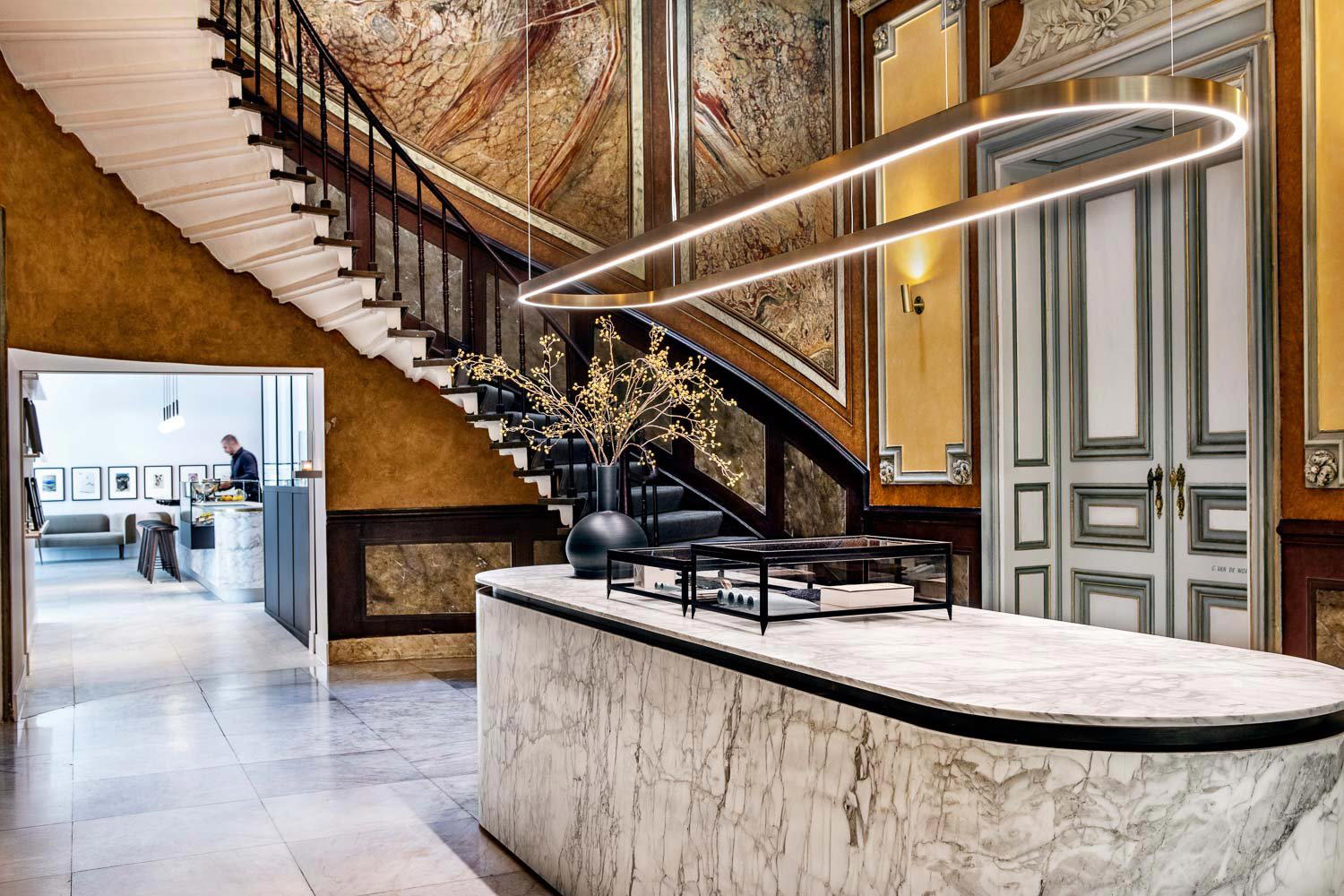
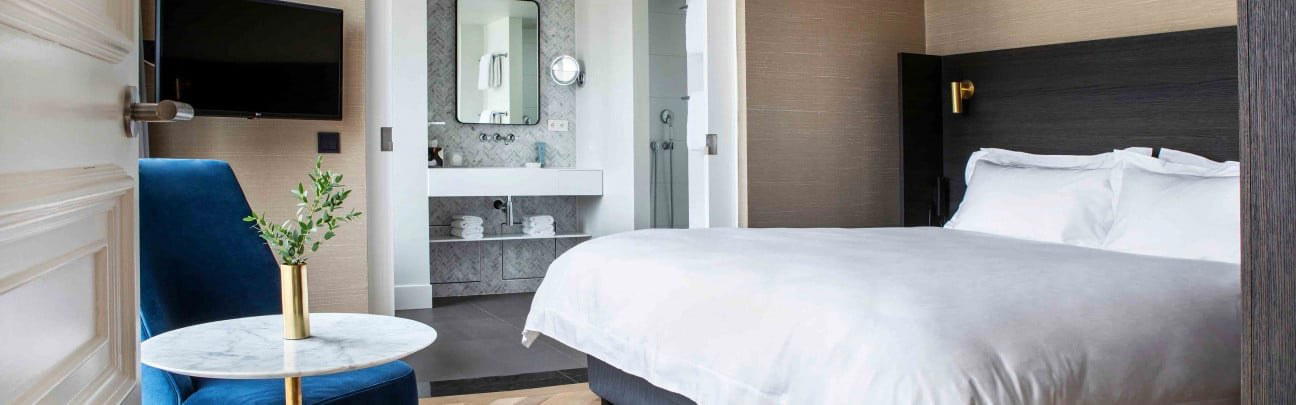
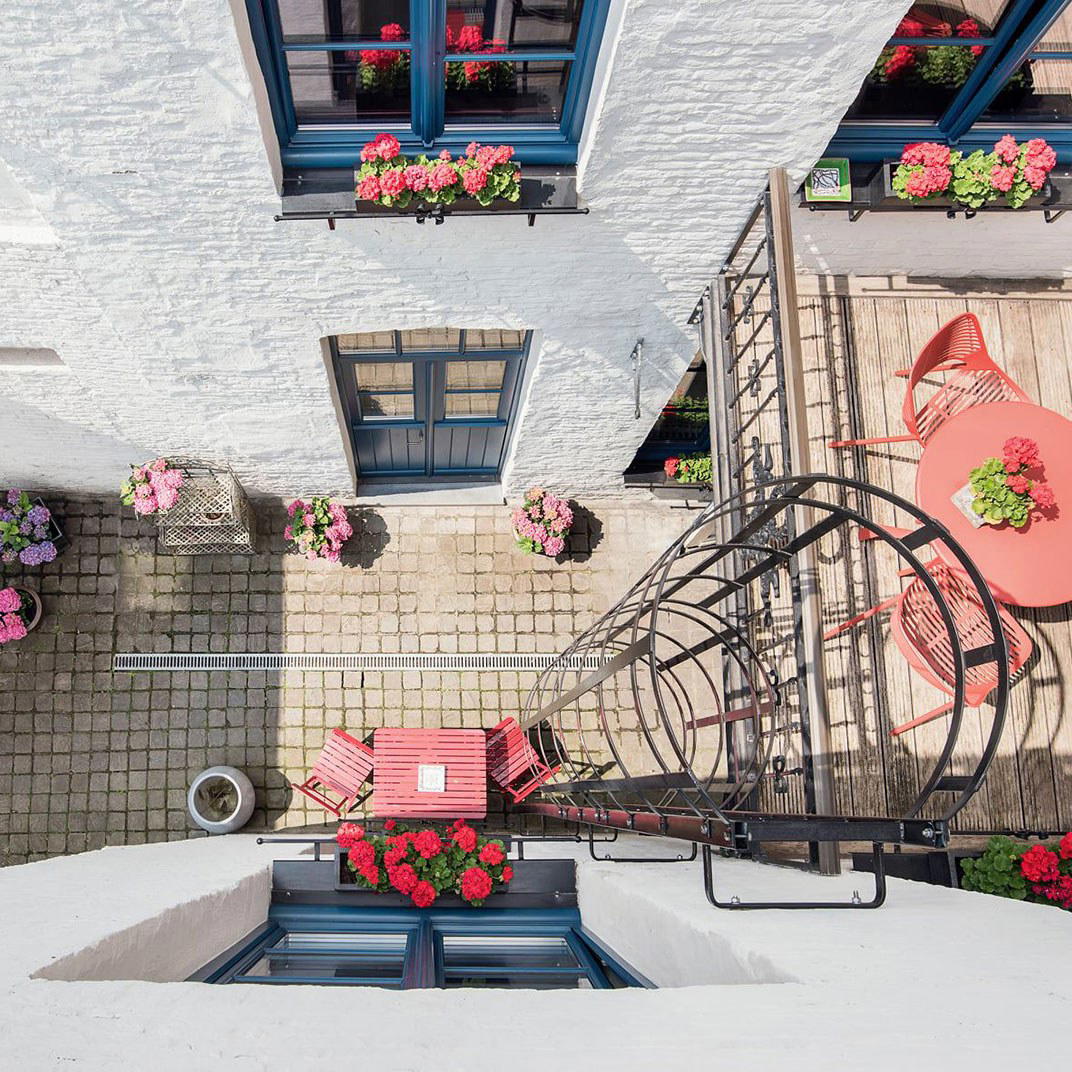
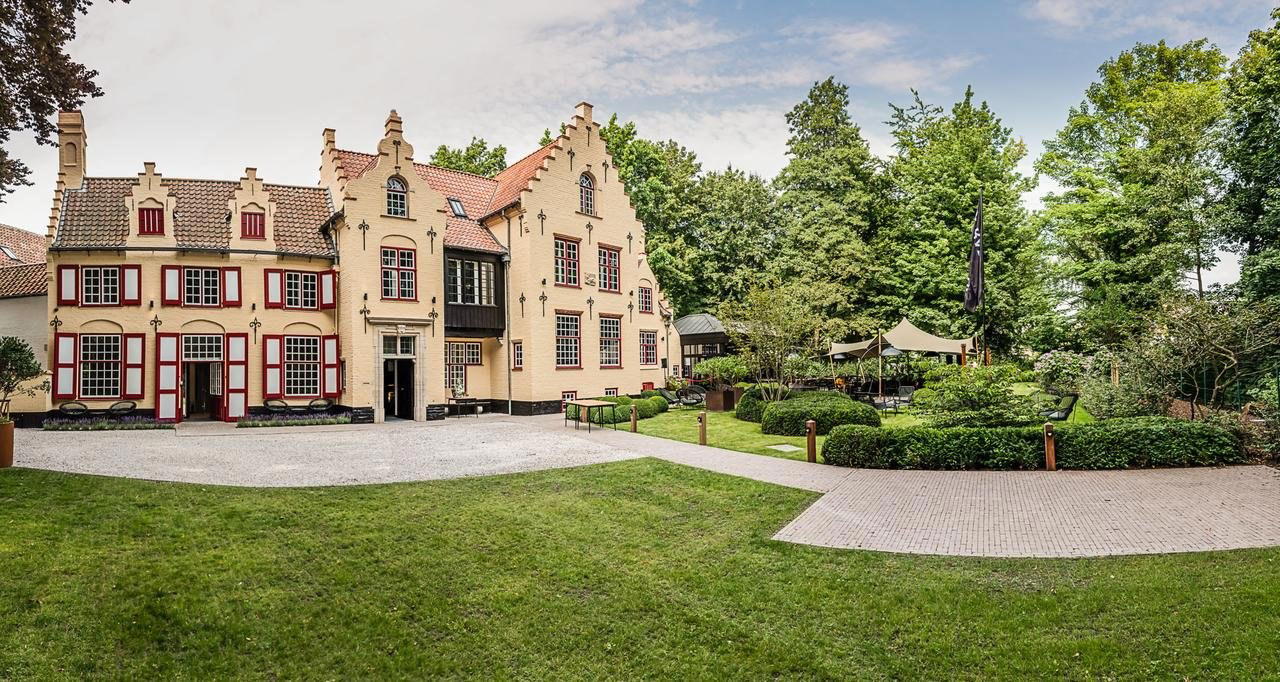
Cozy and atmospheric with warm red and royal blue tones, wooden tables, open kitchen, friendly service, and a fun yet elegant setting.
Know Before You Go
- Getting there
- Onderbergen 33, 9000 Gent, Belgium