Zunica 1880 a Villa Corallo

Inside a converted farm building on a landed Abruzzo estate, Zunica 1880 a Villa Corallo represents one of Italy's more compelling ingredient-to-table arguments. Chef Gianni Dezio, formed under Niko Romito, draws from two estate vegetable gardens, on-site livestock, and local tradition to produce cooking that is refined in presentation but anchored in flavor. The setting alone, an imposing villa with working fields, tells you something about the priorities here.
Pearl is the En Primeur Club membership app — saves, bookings, and concierge access live there. Same editors, same standards.
- Address
- Via Metella Nuova, 37, 64027 Sant'Omero TE, Italy
- Phone
- +39 0861 887002
- Website
- villacorallo.it
- Directions
- Get directions
 Saves & bookings on Pearl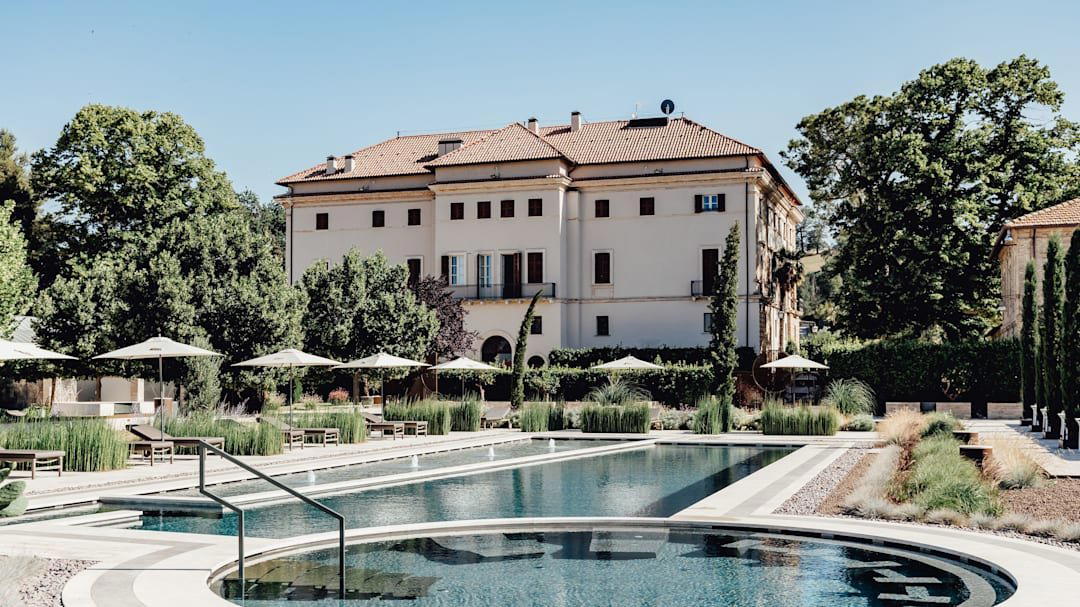
A Farm Building Repurposed, a Lineage Restored
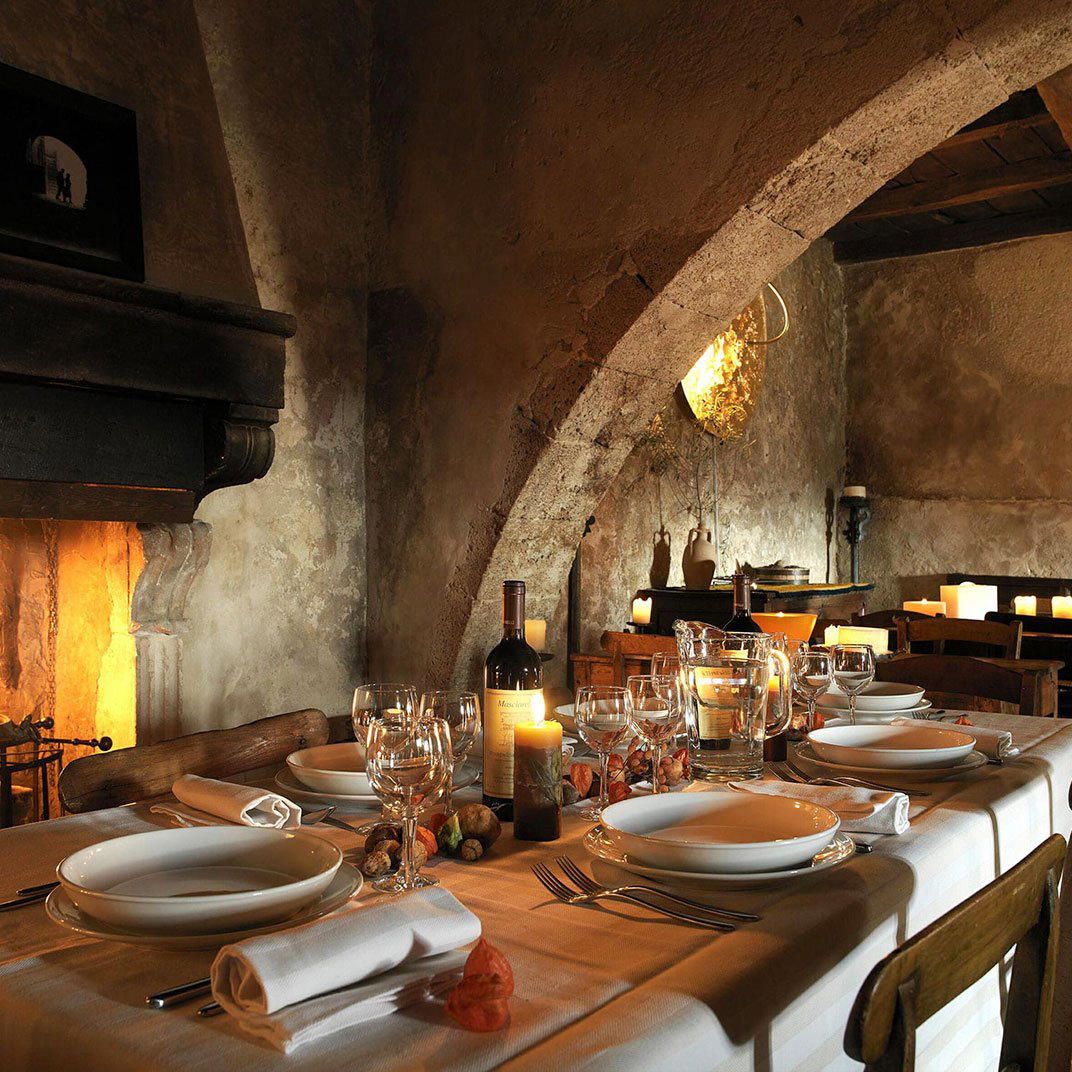
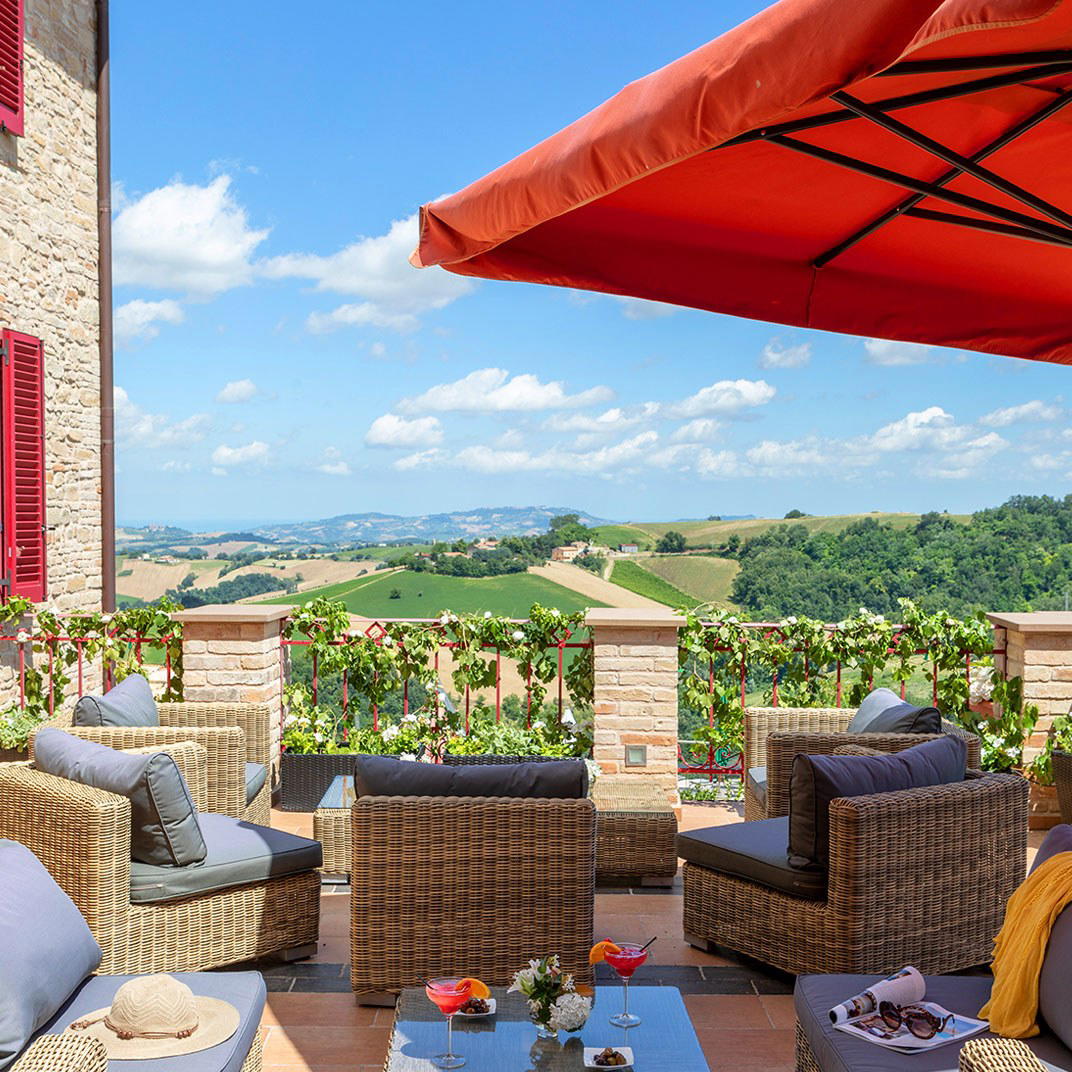
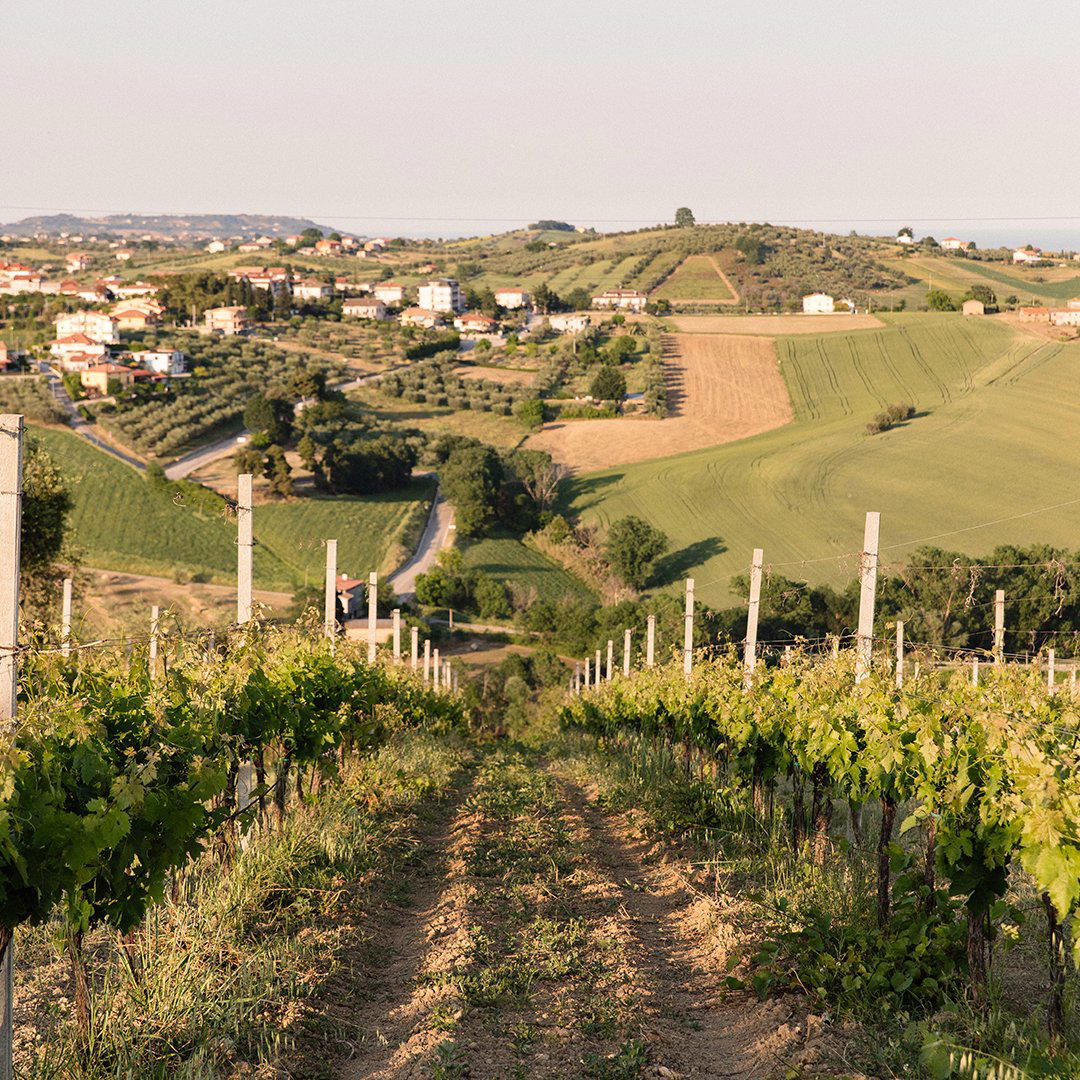
Arriving at Villa Corallo along the roads outside Sant'Omero, in the Teramo province of Abruzzo, the first impression is of an estate that has not yet been smoothed into tourism. The main villa is imposing rather than decorative, and the surrounding land, worked fields, livestock pens, vegetable gardens, signals that this is an operating estate before it is a hospitality property. The restaurant sits inside what was originally the farm equipment building, a conversion that is deliberate rather than incidental. In Italian fine dining, provenance is frequently invoked and less frequently substantiated. Here the supply chain is visible from the dining room window.
The name carries weight before the food arrives. Zunica 1880 is a historic designation, and its relaunch within Villa Corallo positions the project as both a continuation and a reinvention. That tension between inheritance and ambition runs through everything that follows. For those tracking the broader arc of Abruzzo's culinary profile, a region that has produced some of Italy's most discussed contemporary cooking, this address is relevant now in a way it was not a decade ago.
Where the Ingredients Come From, and Why That Changes the Cooking
The estate maintains two dedicated vegetable gardens, cultivates crops, and raises both calves and pigs on site. This is not a farm-to-table marketing position. It is a supply infrastructure that shapes what appears on the plate and, more importantly, how the kitchen thinks about sourcing. When a chef has direct access to produce at its peak, the calculus around preparation shifts: fewer interventions become viable because the ingredient itself carries the argument.
Italy's highest-tier restaurants, from Osteria Francescana in Modena to Dal Pescatore in Runate, each have a defined relationship with regional sourcing, but the model at Villa Corallo is more literal. The distance from field to kitchen is measured in steps, not supplier contracts. That proximity narrows the gap between what Abruzzo's agricultural tradition produces and what appears in a contemporary tasting format. It also puts pressure on the kitchen to honor ingredient quality rather than mask it, a discipline that separates estates that can sustain this model from those that cannot.
Within the broader Italian estate-restaurant category, a format seen at properties like Reale in Castel di Sangro, which operates its own Casadonna estate, the question is always whether the farm genuinely informs the menu or whether it functions as atmosphere. At Villa Corallo, the livestock program and crop cultivation suggest the former. Calves and pigs raised on site imply a protein supply chain that is seasonal, volume-limited, and specific to the land, all of which have real consequences for what the menu can and cannot offer at any given time.
The Cooking: Restraint as a Position
Chef Gianni Dezio trained under Niko Romito, whose three-Michelin-starred Reale has been among the more discussed restaurants in central Italy for its radical reduction of Italian cooking to its essential compounds. That lineage is not incidental. A kitchen formed under Romito's influence tends to approach ingredients as subjects rather than canvases, fewer additions, more attention to the intrinsic character of each element. Dezio's stylistic signature, as described, is a judicious and targeted use of a small number of ingredients, each selected for its specific contribution.
The menu operates through two tasting formats at the chef's discretion, alongside an à la carte option. Dishes are described as aesthetically refined but oriented primarily toward flavor and pleasure rather than visual spectacle, drawing from both local Abruzzo tradition and the chef's own interpretation. In the tier of Italian restaurants where presentation has become a baseline expectation, places like Piazza Duomo in Alba or Le Calandre in Rubano, the distinction between cooking that looks precise and cooking that tastes precise is consequential. The framing here suggests the emphasis falls on the latter.
Abruzzo's culinary identity sits between the pastoral traditions of the Apennine interior and the Adriatic coastline, with a range of ingredients, lamb, pork, saffron from Navelli, mountain greens, that are highly specific to the region. A kitchen rooted in this tradition and supplied by its own estate occupies a different position than the more internationally inflected creative programs found at Enrico Bartolini in Milan or Enoteca Pinchiorri in Florence. The frame of reference is narrower and more grounded, which is precisely its strength.
The Estate Context: Weddings, Rooms, and the Restaurant's Place Within It
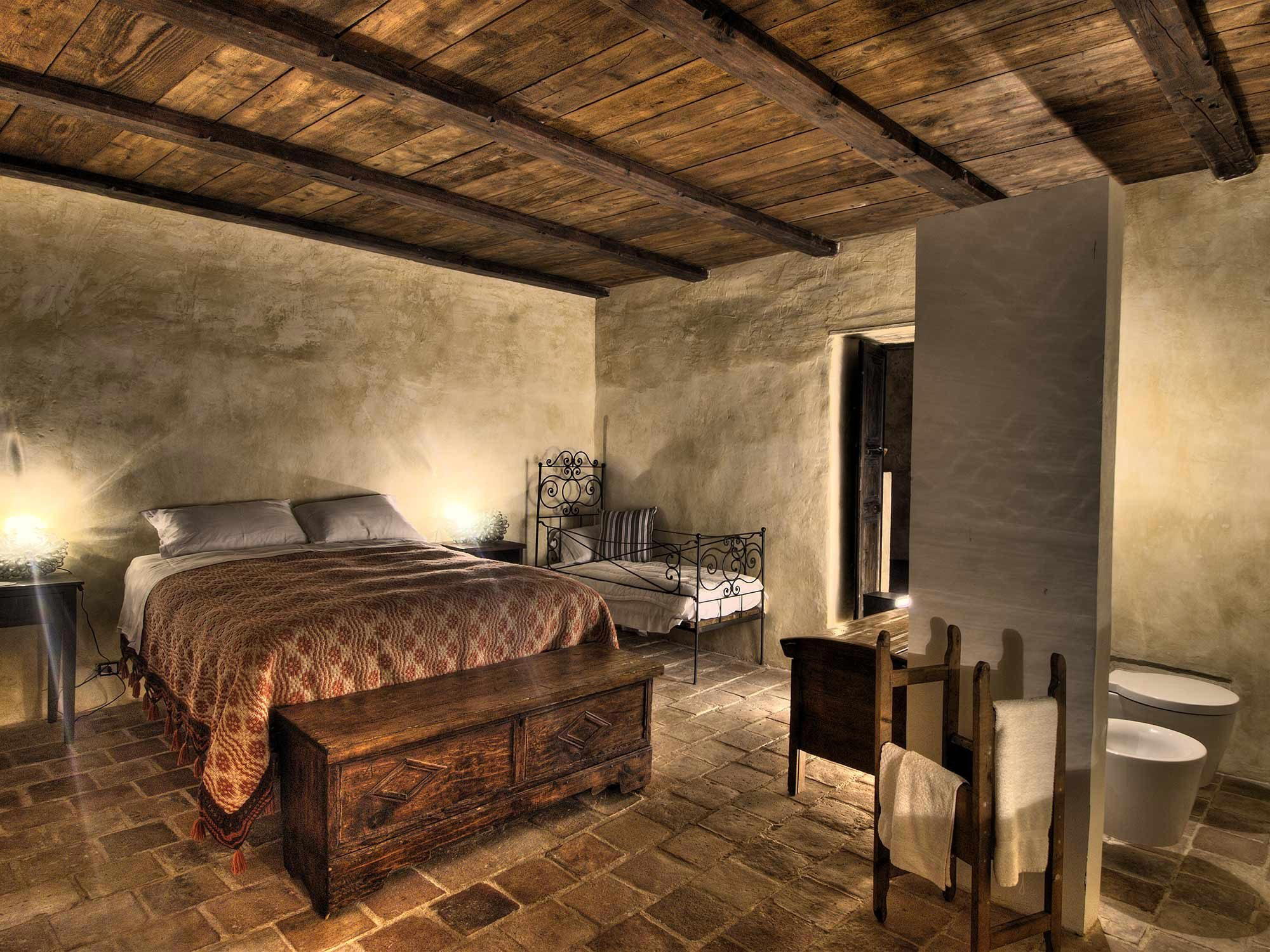
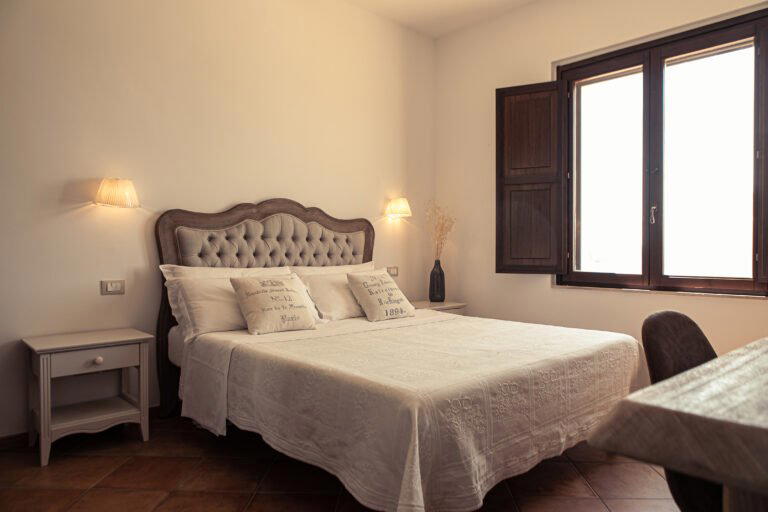
Villa Corallo functions as a resort and landed estate. Guest accommodation is in the main villa. The garden and pool are used primarily for weddings and events, which means the restaurant operates within a broader hospitality infrastructure rather than as a standalone dining destination. This is relevant for planning: the atmosphere on a weekend during event season will differ from a quieter midweek service, and guests staying on the estate have a different experience than those arriving solely for dinner.
Owner Daniele is described as a discreet but charismatic presence in Abruzzo dining, a figure whose influence on the regional scene extends beyond this single property. In Italy, ownership character tends to shape the floor culture in ways that formal training programs cannot. The hospitality register at Villa Corallo reflects that understated approach: the estate does not perform luxury loudly, but the attention invested in the property and its culinary program speaks through accumulated detail.
For travelers building a broader picture of the Italian restaurant scene, Abruzzo sits in an interesting position relative to better-mapped regions. The area around Castel di Sangro, where Romito's Reale operates, has drawn serious attention, but the province of Teramo, where Sant'Omero sits, is less covered in international food media. That relative obscurity is part of what makes a property with Zunica's history and Dezio's formation worth attention now, before the region's profile fully catches up to the cooking happening within it.
Planning a Visit
Sant'Omero sits in the Teramo province, inland from the Adriatic coast in northeastern Abruzzo. Zunica 1880 a Villa Corallo is a one-Michelin-star restaurant serving contemporary Abruzzese cooking, with tasting menus priced around $120 per person. The address is Via Metella Nuova, 37. Reaching the estate requires a car; this is not a venue accessible by public transport, and the rural setting means the estate visit functions leading as a destination in itself rather than one stop on a day itinerary. Accommodation within the villa removes the return-drive calculation from the evening, which changes how the meal is experienced. Those drawing comparisons across Italy's higher tier might also look at Atelier Moessmer Norbert Niederkofler in Brunico, Uliassi in Senigallia, or Quattro Passi in Marina del Cantone for the adjacent tier of Italian regional cooking. For reference points outside Italy, the ingredient-led discipline here has a different lineage but a comparable seriousness to what Le Bernardin in New York or Atomix in New York apply to their respective traditions, and for Italy specifically, Casa Perbellini 12 Apostoli in Verona offers another point of comparison for the restrained contemporary Italian register.
At-a-Glance Comparison
Comparable venues nearby, for context on price, style, and recognition.
| Venue | Cuisine | Price | Awards | Notes |
|---|---|---|---|---|
| Zunica 1880 a Villa CoralloThis venue — the venue you are viewing | Contemporary Abruzzese | $$$ | Michelin 1 Star | Not listed |
| Ada | Modern Italian Fine Dining | $$$ | Michelin 1 Star | historic centre |
| Mater1apr1ma | Contemporary Italian | $$$ | Michelin 1 Star | Pontinia |
| Il Piastrino | Modern Italian Fine Dining | $$$ | Michelin 1 Star | Pennabilli |
| Da Fausto | Italian Seafood | $$$ | Bib Gourmand | Piazza Cesare Beccaria |
| Vespasia | Modern Umbrian Fine Dining | $$$$ | Michelin 1 Star | historic center |
Recognition history
Dated appearances from independent guides and award organizations, with the underlying list record or original source where available.
Michelin 1 Star
Michelin
Continue exploring
More in Sant'Omero
Restaurants in Sant'Omero
Browse all →
Hotels in Sant'Omero
Browse all →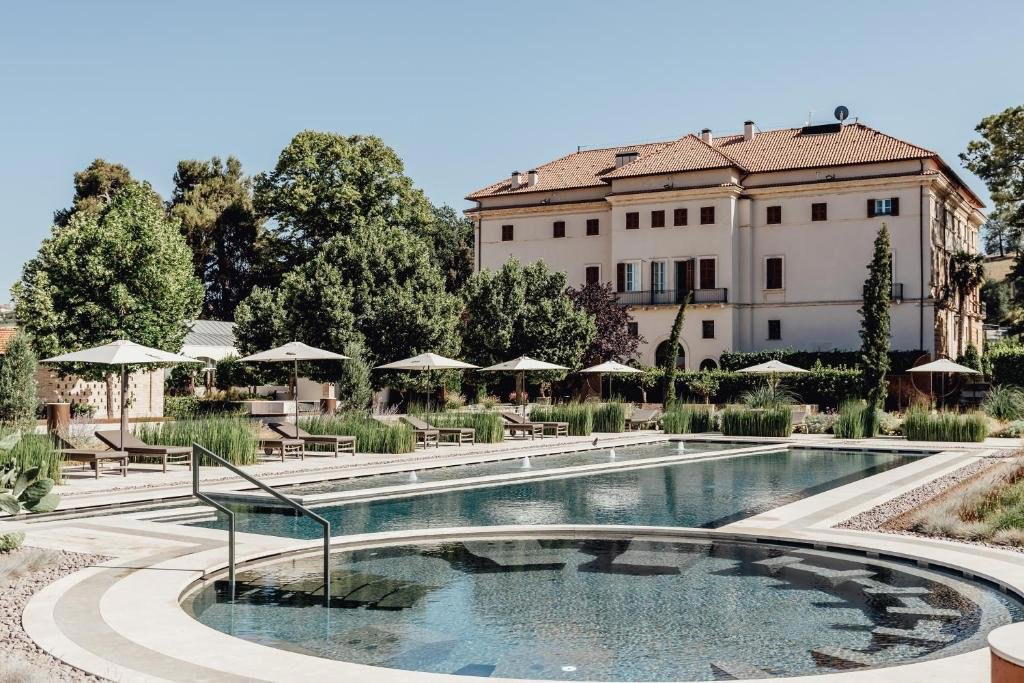

At a Glance
- Elegant
- Sophisticated
- Scenic
- Quiet
- Special Occasion
- Date Night
- Celebration
- Open Kitchen
- Garden
- Private Dining
- Historic Building
- Design Destination
- Beer Program
- Farm To Table
- Organic
- Local Sourcing
- Garden
Current opening hours
- Monday
- Closed
- Tuesday
- Closed
- Wednesday
- Closed
- Thursday
- 7:30–9:30 PM
- Friday
- 7:30–9:30 PM
- Saturday
- 12:30–2 PM, 7:30–9:30 PM
- Sunday
- 12:30–2 PM
Hours can change for holidays and private events. Last verified .
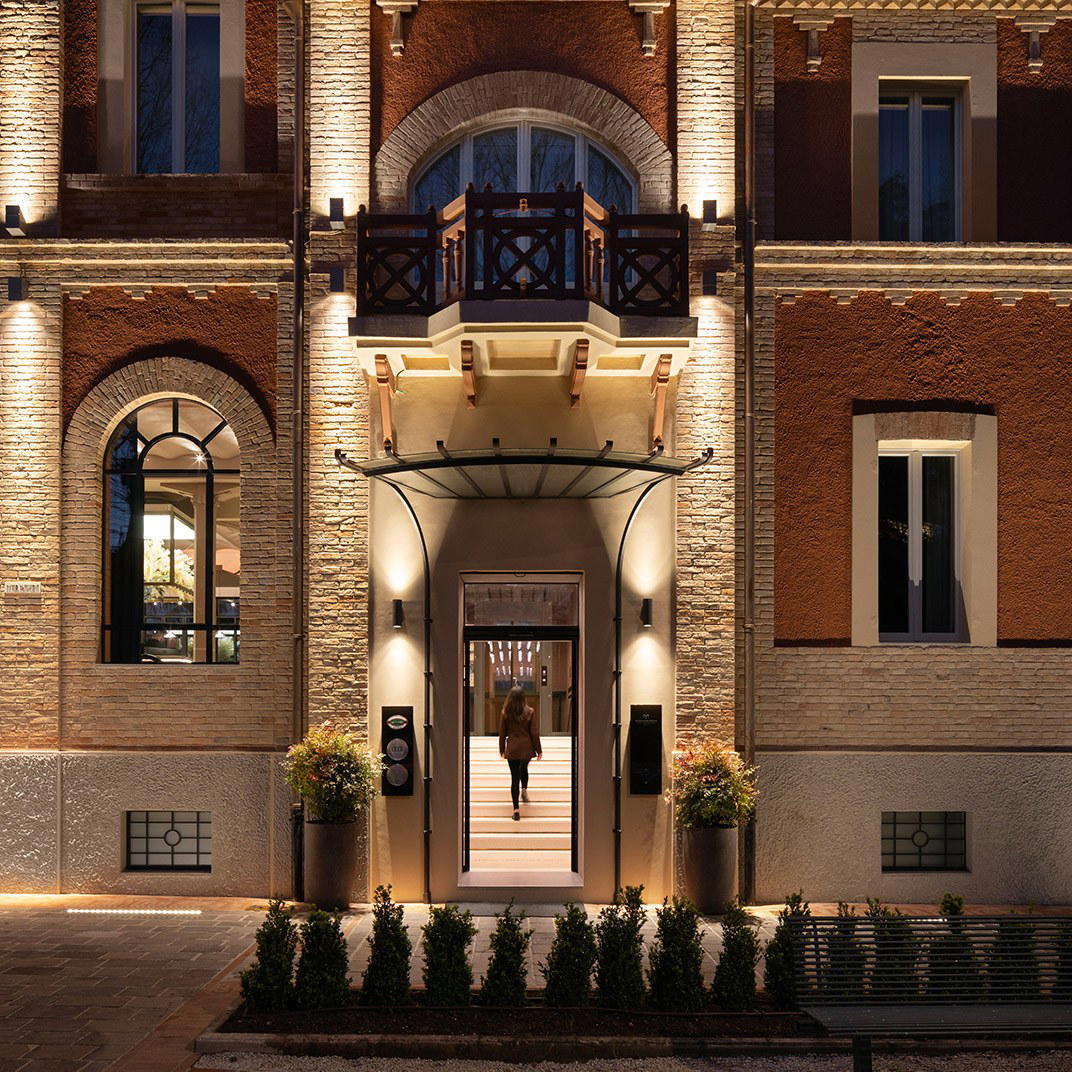
Discreet elegance with soft lighting and meticulous attention to detail; the restaurant occupies a restored farm equipment building surrounded by lush parkland, creating a bucolic, refined atmosphere with open kitchen views.