Zum Ochsen

A 300-year-old Swabian institution in Kernen im Remstal, Zum Ochsen holds a Michelin Plate (2024) for seasonal cuisine that draws on regional ingredients, including charcuterie from its own on-site butcher's shop. The kitchen balances local tradition with international influence, offered through à la carte and three- or four-course set menus at an accessible mid-range price point.
Pearl is the En Primeur Club membership app — saves, bookings, and concierge access live there. Same editors, same standards.
- Address
- Kirchstraße 15, 71394 Kernen im Remstal, Germany
- Phone
- +49 7151 94360
- Website
- ochsen-kernen.de
- Directions
- Get directions
 Saves & bookings on Pearl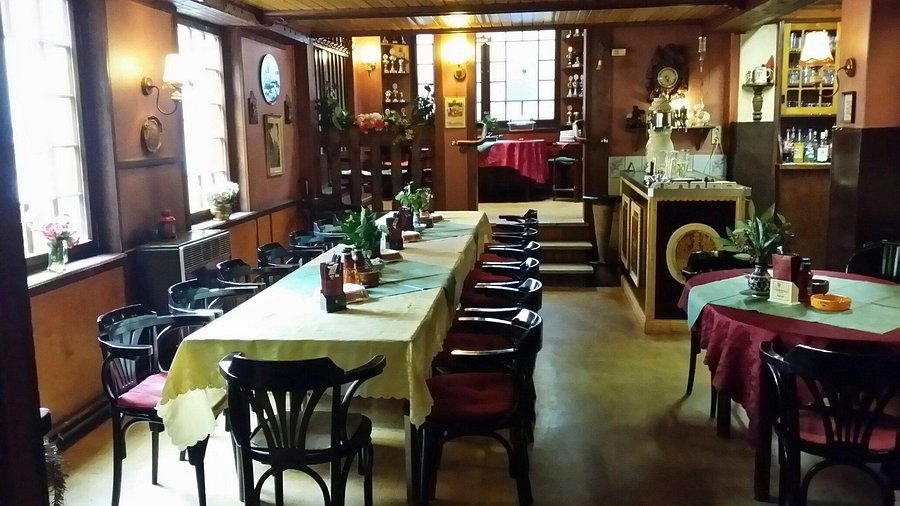
Three Centuries of Swabian Table: What Zum Ochsen Represents
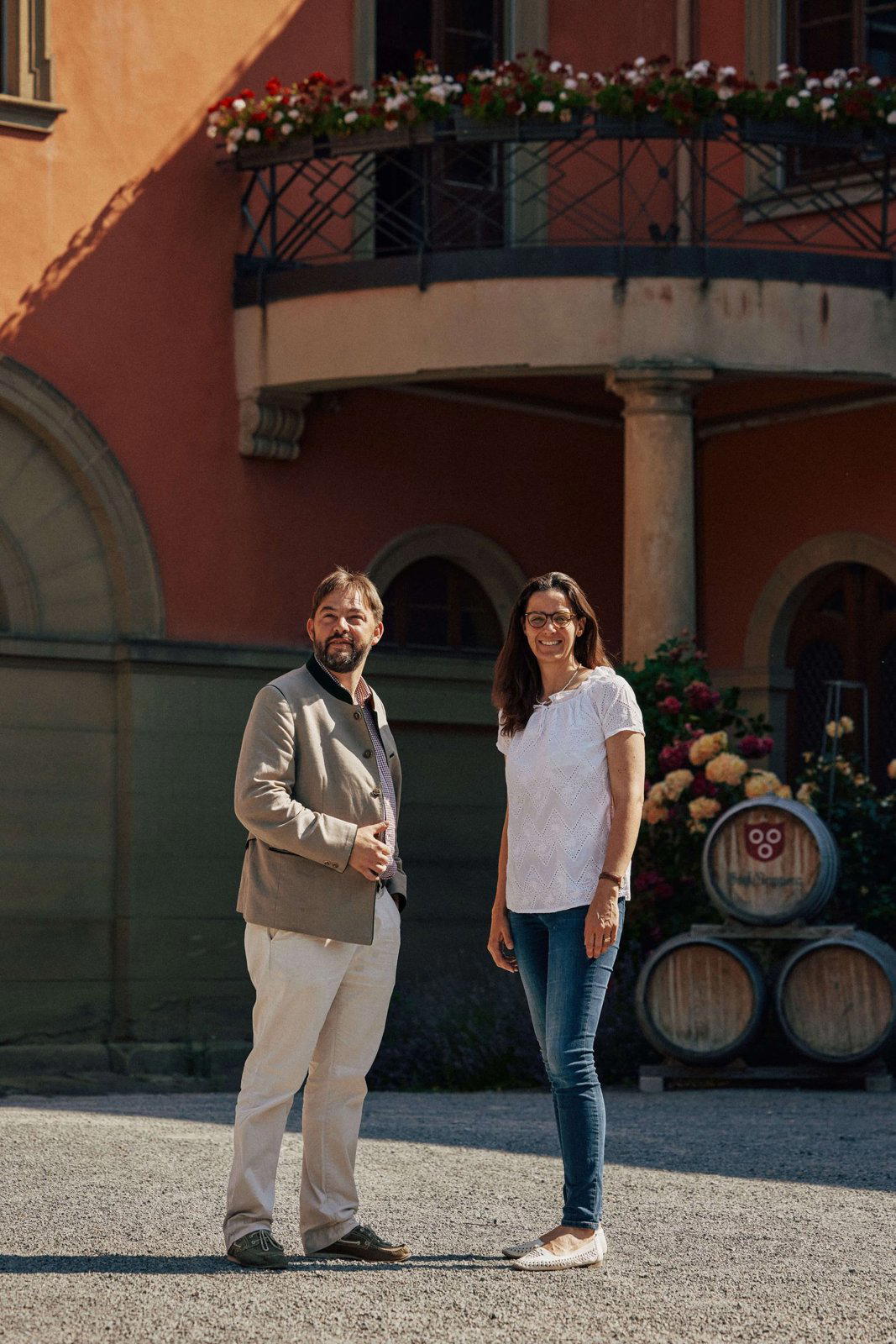
The stone-fronted buildings lining Kirchstraße in Kernen im Remstal carry the weight of a wine-growing region that has fed and watered the Remstal valley for generations. Zum Ochsen, at number 15, has been part of that fabric for three centuries. Long before the Michelin Guide reached into smaller German towns, restaurants like this one were holding a specific kind of civic function: feeding local farmers and craftsmen, marking weddings and harvests, and carrying forward a cooking tradition rooted in seasonal availability and nothing more exotic than what the surrounding land could provide.
That tradition is Swabian cuisine, and it occupies a specific place in the German culinary canon. Unlike the more internationally recognised output of, say, the Black Forest (home to establishments such as Schwarzwaldstube in Baiersbronn), Swabian cooking has historically resisted translation into fine-dining formats. It is a cuisine of Maultaschen and Linsen mit Spätzle, of slow-braised meats and root vegetables, of frugality turned into flavour through technique and patience. The challenge for any kitchen working in this tradition is to honour that character without freezing it in amber.
The Kitchen's Approach to Tradition and Season
Zum Ochsen's recognition in 2024 signals something specific: the guide's acknowledgment that quality cooking is happening here. That category of recognition tends to go to restaurants where the food is carefully sourced, honestly cooked, and consistently executed at a level above the regional average. It is a different kind of credential from those carried by Germany's haute cuisine addresses, where restaurants like Aqua in Wolfsburg, Vendôme in Bergisch Gladbach, or Victor's Fine Dining by Christian Bau in Perl operate at the multi-star level. At the restaurant, the Michelin Plate places it in a tier defined by honest ambition and ingredient respect rather than technical spectacle.
The seasonal framing matters here. Swabian cooking has always been dictated by what grows and what is harvested; that is not a recent marketing decision but an inherited necessity that shaped the cuisine across centuries. The restaurant follows that rhythm, drawing on international influences to expand the vocabulary of what reaches the plate, while keeping regional ingredients as the structural foundation. The result sits in a recognisable lineage for Germany's better mid-range restaurants, where the price tier signals accessibility without any compromise on sourcing rigour. Comparable seasonal cooking in an Alpine format can be found at Kirchenwirt in Leogang and Mesnerhaus in Mauterndorf, both of which hold similar positions within their respective regional traditions.
The Butcher's Shop as Culinary Argument
One of the more telling details in the restaurant profile is the on-site butcher's shop. In an era when provenance claims are frequently applied as a branding layer rather than an operational reality, a working butcher's operation on the premises is a verifiable commitment. Meat and sausage products made in-house represent both a craft tradition and a quality control mechanism: what arrives on the plate has passed through the kitchen's own hands at every stage of production.
This is not unusual in the historical context of Swabian gastronomy, where the Metzgerei and the Gasthof often coexisted under the same roof, but it has become increasingly rare as supply chains consolidate and kitchen labour focuses on service-side preparation. A restaurant maintaining that dual function in 2024 is making a statement about how it understands quality, one that aligns with the broader regional movement toward short supply chains and traceable animal products that has gained traction across Baden-Württemberg's food culture.
Format and Frequency: A Restaurant for Regulars
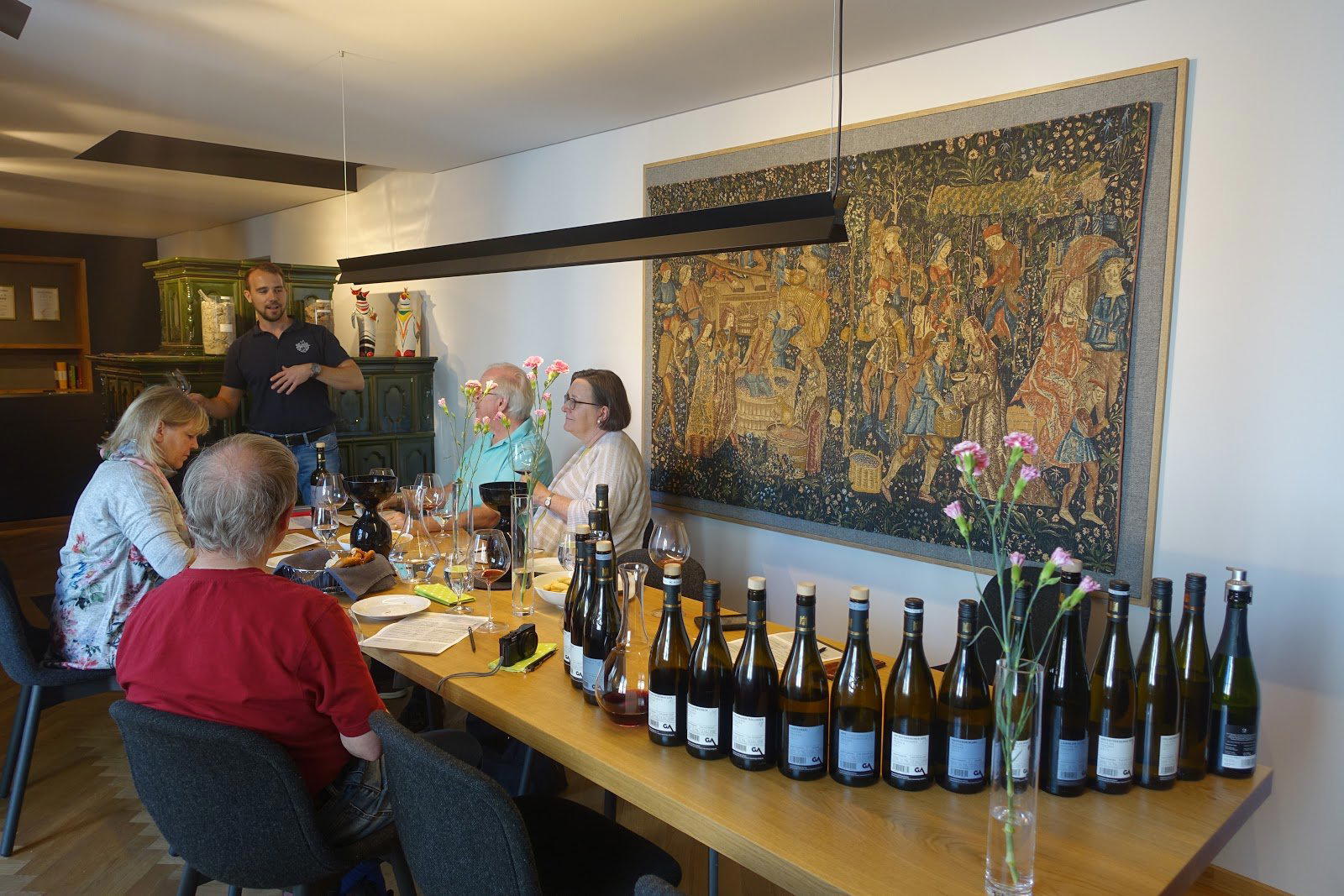
The Michelin descriptor notes that restaurant has accumulated a loyal following, and the format supports that dynamic. À la carte alongside three- or four-course set menus gives the kitchen flexibility to cook with depth for guests who want a structured experience, while allowing the casual visit that keeps a place embedded in local life rather than marooned in special-occasion territory.6 from 538 reviews reflects consistent satisfaction across a wide sample of visits, a signal that the kitchen delivers reliably rather than occasionally.
A restaurant that has held its position in a community for three centuries is not running on novelty. Its regulars return because the cooking tracks the seasons reliably, the room is familiar, and the value proposition remains honest. That kind of embedded loyalty is distinct from the destination-driven following that sustains Germany's more decorated restaurants, such as Waldhotel Sonnora in Dreis or Restaurant Haerlin in Hamburg, where the booking is an event in itself. The restaurant occupies a different role: it is a working restaurant in the fullest sense, and that is its strength.
Kernen im Remstal in Context
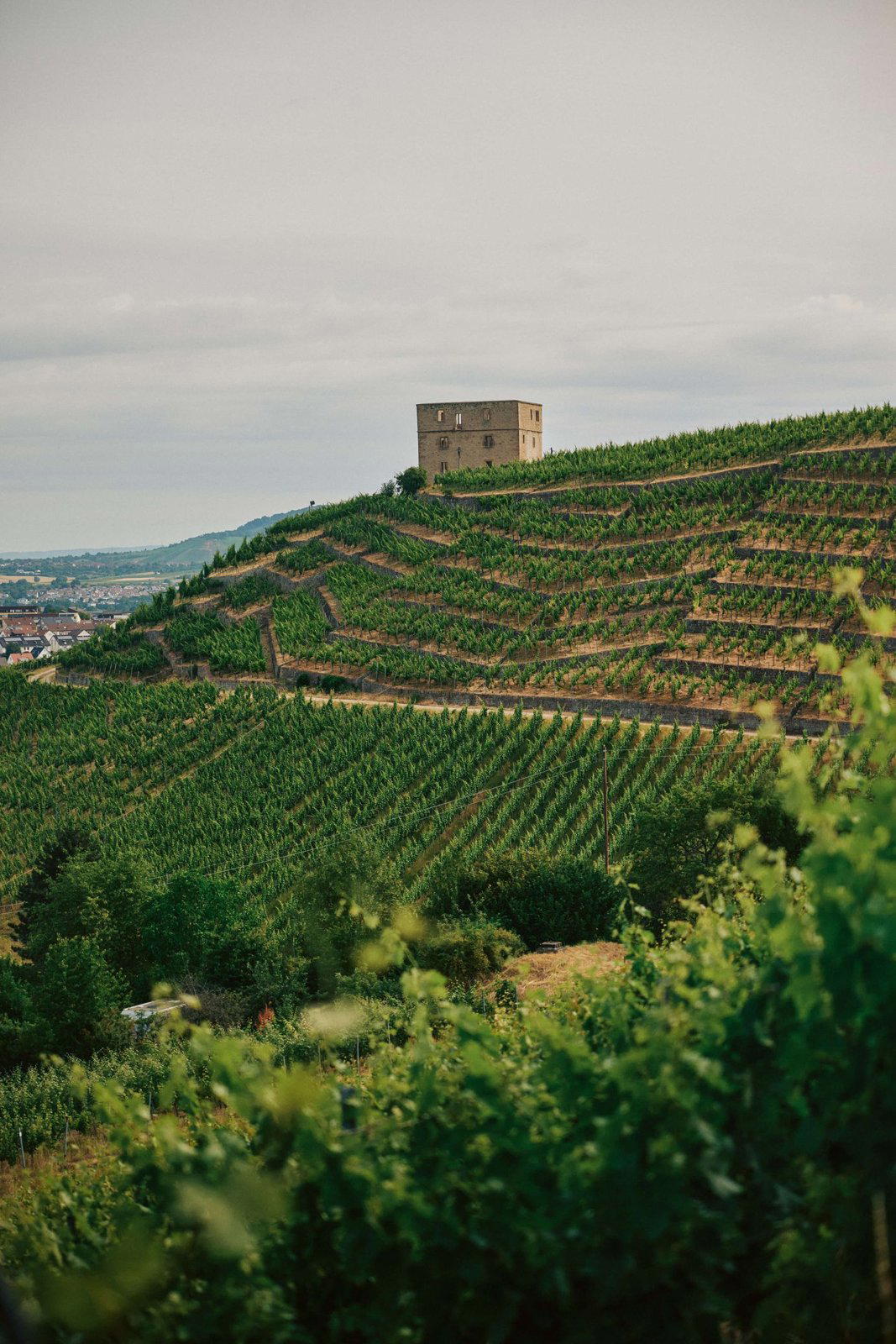
The Remstal is wine country, a valley of slopes and villages between Stuttgart and Schwäbisch Gmünd where Trollinger, Lemberger, and Riesling dominate the production. The local food culture reflects that agricultural base: dishes are built around what the region grows and raises, and the wine on the table is typically from nearby estates rather than imported from distant appellations. For visitors approaching Kernen im Remstal as part of a broader Baden-Württemberg itinerary, the town sits in that productive middle ground between Stuttgart's urban restaurant scene and the more rural, nature-focused dining of the Swabian Alb.
The restaurant shares the town with Malathounis, a Mediterranean address that holds its own Michelin recognition, giving the village a concentration of credentialled cooking that is unusual for a town of its size.
Planning Your Visit
The restaurant is located at Kirchstraße 15, 71394 Kernen im Remstal. The €€ pricing positions it as an accessible mid-week option as readily as a weekend destination.
Booking and Cost Snapshot
Comparable venues nearby, for context on price, style, and recognition.
| Venue | Cuisine | Price | Awards | Notes |
|---|---|---|---|---|
| Zum OchsenThis venue — the venue you are viewing | Seasonal Cuisine | $$$ | Michelin Plate | Not listed |
| Malathounis | Not listed | $$$ | Michelin 1 Star | Kernen im Remstal, Modern Greek Fine Dining |
| Zur Schwane | center, Swabian-German Bistro | $$$ | Michelin Plate | Not listed |
| Die Speiserei im Maier | Fischbach, Regional German Slow Food | $$$ | Michelin Plate | Not listed |
| Meister Lampe | Weilimdorf, Regional German Fine Dining | $$$ | Michelin Plate | Not listed |
| Jagstmühle | Not listed | $$$ | Michelin Plate | Heimhausen, Modern Regional German with International Influences |
Recognition history
Dated appearances from independent guides and award organizations, with the underlying list record or original source where available.
Michelin Plate
Michelin · 2026 Michelin Plate
Michelin Plate
Michelin
Michelin Plate
Michelin
Continue exploring
More in Kernen im Remstal
Restaurants in Kernen im Remstal
Browse all →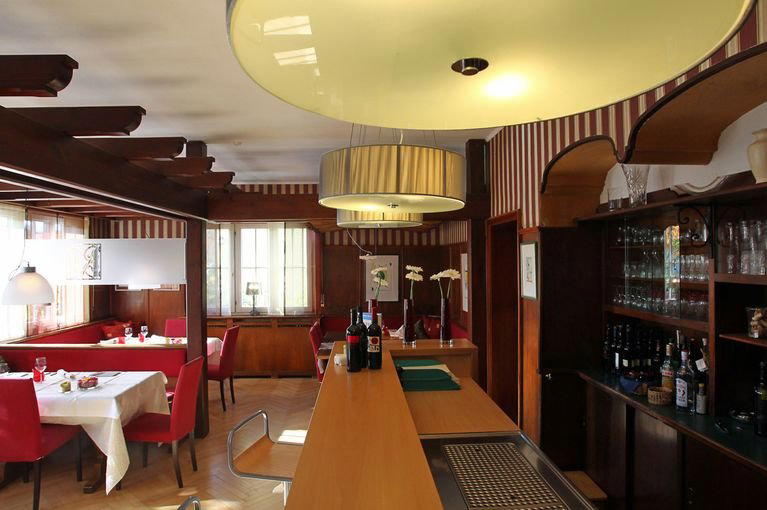
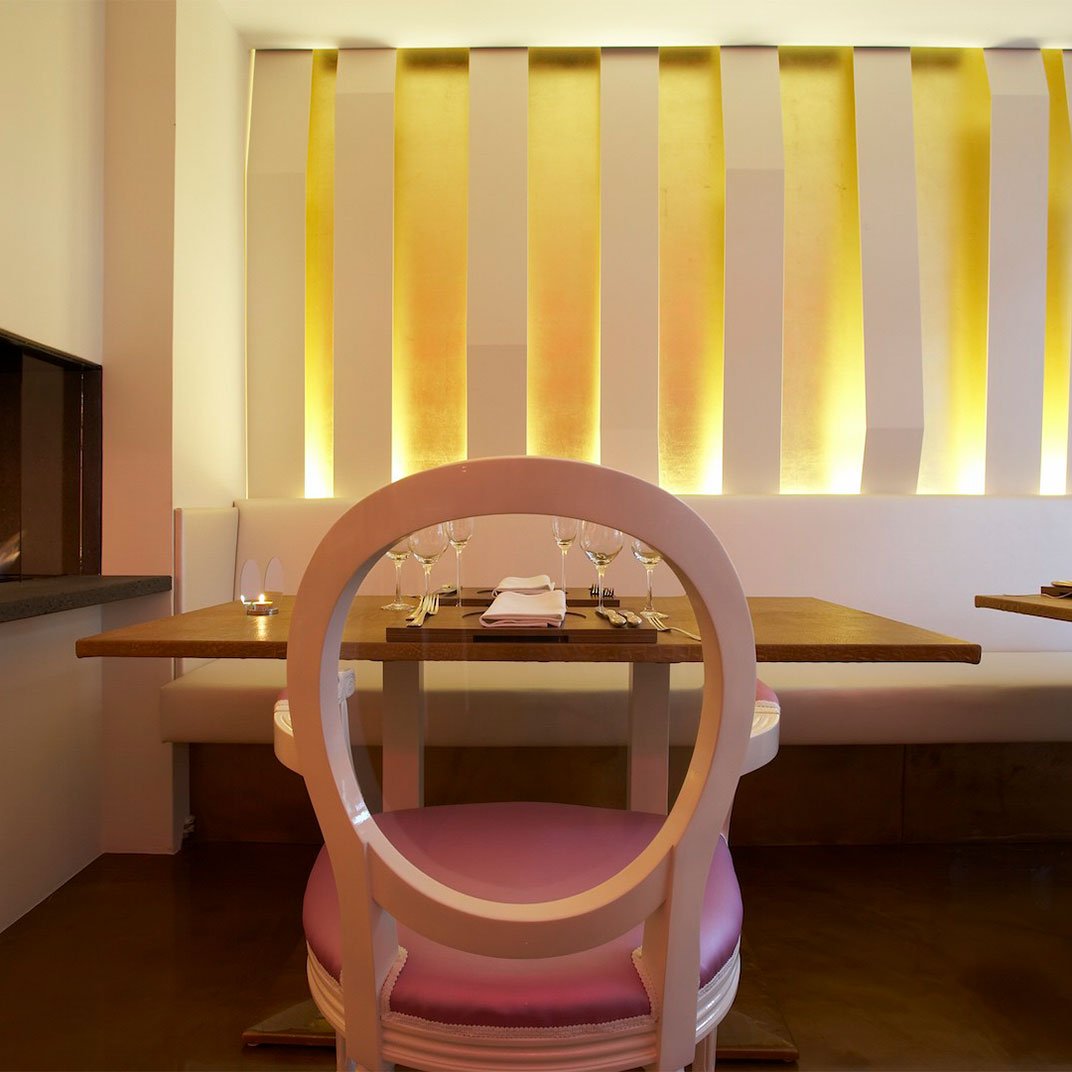
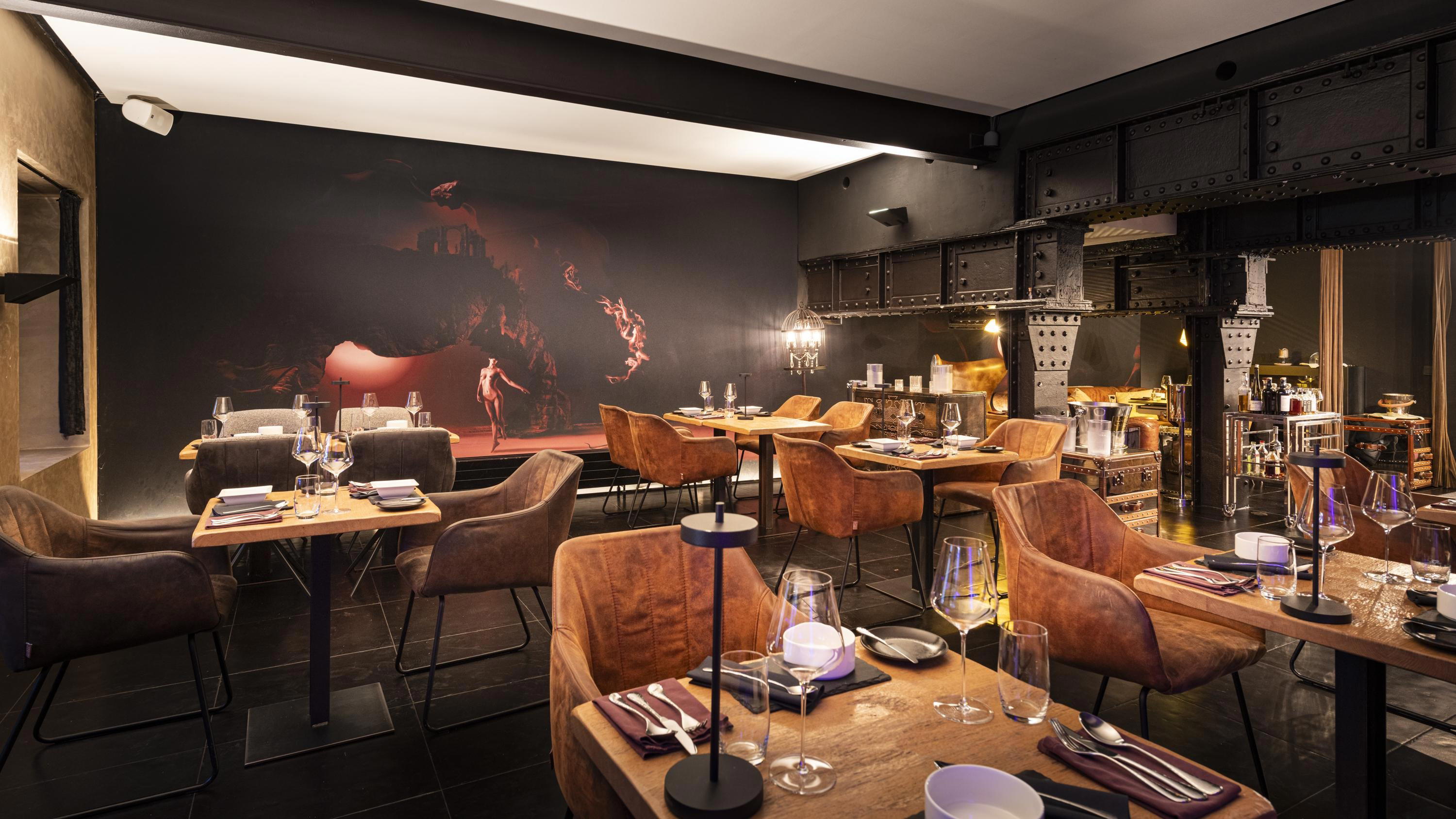
Bars in Kernen im Remstal
Browse all →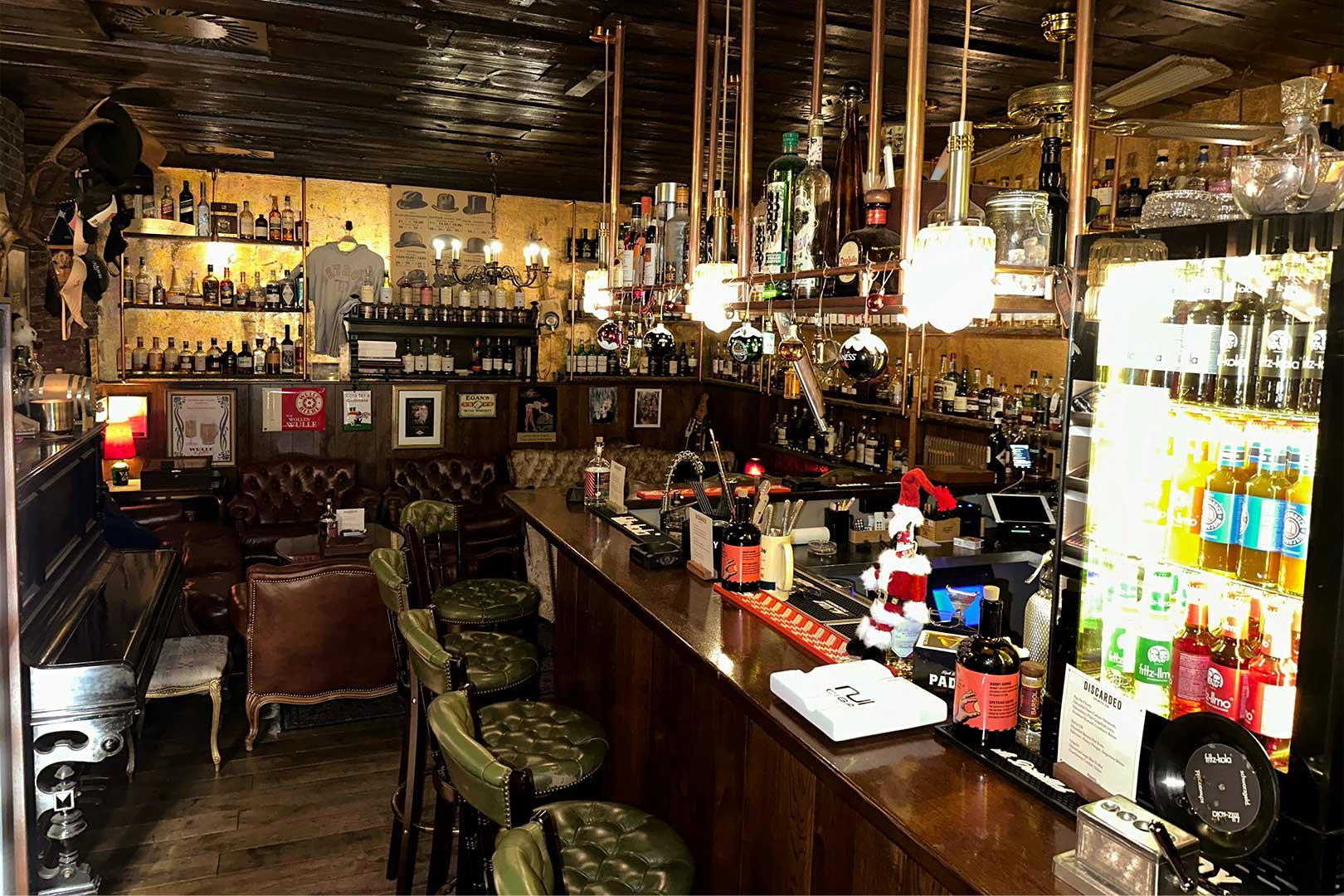
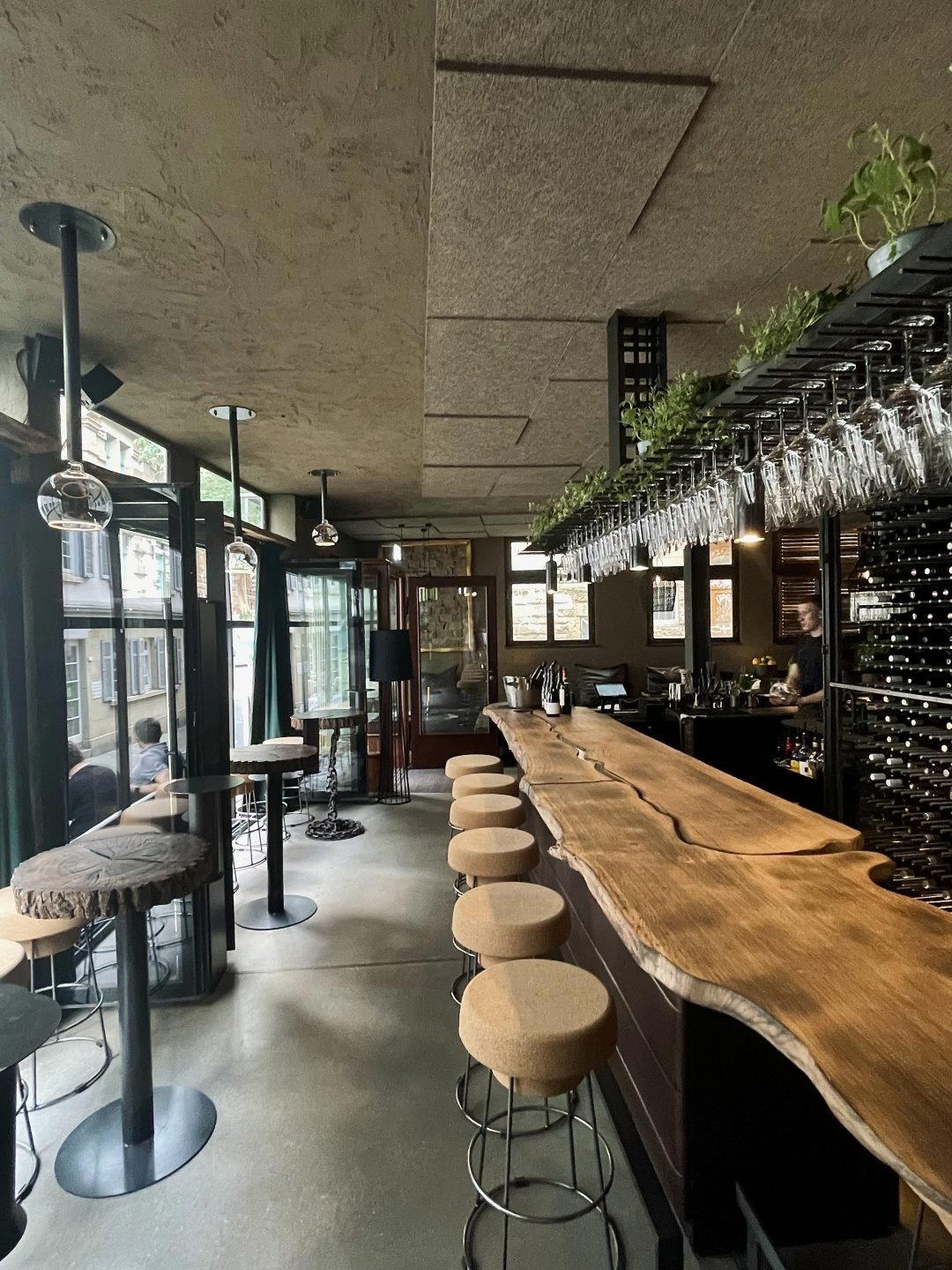
Hotels in Kernen im Remstal
Browse all →
At a Glance
- Classic
- Cozy
- Rustic
- Special Occasion
- Business Dinner
- Historic Building
- Extensive Wine List
- Local Sourcing
Current opening hours
- Monday
- Closed
- Tuesday
- Closed
- Wednesday
- 5:30–11 PM
- Thursday
- 5:30–11 PM
- Friday
- 5:30–11 PM
- Saturday
- 12–2:30 PM, 5:30–11 PM
- Sunday
- 12–2:30 PM, 5:30–11 PM
Hours can change for holidays and private events. Last verified .
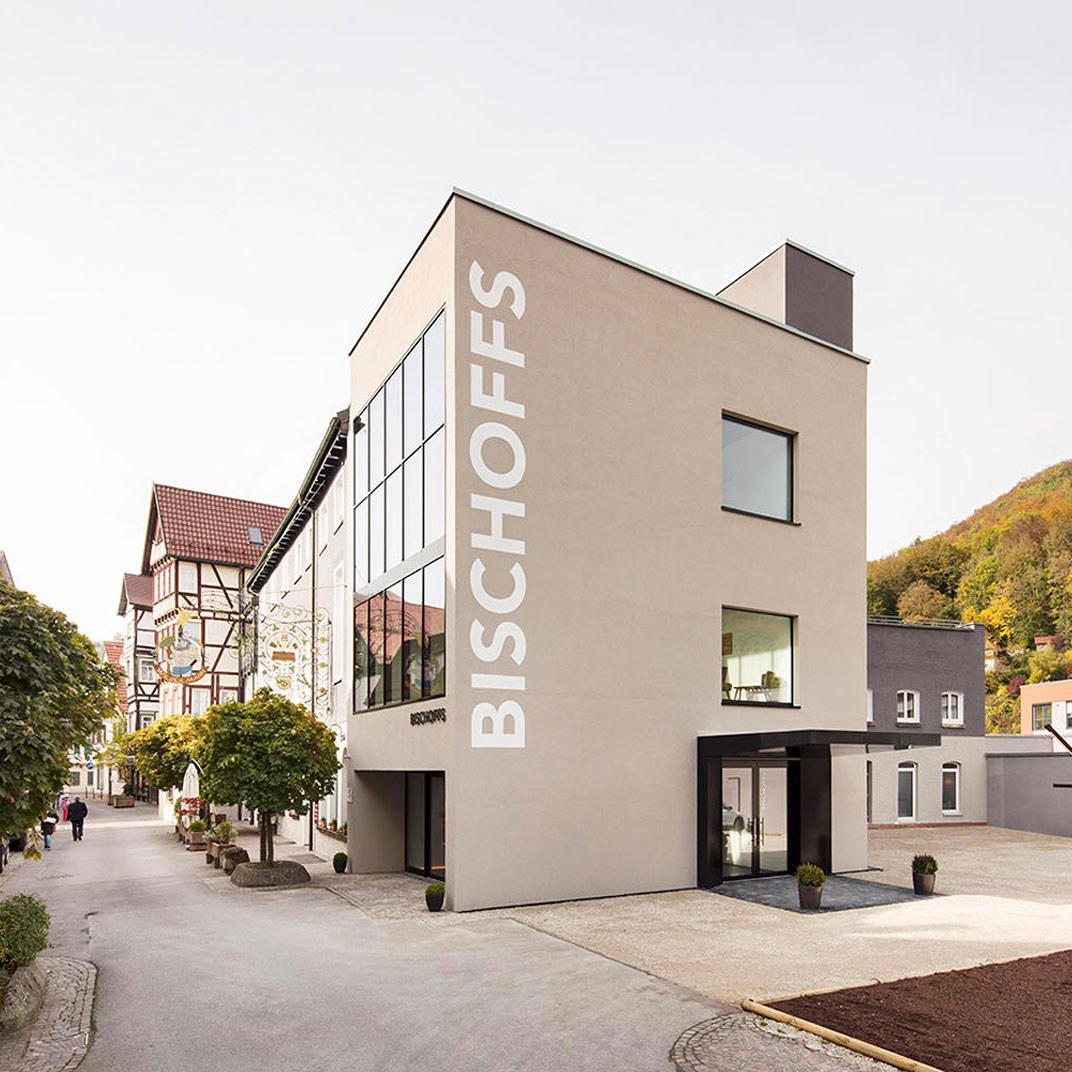
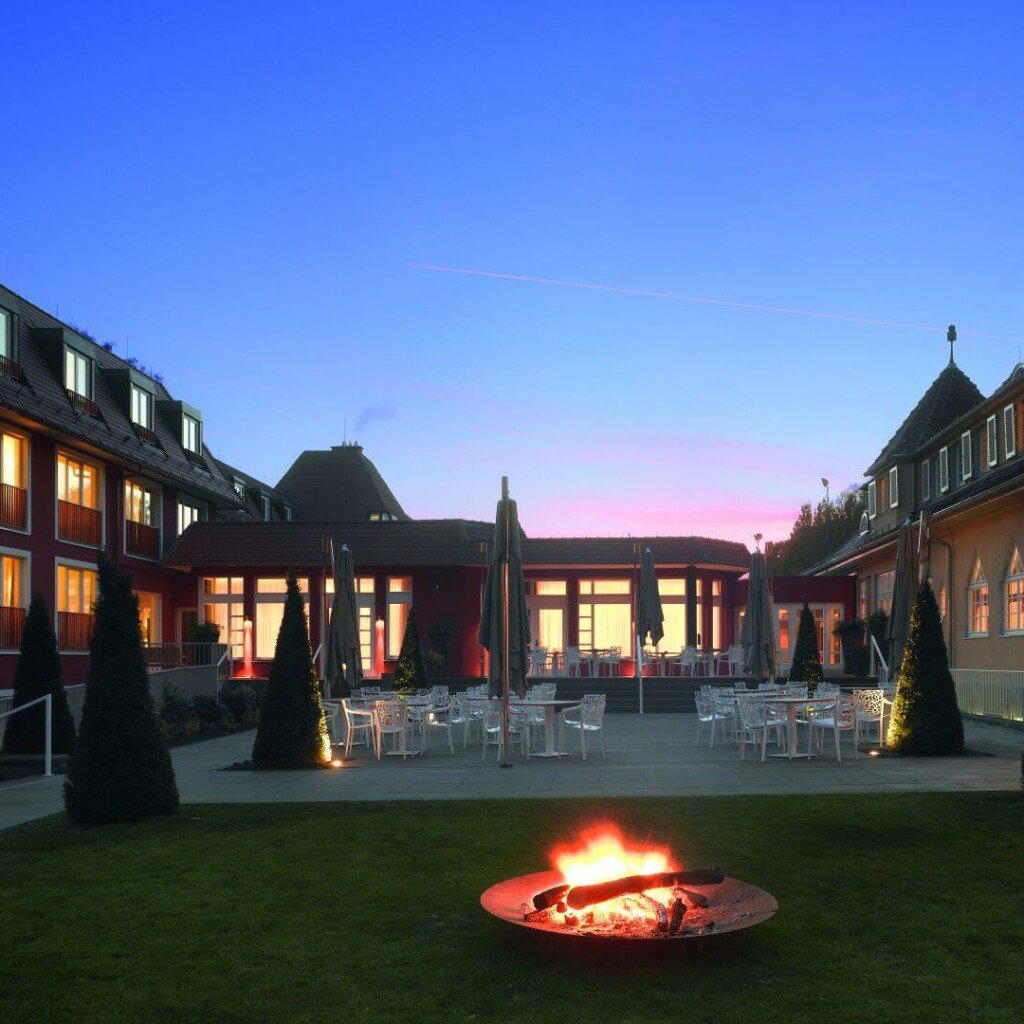
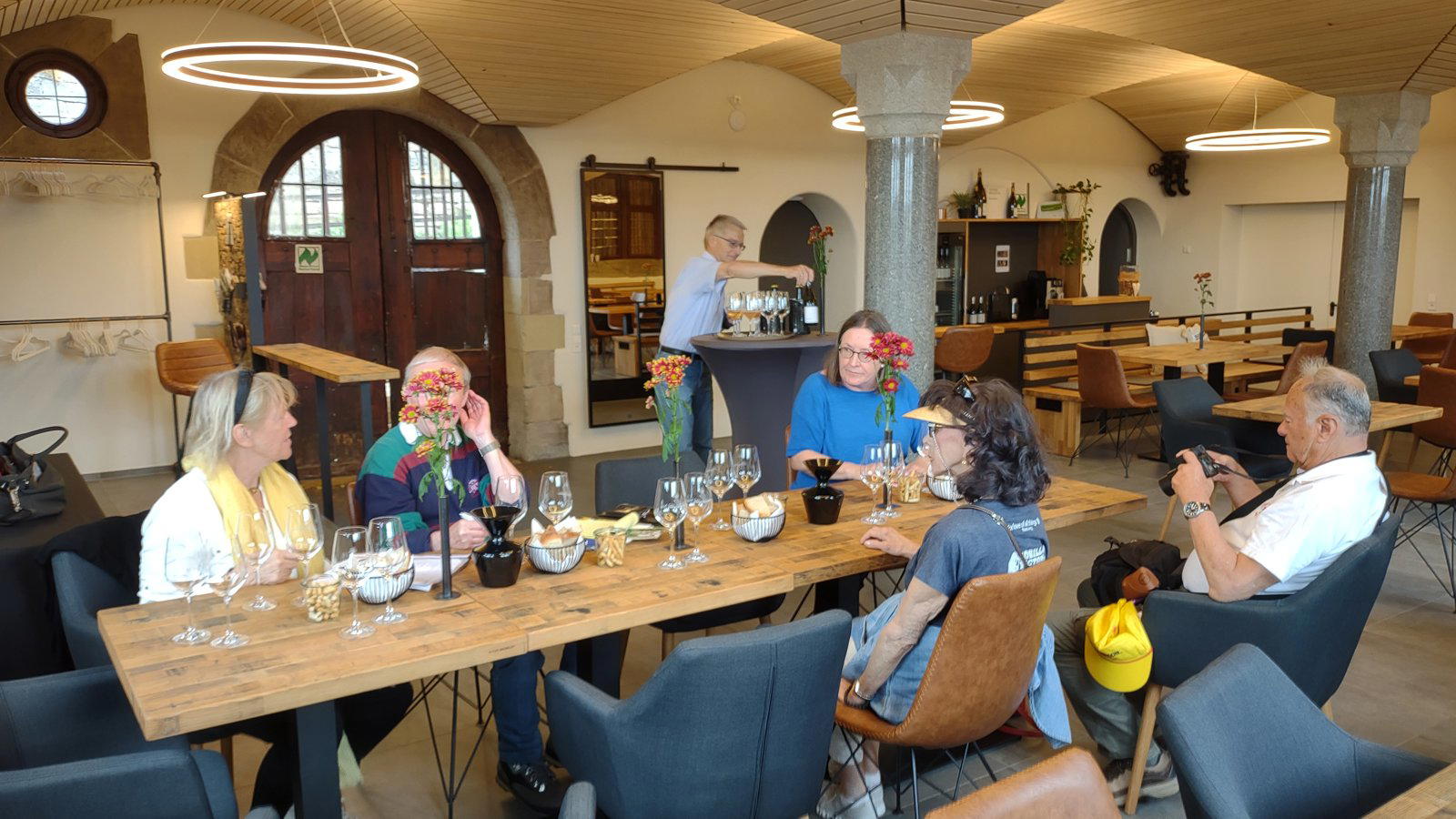
Timbered warmth blended with modern lines, creating a gemütlich yet polished atmosphere.