Zum Gogosch

Michelin Plate
Our verdict
Zum Gogosch sits in Donnerskirchen, a small Burgenland village on the western shore of Lake Neusiedl, where the region's wine and agricultural traditions run deep. The address, Seehof 1, places it at the edge of the lake itself, within a landscape that has shaped local cooking for centuries. For visitors exploring Austria's quieter dining corridor east of Vienna, it warrants attention alongside the better-known names in the region.

Pearl is the En Primeur Club membership app, where members save venues, book tables and use the concierge.

The menu
What to order
- Venison carpaccio
- Wild cheese sausage
- Baked schnitzel
- Organic Angus beef steak
Where Burgenland's Larder Meets the Lake
The western shore of Lake Neusiedl operates as one of Austria's least-discussed agricultural corridors. The steppe lake, Central Europe's largest, and a UNESCO World Heritage site since 2001, creates a microclimate that supports viticulture, fishing, and market gardening within a compact radius. Donnerskirchen sits on that shore, a village of roughly 1,800 people whose surroundings produce the raw materials that define the cooking of this corner of Burgenland. Zum Gogosch, addressed at Seehof 1, occupies a position on the lake's edge that places it squarely inside this supply chain rather than at a remove from it.
The broader context matters here. Austrian regional cooking, particularly in Burgenland, has always been defined less by technique than by proximity to what the land and water produce. Lake Neusiedl yields pike-perch and catfish that have anchored local menus for generations. The surrounding Pannonian plain delivers paprika, goose, and game. The wine villages strung along the lake's western bank, including Donnerskirchen itself, produce Blaufränkisch and Welschriesling that pair with local food in ways imported bottles rarely replicate. Venues that understand this geography cook differently from those that import their identity along with their produce.
The Ingredient Geography of the Neusiedlersee Region
To understand what eating in this part of Burgenland can mean, it helps to map the sourcing distances involved. The lake's reed beds shelter waterfowl. The wetland margins support wild herbs. The vineyards begin almost immediately as the ground rises from the shore. In this sense, Donnerskirchen functions less like a destination village and more like a natural crossroads between water, field, and vine, a configuration that serious kitchens in the region have historically used to their advantage.
The pattern holds across comparable venues in Austria's rural dining scene. Taubenkobel in Schützen am Gebirge, roughly ten kilometres south along the same ridge of Leithagebirge hills, has built its reputation explicitly on Burgenland sourcing, foraging, fermentation, and close relationships with regional producers. That kind of hyper-local framework has become the dominant editorial lens through which serious Austrian country cooking is assessed, and it applies equally to what Donnerskirchen's dining scene can offer at its better addresses.
Further afield in Austria's ingredient-led dining tier, Döllerer in Golling an der Salzach has made alpine sourcing its identity anchor, while Kräuterreich by Vitus Winkler in Sankt Veit im Pongau centres its menu on cultivated and foraged herbs with a rigour that matches any metropolitan kitchen. The common thread across these venues is a sourcing philosophy that treats geography as a non-negotiable creative constraint rather than a marketing footnote.
Positioning Zum Gogosch in the Regional Dining Context
Donnerskirchen itself sits below the Leithagebirge, the low hills that separate the Neusiedlersee basin from the Vienna Basin to the northwest. The village is reachable from Vienna in under an hour by car, closer, in driving time, than many well-known Austrian restaurant destinations. The rural scale of the address means Zum Gogosch operates within a dining category that values unhurried service rhythms and a cooking approach tied to seasonal availability rather than year-round consistency.
That positioning places it in a peer group distinct from the major-city fine-dining operations. Steirereck im Stadtpark in Vienna draws on Austrian regional produce but delivers it within a metropolitan format that serves several hundred covers a day. Country addresses in Burgenland work at smaller scale and with less institutional infrastructure, which affects everything from reservation availability to menu flexibility. The trade-off is directness: shorter distances between producer and plate, and a kitchen that responds to what's available this week rather than what was planned three months ago.
Within Austria's broader rural fine-dining map, comparable addresses worth knowing include Landhaus Bacher in Mautern an der Donau in the Wachau wine region and Obauer in Werfen south of Salzburg, both of which have sustained reputations for regional cooking anchored in local sourcing over decades. Atelier Fischer in Sankt Gilgen represents a newer entry in the same category. These venues suggest what the leading rural Austrian addresses achieve when geography is treated as the primary creative brief.
The Lake as a Culinary Reference Point
Lake Neusiedl's cooking traditions are specific enough to constitute their own register. Freshwater fish preparation here follows Central European rather than Mediterranean conventions: poaching, smoking, and pan-frying with local fats rather than olive oil, accompanied by root vegetables and vinegar-dressed salads that reflect the Pannonian-Hungarian culinary overlap. Goose fat, sour cream, and dried paprika from the Hungarian plain directly east all appear in traditional Burgenland cooking in ways that distinguish the region from the more Alpine-influenced kitchens of Salzburg or Tyrol.
Venues like Ikarus in Salzburg and Gourmetrestaurant Tannenhof in Sankt Anton am Arlberg operate within an Alpine idiom where game, dairy, and mountain herbs dominate. Burgenland addresses like Zum Gogosch work with a different pantry altogether, one shaped by flatland agriculture and a lake ecosystem rather than altitude. That distinction is not a hierarchy but a genuine regional difference worth understanding before you visit.
Planning a Visit to Donnerskirchen
Donnerskirchen is leading reached by car from Vienna, the A2 and then regional roads put the village within a comfortable day-trip range. The Burgenland wine road runs directly through the area, which makes combining a meal at Zum Gogosch with visits to local producers a practical itinerary rather than an afterthought. The village itself has limited accommodation, so most visitors arrive from Vienna or from nearby Eisenstadt, the Burgenland capital roughly fifteen kilometres to the north. Given the volume of tourism the Neusiedlersee region draws in summer and early autumn, when the lake is at its most active and the harvest season begins, booking ahead is advisable for any serious address in the area.
Visitors building a wider Austrian dining itinerary should also consider Griggeler Stuba in Lech, Stüva in Ischgl, Schwarzer Adler in Hall in Tirol, Ois in Neufelden, Restaurant 141 by Joachim Jaud in Mieming, and Artis in Graz, each representing a distinct regional register. Our full Donnerskirchen restaurants guide provides additional context for the local dining scene. For reference points at the international level, Le Bernardin in New York City and Atomix in New York City illustrate how ingredient provenance shapes elite dining in entirely different culinary traditions.
Frequently asked questions
Is Zum Gogosch good for families?
Donnerskirchen is a small village on Lake Neusiedl's western shore, and Zum Gogosch's address at Seehof 1 places it close to the lake itself, a setting that tends to suit unhurried meals with children. The regional Burgenland cooking tradition here draws on straightforward local produce rather than technically elaborate tasting menus, which makes the format accessible across age groups. Confirm current arrangements directly with the venue before visiting.
What kind of setting is Zum Gogosch?
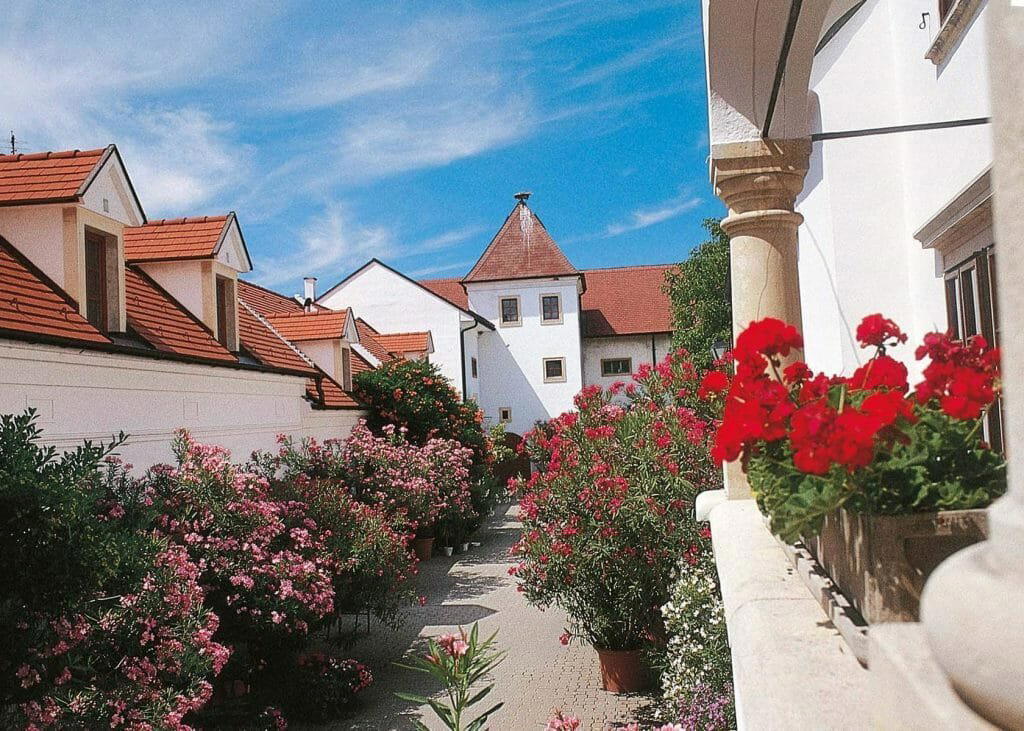
The address, Seehof 1, Donnerskirchen, puts the restaurant at the lake edge of a village that sits below the Leithagebirge hills, with the Neusiedlersee reed beds nearby. This part of Burgenland is agricultural and quiet rather than resort-oriented, so the atmosphere reflects the working landscape around it rather than tourist infrastructure. Expect a regional Austrian house rather than a polished urban dining room.
Is Zum Gogosch a good base for exploring the Neusiedlersee wine region?
Donnerskirchen lies within Burgenland's Neusiedlersee DAC wine zone, one of Austria's most productive appellations for Zweigelt and Blaufränkisch, with several producers operating within the village and along the western shore. Seehof 1 places Zum Gogosch in the centre of this corridor, making it a practical stop when moving between wineries on the lake's western flank. The combination of regional food and local wine access is the clearest argument for building a visit around this address.
What's the signature dish at Zum Gogosch?
Dishes in this regional register typically feature waterfowl, carp, and locally grown vegetables in preparations rooted in Central European technique. check the venue's official channels for current menu information.
In Context: Similar Options
Comparable venues nearby, for context on price, style, and recognition.
| Venue | Cuisine | Price | Awards | Notes |
|---|---|---|---|---|
| Zum GogoschThis venue (the venue you are viewing) | Regional Austrian with Seasonal Focus | $20–30 | Michelin Plate | Not listed |
| Amterl | Austrian Fusion Grill | $20–30 | Not listed | Baden city center |
| Café Restaurant GRENADIER | Traditional Austrian Castle Dining | $20–30 | Not listed | Forchtenstein |
| Hemmers | Authentic Austrian & South Tyrolean | $20–30 | Not listed | Wien-Mitte |
| Gwölb | Traditional Austrian Gastropub | Not listed | Not listed | Hauptplatz |
| Heiligenkreuzerkeller | Traditional Austrian | Not listed | Not listed | Winden am See |
Recognition history
Dated appearances from independent guides and award organizations, with the underlying list record or original source where available.
Michelin Plate
Michelin
Continue exploring
More in Donnerskirchen
Restaurants in Donnerskirchen
All restaurants in Donnerskirchen →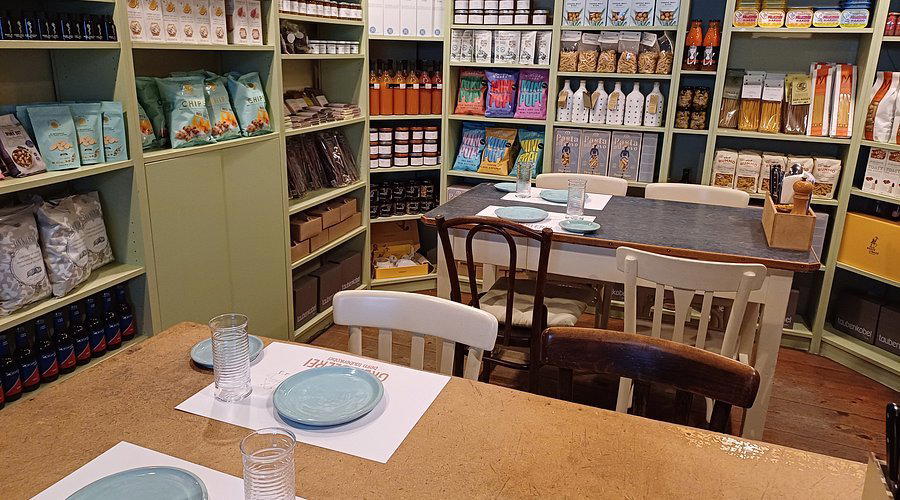
Bars in Donnerskirchen
Browse all →
Hotels in Donnerskirchen
Browse all →

Details
- Rustic
- Cozy
- Scenic
- Family
- Casual Hangout
- Terrace
- Farm To Table
- Local Sourcing
- Organic
- Vineyard
- A La Carte
- Set Menu
- Vegetarian Friendly
Current opening hours
- Monday
- 11:30 AM–7 PM
- Tuesday
- 11:30 AM–7 PM
- Wednesday
- 11:30 AM–7 PM
- Thursday
- 11:30 AM–7 PM
- Friday
- 11:30 AM–10:30 PM
- Saturday
- 11:30 AM–10:30 PM
- Sunday
- 11:30 AM–7 PM
Hours can change for holidays and private events. Hours as of .
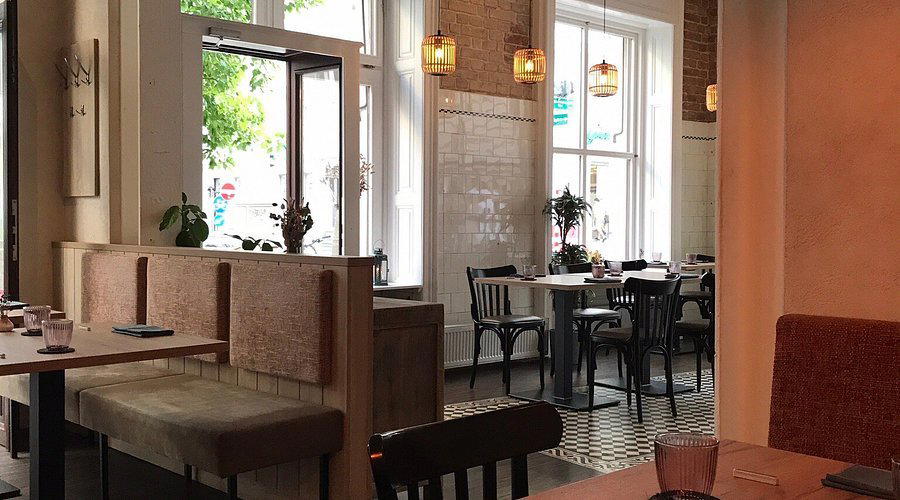
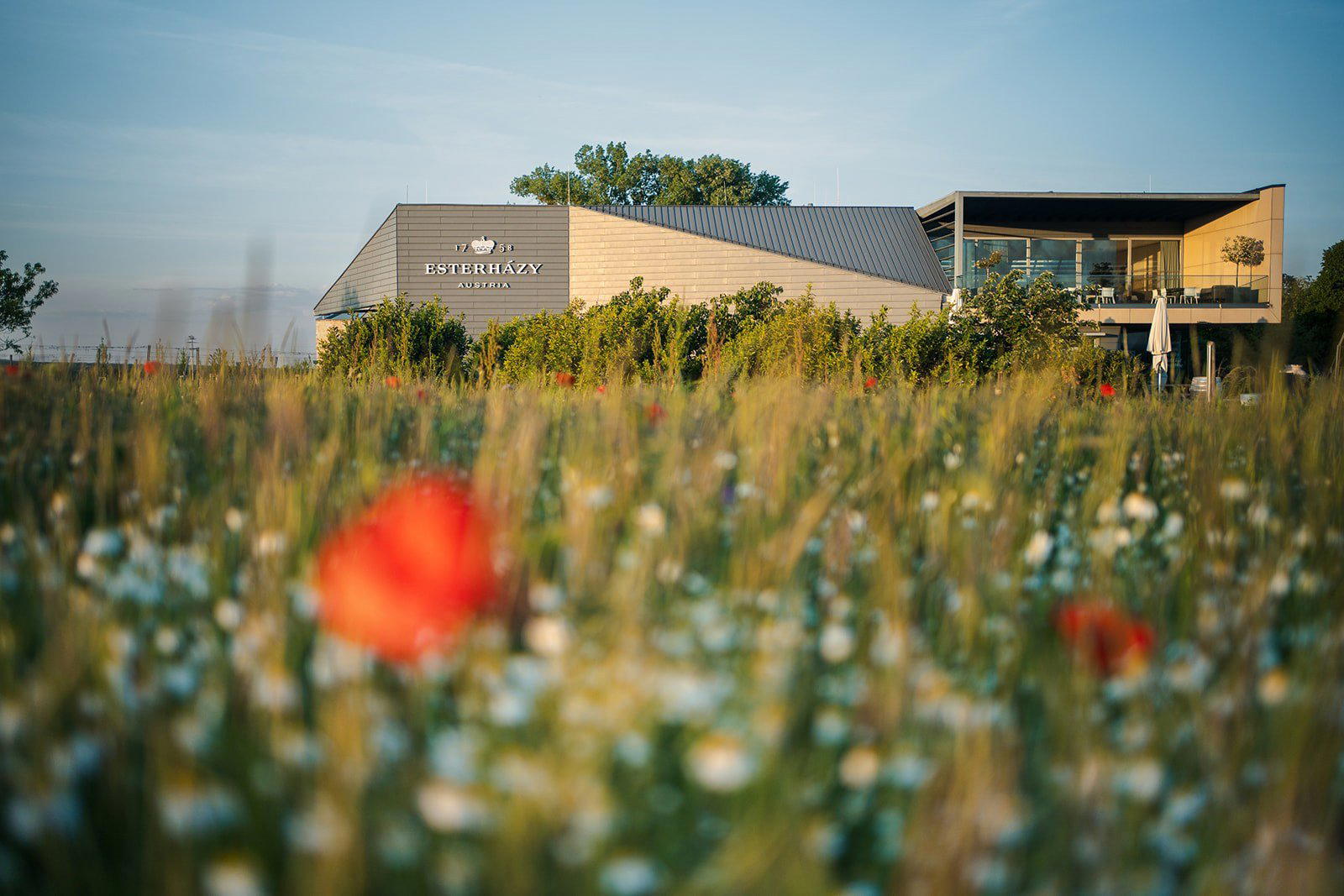
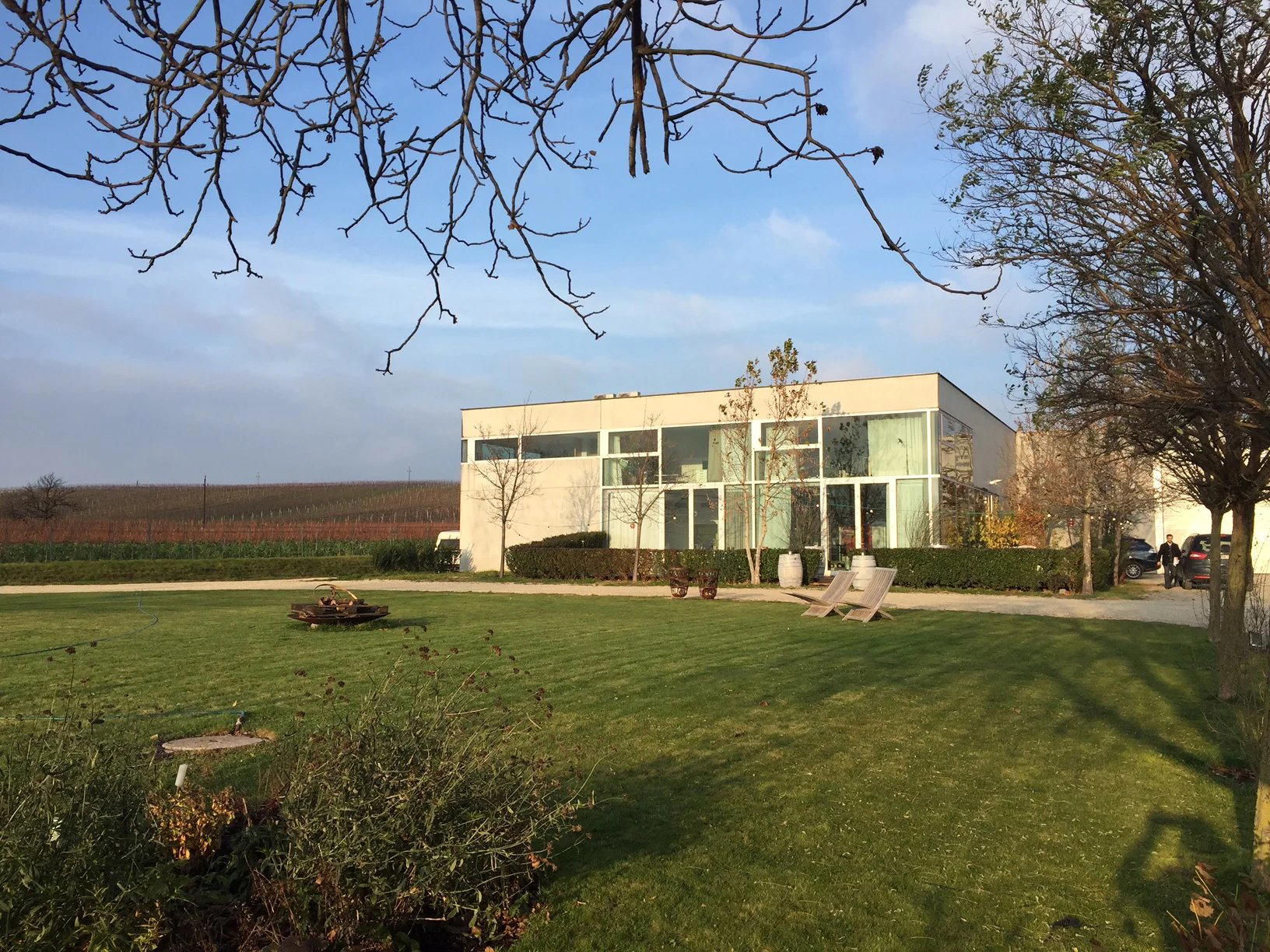
High-ceilinged former stable with reed beams, huge windows, tables spaced apart for nice ambience, and a wonderful terrace.