Our verdict
Konoba Ronilac sits on the waterfront of Krapanj, a small island off the Šibenik coast accessible by a short ferry crossing. The konoba format here reflects the Dalmatian tradition of unfussy, sea-to-table cooking in a setting where the catch and the view share equal billing. For summer visitors working through Šibenik's dining scene, it represents the quieter, more local end of the coastal spectrum.

Pearl is the En Primeur Club membership app, where members save venues, book tables and use the concierge.
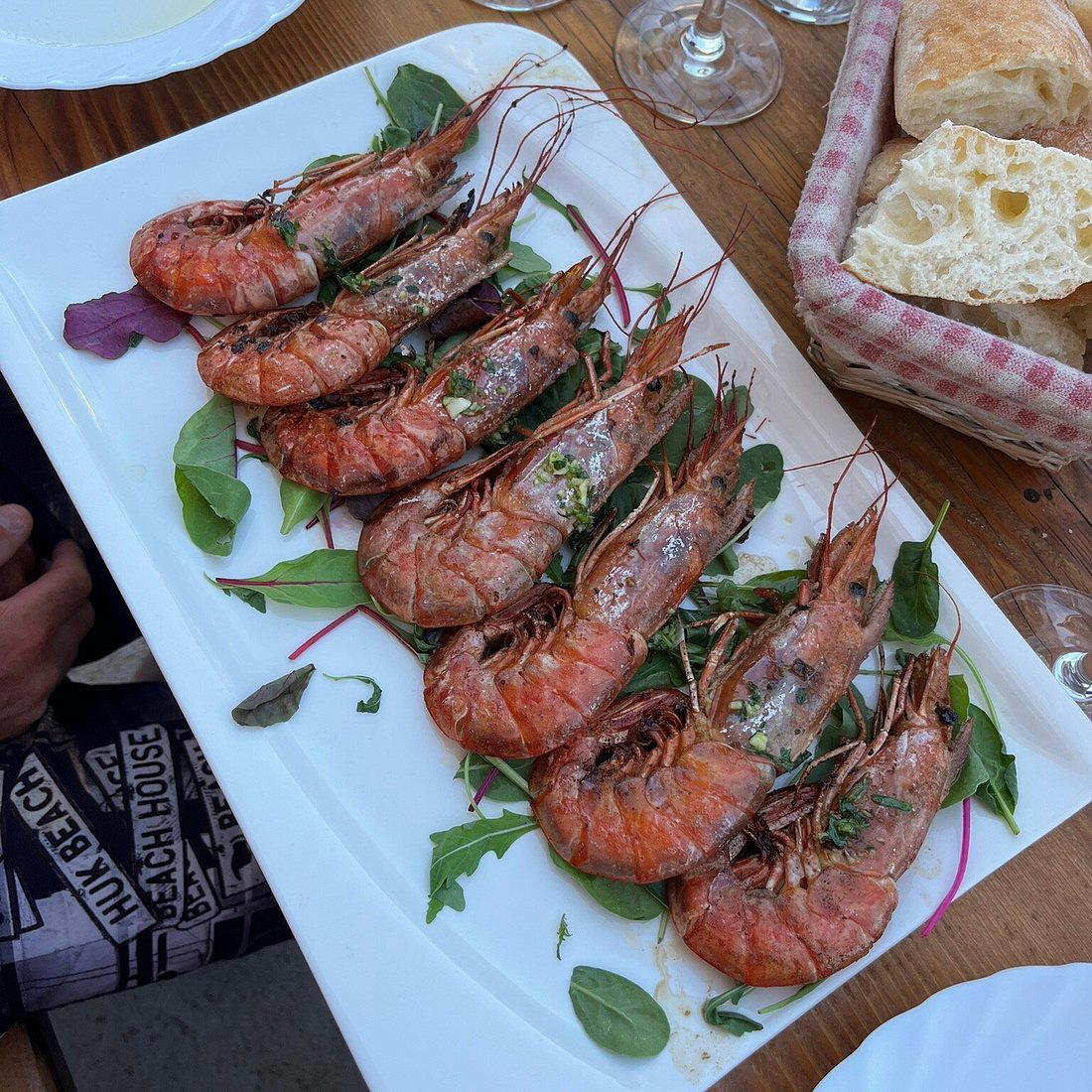
The menu
What to order
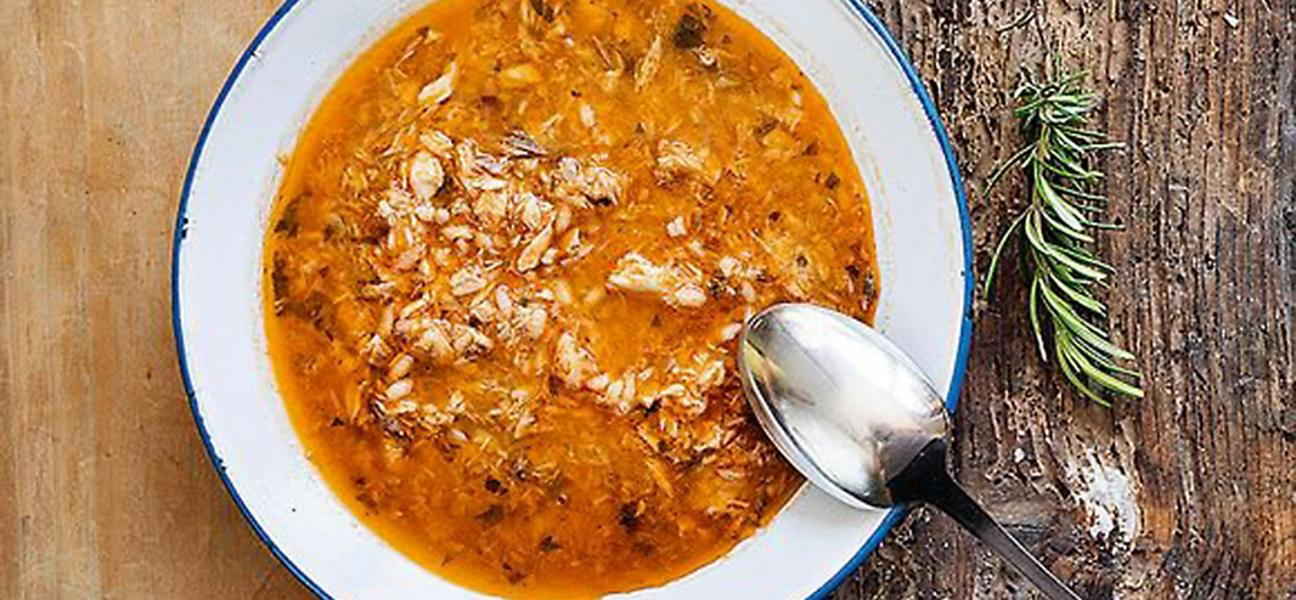
- Grilled prawns
- Fried calamari
- Mussels
- Sardines
- Black risotto
- Fritto misto
Krapanj and the Konoba at the Water's Edge
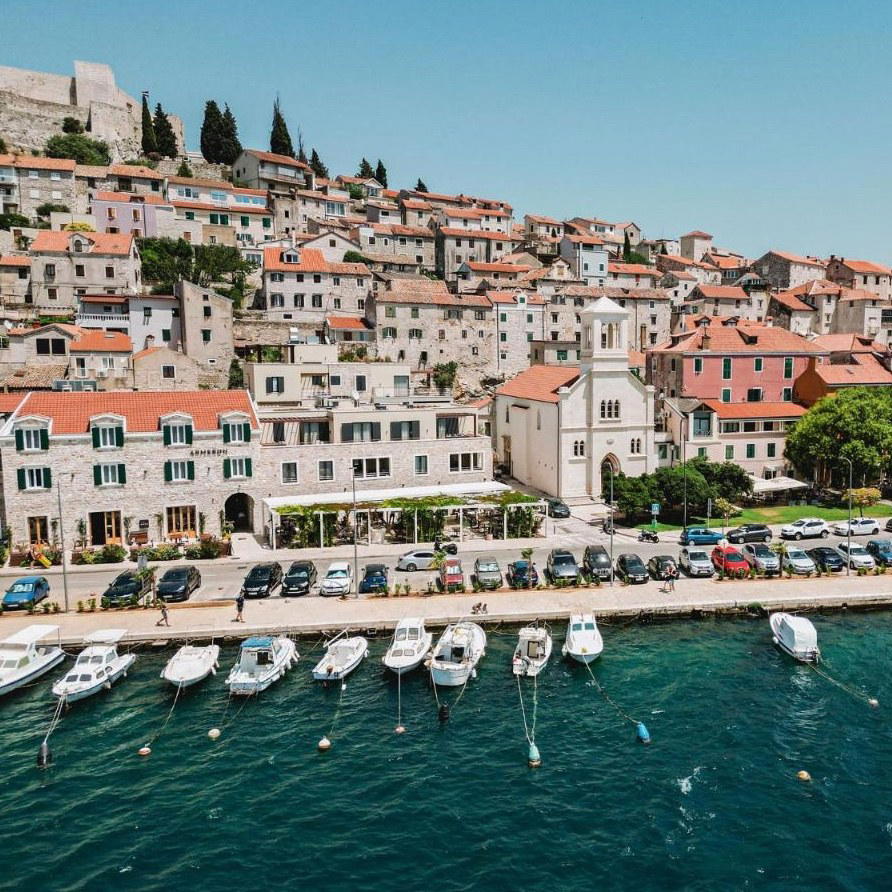
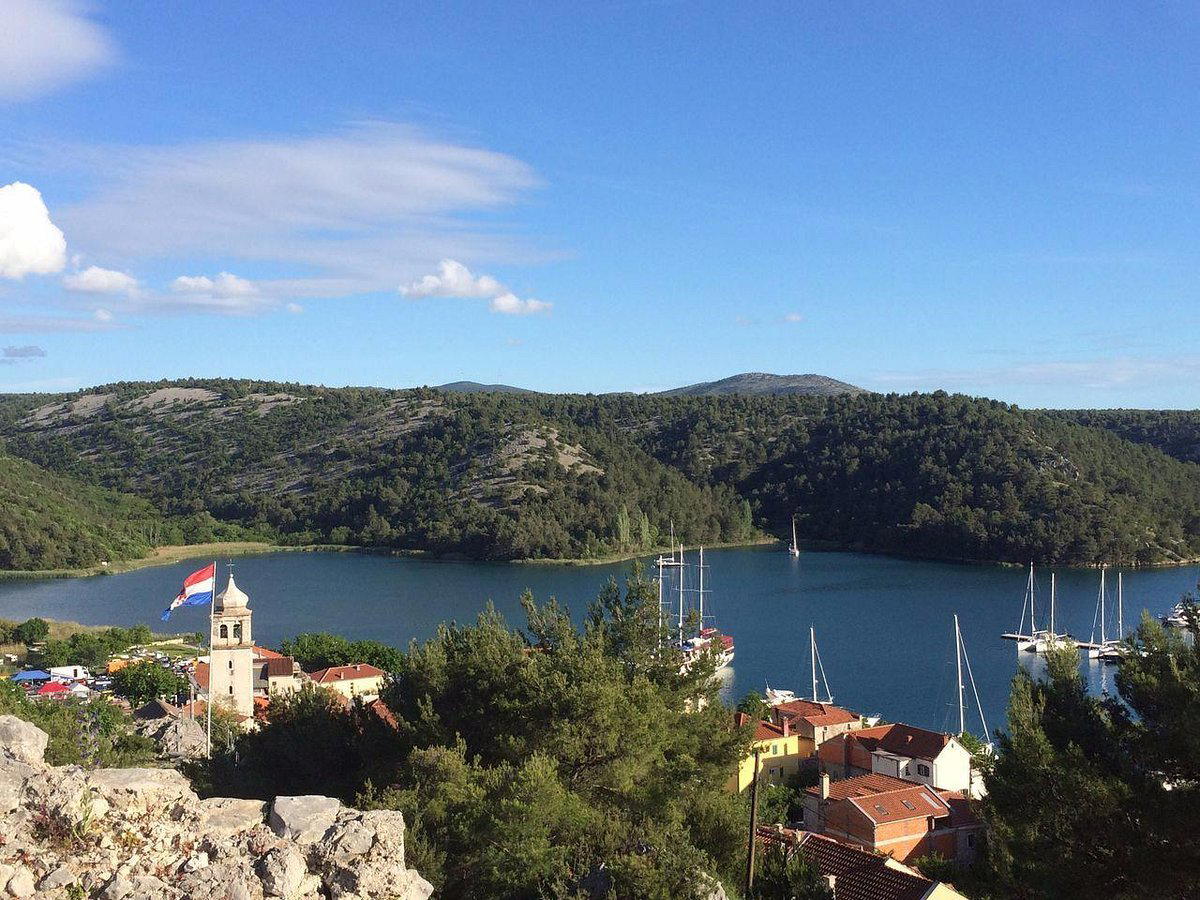
The approach to Krapanj sets the register before you sit down. This is one of Croatia's smallest and lowest-lying inhabited islands, reachable from the Šibenik riviera by a ferry crossing that takes roughly five minutes and costs little more than a coffee on the mainland. The island has no cars, no resort infrastructure, and a population that has historically made its living from the sea, primarily through sponge diving, a tradition that once made Krapanj one of the more economically active points along this stretch of the Adriatic. Konoba Ronilac sits on the waterfront promenade at Obala Maratuša 1, which is to say it sits at the edge of the island itself, with the water close enough that the sounds of the harbour carry through any meal.
That physical context is not incidental. The konoba format, as it operates across Dalmatia, depends on proximity: to the fishing boats, to the local suppliers, to the rhythm of a place where what arrives on the table reflects what arrived in the harbour earlier that day. Krapanj, with its working character and near-total absence of tourist infrastructure beyond the ferry pier, keeps that relationship intact in a way that the busier Šibenik waterfront restaurants cannot fully replicate.
The Dalmatian Konoba Tradition
A konoba is a category, not just a word for a restaurant. The term historically referred to a cellar or storage space, and the format evolved from tavern-style eating in fishing and farming communities along the Croatian coast. At its most authentic, a konoba operates without a fixed tasting menu architecture, without sourcing narratives printed on card stock, and without the price tier that separates modern Adriatic fine dining from the kind of eating that preceded it. The cooking is direct: grilled fish, crustaceans, slow-braised meats, local olive oil, wine from the nearest cooperative or producer. Technique is not the point. Ingredient quality and timing are.
That tradition sits in deliberate contrast to the direction Šibenik's higher-end dining has taken in recent years. Pelegrini, the city's most recognised restaurant, operates in the modern Mediterranean register with a format and price point that places it in a different competitive tier entirely. Bronzin and Il-palazzo Galbiani occupy their own positions within the city's mid-to-upper dining spectrum. Konoba Ronilac does not compete in that space. It operates in the register of places like Konoba Marenda and Marenda 2, where the draw is the unmediated quality of local seafood and the specific atmosphere of eating beside the water in a working coastal settlement.
Eating on Krapanj: What the Setting Produces
The sensory experience of eating on Krapanj is shaped less by any individual kitchen decision and more by the conditions the island imposes. The air carries salt. The light in summer, particularly in the late afternoon, flattens the water into something close to pewter before it shifts again at dusk. The dining tables at waterfront konobas on islands this scale are close enough to the edge that you are, effectively, eating at the harbour. There is no designed atmosphere to speak of, which is itself a kind of atmosphere, one that takes years of tourism development to accidentally recreate and that smaller, lower-profile islands like Krapanj preserve by virtue of remaining largely outside the main visitor circuit.
Across Dalmatia's broader restaurant scene, this kind of setting has become harder to find as coastal development accelerates. The islands and towns that attract high summer traffic gradually develop a hospitality layer that filters the rawness of the environment. Krapanj, with its limited accommodation and the mild inconvenience of the ferry, keeps a larger share of day visitors moving through quickly, which preserves something of the pace and character that makes a meal there feel different from the same grilled fish eaten on the Šibenik riva.
Croatia's Coastal Dining in Wider Context
Within Croatia's broader fine dining and serious casual spectrum, the konoba format occupies a specific and respected position. At the high end of Croatian coastal cooking, restaurants like Agli Amici Rovinj in Istria, LD Restaurant in Korčula, and Restaurant 360 in Dubrovnik define one end of the range. Boskinac in Novalja and Alfred Keller in Mali Lošinj show how island settings have accommodated more formal dining formats. Inland, Dubravkin Put in Zagreb and Korak in Jastrebarsko operate in a different culinary register altogether. What the konoba offers is none of that. It is the baseline of Croatian coastal eating, and that baseline, when the location and sourcing align, is not a lesser category. Visitors arriving from dining cultures where technique and innovation define quality sometimes need a recalibration: on a fishing island in the Šibenik archipelago, the quality signal is freshness and place, not complexity.
For readers who track seafood-focused cooking across different scales, the gap between a place like Le Bernardin in New York and a Dalmatian waterfront konoba is not a quality gap so much as a philosophical one. The ambition of the former is to transform and perfect; the ambition of the latter is to not interfere with what the sea already produced that morning.
Planning a Visit
Krapanj is accessible year-round, but the experience is most coherent between late May and early October, when the ferry runs frequently and the waterfront is open to the kind of outdoor dining the setting demands. The island is a practical half-day addition for anyone based in Šibenik or along the Primošten coast, and pairs naturally with time spent in Šibenik's wider restaurant scene. For those building a coastal Croatia itinerary that also includes Krug in Split, Nebo by Deni Srdoč in Rijeka, or BioMania Bistro Bol, Krapanj offers a different register, one that anchors rather than competes with the more structured dining on the itinerary. Given the island's scale and the informal nature of the konoba format, reservations are advisable in peak summer, when the small number of tables fills quickly on weekends and public holidays. Arriving early in the evening, as the light changes over the channel, makes the most of what the setting offers.
Frequently asked questions
What part of town is Konoba Ronilac in?
Konoba Ronilac is located at Obala Maratuša 1, 22000, Krapanj, Croatia, Sibenik.
How do you get to Konoba Ronilac on Krapanj island from Sibenik?
Krapanj sits just off the mainland near Šibenik and is one of the closest inhabited islands to the Croatian coast, the ferry crossing from Brodarica takes only a few minutes. The konoba is located at Obala Maratuša 1, directly on the island's waterfront, so it's within easy walking distance of where the ferry docks. Frequency depends on season, with more regular crossings between late spring and early autumn.
What's the must-try dish at Konoba Ronilac?
That said, Krapanj has historically been a sponge-diving island, and konobas along this stretch of the Dalmatian coast typically draw from whatever the local boats bring in, shellfish, fresh-caught white fish, and simply prepared seafood are the format's anchors. Ask the staff what arrived that morning; that question will get you further than any printed menu.
Do I need a reservation for Konoba Ronilac?
Given that Krapanj is a small island with limited dining options and that the peak window runs roughly late May through early October, arriving without a reservation during high season carries real risk. If you can reach the island ahead of a planned visit, asking in person remains the most reliable approach.
Peers in This Market
Comparable venues nearby, for context on price, style, and recognition.
| Venue | Cuisine | Price | Notes |
|---|---|---|---|
| Konoba RonilacThis venue (the venue you are viewing) | Croatian Coastal Seafood | $10–20 | Not listed |
| Sedmo nebo | Authentic Dalmatian Seafood | Not listed | Kaprije (Otok Kakan) |
| Marenda 2 | Traditional Dalmatian Home Cooking | $20–30 | Historical Center |
| Il-palazzo Galbiani | Modern Croatian Seafood & Mediterranean | $30–50 | Sibenik Old Town |
| Pjat | Dalmatian Mediterranean Grill | Not listed | Šibenik riva |
| Konoba Marenda | Traditional Dalmatian | $10–20 | historical center |
Continue exploring
More in Sibenik
Restaurants in Sibenik
All restaurants in Sibenik →
Bars in Sibenik
All bars in Sibenik →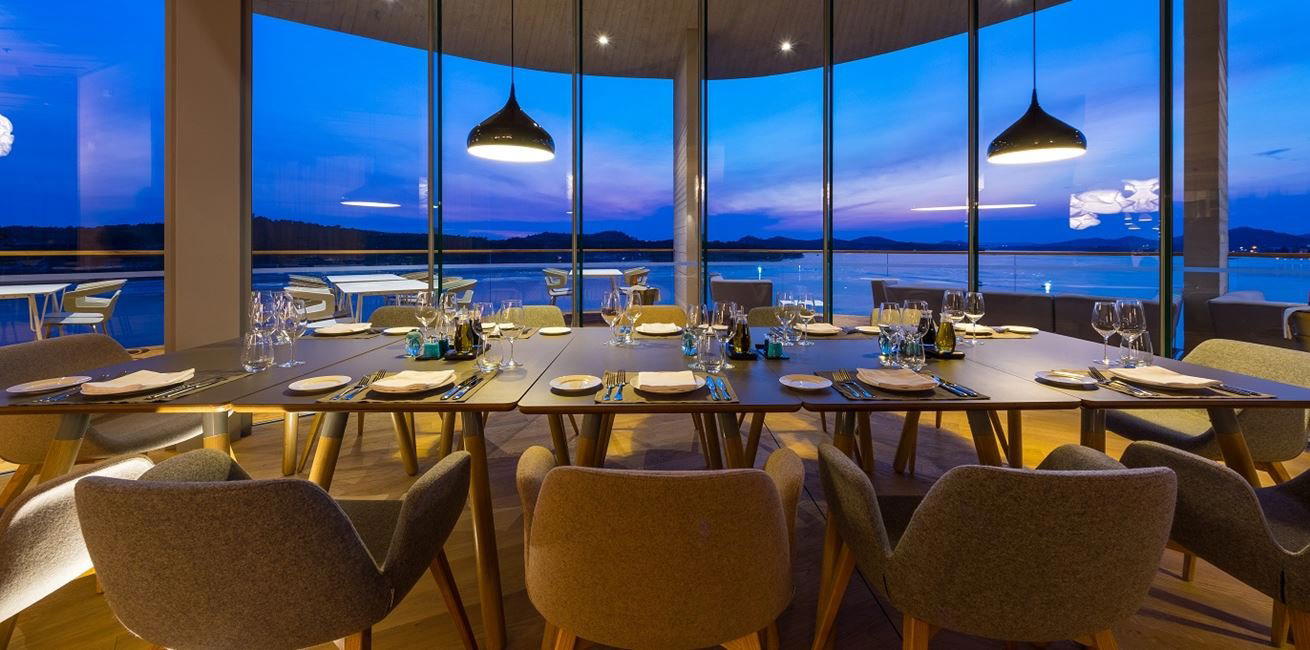

Details
- Cozy
- Rustic
- Scenic
- Family
- Casual Hangout
- Group Dining
- Waterfront
- Terrace
- Beer Program
- Local Sourcing
- Sustainable Seafood
- Waterfront
- A La Carte
- Family Style
- Local Beer
- White Wine
- Vegetarian Friendly
- Pescatarian Friendly
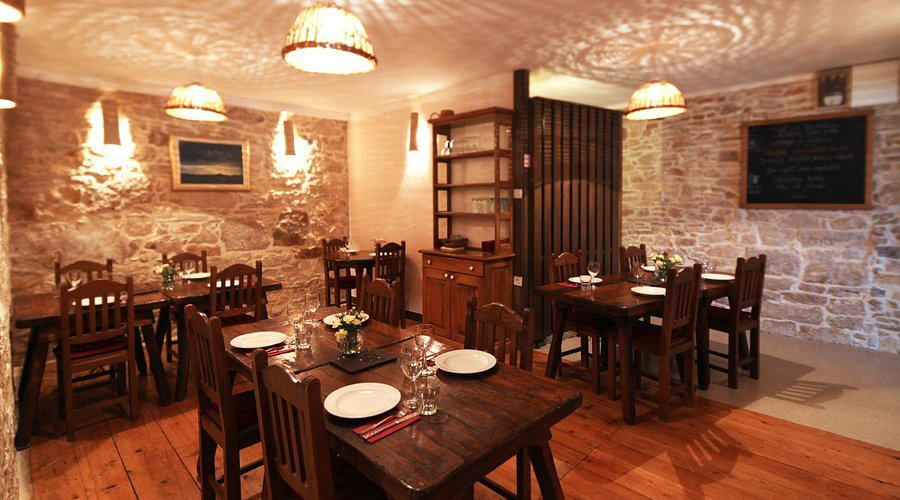
Cosy and unpretentious with simple wooden furnishings, natural lighting from the waterfront location, and a relaxed seaside atmosphere that feels authentically local.