Our verdict
On Šibenik's waterfront promenade, Bronzin occupies a stretch of Dalmatian coastline where the city's appetite for local seafood and Adriatic produce plays out in a setting shaped by stone and sea air. The restaurant draws on the sourcing traditions common to Croatia's central Dalmatian coast, where the distance between catch and plate is measured in hours rather than days.

Pearl is the En Primeur Club membership app, where members save venues, book tables and use the concierge.
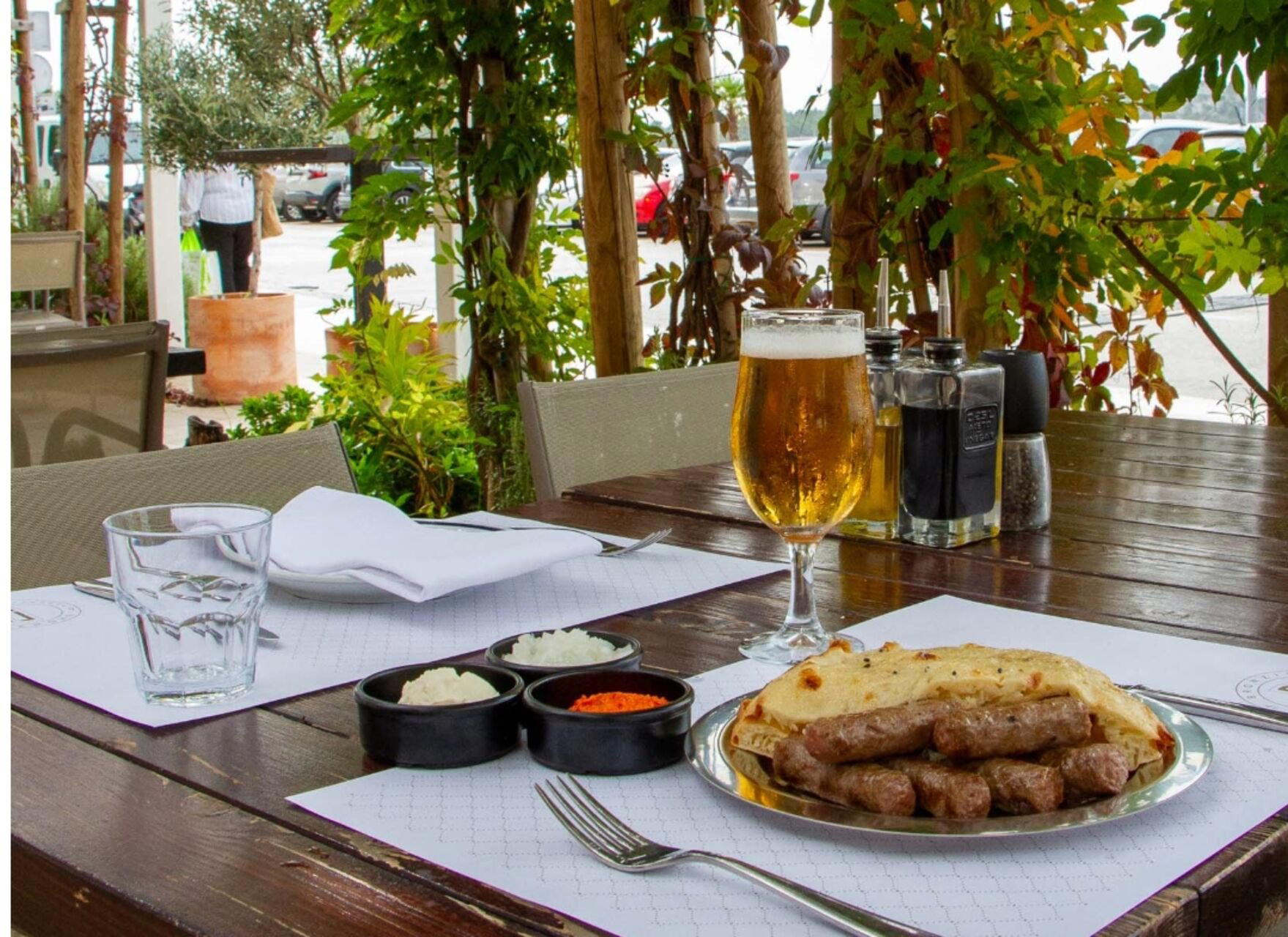
The menu
What to order
- Peka octopus
- Veal under the bell
- Cevapi
Where Dalmatia's Sourcing Traditions Come Ashore
Šibenik sits between Split and Zadar in a stretch of central Dalmatia that does not trade on international name recognition the way its neighbours do, and that relative obscurity has preserved something useful: a dining culture still anchored to what the surrounding water and land actually produce. The Krka River estuary, the islands of the Šibenik archipelago, and the karst hinterland collectively define what ends up on plates here. Bronzin, at Obala palih omladinaca 5b on the city's waterfront promenade, is positioned in the middle of that geography, which matters more than it might appear.
Croatia's Adriatic coast has seen significant restaurant development over the past decade, with properties in Dubrovnik and Rovinj attracting international press and Michelin attention. Restaurant 360 in Dubrovnik and Agli Amici Rovinj in Rovinj represent the formal, award-bearing end of that spectrum. Šibenik has followed a quieter trajectory, building a dining identity around konoba-style directness and proximity to primary ingredients rather than ambitious tasting menus. Bronzin's waterfront address places it squarely within that pattern.
The Adriatic Sourcing Chain and Why It Shapes the Plate
Central Dalmatia's culinary character is inseparable from its supply chain. The Šibenik archipelago, comprising more than 240 islands and islets, creates a protected marine environment where shellfish, white fish, and cephalopods are drawn from waters with relatively limited industrial fishing pressure compared with larger Adriatic ports. What this produces, in practical terms, is a higher proportion of day-boat catch reaching restaurants on the waterfront strip in good condition.
The tradition of sourcing locally in this part of Croatia is not a marketing position, it is an operational default shaped by geography and longstanding supplier relationships between fishing communities and the restaurants they supply. That same logic extends inland: the Dalmatian hinterland, sometimes called Zagora, contributes lamb, cured meats, and seasonal produce that appear alongside seafood in the region's characteristic mixed tables. Bronzin's waterfront positioning suggests it operates within this sourcing framework, drawing from both the sea directly in front of it and the agricultural belt behind the coastal range.
This dual-source approach is worth understanding as a framework for the entire Šibenik dining scene. Restaurants here, from the Konoba Marenda and Konoba Ronilac end of the market to the more formal Pelegrini, which holds Michelin recognition, tend to prioritise ingredient provenance over elaborate technique. The question for any waterfront address in Šibenik is how well it executes that sourcing commitment rather than how far it departs from regional tradition.
The Waterfront Setting and What It Signals
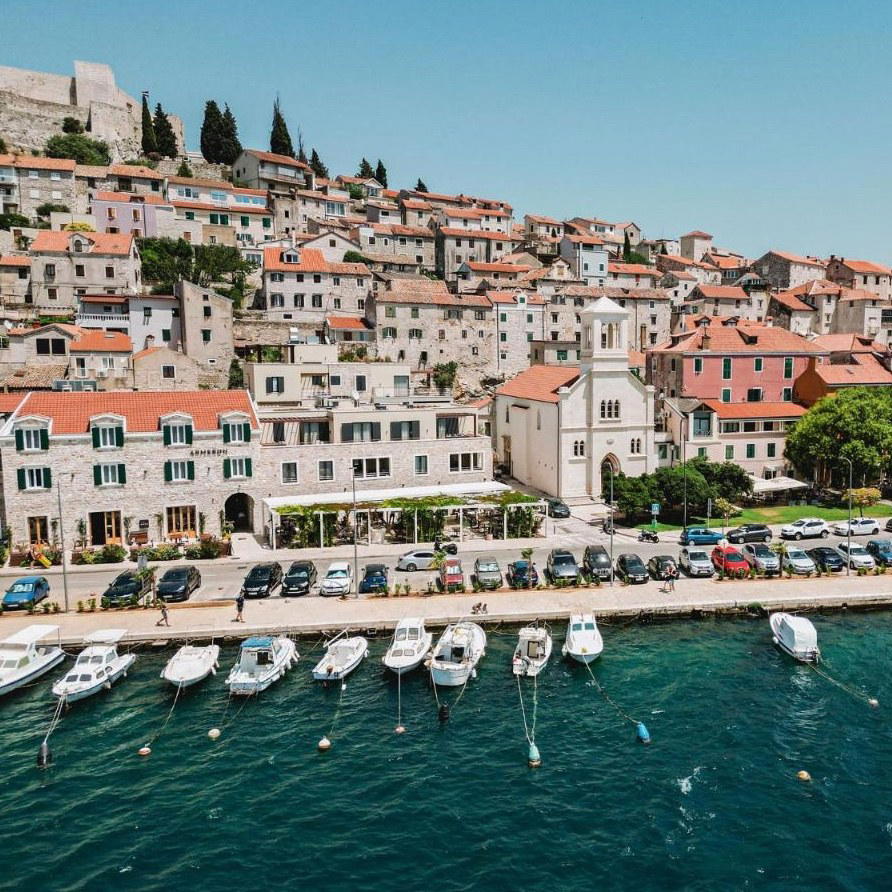
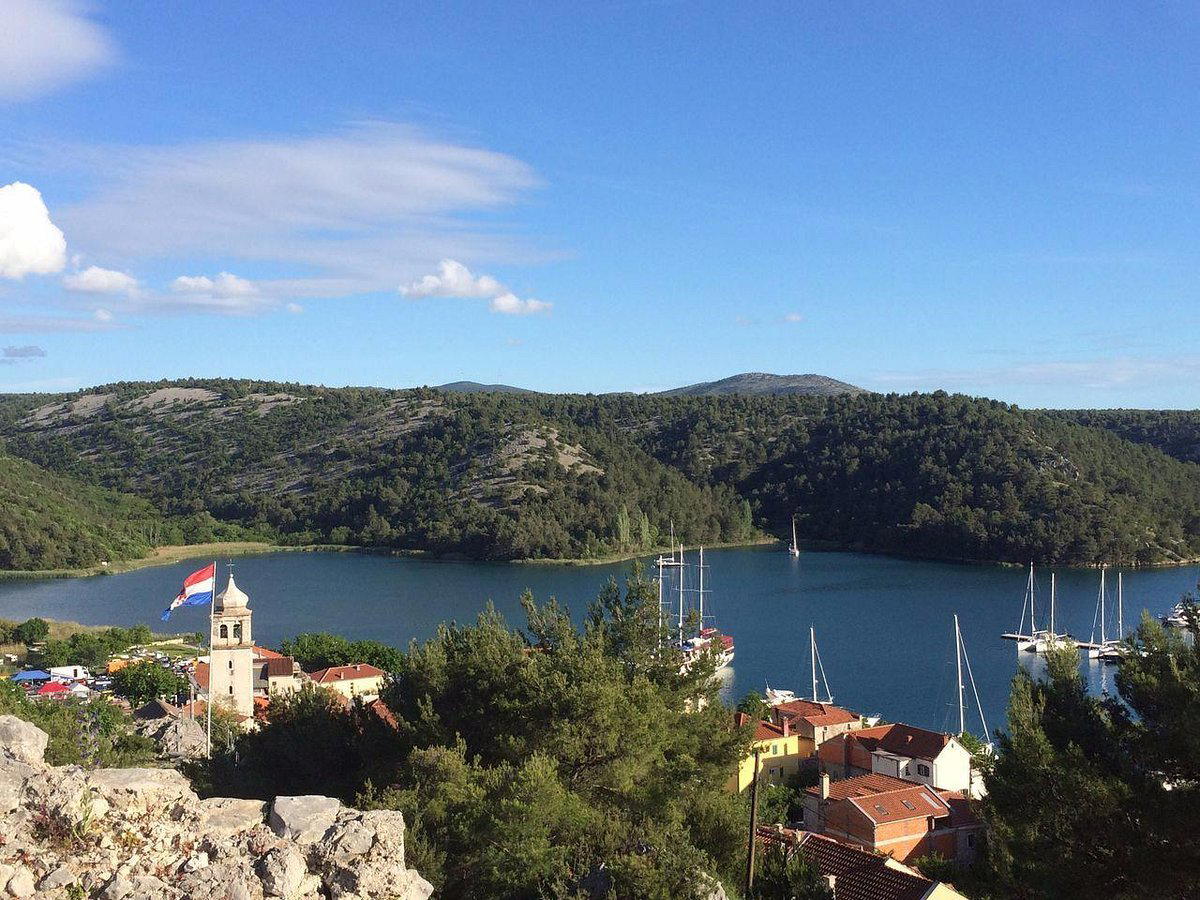
Šibenik's waterfront promenade functions differently from the tourist-facing riva in Split or Zadar. The old city here climbs steeply from the water, with St. James' Cathedral, a UNESCO World Heritage site, visible from the harbour. The promenade itself is a working civic space as much as a visitor amenity, which tends to attract a more mixed clientele than the purely seasonal pedestrian strips of more heavily touristed Dalmatian towns.
A restaurant on this promenade inherits that character. The physical approach, along a stone-paved embankment with open water to one side and the ascending old city to the other, sets a particular frame for what follows inside. In Dalmatian coastal dining more broadly, the relationship between setting and menu is rarely incidental: the sea view tends to track with a seafood-forward offer, and the choice of a waterfront address in a city this size usually reflects a deliberate alignment with the local catch cycle.
Visitors arriving in high season, typically July and August, will find the promenade at its most active. Shoulder season, from May to June and September to October, is when the city's dining scene becomes more legible without the compression of peak tourist traffic. Booking ahead is advisable for any waterfront table during summer months across Šibenik's restaurants, regardless of format.
How Bronzin Sits in Šibenik's Dining Range
Šibenik's restaurant offering spans a wider range than the city's size might suggest. At the formal end, Pelegrini operates with modern Mediterranean ambition and Michelin recognition, positioning Šibenik on the map for the kind of destination dining that draws visitors from Split and beyond. Il-palazzo Galbiani and Marenda 2 occupy different points in the mid-range. Bronzin, on the waterfront promenade, fits the pattern of a Dalmatian coastal restaurant oriented toward the daily catch and the regional table rather than toward tasting-menu formality.
That positioning is not a limitation. The most instructive comparison in the Croatian Adriatic context may be with properties like LD Restaurant in Korčula or Boskinac in Novalja, which demonstrate how seriously the mid-to-upper segment of the Dalmatian dining market takes ingredient sourcing and regional identity even without Michelin-level ambition. Alfred Keller in Mali Lošinj offers another reference point for how Adriatic island sourcing can anchor a serious coastal restaurant offer. Bronzin's waterfront address situates it in comparable territory within the Šibenik context.
For visitors building a broader picture of Croatian coastal dining, the trajectory from Nebo by Deni Srdoč in Rijeka in the north to Krug in Split further south illustrates how consistently the Adriatic sourcing model recurs across formats and price points. Šibenik sits near the geographic midpoint of that range, and Bronzin's position on the promenade makes it a logical stop within any itinerary built around understanding how Dalmatian coastal cooking actually works at street level.
Planning a Visit
Bronzin is located at Obala palih omladinaca 5b in Šibenik, directly on the waterfront promenade. Šibenik is accessible by road from Split, approximately 80 kilometres to the south, and is served by the coastal highway that connects Dalmatia's main towns. The city does not have its own commercial airport; Split Airport is the nearest international entry point. For those combining a visit with broader Croatia dining exploration, Dubravkin Put in Zagreb and San Rocco in Brtonigla represent the inland and Istrian ends of the country's fine dining range, useful for context on how Bronzin's Dalmatian coastal positioning differs from Croatia's other culinary registers. For a full picture of the Šibenik dining scene, our full Šibenik restaurants guide covers the city's range across formats and price points.
Frequently asked questions
Is Bronzin good for families?
Bronzin's waterfront location on Obala palih omladinaca 5b places it along Šibenik's promenade, where the setting is generally relaxed rather than formal. The Dalmatian dining culture in this part of Croatia tends to accommodate mixed-age groups without the rigid atmosphere of tasting-menu-only venues. That said, specific family facilities are not documented, so calling ahead is advisable before arriving with young children.
What's the vibe at Bronzin?
The address on Šibenik's waterfront promenade positions Bronzin in a stretch that functions more as a local gathering point than a tourist riva, giving it a different character from equivalent waterfront seats in Split or Zadar. Šibenik's old city rises steeply from the water behind it, and that geography tends to filter the crowd toward people with a reason to be in the city rather than those passing through on a day trip. The tone reads as relaxed and rooted in the local scene rather than pitched at passing visitors.
How does Bronzin compare to other restaurants in Šibenik?
Šibenik's dining range includes Pelegrini at the formal, modern-Mediterranean end of the spectrum, which gives the city more depth than its size implies. Bronzin's waterfront address on Obala palih omladinaca 5b places it in a different register, closer to the promenade's local dining scene than to the destination-tasting-menu category. For visitors arriving from Split or Zadar, it represents the kind of Šibenik-specific option those cities don't replicate.
What's the best thing to order at Bronzin?
What the setting does signal is proximity to the Šibenik archipelago's supply chain, more than 240 islands and islets feed the local fishing and produce networks in this stretch of central Dalmatia. Dishes drawing on that sourcing geography are the logical focus of any visit.
Where is Bronzin in Sibenik?
Bronzin is located at Obala palih omladinaca 5b, 22000, Šibenik, Croatia, Sibenik.
How It Stacks Up
Comparable venues nearby, for context on price, style, and recognition.
| Venue | Cuisine | Price | Notes |
|---|---|---|---|
| BronzinThis venue (the venue you are viewing) | Traditional Croatian Mediterranean Grill | $20–30 | Not listed |
| Nostalgija | Traditional Dalmatian Seafood | Not listed | Old Town |
| Konoba Marenda | Traditional Dalmatian | $10–20 | historical center |
| Marenda 2 | Traditional Dalmatian Home Cooking | $20–30 | Historical Center |
| Konoba Ronilac | Croatian Coastal Seafood | $10–20 | Krapanj |
| Sedmo nebo | Authentic Dalmatian Seafood | Not listed | Kaprije (Otok Kakan) |
Continue exploring
More in Sibenik
Restaurants in Sibenik
All restaurants in Sibenik →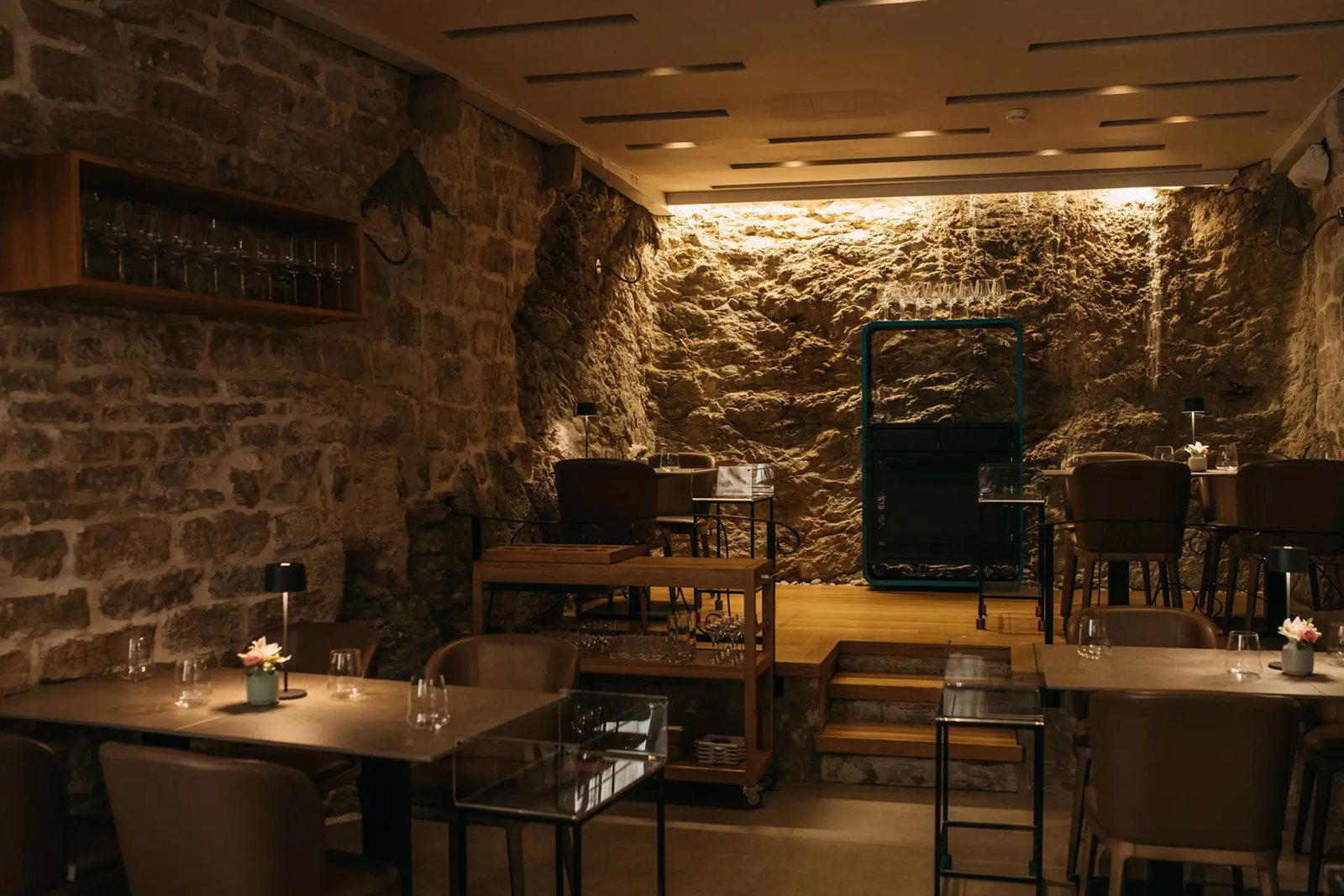
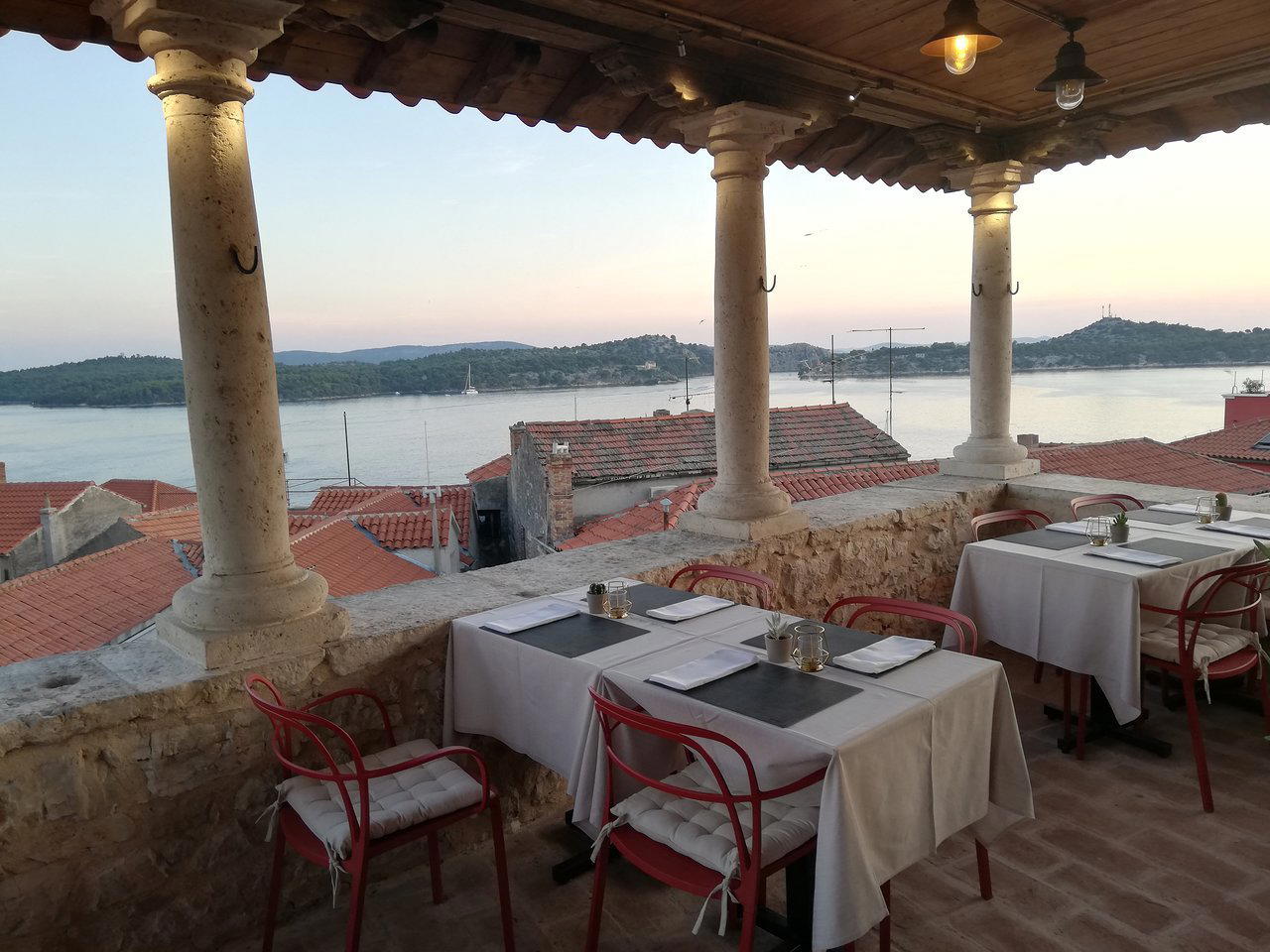

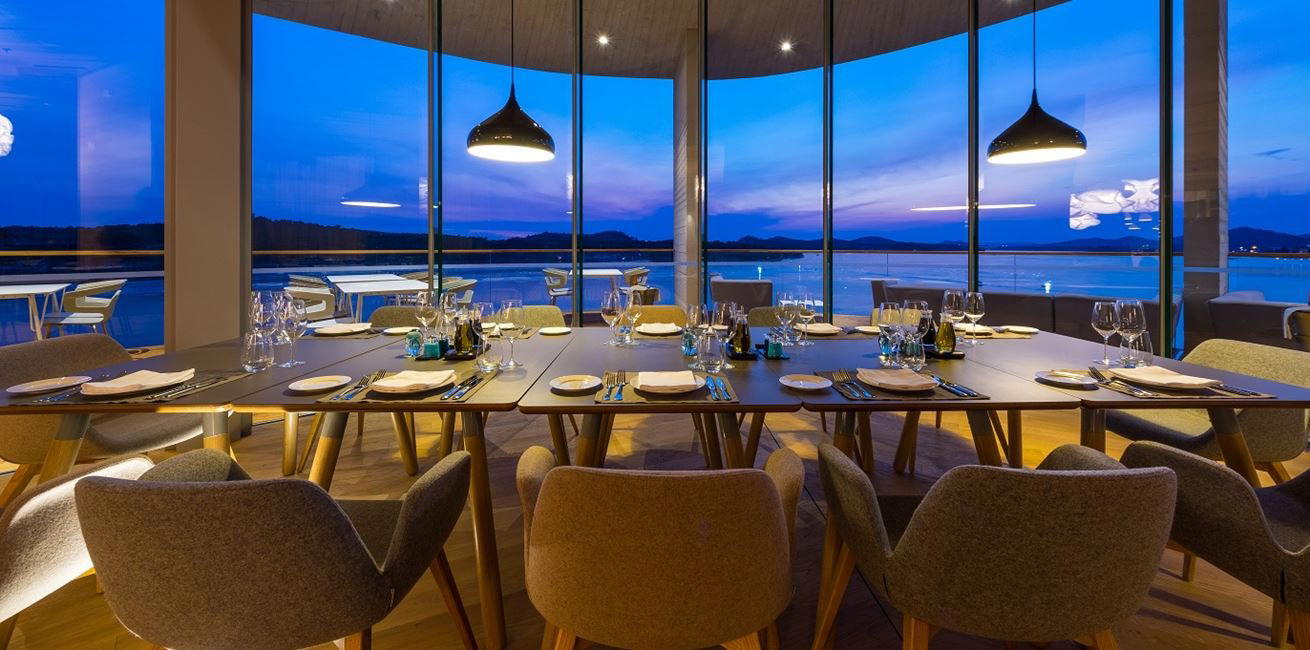
Bars in Sibenik
All bars in Sibenik →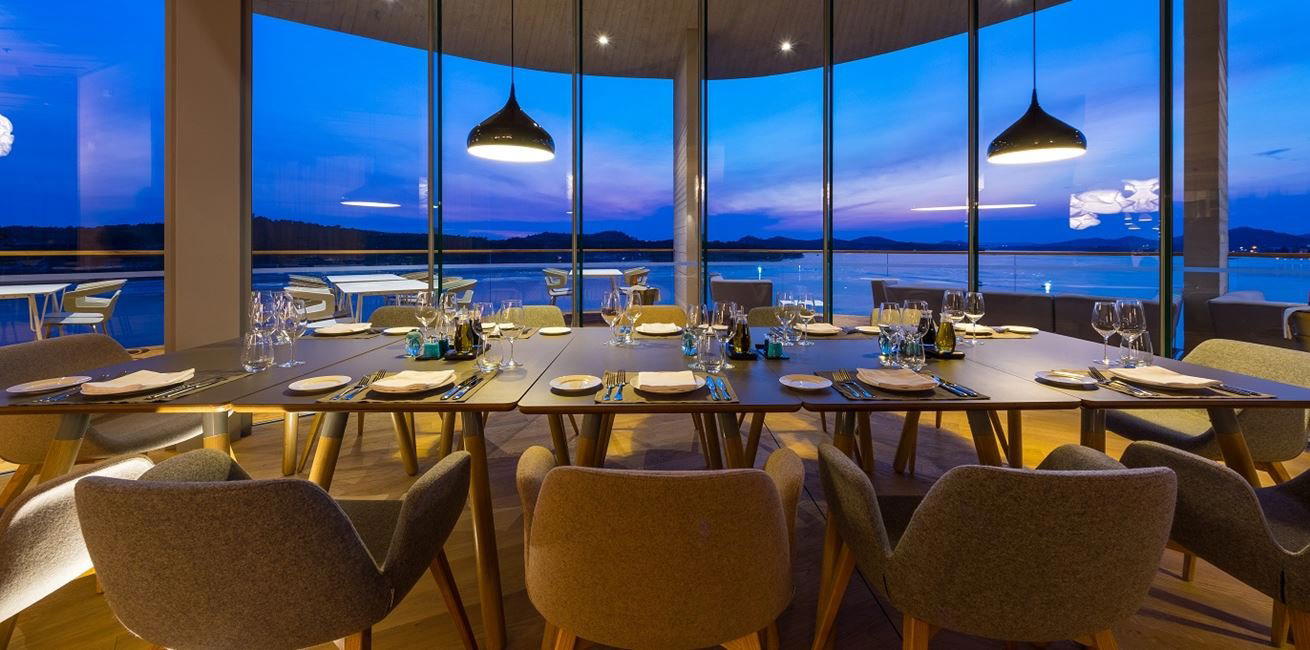

Details
- Modern
- Cozy
- Trendy
- Date Night
- Family
- Casual Hangout
- Waterfront
- Open Kitchen
- Terrace
- Extensive Wine List
- Waterfront
- A La Carte
- Vegan Options
Current opening hours
- Monday
- 12 PM–12 AM
- Tuesday
- 12 PM–12 AM
- Wednesday
- 12 PM–12 AM
- Thursday
- 12 PM–12 AM
- Friday
- 12 PM–12 AM
- Saturday
- 12 PM–12 AM
- Sunday
- 12 PM–12 AM
Hours can change for holidays and private events. Hours as of .
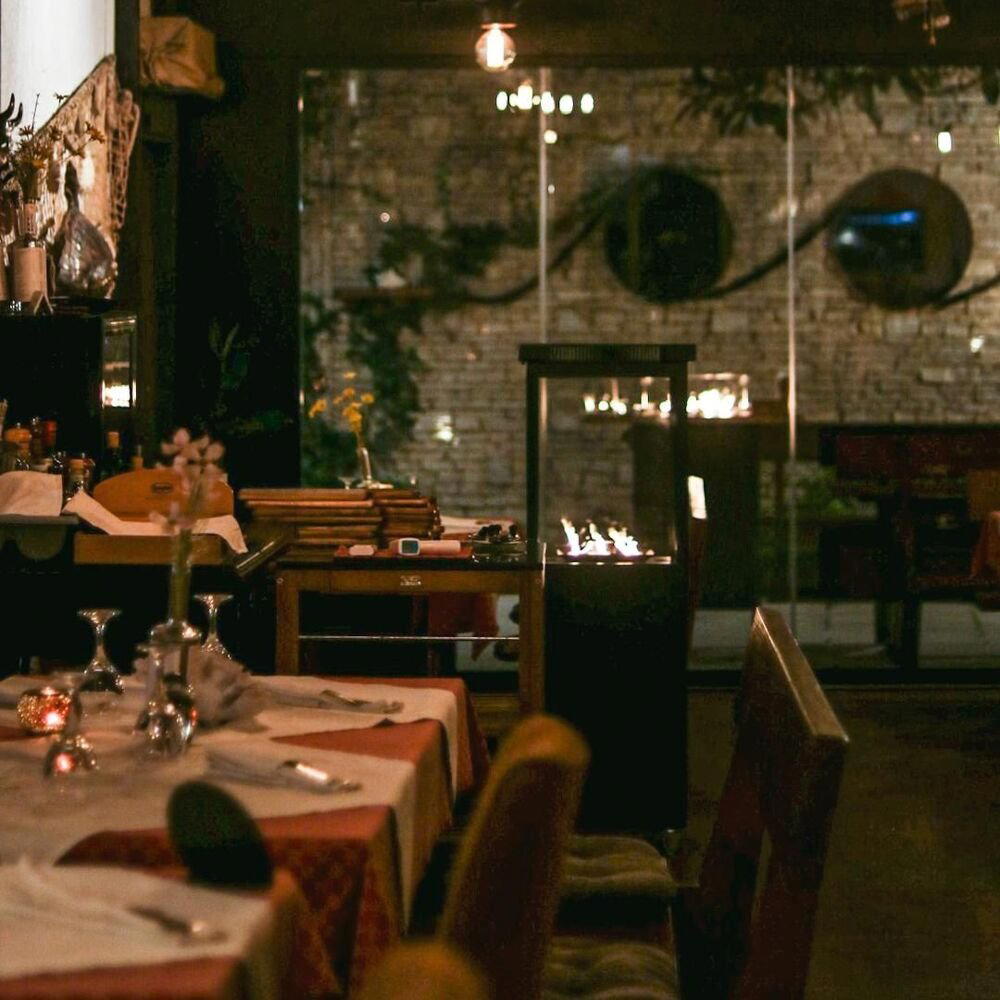
Warm and inviting with a modern, relaxed atmosphere, cozy outdoor terrace by the waterfront.