Mali Ston's centuries-old oyster beds define this corner of the Pelješac peninsula, and Taverna Bota Sare sits directly inside that tradition. The address, Kroz poljke 5, in the shadow of the medieval walls, places it at the source: shellfish pulled from the channel below, served the same day. For anyone tracing Croatia's Adriatic seafood culture back to its point of origin, this is a logical stop.
Pearl is the En Primeur Club membership app — saves, bookings, and concierge access live there. Same editors, same standards.
- Address
- Kroz poljke 5, Mali Ston
- Directions
- Get directions
 Saves & bookings on Pearl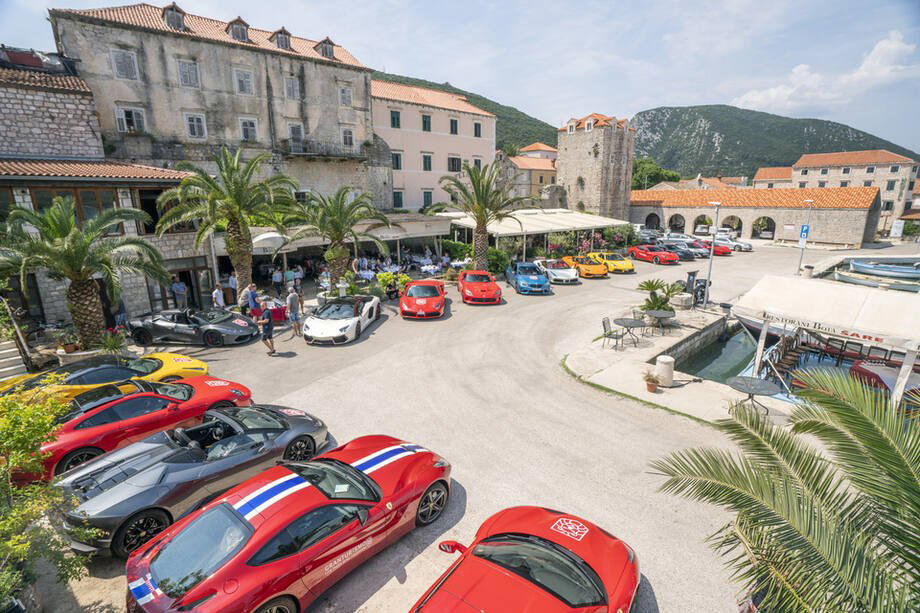
Where the Channel Meets the Table
The Ston channel is one of the cleaner stretches of the Adriatic, fed by nutrient-rich fresh water flowing down from the Pelješac hinterland and mixing with saltwater at a ratio that happens to suit oyster cultivation almost perfectly. That combination has been exploited here since Roman times. The medieval walls of Mali Ston, built to protect the salt pans and the shellfish beds below, still stand, and the oysters are still being pulled from the same water. Taverna Bota Sare, at Kroz poljke 5, sits inside this context rather than adjacent to it. The sourcing is not a marketing detail; it is the defining structural fact of eating here.
Mali Ston occupies a specific tier in Croatia's Adriatic dining geography. It is not Dubrovnik, with its volume-driven restaurant economy and four-star hotel dining rooms like Restaurant 360. It is not Šibenik, where Pelegrini has built a fine-dining operation with significant critical recognition. Mali Ston is something smaller and more singular: a village whose reputation rests almost entirely on the quality of what the channel produces, with tavernas that exist to serve that produce with as little interference as possible. The competitive set here is not modern Mediterranean tasting menus, it is a small cluster of family-run konobas and tavernas where proximity to the source is the differentiating credential.
The Logic of Adriatic Shellfish Sourcing
Croatia's shellfish tradition along the Dalmatian coast follows a simple but demanding logic: the leading product comes from specific microclimates, harvested at the right moment, and served without extended cold-chain interruption. The Ston channel is one cited example on the Croatian Adriatic, the combination of depth, water temperature, and salinity produces oysters with a minerality and salinity balance that differs from both the Limski kanal oysters in Istria and the farmed mussels found widely across Split-Dalmatia. For anyone who has eaten through Croatia's seafood restaurants, the grilled fish at Krug in Split, the coastal menus in Opatija at Cubo, or the island-sourced cooking at LD Restaurant in Korčula, the Ston oyster represents the clearest expression of place-specific Adriatic produce on the coast.
Tavernas in Mali Ston, Bota Sare among them, operate on the premise that this produce requires less intervention than most. The cooking tradition here is conservative by design. Oysters arrive raw or lightly dressed. Mussels appear in brodets or simply steamed. Fish preparations lean toward the grill, olive oil, and local herbs rather than reductive sauces. That restraint is not a limitation, it is the correct answer to the question of what to do with shellfish this fresh. The contrast with higher-intervention Adriatic cooking, such as the contemporary European approach at Agli Amici Rovinj, underlines the point: technique and transformation matter when the base product needs them, and in Mali Ston, it generally does not.
Setting and Arrival
Mali Ston is a small settlement, the kind of place where the walk from the car park to the restaurant is brief and passes the water. The medieval fortifications that run up from the channel are visible from most points in the village, and the scale of the place enforces a certain slowness that works in favour of the taverna format. Arriving in the middle of a Croatian summer afternoon, the shade of a stone-walled terrace and a plate of oysters from the water below is the entire proposition.
Reaching Mali Ston from Dubrovnik takes roughly 50 kilometres along the coastal road through Ston, making it a reasonable half-day drive. From Split, the journey is closer to 130 kilometres, which positions Mali Ston more naturally as a destination rather than a detour. The Pelješac peninsula is also within range of visitors based on Korčula or Hvar. Croatia's broader dining geography, which stretches from Istria's agritourism restaurants, including Boskinac in Novalja on nearby Pag island, down through the Kvarner coast restaurants like Alfred Keller in Mali Lošinj and Nebo by Deni Srdoč in Rijeka, shows a consistent pattern: particularly interesting eating often happens at a slight remove from the main tourist circuits. Mali Ston fits that pattern precisely.
Planning a Visit
The practical reality of eating in Mali Ston is that peak season, July and August, brings significant visitor numbers to what is a small village with limited restaurant capacity. The tavernas here do not have the booking infrastructure of urban fine-dining operations; in-person enquiries or direct contact through local tourism listings are the standard approach, and arriving without a reservation in high summer carries real risk. The shoulder months, May, June, and September, offer a more manageable experience and the same shellfish quality, since the Ston channel's harvest is not subject to the sharp seasonal variations that affect some Atlantic oyster fisheries. Those planning to combine the meal with the medieval wall walk, which runs from Mali Ston up to Ston itself, should factor in the timing: the walls are leading walked in the morning or late afternoon, with the meal anchoring one end of the visit.
Comparable Venues
Comparable venues nearby, for context on price, style, and recognition.
| Venue | Cuisine | Price | Notes |
|---|---|---|---|
| Taverna Bota SareThis venue — the venue you are viewing | Traditional Dalmatian Seafood & Oysters | $$$ | Not listed |
| Gastro Mare | Modern Dalmatian Seafood | $$$ | Kobaš |
| Niko | Traditional Adriatic Seafood | $$$ | Puntamika |
| Konoba Soleta | Traditional Croatian Seafood | $$$ | Kornati Islands National Park |
| Mol | Traditional Croatian Seafood | $$$ | Rovenska |
| Burin | Fresh Seafood and Mediterranean | $$$ | Crikvenica |
Continue exploring
More in Mali Ston
Restaurants in Mali Ston
Browse all →

Bars in Mali Ston
Browse all →


Hotels in Mali Ston
Browse all →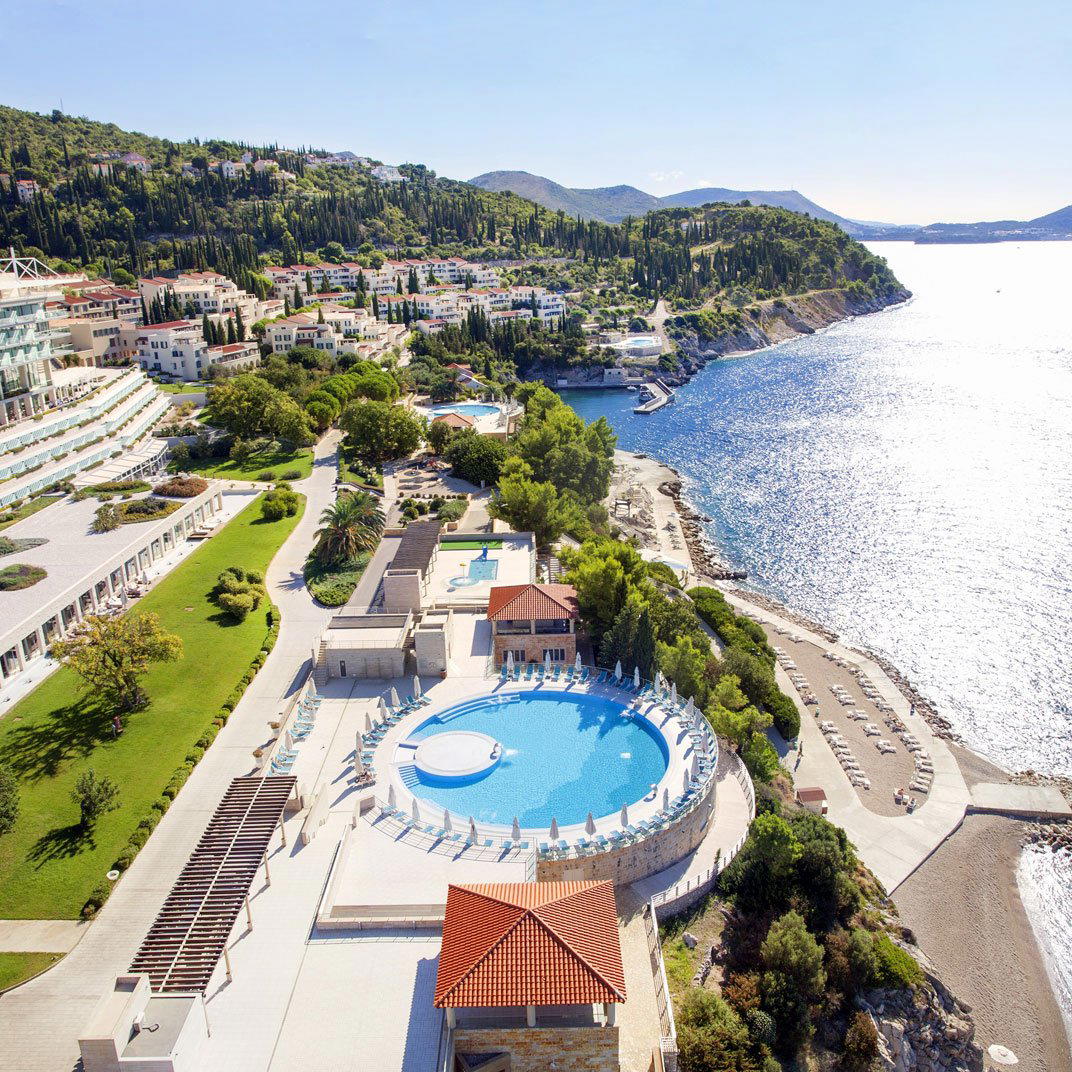


At a Glance
- Rustic
- Scenic
- Historic
- Intimate
- Classic
- Special Occasion
- Date Night
- Waterfront
- Historic Building
- Extensive Wine List
- Local Sourcing
- Sustainable Seafood
- Waterfront
Cozy atmosphere in a stone-walled, two-story arched-ceiling historic building with candlelit illumination evoking old-world Dalmatian charm.