Kornat serves North Dalmatian fine dining seafood on a waterfront terrace with panoramic views, a leisurely pace, and a sommelier-led wine list.
Pearl is the En Primeur Club membership app — saves, bookings, and concierge access live there. Same editors, same standards.
- Address
- Liburnska obala 6, 23000, Zadar, Croatia
- Phone
- +38523254501
- Website
- restaurant-kornat.hr
- Directions
- Get directions
 Saves & bookings on Pearl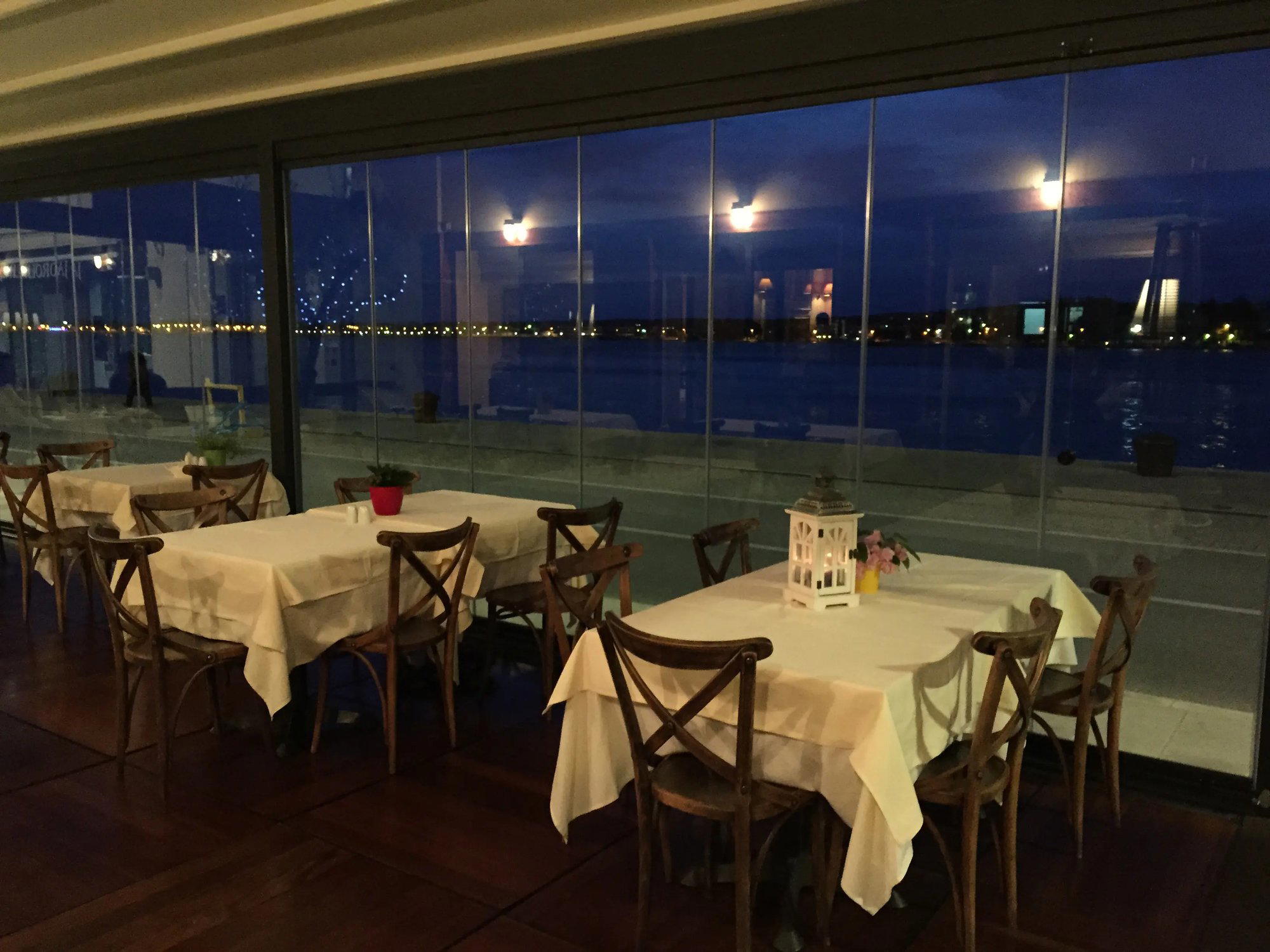
Where the Adriatic Sets the Agenda
Liburnska obala, the seafront promenade that curves along Zadar's old city peninsula, has long been the address where the serious dining rooms position themselves. The logic is geographic and cultural at once: this is a city whose identity is inseparable from the sea, and the restaurants that endure here are the ones that treat Adriatic seafood not as a menu category but as a discipline. Kornat, at number 6 on that promenade, occupies that tradition squarely. The waterfront position signals the kitchen's orientation before you've read a single line of the menu.
Zadar's dining scene sits in an interesting bracket within Croatian coastal hospitality. It is neither the well-documented tourist circuit of Dubrovnik, where Restaurant 360 operates at a high-exposure premium, nor the quieter, wine-anchored rooms of the islands, such as Boskinac in Novalja. Zadar occupies middle ground: a working city with a real local dining culture, where restaurants earn their position through consistent execution rather than destination-travel momentum. That context makes a waterfront address like Kornat's more meaningful, not less, because the audience is a mixed one that includes both informed visitors and returning local guests.
The Dalmatian Seafood Tradition and What It Demands
Dalmatian cuisine along this stretch of the Adriatic is built on a relatively compact set of principles: minimal intervention with fish and shellfish sourced from local waters, olive oil from the hinterland, and wine largely drawn from the Dalmatian varietals, Pošip and Grk on the islands, Debit and Babić on the mainland. The discipline lies not in complexity but in timing and sourcing. A grilled sea bass served at the correct internal temperature on a coast where that fish was in the water that morning requires a different kind of kitchen precision than a multi-stage composed plate. Both are demanding; they simply demand different things.
This is the register in which the better Dalmatian seafood restaurants operate, and it is a register that has found serious expression across the Croatian coast. Pelegrini in Sibenik applies that coastal sensibility with significant formal ambition. LD Restaurant in Korčula frames it within island terroir. Agli Amici Rovinj brings an Istrian lens to comparable ingredients. Kornat's position within that broader tradition, on Zadar's primary seafront, places it among the addresses where the Dalmatian approach to seafood is taken seriously.
The Scene on Liburnska Obala
The promenade at dusk draws a particular kind of crowd in Zadar: locals completing the evening korzo alongside visitors who have done their research. The restaurants that face the water here compete on a strip where differentiation matters, because the setting itself is shared. What separates them is kitchen commitment and the quality of sourcing networks built over years. Among the established names in the Zadar dining corridor, Kornat has maintained a presence at this address.
Zadar's broader restaurant offer ranges from the informal and counter-style formats found at places like 4kantuna and Bistro Pjat through to the more considered format at A'mare POP and Bruschetta. For those interested in how Zadar's dining sits within a broader Japanese-influenced coastal offer, Antiquus sushi@more POP represents a different direction entirely. Kornat's positioning leans toward the more formal end of this local spectrum, where the waterfront address and the seafood focus combine into a recognisable category: the established Dalmatian seafood room.
Croatian Coastal Dining in National Context
Kornat sits within Croatian dining more broadly, alongside the country's most formally recognised restaurants in Zagreb, Rovinj, and Split. Nebo by Deni Srdoč in Rijeka and Dubravkin Put in Zagreb represent the kind of investment in technique and wine program that draws national critical attention. Krug in Split operates in a comparable register on the central Dalmatian coast. Alfred Keller in Mali Lošinj and Korak in Jastrebarsko each represent distinct regional expressions of serious Croatian cooking.
For international reference points, the precision applied to seafood at the highest tier of Adriatic dining finds analogues in rooms like Le Bernardin in New York City, where the commitment to fish as the primary subject of the kitchen is absolute. The cross-cultural comparison is not one of scale or accolade but of orientation: what it means to build a kitchen around a single ingredient category and treat it with the seriousness it deserves. Atomix in New York City offers a contrasting reference, where Korean culinary tradition is expressed through a high-formality multi-course structure, a model that has found echoes in how some Croatian chefs now approach local ingredients.
Planning a Visit
Kornat's address at Liburnska obala 6 places it on the accessible waterfront of Zadar's old peninsula, reachable on foot from the historic core in a matter of minutes. Zadar is served by its own international airport, with direct routes from multiple European cities operating from spring through autumn, the high-traffic season that coincides with stronger examples from the local seafood calendar. For those building a broader Adriatic itinerary, the city works as a base for exploring the Dalmatian coast, with ferry connections to the islands and road access to Sibenik and Split. Given the waterfront address and the category of room Kornat represents within Zadar's offer, visiting during shoulder season, late spring or early autumn, gives a more representative experience of the local dining culture than the compressed peak of July and August, when the promenade fills well beyond its comfortable capacity.
- black risotto
- monkfish with truffle
- lobster with tagliatelle
- tuna tartare
- sea bass roll
- sepia soup
Budget Reality Check
Comparable venues nearby, for context on price, style, and recognition.
| Venue | Cuisine | Price | Notes |
|---|---|---|---|
| KornatThis venue — the venue you are viewing | Not listed | $$$ | Not listed |
| Harbor Cookhouse | Not listed | $$$ | Old Harbour, Mediterranean Seafood & Steakhouse |
| Tinel | Not listed | $$$ | Old Town, Traditional Mediterranean & Dalmatian |
| Bruschetta | Not listed | $$$ | Old Town, Mediterranean & Dalmatian Seafood |
| Konoba Dalmatina | Not listed | $$ | Old Town, Traditional Croatian Seafood & Grill |
| The Botanist | Zadar Old Town, Upmarket Vegan Dalmatian | $$$ | Not listed |
Continue exploring
More in Zadar
Restaurants in Zadar
Browse all →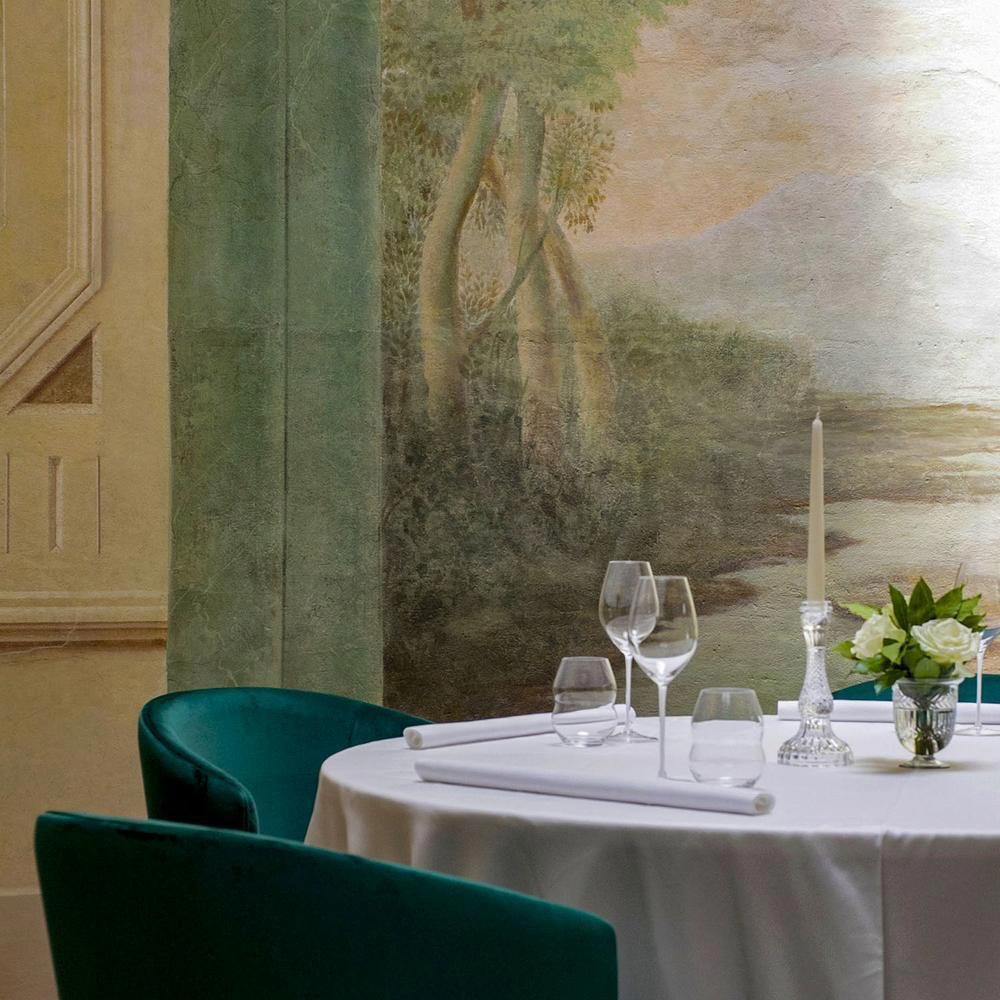
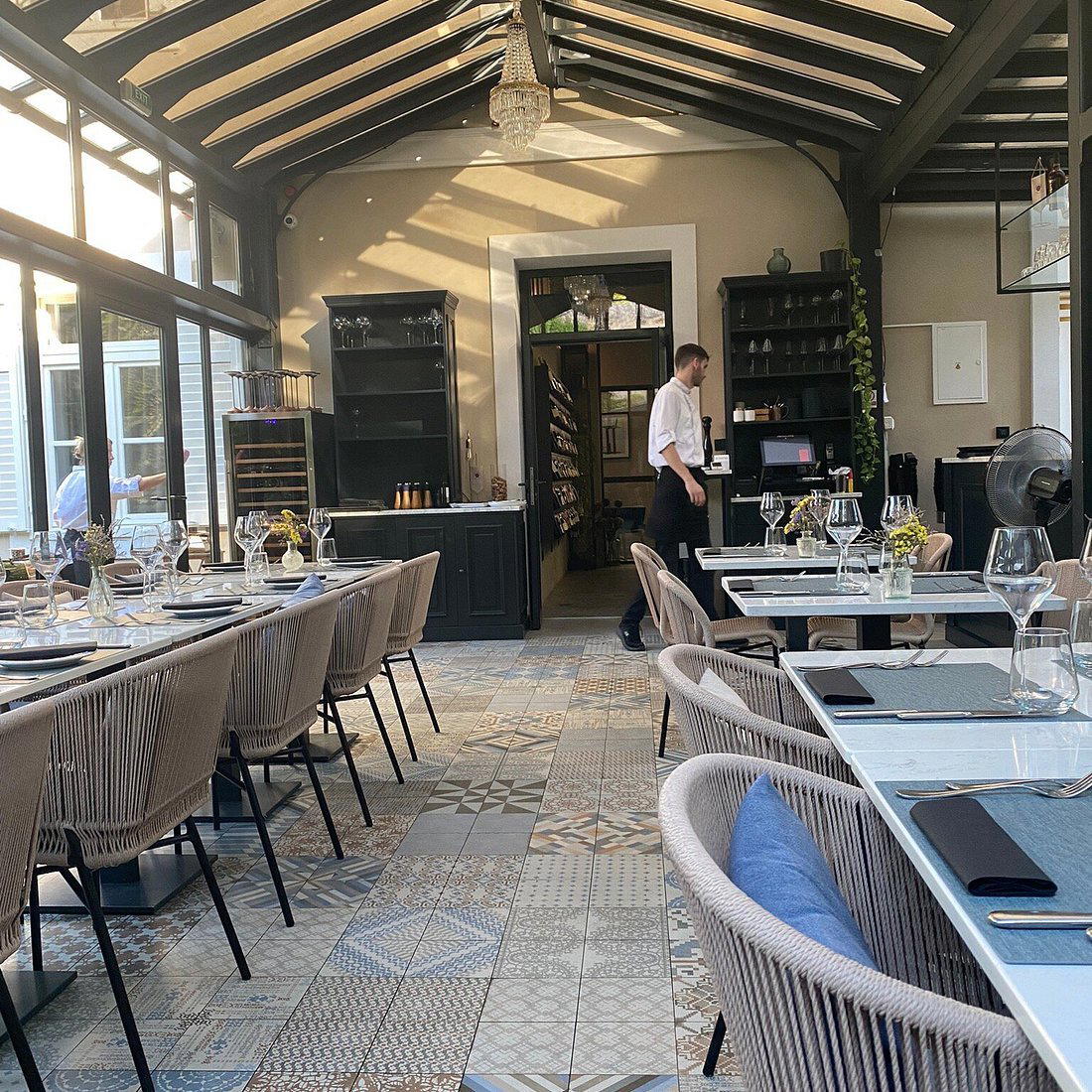
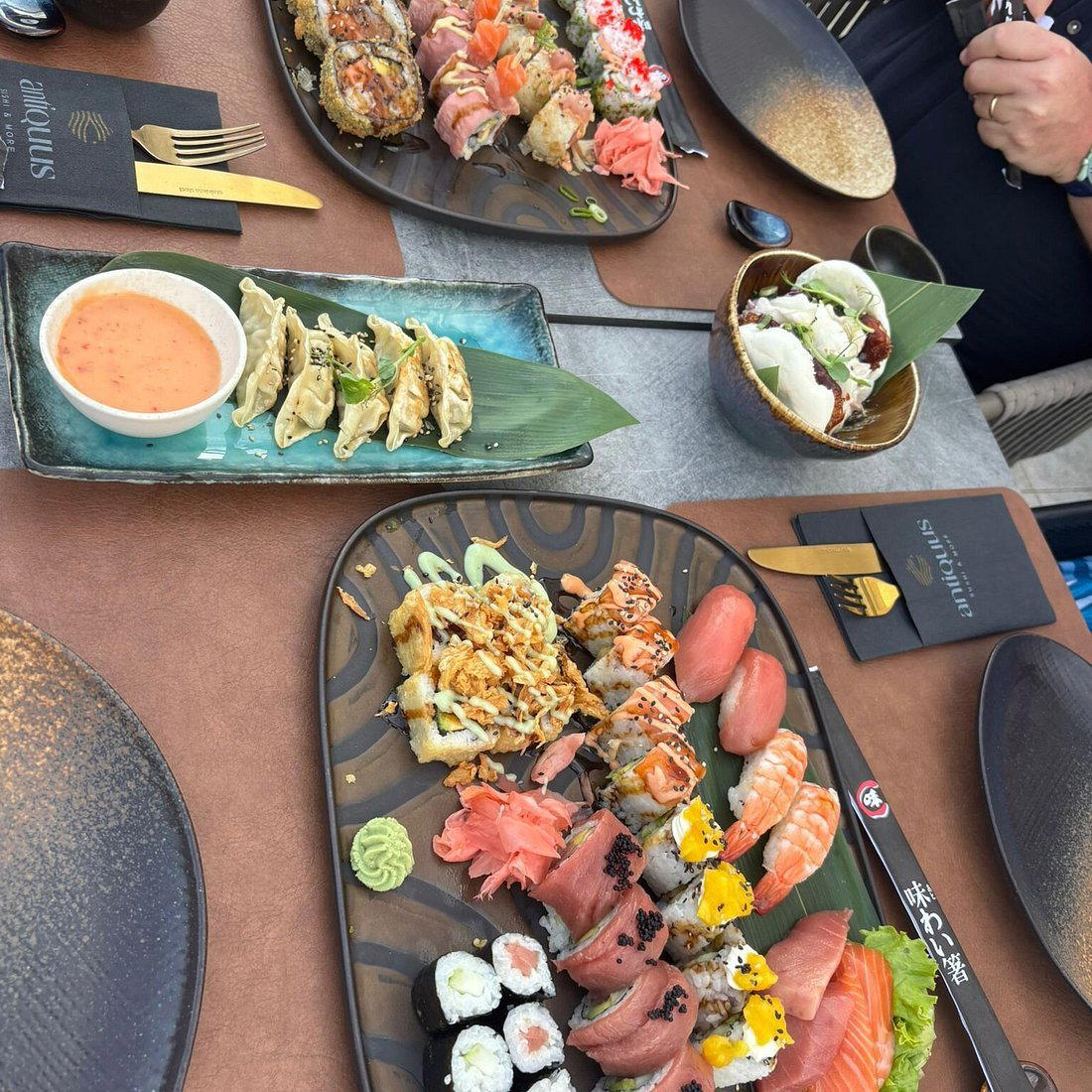
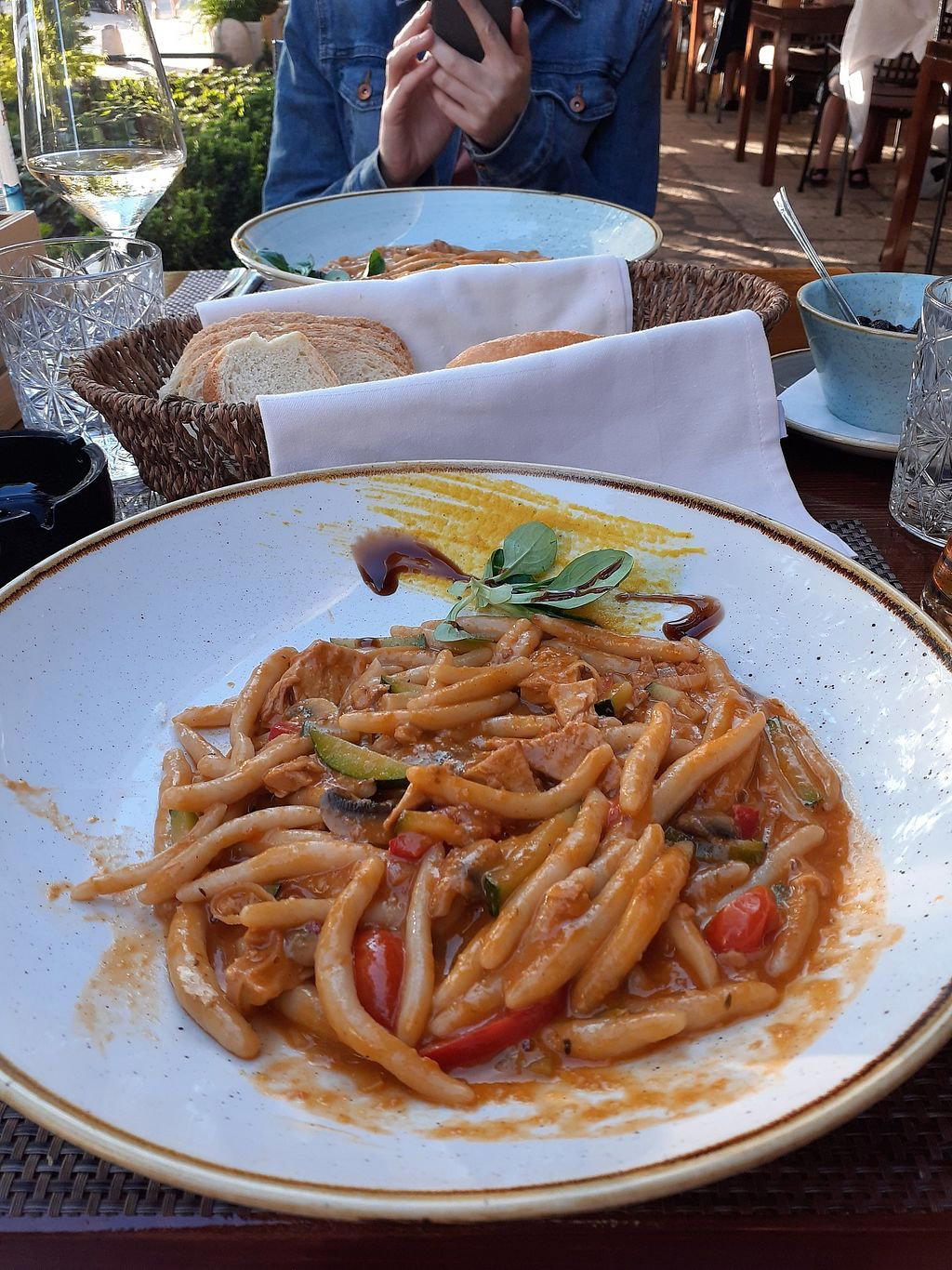
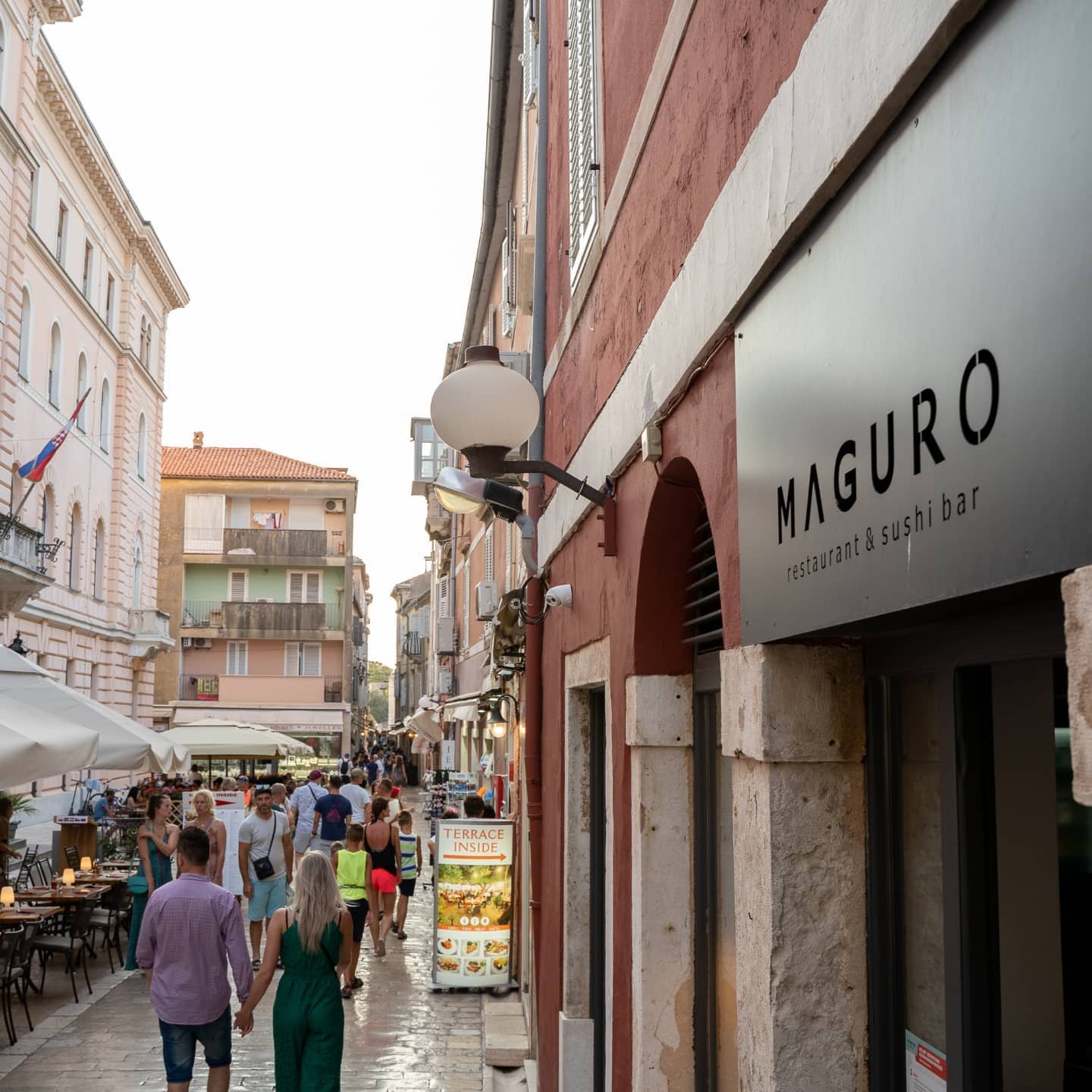
Bars in Zadar
Browse all →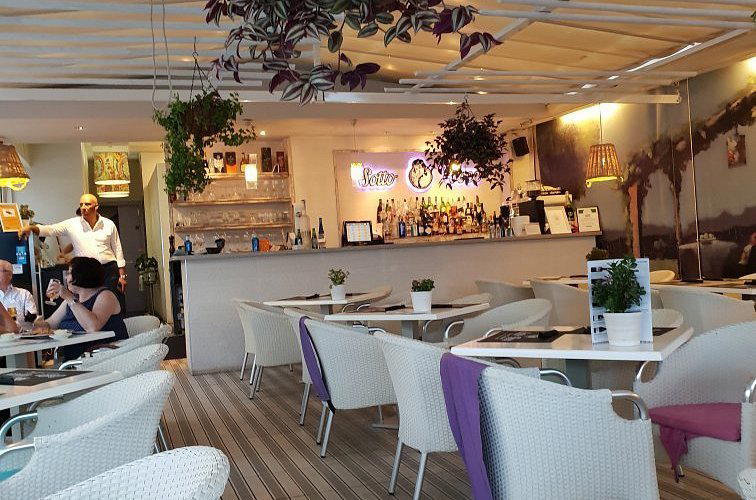
Hotels in Zadar
Browse all →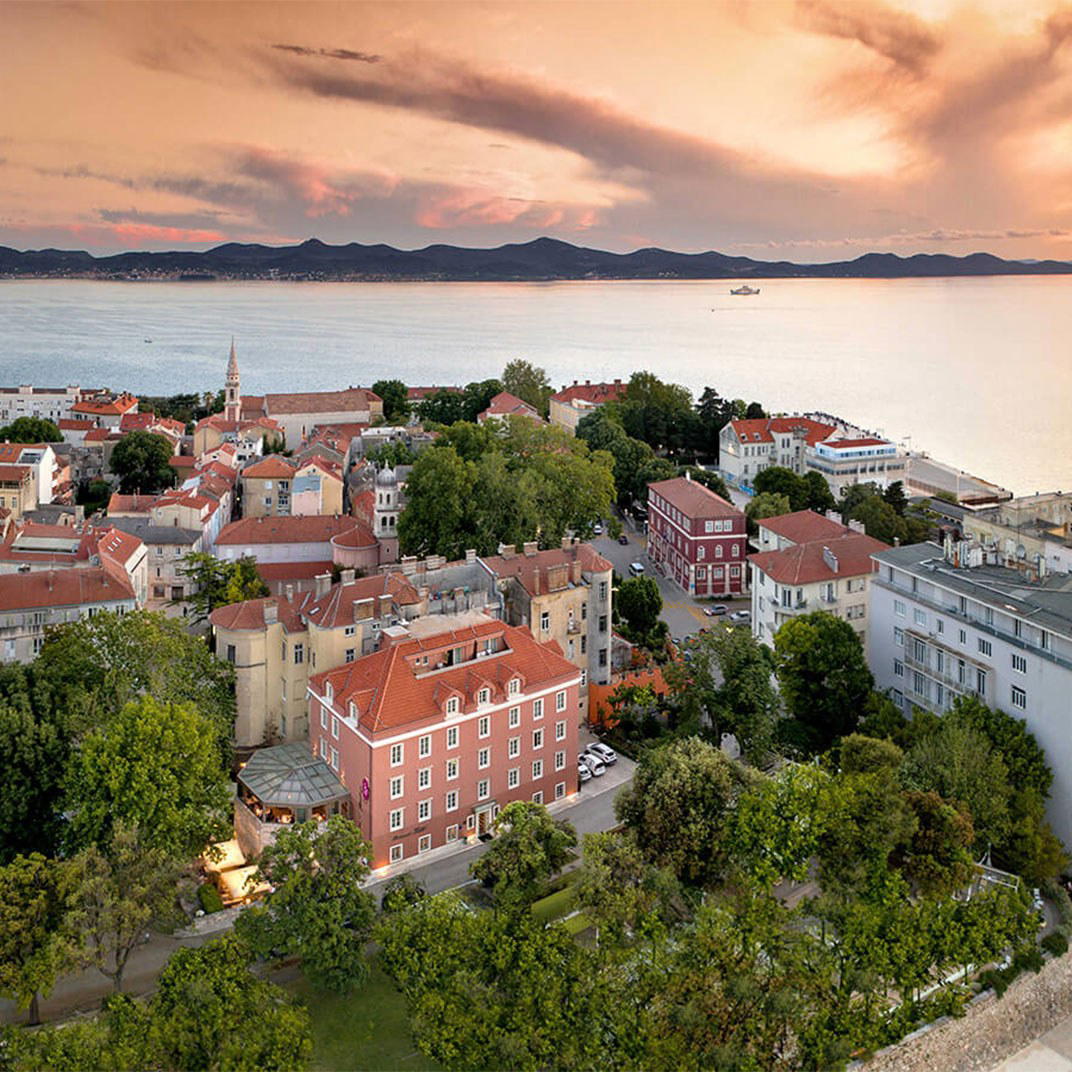
Wineries in Zadar
Browse all →
At a Glance
- Elegant
- Romantic
- Sophisticated
- Scenic
- Date Night
- Business Dinner
- Celebration
- Special Occasion
- Waterfront
- Terrace
- Panoramic View
- Standalone
- Extensive Wine List
- Sommelier Led
- Local Sourcing
- Sustainable Seafood
- Waterfront
Current opening hours
- Monday
- 12–11 PM
- Tuesday
- 12–11 PM
- Wednesday
- 12–11 PM
- Thursday
- 12–11 PM
- Friday
- 12–11 PM
- Saturday
- 12–11 PM
- Sunday
- 12–11 PM
Hours can change for holidays and private events. Last verified .
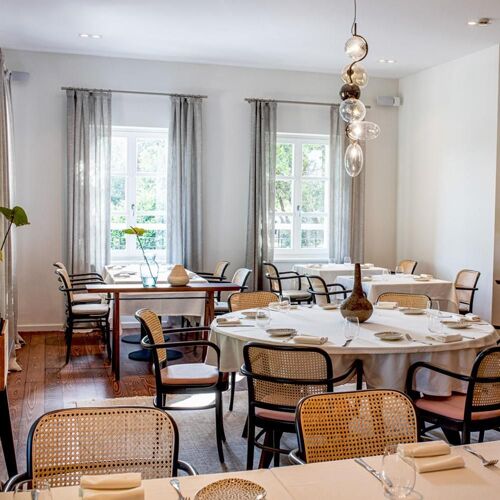
Timeless 1920s-inspired interior with bright, modern elements and white-clothed tables; refined yet unpretentious atmosphere with elegant lighting and attention to detail in presentation.