Our verdict
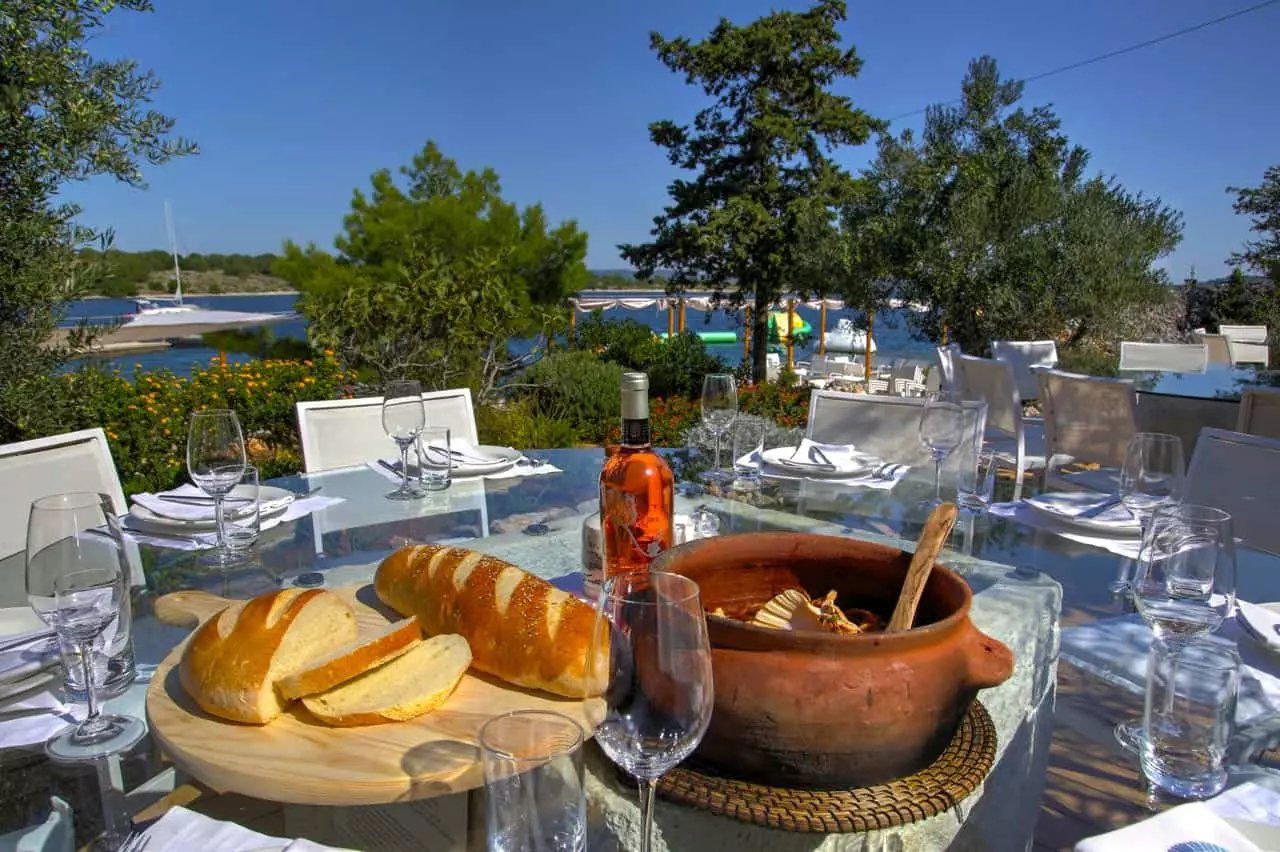
On the outer Kornati archipelago, Fešta operates in a setting where the nearest supermarket is a boat ride away, which shapes everything on the plate. The kitchen works with what the surrounding Adriatic provides directly: fish landed close to shore, ingredients dictated by season and proximity rather than menu planning. For visitors arriving by sea into Tisno and beyond, it represents a distinctly Croatian model of coastal dining.

Pearl is the En Primeur Club membership app, where members save venues, book tables and use the concierge.
The menu
What to order
- Fresh daily-caught Adriatic fish
- Mediterranean specialties
Where the Adriatic Sets the Menu
The address tells you everything you need to know before you arrive: Otok Žut, one of the larger uninhabited islands in the Kornati archipelago, reachable only by water. Approaching by boat, the coastline arrives as a sequence of limestone karst, sparse pine, and salt-bleached rock. There are no roads connecting Žut to the mainland, no supply trucks, no daily deliveries. What that physical reality produces, at Fešta and at the handful of other konoba-style establishments scattered across these outer islands, is a form of ingredient sourcing that most restaurants can only gesture toward: genuine geographical constraint as the organising principle of the kitchen.
This is not a philosophical choice in the way that, say, a Copenhagen tasting menu frames its localism. It is a practical one, and the distinction matters. When the sea around you is your primary larder, the gap between what was swimming this morning and what arrives on the table is measured in hours rather than supply-chain logistics. The eastern Adriatic, particularly the waters around the Kornati National Park and the outer Šibenik archipelago, holds some of the cleanest fishing grounds in the Mediterranean, with sea bream, sea bass, John Dory, and various crustaceans forming the reliable core of what island kitchens here have always worked with.
The Kornati Context
Fešta sits within a specific microclimate of Croatian coastal dining that deserves its own frame of reference. The Kornati islands, 89 of them by most counts, though the exact figure shifts depending on how you define island versus rock, make up a national park covering roughly 220 square kilometres of sea and land. The park designation limits development and prohibits commercial fishing within certain zones, which has the downstream effect of keeping the surrounding waters in unusually good condition. For the small number of establishments operating on and around these islands during the summer months, that translates directly into ingredient quality.
The broader Dalmatian coast has developed a recognisable dining identity over the past two decades, with restaurants in Šibenik and beyond, including Pelegrini in Šibenik, bringing formal ambition to regional ingredients and earning significant international attention in the process. The island konoba model that Fešta represents operates at the opposite end of that formality spectrum, without being lesser for it. The cooking here is rooted in preparation methods that predate the current wave of Croatian fine dining: whole fish grilled over open flame or cooked under a peka (the cast-iron bell used across Dalmatia for slow-cooked meats and seafood), vegetables dressed simply with local olive oil, and bread baked on-site when supply permits.
Getting There and Planning Your Visit
Reaching Fešta requires planning of a different order than booking a table in Tisno proper. The nearest mainland access point is the town of Tisno itself, or the marina at Murter, from which private boats, excursion vessels, and charter yachts can reach Žut within approximately 30 to 45 minutes depending on the craft. During summer months, the operating window for virtually all outer-island establishments in this part of the Adriatic, the anchorage around Žut fills with sailing traffic, and Fešta draws from that passing fleet as much as from any fixed local population. It is, in the most literal sense, a destination you arrive at rather than simply visit. For context on what the wider Tisno area offers by way of dining, our full Tisno restaurants guide covers the range from harbourside fish restaurants to the more formal options in the surrounding region.
The seasonality here is non-negotiable. Like most Kornati island operations, Fešta functions within a compressed summer calendar, typically from late spring through September. Visiting outside that window is not a matter of preference or timing, the operation simply does not run. This is common to the outer-island model across Croatian coastal waters, where the combination of tourist season, favourable sea conditions, and fishing activity align within the same narrow calendar window.
How Fešta Fits the Croatian Coastal Dining Pattern
Croatia's Adriatic coast now supports a range of dining formats that span from Michelin-recognised tasting menus to the kind of place where a fisherman's catch becomes lunch an hour after being landed. LD Restaurant in Korčula and Restaurant 360 in Dubrovnik represent one end of that range, with polished service formats and wine programs to match. Agli Amici Rovinj brings Italian contemporary technique to an Istrian setting. Further north, Nebo by Deni Srdoč in Rijeka and Alfred Keller in Mali Lošinj illustrate how Kvarner Bay has developed its own premium dining identity. Inland, places like Korak in Jastrebarsko and Dubravkin Put in Zagreb show that serious Croatian cooking extends well beyond the coast.
Fešta belongs to none of those tiers formally, but it occupies a position that some of those restaurants' guests actively seek out as a counterpoint. After a week of structured tasting menus, an afternoon anchored off Žut with grilled fish and local wine on a terrace above the water answers a different need. The Istrian konoba tradition, documented in places like Humska Konoba in Hum and the cooking ethos behind EatIstria in Pluj, shares this emphasis on place-as-ingredient, and it runs deep in Croatian food culture regardless of format or price point.
For comparison, consider how destination-led sourcing works at the other end of the formality scale. Le Bernardin in New York City has spent decades building a reputation around seafood sourcing as a central value proposition. Lazy Bear in San Francisco grounds its entire format in the idea of context-driven hospitality. Fešta achieves something adjacent to both, not through formal program design, but through the geography that makes any other approach impossible.
Other Croatian addresses worth cross-referencing for a complete picture of the Adriatic dining range: Boskinac in Novalja on Pag island, San Rocco in Brtonigla in Istria, Krug in Split, Restaurant Filippi in Curzola, and Trg Sv. Stjepana 3 in Lesina each represent distinct points on the spectrum from rustic to refined.
Frequently asked questions
Would Fešta be comfortable with kids?
The logistics shape the answer more than the venue itself. Reaching Fešta on Otok Žut requires a boat trip from Tisno into the Kornati archipelago, which makes it a more demanding outing for young children than a typical restaurant visit. For families comfortable with open-water crossings and a full day on the water, the island setting is inherently compelling.
What should I expect atmosphere-wise at Fešta?
The address, Otok Žut, one of the larger uninhabited islands in the Kornati archipelago, defines the atmosphere before you arrive. There is no town, no street noise, and no foot traffic beyond other arriving boats. What you get is the Adriatic itself: open water, stone, and whatever the kitchen has assembled around that context.
How do you get to Fešta on Otok Žut from the Croatian mainland?
The nearest mainland departure point is Tisno, a small coastal town that sits on the bridge connecting the island of Murter to the Šibenik hinterland. From there, a private boat or water taxi into the Kornati archipelago is the standard route to Otok Žut. The Kornati islands fall within a national park zone, so entry fees and navigation permits may apply depending on your vessel.
What's the signature dish at Fešta?
On Croatia's Adriatic islands, that typically means fresh catch prepared simply, grilled fish, shellfish, and local olive oil, though confirming the current menu before you make the boat trip is sensible.
Where is Fešta in Tisno?
Fešta is located at Otok Žut 52, 22243, Kornati, Croatia, Tisno.
Is Fešta reservation-only?
Given the location on Otok Žut in the Kornati archipelago, arriving without any prior contact would be a significant gamble, the journey from Tisno by boat is not a short one. Reaching out through any available channel before visiting is the practical approach, even if formal online booking infrastructure is not confirmed.
What's the standout thing about Fešta?
The address is the clearest answer: Otok Žut 52, Kornati, a working restaurant on an otherwise uninhabited island that requires a boat to reach. That level of physical remoteness is rare on the Croatian coast, where most dining, even the most scenically positioned, is accessible by road. Fešta earns its place on the itinerary through geography alone.
How It Stacks Up
Comparable venues nearby, for context on price, style, and recognition.
| Venue | Cuisine | Price | Notes |
|---|---|---|---|
| FeštaThis venue (the venue you are viewing) | Traditional Adriatic Seafood | $50–100 | Not listed |
| Pojoda | Traditional Croatian Seafood | $50–100 | Kut |
| Mate | Traditional Croatian Seafood Konoba | $20–30 | Vrsi |
| Taverna Bota Sare | Traditional Dalmatian Seafood & Oysters | $50–100 | Mali Ston |
| Najade | Mediterranean Seafood | $50–100 | Lovran |
| Restoran Bruno | Traditional Adriatic Seafood | Not listed | Bašanija |
Continue exploring
More in Tisno
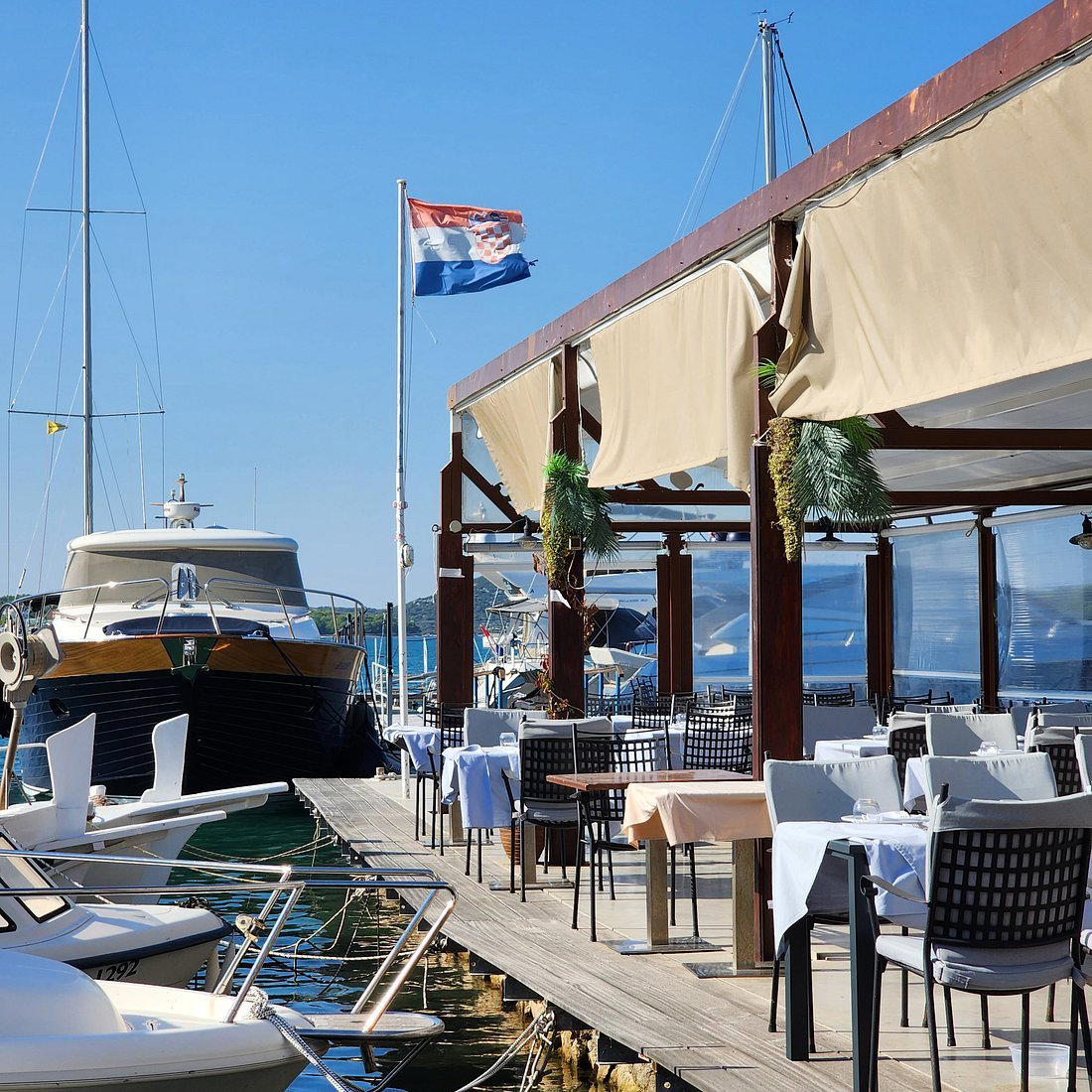
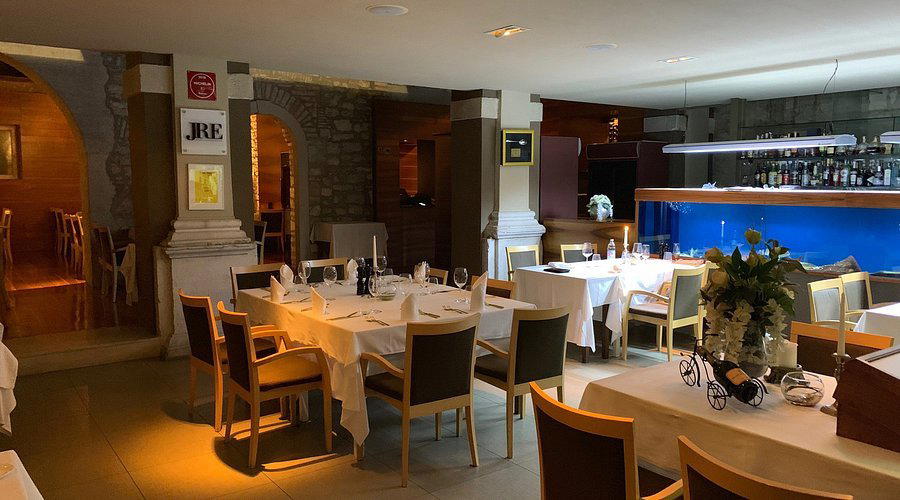
Restaurants in Tisno
All restaurants in Tisno →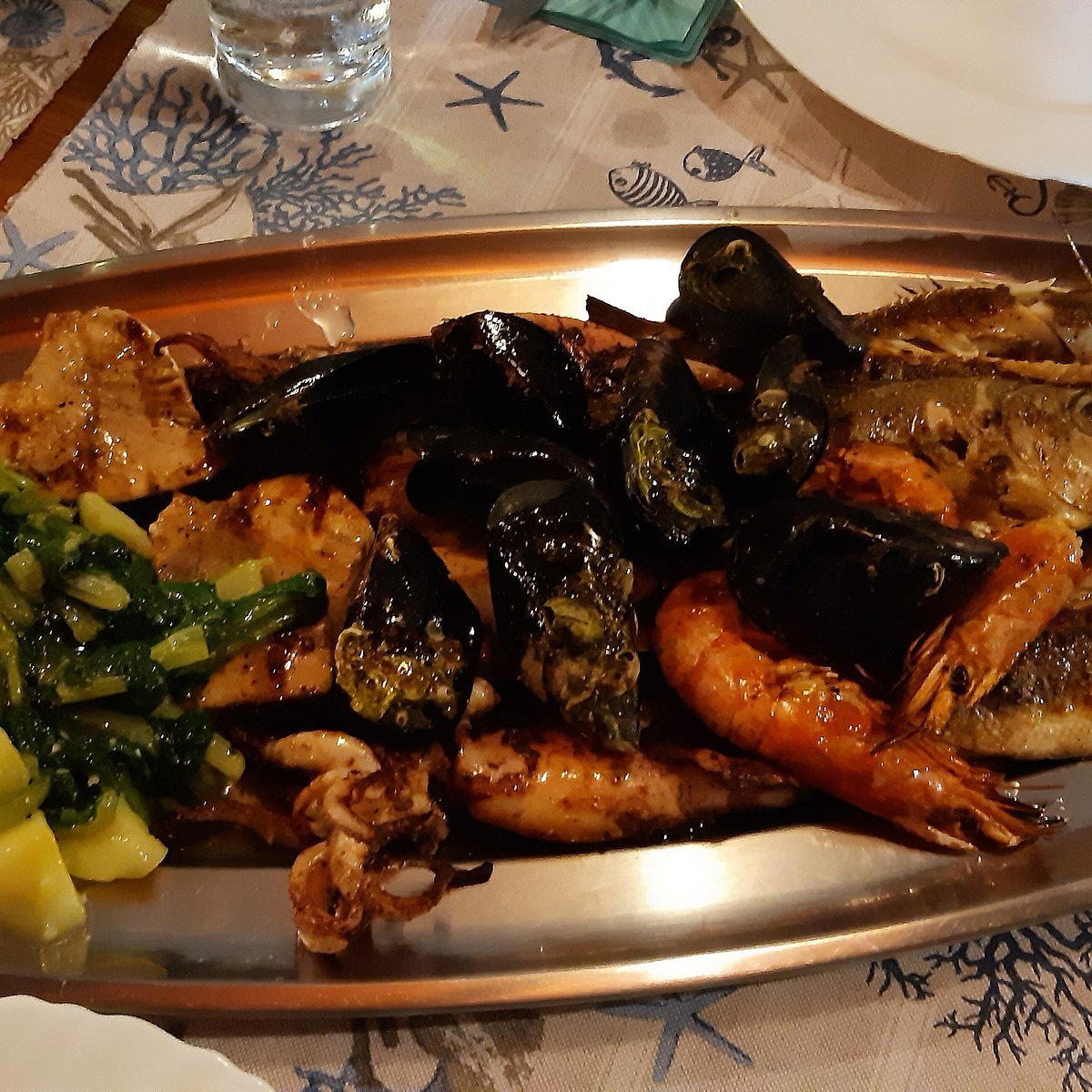
Bars in Tisno
Browse all →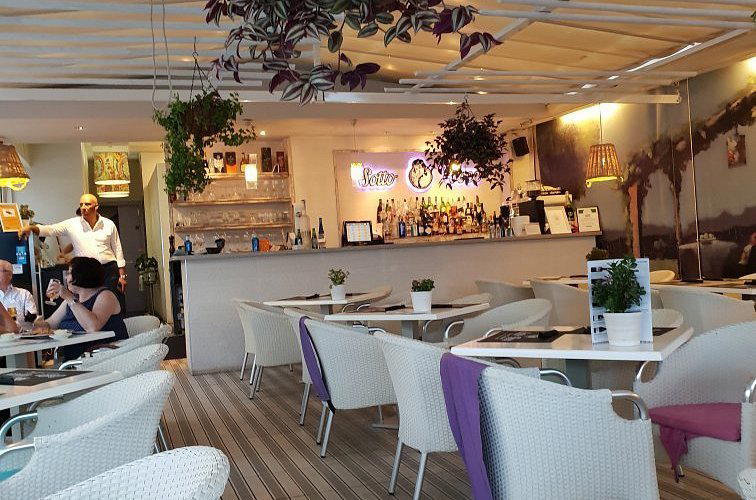
Hotels in Tisno
Browse all →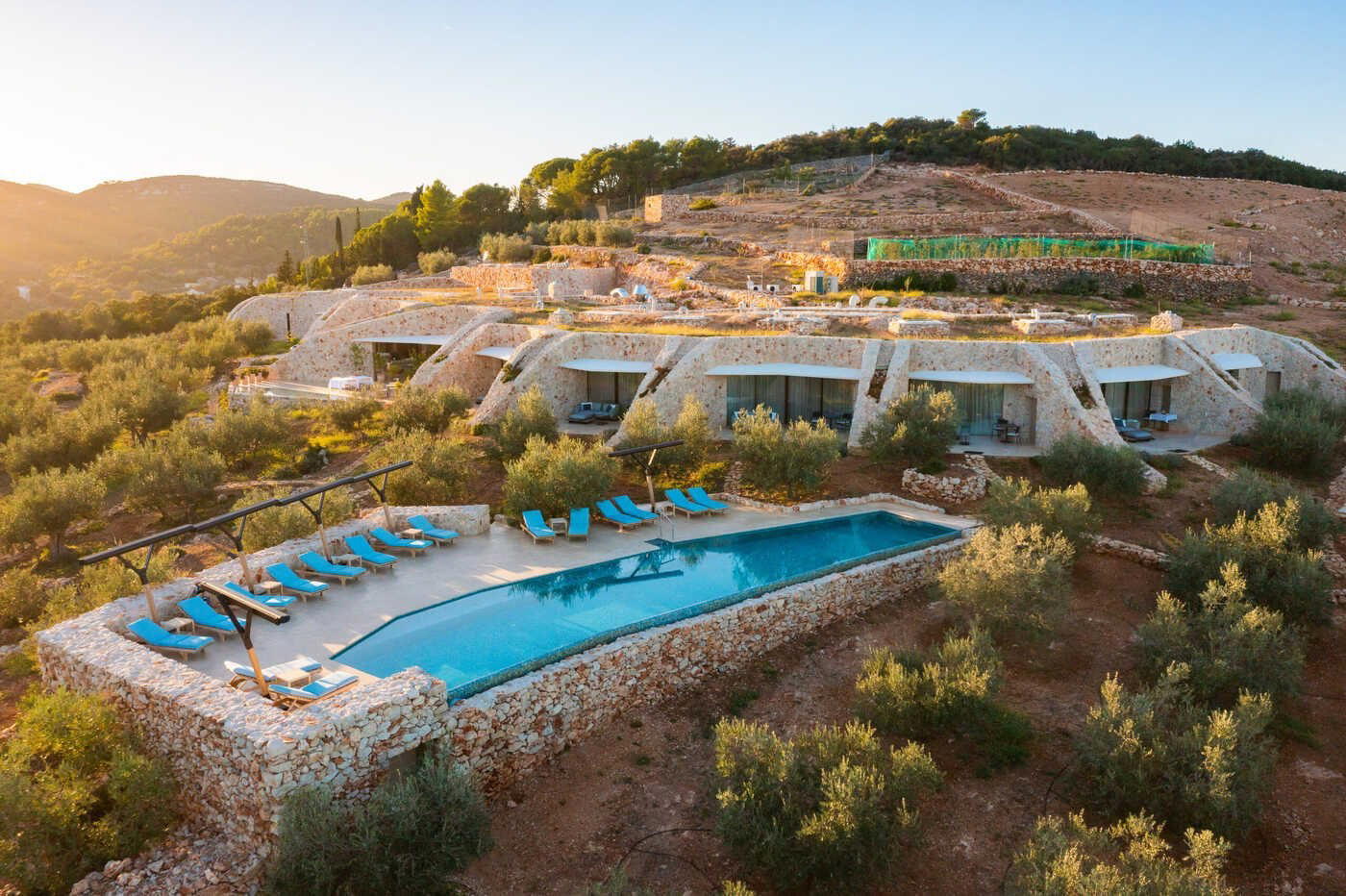
Wineries in Tisno
Browse all →
Details
- Scenic
- Rustic
- Elegant
- Romantic
- Date Night
- Special Occasion
- Celebration
- Group Dining
- Waterfront
- Terrace
- Standalone
- Panoramic View
- Craft Cocktails
- Local Sourcing
- Sustainable Seafood
- Waterfront
- A La Carte
- Family Style
- Cocktails
- Wine
- Pescatarian Friendly
Current opening hours
- Monday
- 8 AM–12 AM
- Tuesday
- 8 AM–12 AM
- Wednesday
- 8 AM–12 AM
- Thursday
- 8 AM–12 AM
- Friday
- 8 AM–12 AM
- Saturday
- 8 AM–12 AM
- Sunday
- 8 AM–12 AM
Hours can change for holidays and private events. Hours as of .
Traditional Dalmatian tavern aesthetic with native crafts collection, surrounded by century-old olive trees on the Adriatic coast with sea views.