Zimmer
Zimmer sits in La Wantzenau, a village north of Strasbourg that has quietly sustained a serious dining culture for decades. The address at 23 Rue des Héros places it within walking distance of the village's other notable tables, making La Wantzenau one of the more concentrated pockets of considered cooking in the Alsace region. For those tracing the province's culinary geography, this is a stop that rewards attention.
Pearl is the En Primeur Club membership app — saves, bookings, and concierge access live there. Same editors, same standards.
- Address
- 23 Rue des Héros, 67610 La Wantzenau, France
- Phone
- +33388966208
- Website
- restaurant-zimmer.fr
- Directions
- Get directions
 Saves & bookings on Pearl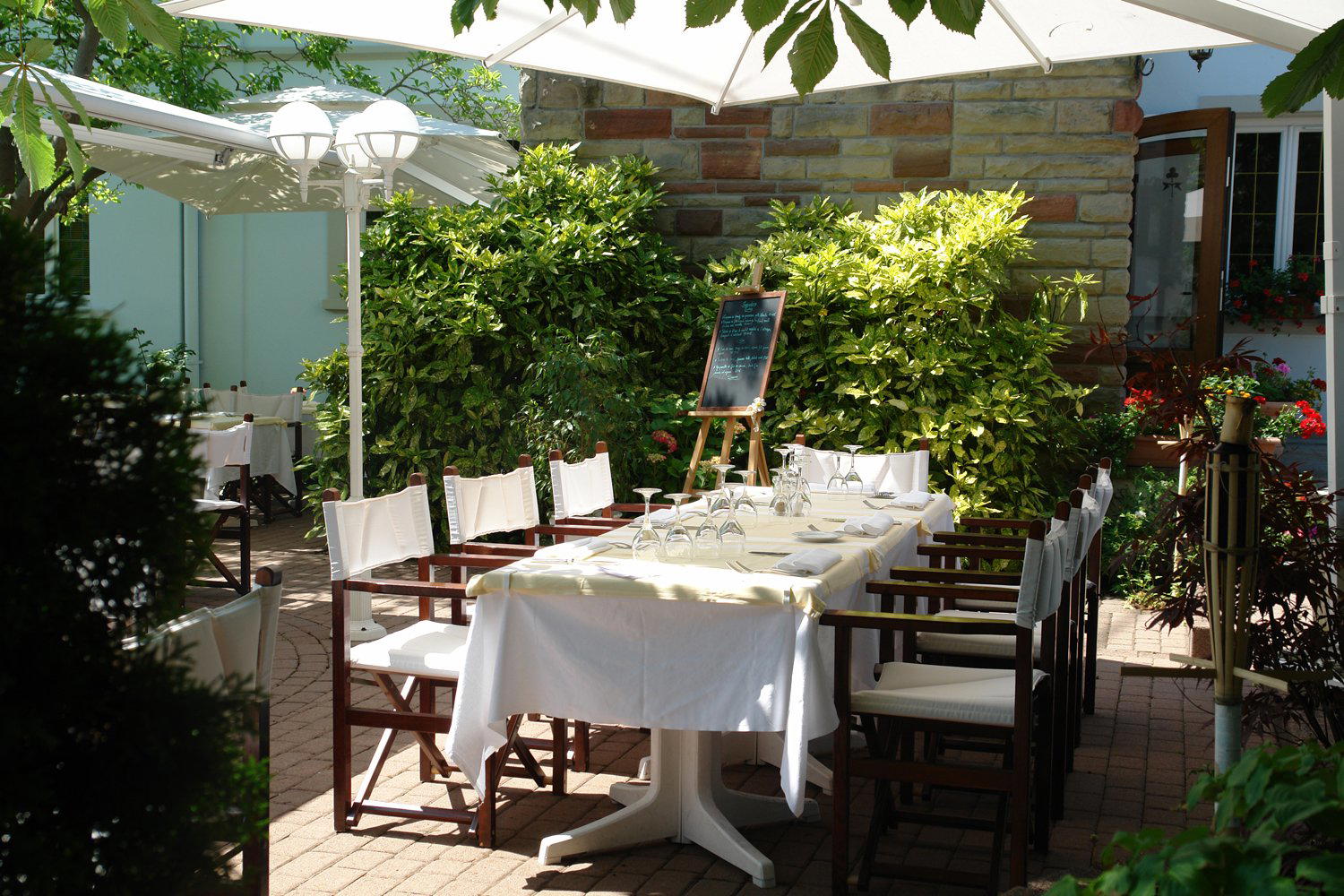
A Village That Takes Eating Seriously
La Wantzenau sits roughly ten kilometres north of Strasbourg's historic centre, separated from the city by the Rhine plain and a stretch of riparian forest. It is a small place, the kind of village where the river informs daily life and where the market gardens and smallholdings that ring the settlement have historically fed the tables within it. That relationship between local production and local cooking is not incidental here: it is structural. The Alsace tradition of drawing tightly on what the surrounding land yields, whether choucroute cabbage from valley farms, river fish from the Ill and its tributaries, or game from the nearby forests, has shaped how restaurants in villages like this one buy and cook. Zimmer is a restaurant in La Wantzenau, France, serving Traditional French Terroir cuisine at about $45 per person, and it sits inside that tradition.
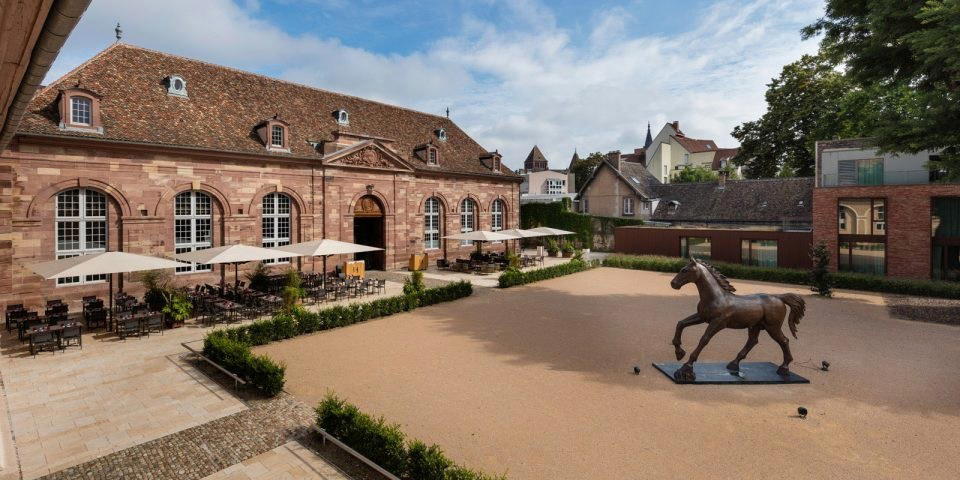
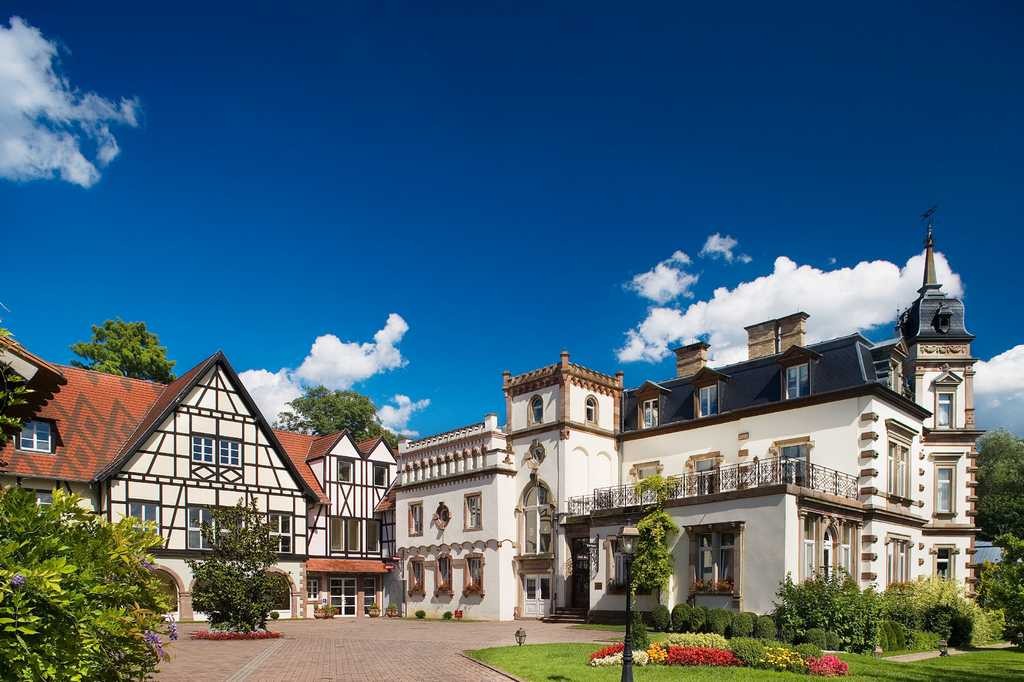
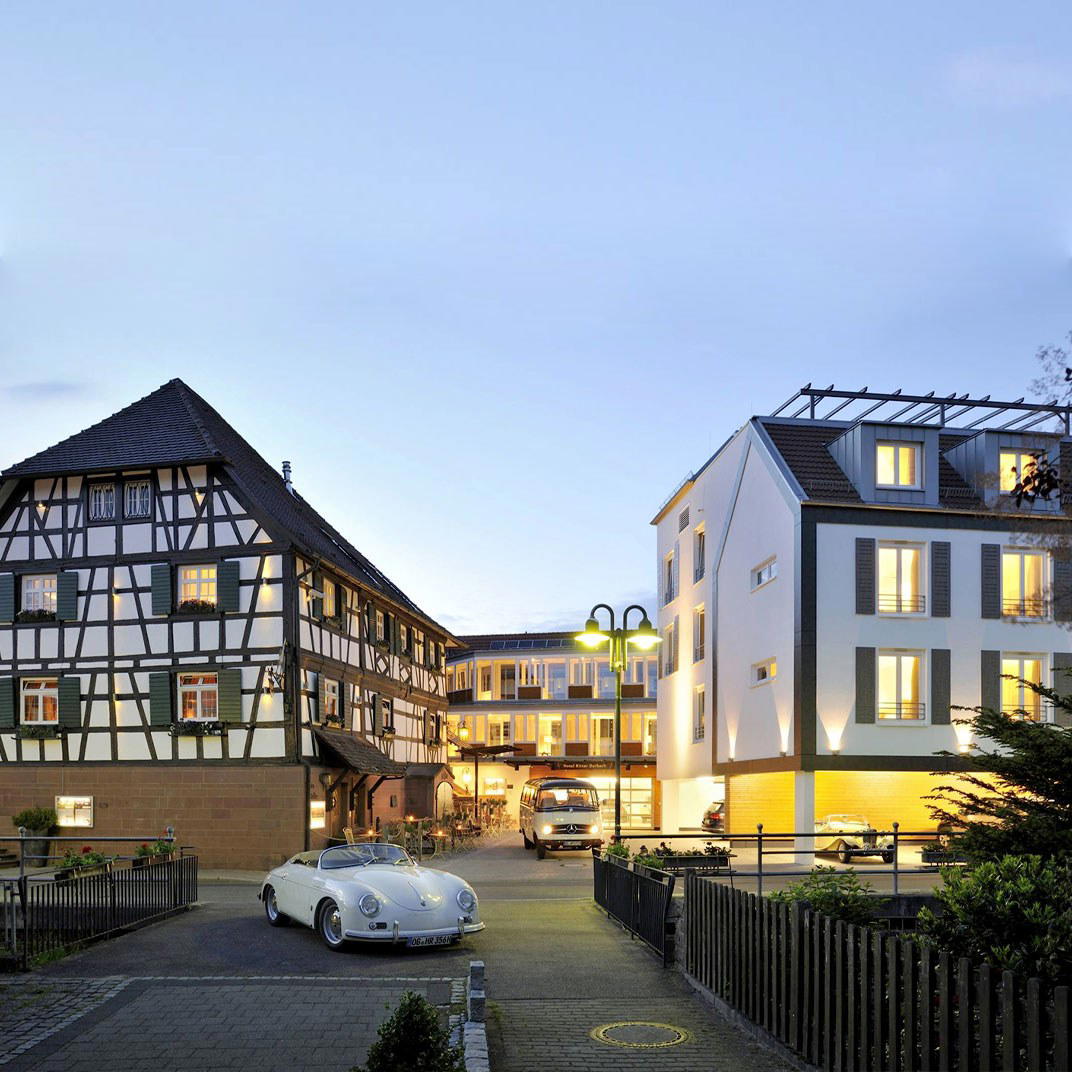
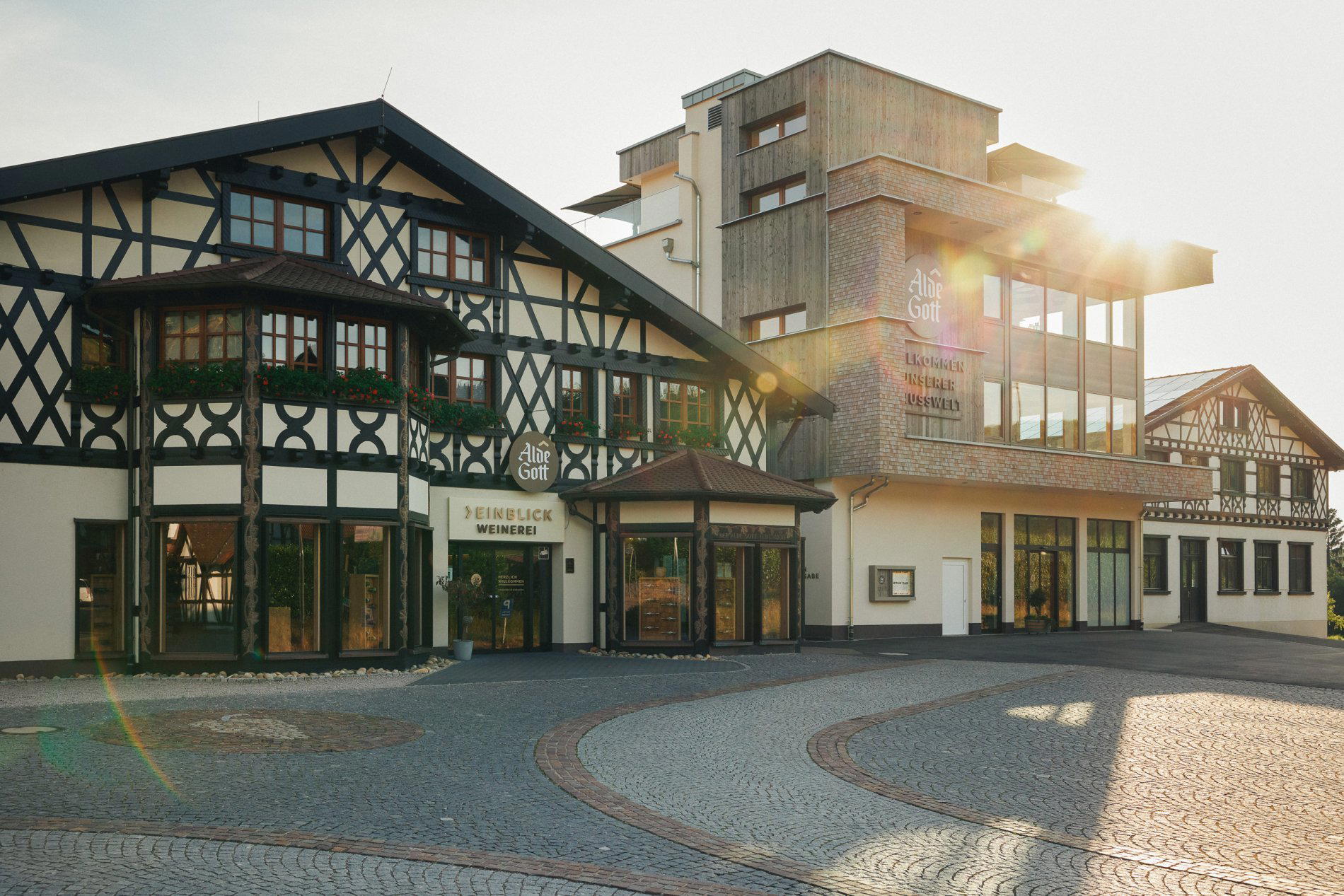
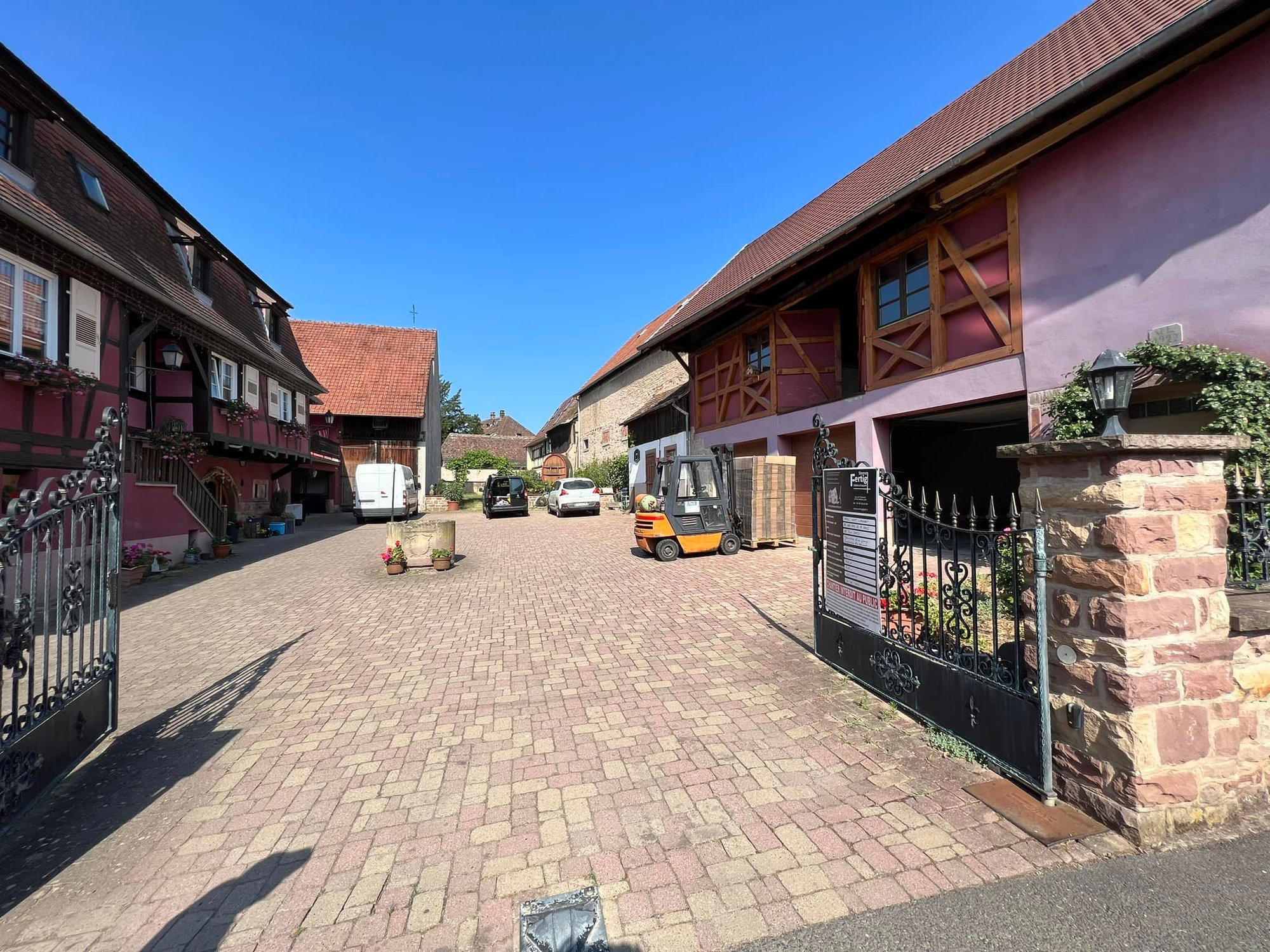
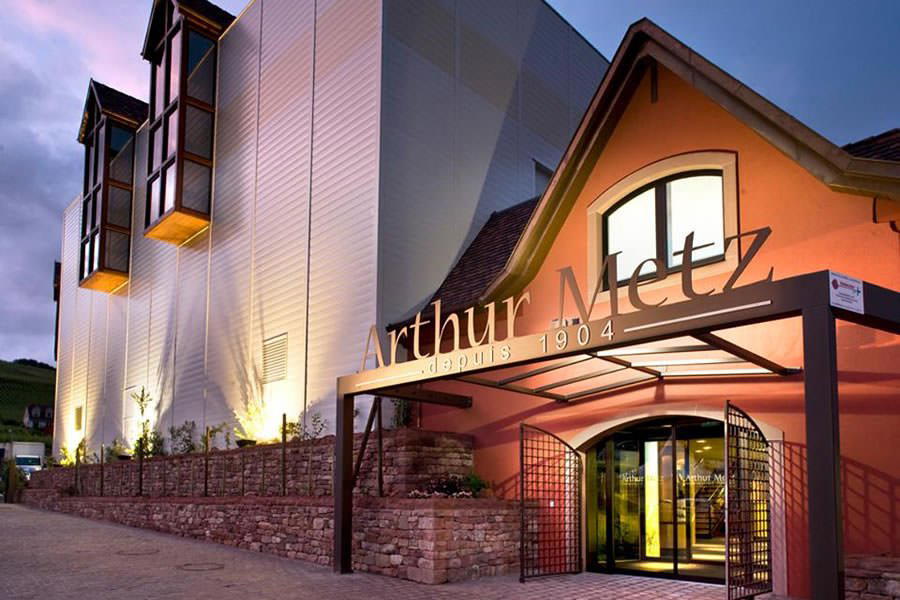
The address is a useful anchor. Rue des Héros is a quiet street, and the building carries the low-profile confidence common to long-established provincial French restaurants: these are places that do not need to announce themselves loudly because their regulars already know where to find them. Approaching the entrance, there is none of the theatre associated with destination restaurants in larger cities. The scale is residential, the pace unhurried. That atmosphere is itself an editorial statement about what kind of meal you are about to have.
Ingredient Geography: What the Region Puts on the Table
Alsace occupies a specific ecological position that has always made it productive agricultural territory. Flanked by the Vosges to the west and the Rhine to the east, the plain benefits from one of France's lowest annual rainfall figures and a long growing season. The result is a region that produces, with unusual density, the ingredients that define its cooking: freshwater fish from river systems that run through or near the village, pork from farms that have supplied charcuterie traditions for centuries, and the wines of the adjacent Alsatian vineyards whose dry Rieslings and Gewurztraminers function as both table accompaniment and cooking medium.
For a restaurant in La Wantzenau, this geography is an operating advantage. The proximity to Strasbourg's professional supplier networks, combined with the village's own agricultural surroundings, means that sourcing from within a tight radius is both practical and economical in a way that it is not for urban restaurants forced to source further afield. The great Alsatian houses that have defined French regional cooking at the highest level, including Auberge de l'Ill in Illhaeusern, built their identities on exactly this logic: proximity as discipline, not just as marketing. That same logic filters down to the village level throughout the province.
Alsace also sits at a culinary crossroads that gives its ingredient tradition particular depth. German and French influences have competed and merged here across centuries, producing a cuisine that is neither purely classical French nor straightforwardly Germanic, but something more specific: an Alsatian register that prizes richness, rootedness, and seasonal fidelity. Tarte flambée, baeckeoffe, and freshwater fish preparations are not merely local colour; they represent a coherent cooking logic shaped by what the land and rivers provide.
La Wantzenau's Table Culture in Context
The village has a concentration of serious restaurants that is disproportionate to its size, a pattern found in several Alsatian villages where generations of farming families have underpinned a market for considered, ingredient-led cooking. Le Relais de la Poste operates at the €€€€ tier, anchoring the upper end of local dining. Le Jardin Secret and Les Semailles both work within the modern cuisine register at the €€€ level. Zimmer is part of this same cluster, a village dining scene that functions as a coherent peer group rather than a collection of isolated addresses.
Houses like Mirazur in Menton, Flocons de Sel in Megève, or Troisgros in Ouches define one end of French regional fine dining. Village restaurants in Alsace occupy a different but legitimate tier: less ceremonial, closer to the agricultural source, and often more direct in their expression of regional produce. Similarly, particularly awarded tables in the broader French canon, from Alléno Paris au Pavillon Ledoyen to Paul Bocuse in Collonges-au-Mont-d'Or, Bras in Laguiole, or AM par Alexandre Mazzia in Marseille, represent a different investment of time, money, and occasion-planning than a meal in La Wantzenau.
Strasbourg itself sits twenty minutes south by car and offers its own reference points, including Au Crocodile, one of the city's historically significant addresses. The village restaurants, however, offer something the city tables do not: a quieter, more rooted version of Alsatian cooking, closer in spirit to the farmland that supplies it.
Planning a Meal at Zimmer
La Wantzenau is accessible from Strasbourg by car in under twenty minutes, or by the tram line that connects the city's northern suburbs to the village. The compact geography of Rue des Héros means that visitors arriving by car will find parking without difficulty, a practical distinction from Strasbourg's more congested centre. Given the concentration of restaurants in the village, it is possible to orient an entire afternoon or evening around La Wantzenau rather than treating it as a single-stop excursion.
As with most village restaurants in Alsace, demand can be higher than the modest setting suggests, particularly on weekends and during the region's tourism peaks in late spring and early autumn.
Fast Comparison
Comparable venues nearby, for context on price, style, and recognition.
| Venue | Cuisine | Price | Awards | Notes |
|---|---|---|---|---|
| ZimmerThis venue — the venue you are viewing | Traditional French Terroir | $$$ | Not listed | Not listed |
| Les Semailles | Modern French Gastronomic | $$$$ | Michelin Plate | La Wantzenau |
| Le Jardin Secret | Modern French Seasonal Tasting Menu | $$$$ | Michelin 1 Star | La Wantzenau |
| Le Relais de la Poste | Michelin-Starred French Gastronomic | $$$$ | Michelin 1 Star | La Wantzenau |
| La Maison des Tanneurs | Traditional Alsatian Winstub | $$$ | Not listed | Centre |
| Honesty | Contemporary French Gastropub | $$$ | Not listed | Centre |
Continue exploring
More in La Wantzenau
Restaurants in La Wantzenau
Browse all →
Bars in La Wantzenau
Browse all →
Hotels in La Wantzenau
Browse all →
At a Glance
- Cozy
- Elegant
- Romantic
- Family
- Date Night
- Casual Hangout
- Terrace
- Local Sourcing
Current opening hours
- Monday
- Closed
- Tuesday
- 12–1:30 PM, 7–9:15 PM
- Wednesday
- 12–1:30 PM, 7–9:15 PM
- Thursday
- 12–1:30 PM
- Friday
- 12–1:30 PM, 7–9:15 PM
- Saturday
- 12–1:30 PM, 7–9:15 PM
- Sunday
- 12–1:30 PM
Hours can change for holidays and private events. Last verified .
Warm and welcoming atmosphere with sumptuous decor, well-suited for family dinners or romantic evenings on the shaded terrace.