Le Relais de la Poste

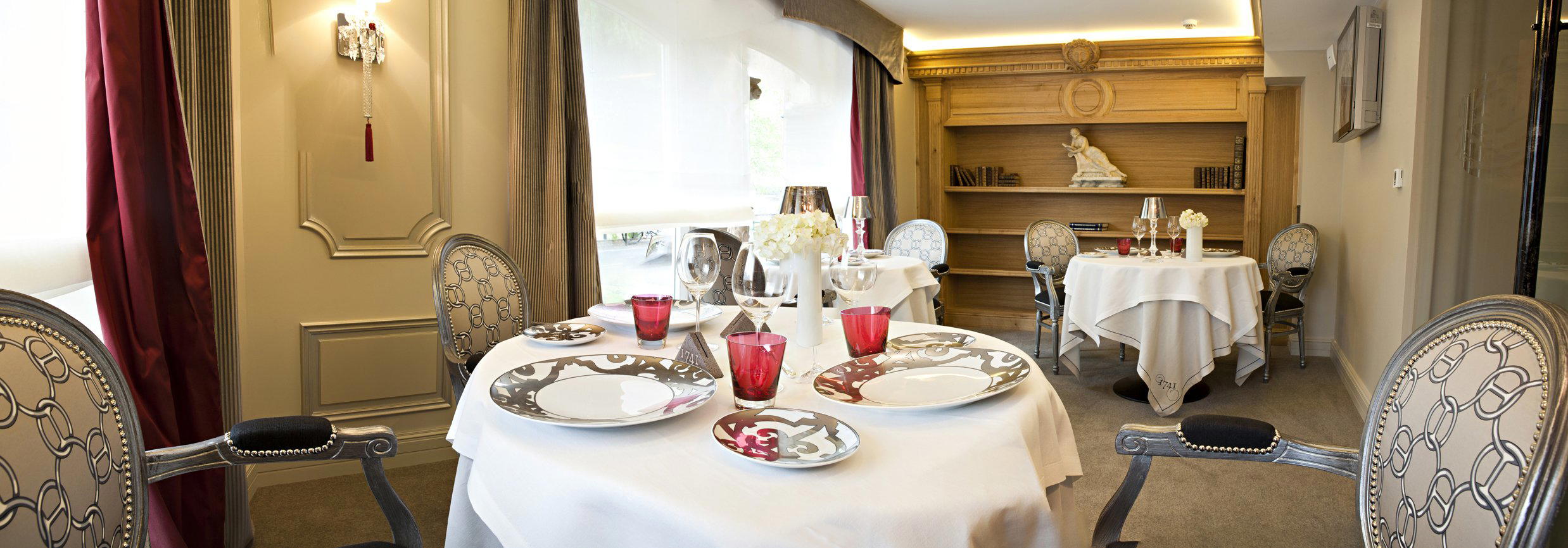
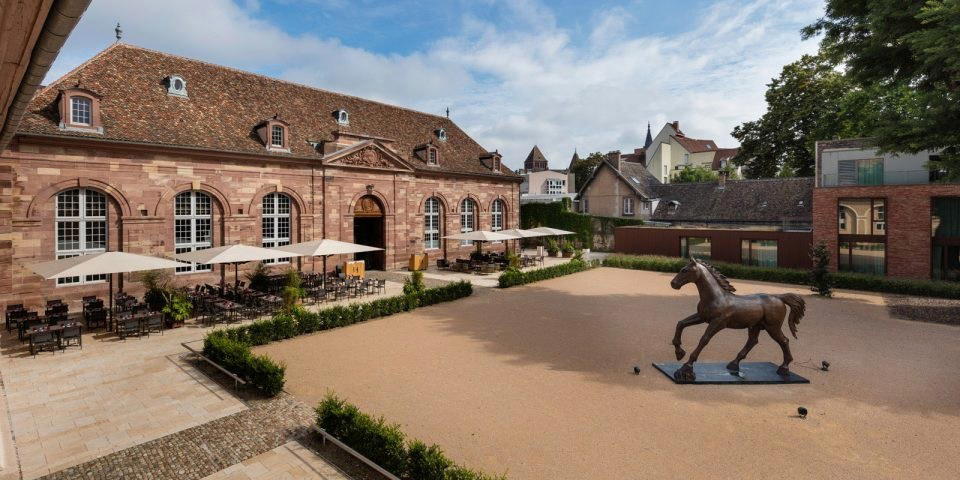
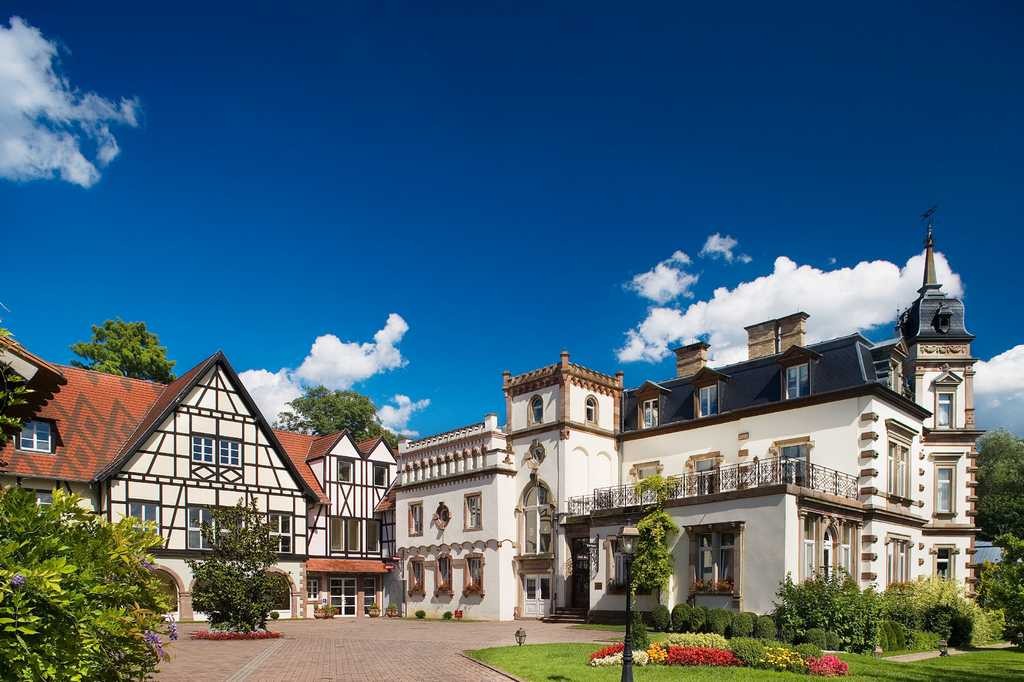
Awarded a Michelin star in 2024, Le Relais de la Poste has occupied the same address in La Wantzenau since 1789, though its refurbished dining room and contemporary menu bear little resemblance to that founding era. The kitchen leans into Alsatian produce through a modern lens, pairing crispy scallops and squab pigeon preparations with a wine cellar that draws consistent praise. Service is polished and the conservatory opens onto a garden patio.
Pearl is the En Primeur Club membership app — saves, bookings, and concierge access live there. Same editors, same standards.
- Address
- 21 Rue du Général de Gaulle, 67610 La Wantzenau, France
- Phone
- +33 3 88 59 24 80
- Website
- relais-poste.com
- Directions
- Get directions
 Saves & bookings on Pearl
Alsace's Long Game: Tradition Under a Modern Lens
Alsace has always occupied an ambiguous culinary position within France. Geographically pressed against the Rhine, historically shuttled between French and German sovereignty, the region developed a kitchen that belongs to neither tradition entirely. The choucroute and the baeckeoffe are the familiar reference points, but the more interesting story is what Alsatian cooking does when it moves beyond those fixed coordinates. In villages north of Strasbourg along the Rhine plain, a strand of modern French cuisine has taken root in restaurants old enough to predate the republic itself. Le Relais de la Poste in La Wantzenau, operating from the same address since 1789, represents one of the clearer examples of how that inheritance gets renegotiated across generations.
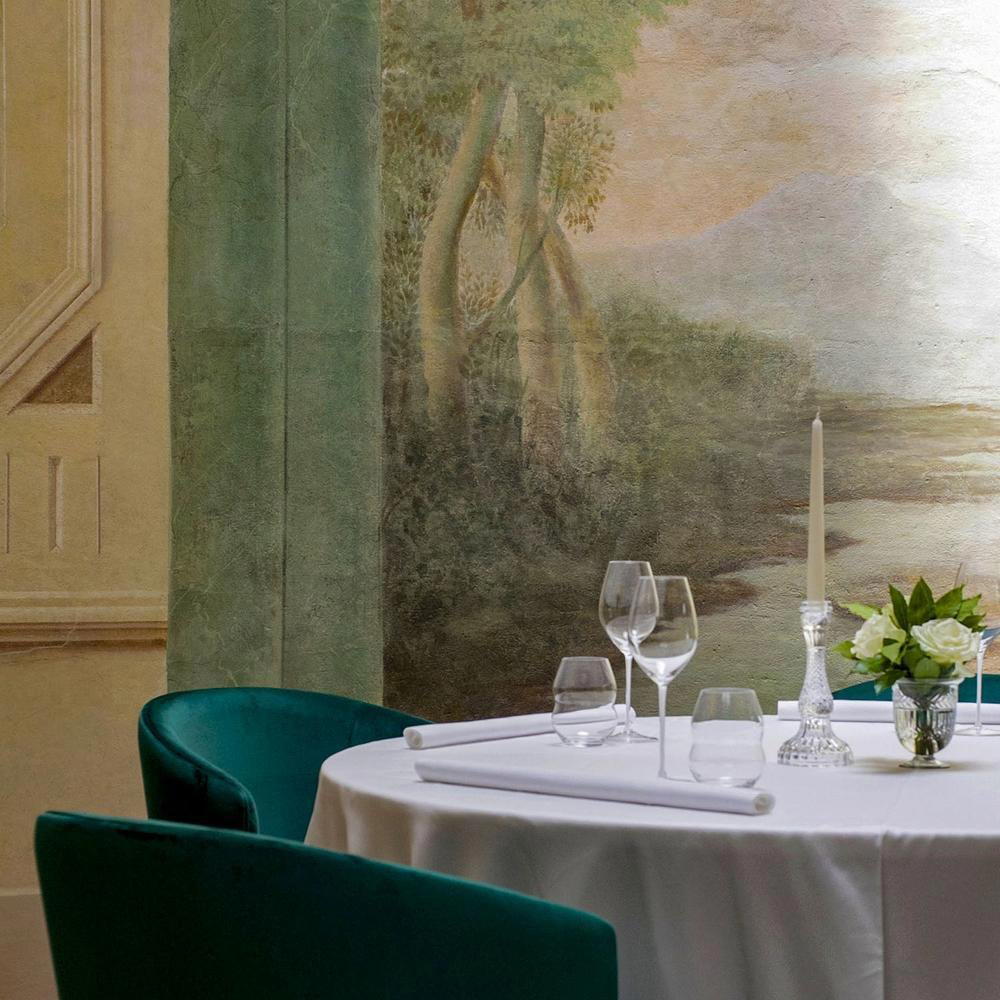
The broader pattern across France is familiar: rural inns and post-relay houses that once served travellers and coachmen have either calcified into museum-piece dining or found a way to shed the cobwebs without abandoning their setting. Le Relais de la Poste belongs to the second category. Its refurbished dining room integrates contemporary detailing into the fabric of a centuries-old building, and a conservatory extends the space toward a garden patio, which shifts the dining atmosphere considerably depending on season. This kind of spatial layering, where the historical envelope is preserved but the interior experience is re-edited, has become a recognisable design response in French provincial fine dining, from country houses in Burgundy to riverside auberges in Alsace.
What a Michelin Star Means in This Context
Among the Michelin-recognised tables of Alsace, the benchmark most referenced is Auberge de l'Ill in Illhaeusern, a three-star institution with a lineage that has defined regional fine dining for decades. Le Relais de la Poste operates in a different tier and a different register. Its 2024 single star positions it within the larger cohort of French one-star restaurants that are not trying to replicate the grand auberge format but are instead working at a more intimate, contemporary scale. That cohort now includes addresses as varied as AM par Alexandre Mazzia in Marseille and Assiette Champenoise in Reims, each anchored to a region but freed from its folkloric expectations.
The Michelin language used for Le Relais de la Poste is pointed: the food is described as free of culinary cobwebs and tailored to modern tastebuds. That framing matters because it signals a deliberate departure from the preservation instinct that can weigh on restaurants of this age. French provincial cooking at this price point (€€€€) frequently walks a line between regional heritage and contemporary technique. The kitchens that receive sustained critical attention are generally those that treat the local pantry as a starting point rather than a constraint.
The Menu as Cultural Argument
Alsatian cuisine has always absorbed influences from both sides of the Rhine, and the dishes cited in the restaurant's recognition illustrate that cross-border sensibility operating at a refined level. The scallop preparation, with wild prawns, cauliflower, and orange vinaigrette, draws from the coastal French larder and applies citrus acidity in a way that lifts rather than masks the shellfish. More pointed is the squab pigeon treatment: breast lightly roasted, thigh rendered as fleischnacka. That second word is the tell. Fleischnacka is a specifically Alsatian preparation, a pasta-based meat roll traditionally made with leftover pot-au-feu, reinterpreted here as a confit technique applied to a premium bird. Using a folk-cooking method as a vehicle for fine-dining produce is not a new idea, but it requires precision to avoid irony or condescension. The fact that Michelin singled out the dish suggests the kitchen is executing it with conviction rather than novelty.
This approach, lifting regional forms and applying them to premium ingredients with modern technique, connects the restaurant to a broader trajectory in contemporary French cooking. At the other end of the scale, kitchens like Troisgros in Ouches, Bras in Laguiole, and Flocons de Sel in Megève have each built acclaimed modern French programs around a deep reading of their respective regional terroirs. The restaurant is working the same premise at a smaller scale, in a village of roughly 3,000 people north of Strasbourg.
Wine, Service, and the Logic of the Room
Wine cellars at Alsatian restaurants carry particular weight because the region produces some of France's most food-compatible whites: Riesling, Pinot Gris, Gewurztraminer, and Muscat, each capable of navigating both delicate and richly sauced dishes. The recognition of a knockout wine cellar at the restaurant suggests a list that goes beyond the local roster, though the regional selections would logically anchor it.
Service is slick and professional, with a team capable of explaining the menu and wine pairings without formality becoming an obstacle to the meal. In Alsatian fine dining, that balance is sometimes harder to calibrate than in Paris; the regional tradition skews toward generosity and warmth, which can work against the clipped efficiency of a metropolitan service style. The implication here is that the room runs smoothly without sacrificing character.
Compared to other modern-cuisine addresses at the same price point internationally, including Frantzén in Stockholm and FZN by Björn Frantzén in Dubai, the restaurant operates with a distinctly French provincial register: rooted in place, anchored by a wine program, and uninterested in the theatrics of Nordic or cosmopolitan tasting-menu formats. The comparison illustrates rather than diminishes; the Alsatian model of fine dining has its own coherent logic, and this address is applying it at a credible level.
La Wantzenau itself sits roughly 12 kilometres north of Strasbourg, easily reachable by car and accessible via public transport from the city centre. For visitors building a broader Alsatian itinerary, the village offers more than one dining option worth considering: Le Jardin Secret and Les Semailles both operate in the village. Collectively, La Wantzenau punches above its size as a dining destination, which reflects a wider pattern of culinary density along the Alsatian Rhine plain.
Planning Your Visit
At €€€€ pricing with a Michelin star, advance booking is advisable, particularly for weekend evenings and Friday lunch. The restaurant sits at 21 Rue du Général de Gaulle in La Wantzenau. Those building a wider French fine-dining comparison might also look at Alléno Paris au Pavillon Ledoyen, Mirazur in Menton, or Paul Bocuse in Collonges-au-Mont-d'Or for context on how the country's modern and classic fine-dining trajectories diverge.
Cost and Credentials
Comparable venues nearby, for context on price, style, and recognition.
| Venue | Cuisine | Price | Awards | Notes |
|---|---|---|---|---|
| Le Relais de la PosteThis venue — the venue you are viewing | Modern Cuisine | $$$$ | Michelin 1 Star | Not listed |
| Les Semailles | La Wantzenau, Modern French Gastronomic | $$$$ | Michelin Plate | Not listed |
| Le Jardin Secret | Not listed | $$$$ | Michelin 1 Star | La Wantzenau, Modern French Seasonal Tasting Menu |
| Zimmer | La Wantzenau, Traditional French Terroir | $$$ | Not listed | Not listed |
| Auberge Saint-Walfrid | Not listed | $$$$ | Michelin 1 Star | Sarreguemines, Modern French Lorrain Fine Dining |
| Guillaume Scheer - Les Plaisirs Gourmands | Schiltigheim, Modern French Fine Dining | $$$$ | Michelin 1 Star | Not listed |
Recognition history
Dated appearances from independent guides and award organizations, with the underlying list record or original source where available.
Michelin 1 Star
Michelin
Michelin 1 Star
Michelin
Michelin 1 Star
Michelin
Continue exploring
More in La Wantzenau
Restaurants in La Wantzenau
Browse all →
Bars in La Wantzenau
Browse all →
Hotels in La Wantzenau
Browse all →

At a Glance
- Elegant
- Romantic
- Classic
- Cozy
- Sophisticated
- Date Night
- Business Dinner
- Special Occasion
- Private Dining
- Terrace
- Historic Building
- Extensive Wine List
- Local Sourcing
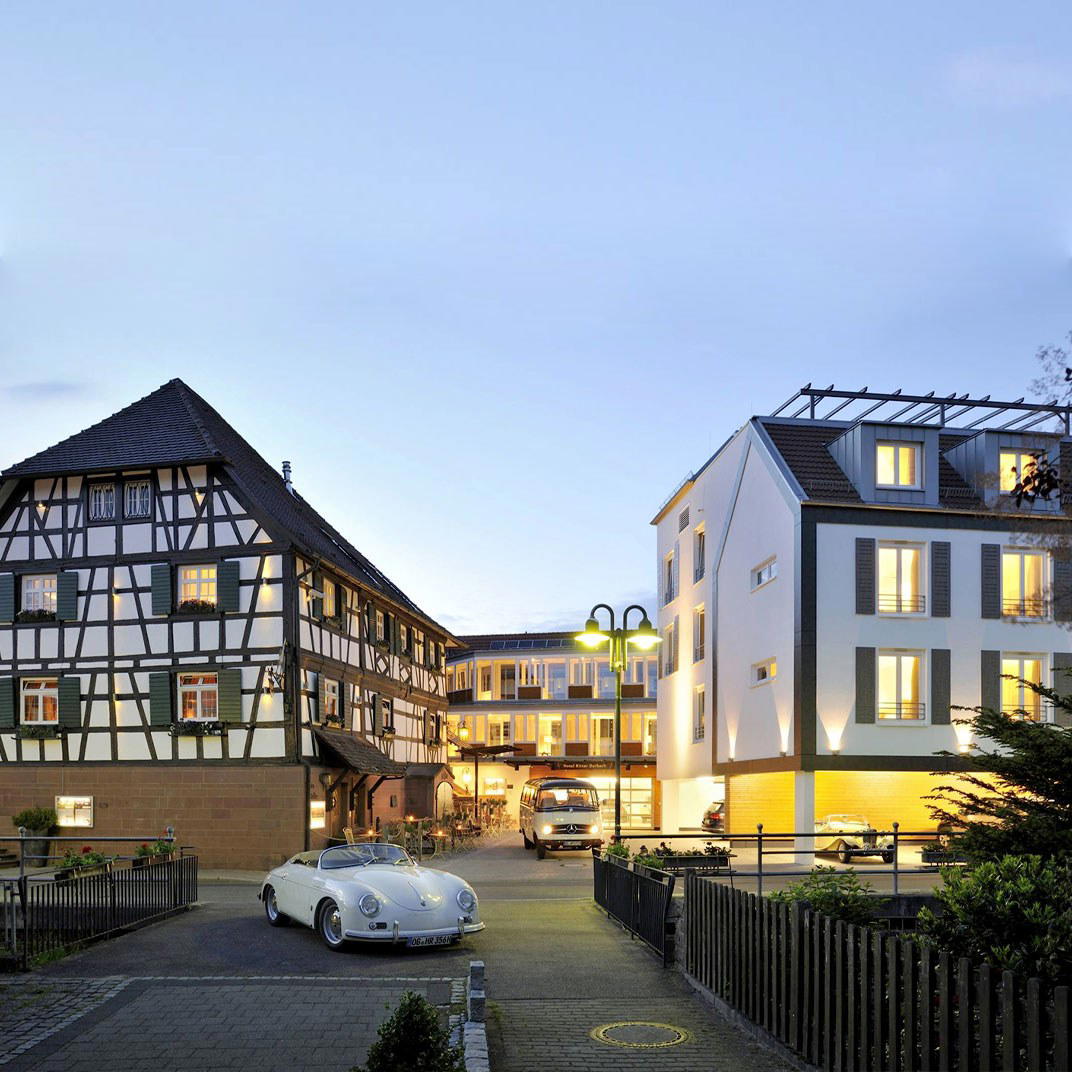
Cozy, elegant atmosphere in a historic Alsatian building with chic, warm lighting and refined, romantic setting praised for its class and comfort.