
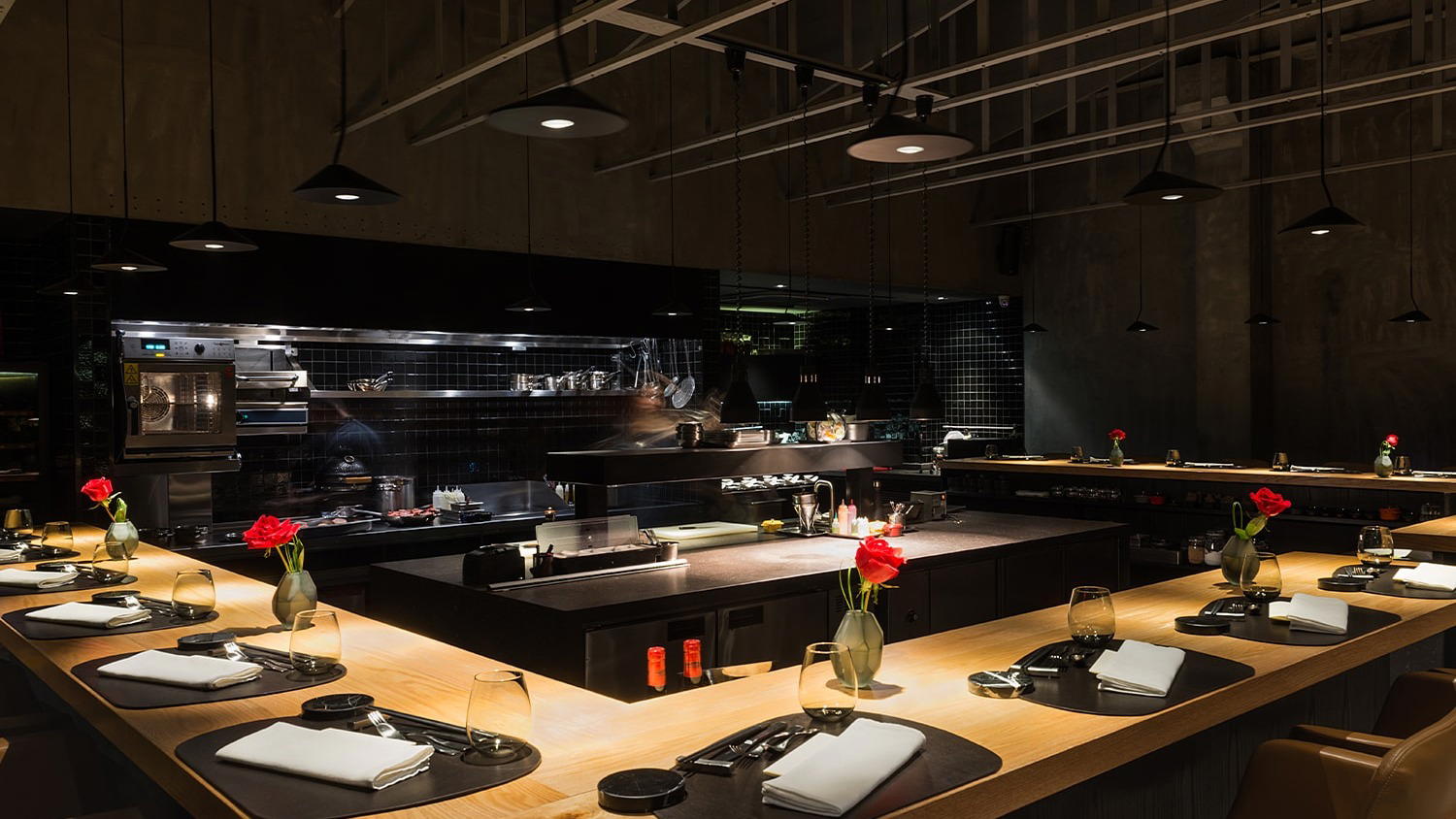
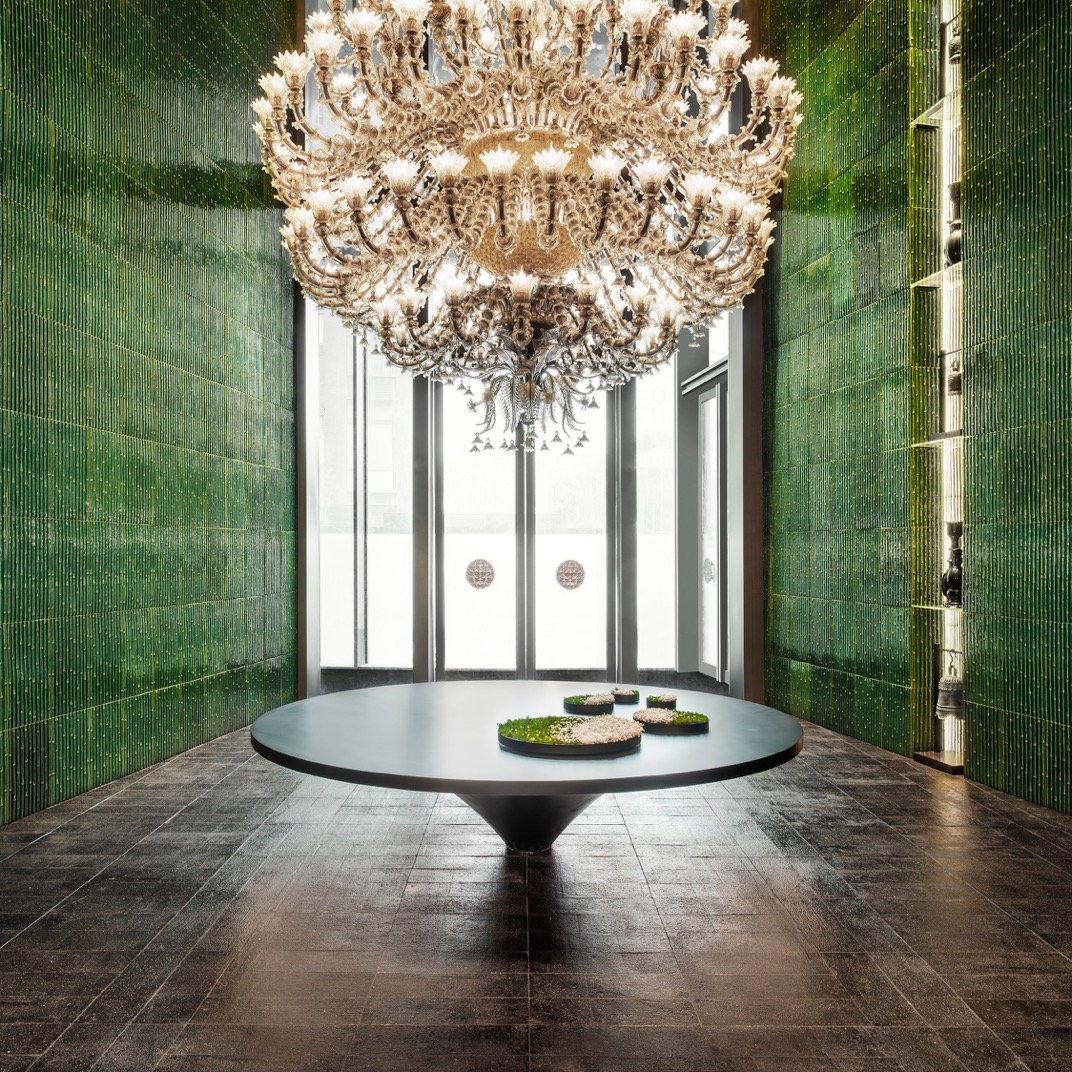
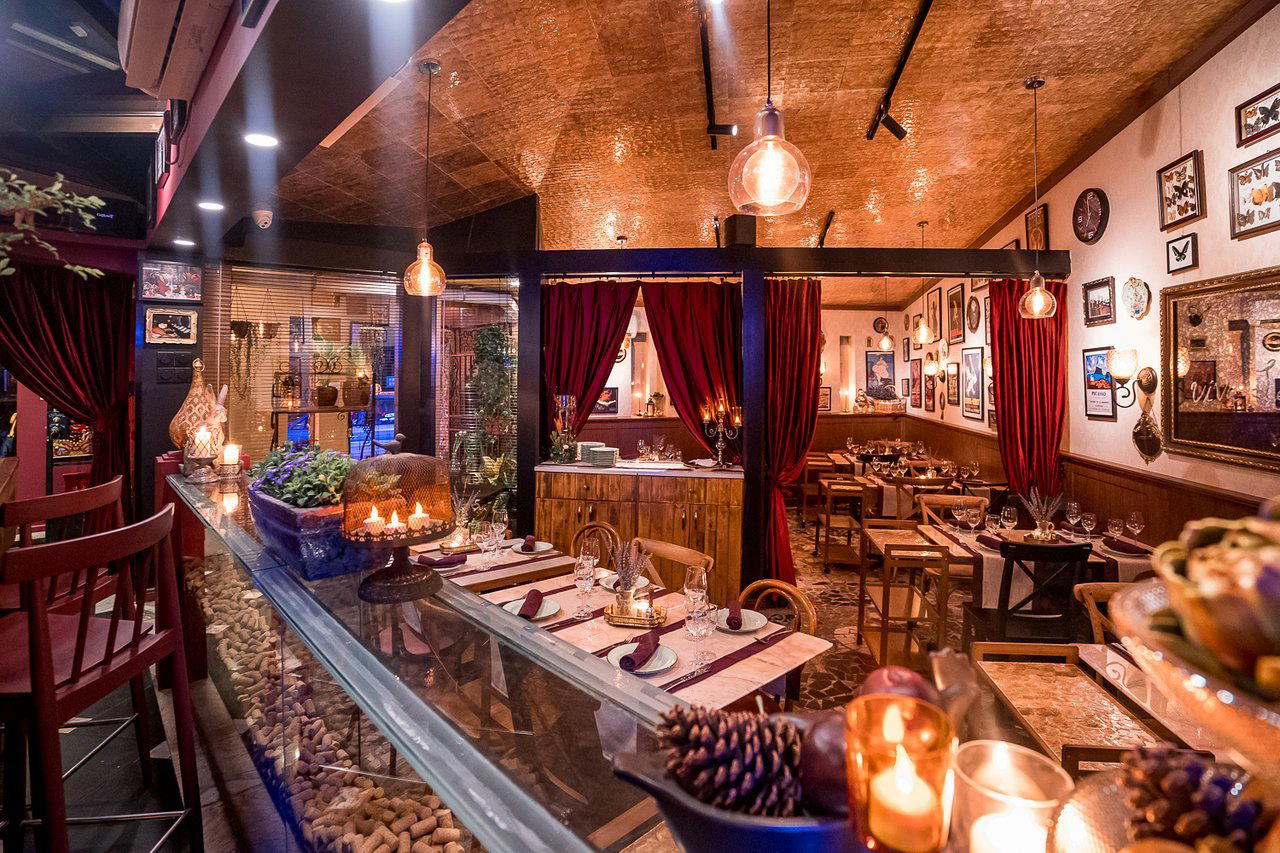
Zhoushe Haipai sits in Minhang District's Hongqiao Libao Plaza, holding a 2025 Black Pearl 1 Diamond award that places it squarely within Shanghai's recognised haipai dining tier. The restaurant takes its name from the city's signature hybrid cuisine, a tradition built on absorbing outside influences without losing local identity. For those willing to travel slightly beyond the central districts, it represents a credentialled entry point into that tradition.
Pearl is the En Primeur Club membership app — saves, bookings, and concierge access live there. Same editors, same standards.
- Address
- Shanghai Hongqiao Libao Plaza 3 Building, 1层109 Shenwu Rd, 109, Minhang District, Shanghai, China, 201106
- Phone
- +86 21 3463 6976
- Directions
- Get directions
 Saves & bookings on Pearl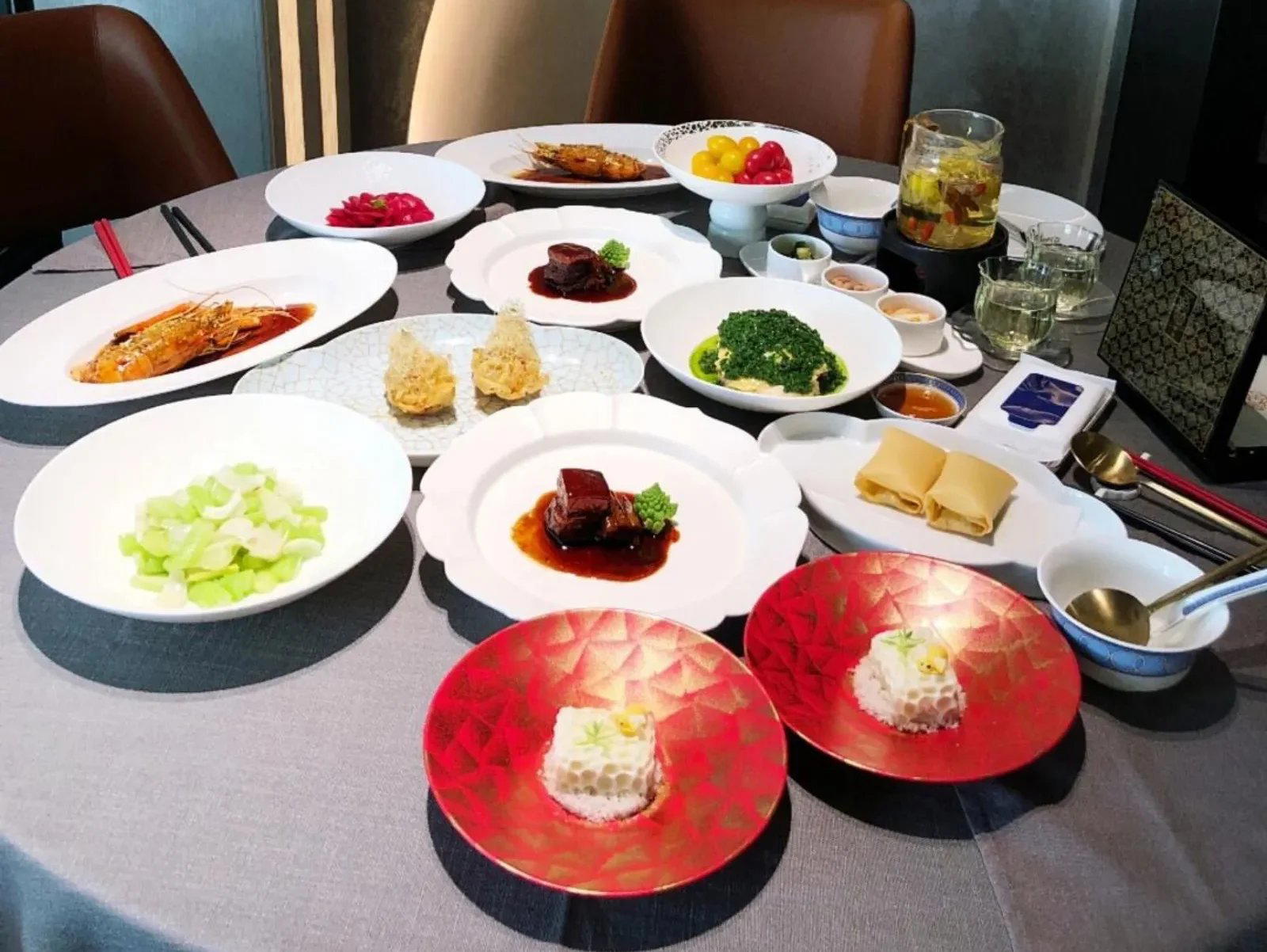
Haipai Cuisine and the Shanghai Table Today
Shanghai's culinary character has always been defined by its capacity to absorb. The term haipai, loosely translated as 'Shanghai style', emerged from the city's treaty-port era, when Cantonese merchants, Jiangnan home cooks, Western missionaries, and Japanese traders all left marks on the local table. The result was a cuisine that moved fluidly between soy-braised richness, delicate freshness, and borrowed foreign technique. That tradition did not freeze at any single point. Over the past two decades, haipai cooking has gone through several reinventions: a mid-2000s wave of heritage revival restaurants, a later phase of French-influenced refinement, and more recently a return to neighbourhood-scale formats that emphasise craft over spectacle. Zhoushe Haipai, positioned in Minhang District's Hongqiao Libao Plaza and recognised with a Black Pearl 1 Diamond award in 2025, sits within this most recent chapter of that evolution. The restaurant is in Shanghai's Minhang District and is priced at about US$65 per person.
The Minhang Address and What It Signals
For a restaurant drawing Black Pearl recognition, the Minhang location carries meaning. Most of Shanghai's awarded Chinese dining is concentrated in Jing'an, the Bund corridor, or the Former French Concession, where visibility and tourist foot traffic reinforce each other. A credentialled haipai restaurant operating in a western district shopping plaza like Hongqiao Libao is a different proposition: it is drawing primarily from a residential and business catchment, not from hotel-guided tourists. That dynamic tends to sharpen the kitchen's accountability to repeat diners rather than one-time visitors, which often produces more consistent, less performative cooking. Comparable dynamics are visible in other Chinese cities where awarded restaurants have moved or opened in non-central commercial zones to serve wealthier suburban populations whose dining expectations are no less demanding than their city-centre counterparts. Zhoushe Haipai's Minhang address reads as a deliberate positioning choice, not a concession.
Evolution Inside a Named Cuisine
The haipai label carries weight precisely because it commits a restaurant to a moving target. Unlike regional cuisines with more fixed boundaries, Cantonese or Sichuan for instance, haipai has always been defined by its responsiveness to outside input. Restaurants that carry the name are implicitly signing up to a tradition of evolution rather than preservation. The Black Pearl programme has become one of the more reliable domestic benchmarks for Chinese fine dining and premium casual restaurants, applying criteria around technique, ingredient sourcing, and service consistency. A 1 Diamond designation in 2025 puts Zhoushe Haipai in a tier that the programme treats as serious dining, below the rarified 3 Diamond tier but clearly within the range that justifies advance planning and deliberate reservation-making.
Peer Context in Shanghai's Awarded Dining Tier
Shanghai's Black Pearl and Michelin cohorts overlap but are not identical. Fu He Hui, operating at the summit end of the city's vegetarian Chinese category, and Xin Rong Ji in the Taizhou seafood tradition both hold dual recognition from both programmes, which positions them in a slightly different peer group from single-system recognised restaurants. For the reader trying to map where the restaurant sits: it occupies a tier of serious domestic recognition without yet reaching the dual-accreditation bracket. That does not diminish the award; it clarifies the expectation. Think of it as the tier where technique and sourcing are held to a clear standard, but where the format is likely more accessible and the booking less fraught than at a two or three Diamond house. For comparisons across Chinese cities, the Xin Rong Ji network (with outposts covered in our guides to Beijing and Chengdu) shows how a single cuisine concept can hold consistent recognition across geographies, which sets a useful reference bar for regional Chinese fine dining more broadly.
The Wider Shanghai Dining Map
The restaurant is one point on a dining map that has grown considerably more layered over the past decade. The city now supports credentialled Chinese restaurants across multiple regional traditions alongside internationally trained kitchens working in French, Italian, and contemporary tasting-menu formats. 8½ Otto e Mezzo Bombana anchors the Italian end of Shanghai's international fine dining offer, while operations like those covered in Fu He Hui show the appetite for high-investment Chinese dining that does not defer to any Western format template. What the restaurant adds to this picture is a haipai-specific voice in a district that has tended to be underrepresented in the city's editorial dining coverage. Its 2025 recognition makes it a data point worth tracking as the Minhang dining scene continues to develop. Chinese fine dining in other regional centres, including Ru Yuan in Hangzhou, Chef Tam's Seasons in Macau, Imperial Treasure in Guangzhou, and Dai Yuet Heen in Nanjing, provides useful context for how recognised Chinese cooking is evolving across the region simultaneously. For readers who follow fine dining internationally, the craft-over-scale direction that Chinese restaurants like this represent has parallels in how tightly focused tasting-counter formats have reshaped expectations at places like Atomix in New York or how long-form discipline at Le Bernardin maintains relevance through consistent refinement rather than reinvention for its own sake.
Planning Your Visit
Location: Hongqiao Libao Plaza, Building 3, Unit 1F-109, Shenwu Road, Minhang District, Shanghai 201106. Getting there: Minhang District sits west of the city centre; the Hongqiao transport hub is the nearest major transit node, accessible via Lines 2 and 10. Awards: Black Pearl 1 Diamond (2025). Dress: No confirmed dress code; smart casual is standard at this award tier in Shanghai. Budget: About US$65 per person.
City Peers
Comparable venues nearby, for context on price, style, and recognition.
| Venue | Cuisine | Price | Notes |
|---|---|---|---|
| Zhoushe HaipaiThis venue — the venue you are viewing | Innovative Haipai Cuisine | $$$ | Not listed |
| The yidao restaurant | Modern Huaiyang Chinese with Tea Pairings | $$$ | Lan Ni Du |
| WANYAN | Refined Hui (Anhui) Cuisine | $$$ | Changning |
| Wujie | Modern Vegetarian Asian Fusion | $$$ | Xujiahui |
| Lynn | Modern Shanghai Cuisine | $$$ | Jing'an |
| VALE RESTAURANT | High-end Cantonese | $$$ | Yanqiao Xiang |
Recognition history
Dated appearances from independent guides and award organizations, with the underlying list record or original source where available.
Black Pearl 1 Diamond
Black Pearl
At a Glance
- Sophisticated
- Trendy
- Special Occasion
- Date Night
- Rooftop
- Skyline
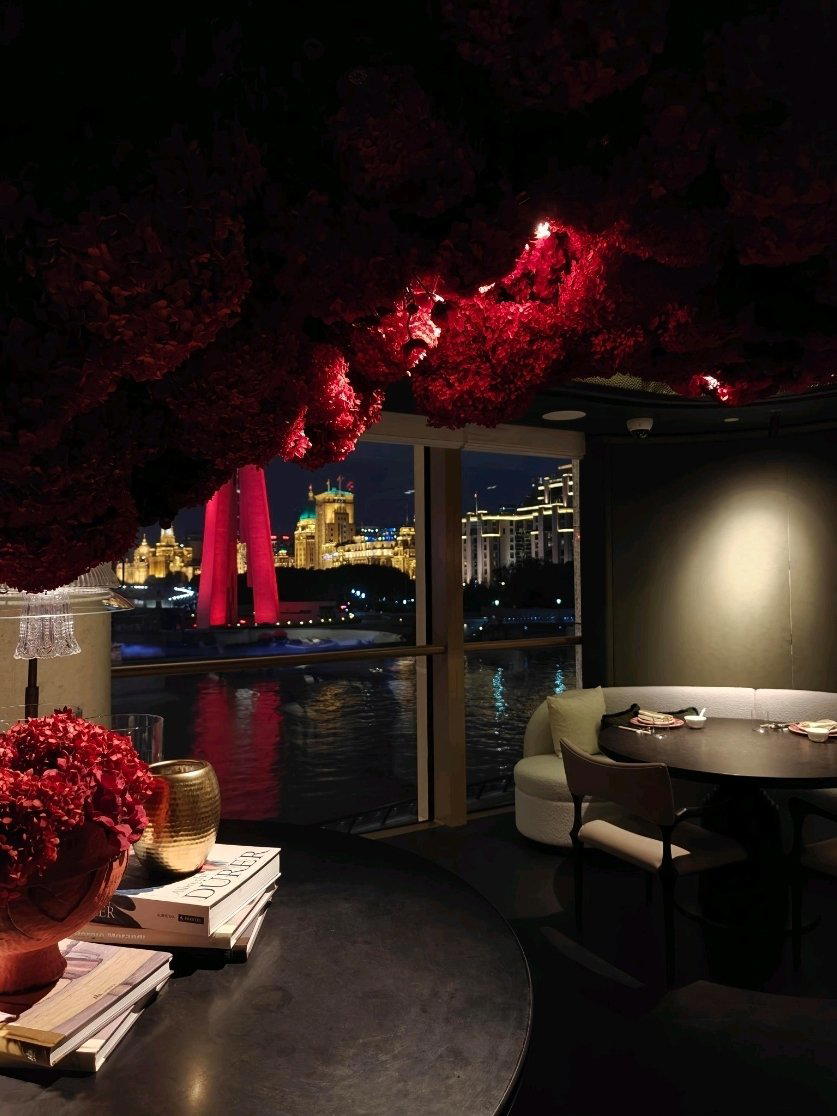
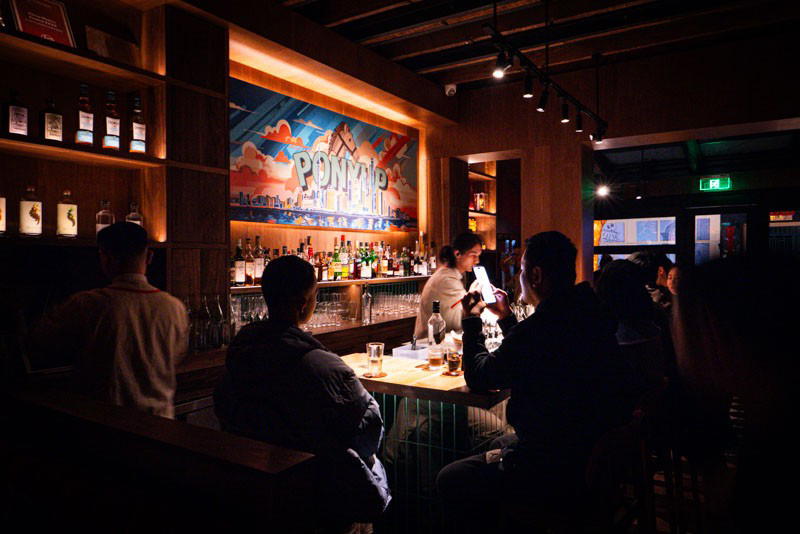
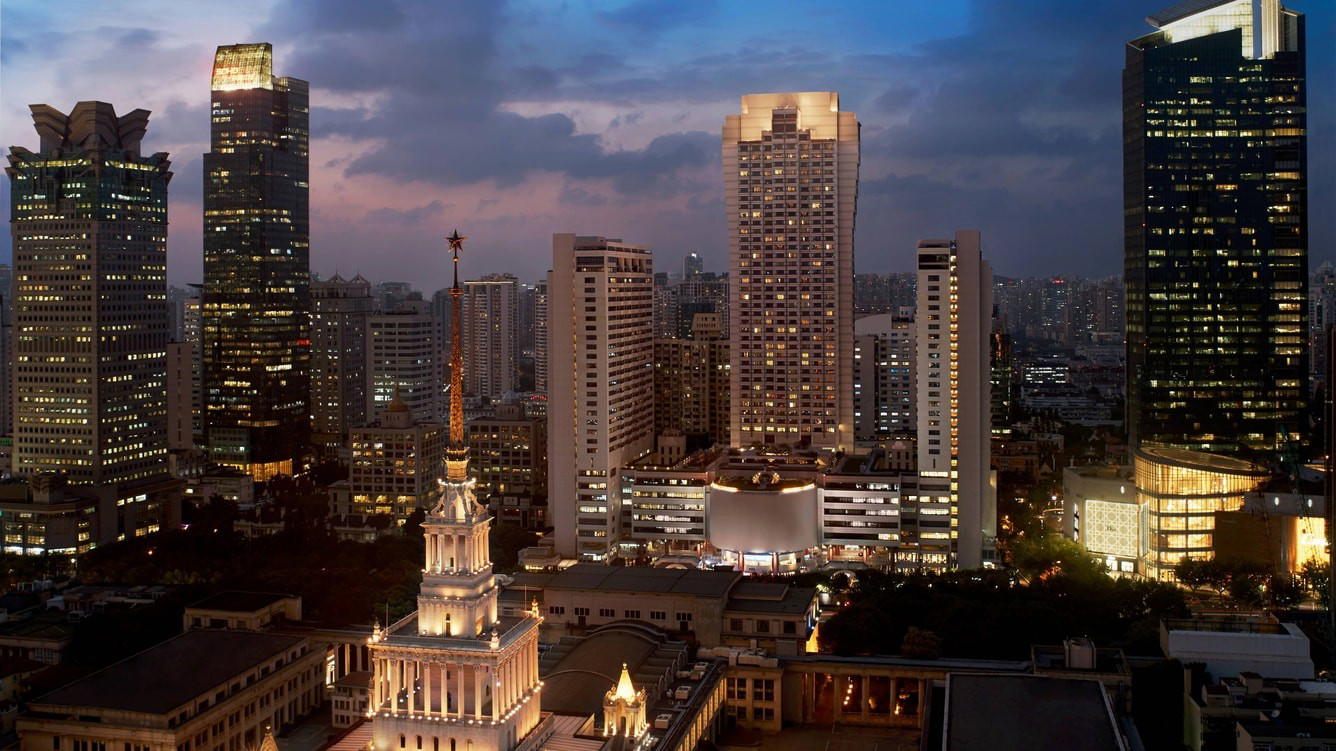
Lively rooftop atmosphere with dramatic city skyline views, praised for lively flavors in a high setting.