
WANYAN enters Shanghai’s serious dining conversation through a 2026 one-diamond listing in the Black Pearl Restaurant Guide, a signal that matters in a city where Chinese fine dining is assessed as much by cultural fluency as luxury cues. With public details on format and cuisine kept sparse, the useful read is its position inside Shanghai’s award-recognised restaurant tier rather than a checklist of dishes or décor.

Pearl is the En Primeur Club membership app — saves, bookings, and concierge access live there. Same editors, same standards.
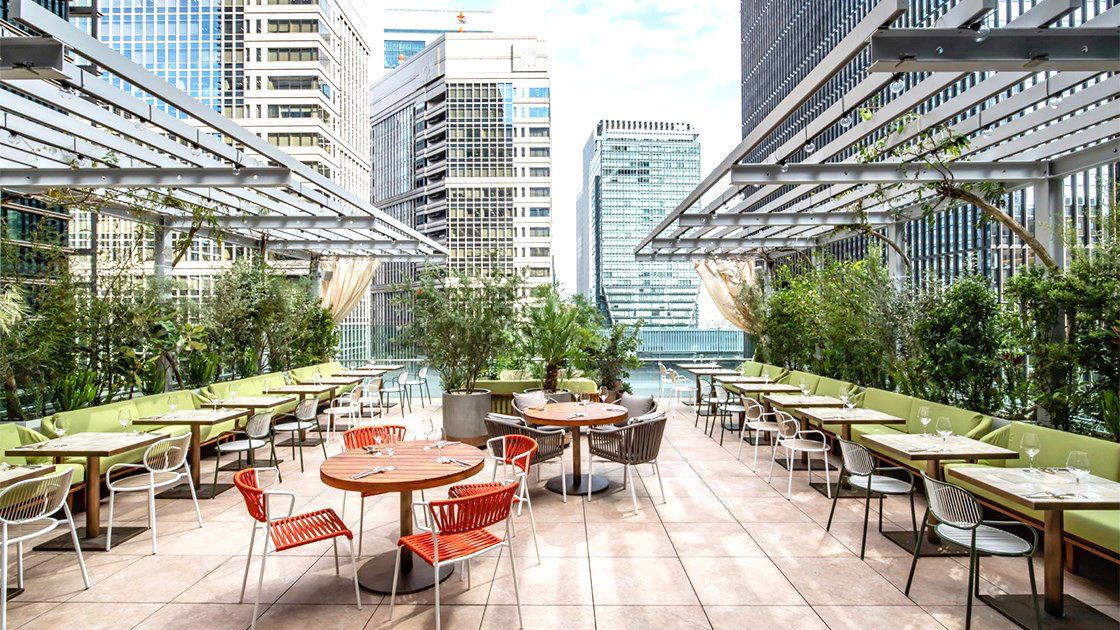
Shanghai dining often announces itself before the menu arrives: tower lobbies, polished residential districts, private-room corridors, and rooms calibrated for business, family ceremony, and quiet spending. WANYAN belongs to that citywide grammar of serious Chinese dining, where atmosphere is rarely separated from status. The useful starting point is not a named dish or chef biography, but the way Shanghai’s upper-tier restaurants translate regional tradition into a contemporary room, balancing discretion, technical service, and the social codes of hosting.
The 2026 Black Restaurant Guide gives WANYAN one diamond, placing it inside a domestic recognition system that carries real weight among Chinese diners. Michelin remains the international shorthand, but Black reads the market through a China-specific lens: service rhythm, ingredient hierarchy, private dining culture, banquet fluency, and the expectations of guests who know the difference between polish and theatre. In Shanghai, that distinction matters. The city has enough luxury dining rooms to make surface gloss irrelevant; recognition has to point to consistency, not merely expense.
A Shanghai dining room judged by Chinese codes of luxury
Shanghai’s restaurant culture is unusually layered. It has treaty-port history, Jiangnan softness, Cantonese technique, Sichuan heat, Huaiyang knife work, and a corporate entertainment economy that has shaped how high-end dining rooms operate. A restaurant in this bracket is not competing only on what lands on the table. It is judged on pacing, privacy, tea and wine readiness, the way a meal can hold both celebration and negotiation, and whether the cooking reads as culturally literate rather than decorative.
That is why WANYAN’s one-diamond status is more useful than a loose promise of luxury. It signals that the room has cleared a threshold recognised by a guide built around China’s dining habits. For travellers, the distinction is practical: award-recognised Chinese restaurants in Shanghai often reward diners who arrive with a clear sense of the meal they want, from a compact dinner to a longer hosted occasion. The absence of public-facing detail should push expectations toward inquiry and planning rather than improvisation.
For readers mapping the city, WANYAN sits in a Shanghai category distinct from hotel steakhouses, skyline Cantonese rooms, and regional destination restaurants. Use our full Shanghai restaurants guide for the wider restaurant field, then cross-reference adjacent luxury categories through our full Shanghai hotels guide, our full Shanghai bars guide, our full Shanghai wineries guide, and our full Shanghai experiences guide. Shanghai works well when dining is planned as part of a larger evening, not treated as an isolated reservation.
Where Black recognition fits into the meal
Black ’s diamond system has become a meaningful filter for China’s premium restaurant scene because it speaks to a domestic audience with exacting expectations. A one-diamond listing does not automatically define a restaurant’s cuisine, price, or room style, but it does mark the venue as part of a vetted tier. In a market as crowded as Shanghai, that matters. The city’s serious dining rooms can be difficult to parse from photographs alone, and guide recognition helps separate ambitious kitchens from rooms that rely mainly on address and decoration.
The cultural context is especially important for Chinese restaurants, where excellence can be quiet: a stock handled with restraint, a vegetable course timed correctly, a banquet sequence that does not exhaust the table, or a service team that understands when to explain and when to disappear. Specific dishes are not publicly listed for WANYAN, so the safer editorial read is structural. Expect the value of the meal to sit in execution, pacing, and the suitability of the setting for a considered dinner in Shanghai’s premium tier.
Travellers comparing Chinese dining across the country should treat Shanghai as one chapter, not the whole book. Chengdu’s heat and snack culture, Hangzhou’s literati softness, Fuzhou’s coastal clarity, Xiamen’s Minnan identity, and Beijing’s banquet traditions all frame different expectations. For broader context, see #8 in Chengdu, 167 Shan Hai Li in Fuzhou, 1913 in Hangzhou, 1927 Dong Yuan Si Chu in Xiamen, 1949 - Duck de Chine in Beijing, and 1980烧肉粽 in 厦门市. Those references underline how regional identity, not generic luxury, drives serious Chinese dining.
How to place WANYAN in a Shanghai itinerary
WANYAN is best understood as a planned dinner rather than a casual drop-in. Award-recognised dining in Shanghai attracts local demand, business hosting, and visitors using guide lists to structure limited evenings. Without published details on price, hours, booking method, or dress code, the sensible approach is to confirm directly before setting the rest of the night around it. That is not a warning; it is how the upper end of Shanghai dining often works, especially when private rooms, set formats, or special menus may affect availability.
For a more varied Shanghai dining map, nearby categories can sharpen the choice. Skyline Cantonese and steakhouse formats read differently from a Chinese dining room filtered through Black recognition; compare the broader city mix through 100 Century Avenue Cantonese, 100 Century Avenue Steakhouse, 102 House (Cantonese), 102 House Shanghai, and 1515 West Chophouse (Steakhouse). Internationally minded readers can also calibrate how format changes outside China through Jōdo Saké Bar in Los Angeles and Onigiri Time in Pasadena, though Shanghai’s premium Chinese rooms follow their own codes.
The verdict is measured: WANYAN is a Shanghai restaurant to consider when Black recognition is part of the brief and the meal calls for a composed Chinese dining setting rather than a trend-led night out. Its appeal lies in what the award implies inside this city: consistency, cultural fluency, and a room built for diners who expect the details to carry the occasion.
Comparable venues nearby, for context on price, style, and recognition.
| Venue | Cuisine | Price | Notes |
|---|---|---|---|
| WANYANThis venue — the venue you are viewing | Refined Hui (Anhui) Cuisine | $$$ | Not listed |
| Dadong Roast Duck Restaurant(Shanghai iapm Branch) | Fine-dining Peking Duck & Classic Chinese Banquet | $$$ | Xuhui |
| Oriental House | Contemporary Shanghainese | $$$ | Yang Jia Du |
| Xing Guo Lu | Shanghainese | $$ | Xujiahui |
| Maggie 5 | Upscale Shanghainese Fine Dining | $$$$ | Changning |
| Imperial Treasure (Shanghai) | Fine Cantonese Cuisine | $$$ | Huangpu |
Recognition history
Dated appearances from independent guides and award organizations, with the underlying list record or original source where available.
Black Pearl 1 Diamond
Black Pearl
At a Glance
- Elegant
- Sophisticated
- Business Dinner
- Date Night
- Special Occasion
- Group Dining
- Hotel Restaurant
- Standalone
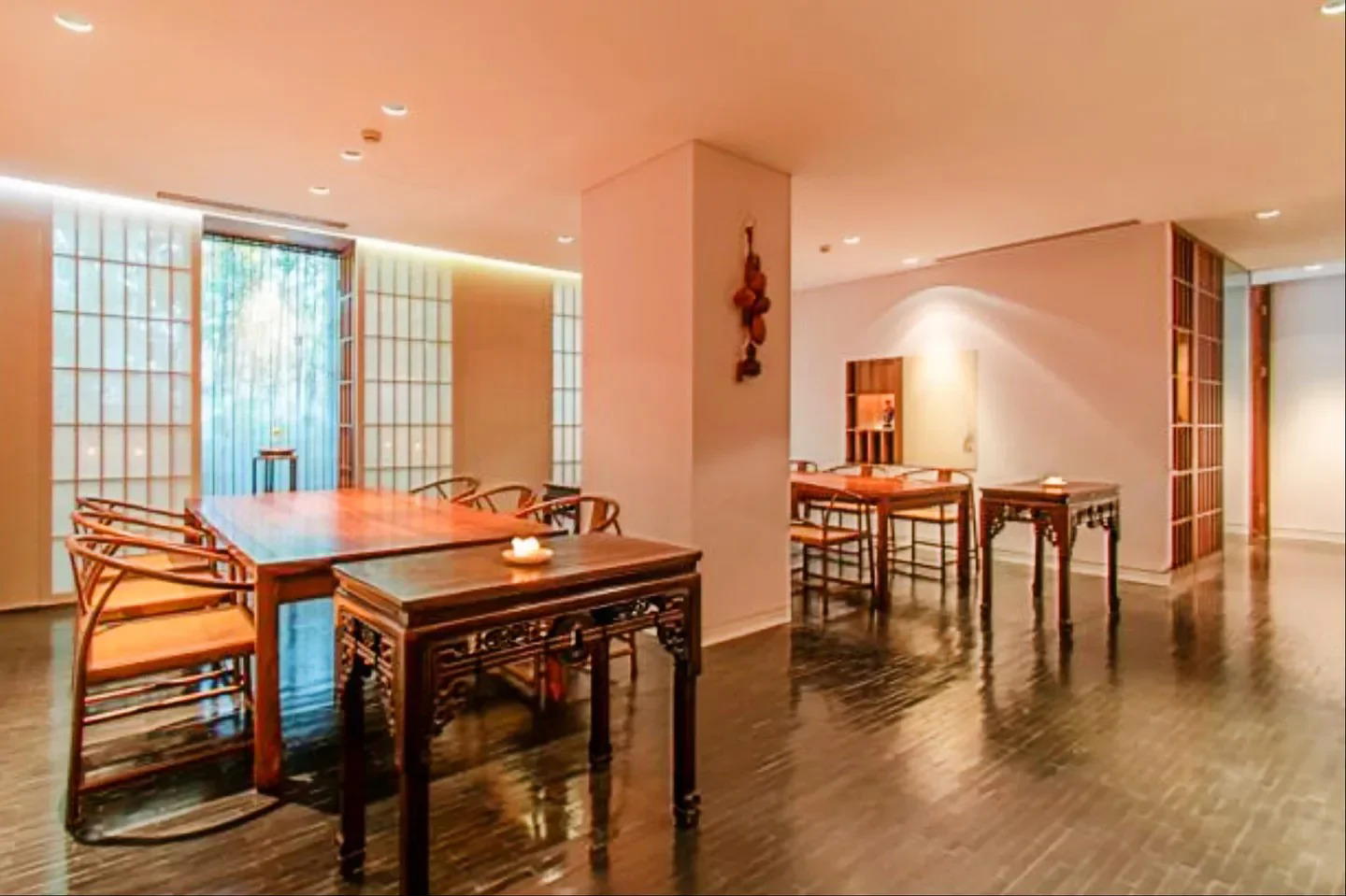
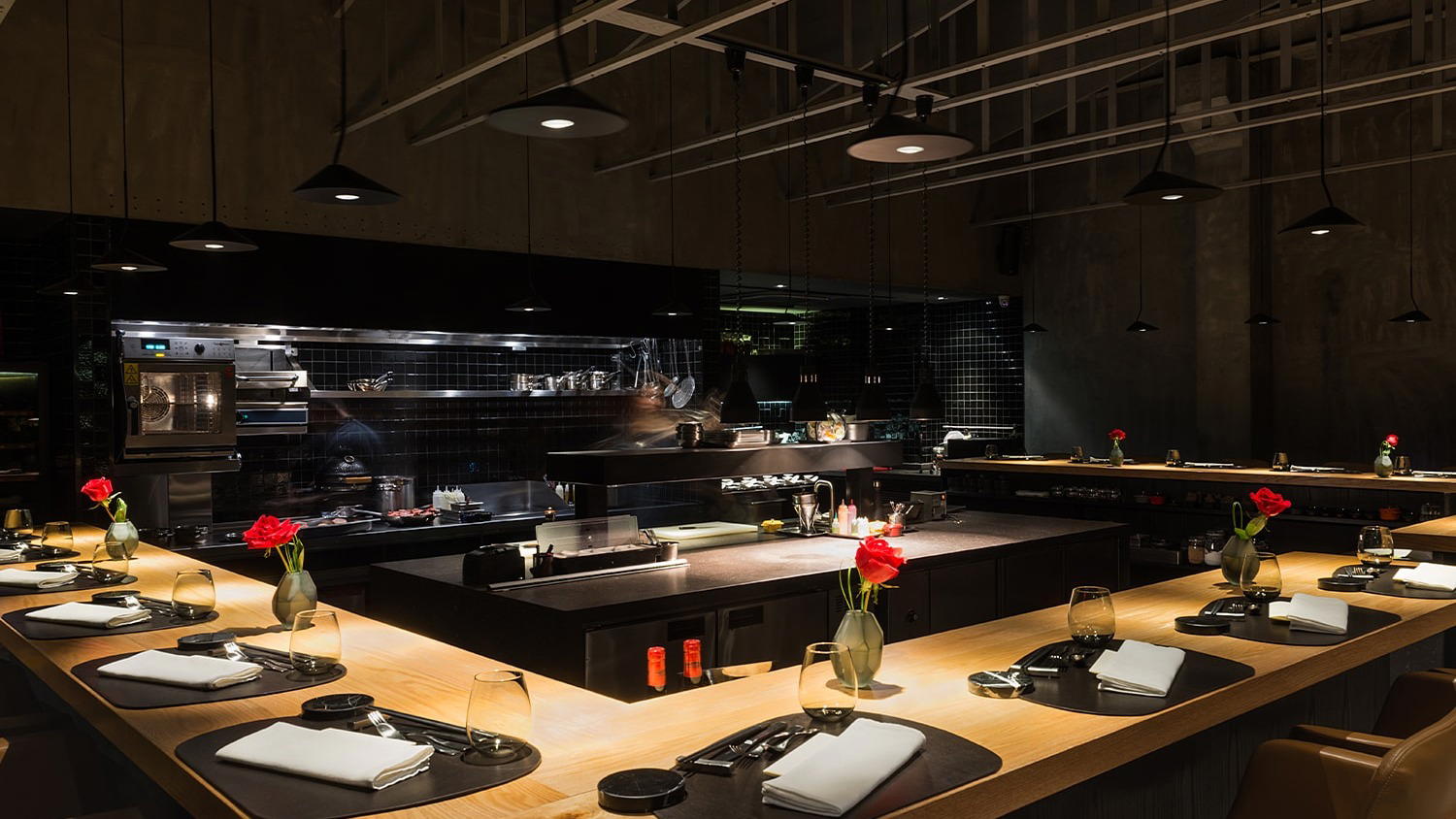
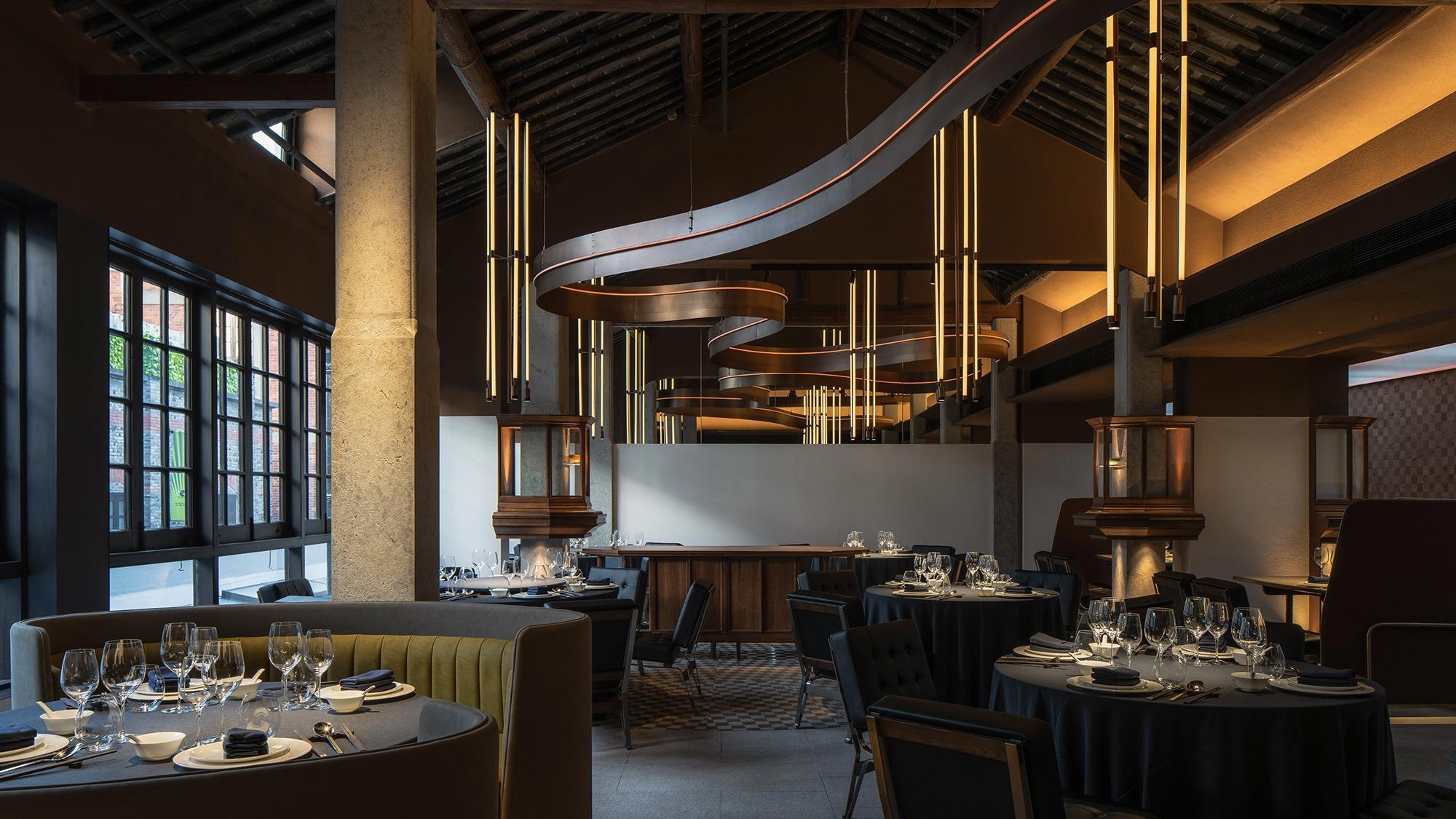
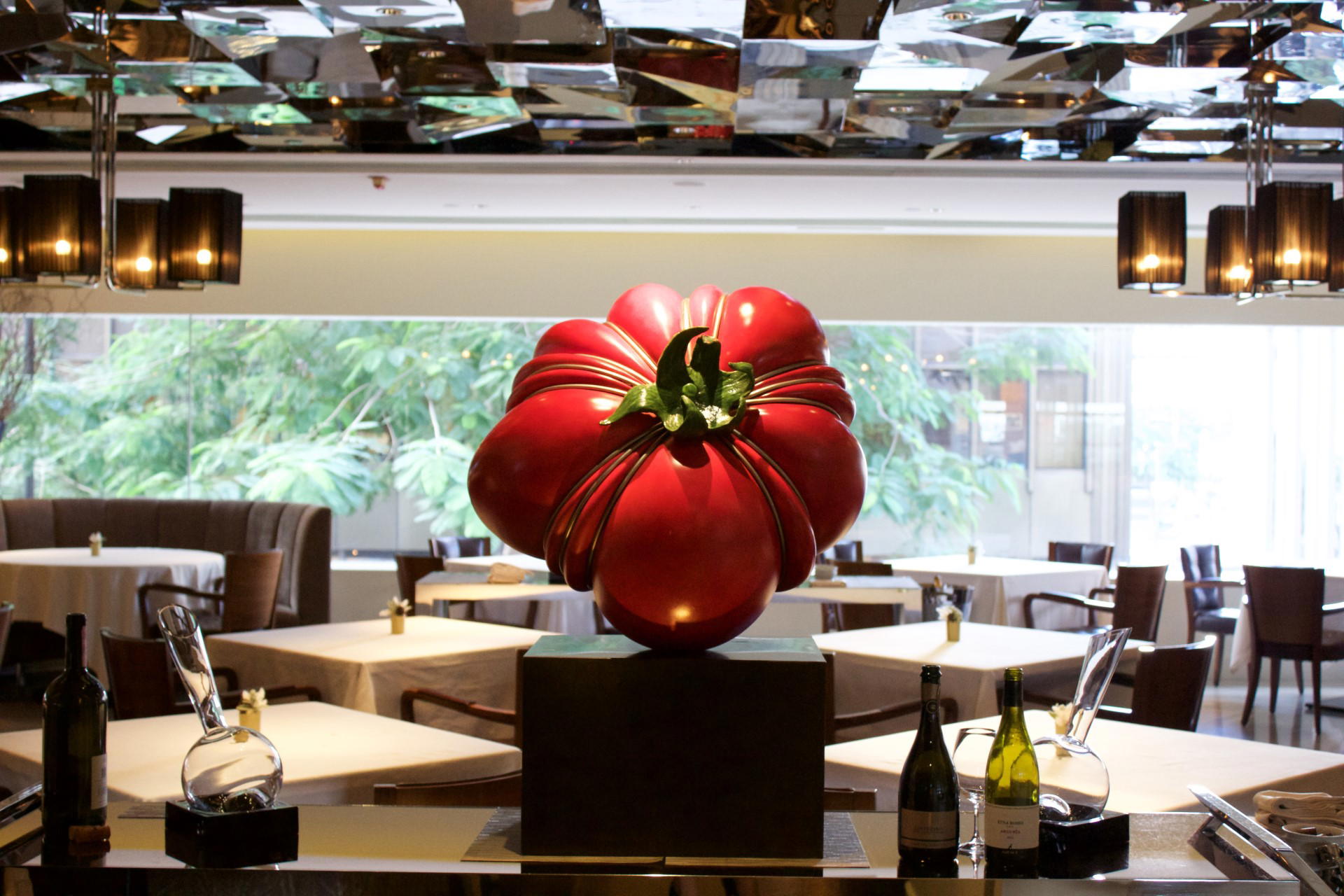
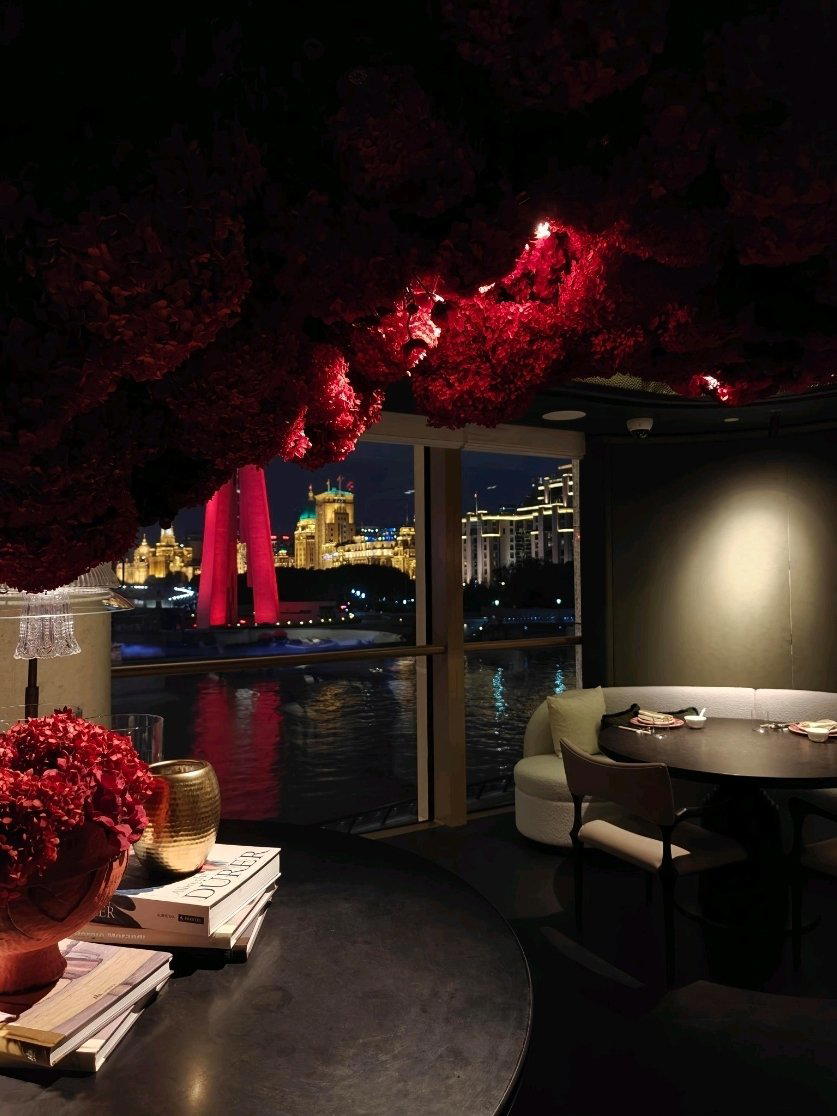
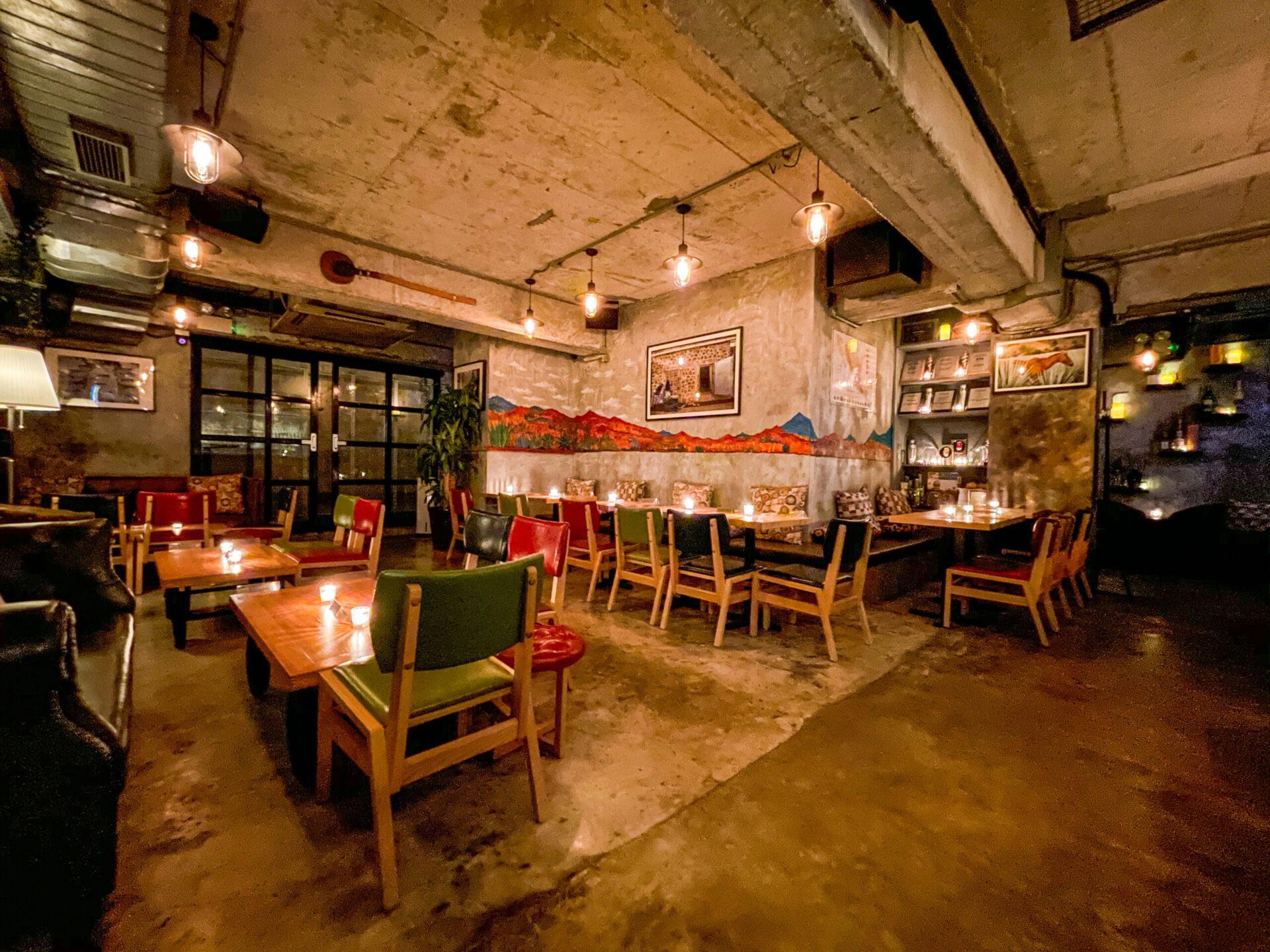
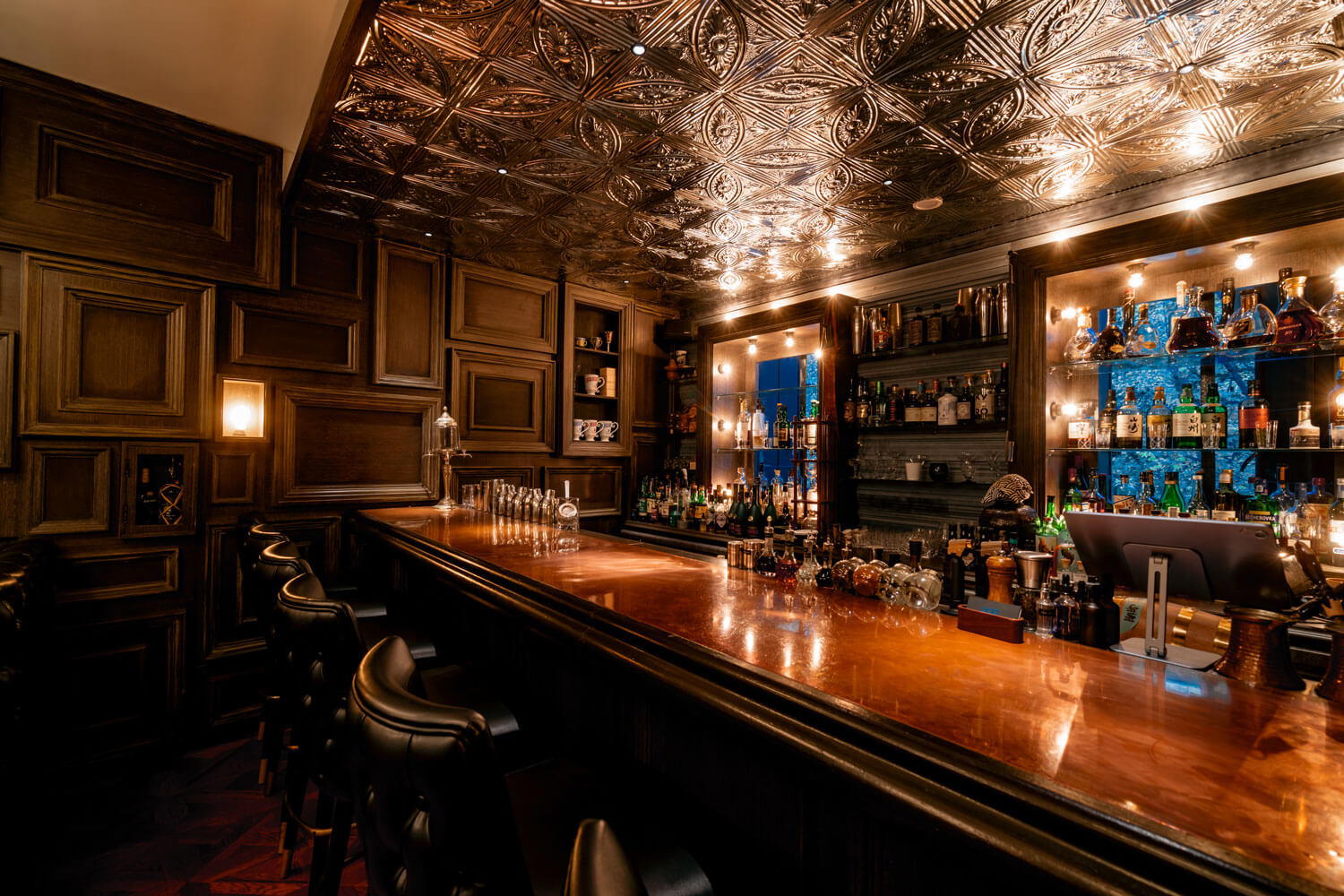
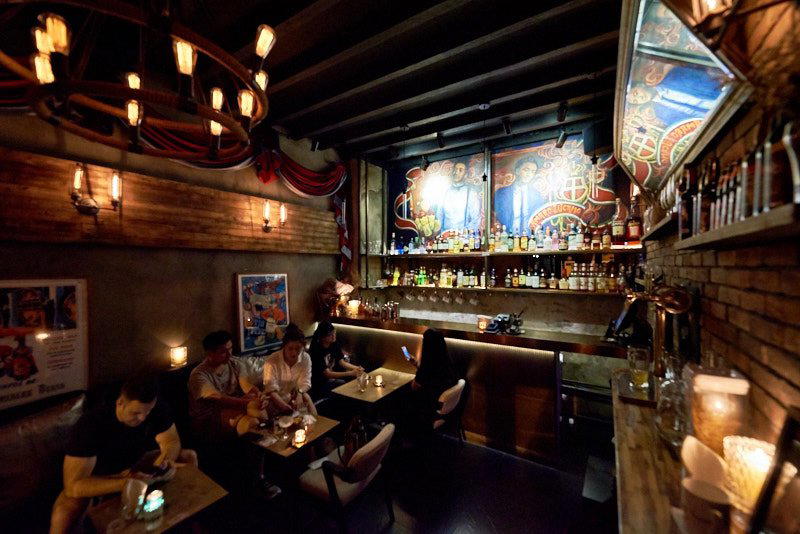
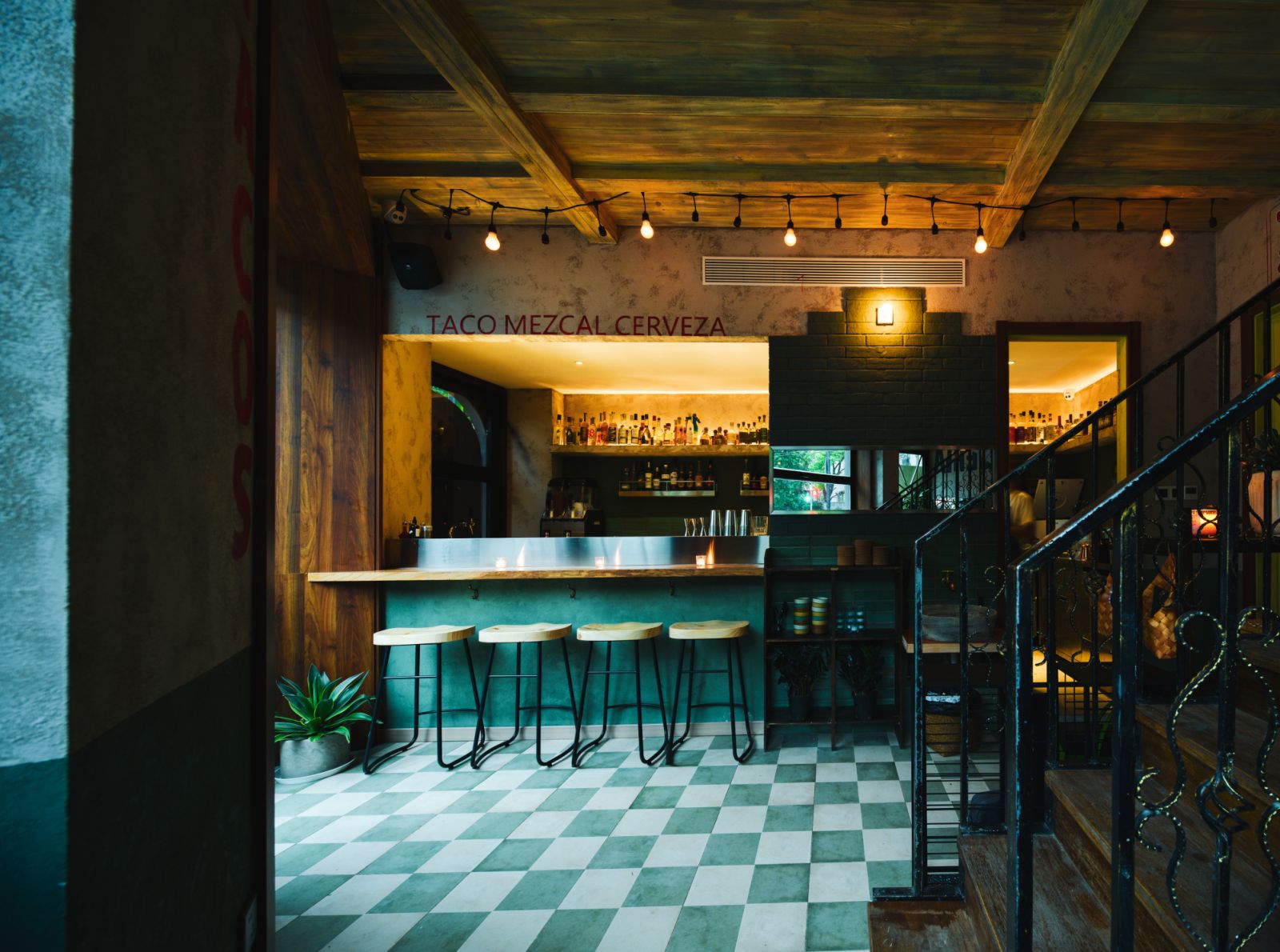
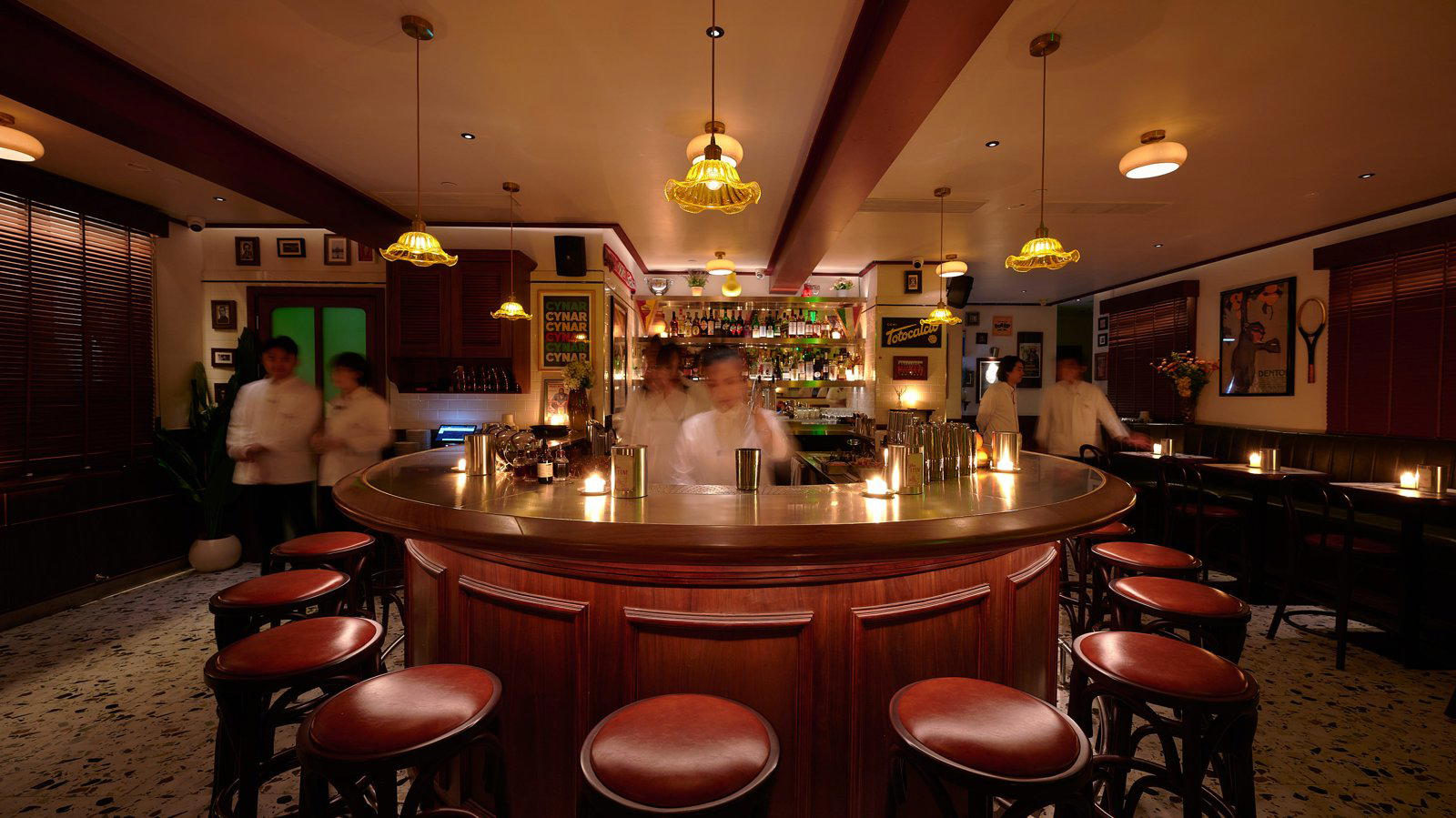
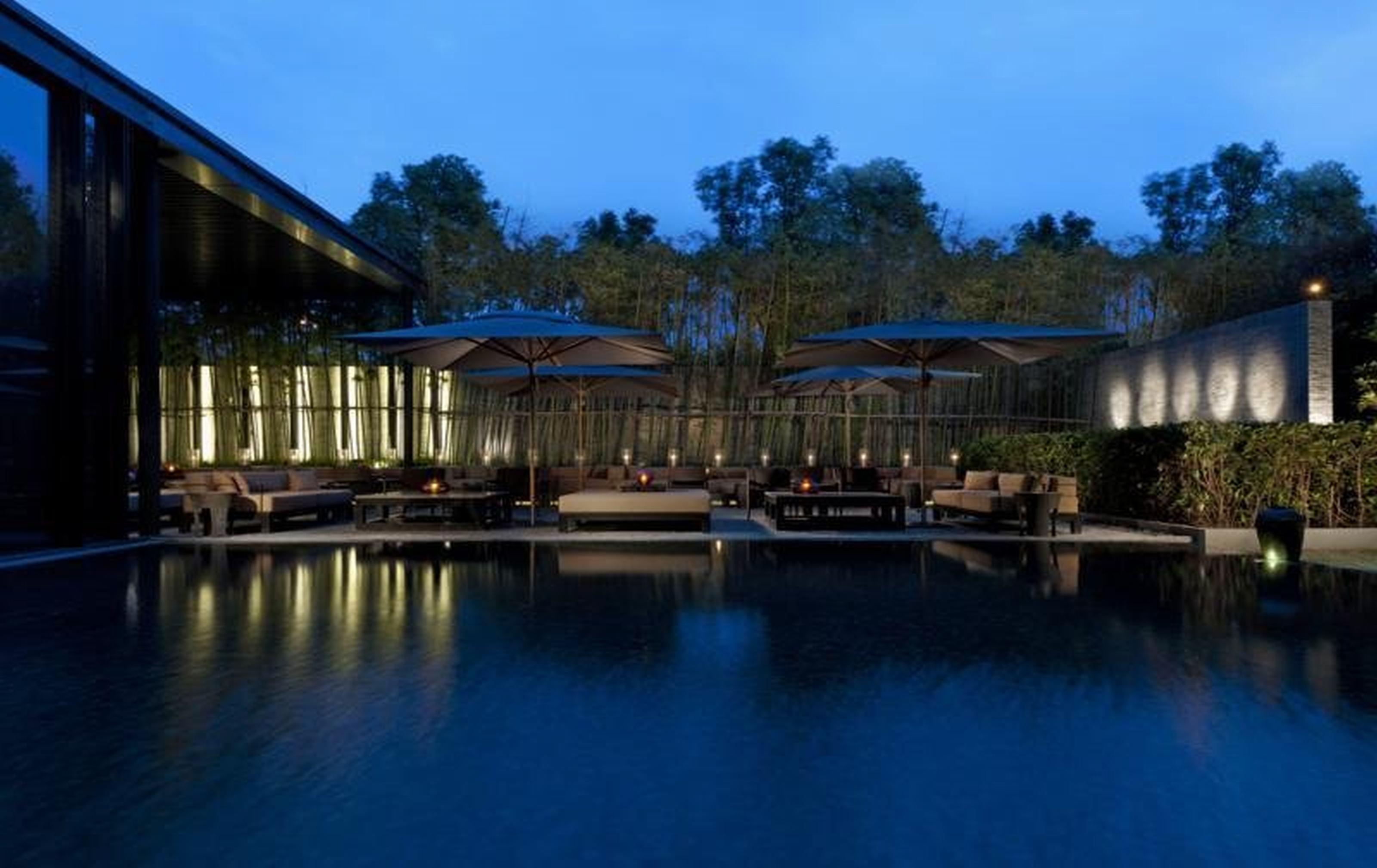
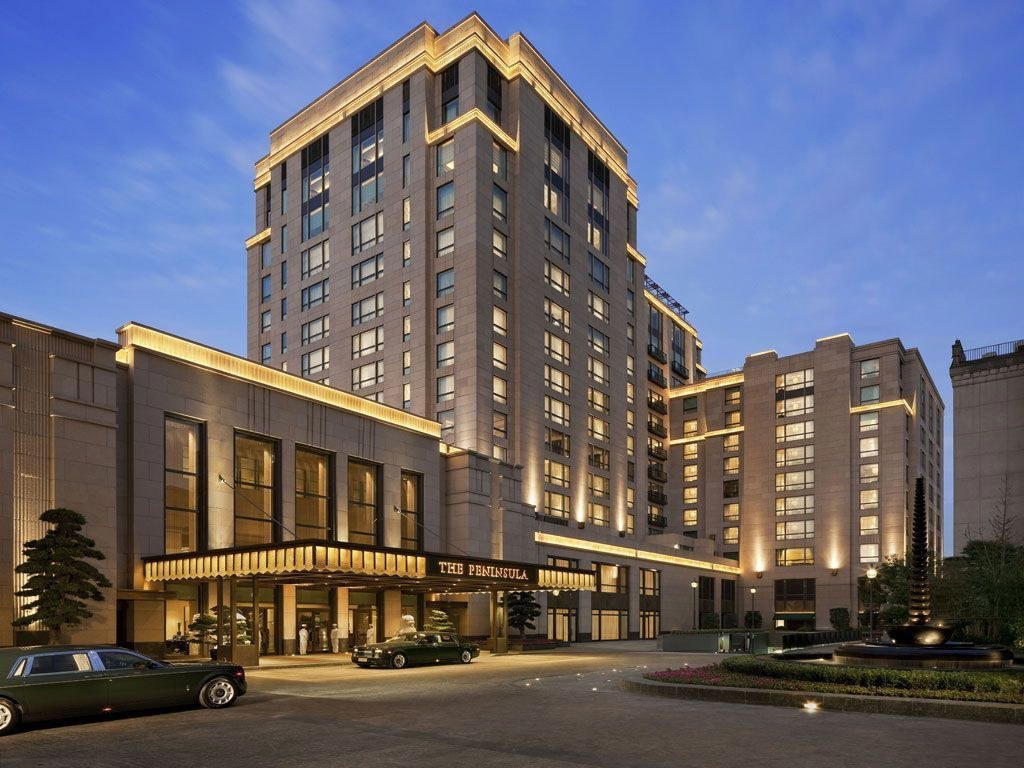
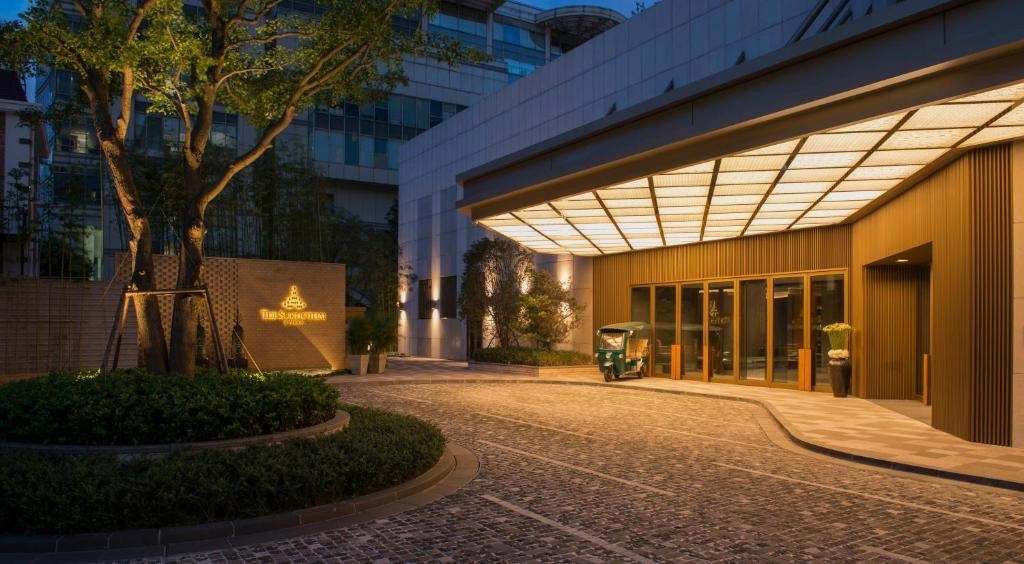
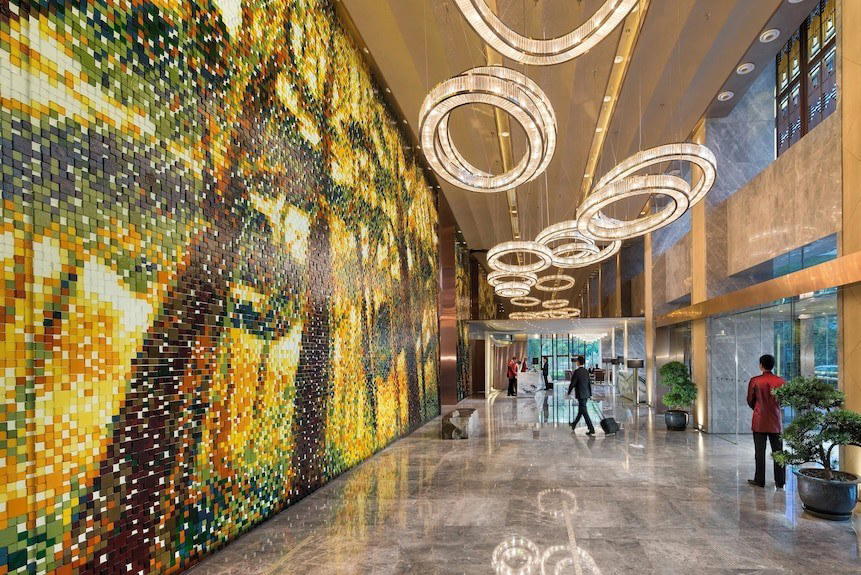
Refined hotel-restaurant setting with polished service, quiet to conversational noise levels, and a focus on a composed, sophisticated dining room suited to business and special-occasion meals.