Michelin Bib Gourmand
Our verdict
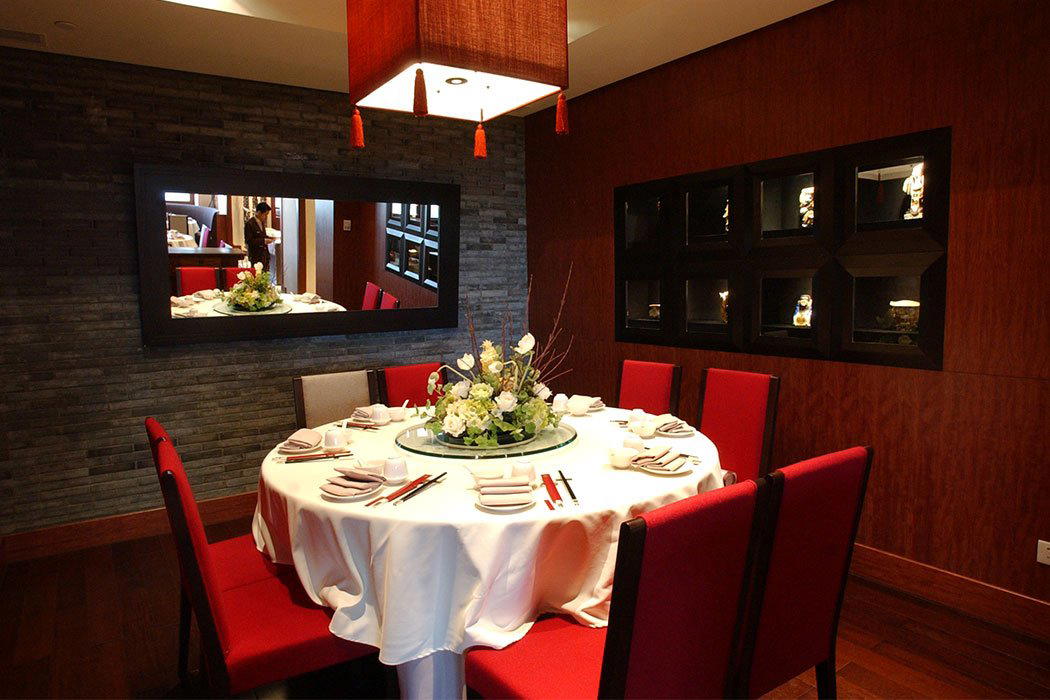
A Michelin Bib Gourmand recipient in both 2024 and 2025, Zhong sits in a hutong off Dongcheng's quieter residential grid and serves Huaiyang cuisine at a price tier well below Beijing's formal Chinese dining establishment. Compared to the city's full-service Huaiyang houses, it represents the craft-focused, accessible end of a tradition that prizes ingredient provenance and knife technique over spectacle.

Pearl is the En Primeur Club membership app, where members save venues, book tables and use the concierge.
The menu
What to order
- Wine lees-marinated cold appetiser platter
- Sautéed shredded swamp eel
A Hutong Address in the Huaiyang Tradition
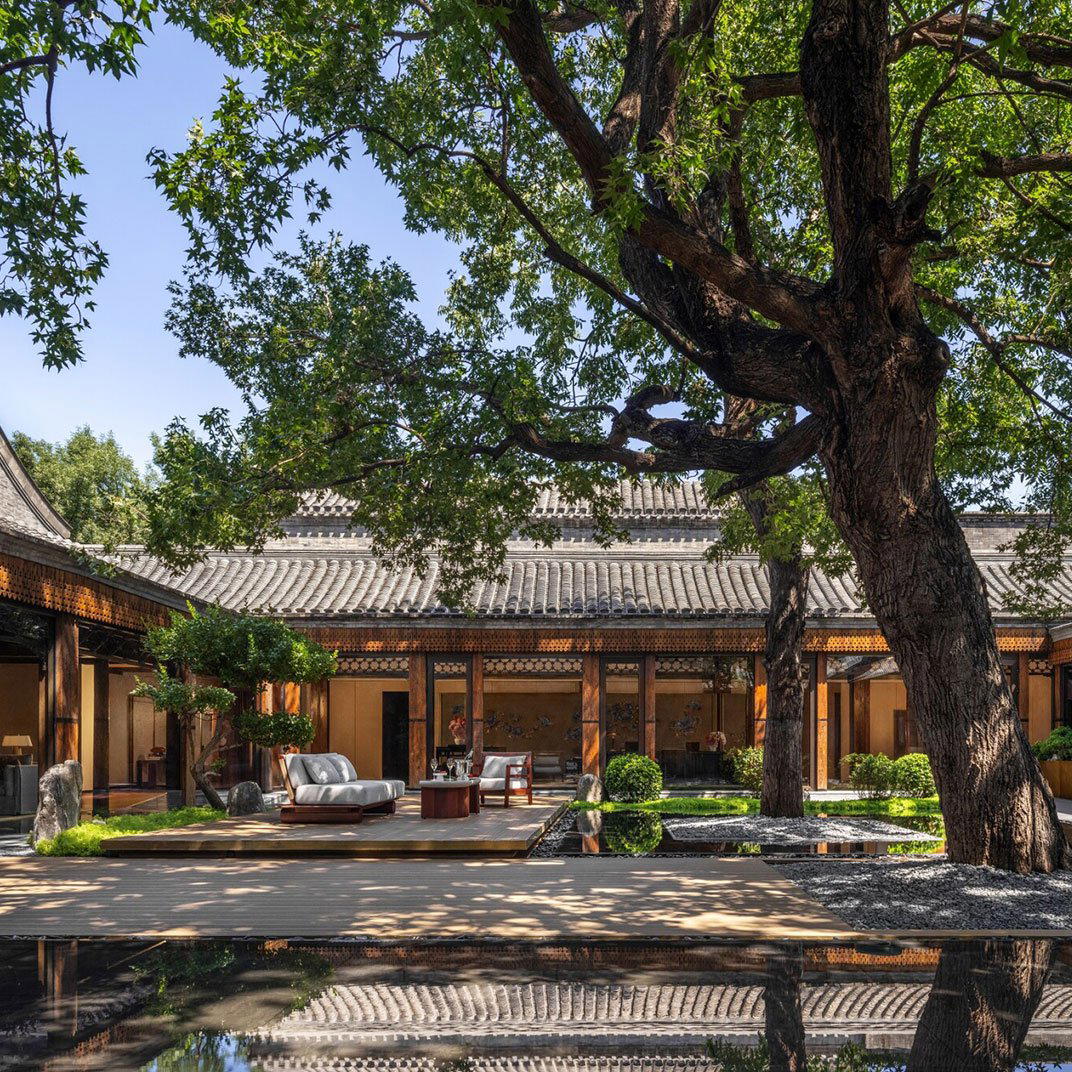
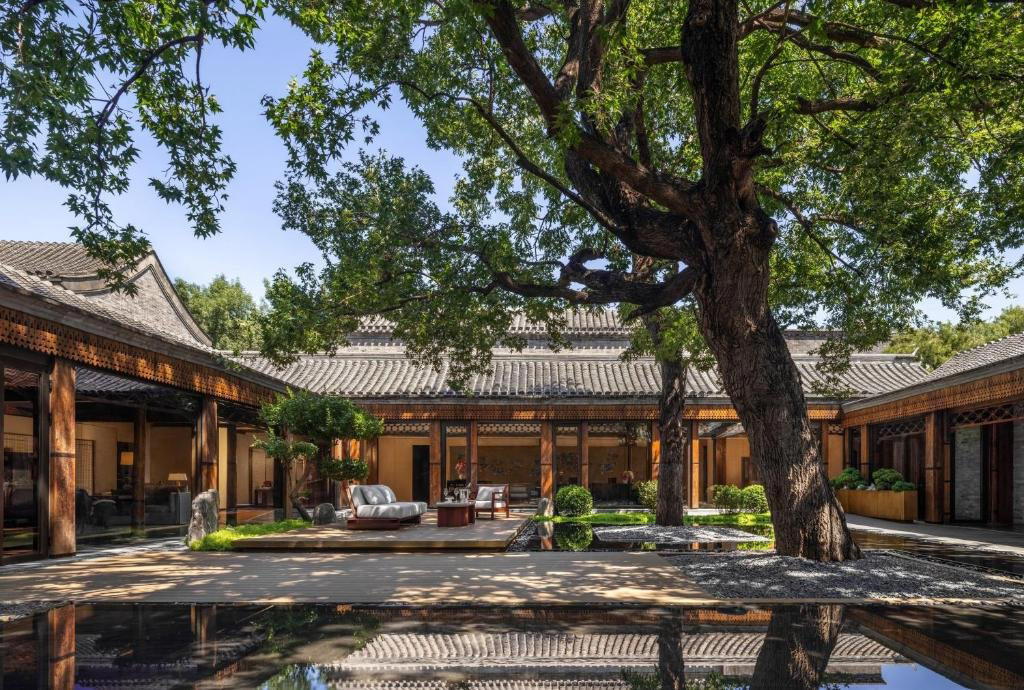
Beijing's hutong alleys have long housed the city's most unpretentious eating. The lanes of Dongcheng, stretching east from the Drum Tower corridor toward the Second Ring Road, carry a density of small-format restaurants where the food tends to outpace the surroundings by a considerable margin. Arriving at 6 Kuijiachang Hutong, the setting announces nothing extraordinary: a narrow lane, low-slung architecture, the ambient sound of a residential neighbourhood rather than a dining district. That gap between expectation and plate is part of how Beijing's hutong dining culture operates, and Zhong fits that pattern precisely.
Huaiyang cuisine, the cooking tradition of the Jiangsu and Anhui river-delta region, has a particular logic in Beijing's dining map. Historically carried north by administrative officials and merchant families from the Yangtze basin, it settled into the capital as a cuisine of fastidious technique and restrained seasoning, counterpoint to the bolder profiles of Cantonese banquet cooking or Beijing's own roast-centric traditions. Today, several addresses in the city maintain that tradition at different price points. Huaiyang Fu (Dongcheng) and Huai Xiang Guo Se operate in the mid-to-upper tier of formal Huaiyang service in the capital. Zhong occupies a different position: Bib Gourmand recognition from Michelin in both 2024 and 2025 places it in the value-with-quality bracket, where craft is the main argument rather than ceremony.
Where Huaiyang Cooking Begins: Provenance and Produce
The Huaiyang kitchen's reputation rests on a specific relationship between ingredient and technique. Unlike cuisines that subordinate raw materials to sauce or seasoning, Huaiyang cooking asks its produce to carry the dish. Fish from the Yangtze and Huai rivers, freshwater crab from lakes like Yangcheng, seasonal vegetables harvested at precise moments, these sourcing decisions precede any knife work or flame. The point is not decoration but foundation: a braised pork belly, a clear-broth fish soup, a steamed crab dish read differently depending entirely on what was sourced and when.
In Beijing, reproducing that supply logic presents a genuine challenge. The city sits well outside Huaiyang's native geography, which means committed kitchens must either build supplier relationships reaching back to Jiangsu and Zhejiang, rely on high-quality domestic transport networks, or adapt seasonally to what northern Chinese produce can substitute without compromise. The Bib Gourmand designation, which Michelin awards on a value-for-quality basis rather than for fine-dining formality, suggests that Zhong's kitchen is resolving that provenance challenge consistently enough to satisfy inspectors at a competitive price point.
Across China, Huaiyang restaurants earning sustained Michelin recognition tend to anchor their menus in a small number of technically demanding preparations rather than extensive banquet-style lists. The Huaiyang Garden in Macau and Jiangnan Wok · Yun in Nanjing both operate within that logic of depth over breadth. Nanjing, as the tradition's historic capital, offers a useful reference point: restaurants like Dai Yuet Heen in Nanjing show how the cuisine scales across formats. Zhong's hutong setting suggests a similarly focused, lower-volume approach.
Beijing's Mid-Market Chinese Dining, In Context
The ¥¥ price tier in Beijing spans a wide range of formats, from neighbourhood noodle shops to small-format specialist restaurants making deliberate choices about sourcing and preparation. What distinguishes the better end of this tier is not scale but concentration: fewer dishes, better-sourced ingredients, consistent execution. The Bib Gourmand classification was designed precisely for this bracket, restaurants that do not seek the ceremony or price of starred dining but deliver quality that warrants specific recognition.
For comparison, Beijing's recognised Huaiyang addresses at higher price tiers include formal dining rooms with elaborate service structures. Zhong's ¥¥ positioning means the argument is made at the plate level without that infrastructure. That is a harder editorial case to sustain across two consecutive Michelin cycles, which makes the back-to-back 2024 and 2025 Bib Gourmand recognition a more meaningful signal than a single year's listing would be.
Against the broader Beijing specialist Chinese dining scene, the comparison set is instructive. Xin Rong Ji (Xinyuan South Road), presenting Taizhou cuisine at ¥¥¥¥, and Chao Shang Chao (Chaoyang), serving Chao Zhou cooking at the same price tier, operate at a significantly higher spend threshold. Yu Hua Tai (Xicheng) adds another Huaiyang reference point in the capital. Zhong at ¥¥ is making a different case: that precision-sourced regional Chinese cooking does not require a ¥¥¥¥ setting to merit critical attention.
Huaiyang Beyond Beijing: The Wider Reference Set
Understanding Zhong's position in the Huaiyang tradition benefits from looking at how the cuisine travels across China's major cities. 102 House in Shanghai and Ru Yuan in Hangzhou operate closer to Huaiyang's source geography, where ingredient access is less logistically complex. Xin Rong Ji in Chengdu and Chef Tam's Seasons in Macau show how Chinese regional fine dining extends across format types. Imperial Treasure Fine Chinese Cuisine in Guangzhou represents the broader spectrum of formal Chinese dining at the premium end. Zhong fits into this network as a northern outpost of a southern tradition, working at accessible pricing in conditions that make the sourcing discipline more demanding, not less.
Planning Your Visit
Zhong is located at 6 Kuijiachang Hutong, Dongcheng, Beijing. The Dongcheng district is accessible from multiple metro lines, with the Zhangzizhong Road station (Line 5) providing a practical entry point for the hutong grid in this part of the district.
| Venue | Cuisine | Price Tier | Recognition |
|---|---|---|---|
| Zhong | Huaiyang | ¥¥ | Michelin Bib Gourmand 2024, 2025 |
| Xin Rong Ji | Taizhou | ¥¥¥¥ | Michelin recognised |
| Chao Shang Chao | Chao Zhou | ¥¥¥¥ | Michelin recognised |
| Huaiyang Fu | Huaiyang | Mid-upper | Established Dongcheng address |
For a fuller picture of where to eat, drink, and stay in the capital, see our full Beijing restaurants guide, our full Beijing hotels guide, our full Beijing bars guide, our full Beijing wineries guide, and our full Beijing experiences guide.
Frequently asked questions
Is Zhong expensive?
Pricing at Zhong is listed as ¥¥.
What cuisine category does Zhong fall under?
Does Zhong have a Michelin star or similar recognition?
Zhong has received recognition including: Michelin Bib Gourmand (2025); Michelin Bib Gourmand (2024).
What dish is Zhong famous for?
Zhong earned back-to-back Michelin Bib Gourmand recognition in 2024 and 2025 for its Huaiyang cooking, a tradition built on precise knife work, light braising, and freshwater ingredients from the Huai and Yangtze river regions. The kitchen does not publicise a single signature dish, but Huaiyang menus at this price tier typically centre on preparations that showcase ingredient quality over heavy seasoning. Dishes rooted in the Huaiyang canon, braised pork, steamed fish, and hand-cut tofu, are the reference points for what the cuisine does at its most considered.
How do I find Zhong?
Zhong is located at 6 Kuijiachang Hu Tong, Dongcheng, Beijing, China, 100005, Beijing.
Who is the chef connected to Zhong?
The chef associated with Zhong is Matheus.
At a Glance
| Venue | Cuisine | Price | Awards | Notes |
|---|---|---|---|---|
| ZhongThis venue (the venue you are viewing) | Huaiyang Cuisine | Not listed | Michelin Bib Gourmand | Not listed |
| Jing | Modern French with Asian Influences | $300–500 | 1 Michelin Star · Black Pearl 1 Diamond | French Contemporary |
| Xin Rong Ji (Xinyuan South Road) | Taizhou Chinese Fine Dining | $300–500 | 3 Michelin Stars · World's 50 Best #84 | Taizhou |
| Chao Shang Chao (Chaoyang) | Modern Chaoshan (Teochew) Fine Dining | $300–500 | Michelin Plate · La Liste Top Restaurants | Chao Zhou |
| Lamdre | Modern Plant-Based Chinese Vegetarian | Not listed | 2 Michelin Stars · World's 50 Best #17 | Vegetarian |
| Jingji | Imperial Beijing Royal Cuisine | $200–300 | 2 Michelin Stars · La Liste Top Restaurants | Beijing Cuisine |
Recognition history
Dated appearances from independent guides and award organizations, with the underlying list record or original source where available.
Michelin Bib Gourmand
Michelin
Full recognition history (2 entries)
Michelin Bib Gourmand
Michelin