Michelin Bib Gourmand
Our verdict
Yu Hua Tai brings Huaiyang cooking to Xicheng at a price point that sits well below most Michelin-recognised Chinese restaurants in Beijing. Two consecutive Bib Gourmand awards from Michelin (2024 and 2025) confirm its standing as a reliable, affordable address for the refined braising, delicate knife work, and clean stock-based sauces that define the Jiangsu-Anhui tradition. The address on Yumin Road keeps it off the main tourist circuit, making it a neighbourhood fixture rather than a destination showroom.

Pearl is the En Primeur Club membership app, where members save venues, book tables and use the concierge.
The menu
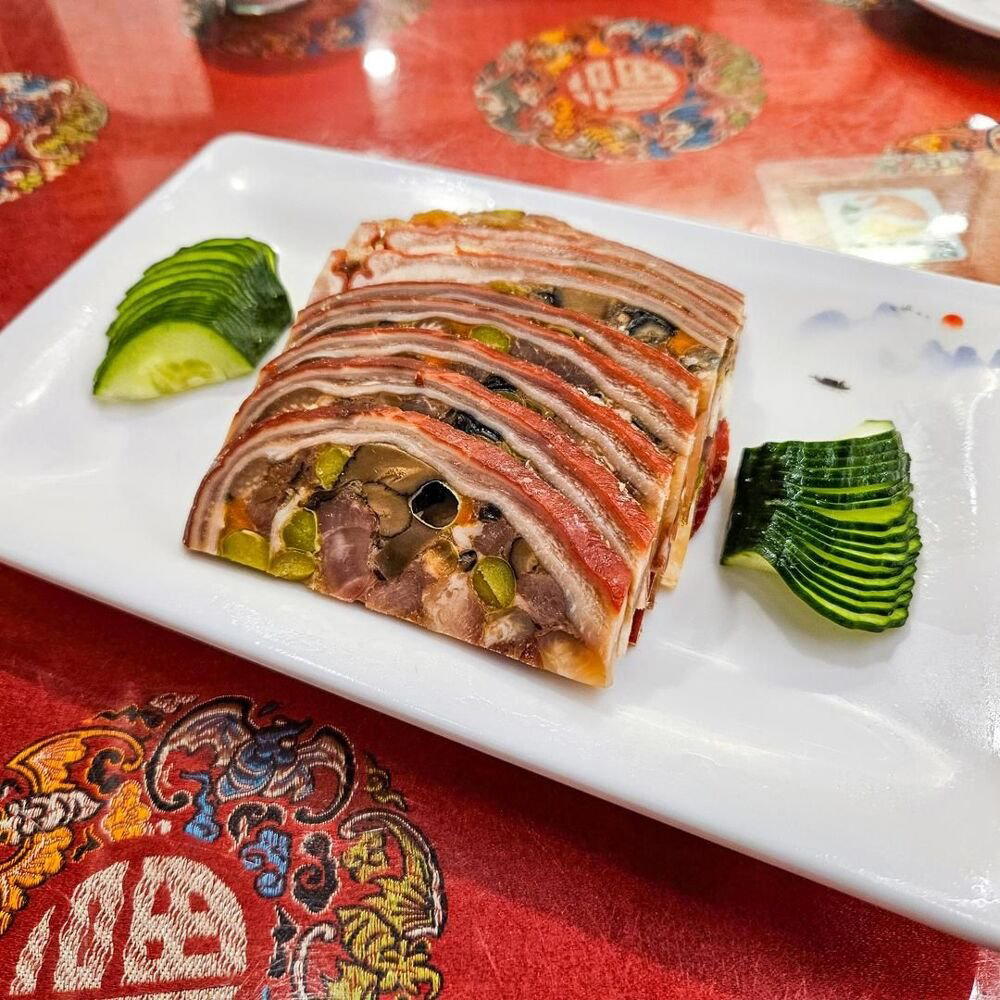
What to order
- Dongpo Pork
- Xiangyou Eel
- Dry-Braised Yellow Croaker
- Lion's Head
- Emerald Shrimp
Huaiyang Cooking in Xicheng: What the Price Point Actually Buys You
In a city where Michelin recognition often correlates with escalating cover charges, the Bib Gourmand tier occupies a specific and useful position. It marks venues where the guide's inspectors found quality cooking at a spend that doesn't require pre-budgeting. Yu Hua Tai on Yumin Road in Xicheng has held that designation in consecutive years, 2024 and 2025, which, in Michelin's framework, signals consistency rather than a one-cycle anomaly. For a cuisine as technically specific as Huaiyang, that consistency matters more than the price signal alone.
Huaiyang cuisine originates from the Yangtze River Delta region, particularly the cities of Huai'an and Yangzhou in Jiangsu province. It sits within the broader canon of Chinese classical cooking as one of the four major regional styles, alongside Cantonese, Sichuan, and Shandong. Its markers are precise: long-braised preparations, stock-based sauces that favour clarity over richness, and knife technique that functions almost as its own discipline. Dishes like Lion's Head meatballs and braised pork with preserved vegetables are not about heat or spice, they are exercises in time and texture. Bringing that tradition to a ¥¥ price tier without compromising the slow-cooking logic is not a given, and it is what the Bib Gourmand specifically rewards.
The Setting: Yumin Road and What It Tells You
Xicheng District sits to the west of the Forbidden City, running down through Xuanwu into older residential Beijing. It is not Sanlitun or Dongcheng's hutong belt, where international visitors tend to concentrate. Yumin Road, specifically the 裕中西里 compound address, is working-neighbourhood Beijing: mid-rise residential blocks, local provision shops, none of the visual cues that mark a curated dining destination. Arriving here for a Michelin-recognised meal is a quiet recalibration, the signal quality sits well above the street-level setting.
That gap between context and cooking quality is, in some ways, the point. Huaiyang restaurants in Beijing that target the high-spend tier tend to dress the room to match: private dining rooms, formal service choreography, imported tableware. The Bib Gourmand format operates outside that logic. You are paying for what is in the bowl, not for the architecture around it.
Value Framing: Where ¥¥ Sits in Beijing's Recognised Chinese Dining
Context sharpens the value case. Among Beijing's Michelin-tracked addresses, the tier gap between Bib Gourmand and one-star restaurants is not just financial, it reflects different operational models. Xin Rong Ji (Xinyuan South Road) operates at ¥¥¥¥ for its Taizhou seafood format. Chao Shang Chao (Chaoyang) runs at the same tier for Chaozhou cooking. Even within the Huaiyang category, Huaiyang Fu (Dongcheng) and Huai Xiang Guo Se represent the more formally positioned end of the same tradition in Beijing.
Yu Hua Tai's ¥¥ positioning places it in a different competitive set entirely. The comparison is not with high-end Huaiyang rooms but with the broader category of neighbourhood-anchored regional Chinese restaurants that achieve Michelin notice without premium pricing. In that peer group, two consecutive Bib Gourmands constitute a meaningful credential.
| Venue | Cuisine | Price Tier | Recognition |
|---|---|---|---|
| Yu Hua Tai (Xicheng) | Huaiyang | ¥¥ | Michelin Bib Gourmand 2024, 2025 |
| Huaiyang Fu (Dongcheng) | Huaiyang | n/a | Michelin-tracked |
| Xin Rong Ji (Xinyuan South Road) | Taizhou | ¥¥¥¥ | Michelin-tracked |
| Chao Shang Chao (Chaoyang) | Chao Zhou | ¥¥¥¥ | Michelin-tracked |
Huaiyang in Beijing: A Cuisine Away from Its Home Base
Huaiyang cooking reaches Beijing through migration and cultural proximity, the cuisine has historical roots in imperial court cooking, which gives it a certain prestige in the capital even as its geographic heart remains in Jiangsu. In cities closer to its origin, the competition is denser: Ru Yuan in Hangzhou, Jiangnan Wok · Yun in Nanjing, and The Huaiyang Garden in Macau all operate within or adjacent to the tradition in markets where diners have stronger reference points for its benchmarks.
In Beijing, the Huaiyang category is smaller and more dispersed. That gives practitioners like Yu Hua Tai a different kind of significance: they represent the tradition for a local audience that may not have the Yangzhou or Huai'an benchmark in memory. The cuisine's emphasis on clear, long-cooked stocks and fresh-water fish preparations travels reasonably well to Beijing, where the climate and ingredient networks support the raw materials. What gets harder at distance is the knife-work tradition, the paper-thin tofu cuts and the dry-silk preparations, which require trained technique rather than proximity to a specific ingredient source.
For context on how Huaiyang cooking moves across cities and formats, the range is wide: 102 House in Shanghai operates in a more contemporary register, while Dai Yuet Heen in Nanjing anchors the tradition closer to home. Yu Hua Tai occupies a specific slot: classical Huaiyang at accessible pricing in a city where the cuisine remains a minority presence against Beijing's dominant local and Sichuan-inflected restaurant culture.
Planning Your Visit
Yu Hua Tai sits in Xicheng's Yumin Road residential area, at 裕中西里 23-1. The address is outside the main tourist corridors, so navigation by map application is the practical approach. No phone or booking link is available in the public record, which suggests walk-in or local platform booking. For a Bib Gourmand address at ¥¥ pricing, turning up at off-peak hours, early lunch or early dinner, is the standard approach for securing a table without advance planning.
Seasonally, Huaiyang cooking rewards visits in autumn and winter, when the braised preparations that anchor the menu align with the weather and when fresh-water fish from the Yangtze Delta region are at their most consistent. Spring produces the hairy crab-adjacent preparations further east, but Beijing's autumn dining window, from October through December, is when the slow-cooked logic of Huaiyang food sits most naturally in context.
For a fuller picture of where Yu Hua Tai sits within Beijing's dining options, see our full Beijing restaurants guide. For accommodation context, our full Beijing hotels guide covers the city's range. If you're exploring beyond restaurants, our full Beijing bars guide, Beijing wineries guide, and Beijing experiences guide cover the wider picture.
Within the Michelin-tracked Chinese dining tier, comparisons across the regional canon are worth making. Zhong offers a different stylistic angle within Beijing's recognised dining. Beyond the capital, Chef Tam's Seasons in Macau, Imperial Treasure Fine Chinese Cuisine in Guangzhou, and Xin Rong Ji in Chengdu represent how regional Chinese cooking performs at different price and recognition tiers across the country.
Frequently asked questions
What should I expect atmosphere-wise at Yu Hua Tai (Xicheng)?
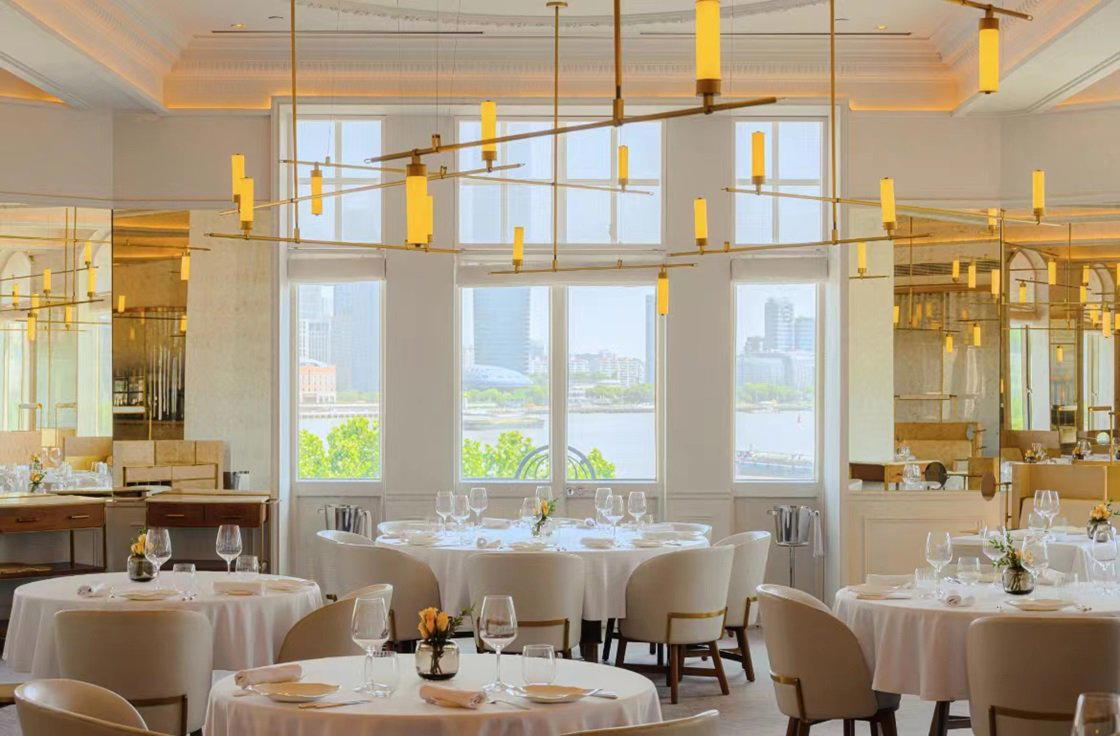
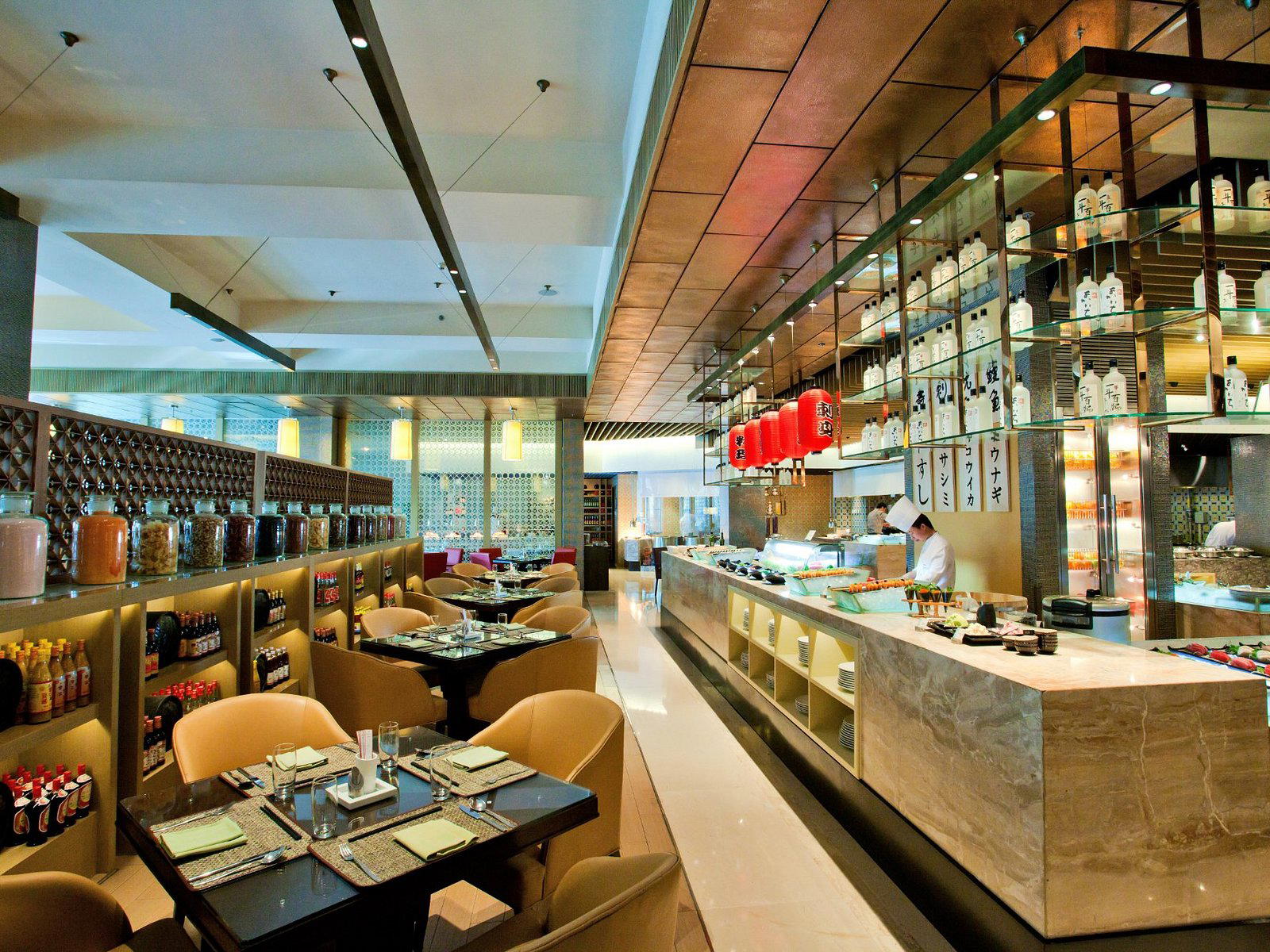
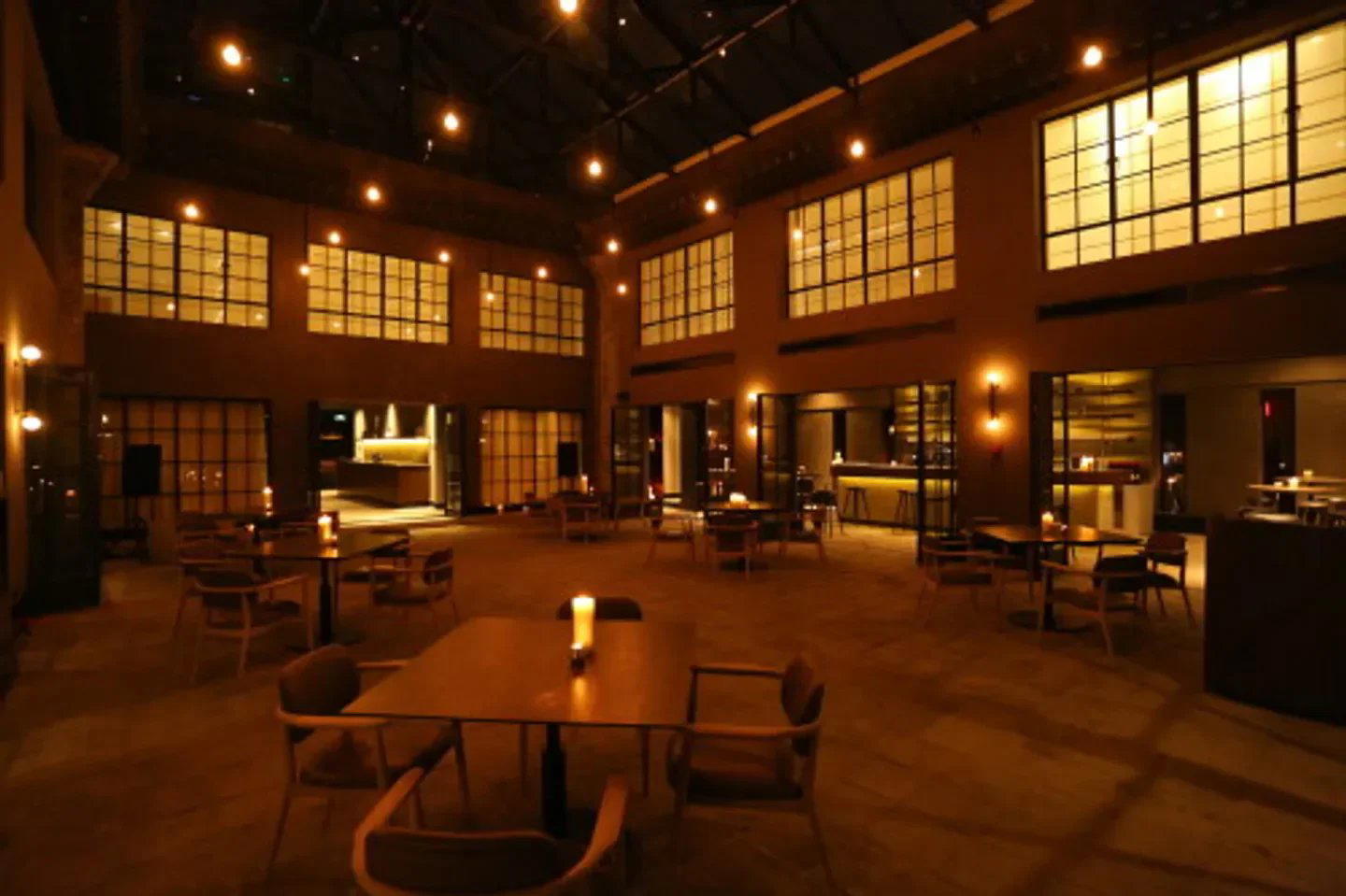
Yu Hua Tai sits in a residential block on Yumin Road in Xicheng, away from Beijing's main tourist corridors. The setting is functional neighbourhood dining, no designed interiors or formal service architecture, which is consistent with the Bib Gourmand designation, a tier that prioritises cooking quality over room investment. Two consecutive years of Michelin recognition confirm the food is the draw.
What's the price range at Yu Hua Tai (Xicheng)?
Pricing at Yu Hua Tai (Xicheng) is listed as ¥¥.
Has Yu Hua Tai (Xicheng) won any awards?
Yu Hua Tai (Xicheng) has received recognition including: Michelin Bib Gourmand (2025); Michelin Bib Gourmand (2024).
What dish is Yu Hua Tai (Xicheng) famous for?
No specific signature dishes are documented in the public record for this location. The kitchen works in the Huaiyang tradition, a cuisine historically associated with imperial court cooking and built around techniques including braised pork preparations, delicate stock-based broths, and knife-intensive vegetable work. Those categories are a reasonable frame for what to expect at the ¥¥ price point.
How would you describe the cuisine at Yu Hua Tai (Xicheng)?
Where is Yu Hua Tai (Xicheng) in Beijing?
Yu Hua Tai (Xicheng) is located at China, Beijing, Xicheng District, Yumin Rd, 裕中西里23-1 邮政编码: 100017, Beijing.
What's the best way to book Yu Hua Tai (Xicheng)?
For a ¥¥ Bib Gourmand restaurant in a Xicheng residential area, arriving in person or asking your hotel concierge to call ahead is the most reliable approach. The Michelin recognition means walk-in availability at peak times is not guaranteed.
City Peers
| Venue | Cuisine | Price | Awards | Notes |
|---|---|---|---|---|
| Yu Hua Tai (Xicheng)This venue (the venue you are viewing) | Refined Huaiyang Cuisine | $10–20 | Michelin Bib Gourmand | Not listed |
| Jing | Modern French with Asian Influences | $300–500 | 1 Michelin Star · Black Pearl 1 Diamond | French Contemporary |
| Xin Rong Ji (Xinyuan South Road) | Taizhou Chinese Fine Dining | $300–500 | 3 Michelin Stars · World's 50 Best #84 | Taizhou |
| Chao Shang Chao (Chaoyang) | Modern Chaoshan (Teochew) Fine Dining | $300–500 | Michelin Plate · La Liste Top Restaurants | Chao Zhou |
| Lamdre | Modern Plant-Based Chinese Vegetarian | Not listed | 2 Michelin Stars · World's 50 Best #17 | Vegetarian |
| Jingji | Imperial Beijing Royal Cuisine | $200–300 | 2 Michelin Stars · La Liste Top Restaurants | Beijing Cuisine |
Recognition history
Dated appearances from independent guides and award organizations, with the underlying list record or original source where available.
Michelin Bib Gourmand
Michelin
Full recognition history (2 entries)
Michelin Bib Gourmand
Michelin