
Ze 8 (Haizhu) holds consecutive Michelin Bib Gourmand recognition for 2024 and 2025, placing it among the more accessible yet quality-verified addresses in Guangzhou's Cantonese dining scene. Located on Lizhiwan Road in the Liwan District, the restaurant operates in a neighbourhood with deep roots in traditional Cantonese cooking, where communal-table formats and shared dishes remain the default grammar of a proper meal.
Pearl is the En Primeur Club membership app — saves, bookings, and concierge access live there. Same editors, same standards.
- Address
- 469M+G72, Lizhiwan Rd, 中山七八路 Liwan District, Guangzhou, Guangdong Province, China, 510150
- Phone
- +86 20 3438 2088
- Website
- wisca.cn
- Directions
- Get directions
 Saves & bookings on Pearl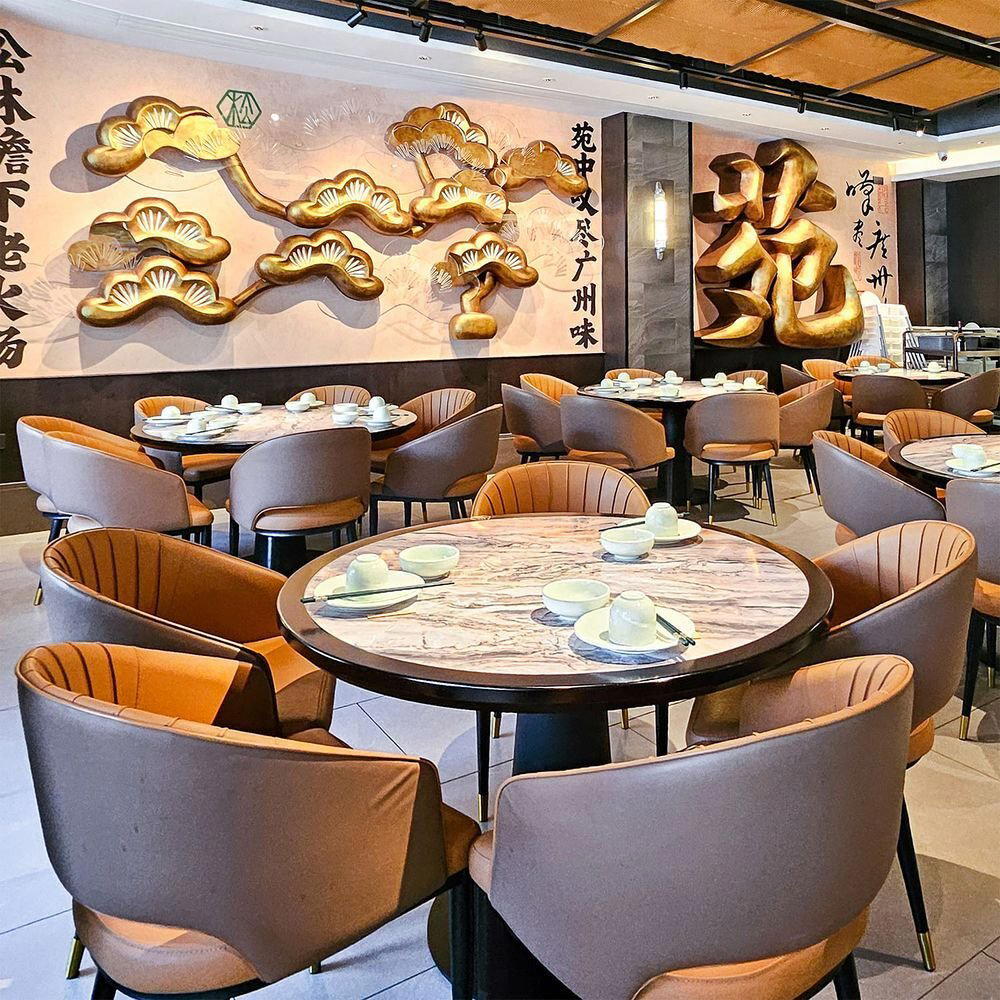
The Communal Table as Cantonese Argument
There is a particular rhythm to a Cantonese meal eaten the way it was intended: dishes arriving in sequence, a lazy Susan rotating to offer each item around the table, no single diner claiming a plate as their own. The format is not merely traditional, it is structural. It encodes the assumption that food is a collective act, that the ideal way to understand a kitchen is to eat widely from it, and that restraint in portions per dish is compensated by generosity in the total count. In Guangzhou, where Cantonese cooking has its densest and most argued-over expression, that structure remains non-negotiable at virtually every serious table.
Ze 8 (Haizhu), situated on Lizhiwan Road in the Liwan District, operates inside that tradition. The address places it in one of Guangzhou's older residential and commercial corridors, a part of the city where the culinary density runs high and the clientele tends to be local rather than tourist-facing. Consecutive Michelin Bib Gourmand recognition in both 2024 and 2025 puts it in a specific and instructive bracket: the tier where quality has been externally verified but the price point remains accessible, typically sitting below the city's full-starred Cantonese houses.
Where Ze 8 Sits in Guangzhou's Cantonese Hierarchy
Guangzhou's Cantonese restaurant market operates across a clear price spectrum. At the upper register, addresses like Imperial Treasure Fine Chinese Cuisine, Jiang by Chef Fei, and Lai Heen occupy the ¥¥¥ and above tier, drawing on hotel infrastructure, extensive wine programs, and service teams calibrated for international guests. Slightly below that, banquet-oriented houses like BingSheng Mansion (Xiancun Road) and Jade River serve the large-party, celebratory format that defines a significant share of Guangzhou's dining occasions.
Ze 8 operates at ¥¥, which in the Michelin Bib Gourmand context means the guide has identified it as delivering quality cooking at a price that does not require the financial calculation of a special-occasion booking. That positioning is meaningful in a city that has, over the past decade, seen its starred and pre-starred Cantonese tables become increasingly concentrated at the higher end. The Bib Gourmand category fills a specific gap: it signals that the kitchen is working at a level the guide's inspectors considered worth noting, while the cost per head remains within range for a mid-week dinner rather than a quarterly event.
For context within mainland China's broader Cantonese representation, the tradition also travels. Dai Yuet Heen in Nanjing carries Cantonese cooking into a non-native market, while comparison with regional Chinese fine dining formats, such as Xin Rong Ji (Xinyuan South Road) in Beijing or Xin Rong Ji in Chengdu, illustrates how differently Chinese regional cuisines are packaged once they leave their home province. In Guangzhou itself, Cantonese cooking does not need to explain itself or adapt for outside audiences.
The Liwan District and the Logic of Neighbourhood Cantonese
The Liwan District carries historical weight in Guangzhou's food story. The area around Lizhiwan Road sits within a part of the city associated with older Cantonese commercial culture, the kind of neighbourhood where dim sum teahouses, roast meat shops, and congee specialists have coexisted for generations. Restaurants that open here are generally playing to a local audience with high baseline expectations and direct comparison points. There is no ambient tourist traffic to cushion a mediocre kitchen.
That context makes the Bib Gourmand recognition read differently than it might in a more tourist-adjacent part of the city. A kitchen that earns external validation while operating in a district of knowledgeable, regulars-heavy clientele has cleared a harder bar. The neighbourhood format also reinforces the communal dining logic: in areas like Liwan, the table of eight or ten sharing a full spread remains the default mode, not a special configuration.
The Choreography of Sharing: How Cantonese Meals Are Built
To eat well at a Cantonese table in Guangzhou requires some structural understanding. The meal is not assembled by individuals choosing their own plates. It is built collectively, typically with cold dishes first, then steamed or braised preparations, roasted items, a stir-fried vegetable, a soup, and finally a starch course to close. The lazy Susan is the mechanical expression of the philosophy: every dish belongs to the table, and each person's experience of the meal is shaped by the total selection rather than any single item.
At the accessible ¥¥ tier, the repertoire tends to concentrate on Cantonese fundamentals: preparations where the quality of the ingredient and the precision of the cooking technique are the only variables. There is no complexity of sauce construction or multi-day preparation to obscure a weak product. In this sense, the Bib Gourmand tier in Guangzhou is a harder test of a kitchen's core competence than many higher-priced formats where elaboration provides cover.
For those tracing Cantonese cooking across borders, the tradition reaches its most formal expression at addresses like Forum in Hong Kong and its most architecturally ambitious at Le Palais in Taipei. Macau's version of proximity to the tradition is represented by Chef Tam's Seasons. Against that broader map, Ze 8 occupies the Guangzhou-native, neighbourhood-embedded position: close to the source, priced for frequency, recognised for quality.
What the 2025 Bib Gourmand Means in Practice
Consecutive Bib Gourmand listings in 2024 and 2025 indicate consistency rather than a single strong year. Michelin's inspectors visit anonymously and across multiple occasions before issuing recognition, which means a second listing reflects a kitchen that held its standard rather than one that performed well once. In a city where the full-starred Cantonese addresses attract significant attention, the Bib Gourmand category tends to surface the restaurants that serious local diners already know but that lack the marketing infrastructure of the larger establishments.
The Michelin recognition carries substantially more evidential weight here.
For other regional dining points of comparison within China, Ru Yuan in Hangzhou and 102 House in Shanghai represent how different regional traditions are being handled at a recognised level.
What Should I Order at Ze 8 (Haizhu)?
Ze 8 does not publish specific signature dishes or a fixed menu here, so a useful approach is to order across categories. What the Michelin Bib Gourmand designation does confirm is that the kitchen operates at a quality level the guide's inspectors considered worth noting at the ¥¥ price point. In Cantonese restaurants at this tier in Guangzhou, the standard approach is to order across categories: a cold or preserved item, at least one steamed preparation, a roasted or braised dish, a stir-fried vegetable, and a soup. The communal format means that ordering range, rather than depth in any single category, tends to produce one coherent picture of what a kitchen can do.
Same-City Peers
Comparable venues nearby, for context on price, style, and recognition.
| Venue | Cuisine | Price | Notes |
|---|---|---|---|
| Ze 8 (Haizhu)This venue — the venue you are viewing | Modern Cantonese Claypot | $$$ | Not listed |
| Dai Yong Town | Chao Zhou (Chaoshan) | $$ | Guangzhoushi |
| Xiguan Zhuyuan (Shiba Fu) | Traditional Cantonese Noodle Shop | $$ | Guangzhoushi |
| Enning Liu Fu Ji (Donghua East Road) | Traditional Cantonese Noodles | $$ | Guangzhoushi |
| Hunan Cuisine | Hunanese | $$ | Guangzhoushi |
| Gu Yuan | Plant-Based Chinese Tasting Menu | $$$ | Guangzhoushi |
Recognition history
Dated appearances from independent guides and award organizations, with the underlying list record or original source where available.
Michelin Bib Gourmand
Michelin
Michelin Bib Gourmand
Michelin
Continue exploring
More in Guangzhou
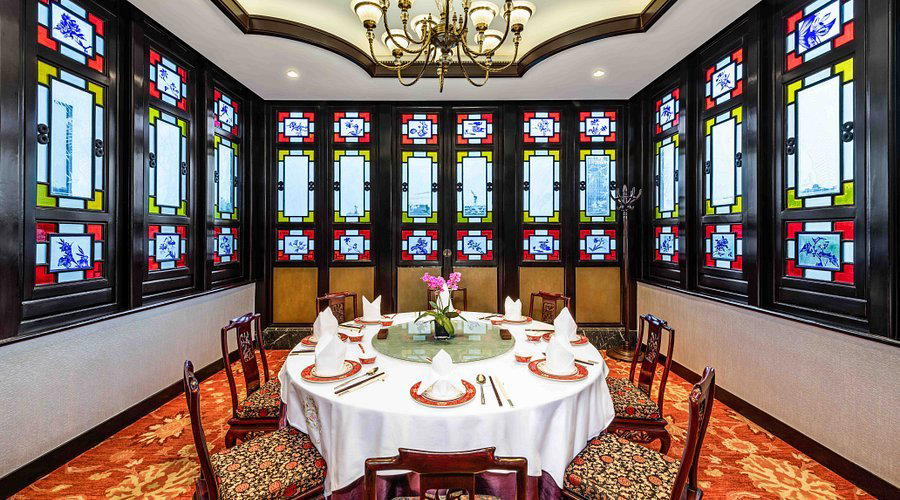
Restaurants in Guangzhou
Browse all →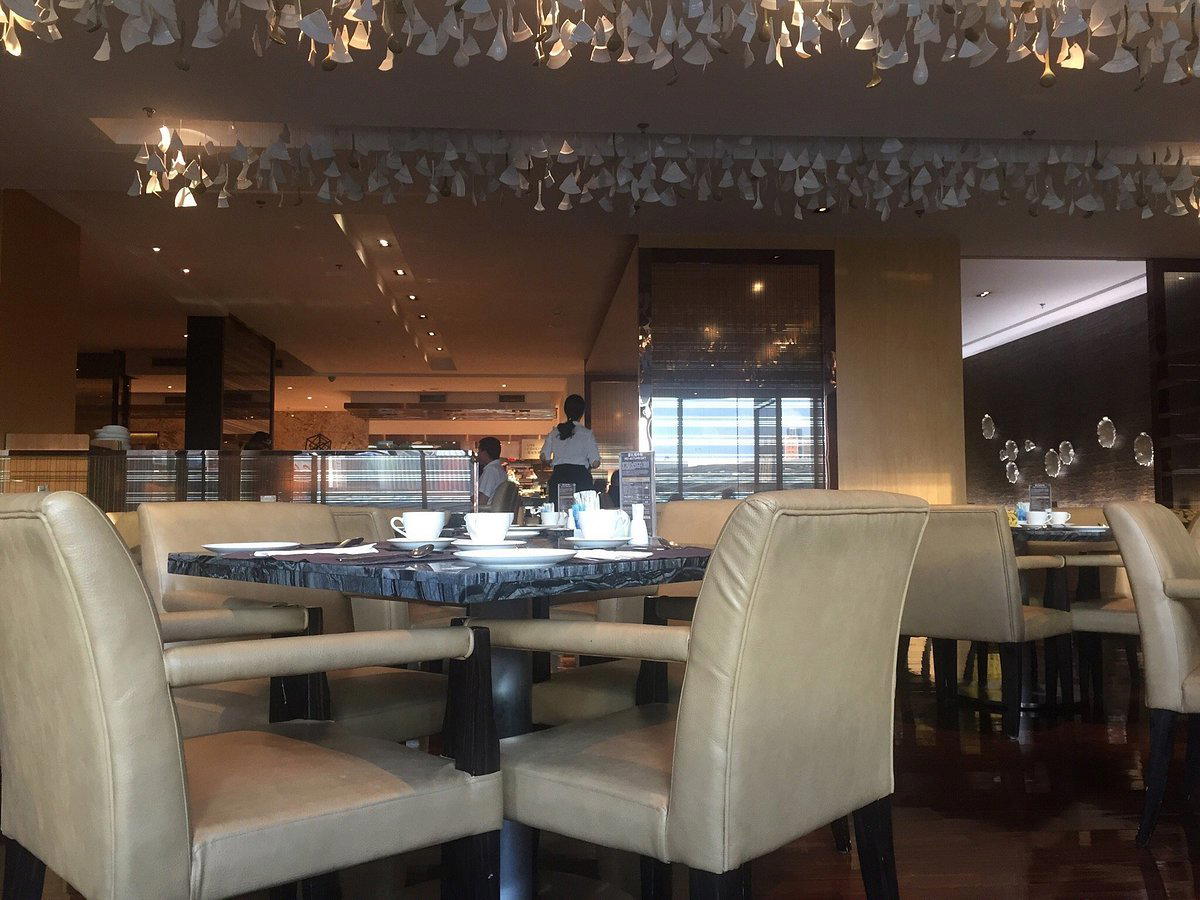
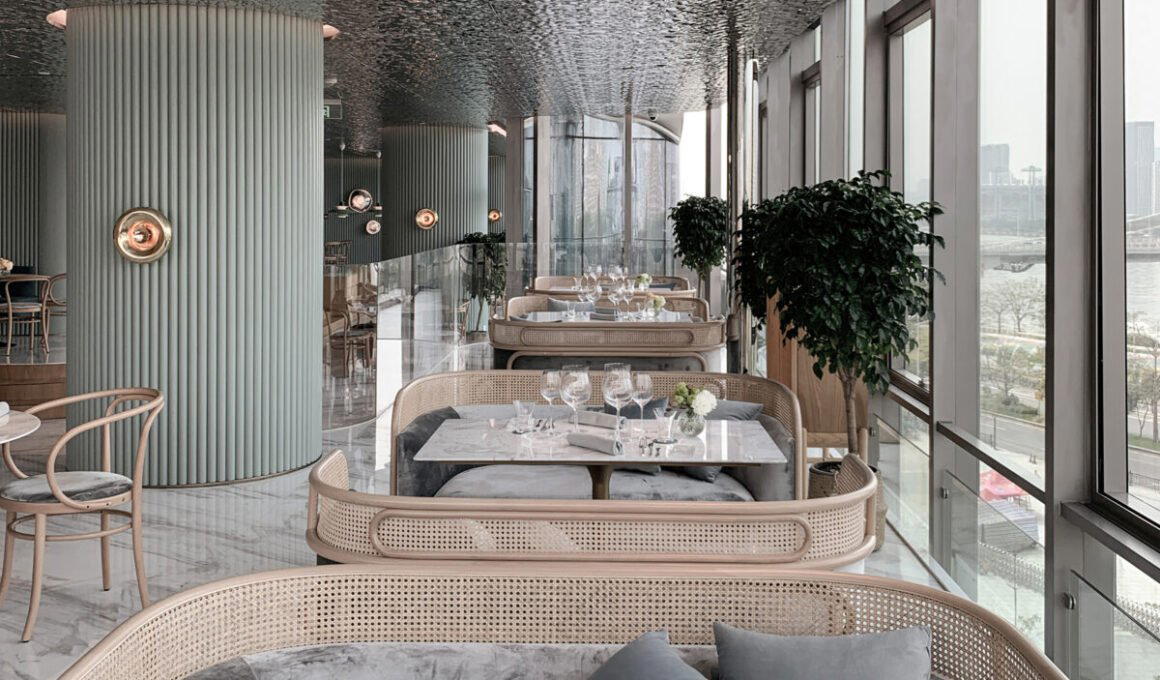
Bars in Guangzhou
Browse all →

At a Glance
- Elegant
- Intimate
- Modern
- Special Occasion
- Date Night
- Open Kitchen
- Private Dining
Current opening hours
- Monday
- 10 AM–10:30 PM
- Tuesday
- 10 AM–10:30 PM
- Wednesday
- 10 AM–10:30 PM
- Thursday
- 10 AM–10:30 PM
- Friday
- 10 AM–10:30 PM
- Saturday
- 10 AM–10:30 PM
- Sunday
- 10 AM–10:30 PM
Hours can change for holidays and private events. Last verified .
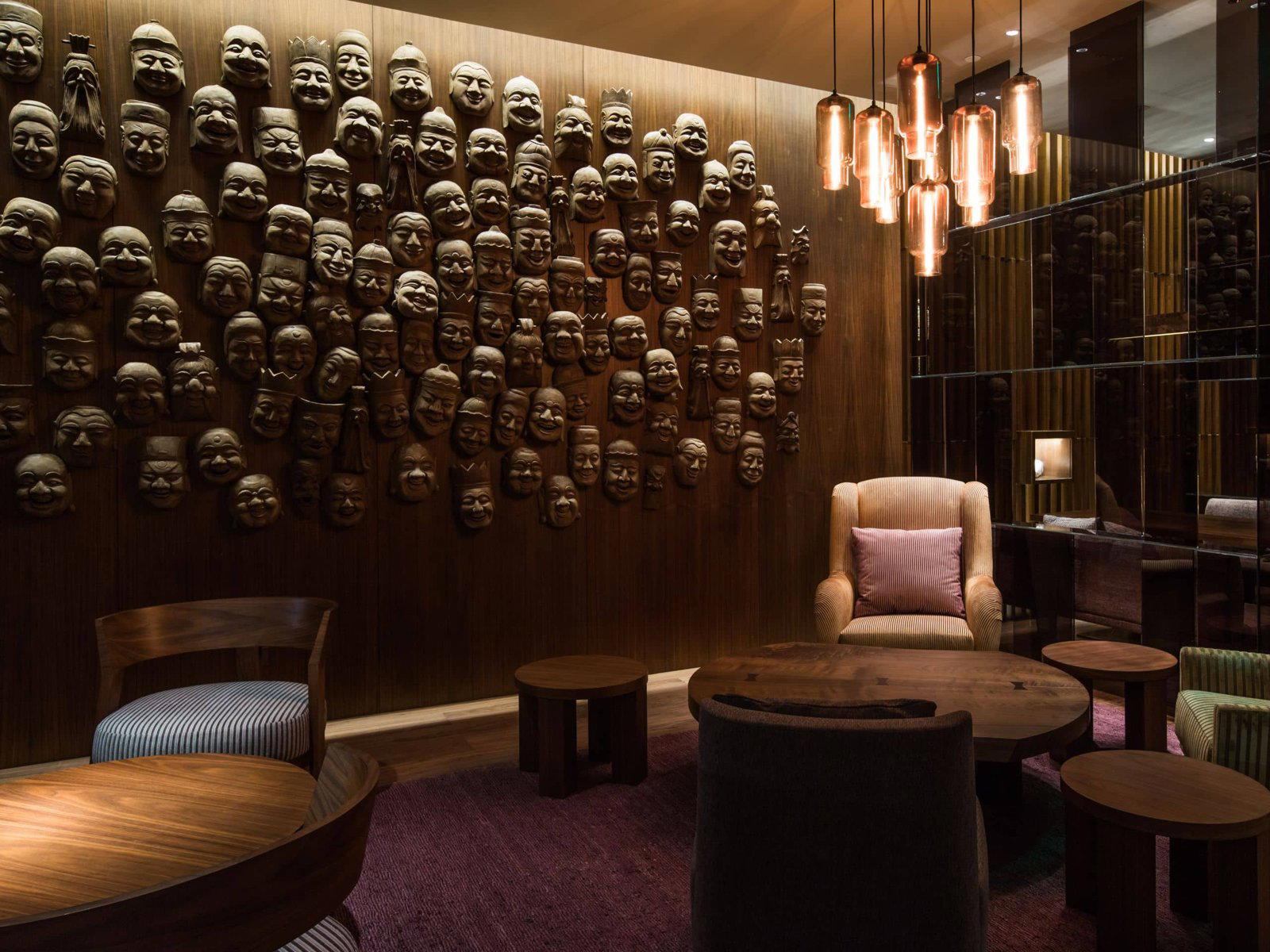
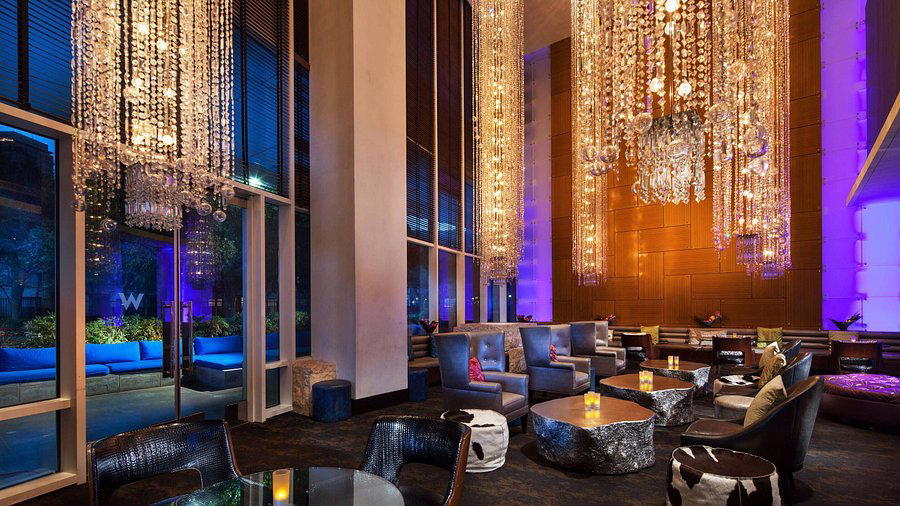
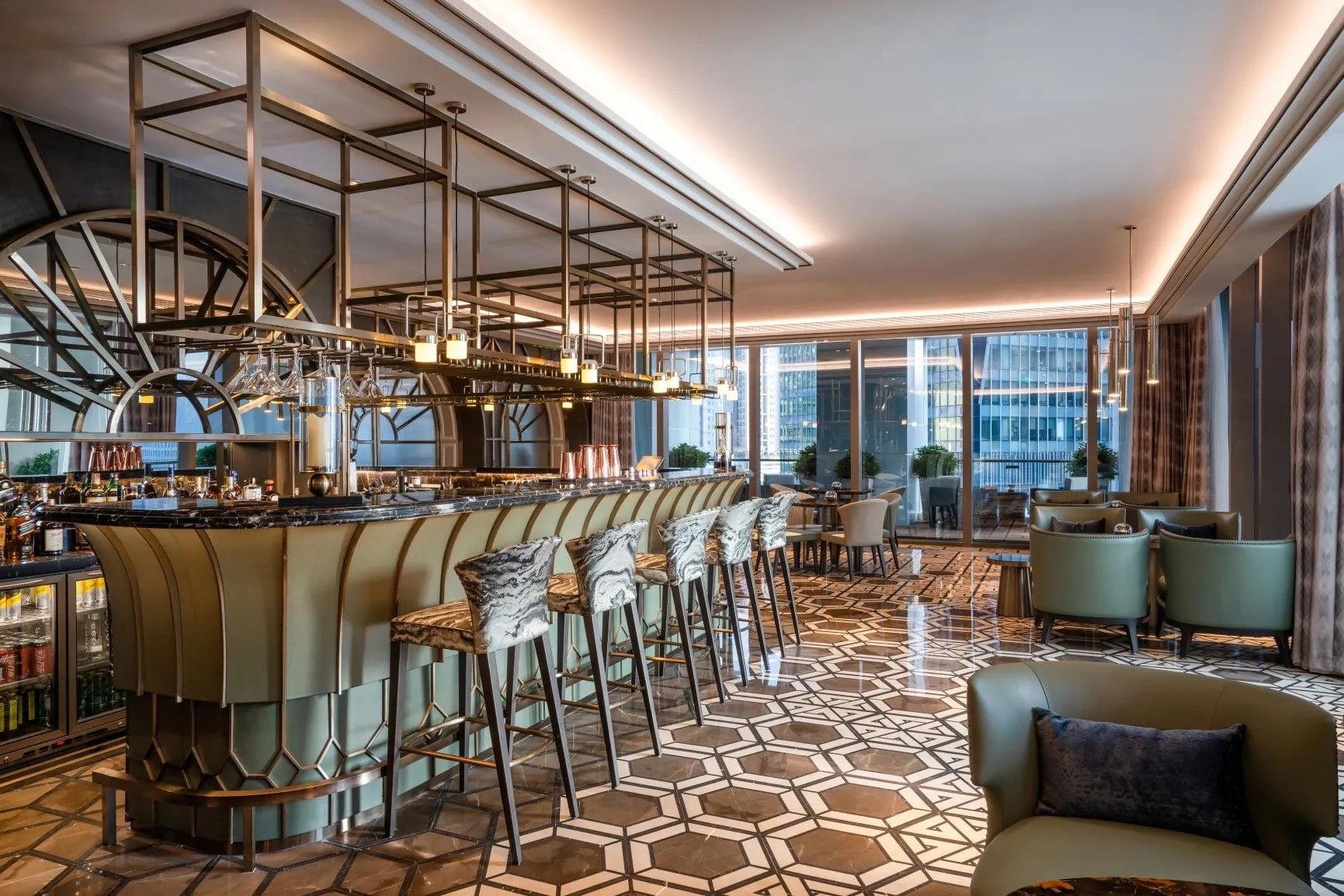
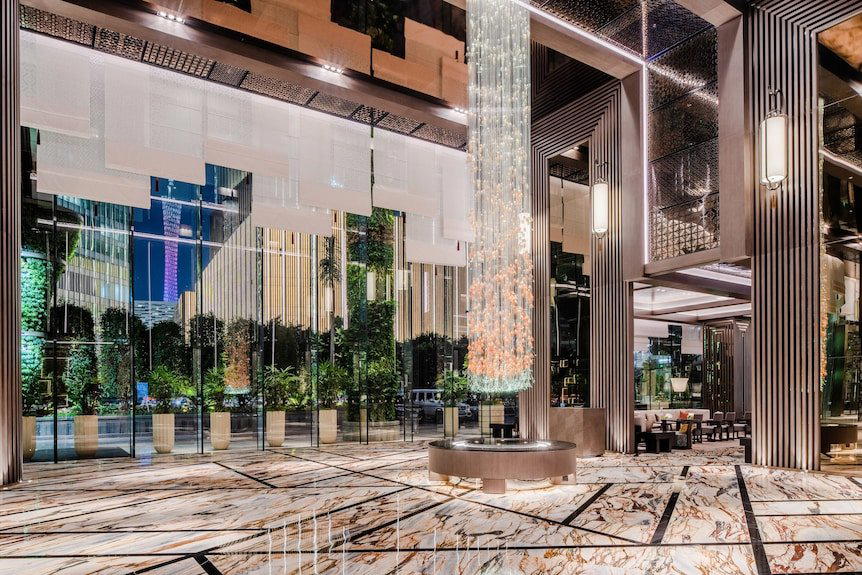
Dimly lit sanctum with crimson lanterns, bamboo screens, and burnished woods, amplifying the theatrical sizzle from the semi-open kitchen.