Zane's Italian Bistro
Zane's Italian Bistro occupies a quiet stretch of South Yosemite Street in Denver's southeast corridor, where the city's Italian dining scene runs from casual red-sauce trattorias to more considered, multi-course formats. The address places it away from the RiNo and Capitol Hill concentration of newer openings, giving it a neighbourhood anchor quality that distinguishes it from the downtown dining cluster.
Pearl is the En Primeur Club membership app — saves, bookings, and concierge access live there. Same editors, same standards.
- Address
- 3535 S Yosemite St, Denver, CO 80237
- Phone
- +13037703100
- Website
- zanesbistro.com
- Directions
- Get directions
 Saves & bookings on Pearl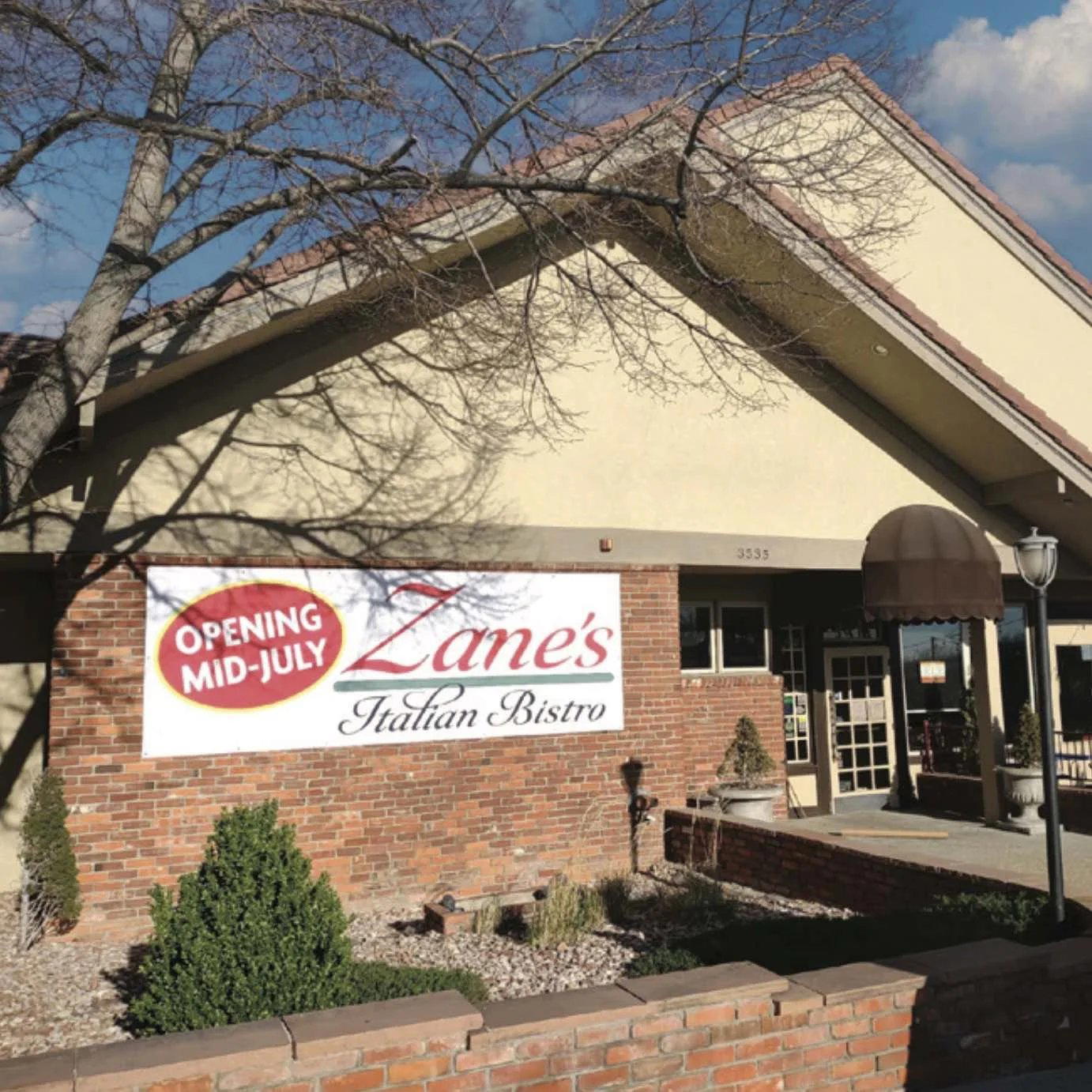
Where Denver's Italian Dining Sits Right Now
At the accessible end, places like Annette have built loyal followings around seasonal, ingredient-focused cooking that borrows Italian structure without committing fully to it. At the more formal end, Brutø and The Wolf's Tailor represent the contemporary fine-dining current that prices at the $$$$ bracket and operates around tasting-menu discipline. Italian specifically, in the mode of Tavernetta, tends to cluster around the $$ range and draw on imported pasta traditions with a Colorado pantry. Zane's Italian Bistro on South Yosemite Street occupies the southeast corridor, away from the density of RiNo and Uptown, which shapes the kind of dining experience it can credibly anchor.
That geographic fact matters more than it might seem. Restaurants that sit outside Denver's primary dining districts tend to build their reputation through repeat neighbourhood traffic rather than destination-seeker momentum. The comparison is instructive: venues like Alma Fonda Fina and Beckon have cultivated strong followings in part through strong editorial recognition and awards traction.
The Arc of the Meal: How Italian Multi-Course Sequencing Works Here
Italian cuisine, more than most European traditions, is built around a meal structure that resists compression. The antipasto, primo, secondo, contorno, and dolce sequence exists not as ceremony but as a logic: each stage is calibrated to shift the diner's palate, manage protein and fat across time, and build toward a specific kind of satisfaction that a single-plate format cannot replicate. The leading Italian bistro experiences in any American city, from the red-sauce institutions of New York's outer boroughs to the more restrained California-Italian rooms that trace back to Chez Panisse's influence, share that structural fidelity even when they abbreviate the formal coursing.
At the American bistro end of the spectrum, where Zane's appears to operate, the tasting progression usually compresses to three to four courses, with pasta occupying the central gravitational role. This is the course where Italian cooking most clearly separates itself: a properly executed primo, whether a hand-rolled pappardelle in a long-braised ragu or a precise tortellini in brodo, signals kitchen confidence in a way that proteins rarely do. For context on how that sequencing plays at the summit of American fine dining, it is worth knowing what places like Le Bernardin in New York City or Alinea in Chicago have demonstrated about the narrative power of a well-paced multi-course format. The gap between those rooms and a neighbourhood bistro is vast, but the underlying principle, that a meal should move somewhere, applies at every price point.
Italian restaurants operating in the bistro register, as Zane's appears to do from its address and naming convention, typically anchor the dining experience around four decisions: the bread and olive oil that set expectations on arrival, the pasta course that defines the kitchen's technical range, the secondi that grounds the meal in protein and season, and the dessert or digestivo that closes the arc. Each of those moments either confirms or undercuts the promise of the one before it. A neighbourhood Italian room that gets the pasta course right earns considerable latitude on everything else.
Denver's Italian Dining in Broader American Context
Italian cooking has been one consistently interpreted European tradition in American restaurants, which makes it the hardest to do with genuine distinction. The reference points are everywhere: the Midwest red-sauce standard, the New York Italian-American institution, the California-Italian hybrid that runs on farmer's market produce, and the newer wave of Italian fine dining that takes its cues from Rome or Bologna rather than the Italian-American diaspora. American cities with strong Italian-origin populations, New York, Boston, San Francisco, have a built-in competitive density that keeps the category honest. Denver does not have that same historical depth, which means Italian restaurants here face less competitive pressure from tradition but also less of the institutional knowledge that makes a great Italian room feel effortless.
For reference on what Italian cooking looks like at its American high end, Single Thread Farm in Healdsburg and The French Laundry in Napa both demonstrate the kind of seasonal-ingredient discipline that Italian cuisine rewards when applied rigorously, even if neither is strictly Italian in format. Domestically, Emeril's in New Orleans and Providence in Los Angeles show how American restaurants absorb European structure without becoming museum pieces. The Italian bistro format that Zane's appears to occupy sits well below that level in formality and presumably in price, but the lineage of expectations is worth understanding when choosing where to spend a dinner in Denver.
Other American fine-dining rooms worth knowing for their approach to sequencing and craft include Blue Hill at Stone Barns in Tarrytown, Addison in San Diego, The Inn at Little Washington, Atomix in New York City, and Lazy Bear in San Francisco. Internationally, 8½ Otto e Mezzo Bombana in Hong Kong represents what Italian fine dining looks like when transplanted to a non-European context, a useful frame for thinking about how Italian cuisine travels and adapts.
What to Know Before You Go
The venue's address on South Yosemite Street in the 80237 zip code places it in Denver's southeast, a residential-commercial zone.
| Venue | Cuisine | Price Range | Location | Format |
|---|---|---|---|---|
| Zane's Italian Bistro | Classic Italian Bistro | $$ | SE Denver, S Yosemite St | Neighbourhood bistro |
| Tavernetta | Italian | $$ | Downtown/Union Station | Full-service Italian |
| Brutø | Contemporary | $$$$ | RiNo | Tasting menu |
| The Wolf's Tailor | New American | $$$$ | West Denver | Tasting menu |
| Safta | Israeli | $$$ | Downtown | Full-service |
Where the Accolades Land
Comparable venues nearby, for context on price, style, and recognition.
| Venue | Cuisine | Price | Notes |
|---|---|---|---|
| Zane's Italian BistroThis venue — the venue you are viewing | Classic Italian Bistro | $$ | Not listed |
| Osteria Marco | Rustic Italian Trattoria | $$ | LoDo |
| Panzano | Contemporary Northern Italian | $$$ | Central Business District |
| Saverina | Italian-Inspired Modern American | $$$ | Southmoor Park |
| Café Mercato | Modern Southern Italian with Sicilian Influences | $$$ | Lowry Field |
Continue exploring
More in Denver
Restaurants in Denver
Browse all →
Bars in Denver
Browse all →
Hotels in Denver
Browse all →

At a Glance
- Cozy
- Family
- Casual Hangout
- Open Kitchen
- Extensive Wine List
- Craft Cocktails
Current opening hours
- Monday
- 11 AM–9 PM
- Tuesday
- 11 AM–9 PM
- Wednesday
- 11 AM–9 PM
- Thursday
- 11 AM–9 PM
- Friday
- 11 AM–10 PM
- Saturday
- 11 AM–10 PM
- Sunday
- 11 AM–9 PM
Hours can change for holidays and private events. Last verified .
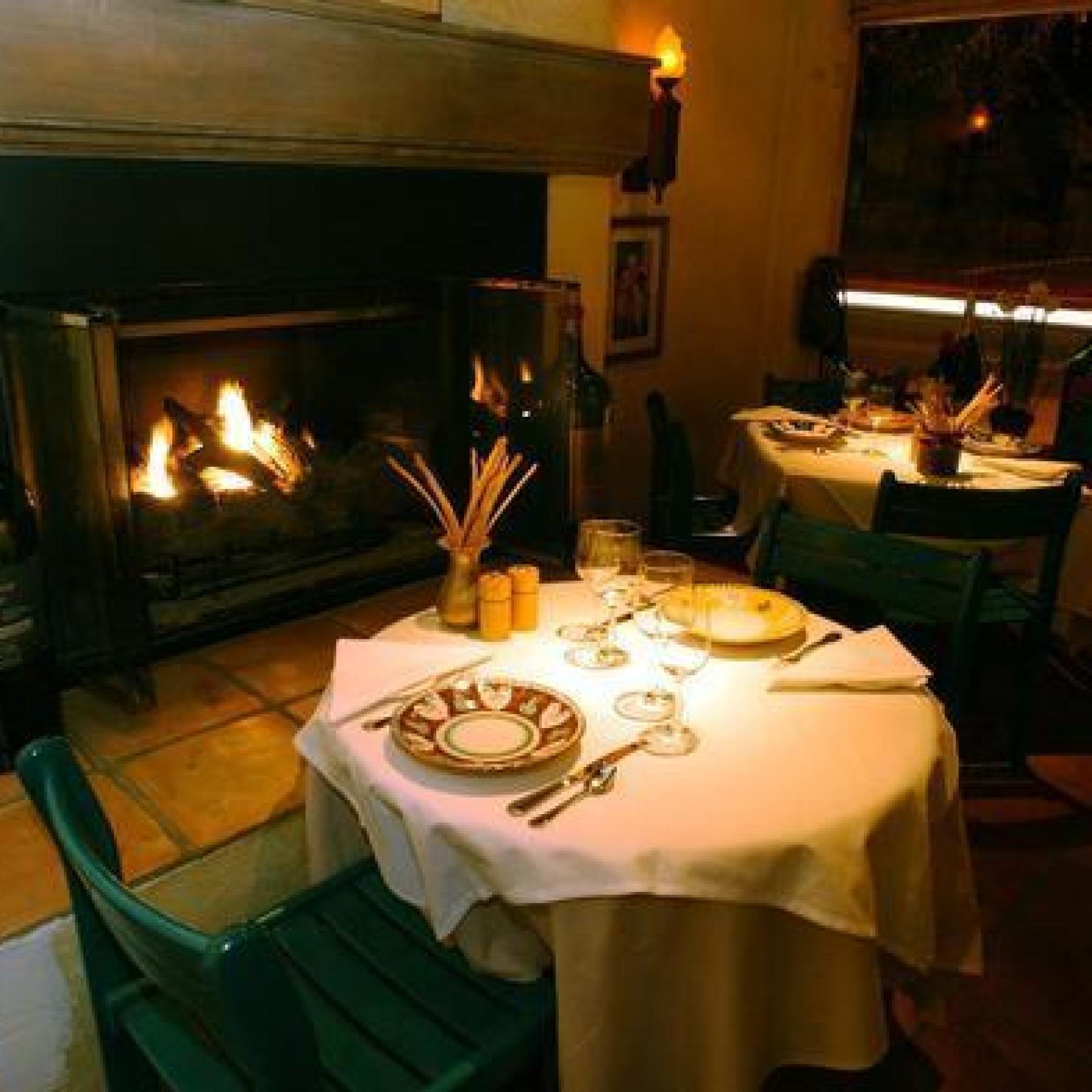
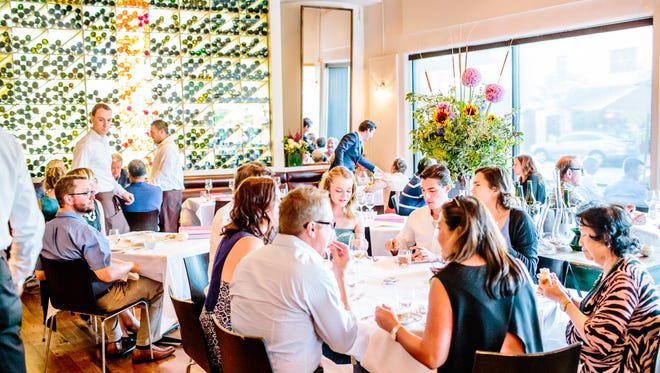
Relaxed and lively atmosphere emphasizing customer connection with Italian flair.