Olivia


Michelin Plate · Wine Spectator Best of Award of Excellence
Our verdict
Bronze-die gemelli, braised duck tortellini and a coconut lobster bisque gnocchi show a menu that ranges from Roman tradition to something more inventive, all in a relaxed Wash Park setting.

Pearl is the En Primeur Club membership app — saves, bookings, and concierge access live there. Same editors, same standards.
- Address
- 290 S Downing St, Denver, CO 80209, United States
- Phone
- (303) 999-0395
- Hours
- Mon ClosedTue–Sat 5–9 p.m.Sun Closed
- Website
- oliviadenver.com
- Directions
- Get directions
- Booking
- Book on Tock
The menu
What to order
- Ravioli
- Gemelli
- Burrata
- Venison polpette
South Denver's Italian Counterargument
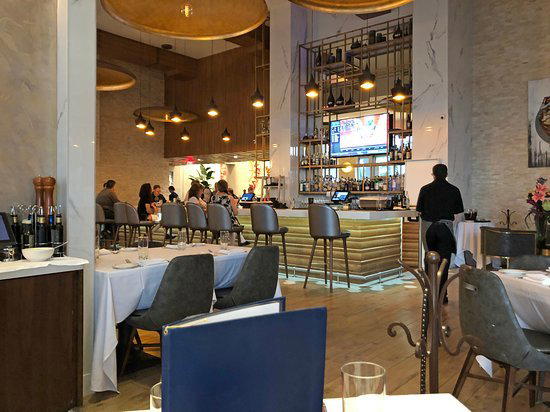
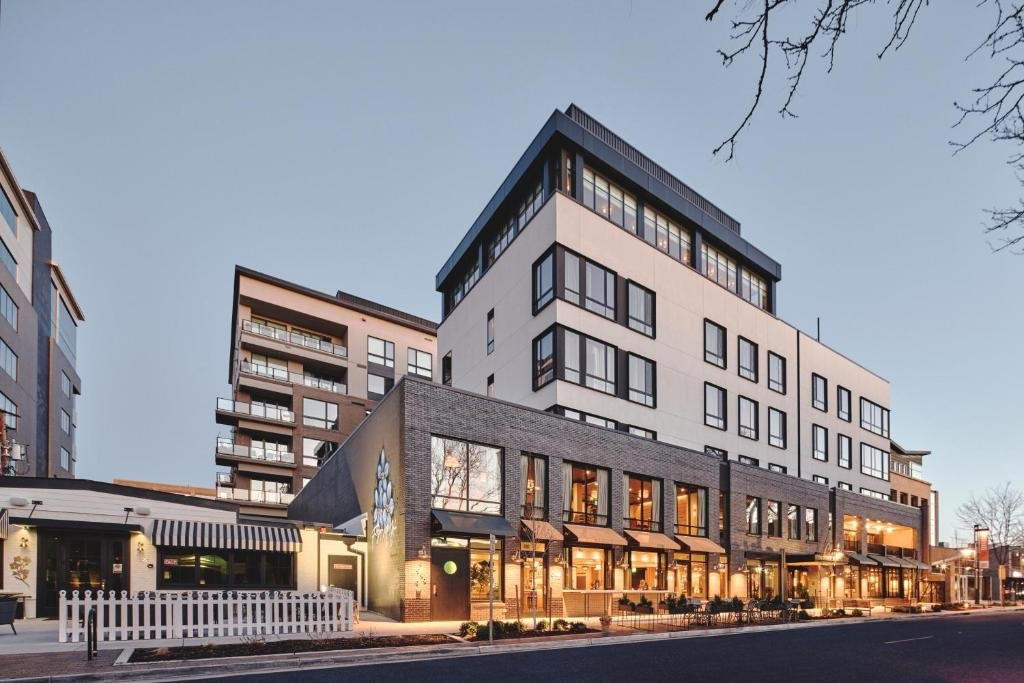
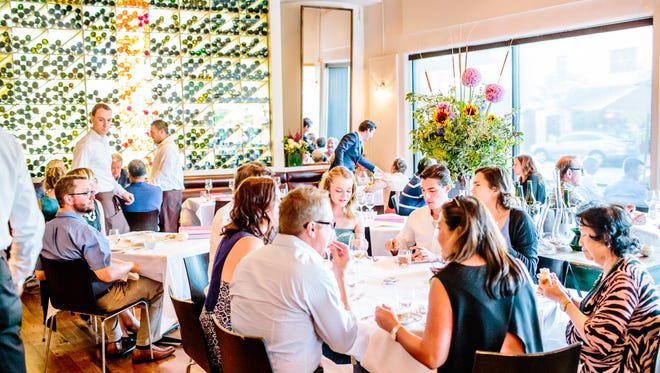
Wash Park and the streets immediately surrounding it have quietly built one of Denver's more coherent neighbourhood dining scenes, the kind where a single block yields genuine cooking rather than a corridor of trend-chasing menus. The South Downing Street stretch, in particular, has attracted restaurants operating with a sense of local permanence rather than opening-week fanfare. Olivia, at 290 S Downing St, sits inside that sensibility: a room that reads as relaxed and inhabited rather than designed-for-Instagram, where the lighting and pace signal a restaurant built for regulars as much as destination diners.
That atmosphere matters because it shapes how the food lands. Denver's Italian tier has split, in recent years, between old-guard white-tablecloth institutions and a newer wave of casual pasta-forward rooms. Tavernetta anchors one end of the spectrum at a lower price point with a high volume of covers; Barolo Grill represents the formal, decades-deep approach. Olivia occupies a third position: mid-to-upper pricing at $$$, a genuinely ingredient-led kitchen, and a format close enough to neighbourhood trattoria that it draws both the deliberate reservation and the walk-in hoping for a stool at the bar.
Pasta as the Menu's Structural Core
House-made pasta is not a supplementary section at Olivia — it organises the entire menu. The kitchen uses both bronze-die extrusion and hand-shaping, two techniques that pull the program in different textural directions. Bronze-die extrusion produces a rougher, more porous surface on cuts like gemelli, which holds sauce rather than letting it slide off; the house version pairs extruded gemelli with Umbrian sausage and a pecorino cream, a combination with clear regional logic. Hand-shaping, by contrast, is slower and more labour-intensive, and the duck-filled tortellini represent what that investment looks like at the plate level.
The range between traditional and unorthodox is wide without feeling schizophrenic. Tagliatelle Bolognese, done properly, is one of the more demanding exercises in classical Italian cooking — the fat-to-meat ratio, the cook time on the ragu, the width of the pasta. Its presence alongside ricotta gnocchi with coconut lobster bisque and black garlic signals a kitchen confident enough in technique to play outside the canon without abandoning it. That coconut-lobster combination looks like a provocation on paper but reads as a flavour-first decision: the bisque's sweetness against the neutral pillow of ricotta, with black garlic providing depth and a low fermented note. Whether that works as well in execution as it does in concept is a question each diner will answer at the table, but assertive flavour is a consistent through-line across all the reported preparations.
For readers cross-referencing Italian pasta programs in different global contexts, the approach here has more in common with the technique-first, ingredient-specific kitchens you find at places like cenci in Kyoto than with the volume-driven pasta houses that proliferate in most American cities. Italian cooking outside Italy at the serious end, whether at 8½ Otto e Mezzo Bombana in Hong Kong or a neighbourhood room in Denver's Wash Park, tends to rest on this same distinction: does the kitchen treat pasta as a product category, or as a craft process? Olivia's bronze-die and hand-shaping dual approach places it in the latter camp.
The Partnership Structure and What It Signals
The three-partner model at Olivia, with Ty Leon leading the kitchen, Austin Carson running beverages, and Heather Morrison managing hospitality, reflects a structure increasingly common in independently owned American restaurants that have reached a stable second or third year. Each function has a named owner-operator accountable for its quality, which tends to produce a tighter overall experience than a kitchen-dominant model where service and beverage are treated as secondary departments. The cocktail program, designed as aperitifs rather than centre-stage productions, fits a room that prioritises the food and the conversation around it. A well-constructed Aperol or vermouth-forward drink before pasta is the right structural call; the menu reads as if Carson understands that hierarchy.
Morrison's hospitality orientation is worth noting separately. Denver's contemporary scene includes technically impressive restaurants where the front-of-house operates at a cooler remove, Brutø and The Wolf's Tailor both operate at a higher price point with more formal service registers. Olivia's reported atmosphere sits closer to warmth and ease, which at $$$ is a genuine differentiator in a city where that price tier often produces either stiffness or studied casualness without actual care.
Sourcing, Ingredients, and What the Menu Implies
The editorial angle most worth applying to Olivia's menu is what its ingredient choices suggest about sourcing priorities. Umbrian sausage paired with house-extruded pasta points toward either a direct import relationship or a local charcutier working to a specific regional spec. Duck as a tortellini filling rather than chicken is a more expensive and labour-intensive choice that also reflects a kitchen willing to source proteins with more flavour complexity. Lobster in Colorado is not locally sourced by definition, but the bisque format as a sauce base rather than a centrepiece protein suggests a kitchen using it as a flavour vehicle rather than a luxury signal, which is the more considered decision.
Restaurants operating at this price tier in American cities are increasingly expected to account for sourcing, not through marketing language, but through what actually appears on the plate. At Olivia, the ingredient decisions embedded in the reported dishes make a quiet case for a kitchen thinking about provenance at the purchasing stage rather than the branding stage. That distinction matters for a reader evaluating whether the $$$ price point reflects ingredient cost or ambition inflation.
Olivia in Denver's Wider Dining Picture
Denver's current critical attention gravitates toward the higher-price contemporary programs, with Brutø and The Wolf's Tailor drawing comparisons to destination restaurants elsewhere in the country like Lazy Bear in San Francisco or Alinea in Chicago. The Italian tier operates differently: the genre lends itself to neighbourhood permanence rather than destination pilgrimage, which is a different kind of success.
Dio Mio, Denver's other notable pasta-focused room, operates at a lower price point with a faster format. The comparison is instructive: both take pasta seriously, but the register, pacing, and ambition of the respective menus pull in different directions. Olivia's $$$ positioning and the duck tortellini-to-gnocchi range suggest a kitchen interested in the full expression of a dinner rather than a quick bowl. For readers building a broader Denver visit, the full Denver restaurants guide maps the city's dining tiers in detail, and the Denver hotels guide, bars guide, wineries guide, and experiences guide cover the rest of the trip.
Planning a Visit
Olivia operates at 290 S Downing St in the Wash Park neighbourhood, a residential address that keeps it off the tourist circuit and more oriented toward the local regular. The $$$ price range positions it as a deliberate dinner reservation rather than a spontaneous drop-in, though the bar and the room's relaxed energy suggest the latter is possible on quieter nights. Hours and booking details are best confirmed directly with the restaurant, as they are not published here.
Frequently asked questions
What's the must-try dish at Olivia?
The pasta program is the clearest reason to visit, and the braised duck tortellini makes the strongest case for what the kitchen does well: hand-shaped pasta with a filling that requires real technique and patience. Among the other reported preparations, the ricotta gnocchi with coconut lobster bisque and black garlic signals how far the menu is willing to travel from Italian convention. Olivia holds a Pearl 2025 Recommended designation, and the pasta section is consistently what earns that attention.
What's the price range at Olivia?
Pricing at Olivia is listed as $$$.
Price and Positioning
A quick peer reference to anchor this venue in its category.
| Venue | Cuisine | Price | Awards | Notes |
|---|---|---|---|---|
| OliviaThis venue — the venue you are viewing | Modern Italian Pasta | $100–150 | Michelin Plate · Wine Spectator Best of Award of Excellence | Not listed |
| The Wolf's Tailor | Modern Fusion Tasting Menu | $150–200 | 2 Michelin Stars · La Liste Top Restaurants | New American, Contemporary |
| Tavernetta | Contemporary Italian | $50–100 | Michelin Bib Gourmand · Star Wine List | Not listed |
| Brutø | Contemporary American Tasting Menu | $150–200 | 1 Michelin Star · Star Wine List | Contemporary |
| Alma Fonda Fina | Modern Mexican Fine Dining | $50–100 | 1 Michelin Star · World's 50 Best #45 | Mexican |
| Safta | Modern Israeli & Mediterranean Small Plates | $50–100 | Michelin Plate · Star Wine List | Not listed |
Recognition history
Dated appearances from independent guides and award organizations, with the underlying list record or original source where available.
Michelin Plate
Michelin
Wine Spectator Best of Award of Excellence
Wine Spectator
Full recognition history (3 entries)
Michelin Plate
Michelin
Continue exploring
More in Denver
Restaurants in Denver
Browse all →
Bars in Denver
Browse all →
Hotels in Denver
Browse all →

Details
- Intimate
- Elegant
- Romantic
- Cozy
- Sophisticated
- Date Night
- Special Occasion
- Open Kitchen
- Craft Cocktails
- A La Carte
- Small Plates
- Gluten Free Options
- Vegetarian Friendly
Current opening hours
- Monday
- Closed
- Tuesday
- 5–9 p.m.
- Wednesday
- 5–9 p.m.
- Thursday
- 5–9 p.m.
- Friday
- 5–9 p.m.
- Saturday
- 5–9 p.m.
- Sunday
- Closed
Hours can change for holidays and private events. Last verified .
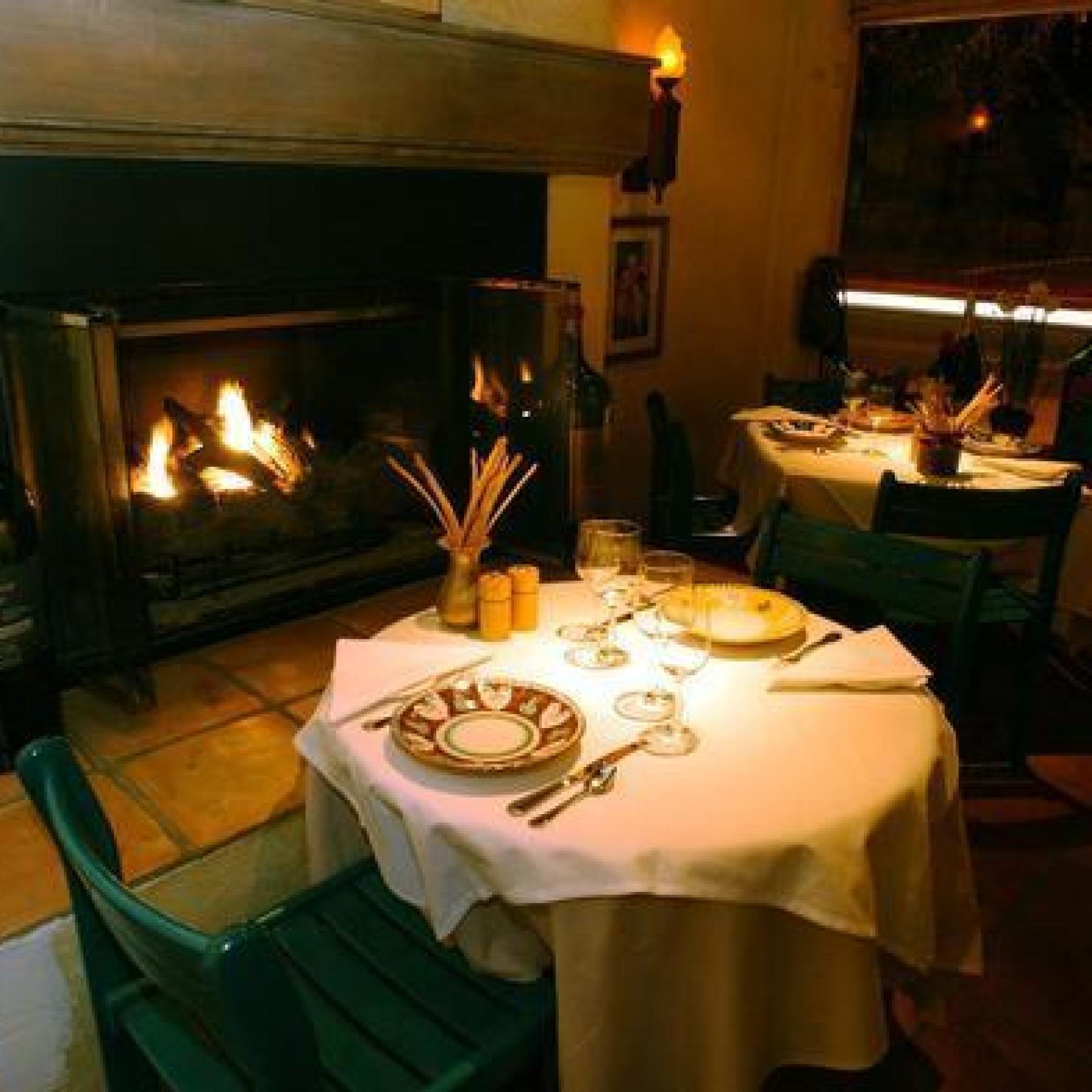
Intimate candle-lit dining room with crisp, comfortable, calming decor well-suited for conversation.