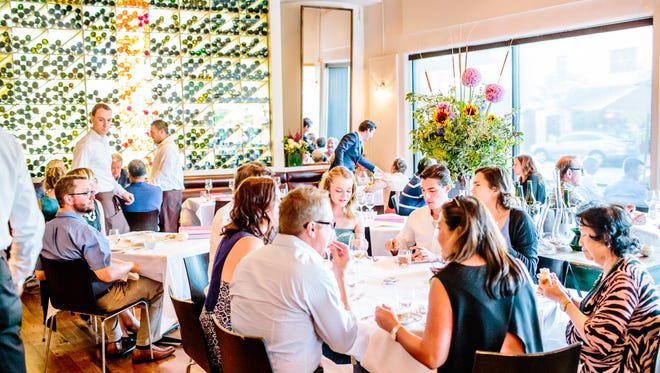
Margot

1 Michelin Star
Our verdict
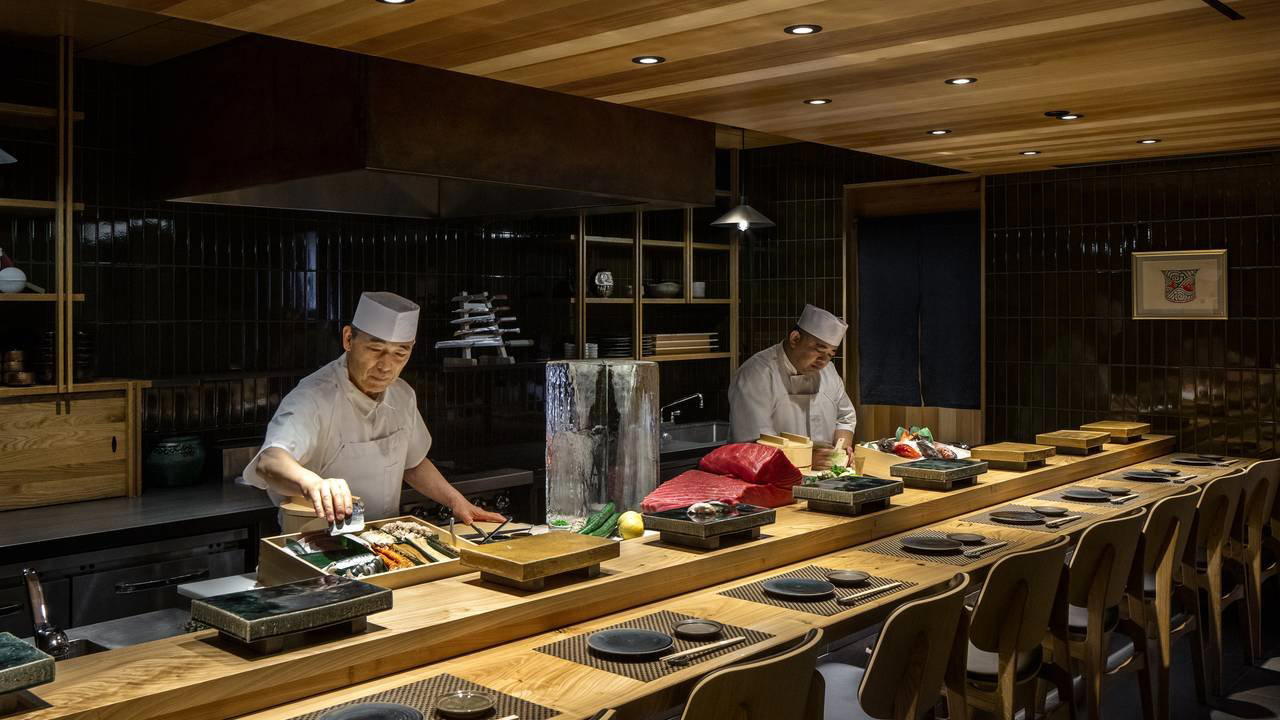
An eight-seat counter inside a shared space on South Pearl Street, Margot is Denver's most concentrated expression of the contemporary tasting-menu format. Chef Justin Fulton's multicourse progression moves through global technique and Colorado-sourced ingredients, with each course timed to the season. Among Denver's prix-fixe tier, few rooms operate at this scale of intimacy.

Pearl is the En Primeur Club membership app, where members save venues, book tables and use the concierge.
The menu
What to order
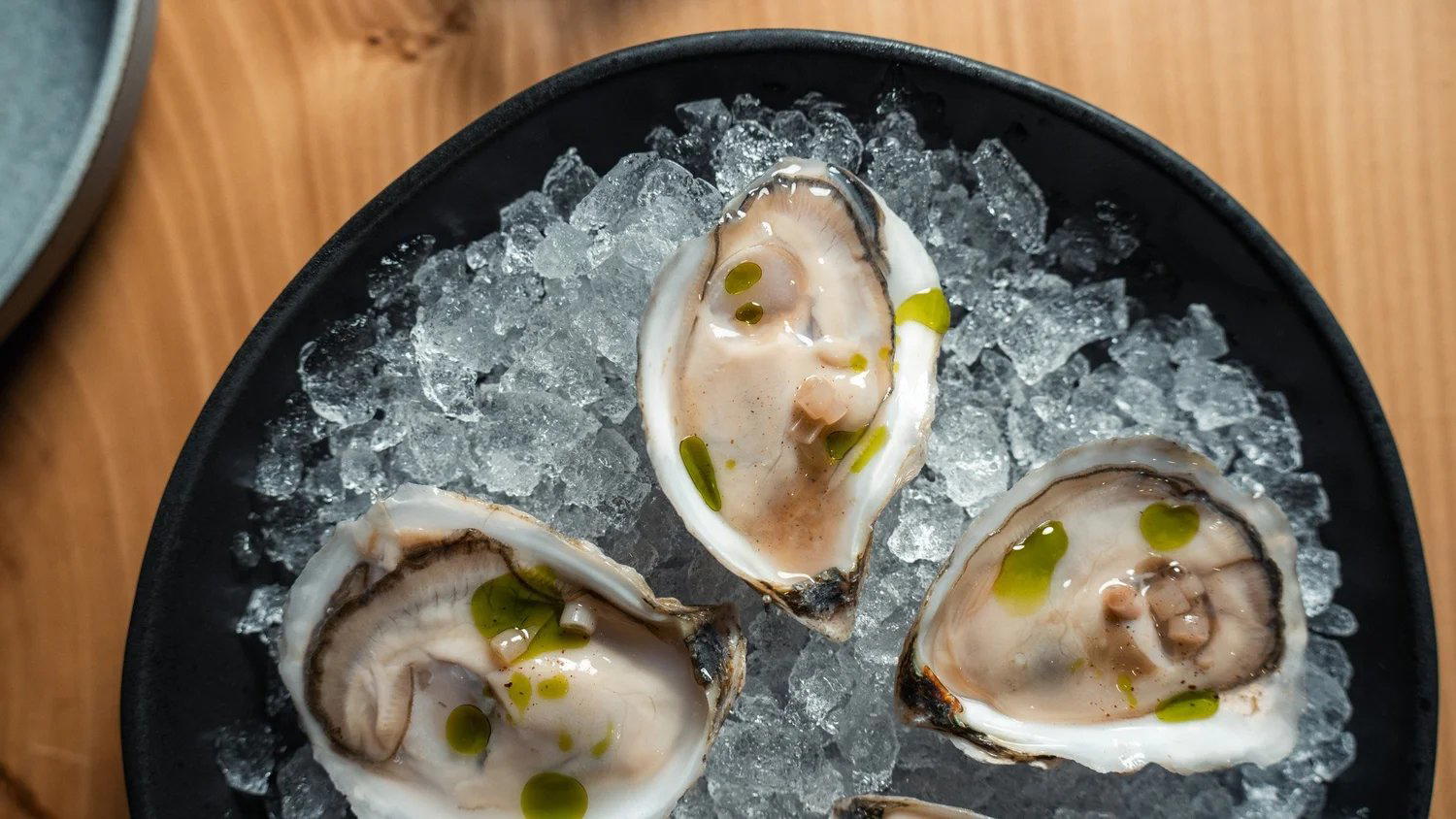
- Parisian Gnocchi
- Brioche with Butter
- Merguez Tagliatelle
The Counter as Frame
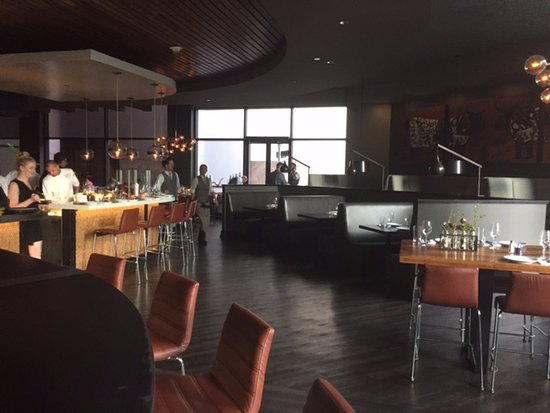
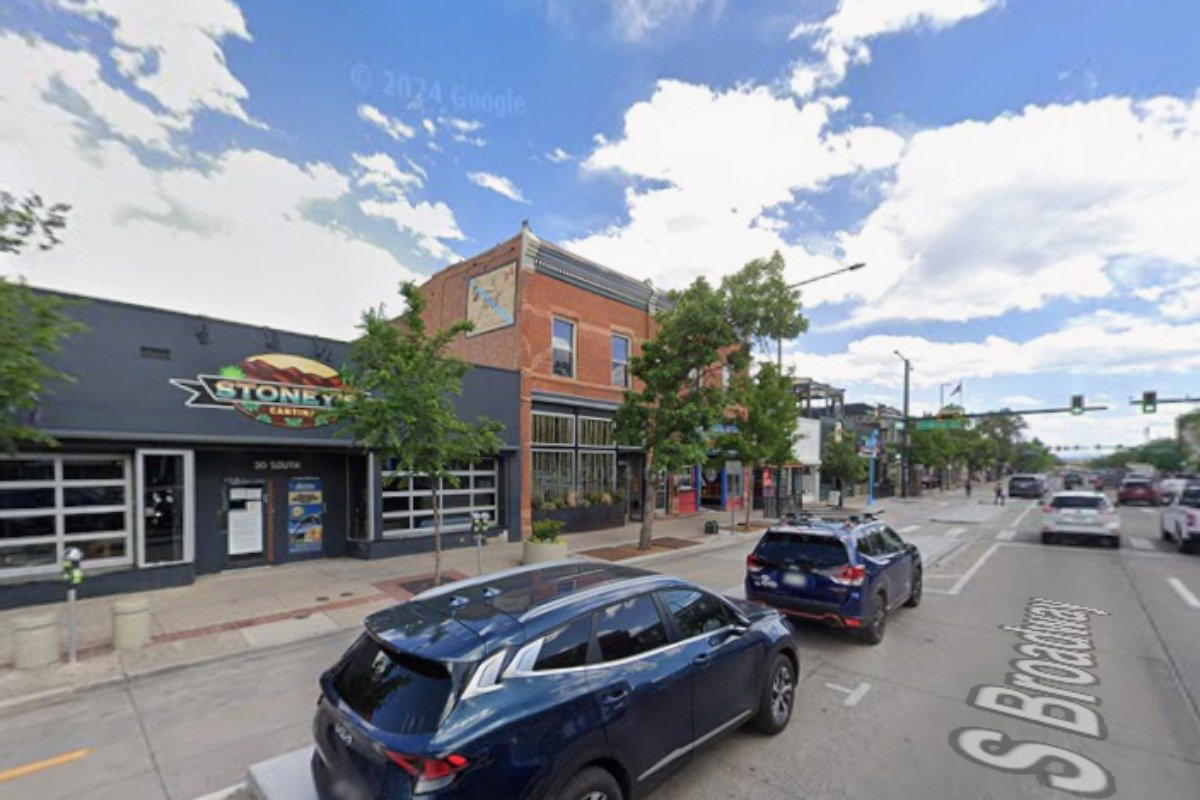
South Pearl Street runs through one of Denver's more settled residential corridors, the kind of block where morning coffee shops and evening wine bars share the same low-rise strip. Margot occupies a corner of a larger shared space on that street, and its eight-seat counter is designed to function as a room within a room. The physical arrangement is deliberate: at this capacity, the counter is less a restaurant format and more a dining protocol. Every seat faces the same direction, the pacing is set by the kitchen rather than the guest, and the meal unfolds as a single shared sequence rather than a collection of individual orders.
That structural choice puts Margot in a specific tier of American tasting-menu dining. Counters of this scale, comparable in format, if not in geography, to the intimate progression models at Lazy Bear in San Francisco or the controlled environments of Alinea in Chicago, operate on the premise that fewer seats produce a more coherent meal. At eight covers, the kitchen can time each course to the room rather than to a section, and the staff-to-guest ratio tips sharply toward hospitality rather than logistics.
The Ritual of the Meal
Multicourse tasting menus at this price point carry a specific set of expectations about pacing and progression. The meal at Margot follows a seasonal structure, meaning the menu changes with the supply of local Colorado ingredients rather than running on a fixed cycle. That seasonal discipline, common to the top tier of American contemporary dining from The French Laundry in Napa to Single Thread Farm in Healdsburg, shifts the dining ritual away from the repeatable and toward the momentary. What is served in one month will not be what is served three months later.
The progression itself signals its intentions early. Individual loaves of olive oil brioche, baked fresh for each guest and served warm, establish the meal's register: technically precise but without ceremony for its own sake. The warmth of that opening carries through the staffing approach, which the kitchen has calibrated toward ease rather than formality.
Subsequent courses move between registers without abandoning the central logic of the menu. Parisian gnocchi in a mascarpone and caviar sauce represents the kind of reference point that draws on classical French technique while resisting any nostalgic framing. Dry-aged duck breast with cherries and truffle jus uses a familiar flavour architecture (fat, acid, earth) but the execution depends on the aging protocol and the precision of the cook rather than the novelty of the combination. These are dishes where the technique is the point, not the concept.
Denver's Tasting-Menu Tier
Denver's contemporary tasting-menu category has expanded meaningfully over the past decade, but the format still sits at the narrower end of the city's dining spectrum. At the $$$$ price tier, the relevant comparison set includes Beckon, Brutø, and The Wolf's Tailor, each of which operates a structured progression with distinct culinary identities. Margot's differentiating position within that set is its scale. An eight-seat counter is smaller than any of those peers, which compresses both the experience and the operational model.
That compression has consequences. Demand at eight seats is structurally constrained in a way that demand at thirty or forty seats is not. The format began as a pop-up, which allowed the kitchen to test the model before committing to a permanent space. The move to a fixed counter inside a shared venue preserves some of that flexibility while establishing a consistent address. It is a format increasingly visible in American cities, César in New York City and Jungsik in Seoul both operate within the broader contemporary tasting tradition, though at greater scale, but in Denver it remains a niche configuration.
Venues with a pop-up heritage tend to carry specific advantages when they move to fixed locations: the menu has been tested over multiple iterations, the kitchen knows what works under pressure, and the team has operated without the infrastructure that larger rooms require. The transition from pop-up to permanent counter is a studied trajectory in premium American dining, and Margot's arrival at South Pearl Street follows that arc.
Colorado Ingredients as a Culinary Position
A meaningful portion of contemporary American tasting menus now identify with place through sourcing rather than through dish naming or provenance labelling. Margot situates itself as distinctly Coloradan through its ingredient relationships while pulling technique and reference points from a wider international range. That combination, local roots with global method, is not unusual at this level of American dining, but it does position the kitchen differently from, say, the European anchor of a restaurant like Le Bernardin in New York City or the Southern specificity of Emeril's in New Orleans.
Colorado's seasonal availability structures the menu in real terms. The high-altitude growing season is compressed relative to coastal states, which means the window for certain local ingredients is shorter and their use more deliberate. That constraint tends to sharpen rather than limit: kitchens working within tighter seasonal windows often produce menus with stronger internal coherence, because the sourcing logic forces a cleaner editorial hand on the progression. For guests comparing Hey Kiddo or Wildflower against Margot in Denver's broader contemporary category, the level of seasonal precision here is a distinguishing variable.
Planning Your Visit
Margot is located at 1551 S Pearl St in Denver's Platte Park neighbourhood. At eight seats, availability is limited in structural terms, and the pop-up-to-counter trajectory means an established audience was in place before the permanent address opened. Planning ahead is advisable. The $$$$ price positioning places it at the upper end of the Denver dining tier; the tasting format means the full menu is the booking. For broader itinerary planning across Denver's restaurant, hotel, and bar options, EP Club maintains guides to each: our full Denver restaurants guide, our full Denver hotels guide, our full Denver bars guide, our full Denver wineries guide, and our full Denver experiences guide.
Frequently asked questions
What style of cooking does Margot do?
Has Margot won any awards?
Margot has received recognition including: After years spent as an esteemed pop-up, Chef Justin Fulton’s passion project has found a permanent berth at a cozy eight-seat counter tucked inside a larger shared space. Offered as a contemporary multicourse tasting that follows the seaso….
What should I order at Margot?
Margot runs a set multicourse tasting with no à la carte option, so the decision is less about dishes and more about timing. The menu tracks the seasons, meaning the courses in March bear little resemblance to what's served in September. Past iterations have included Parisian gnocchi with mascarpone and caviar alongside dry-aged duck breast with cherries and truffle jus, but the specific lineup will differ from visit to visit. Each guest receives an individually baked olive oil brioche, which the kitchen treats as a signature through-line regardless of season.
Is Margot expensive?
Pricing at Margot is listed as $$$$.
What's Margot's location?
Margot is located at 1551 S Pearl St, Denver, CO 80210, Denver.
The Essentials
| Venue | Cuisine | Price | Awards | Notes |
|---|---|---|---|---|
| MargotThis venue (the venue you are viewing) | New American Seasonal Fine Dining | $100–150 | 1 Michelin Star | Not listed |
| The Wolf's Tailor | Modern Fusion Tasting Menu | $150–200 | 2 Michelin Stars · La Liste Top Restaurants | New American, Contemporary |
| Tavernetta | Contemporary Italian | $50–100 | Michelin Bib Gourmand · Star Wine List | Italian |
| Brutø | Contemporary American Tasting Menu | $150–200 | 1 Michelin Star · Star Wine List | Contemporary |
| Alma Fonda Fina | Modern Mexican Fine Dining | $50–100 | 1 Michelin Star · World's 50 Best #45 | Mexican |
| Safta | Modern Israeli & Mediterranean Small Plates | $50–100 | Michelin Plate · Star Wine List | Israeli Cuisine |
Recognition history
Dated appearances from independent guides and award organizations, with the underlying list record or original source where available.
Michelin 1 Star
Michelin
Full recognition history (2 entries)
Michelin 1 Star
Michelin