Panzano
Our verdict
Panzano occupies a grounded position in Denver's downtown dining corridor at 909 17th St, offering Italian-rooted cooking at a scale and address that places it firmly in the city's business-district dining tier. The restaurant sits within a broader moment in Colorado hospitality where sourcing transparency and seasonal discipline are reshaping what Italian-American cooking means at the table.

Pearl is the En Primeur Club membership app, where members save venues, book tables and use the concierge.
The menu
What to order
- Bolognese
- Pollo Alla Milanese
- Porchetta
Downtown Denver's Italian Table, Reassessed
The stretch of 17th Street running through Denver's central business district has long operated as the city's default power-lunch corridor: wide sidewalks, hotel lobbies, and dining rooms that fill with laptop bags at noon and linen napkins by evening. Within that context, Italian-rooted restaurants occupy a particular role. They carry the weight of expectation that comes with a cuisine built on hospitality ritual, and in recent years the stronger operators in this tier have responded to that pressure not by theatrics but by tightening their sourcing logic and letting the provenance of ingredients carry the editorial weight that a showier kitchen might assign to technique. Panzano, at 909 17th St, sits inside that shift.
Italian cooking in American cities has undergone a sustained reassessment over the past decade. The movement that once positioned pasta as a vehicle for butter and cream has given way, particularly in food-literate cities like Denver, to something closer to regional Italian discipline: shorter ingredient lists, producer relationships, and a kitchen posture that treats restraint as sophistication rather than limitation. Denver's Italian dining tier now runs from casual trattoria formats through to white-tablecloth rooms, and the restaurants gaining ground in the middle and upper brackets are increasingly those making a legible argument about where their food comes from.
Sourcing as Editorial Statement
Across the American fine-casual Italian space, the sustainability argument has moved from marketing language to operational reality. Restaurants that once listed "locally sourced" as a menu footnote are now structuring their entire seasonal rotation around producer availability, adjusting dishes mid-season when a specific farm's yield changes rather than substituting with commodity ingredients. This kind of sourcing discipline is more common in the farm-to-table formats associated with New American cooking, as seen at places like The Wolf's Tailor or Brutø in Denver's contemporary tier, but it has begun migrating into Italian rooms where the cuisine's own seasonal logic makes it a natural fit.
Colorado's agricultural calendar gives Denver's more attentive restaurants a genuine regional argument to make. The state's high-altitude growing season is short but produces ingredients with concentrated flavour profiles, particularly in stone fruits, heirloom grains, and cool-weather brassicas. A kitchen working within Italian frameworks and Colorado sourcing can build a menu that reflects the actual land around the city rather than defaulting to the imported Italian pantry that defined an earlier generation of American Italian restaurants. That tension between tradition and local adaptation is where the most interesting work in this category is happening right now, both in Denver and in peer cities.
The broader national conversation about food waste reduction has also reached Italian kitchens, where cucina povera traditions offer a natural framework. The nose-to-tail and root-to-stem thinking that has driven sustainability credibility in American fine dining is, in many ways, already embedded in Italian culinary heritage: stale bread becomes panzanella, vegetable trimmings become brodo, offal becomes the basis of regional classics that predate modern waste-reduction discourse by centuries. Restaurants that understand this connection can position their sustainability practice as authenticity rather than trend adoption, which reads differently to a sophisticated dining room.
Where Panzano Sits in Denver's Italian Tier
Denver's Italian dining options now span a wider range than at any point in the city's recent restaurant history. At the accessible end, places like Annette bring Italian-influenced pasta work into a neighbourhood format that prioritises accessibility and rotation. Tavernetta, at the $$ price point, occupies the reliable mid-tier with a wine list that takes northern Italian producers seriously. At the upper end of the market, the city's most ambitious rooms are competing on a national stage where the reference points are places like Le Bernardin in New York City or The French Laundry in Napa for technical seriousness, and Blue Hill at Stone Barns in Tarrytown for the farming-led sourcing argument.
The business district dining room operates on different rhythms than a neighbourhood restaurant: weekday lunch and early dinner carry more commercial weight, the guest mix skews toward corporate entertainment and hotel guests, and the kitchen must perform consistency across higher covers than a destination-only format demands. Within that operational reality, the restaurants that build a genuine sourcing or sustainability identity do so against structural headwinds that a smaller, lower-volume room does not face. That makes the commitment more operationally meaningful when it holds.
For readers who want to map Denver's wider Italian and contemporary scene, our full Denver restaurants guide covers the full tier from casual through to the city's most ambitious tables, including Beckon and Alma Fonda Fina.
The Broader American Italian Moment
The restaurants setting the pace in American Italian cooking right now are doing so by refusing the false choice between authenticity and local adaptation. Single Thread Farm in Healdsburg demonstrates what happens when Japanese kaiseki discipline meets California farm produce; the result is neither Japanese nor Californian in any reductive sense, but a third thing entirely. A similar logic applies to serious Italian rooms working with Colorado ingredients: the dish that results from high-altitude wheat, Rocky Mountain trout, and an Italian pasta tradition is not a compromise. It is a specific thing with its own argument to make.
Denver's more ambitious rooms, including those in the Italian category, are tracking the same trajectory. For context on how that plays out at the technically demanding end of the market, Alinea in Chicago and Atomix in New York City illustrate what happens when sustainability thinking intersects with high-technique formats.
Planning a Visit
Panzano operates from its downtown address at 909 17th St, Denver, CO 80202, in the heart of a district that fills quickly on weekday evenings when convention calendars are active. For reservation availability and current hours, checking directly via the restaurant's own channels will give the most accurate picture, as downtown Denver rooms adjust their schedules seasonally and around major convention centre events. The 17th Street corridor is walkable from several central Denver hotels, which means Panzano functions naturally as both a business-dinner destination and a convenient option for visitors staying nearby. Dress runs smart-casual in this tier, consistent with the business-district room type.
Frequently asked questions
What should I eat at Panzano?
Italian kitchens in Denver's mid-to-upper tier are currently making their most credible arguments through pasta and protein dishes that reflect seasonal Colorado sourcing rather than defaulting to an imported Italian pantry. At a room like Panzano, the dishes most worth attention are typically those that show the kitchen's relationship with local producers, whether through housemade pasta formats or proteins sourced from Colorado ranches. Given that the restaurant does not publish a fixed long-term menu, the most reliable approach is to ask the floor team which dishes are built around current seasonal availability.
How hard is it to get a table at Panzano?
Downtown Denver restaurants at this address and price positioning tend to be more accessible than the city's highest-demand destination rooms. Places like Beckon, which operates a ticketed fixed-price format, or the counter-service model at Brutø, carry longer booking windows. Panzano's business-district location means weekday lunches fill from the corporate market, while weekend evenings may have more flex. Convention centre events can compress availability city-wide on short notice, so booking a week or more ahead during peak conference season is prudent.
What's the defining dish or idea at Panzano?
The defining idea in Denver's stronger Italian rooms right now is the tension between Italian culinary tradition and Colorado ingredient availability, with the leading kitchens refusing to resolve that tension by defaulting to either imported nostalgia or generic farm-to-table presentation. At Panzano, the Italian framework provides the structure; what distinguishes the room within its competitive set is how consistently that framework accommodates genuinely local sourcing. The dishes that carry that argument most clearly tend to be the pasta and seasonal protein courses, which are where the kitchen's sourcing philosophy becomes most visible on the plate.
What if I have allergies at Panzano?
Italian kitchens work with a core set of allergens, including gluten (pasta, bread), dairy (cream, butter, aged cheeses), and eggs, that appear across most categories of the menu. If you have a significant allergy or intolerance, contacting the restaurant directly before your reservation is the most reliable path; downtown Denver rooms at this tier are generally equipped to accommodate dietary needs when given advance notice. Since phone and website details for Panzano are best confirmed through current listings, a brief call or email ahead of your booking date will allow the kitchen to prepare appropriately.
Is Panzano overpriced or worth every penny?
Denver's Italian dining tier runs from accessible trattoria pricing through to the $$$$ bracket occupied by the city's most technically ambitious rooms. Panzano's downtown address and format position it in a tier where the value equation is determined by sourcing quality, consistency, and the specific experience of a business-district room rather than by theatrical tasting-menu formats. Compared to the $$$$ commitment required at The Wolf's Tailor or Brutø, a mid-tier Italian room that delivers on its sourcing argument represents a different but defensible value proposition, particularly for guests eating multiple times during a city stay.
Is Panzano a good choice for a business dinner in downtown Denver?
The 17th Street address is one of the more deliberate location choices in Denver's restaurant geography, placing Panzano squarely in the corridor where corporate entertaining is a structural part of the dining room's weekly rhythm. Italian cuisine at this tier travels well as a business-dinner format because it accommodates a wide range of dietary preferences and provides enough menu breadth for varied tables. The room type, consistent with downtown Denver Italian at this price point, typically offers the kind of ambient noise level and table spacing that allows conversation, which is the functional requirement that most business diners prioritise above all else. For a visitor staying in the central hotel district and hosting a small group, Panzano's address and format check the relevant boxes.
Budget Reality Check
Comparable venues nearby, for context on price, style, and recognition.
| Venue | Cuisine | Price | Awards | Notes |
|---|---|---|---|---|
| PanzanoThis venue (the venue you are viewing) | Contemporary Northern Italian | $50–100 | Not listed | Not listed |
| Jovanina's Broken Italian | Modern Italian with Colorado Ingredients | $50–100 | Not listed | LoDo, Modern Italian with Colorado Ingredients |
| Coperta | Roman & Southern Italian Trattoria | $30–50 | James Beard Award Semi Finalist | Five Points, Roman & Southern Italian Trattoria |
| Luca | Rustic Wood-Fired Italian | $50–100 | Wine Spectator Award of Excellence | Capitol Hill, Rustic Wood-Fired Italian |
| Cattivella | Authentic Regional Italian with Wood-Fired Specialties | $50–100 | Not listed | Central Park, Authentic Regional Italian with Wood-Fired Specialties |
| Cucina Bella | Traditional Italian-American | $20–30 | Not listed | Lowry Field, Traditional Italian-American |
Continue exploring
More in Denver
Restaurants in Denver
All restaurants in Denver →
Bars in Denver
All bars in Denver →
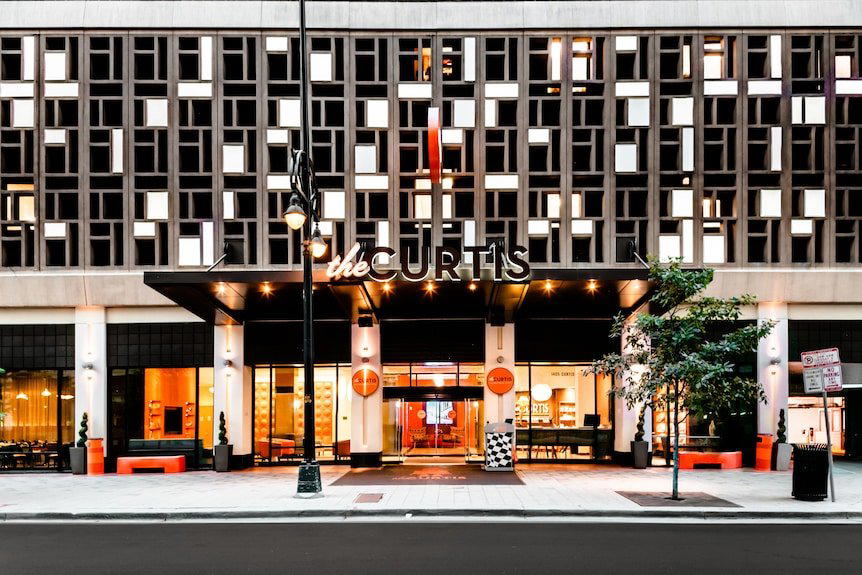
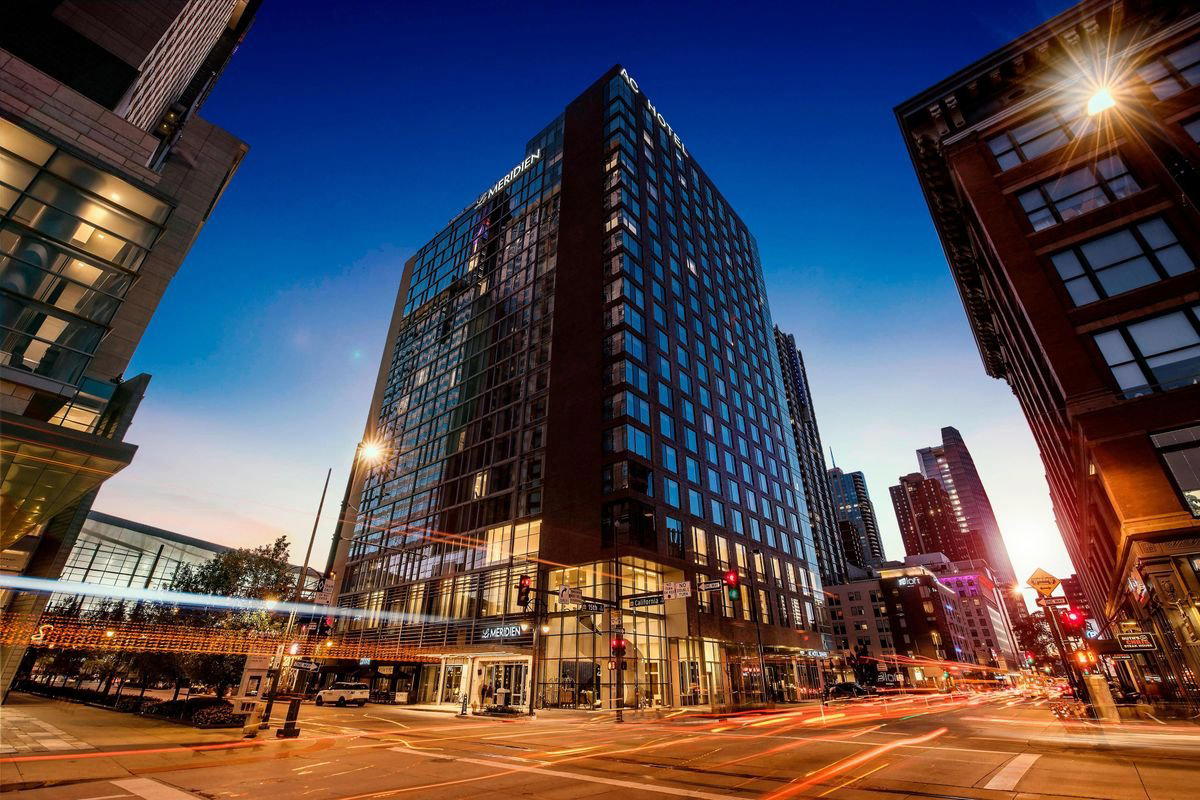
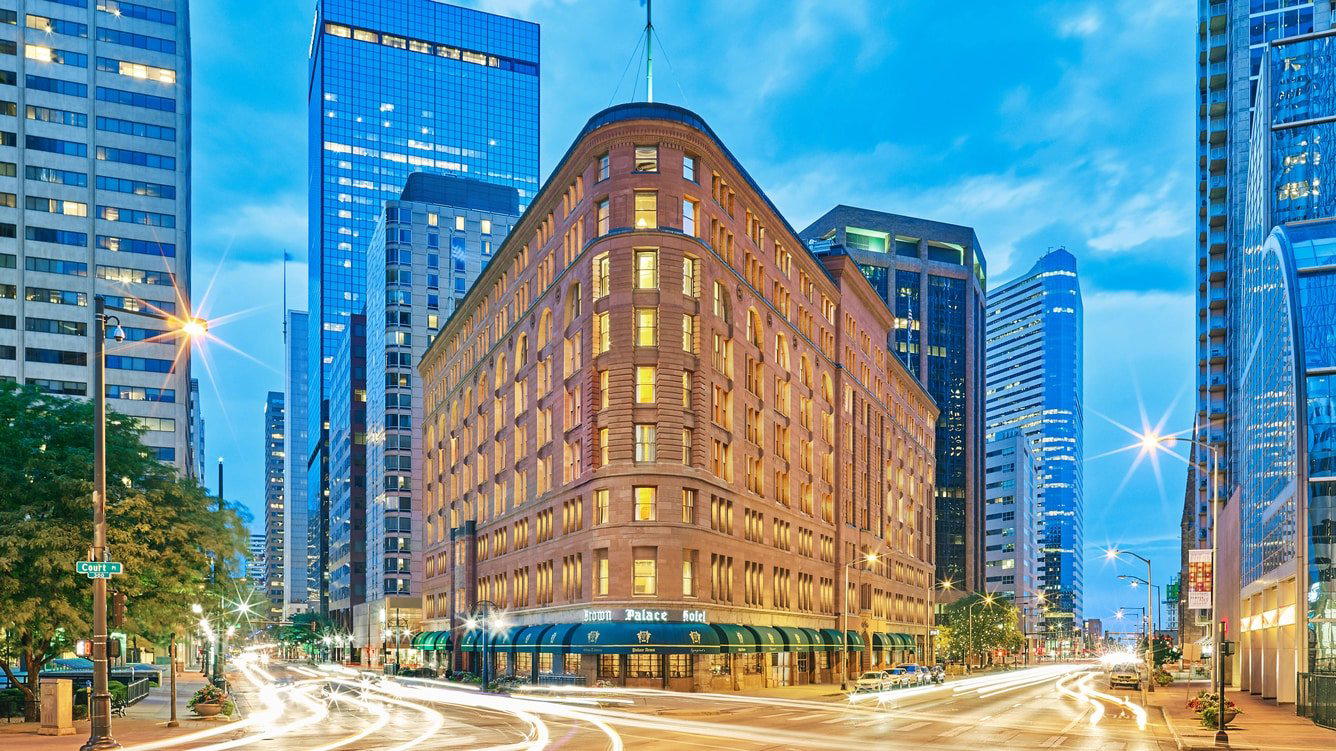

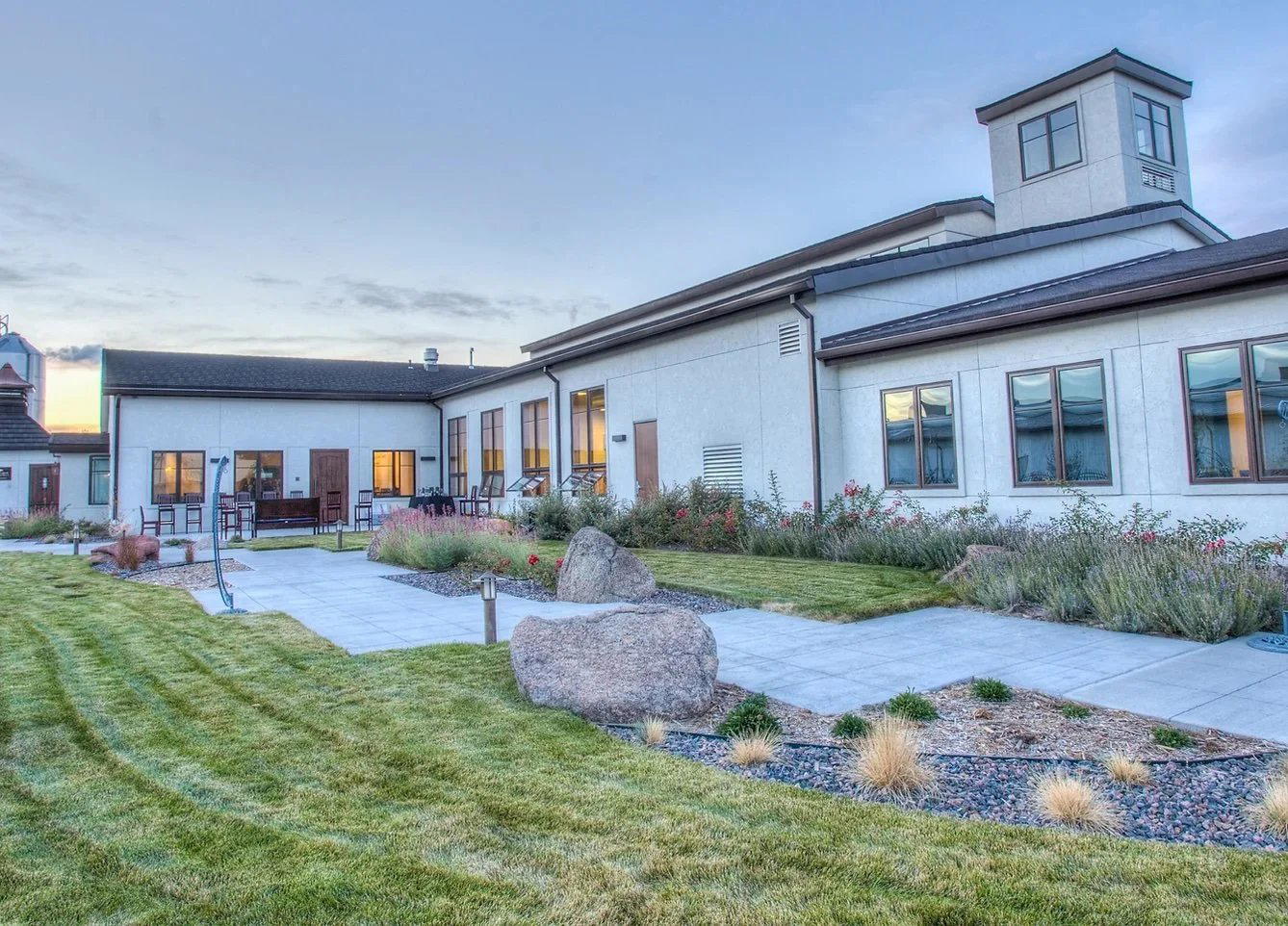
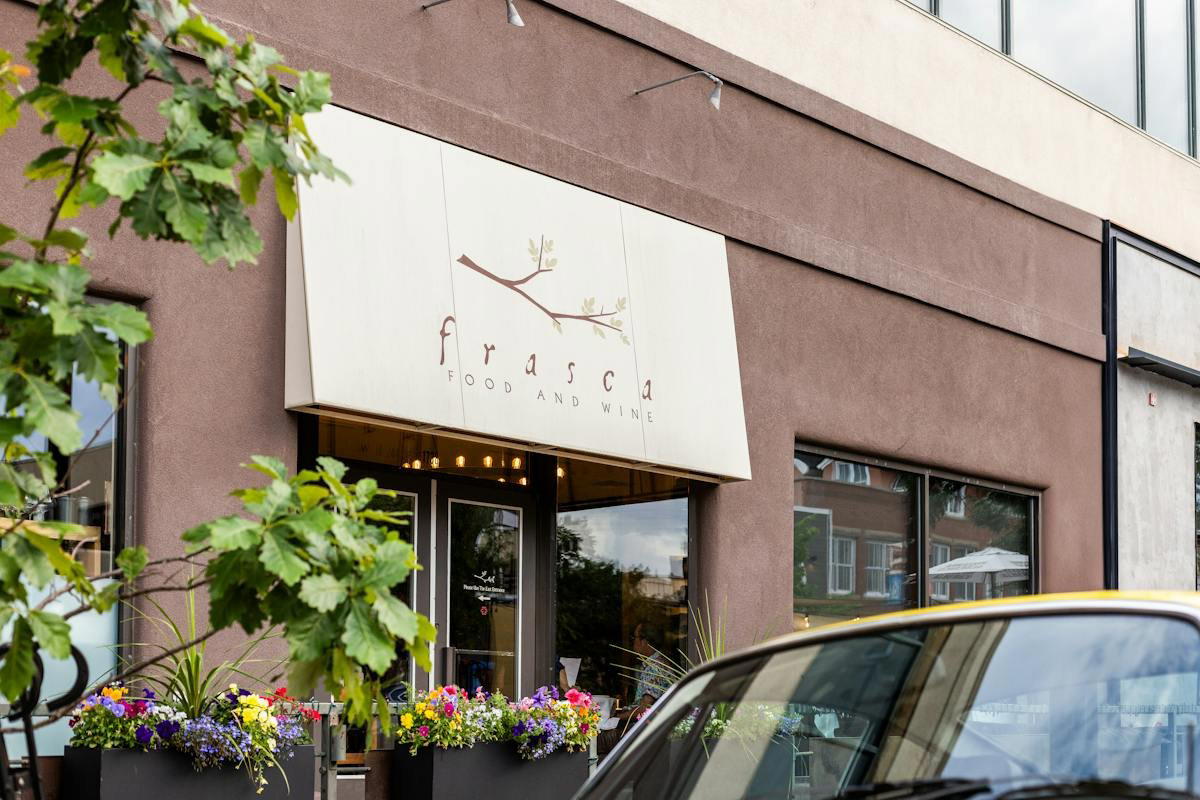
Panzano
The wine
- Wine program
- Deep wine list
- Extensive wine list
- Craft cocktails
Details
- Elegant
- Sophisticated
- Lively
- Date Night
- Special Occasion
- Business Dinner
- Brunch
- Open Kitchen
- Hotel Restaurant
- Private Dining
- Extensive Wine List
- Craft Cocktails
- Local Sourcing
- Organic
- A La Carte
- Tasting Menu
- Prix Fixe
- Gluten Free Options
- Vegetarian Friendly
- Vegan Options
Current opening hours
- Monday
- 7–10 AM, 11:30 AM–1:30 PM, 4–9 PM
- Tuesday
- 7–10 AM, 11:30 AM–1:30 PM, 4–9 PM
- Wednesday
- 7–10 AM, 11:30 AM–1:30 PM, 4–9 PM
- Thursday
- 7–10 AM, 11:30 AM–1:30 PM, 4–9 PM
- Friday
- 7–10 AM, 11:30 AM–1:30 PM, 4–9 PM
- Saturday
- 8 AM–12 PM, 4–9 PM
- Sunday
- 8 AM–12 PM, 4–9 PM
Hours can change for holidays and private events. Hours as of .
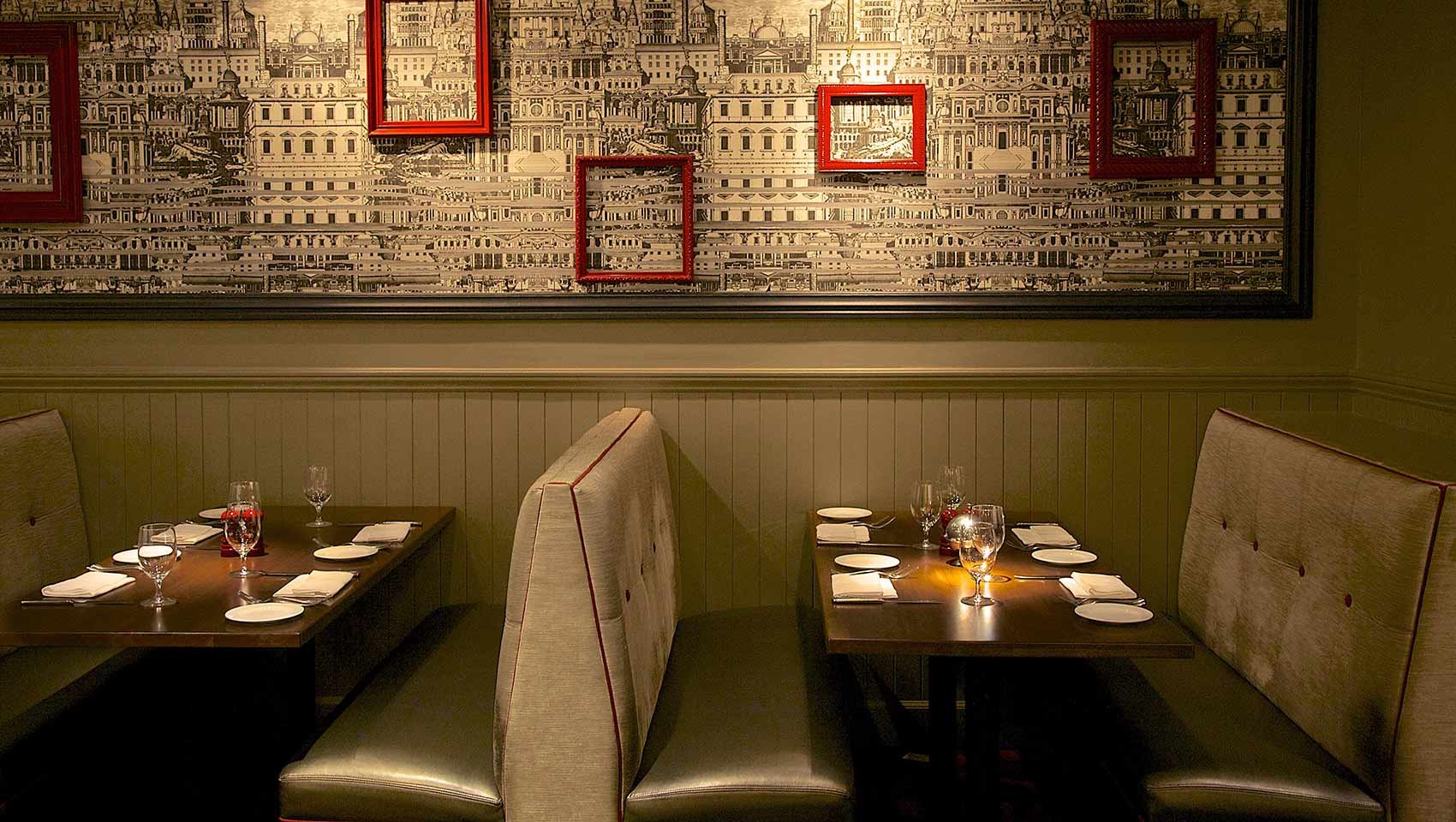
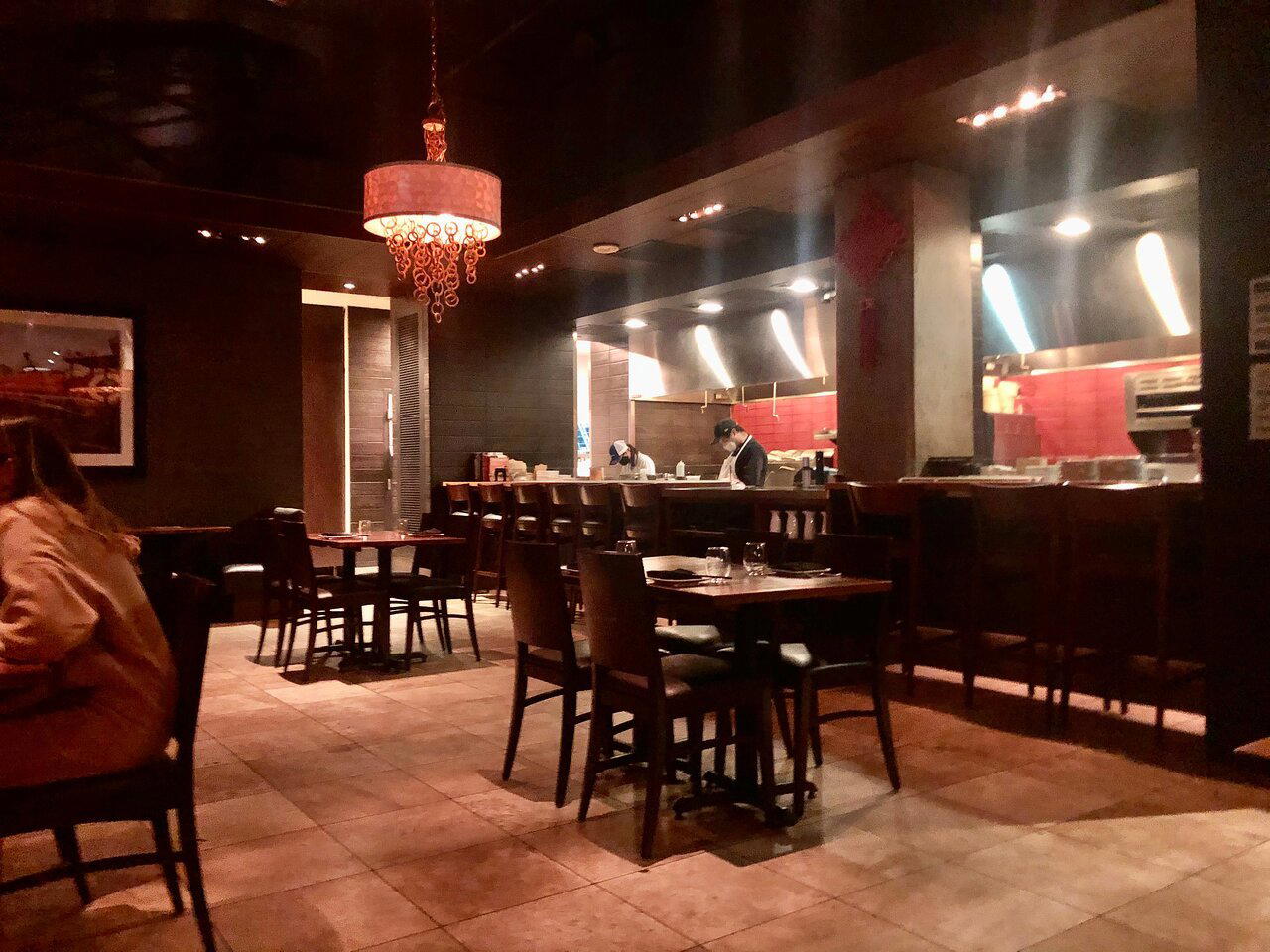
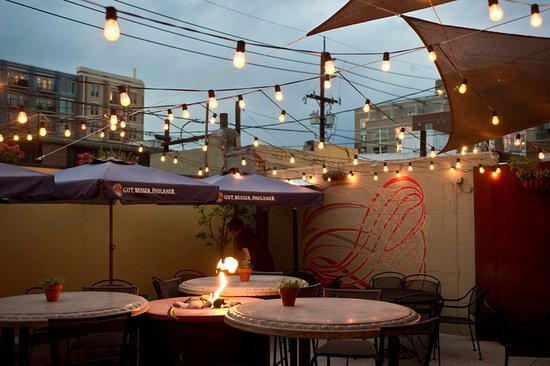
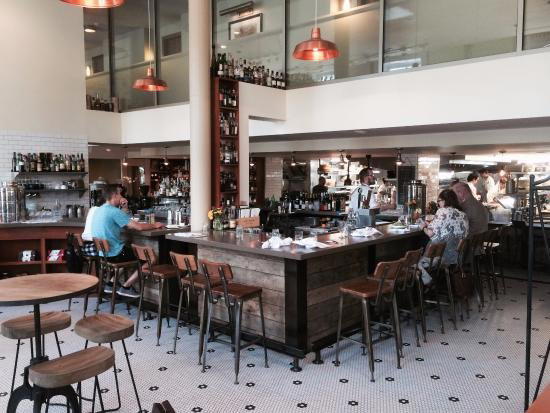
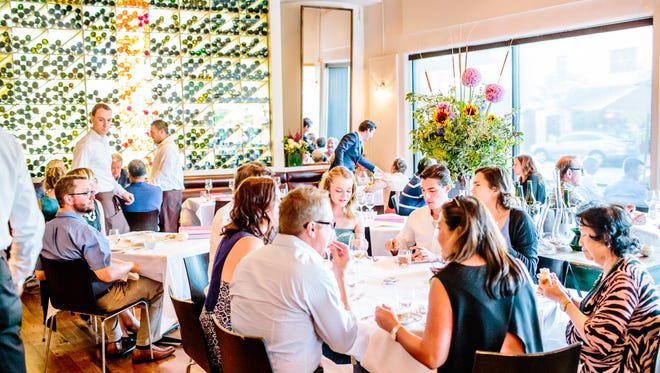
Warm, lively atmosphere with an open-concept kitchen, inspired by Renaissance Florence streetscapes.