Saverina
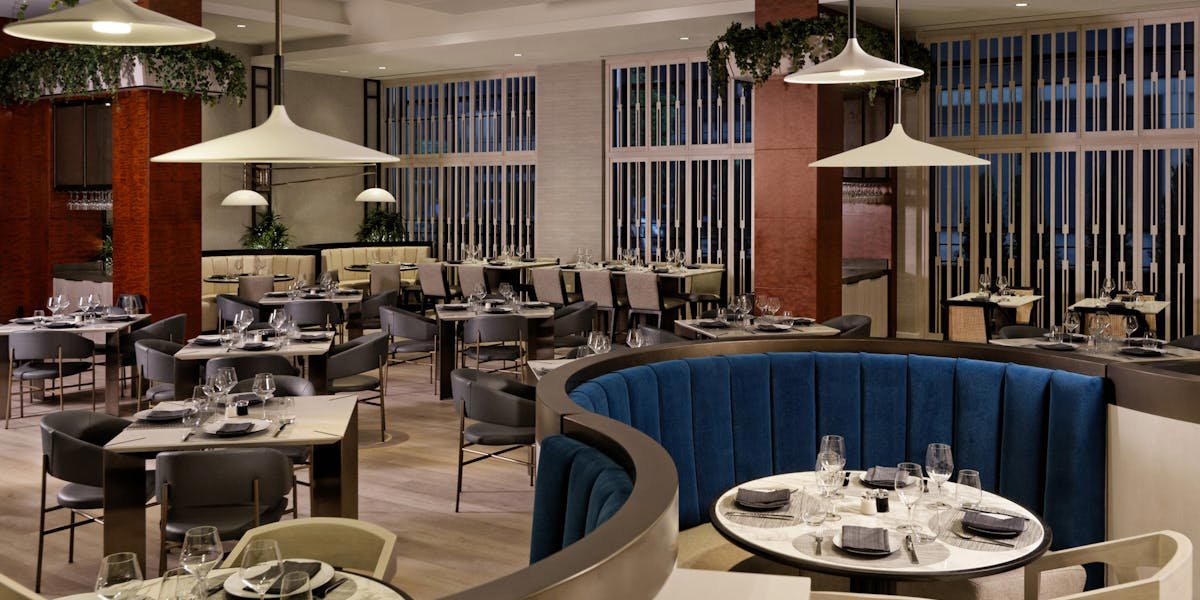
Saverina occupies a residential stretch of southeast Denver that most out-of-towners bypass entirely, which makes the level of ambition inside the dining room all the more arresting. The address alone, East Chenango Avenue in the Denver Tech Center corridor, signals a neighborhood restaurant rather than a destination, yet the physical space and culinary intent suggest otherwise. Readers planning a Denver table should factor Saverina into the same conversation as the city's more-discussed contemporaries.
Pearl is the En Primeur Club membership app — saves, bookings, and concierge access live there. Same editors, same standards.
- Address
- 6985 E Chenango Ave, Denver, CO 80237
- Phone
- +18555467866
- Website
- saverinadenver.com
- Directions
- Get directions
 Saves & bookings on Pearl
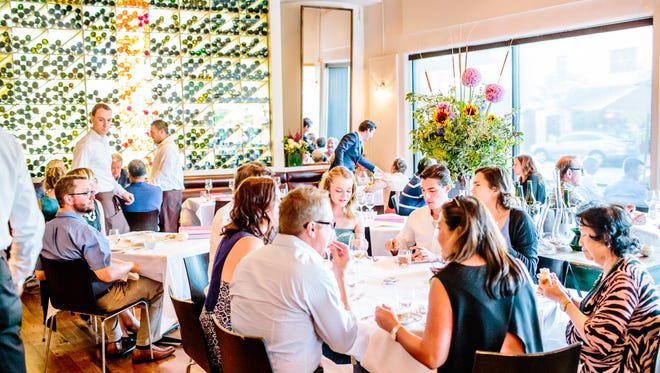
A Room That Reframes the Neighborhood
Southeast Denver's dining scene operates at a remove from the RiNo and Capitol Hill corridors that dominate most city coverage. The Tech Center corridor along East Chenango Avenue is associated with office parks and chain hotels, not serious dining rooms. That geographic context matters, because it shapes how a space like Saverina reads the moment you step inside. When a neighborhood supplies low visual expectations, a considered interior does double the editorial work: it signals that the operator made deliberate choices, not just convenient ones.
Denver's premium restaurant tier has spent the past decade concentrating in predictable zip codes. Beckon anchors itself in the Ballpark neighborhood; Brutø and The Wolf's Tailor, both operating at the $$$$ tier, pull diners toward the West Side. Saverina's position in the southeast is, by that measure, a studied counterpoint to where Denver's dining conversation typically happens.
The Physical Container as Editorial Statement
In American fine dining, the dining room's architecture increasingly does persuasive work that the menu alone cannot. The progression from open-kitchen formats that dominated the 2010s toward more enclosed, acoustically considered rooms reflects a broader industry correction: diners who spend at the summit tier now often want a room that absorbs rather than amplifies sound, that uses materials to communicate permanence rather than trend-chasing.
Saverina's address on East Chenango Avenue places it in a built environment that is functional rather than atmospheric by default. For a dining room in that context to read as a destination space rather than a neighborhood convenience, the interior decisions carry proportionally more weight. Seating arrangements, lighting temperature, and surface materials all communicate something about the intended experience before a single dish arrives. Particularly successful rooms in this register, from Alinea in Chicago to Atomix in New York City, use spatial design as a form of editorial positioning, signaling to guests what category of experience they have entered.
That spatial discipline is what separates a destination dining room from a restaurant that happens to serve good food. At The Inn at Little Washington, the layered, almost theatrical interior design is inseparable from the dining proposition. At Blue Hill at Stone Barns in Tarrytown, the converted dairy barn architecture frames every course as an argument about provenance. The room is not decoration; it is context.
Denver's Broader Dining Argument
Denver has been making a sustained case for itself as a serious dining city since roughly 2015, when a cluster of chef-driven independents began drawing coverage from national food press. The argument has strengthened. Alma Fonda Fina operates at the $$ tier with a Mexican program that punches above its price point. Annette holds its own in the east Aurora corridor. The city's dining spread now covers enough ground, geographically and conceptually, that it maps onto the kind of pluralism you find in more established markets.
What Denver still negotiates is the question of altitude: whether its premium restaurants belong in conversation with coastal counterparts. Nationally, the comparison set at the summit tier includes Le Bernardin in New York City, The French Laundry in Napa, Lazy Bear in San Francisco, Providence in Los Angeles, and Addison in San Diego. Those rooms share a common vocabulary: controlled seating counts, considered pacing, spaces that communicate deliberate hospitality rather than volume-driven efficiency. Denver's premium tier is building toward that vocabulary, even if the full peer conversation is still in progress.
Internationally, the same logic of space-as-statement applies at properties like 8½ Otto e Mezzo Bombana in Hong Kong, where the dining room's formality is itself a signal of category. That Denver produces rooms entering adjacent territory is worth noting for travelers whose frame of reference extends beyond the Mountain West.
What the Southeast Denver Location Implies
Restaurants that operate away from a city's established dining corridors typically fit one of two profiles: neighborhood anchors serving a local residential base, or destination rooms confident enough in their proposition to pull diners across town. The distinction matters for how you plan a visit. A neighborhood anchor rewards spontaneity; a destination room rewards advance thought about booking, travel time, and occasion.
East Chenango Avenue in Denver's 80237 zip code is not served by light rail in the way that downtown or the Broadway corridor is. Visitors without a car will find the location requires planning. That practical reality is worth weighing against the dining proposition, particularly for out-of-town guests building an itinerary around Denver's better-known rooms first.
For comparison, Single Thread Farm in Healdsburg and Emeril's in New Orleans both demonstrate that destination dining outside a city's primary corridor is a viable model, provided the proposition is strong enough to justify the detour. The question for Saverina is the same one those rooms answered over time: whether the experience sustains the effort of reaching it.
Know Before You Go
Address: 6985 E Chenango Ave, Denver, CO 80237
Neighborhood: Denver Tech Center corridor, southeast Denver
Getting There: The location is not walkable from downtown Denver or from the light rail network's primary stops. A rideshare or personal vehicle is the practical option for most visitors.
Price Tier: $$$
Hours: Mon: 7–10:30 AM, 11 AM–1 PM, 5–9 PM; Tue: 7–10:30 AM, 11 AM–1 PM, 5–9 PM; Wed: 7–10:30 AM, 11 AM–1 PM, 5–9 PM; Thu: 7–10:30 AM, 11 AM–1 PM, 5–9 PM; Fri: 7–10:30 AM, 11 AM–1 PM, 5–10 PM; Sat: 8 AM–1 PM, 5–10 PM; Sun: 8 AM–1 PM, 5–9 PM
Nearby-ish Comparables
Comparable venues nearby, for context on price, style, and recognition.
| Venue | Cuisine | Price | Notes |
|---|---|---|---|
| SaverinaThis venue — the venue you are viewing | Italian-Inspired Modern American | $$$ | Not listed |
| Gattara | Modern Italian-American | $$$ | North Capitol Hill |
| Luca | Rustic Wood-Fired Italian | $$$ | Capitol Hill |
| Cart-Driver LoHi | Italian Pizzeria & Oyster Bar | $$ | Highland |
| Bruno's Italian Bistro | Italian Bistro | $$ | Washington Park West |
Continue exploring
More in Denver
Restaurants in Denver
Browse all →
Bars in Denver
Browse all →
Hotels in Denver
Browse all →

At a Glance
- Elegant
- Modern
- Sophisticated
- Date Night
- Special Occasion
- Business Dinner
- Group Dining
- Brunch
- Hotel Restaurant
- Open Kitchen
- Live Music
- Craft Cocktails
- Farm To Table
- Local Sourcing
Current opening hours
- Monday
- 7–10:30 AM, 11 AM–1 PM, 5–9 PM
- Tuesday
- 7–10:30 AM, 11 AM–1 PM, 5–9 PM
- Wednesday
- 7–10:30 AM, 11 AM–1 PM, 5–9 PM
- Thursday
- 7–10:30 AM, 11 AM–1 PM, 5–9 PM
- Friday
- 7–10:30 AM, 11 AM–1 PM, 5–10 PM
- Saturday
- 8 AM–1 PM, 5–10 PM
- Sunday
- 8 AM–1 PM, 5–9 PM
Hours can change for holidays and private events. Last verified .
Dark, upscale setting with modern design; guests noted the atmosphere is loud and dimly lit, requiring flashlights to read menus.