Yuzu Sushi & Robata Grill
Yuzu Sushi & Robata Grill on West Chicago Avenue occupies a space where Japanese robata tradition meets the city's increasingly confident Japanese dining scene. The dual format, raw bar precision alongside live-fire grill work, positions it differently from the city's sushi-only counters. For Chicago diners weighing Japanese options across price tiers, it represents a less formal but technically grounded alternative to the city's omakase-only establishments.
Pearl is the En Primeur Club membership app — saves, bookings, and concierge access live there. Same editors, same standards.
- Address
- 1751 W Chicago Ave, Chicago, IL 60622
- Phone
- +13126664100
- Website
- yuzuchicago.com
- Directions
- Get directions
 Saves & bookings on Pearl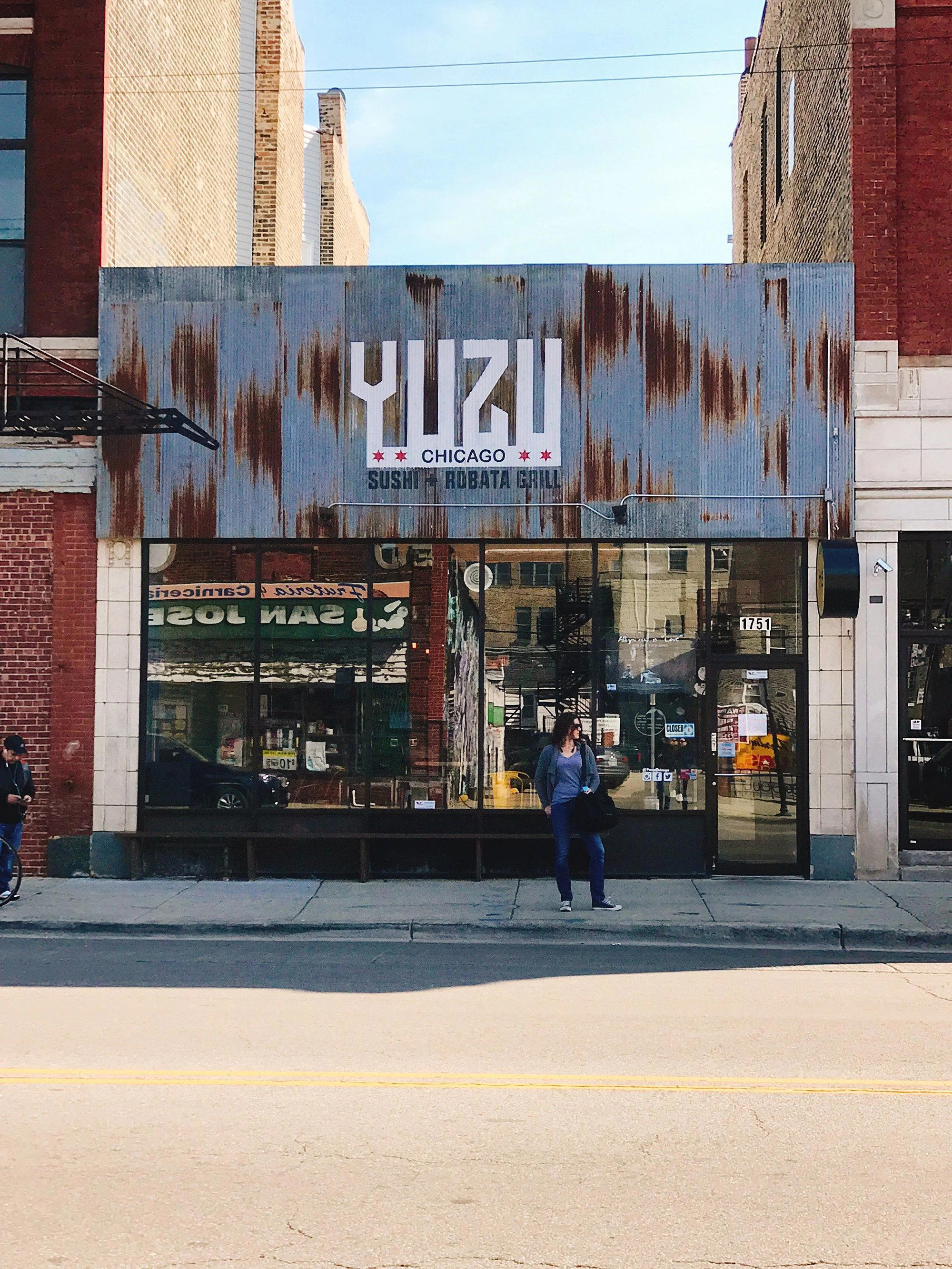
Where Robata Meets the Raw Bar: Japanese Dual-Format Dining in Chicago
Japanese restaurant culture in American cities has spent the last decade sorting itself into cleaner tiers. At one end, omakase-only counters with fixed menus, chef-led pacing, and booking windows measured in months. At the other, fast-casual rolls and conveyor formats. The middle ground, where a kitchen commits equally to raw fish and live-fire cookery within the same service, remains harder to sustain at a serious level. Yuzu Sushi & Robata Grill, located at 1751 W Chicago Ave in the Ukrainian Village corridor, operates in that middle tier, presenting both a sushi program and a robata grill under one roof in a neighbourhood that has quietly accumulated some of the city's more interesting independent dining.
Chicago's Japanese dining scene has evolved considerably from its earlier reliance on Americanised maki formats. The city now hosts a range of Japanese cooking traditions, from kaiseki-influenced tasting menus to izakaya-style sharing plates. That evolution mirrors broader national shifts: cities including New York, with venues like Atomix, and Los Angeles, with Providence, have demonstrated that serious Japanese and Japanese-influenced cooking can anchor fine dining conversations at the highest level. Chicago's own high end is dominated by creative American formats, with Alinea, Smyth, Oriole, and Next Restaurant anchoring the prestige tier. Japanese cooking sits alongside, rather than competing directly with, those formats.
The Robata Tradition and What It Demands
Robata, short for robatayaki, is a Japanese live-fire cooking method with roots in the fishing communities of northern Honshu, where fishermen cooked their catch and preserved vegetables over open hearths during long cold winters. The technique spread to urban Japan in the postwar decades, becoming a fixture of izakaya culture in cities like Tokyo and Sapporo before making its way into American restaurant vocabulary. The grill operates over charcoal at high, sustained heat, and demands ingredients that can carry char without losing identity, fatty fish, root vegetables, whole shellfish, short-rib cuts, and skewered proteins all move through a proper robata with purpose.
What distinguishes a serious robata program from a novelty grill section is discipline in sourcing and timing. Charcoal type matters: binchotan, the white charcoal associated with traditional Japanese grilling, burns hotter and longer than standard hardwood and produces almost no smoke, which keeps the protein clean. Whether a given kitchen uses binchotan or a substitute is often a signal of how seriously it takes the technique. Pairing that grill tradition with a raw bar requires a kitchen that can manage different service rhythms simultaneously, cold precision on one side, heat and timing on the other.
West Chicago Avenue and the Neighbourhood Context
The 1751 W Chicago Ave address places Yuzu in Ukrainian Village, a neighbourhood that has shifted steadily from its Eastern European immigrant identity toward a broader independent dining and bar scene. The corridor running along Chicago Avenue connects into Wicker Park and Bucktown to the north and west, a zone that houses some of the city's more adventurous independent restaurants. Kasama, the Filipino tasting menu restaurant that holds a Michelin star, represents the level of cooking ambition present in this wider neighbourhood cluster. The area rewards exploratory dining rather than destination visits to a single name, and Yuzu's dual format suits that browsing dynamic.
Chicago diners who follow the national conversation around premium Japanese dining may find themselves comparing West Side neighbourhood spots against higher-profile urban benchmarks. Nationally, the standard for Japanese-inflected fine dining has been pushed by restaurants like Le Bernardin in New York City for seafood precision, and farm-to-table discipline at places like Blue Hill at Stone Barns in Tarrytown and Single Thread Farm in Healdsburg. Those references set a bar for ingredient sourcing and kitchen rigour that filters down into how serious neighbourhood restaurants position themselves. Further afield, The French Laundry in Napa, Lazy Bear in San Francisco, Addison in San Diego, Bacchanalia in Atlanta, The Inn at Little Washington, Emeril's in New Orleans, and 8 1/2 Otto e Mezzo Bombana in Hong Kong each illustrate how fire, seafood, and sourcing disciplines anchor celebrated menus at different scales and price points. Closer to home, our full Chicago restaurants guide covers the city's current dining range in detail.
Planning Your Visit
The address at 1751 W Chicago Ave is accessible by bus along the Chicago Avenue corridor and sits within reasonable distance of the Damen Blue Line station. For diners visiting from out of town and building a Chicago itinerary around serious restaurant experiences, anchoring one meal at a neighbourhood-level Japanese kitchen and another at a formal tasting venue gives a clearer read of the city's dining range.
Compact Comparison
Comparable venues nearby, for context on price, style, and recognition.
| Venue | Cuisine | Price | Notes |
|---|---|---|---|
| Yuzu Sushi & Robata GrillThis venue — the venue you are viewing | West Town, Japanese Sushi & Robatayaki | $$ | Not listed |
| Yusho | Avondale, Japanese Yakitori Izakaya | $$ | Not listed |
| Rollapalooza | Lake View, Contemporary Japanese Sushi | $$ | Not listed |
| Ron of Japan | Not listed | $$ | Near North Side, Teppanyaki Japanese Steakhouse |
| Kai Zan | West Town, Modern Japanese Omakase | $$ | Not listed |
| CoCoRo | Not listed | $$ | River North, Authentic Japanese Sushi and Noodles |
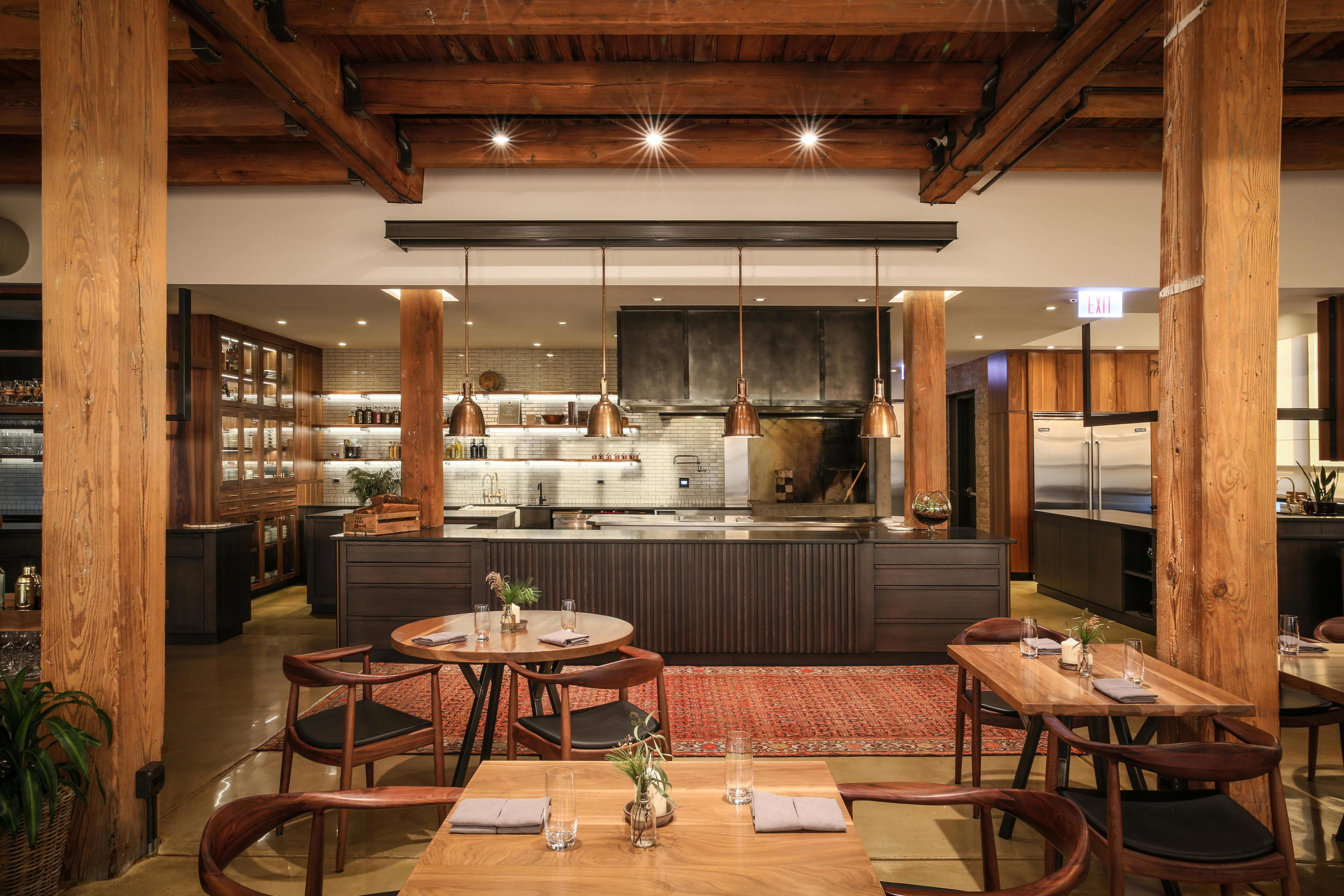
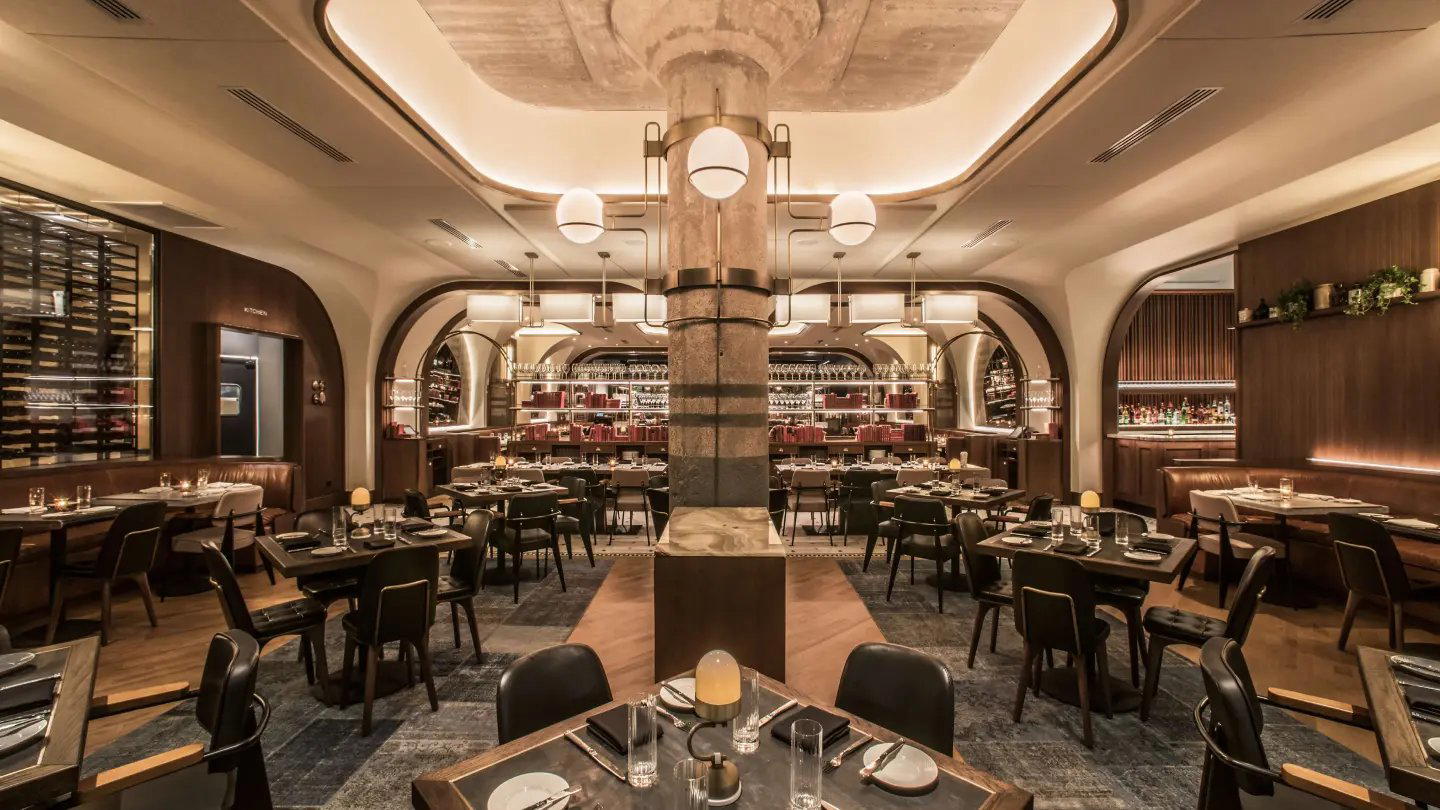
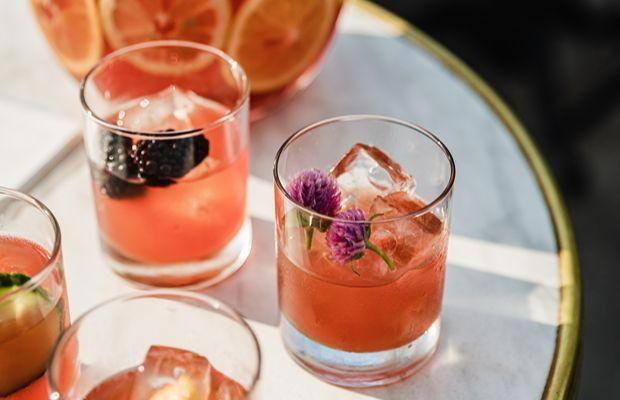
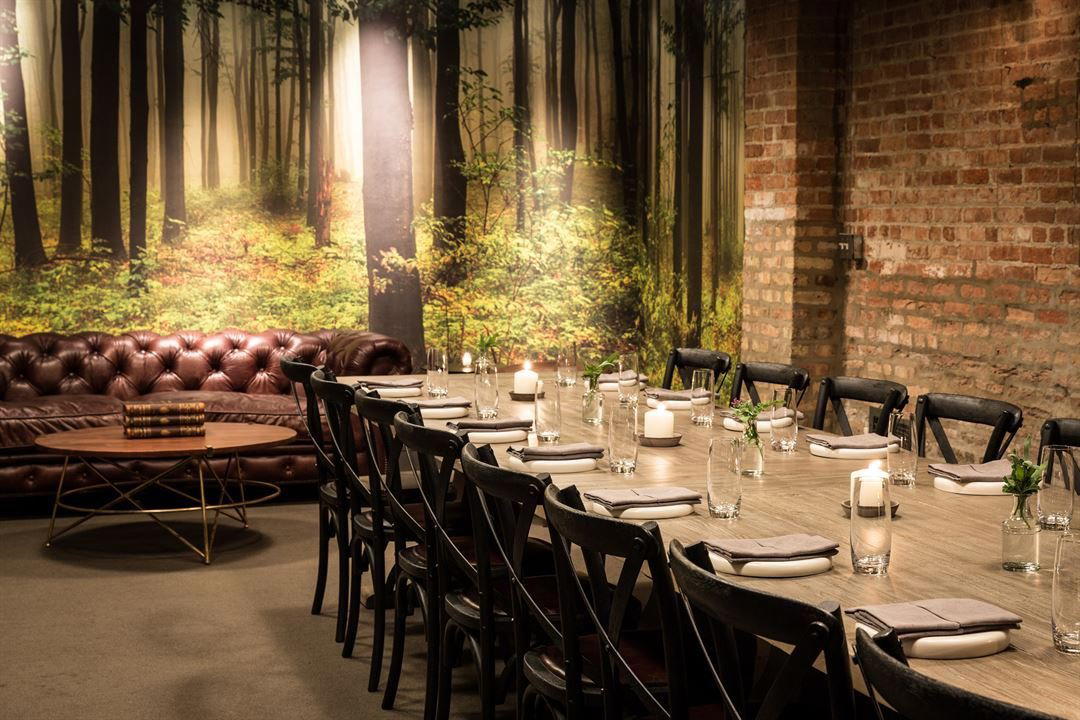
At a Glance
- Trendy
- Industrial
- Modern
- Cozy
- Casual Hangout
- Group Dining
- After Work
- Open Kitchen
- Standalone
- Byob
Current opening hours
- Monday
- 12–3 PM, 4:30–9 PM
- Tuesday
- 12–3 PM, 4:30–9 PM
- Wednesday
- 12–3 PM, 4:30–9 PM
- Thursday
- 12–3 PM, 4:30–9 PM
- Friday
- 12–3 PM, 4:30–10 PM
- Saturday
- 12–3 PM, 4:30–10 PM
- Sunday
- 12–3 PM, 4:30–9 PM
Hours can change for holidays and private events. Last verified .
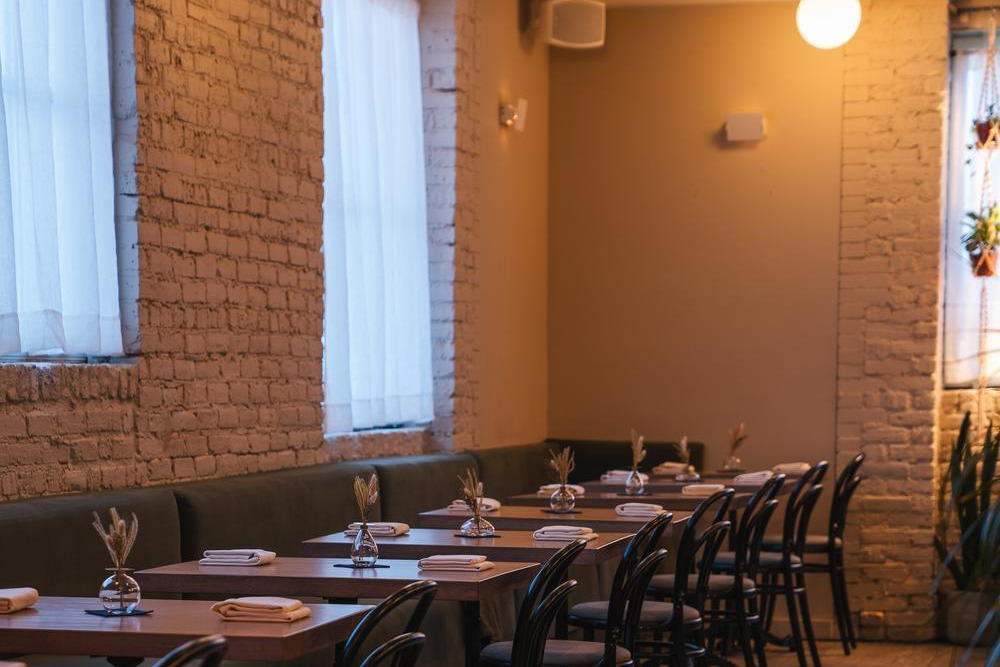
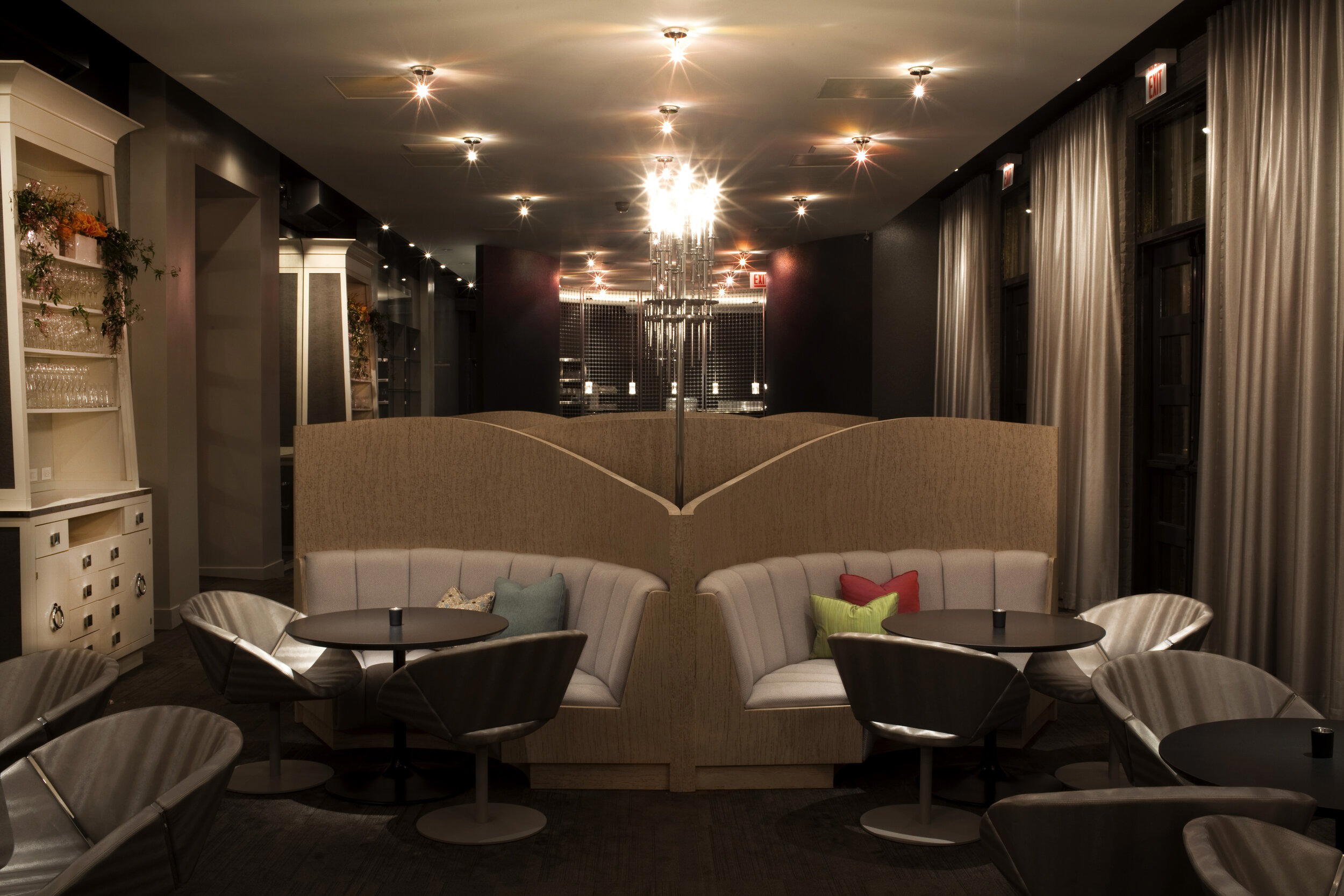
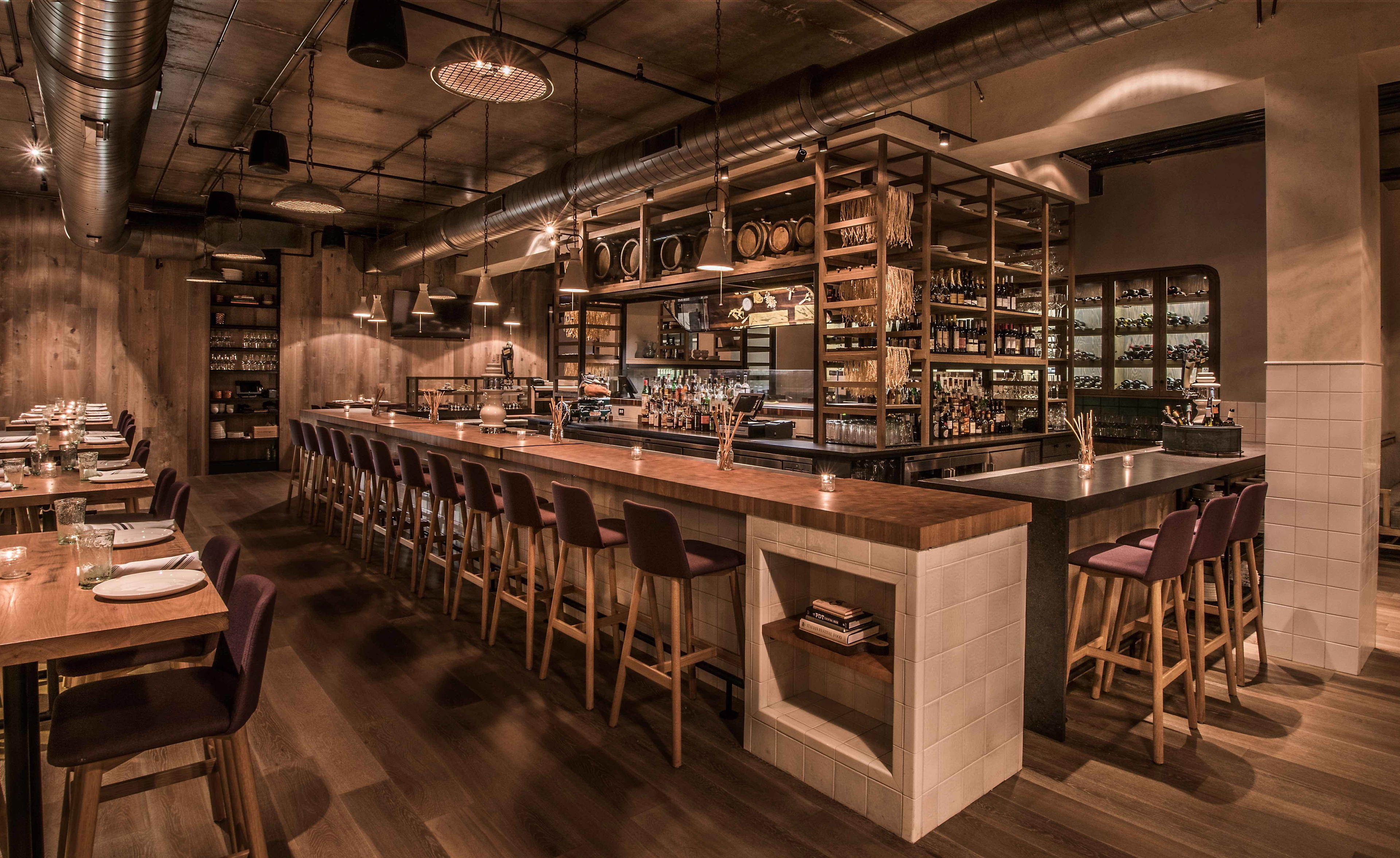
Japanese industrial-rustic sushi bar with contemporary hipster-chic atmosphere that feels like dining at a friend's house.