
A Michelin Plate-recognised Cantonese restaurant in Fuzhou's Taijiang District, Yut Fei occupies a property with a manicured garden, a main dining room, and private rooms suited to business or family dining. The kitchen, led by a head chef with over 20 years of Cantonese experience, centres on double-boiled soups, barbecue, and claypot cooking at a mid-range price point.
Pearl is the En Primeur Club membership app — saves, bookings, and concierge access live there. Same editors, same standards.
- Address
- 151 Wuyizhong Rd, Taijiang District, Fuzhou, Fujian, China, 350004
- Phone
- +86 591 8329 9990
- Directions
- Get directions
 Saves & bookings on Pearl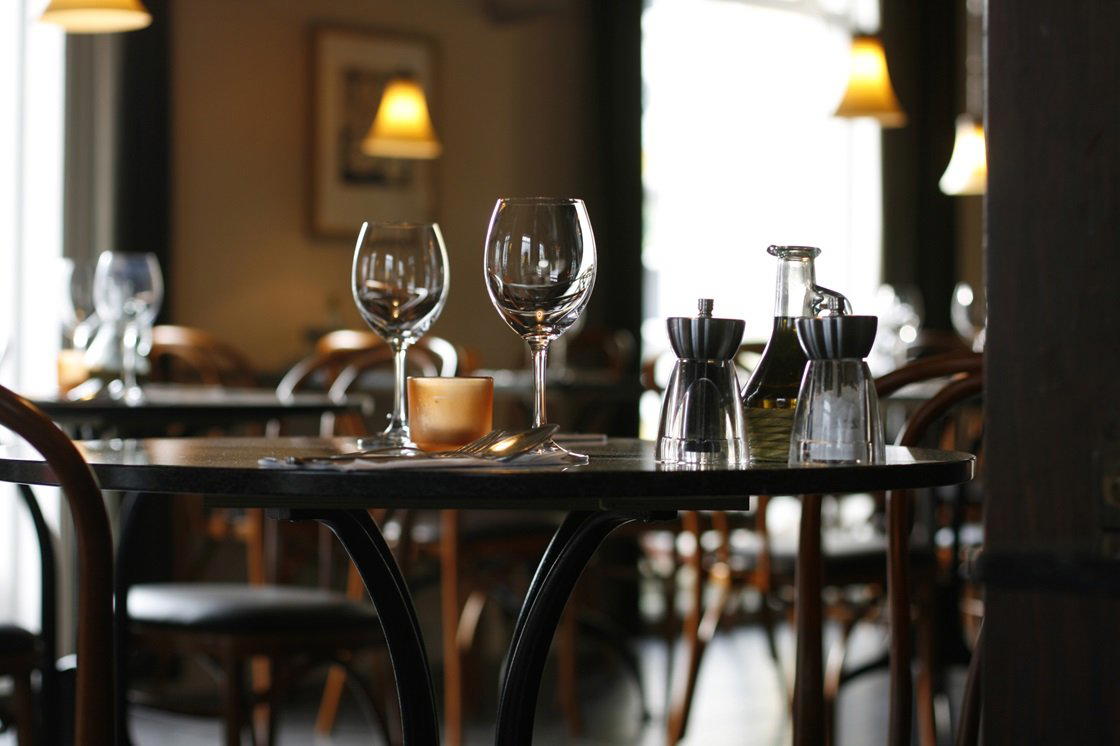
Cantonese Cooking in a Fujianese City
Fuzhou's restaurant scene is, at its core, a Fujianese city, one built on seafood, light broths, and the precise, ingredient-forward cooking that defines Min cuisine. Against that backdrop, a Cantonese kitchen operating at a serious level is a deliberate counter-programming choice. Cantonese food shares some temperamental ground with Min cooking, both traditions prize freshness, restraint in seasoning, and the clarity of a well-made broth, but the techniques diverge sharply. Where Min cuisine leans on fish sauce and red yeast rice, Cantonese cooking reaches for roasting, clay, and the long, slow reduction of double-boiled soups. Yut Fei, on Wuyizhong Road in the Taijiang District, is a refined Cantonese restaurant.
For visitors used to encountering Cantonese cooking in Hong Kong, at counters like Forum in Hong Kong, or in Taipei at places such as Le Palais, the proposition here is different. This is Cantonese food transplanted into a Fujianese city, drawing a dining public that has strong local food opinions. That the kitchen has maintained Michelin recognition across two consecutive years suggests it is meeting a standard that travels beyond regional familiarity.
The Physical Setting
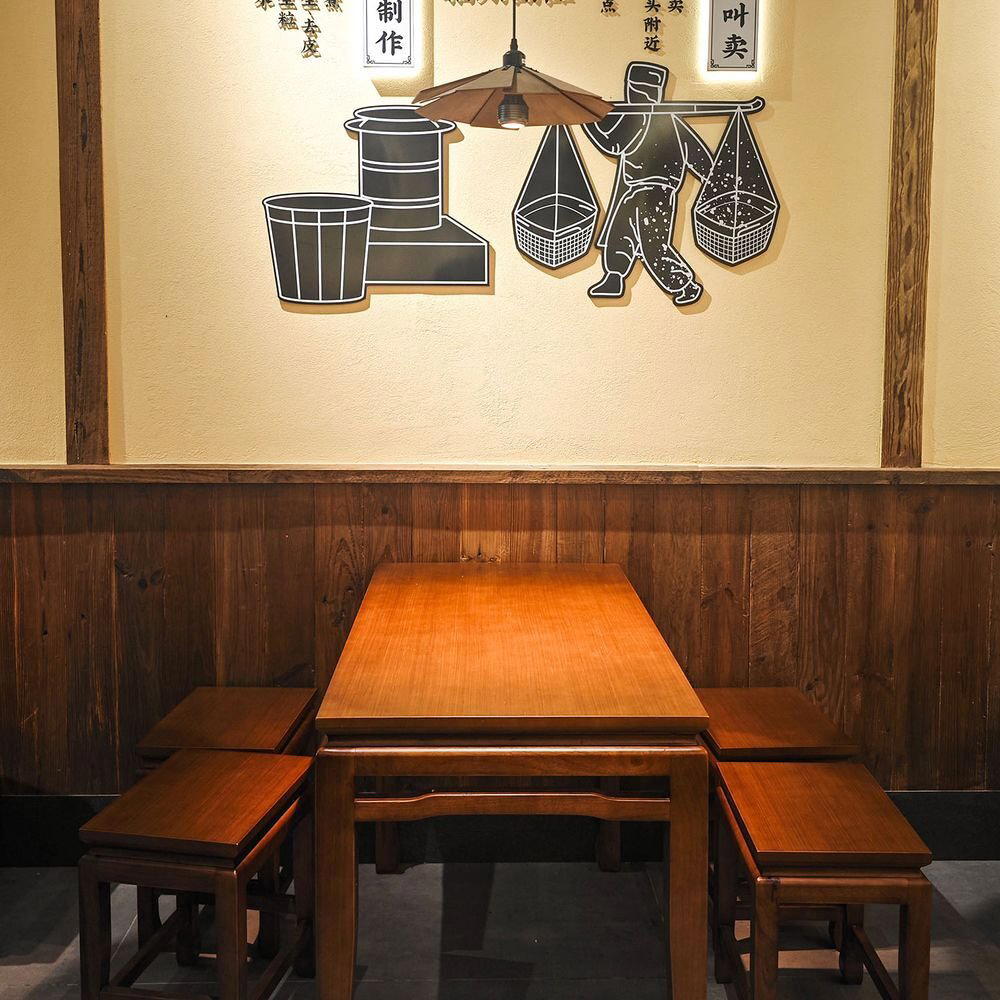
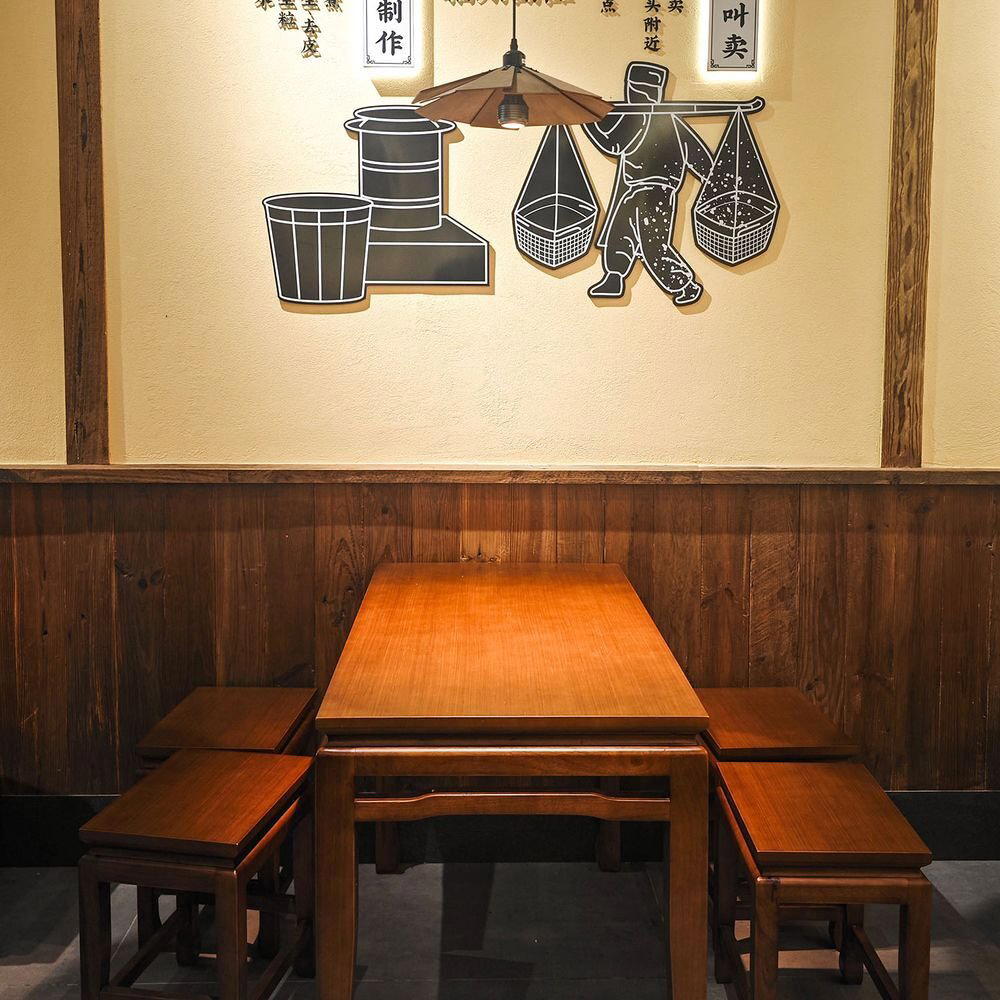
Taijiang District sits along the Min River, historically Fuzhou's commercial heart, and Wuyizhong Road carries that sense of mid-city density without the polish of newer development zones. Arriving at Yut Fei, the transition is immediate: a manicured garden separates the entrance from the street, functioning as a decompression corridor before the dining room. The property runs to a main dining room and a set of private rooms, a configuration that tells you something about who the restaurant expects to host. Private rooms in Chinese fine dining are not incidental; they are the format of choice for business banquets, family celebrations, and any occasion where conversation matters as much as food. The garden, main room, and private room arrangement puts Yut Fei squarely in the formal Cantonese dining tradition, where the physical hierarchy of spaces mirrors the social register of the meal.
The price tier (¥¥¥) is notable given the setting. Comparable Cantonese dining in other Chinese cities, Imperial Treasure Fine Chinese Cuisine in Guangzhou, or Cantonese-influenced rooms like Xin Rong Ji on Xinyuan South Road in Beijing, tend to price at the higher end of their markets. The restaurant's positioning makes the garden-and-private-room format accessible to a broader range of occasions than a premium-only room would allow.
What the Kitchen Does
The Cantonese culinary tradition is among the more technique-intensive in Chinese cooking, and the range the restaurant's kitchen covers, barbecue, claypot dishes, dim sum, and double-boiled soups, maps almost exactly onto the canonical Cantonese repertoire. Each category represents a distinct discipline. Cantonese barbecue (siu mei) demands precise temperature control and timing; a roasting kitchen is a serious investment in both equipment and skill. Claypot cooking is a slower process, relying on retained heat and graduated temperature to build depth without burning. Dim sum is especially labour-intensive, requiring a kitchen that can produce dozens of small formats with consistency across a service.
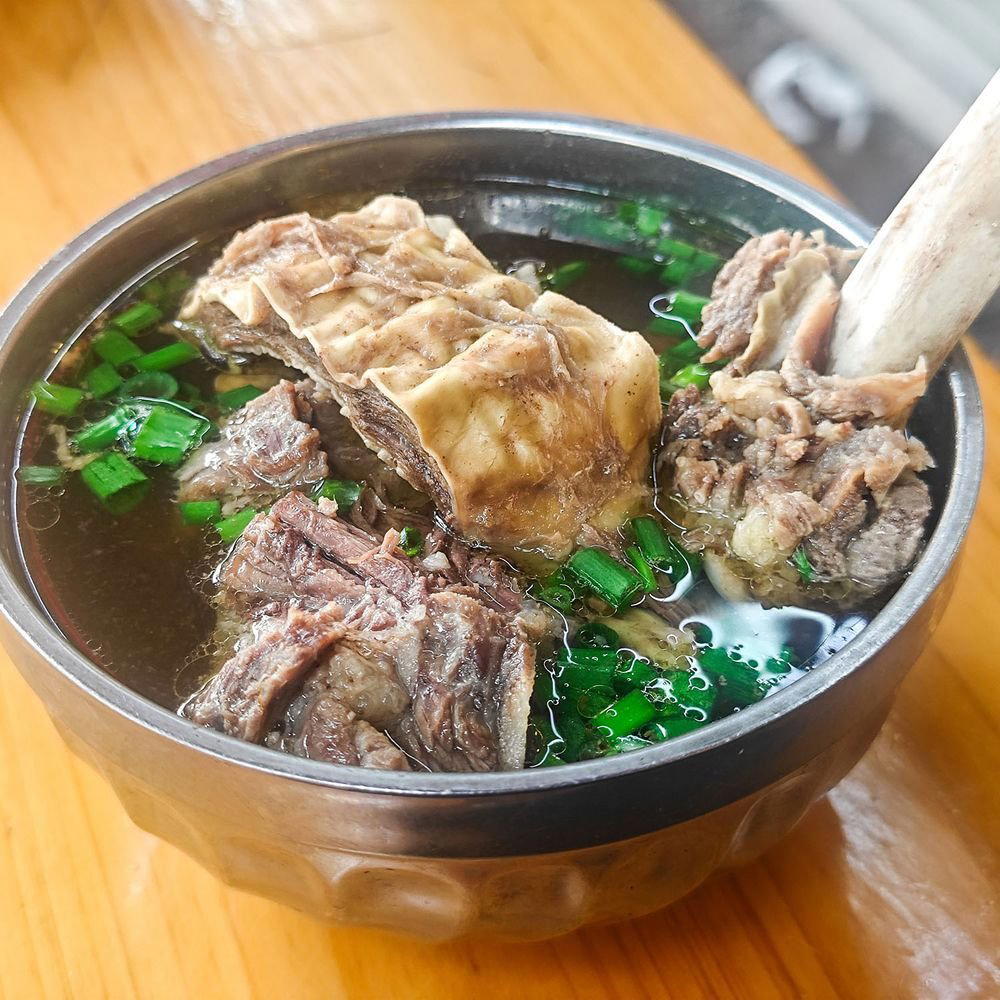
Head chef brings over 20 years of Cantonese kitchen experience to all three disciplines, and the element the kitchen singles out as its signature is the double-boiled soup. Double-boiling is a technique specific to Cantonese cooking: ingredients are sealed in a covered vessel and cooked within a water bath for an extended period, preserving volatile aromatics that direct boiling would drive off. At the restaurant, that process runs for four hours. One version uses coconut juice in place of water to cook Silkie chicken, a breed prized in Chinese cooking for its dark flesh and concentrated flavour, the coconut base introduces a low, nutty sweetness without overwhelming the chicken's natural character. This is the kind of detail that separates a kitchen genuinely versed in Cantonese tradition from one merely presenting the format.
For comparison, Fuzhou's dining scene across other cuisines offers different reference points. Jiangnan Wok Rong operates in the Huaiyang tradition at a higher price tier, while Chosop brings Sichuan cooking to the same ¥¥ bracket as the restaurant. Wenru No.9 works in the Fujianese tradition that dominates the city's culinary identity. The restaurant's Cantonese focus is, in that context, a distinct lane.
Cantonese cooking at this level elsewhere in China, at places like Chef Tam's Seasons in Macau, or the Cantonese-influenced rooms at 102 House in Shanghai, typically operates at a higher price ceiling. The ¥¥ positioning here reflects either a deliberate market choice or the realities of Fuzhou's dining economy, but the Michelin recognition confirms the kitchen is not sacrificing standard for accessibility.
Planning a Visit
The restaurant is at 151 Wuyizhong Road in the Taijiang District, a central location that is reachable from Fuzhou's main hotel belt without difficulty. The private rooms suit group bookings and business meals; the main dining room works for smaller parties. Given the formal configuration of the space, garden, dining room, private rooms, this is a restaurant where a reservation in advance is the sensible approach, particularly for private room access. The ¥¥ price bracket places the restaurant in mid-range territory for Fuzhou, making it a viable choice for a considered meal that does not require special-occasion budgeting.
For those tracing Cantonese cooking across mainland China, Xin Rong Ji in Chengdu and Ru Yuan in Hangzhou offer adjacent reference points in different regional contexts. Within Fuzhou itself, the local Min cuisine tradition is well represented at 167 Shan Hai Li and A Xin Xian Lao on Gongnong Road for those wanting to contrast Cantonese and Fujianese approaches side by side.
Cost and Credentials
Comparable venues nearby, for context on price, style, and recognition.
| Venue | Cuisine | Price | Awards |
|---|---|---|---|
| Yut FeiThis venue — the venue you are viewing | Gulou, Refined Cantonese | $$$ | Michelin Plate |
| Jing Li | Taijiang, Modern Fujian Cuisine | $$$ | Bib Gourmand |
| Fuyuan | Gulou, Fuqing Fujian Cuisine | $$ | Michelin Plate |
| Harmony Garden (Xierhuan North Road) | Gulou, Creative Fujian Cuisine | $$$ | Michelin Plate |
| Origin | Cangshan, Modern Fujian | $$$ | Michelin Plate |
| Lin Yi Nen Ming Pai Zhu Xue Hua | Taijiang, Traditional Fuzhou Noodles | $ | Bib Gourmand |
Recognition history
Dated appearances from independent guides and award organizations, with the underlying list record or original source where available.
Michelin Plate
Michelin
Michelin Plate
Michelin
Michelin Plate
Michelin
At a Glance
- Elegant
- Intimate
- Sophisticated
- Business Dinner
- Special Occasion
- Private Dining
- Garden
- Extensive Wine List
- Garden
Current opening hours
- Monday
- 11 AM–9:30 PM
- Tuesday
- 11 AM–9:30 PM
- Wednesday
- 11 AM–9:30 PM
- Thursday
- 11 AM–9:30 PM
- Friday
- 11 AM–9:30 PM
- Saturday
- 11 AM–9:30 PM
- Sunday
- 11 AM–9:30 PM
Hours can change for holidays and private events. Last verified .
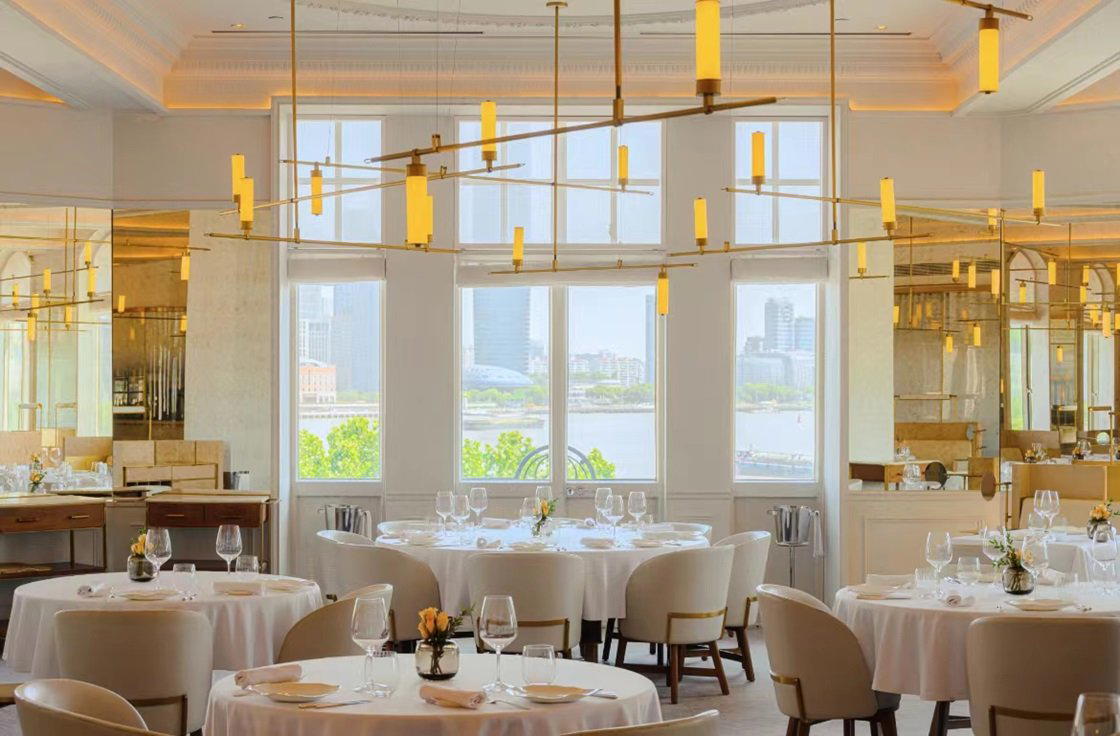
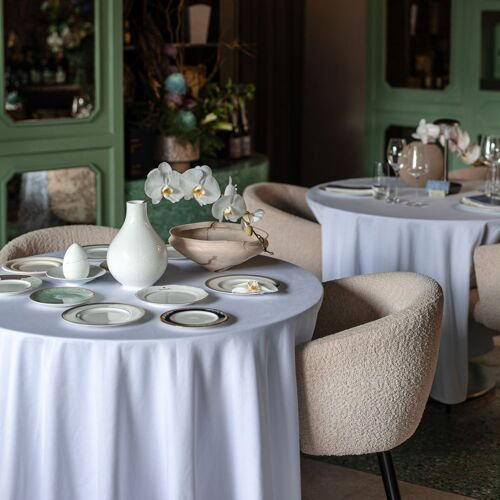
Hushed atmosphere of lacquered wood, stone accents, sculptural lighting, generously spaced tables, and soft conversation.