
A Ming Dynasty mansion in Fuzhou's Gulou District, restored in 2018 and operating as a private-room restaurant and gallery space. The kitchen works through traditional Fujian recipes with a contemporary sensibility, line-caught squid in Sichuan red oil being the signature reference point. Bookings are made per room, with menus tailored to budget and preference.
Pearl is the En Primeur Club membership app — saves, bookings, and concierge access live there. Same editors, same standards.
- Address
- 39 Ji Bi Lu, 东街口商圈 Gulou District, Fuzhou, Fuzhou, Fujian, China, 350001
- Phone
- +86 591 8755 0890
- Directions
- Get directions
 Saves & bookings on Pearl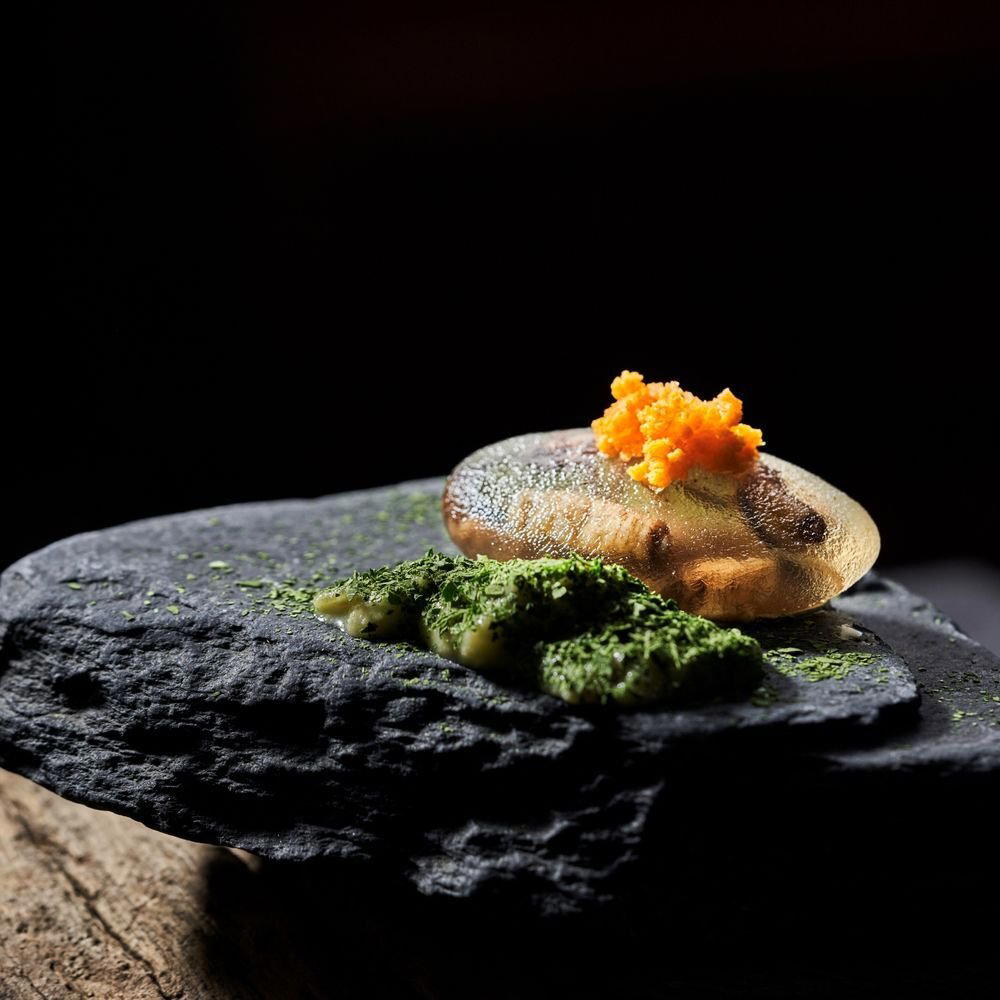
A Ming Dynasty Shell, Recast for the Present
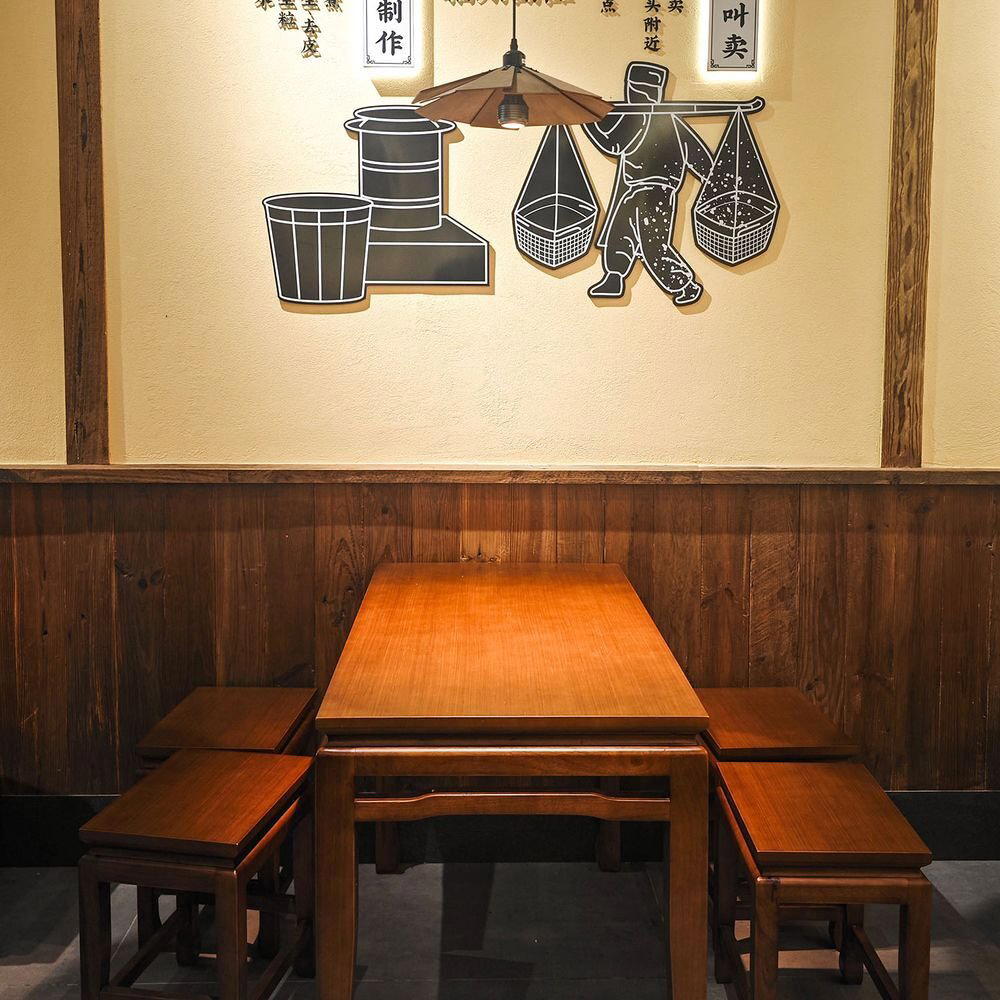
Fuzhou's Gulou District holds some of the province's most concentrated pre-modern architecture, and the buildings along Ji Bi Lu sit at the foot of a hill that has shaped the neighbourhood's character for centuries. Origin occupies one of those structures: a historical mansion dating from the Ming Dynasty, which was carefully restored and reopened in 2018 as a restaurant-gallery space. The result is a restaurant-gallery space that uses the physical weight of the building as its primary point of distinction.
The evolution is worth understanding in full. Ming Dynasty private residences were built for containment, internal courtyards, deep eaves, rooms that folded away from the street. The private-room format is structural as much as stylistic, growing directly from the way the mansion was originally organised. What changed in 2018 was the introduction of a contemporary culinary program. The decision to preserve its room-by-room architecture became the format of the restaurant itself.
Where Fujian Tradition Meets a Modern Register
Fujian cuisine is one of China's eight recognised regional cooking traditions, built around seafood from a province with over a thousand kilometres of coastline, broths that run clear and long, and an ingredient philosophy that prizes freshness over heavy seasoning. Fujian's culinary identity has historically been underrepresented in the national conversation. That gap is narrowing in cities like Fuzhou, where a generation of chefs has begun treating Fujian technique not as something to apologise for or complicate, but as a serious foundation for contemporary work.
Origin's kitchen sits inside that shift. The approach is to take traditional Fujian recipes and introduce a modern edge, sharpening presentations, adjusting textures, and occasionally reaching across regional lines for contrast. The line-caught squid in Sichuan red oil is one discussed example: a Fujian protein prepared with a Sichuan aromatic base, where the squid arrives tender but with a particular resilience to the bite, the red oil loading the dish with depth rather than pure heat. It is a dish that only works if the sourcing is tight, line-caught squid has a different cell structure to trawled product, and that difference is what the preparation depends on.
For comparison, the kind of cross-regional technique visible at Origin has parallels in other Chinese cities. Venues like Xin Rong Ji on Xinyuan South Road in Beijing and 102 House in Shanghai operate in a similar register: classical Chinese technique subjected to contemporary scrutiny, with sourcing as the primary quality signal. In Hangzhou, Ru Yuan pursues a related idea through a different regional lens. What distinguishes Origin within that broader pattern is the Fujian specificity and the building itself, which adds a layer of cultural context that most of those venues cannot replicate.
The Private Room Format and What It Demands
The format here is not incidental. Origin operates exclusively through private rooms, which means the experience is calibrated for groups rather than individual walk-in diners. When you book, you reserve a room and construct a menu in conversation with the kitchen, with a budget range and flavour preferences providing the parameters. This model is common in higher-end Chinese dining, particularly in cities where the banquet tradition has remained culturally central, and it produces a fundamentally different rhythm from an à la carte counter or a tasting menu fixed in advance.
Within Fuzhou, the private-room format puts Origin in a different tier from the street-level noodle houses that define much of the city's everyday eating culture. Places like A Xin Xian Lao on Gongnong Road represent one end of the spectrum: fast, inexpensive, deeply local. Origin sits considerably further along the formality axis, closer in structure to Jiangnan Wok Rong, which operates in the ¥¥¥ tier with Huaiyang cuisine, or to Wenru No.9, which brings Fujian cuisine into a more formal register. Chosop offers a point of contrast in Sichuan, and 167 Shan Hai Li positions itself across a different part of the dining map entirely.
Internationally, the private-banquet format of serious Chinese dining has drawn increasing critical attention. Chef Tam's Seasons in Macau and Imperial Treasure Fine Chinese Cuisine in Guangzhou operate in the same broad category of Chinese fine dining, with structure and sourcing doing the argumentative work. At the highest end of the global scene, the precision-sourcing logic that underpins Origin's squid dish finds parallels in non-Chinese contexts: Le Bernardin in New York City has built a multi-decade reputation on exactly the same premise, that seafood quality, not technique complexity, determines the ceiling. Atomix, also in New York, applies a related discipline to Korean ingredients within a private, highly structured format.
The Gallery Dimension
The restaurant-gallery combination is increasingly common in China's tier-one and tier-two cities, where restaurateurs use art programming to anchor a venue's cultural identity and differentiate it from direct food operations. The Ming Dynasty mansion provides a more credible frame for that combination than most: the architecture itself is the primary exhibit, and the decision to hang or install contemporary work within it creates a dialogue between time periods rather than simply dressing a dining room. Whether the art program adds meaningfully to the dining experience or operates in parallel as a separate amenity depends on the specific visit, but the physical fabric of the building ensures the cultural argument holds regardless.
Planning a Visit
Origin is at 39 Ji Bi Lu in the Gulou District, within the Dongkou commercial area of Fuzhou. Gulou is one of the city's older administrative districts, and Ji Bi Lu is accessible from the neighbourhood's main arteries without significant difficulty. Given the private-room-only format, advance booking is not optional: arriving without a reservation is structurally impossible, and the customised menu model means the kitchen requires lead time to source and prepare. One practical approach for visitors unfamiliar with the format is to specify dietary restrictions, a rough per-head spend, and the number of diners when making the enquiry, which allows the kitchen to build a coherent menu rather than improvise.
For travellers building a broader itinerary in Fuzhou, the full EP Club Fuzhou restaurants guide maps the city's dining scene across price points and cuisines. The Fuzhou hotels guide covers accommodation options in the area, and the bars guide, wineries guide, and experiences guide round out the picture for longer stays.
Peers Worth Knowing
Comparable venues nearby, for context on price, style, and recognition.
| Venue | Cuisine | Price | Notes |
|---|---|---|---|
| OriginThis venue — the venue you are viewing | Modern Fujian | $$$ | Not listed |
| ZHENGCHUNFA | Traditional Fujian Fotiaoqiang | $$$ | Sandi Center |
| Fuyuan | Fuqing Fujian Cuisine | $$ | Gulou |
| Rong Ji Hai Xian Lao Hua (Cangshan) | Modern Fujian Seafood Lao Hua Noodles | $$ | Cangshan |
| Harmony Garden (Xierhuan North Road) | Creative Fujian Cuisine | $$$ | Gulou |
| MINHENANHUANXI | Min Cuisine | $$$ | Fuzhou |
Recognition history
Dated appearances from independent guides and award organizations, with the underlying list record or original source where available.
Michelin Plate
Michelin
At a Glance
- Elegant
- Historic
- Intimate
- Sophisticated
- Business Dinner
- Family
- Celebration
- Special Occasion
- Private Dining
- Historic Building
- Sustainable Seafood
Current opening hours
- Monday
- 11 AM–9:30 PM
- Tuesday
- 11 AM–9:30 PM
- Wednesday
- 11 AM–9:30 PM
- Thursday
- 11 AM–9:30 PM
- Friday
- 11 AM–9:30 PM
- Saturday
- 11 AM–9:30 PM
- Sunday
- 11 AM–9:30 PM
Hours can change for holidays and private events. Last verified .
Balances history and contemporary taste in original Ming-era rooms with low ceilings, wooden beams, preserved masonry, and rotating art pieces for a calm, intimate atmosphere.