

A two-storey villa on Fuzhou's West Second Ring North Road, Harmony Garden holds a Michelin Plate and Black Pearl 1 Diamond (both 2025) for Fujian cooking with deliberate creative turns. The owner's former career in tea trading shapes everything from the antique tea ware on display to leaves available for sale, making the tea programme as considered as the food. Signature dishes include stir-fried sliced conch in red yeast rice wine lees and drunken pork ribs in a tangy wine vinegar glaze.
Pearl is the En Primeur Club membership app — saves, bookings, and concierge access live there. Same editors, same standards.
- Address
- China, Fujian, Fuzhou, Gulou District, Fuzhou, W 2nd Ring N Rd 邮政编码: 350025
- Phone
- +86 591 8373 7867
- Directions
- Get directions
 Saves & bookings on Pearl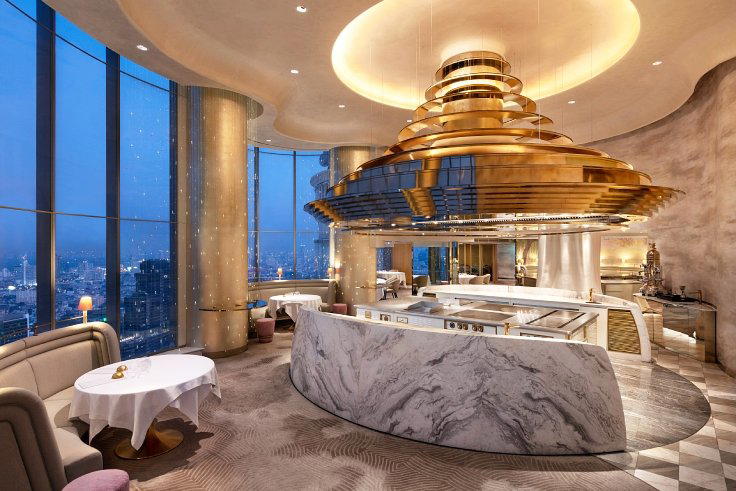
Tea, Villa, and the Art of Fujian Hospitality
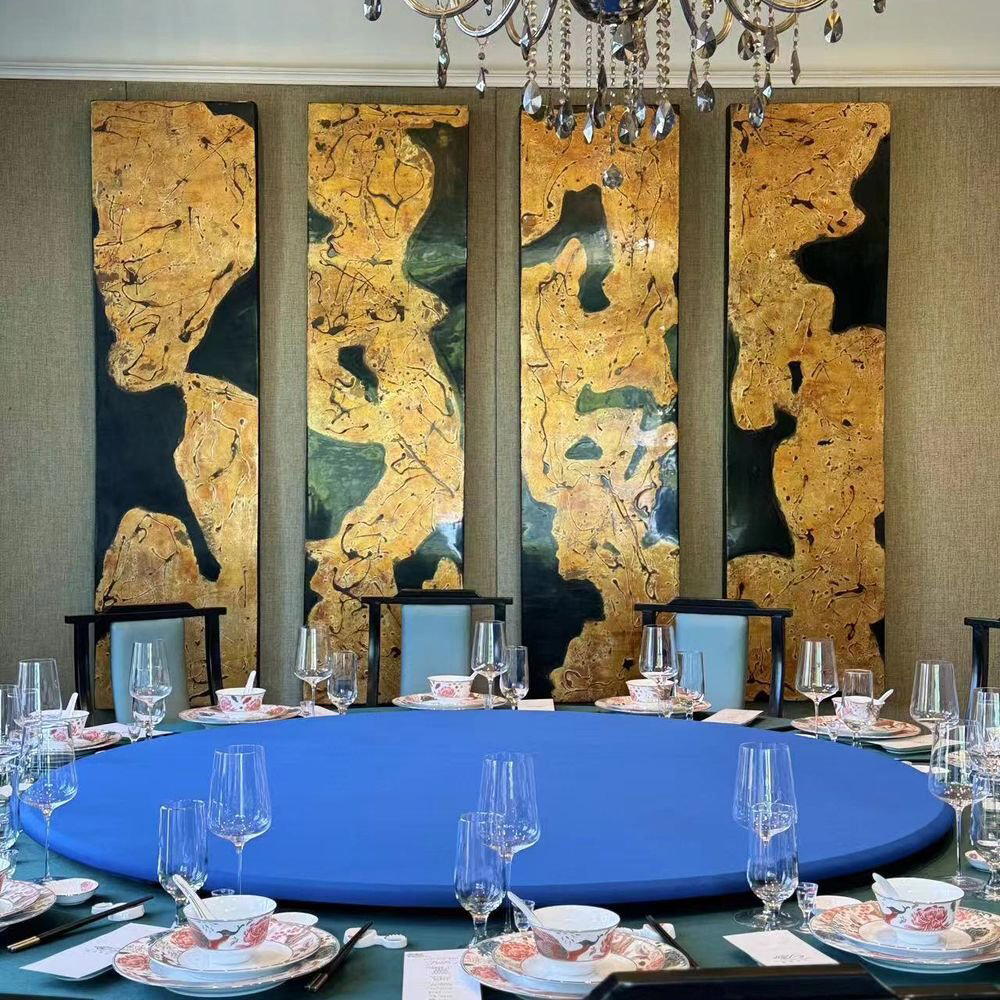
Arriving at Harmony Garden on West Second Ring North Road, the two-storey villa format signals something specific about Fuzhou's mid-tier fine dining tradition: privacy is considered as important as the food. Nine private rooms across two floors mean that most diners never share a space with strangers, a format common across Gulou District's more established Fujian restaurants and one that shapes the entire rhythm of a meal. Service comes to you; the tea arrives before you've settled; the pace is yours to set.
That physical arrangement is not incidental. Private-room dining in Fujian has long been the context in which the region's more labour-intensive cooking gets its proper hearing. Dishes that depend on timing, temperature, and sequential service, the kind that define serious Min cuisine, work better when a room turns over slowly and staff can calibrate to the table. Harmony Garden's nine-room configuration places it in that tradition and gives the kitchen a format that suits what it's actually trying to cook.
When Tea Is the Frame, Not the Footnote
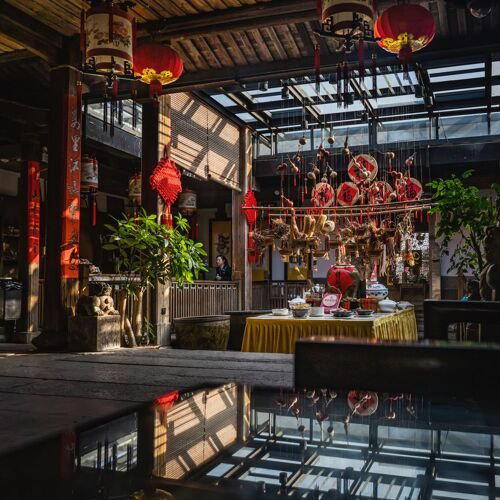
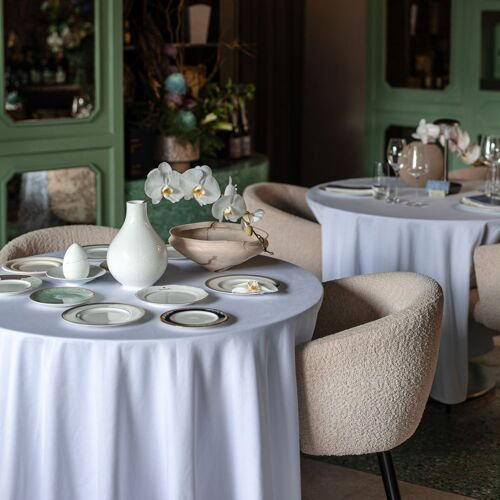
The detail that separates Harmony Garden from comparable Fujian dining rooms in this price tier is the provenance of its tea programme. The owner built the business after years running a tea leaf trading operation, and that background is legible throughout the room: antique tea ware lines the shelves, loose-leaf teas are available for purchase, and the brewing at the table arrives with the kind of quiet precision that comes from someone who has sourced, traded, and lived inside the subject rather than simply incorporated it as décor.
Fujian is the origin province for some of China's most consequential teas, Tie Guan Yin from Anxi, Da Hong Pao from Wuyi Mountain, white teas from Fuding, and the province's cooking has always developed in dialogue with that culture. At its more considered end, a Fujian meal treats tea not as a palate cleanser between courses but as an active partner to specific textures and flavours. The light astringency of a high-roast oolong, for instance, works with the mineral quality of fresh seafood in ways that wine pairing rarely achieves at this price point. That sensibility is what distinguishes tea-forward Fujian restaurants from those that simply keep a pot warm in the corner.
For visitors planning a meal here, the tea selection at the table is worth treating as a first course decision rather than an afterthought. The combination of the owner's sourcing background and the antique serving ware means the programme has more depth than the ¥¥ pricing might suggest.
The Kitchen: Fujian Tradition With Deliberate Twists
Harmony Garden holds a Michelin Plate and a Black Pearl 1 Diamond for 2025, two recognition systems that converge on similar criteria at this tier: consistent kitchen execution, clear culinary identity, and a menu that can be evaluated on its own terms rather than simply measured against price. In Fuzhou's Fujian restaurant category, that places it in a defined peer group alongside venues like Jing Li and Fuyuan, all operating at the ¥¥ tier with varying approaches to the question of how much creative latitude to take with Min cooking's classical techniques.
Harmony Garden's answer leans toward measured creative turns rather than radical reinterpretation. The stir-fried sliced conch in red yeast rice wine lees is a case study in that approach: red yeast rice (hong qu) is a distinctly Fujianese ingredient, historically linked to the province's winemaking and fermentation traditions, and using its lees as an aromatic base for a seafood stir-fry is both regionally grounded and technically specific. The result, according to the restaurant's documented description, marries lingering aromas with a crisp texture, the conch cooked quickly enough to preserve bite, the lees adding depth without overwhelming the shellfish's natural quality.
The drunken pork ribs follow a different logic: deep-fried first to set the crust, then tossed in a tangy wine vinegar glaze. The deep-fry before glazing technique is about textural contrast, ensuring the exterior holds its character against the acidity of the sauce. Wine vinegar glazes appear across Chinese regional cooking, but the Fujianese version tends to run sharper and more aromatic than those from other provinces, shaped by the same rice wine culture that produces the lees used elsewhere on the menu.
These two dishes also illustrate the kitchen's relationship with fermentation as a flavour tool, red yeast lees on one side, wine vinegar on the other, which is a meaningful through-line in Min cuisine more broadly. Fujian's coastal and agricultural history made preservation and fermentation central to the cooking long before they became fashionable concepts in international fine dining.
Where Harmony Garden Sits in Fuzhou's Dining Scene
Fuzhou's mid-range Fujian restaurant category is more crowded now than it was five years ago, with the city's food recognition profile rising partly on the strength of venues like this one. The Michelin and Black Pearl designations in 2025 place Harmony Garden in a documented recognition tier, but its actual competitive positioning is shaped as much by format as by awards. The private-room villa structure, the tea programme depth, and the ¥¥ pricing together create a specific value proposition: considered Fujian cooking in a context that allows for unhurried meals, at a price point that doesn't require the occasion-dining justification that Fuzhou's upper-tier rooms demand.
The same traditions of Min cooking travel differently depending on whether you're tracing them through a high-end tasting format, a neighbourhood eatery, or a tea-focused villa dining room. This is one way to encounter them.
Planning Your Visit
Harmony Garden is located in Gulou District, Fuzhou, on West Second Ring North Road (postal code 350025). The ¥¥ pricing puts it in the accessible mid-range for serious Fujian dining, a meal for two with tea should remain manageable for most visitors without special occasion budgeting. The nine private rooms mean booking ahead is advisable, particularly for dinner and weekend lunches when Fuzhou's established dining rooms in this tier fill quickly; walk-ins are less reliable here than at the city's more casual Fujian spots.
For those using Fuzhou as a starting point for a wider sweep of serious Chinese regional cooking, comparable dual-recognised venues at this level of culinary specificity include Ru Yuan in Hangzhou, Xin Rong Ji in Beijing, Xin Rong Ji in Chengdu, 102 House in Shanghai, Chef Tam's Seasons in Macau, and Imperial Treasure Fine Chinese Cuisine in Guangzhou.
Same-City Peers
Comparable venues nearby, for context on price, style, and recognition.
| Venue | Cuisine | Price | Notes |
|---|---|---|---|
| Harmony Garden (Xierhuan North Road)This venue — the venue you are viewing | Creative Fujian Cuisine | $$$ | Not listed |
| Yut Fei | Refined Cantonese | $$$ | Gulou |
| Chosop | Authentic Sichuan | $$ | Taijiang |
| Origin | Modern Fujian | $$$ | Cangshan |
| Rong Ji Hai Xian Lao Hua (Cangshan) | Modern Fujian Seafood Lao Hua Noodles | $$ | Cangshan |
| Yu Xian Lou | Live Tank Fuzhou Seafood | $$ | Cangshan |
Recognition history
Dated appearances from independent guides and award organizations, with the underlying list record or original source where available.
Michelin Plate
Michelin
Black Pearl 1 Diamond
Black Pearl
Michelin Plate
Michelin
Michelin Plate
Michelin
At a Glance
- Elegant
- Cozy
- Intimate
- Family
- Business Dinner
- Special Occasion
- Private Dining
- Local Sourcing
Current opening hours
- Monday
- 11 AM–9:30 PM
- Tuesday
- 11 AM–9:30 PM
- Wednesday
- 11 AM–9:30 PM
- Thursday
- 11 AM–9:30 PM
- Friday
- 11 AM–9:30 PM
- Saturday
- 11 AM–9:30 PM
- Sunday
- 11 AM–9:30 PM
Hours can change for holidays and private events. Last verified .
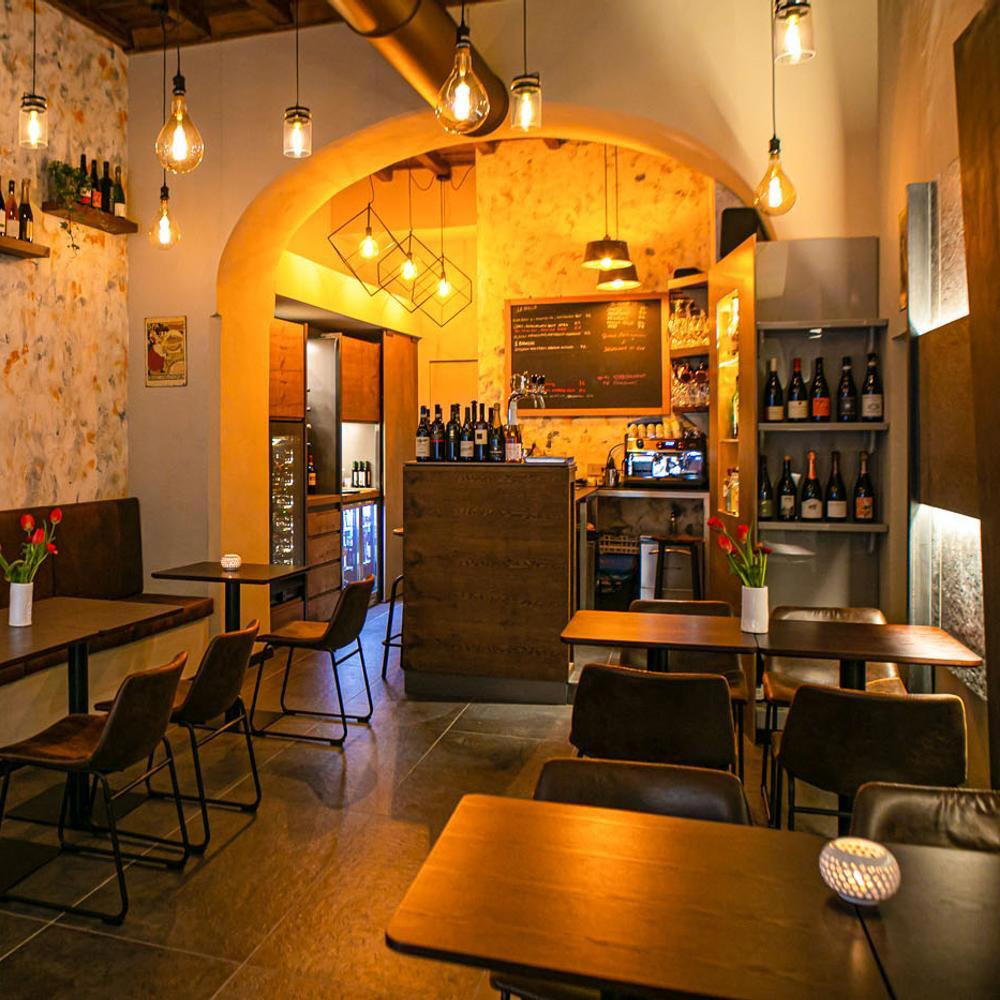
Warm, friendly service in an intimate villa setting with traditional Chinese design elements promoting conversation.