
A Michelin Bib Gourmand recipient in both 2024 and 2025, Mei Ya Bo Hua Sheng Tang has served Fuzhou's signature peanut soup and taro paste from a compact room on Laoyaozhou Street in Taijiang District since the Chen family first began the trade in 1937. Prices sit at the lowest tier of the city's dining spectrum, making it among the more accessible routes into traditional Fujianese sweet snacks.
Pearl is the En Primeur Club membership app — saves, bookings, and concierge access live there. Same editors, same standards.
- Address
- 182 Laoyaozhou St, 台江广场 Taijiang District, Fuzhou, Fujian, China, 350004
- Phone
- +86 137 0508 0687
- Directions
- Get directions
 Saves & bookings on Pearl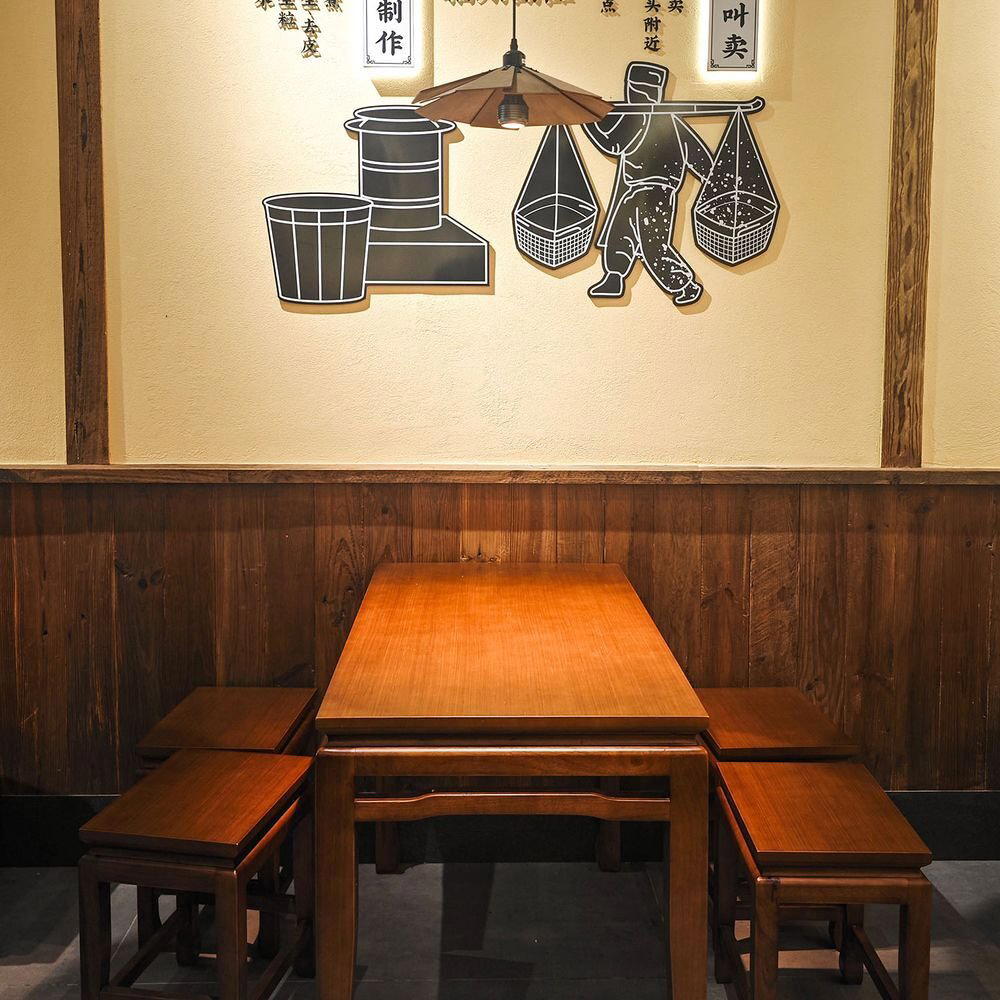
Where Taijiang's Street-Food Past Meets a Neat Neighbourhood Room
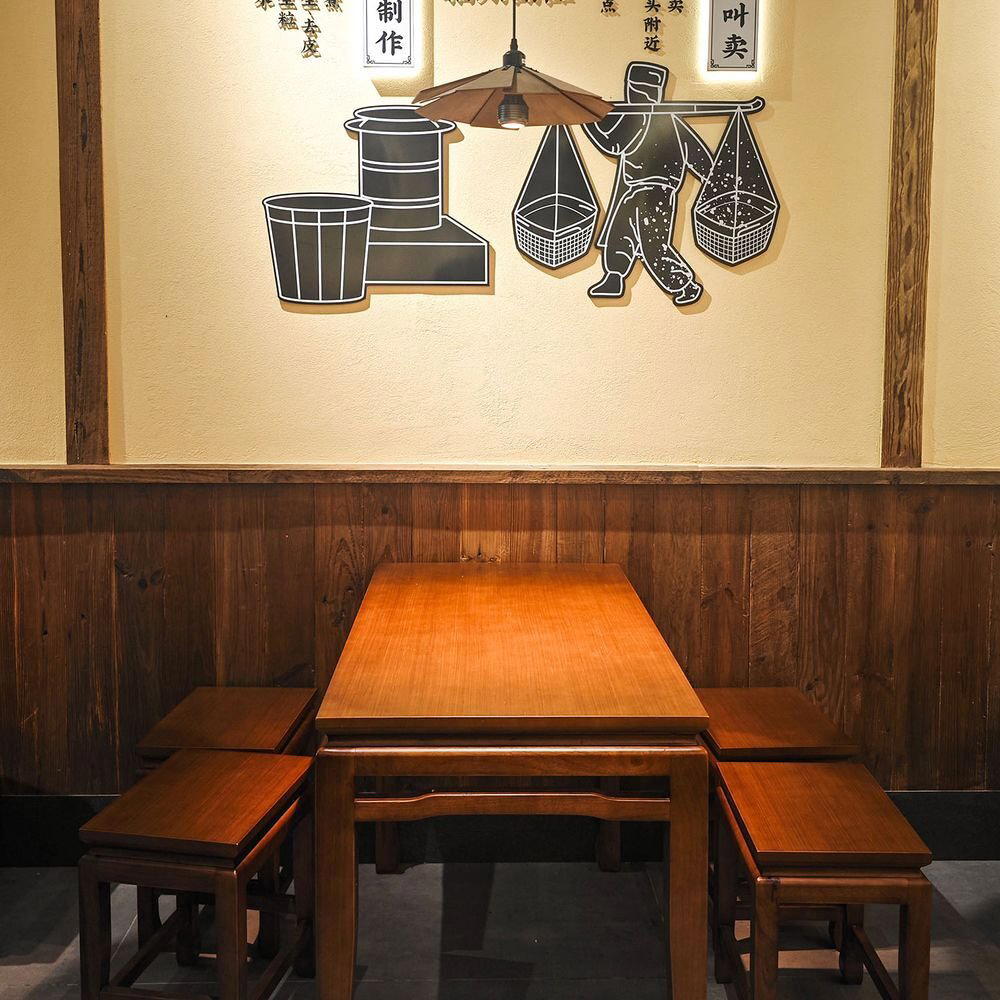
Laoyaozhou Street in Taijiang District holds a particular place in Fuzhou's food geography. The area has long served as a commercial and residential corridor where working-class snack culture took root, and the stretch around Taijiang Plaza still carries that character despite the modernisation pressing in from all sides. Arriving at Mei Ya Bo Hua Sheng Tang, there is nothing theatrical about the approach: a compact frontage, an interior that reads as deliberately plain, and a queue that tells you everything you need to know about the room's standing with local regulars. This is the kind of place where the product does all the work.
Fuzhou's small-eats tradition occupies a distinct position in the broader Fujianese culinary order. While the province is known nationally for its soups, its fish-paste preparations, and the elaborate banquet formats documented in formal Minnan cuisine, the everyday sweet-snack category operates on a different register entirely: low price, high craft repetition, and an unbroken connection to the street-stall techniques that predate any restaurant formality. Peanut soup, taro paste, and sesame-laced preparations sit at the centre of this tradition, and a handful of Fuzhou operators have built multigenerational identities around them.
Eight Decades of Peanut Soup
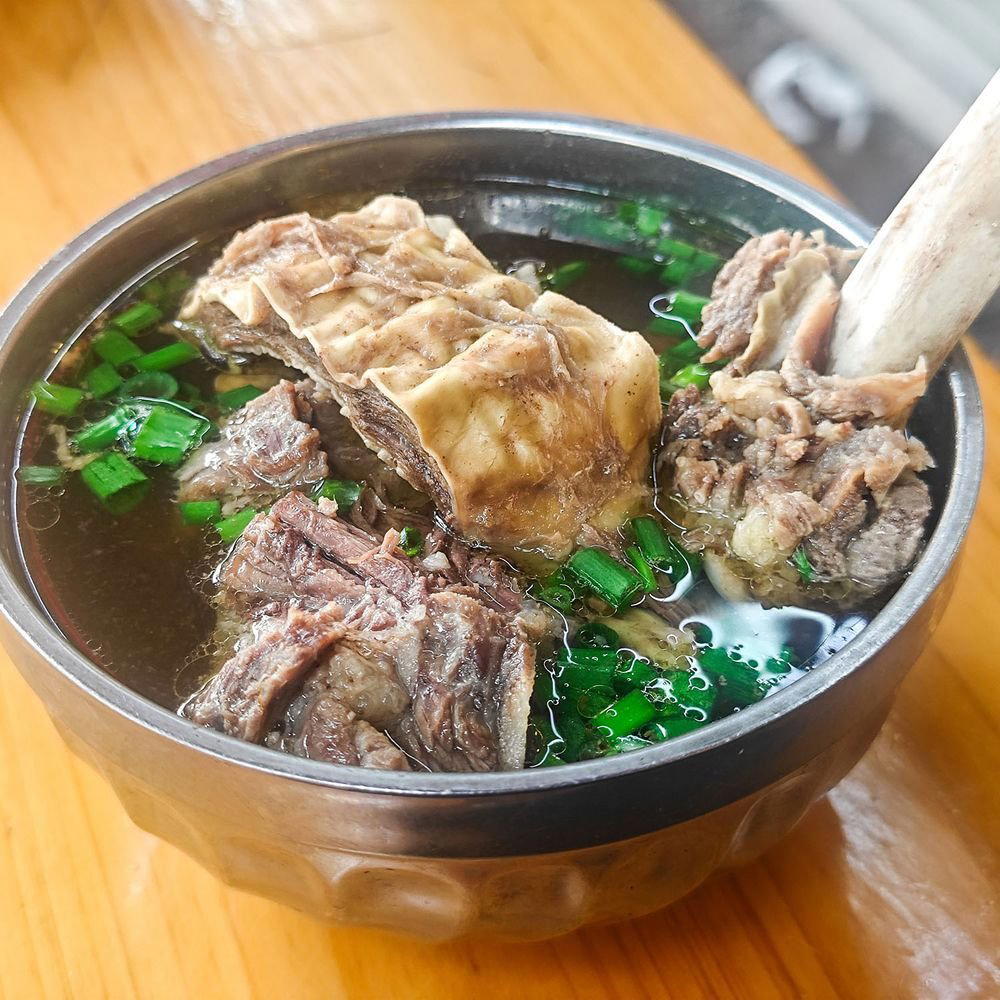
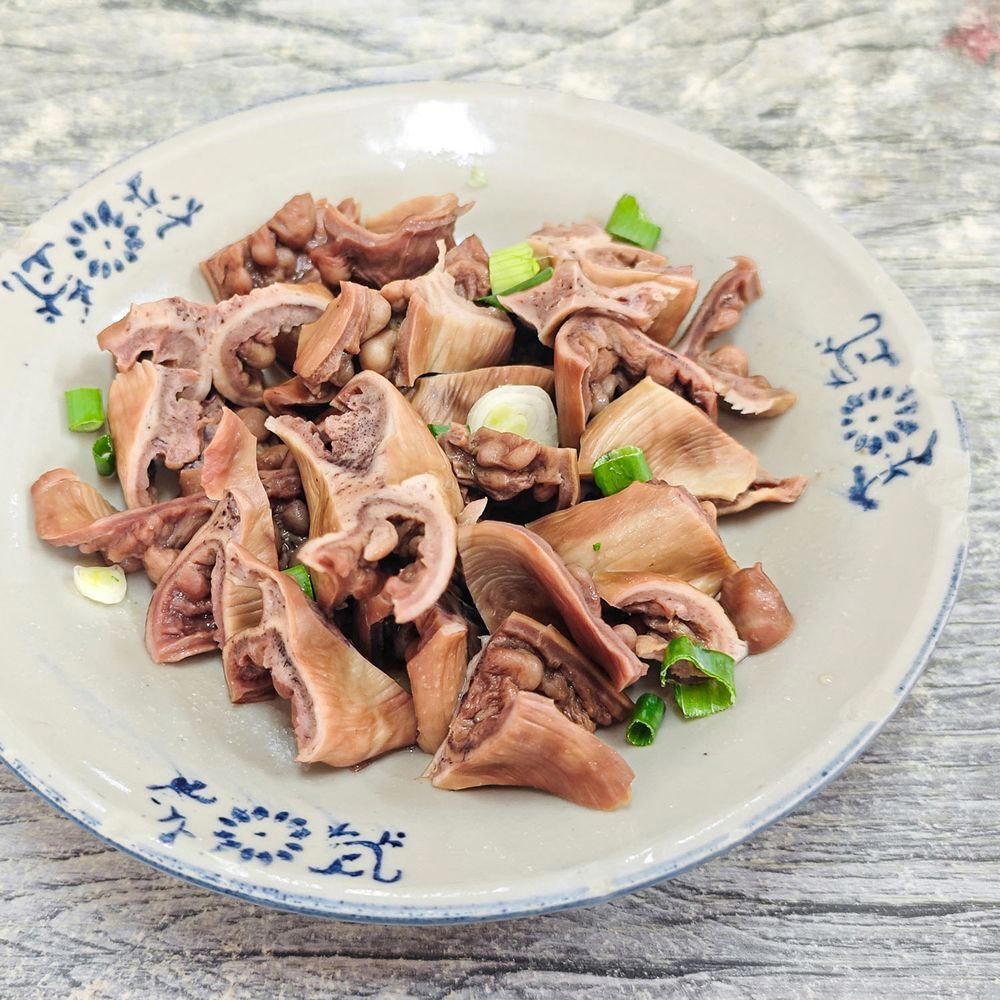
The record of the Chen family's involvement in this trade begins in 1937, when the founding generation sold sweet peanut soup from a bamboo shoulder pole on the streets of Fuzhou. That origin story is now three generations old. What matters for the contemporary visitor is not the heritage narrative itself but what it implies about technique: operations that survive for nearly ninety years in a competitive street-food city do so because the product remains consistent. The peanut soup at Mei Ya Bo Hua Sheng Tang is served hot or chilled, with the peanuts cooked to a softness that holds together without disintegrating, releasing a persistent nuttiness that carries through to the finish. The taro paste carries a velvety density, and the toasted sesame topping adds a contrasting texture and a roasted depth that prevents the sweetness from reading as simple.
These are preparations that reward comparison within their own category. The peanut soup format exists elsewhere in Fuzhou, most notably at Ye Jia Hua Sheng Tang, which occupies the same small-eats, single-price-tier bracket. Where such competitors exist, the distinction between them tends to come down to the ratio of peanut to liquid, the degree of sweetness, and the texture of the cooked nuts. Michelin's Bib Gourmand designation for Mei Ya Bo in both 2024 and 2025 signals consistent quality at this price level across both assessment cycles.
The Bib Gourmand Tier and What It Means in This City
Fuzhou's Michelin coverage sits at a different scale from Shanghai or Beijing. The city's Bib Gourmand list is relatively compact, which means inclusion carries a sharper positional signal than it might in a denser market. At the ¥ price tier, Mei Ya Bo operates in direct comparison with other low-cost specialists. Across the city's wider dining spectrum, the contrast with mid-range Fujian cuisine operators like Wenru No.9 or higher-priced formats like Jiangnan Wok‧Rong makes the category gap clear: this is not a gateway to formal dining but a specialist stop within the small-eats category, priced accordingly.
For broader context on how Fujianese food sits within Chinese regional cuisine more generally, the comparison set extends outward. Operations earning Michelin recognition at premium price points elsewhere in China, such as Xin Rong Ji in Beijing or Xin Rong Ji in Chengdu, work within entirely different production and service frameworks. The Bib Gourmand category exists precisely to separate value-led quality from formal restaurant ambition, and Mei Ya Bo's back-to-back recognition confirms it occupies that value-led bracket with authority.
Small-eats culture in Taiwan presents a useful parallel. The street-snack operators in Tainan, where specialists like A Cun Beef Soup and A Hai Taiwanese Oden have built long-standing reputations on single-category focus, share the same operating logic: depth of repetition, affordable pricing, and a local clientele that functions as the primary quality filter. Fuzhou's sweet-snack specialists operate within that same tradition, shaped by Fujianese rather than Minnan influences but driven by the same discipline.
On the Question of Wine and Drinks
The editorial angle of cellar depth and drink curation does not apply at Mei Ya Bo Hua Sheng Tang in any conventional sense. This is a ¥-tier snack room in a traditional Fujianese neighbourhood, and the drink pairing question here is answered entirely by the food itself. The peanut soup functions as both sustenance and drink in one preparation, and the broader context of Fujianese sweet-snack culture has never been oriented toward fermented beverage accompaniment. Visitors arriving with wine-pairing expectations will find this an irrelevant frame; those arriving to understand a specific regional food tradition on its own terms will find the format coherent. For dining with serious wine and drink programs in Fuzhou, the 167 Shan Hai Li or Jiangnan Wok‧Rong operate at price tiers where those considerations are built into the offering.
Planning Your Visit
Mei Ya Bo Hua Sheng Tang sits at 182 Laoyaozhou Street in Taijiang District, within reach of the Taijiang Plaza area and accessible by metro or taxi from central Fuzhou. The ¥ price tier means a visit rarely becomes a significant budget decision; the practical question is timing rather than cost. As with most snack specialists that have accumulated Michelin recognition, peak hours tend to cluster around mid-morning and early afternoon when locals treat the format as a between-meal stop rather than a primary meal. No phone or booking infrastructure is listed, which is consistent with the walk-in model typical for this category. For noodle-focused small eats in the same price tier, A Xin Xian Lao on Gongnong Road covers a different part of Fuzhou's street-food spectrum. Across the wider region, Ru Yuan in Hangzhou, 102 House in Shanghai, and Chef Tam's Seasons in Macau or Imperial Treasure in Guangzhou represent the formal end of Chinese regional dining if the itinerary calls for range.
Just the Basics
Comparable venues nearby, for context on price, style, and recognition.
| Venue | Cuisine | Price | Notes |
|---|---|---|---|
| Mei Ya Bo Hua Sheng TangThis venue — the venue you are viewing | Small eats | $ | Not listed |
| Guan Zhong Wang Shi | Gulou, Shaanxi Hand-Pulled Noodles | $ | Not listed |
| Jing Li | Taijiang, Modern Fujian Cuisine | $$$ | Not listed |
| Rong Ji Hai Xian Lao Hua (Cangshan) | Not listed | $$ | Cangshan, Modern Fujian Seafood Lao Hua Noodles |
| Shan Hai Nan Yan | Not listed | $$ | Taijiang, Fujianese with Cantonese influences |
| Yu Xian Lou | Cangshan, Live Tank Fuzhou Seafood | $$ | Not listed |
Recognition history
Dated appearances from independent guides and award organizations, with the underlying list record or original source where available.
Michelin Bib Gourmand
Michelin
Michelin Bib Gourmand
Michelin
Michelin Bib Gourmand
Michelin
At a Glance
- Cozy
- Classic
- Rustic
- Casual Hangout
- Historic Building
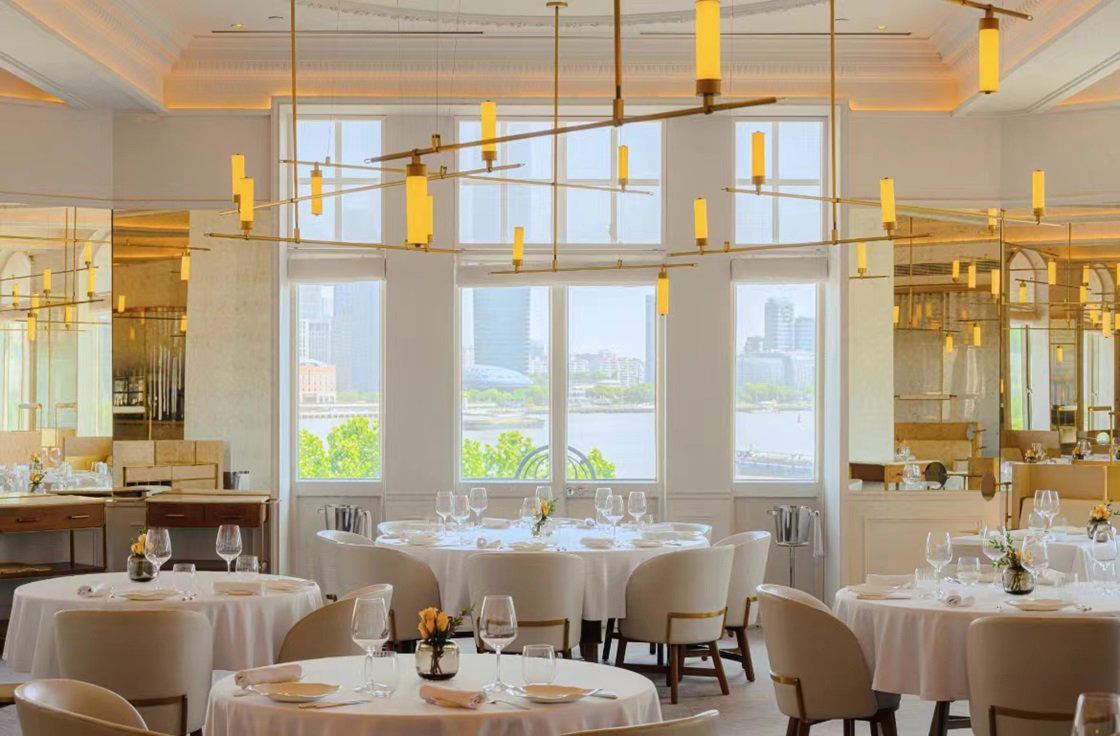
Neat cosy room with a sense of age, featuring a slowly rotating ceiling fan and simple, rustic decor.