
A Fuzhou institution operating for over 40 years, Lin Yi Nen Ming Pai Zhu Xue Hua has relocated repeatedly within Jin An District without losing its regulars. The draw is pork blood curd soup, served with noodles or rice vermicelli, alongside offal toppings in separate dishes, a format that keeps the clear broth clean and the textures distinct. This is neighbourhood comfort food with genuine staying power.
Pearl is the En Primeur Club membership app — saves, bookings, and concierge access live there. Same editors, same standards.
- Address
- 3982+827, Lian Yang Lu, Jin An Qu, Fu Zhou Shi, Fu Jian Sheng, China, 350009
- Directions
- Get directions
 Saves & bookings on Pearl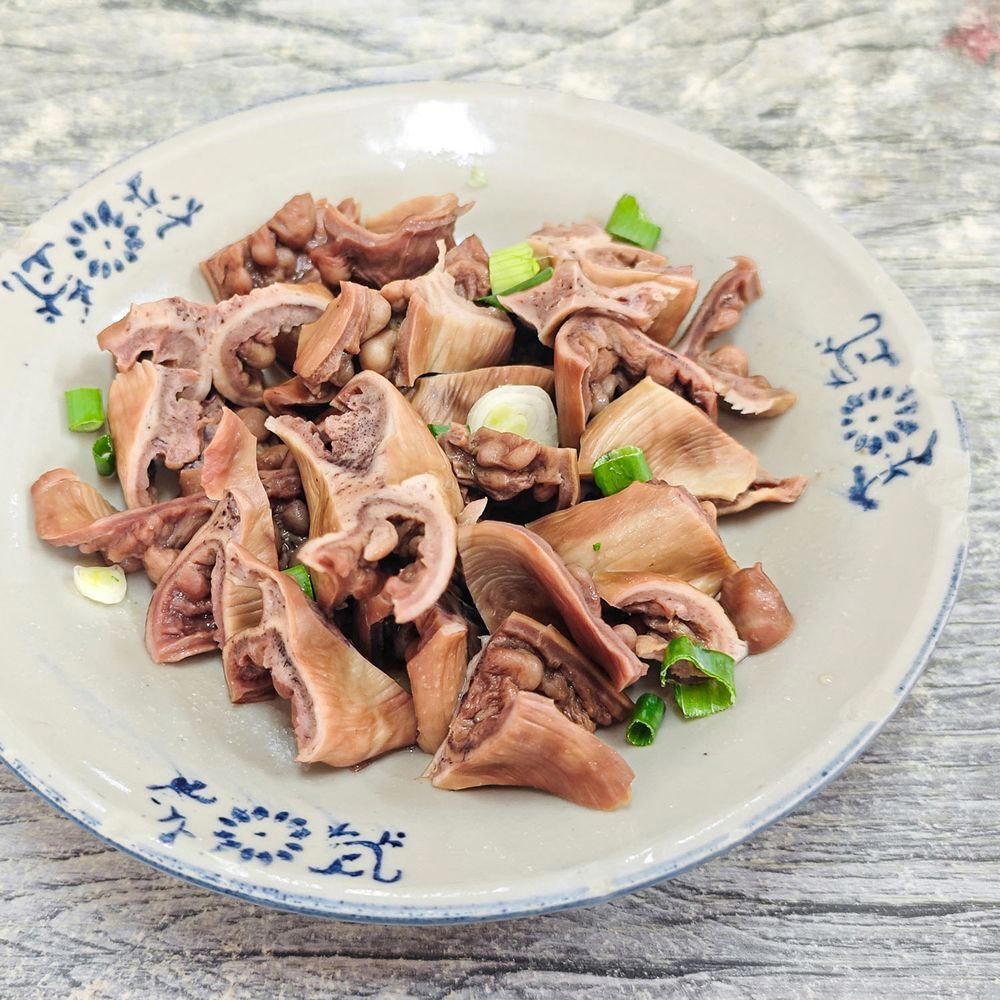
Where Fuzhou's Street-Food Tradition Meets Staying Power
Fuzhou's noodle culture sits in a different register from the banquet Fujian cooking that draws regional attention. While restaurants like Wenru No.9 and Jiangnan Wok·Rong represent the city's more formal dining tier, the daily eating life of Fuzhou runs on soup noodle shops, low-lit, fast-moving, priced for return visits. Within that category, longevity is the clearest signal of quality. Shops that survive decade after decade in the same neighbourhood, through rent shifts and changing tastes, are not doing so on novelty. Lin Yi Nen Ming Pai Zhu Xue Hua has been operating for over 40 years. It has moved several times within Jin An District, and its regulars have followed each time.
The Format: Broth, Blood Curd, and Separate Toppings
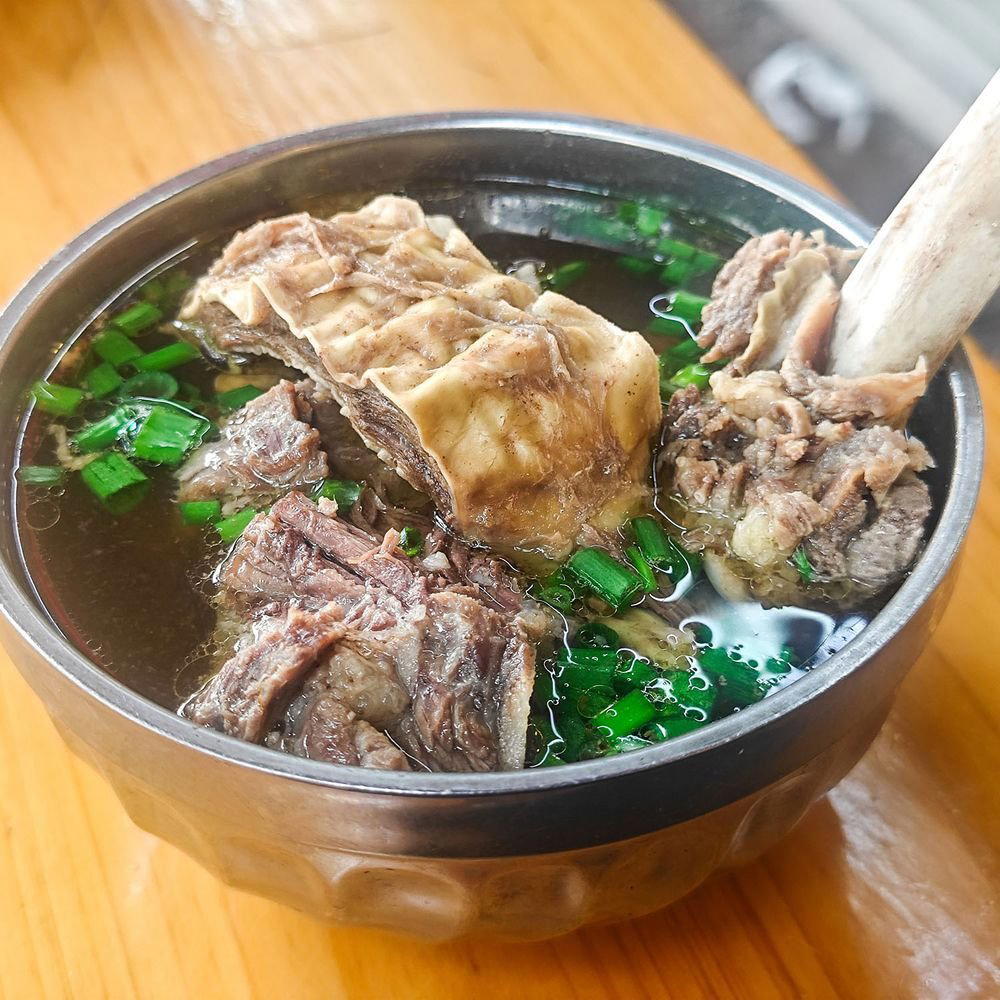
The menu centres on pork blood curd soup, a preparation that sits at the intersection of Fujianese offal tradition and the region's appetite for clear, deeply flavoured broths. The choice is between noodles, described as toothsome and velvety, or rice vermicelli, both suited to the clean, umami-forward broth that defines the bowl. What makes the format distinctive is the service structure: toppings such as pork offal and pork blood curd arrive in separate dishes alongside the soup, rather than submerged in it from the start.
That separation is a practical and textural decision. Broth stays clear. Diners control the ratio of topping to noodle per mouthful. The blood curd itself, spongy and porous, is designed to absorb the broth as you eat, which means the flavour of the liquid deepens in the pieces rather than diffusing into the bowl. It is a considered approach to a dish that lesser versions reduce to a single undifferentiated mass.
In the context of Fuzhou's broader noodle scene, which includes direct operations like Hou Jie Lao Hua on Yadao Lane at the same price tier, the separate-dish format here reads as a deliberate point of difference rather than an operational convenience.
What Forty Years in One Neighbourhood Signals
China's urban dining scene rewards the new. Cities like Shanghai and Beijing cycle through openings at pace, and even within Fuzhou, the arrival of addresses like 167 Shan Hai Li reflects appetite for a different kind of dining proposition. Against that backdrop, a no-frills soup shop that has outlasted multiple premises in the same district without awards recognition, press attention, or a digital footprint represents a category of its own: places that persist because the food keeps people coming back, not because the story does.
The repeated relocation within Jin An is worth noting not as hardship but as evidence. A shop that holds its customer base through physical moves, each of which creates friction for regulars, is operating on something more durable than habit. The food functions as the anchor, not the address.
For visitors comparing this shop against Fuzhou's other low-price noodle options, or against the mid-range Fujian cooking at Chosop or A Xin Xian Lao on Gongnong Road, the distinction is the specialisation. This is a shop built around a single product category executed with accumulated knowledge rather than a broad menu designed for table turnover.
Placing This in Fuzhou's Dining Range
Fuzhou's restaurant range extends across a significant span. At the formal end, the city's Fujian cuisine restaurants engage with the coastal province's more complex preparations, red yeast rice, Buddha Jumps Over the Wall, seafood-heavy multi-course formats. That tier is represented across our full Fuzhou restaurants guide, alongside the city's hotels, bars, and experiences covered in our Fuzhou hotels guide, bars guide, wineries guide, and experiences guide.
Lin Yi Nen operates at the opposite pole of that range, in the same tier as Mei Ya Bo Hua Sheng Tang for small eats. The price point sits in the single-digit or low double-digit yuan range typical for Fuzhou's soup noodle operations. That positioning is not a limitation; it is the category's logic. The value proposition here is accuracy of execution and decades of refinement on a narrow product, not breadth.
For context beyond Fuzhou, Chinese regional offal soup traditions have produced celebrated long-running shops across the country. The format of clear-broth noodles with organ-meat accompaniments runs through Hunan, Sichuan, and coastal Fujian cooking, with each region inflecting the broth and the cut selection differently. Fuzhou's version leans toward lighter, less chilli-forward profiles, consistent with the province's general preference for clean, seafood-adjacent flavour architecture. This shop's longevity places it within that regional tradition's most persistent expression.
For readers who have encountered the refined Chinese restaurant tier at addresses like Xin Rong Ji in Beijing, 102 House in Shanghai, Ru Yuan in Hangzhou, Xin Rong Ji in Chengdu, Chef Tam's Seasons in Macau, or Imperial Treasure Fine Chinese Cuisine in Guangzhou, this shop represents the other axis of Chinese eating: the neighbourhood staple that sits outside award circuits entirely and draws its authority from local consensus rather than critical infrastructure. Both ends of that spectrum are worth understanding.
Planning a Visit
The address, Lian Yang Lu, Jin An District, places the shop in a residential and mixed-use stretch of Fuzhou, consistent with the neighbourhood noodle shop format that depends on foot traffic from local residents rather than destination visitors. Arriving early in the morning or before noon reduces the chance of finding the kitchen already done for the day.
The drink here is tea, if anything. The experience is fast, communal, and priced so that repeat visits the same week are the point, not a luxury. For visitors building a broader picture of Fuzhou eating, this shop belongs on the itinerary alongside, not instead of, the city's more formal addresses.
Pricing, Compared
Comparable venues nearby, for context on price, style, and recognition.
| Venue | Cuisine | Price | Awards |
|---|---|---|---|
| Lin Yi Nen Ming Pai Zhu Xue HuaThis venue — the venue you are viewing | Taijiang, Traditional Fuzhou Noodles | $ | Bib Gourmand |
| Hou Jie Lao Hua (Yadao Lane) | Gulou, Fuzhou Lao Hua Noodles | $ | Bib Gourmand |
| Hou Jie Lao Hua (216 Tonghu Road) | Gulou, Fuzhou Noodles | $ | Bib Gourmand |
| Guan Zhong Wang Shi | Gulou, Shaanxi Hand-Pulled Noodles | $ | Bib Gourmand |
| Yu Xian Lou | Cangshan, Live Tank Fuzhou Seafood | $$ | Bib Gourmand |
| Fuyuan | Gulou, Fuqing Fujian Cuisine | $$ | Michelin Plate |
Recognition history
Dated appearances from independent guides and award organizations, with the underlying list record or original source where available.
Michelin Bib Gourmand
Michelin
At a Glance
- Cozy
- Rustic
- Casual Hangout
- Standalone
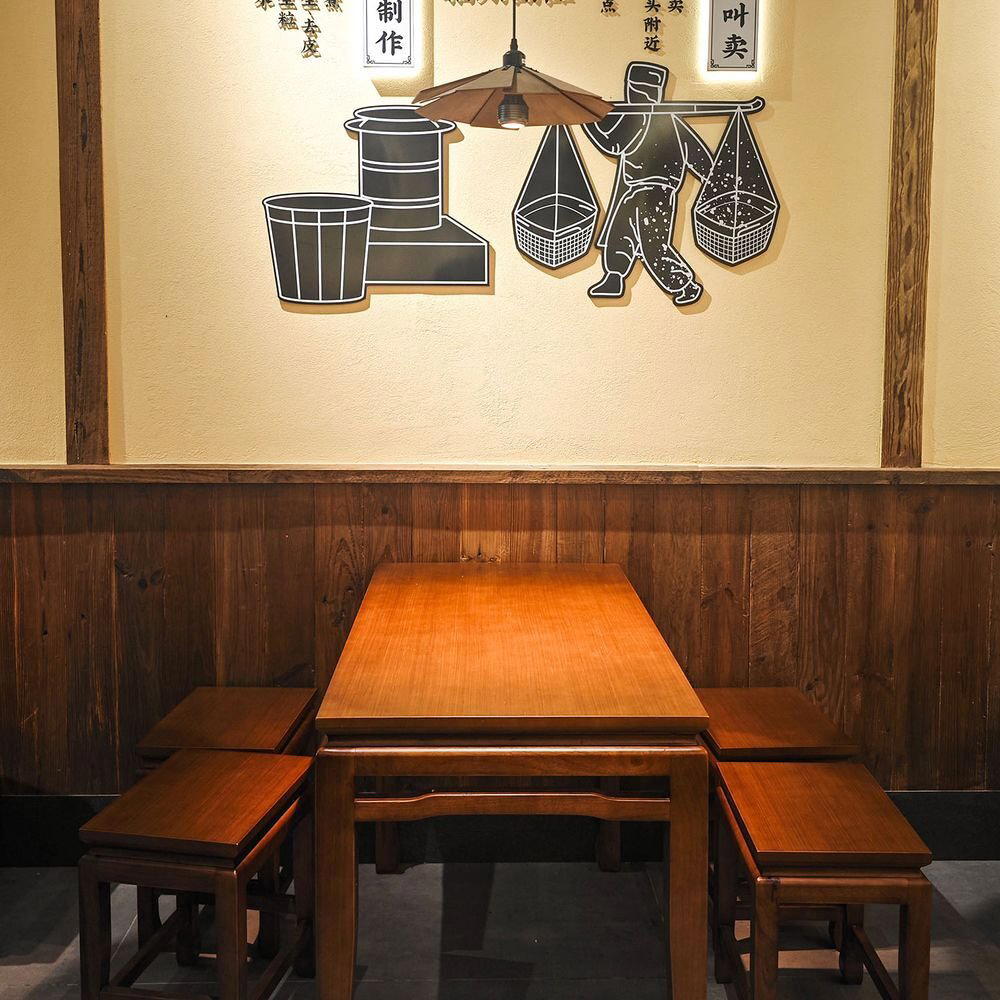
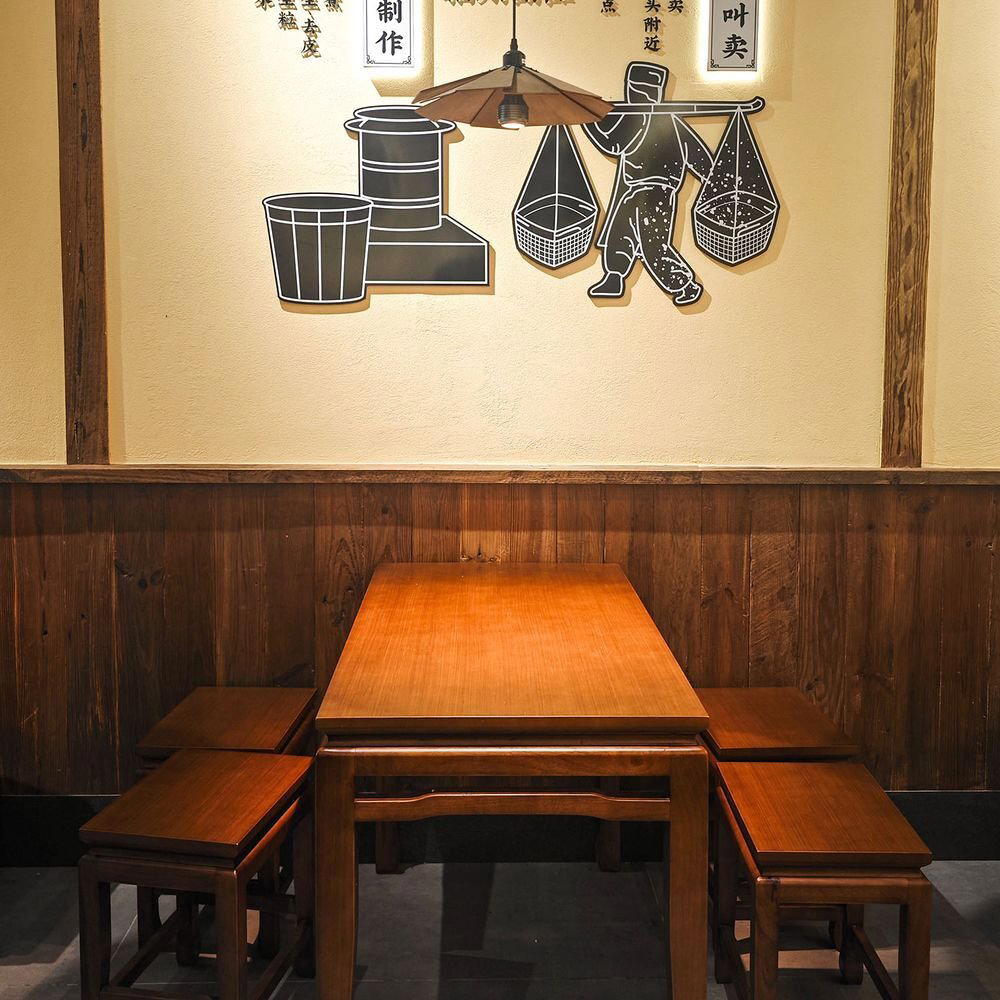
Functional no-frills setting with simple tables, stools, and minimal decor focusing attention on steaming bowls in an energetic local environment.