
Opened in 2020 as the premium offshoot of a longstanding Fuzhou institution, Jing Li brings Minnan cooking into an upmarket register on historic Nanhou Street. Two consecutive Michelin Bib Gourmand awards (2024 and 2025) confirm its standing in a city where red yeast rice wine lees cooking is both a living tradition and a point of civic pride. The mid-range pricing makes the format accessible without undercutting its credentials.
Pearl is the En Primeur Club membership app — saves, bookings, and concierge access live there. Same editors, same standards.
- Address
- 106 Nanhou St, 东街口商圈 Gulou District, Fuzhou, Fuzhou, Fujian, China, 350000
- Phone
- +86 180 8476 7878
- Directions
- Get directions
 Saves & bookings on Pearl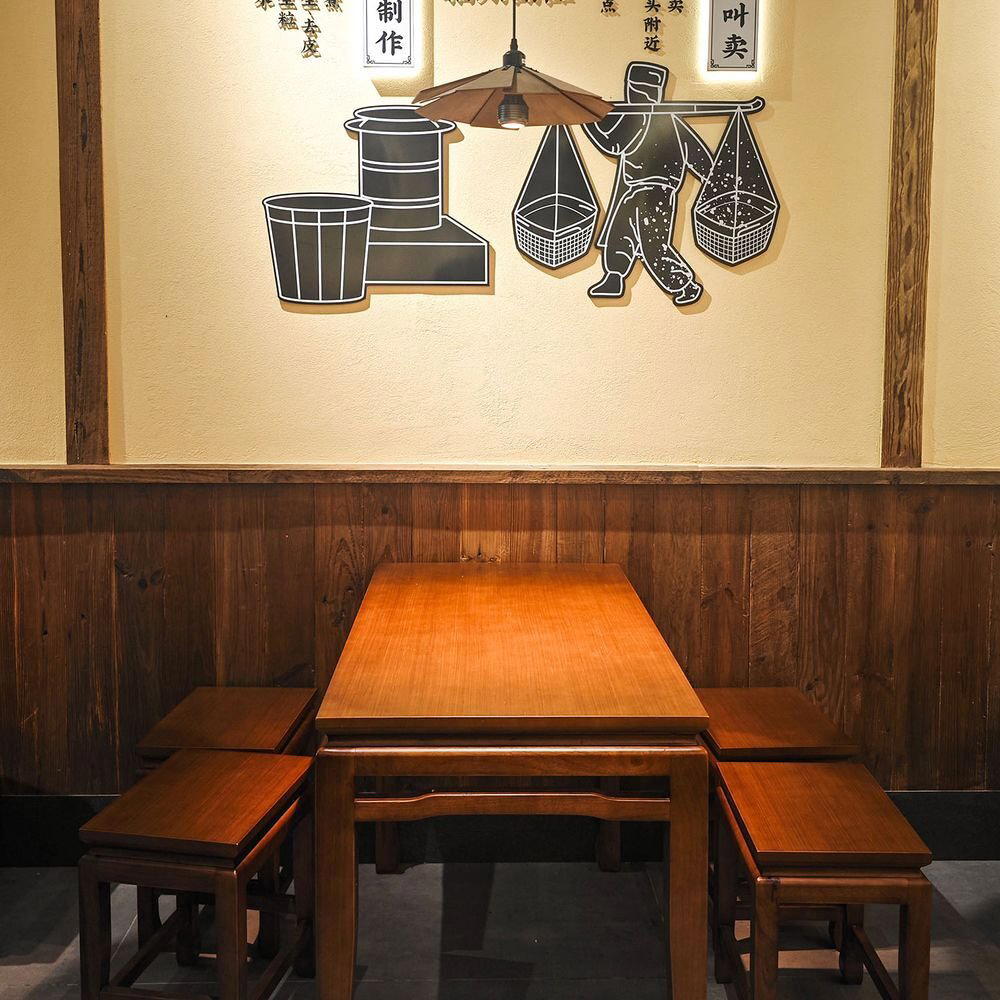
Where Fujian's Wine Lees Tradition Meets a Formal Dining Register
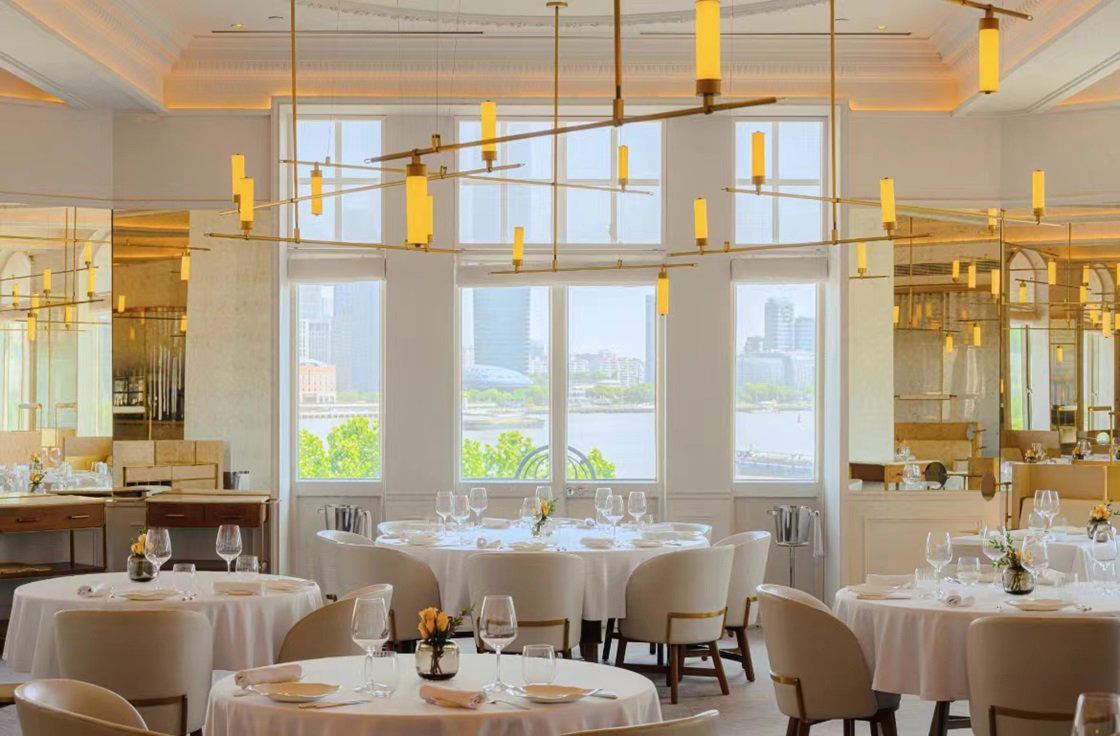
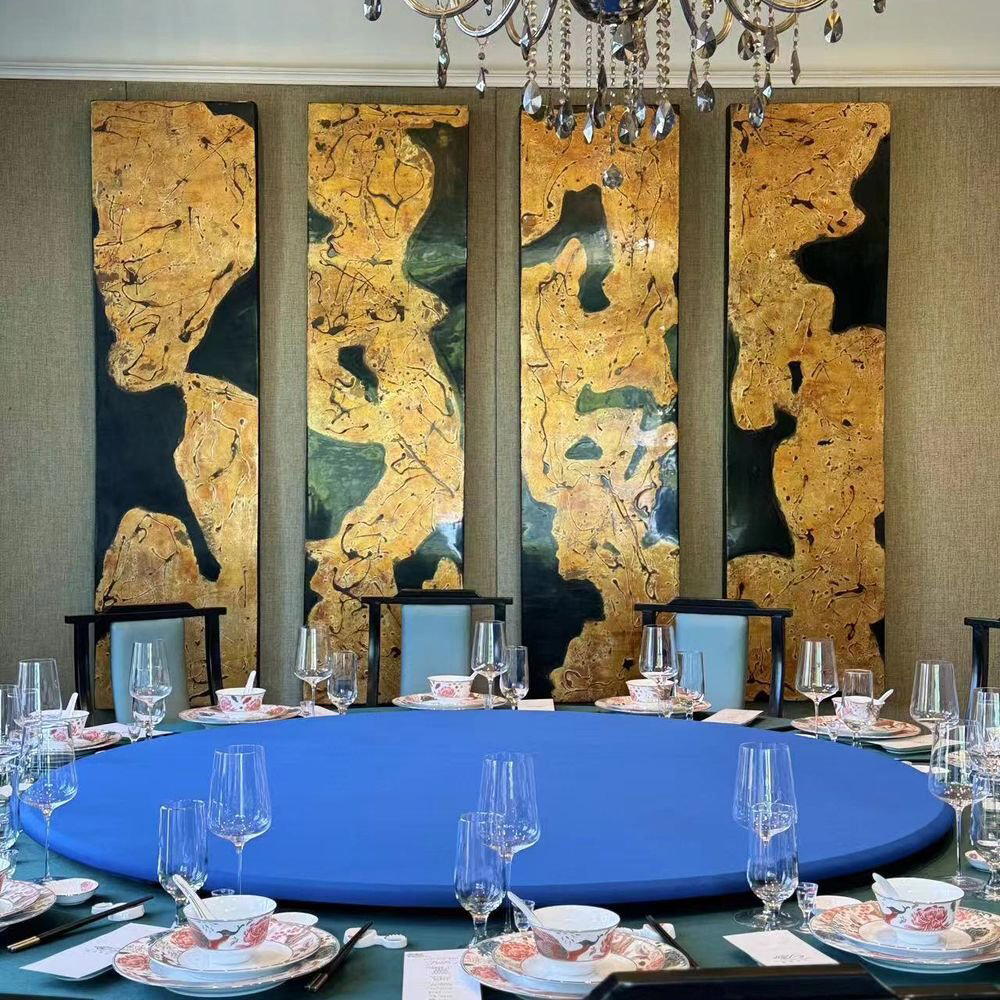
Nanhou Street runs through the heart of Fuzhou's Gulou District, a pedestrian corridor where restored Qing-era timber shophouses sit alongside contemporary commercial fit-outs. The address places Jing Li inside one of the city's most historically loaded dining corridors, a stretch that draws both locals and business travellers and where the competition between Minnan cooking traditions and newer Huaiyang or fusion formats plays out in real time. Walking into Jing Li, the interior signals an immediate step up from the street's more casual registers: warm wood panelling, deep burgundy seating, and a room calibrated for business entertaining rather than neighbourhood convenience.
That calibration is intentional. Jing Li opened in 2020 as the premium expression of a longstanding Fuzhou institution, repositioning a familiar culinary identity for an upmarket clientele. The result occupies a specific tier in Fuzhou's mid-to-upper dining market: it sits above the budget noodle houses and street-food counters that define much of the Gulou food scene, but well below the full-service banquet formats that characterise the city's corporate dining ceiling. For comparison, Min Shi Fu operates at a comparable price point within Fujian cuisine, while Longkushan Eatery represents the more casual end of the same tradition. Jing Li positions itself between those registers, offering polish without the formality of a full banquet room.
The Cultural Weight of Red Yeast Rice Wine Lees
To understand what the restaurant is doing culinarily, it helps to understand what red yeast rice wine lees represent within Fujian cooking. Hong zao, as it is known locally, is the fermented residue of red glutinous rice wine production, a byproduct that Fujianese cooks have used for centuries as a marinade, a braising liquid, and a flavour base. The ingredient carries a distinctive earthy sweetness with a faint astringency, a colour that turns proteins a deep reddish-amber, and a depth that conventional soy-and-sugar braises cannot replicate. It is one of the clearest markers of Min cuisine's separation from Cantonese or Shanghainese cooking traditions, and its use remains concentrated in Fujian and among the Hokkien diaspora communities of Southeast Asia.
Within that tradition, certain preparations have become reference points. Deep-fried eel marinated in wine lees is one: the fermentation tenderises the flesh and leaves a caramelised, lacquered exterior that holds even after frying. Longevity noodles with pork trotter braised in wine lees is another, a dish that carries significant ceremonial weight in Fujianese culture (longevity noodles, or shou mian, are traditionally served at birthdays and milestone celebrations, and the trotter adds both richness and symbolic resonance). The restaurant's menu builds these preparations into its offer, treating them as anchors rather than novelties. The kitchen's approach of melding Minnan classics with influences from other cuisines reflects a broader pattern visible across upgraded regional Chinese restaurants, the instinct to contextualise a local tradition within a wider culinary reference frame without dissolving its identity in the process.
Fujian cuisine is also documented across multiple cities. Hokkien Cuisine in Chengdu and Hokklo in Xiamen both carry the same lineage into different urban contexts, and the comparison is instructive: the cuisine travels well precisely because its fermented and preserved flavour bases are portable and distinctive. In Fuzhou itself, where the tradition has its deepest local roots, the question for any premium-tier operator is how much formal register to apply to an ingredient vocabulary that has historically been associated with home cooking and street-level preparations.
Bib Gourmand Recognition and What It Signals
The restaurant has held the Michelin Bib Gourmand in both 2024 and 2025. In the Michelin framework, the Bib Gourmand is reserved for restaurants offering meals of notable quality at moderate prices, it is not a starred assessment, but it is a substantive one, typically indicating that inspectors found consistent cooking, clear identity, and value relative to peer-tier restaurants in the same city. Two consecutive years of recognition consolidate the signal: this is not a provisional listing but a confirmed position in Fuzhou's reviewed dining tier.
For the ¥¥ price bracket in Fuzhou, the Bib Gourmand also functions as a comparative credential. Restaurants like Harmony Garden (Xierhuan North Road) and Wenru No.9 operate in an adjacent mid-market space, and across the broader Chinese regional dining scene, comparable premium-tier Fujian formats have drawn recognition in cities like Beijing (Xin Rong Ji on Xinyuan South Road), Shanghai (102 House), and Macau (Chef Tam's Seasons). The Bib Gourmand places the restaurant within that wider network of recognised Chinese regional cooking, anchored in Fuzhou itself rather than exported.
Chef Holly Hayes leads the kitchen, though the editorial interest here lies less in a single chef's biography than in what the kitchen's consistent recognition suggests about the quality of its execution: two years of Michelin inspector agreement is a verifiable data point about reliability.
Planning a Visit
The restaurant is located at 106 Nanhou Street in Gulou District, within the Dongkoujie commercial zone, a central and well-connected part of Fuzhou that is accessible from the main metro network. The ¥¥ pricing makes it one of the more financially accessible Michelin-recognised restaurants in the city, which in turn means demand from both business and leisure diners is likely to be steady. Booking in advance is advisable, particularly for evening sittings when the business clientele the room is designed for tends to arrive in groups.
For context on what Fujian cooking looks like across different cities and price tiers, Ru Yuan in Hangzhou, Xin Rong Ji in Chengdu, Imperial Treasure Fine Chinese Cuisine in Guangzhou, and Fuyuan in Fuzhou each offer a different angle on the wider regional tradition.
What People Recommend at Jing Li
The dishes most associated with the restaurant's identity are those built around red yeast rice wine lees. The deep-fried wine lees-marinated eel and the longevity noodles with pork trotter braised in wine lees are both cited as representative preparations, the former for its textural contrast and fermented depth, the latter for its cultural resonance and the slow-braised richness of the trotter. These dishes also function as a useful reference point for understanding what the Fuzhou dining scene does with its most characteristic local ingredient. The Michelin Bib Gourmand recognition in both 2024 and 2025 provides a consistent frame of reference for the kitchen's quality level, and the ¥¥ pricing situates the experience clearly in the mid-market rather than the banquet tier. Chef Holly Hayes leads the kitchen.
A Quick Peer Check
Comparable venues nearby, for context on price, style, and recognition.
| Venue | Cuisine | Price | Awards | Notes |
|---|---|---|---|---|
| Jing LiThis venue — the venue you are viewing | Modern Fujian Cuisine | $$$ | Bib Gourmand | Not listed |
| Min Shi Fu | Fujian Live Seafood | $$ | Bib Gourmand | Gulou |
| Shan Hai Nan Yan | Fujianese with Cantonese influences | $$ | Bib Gourmand | Taijiang |
| Sheng Hai Lou (Cangshan) | Fujian Cuisine | $$$ | Michelin Plate | Cangshan |
| Chosop | Authentic Sichuan | $$ | Michelin Plate | Taijiang |
| ZHENGCHUNFA | Traditional Fujian Fotiaoqiang | $$$ | Not listed | Sandi Center |
Recognition history
Dated appearances from independent guides and award organizations, with the underlying list record or original source where available.
Michelin Bib Gourmand
Michelin
Michelin Bib Gourmand
Michelin
Michelin Bib Gourmand
Michelin
At a Glance
- Elegant
- Sophisticated
- Business Dinner
- Special Occasion
Current opening hours
- Monday
- 10 AM–10 PM
- Tuesday
- 10 AM–10 PM
- Wednesday
- 10 AM–10 PM
- Thursday
- 10 AM–10 PM
- Friday
- 10 AM–10 PM
- Saturday
- 10 AM–10 PM
- Sunday
- 10 AM–10 PM
Hours can change for holidays and private events. Last verified .