RYU – Fusion Kitchen on Blutenburgstraße sits in Munich's Neuhausen district, where the city's appetite for cross-cultural cooking has found a quieter, residential address. The kitchen draws from Asian and European traditions in a format that positions it outside Munich's Michelin circuit but inside a growing conversation about what serious fusion cooking looks like without the white-tablecloth conventions.
Pearl is the En Primeur Club membership app — saves, bookings, and concierge access live there. Same editors, same standards.
- Address
- Blutenburgstraße 31, 80636 München, Germany
- Phone
- +498912717934
- Website
- ryu-restaurant.de
- Directions
- Get directions
 Saves & bookings on Pearl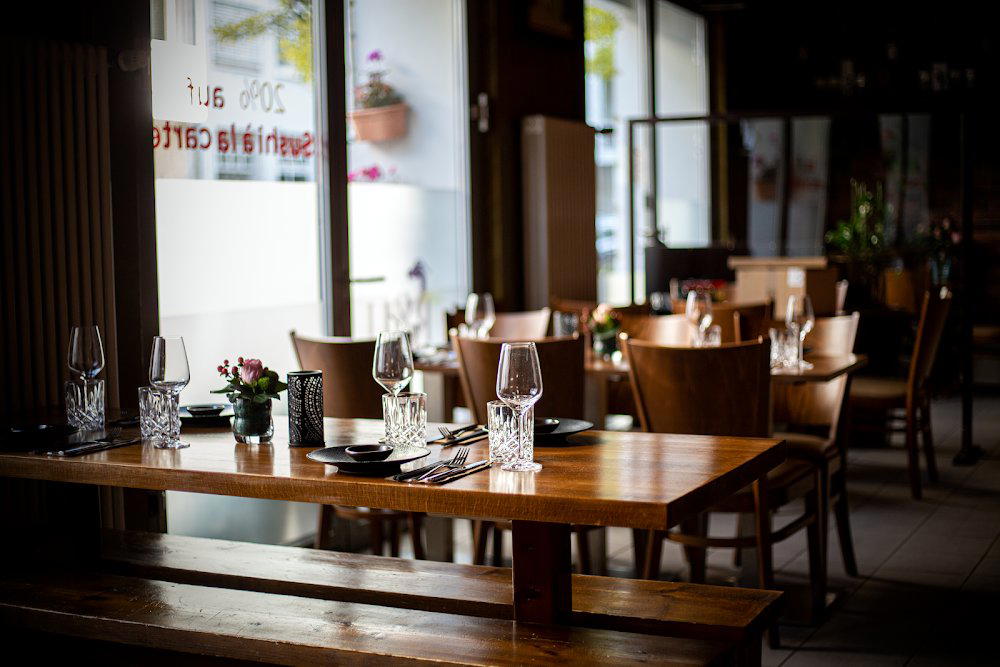
Neuhausen and the Case for Fusion Outside the Centre
Munich's dining conversation tends to orbit Maxvorstadt, the Altstadt, and the hotel dining rooms that cluster around the five-star belt. Neuhausen, by contrast, is where the city eats more quietly. The neighbourhood runs west from the Stiglmaierplatz U-Bahn stop along residential blocks that mix local bakeries, wine bars, and the kind of mid-scale restaurants that attract regulars rather than tourists. Blutenburgstraße 31, the address of RYU – Fusion Kitchen, sits in that residential grain, and the location itself is an editorial statement: this is cooking pitched at a local audience.
That positioning matters because fusion cooking in Germany has had a complicated decade. The format that defined mid-2000s European dining, Asian ingredients grafted onto French technique, presented with studied minimalism, has since split into two distinct streams. One runs upward into the starred tier, where kitchens like Tohru in der Schreiberei integrate Japanese and German traditions at a level of technical discipline that places them among Germany's most serious kitchens. The other stream stays neighbourhood-level, where the cooking is faster, the ticket price lower, and the ambition is about pleasure rather than formal progression. RYU operates in that second register.
The Fusion Register Munich Is Still Working Out
What Munich has not yet resolved, compared to cities like London or New York, is a stable middle tier for Asian-European fusion: technically serious, financially accessible, and consistent enough to earn a following. The city's upper-end handles it well. JAN and Atelier both work within creative frameworks that absorb international reference points without announcing them as a central concept. At Alois – Dallmayr Fine Dining, the focus is on Bavarian product filtered through contemporary creative technique. These are kitchens where the cooking philosophy is fully formed and the price point reflects it.
Below that tier, the options thin out. A handful of pan-Asian restaurants serve reliable food without much editorial point of view. A few Korean and Japanese specialists do single-cuisine work with integrity. The gap that remains is the restaurant that commits to genuine fusion thinking at a price point that allows repeat visits: not a chef's table with a beverage pairing, but a kitchen with a consistent logic about why these flavours belong together. Whether RYU fills that gap is something local regulars are in a better position to assess than a first-time visitor arriving with a checklist.
Wine and the Fusion Table: A Pairing Problem Worth Taking Seriously
The editorial angle that most rewards attention at any fusion kitchen is the wine list, because it reveals whether the kitchen has thought carefully about its own cooking or simply assembled a crowd-pleasing selection. Fusion menus are notoriously hard to pair: umami-heavy sauces, fermented elements, and the interplay of sweet, sour, and heat work against the European convention of matching wine to protein. The sommeliers at Germany's leading tables have spent years working through this. At Tantris, the cellar runs to thousands of references and leans heavily on Burgundy and Alsace, formats that have the acidity and aromatic range to follow complex sauces. At Vendôme in Bergisch Gladbach, the wine program is built to match a kitchen that moves across French and Asian registers within a single tasting menu.
For a neighbourhood fusion kitchen, the equivalent question is simpler but no less telling: does the list include by-the-glass options with enough range to handle heat, fat, and acidity across a multi-dish meal? Does it include Riesling from the Mosel or Nahe, which handles spice and umami better than most European whites? Is there anything orange or lightly oxidative for the dishes where you need skin-contact grip rather than fruit weight? The answers to those questions tell you more about the kitchen's self-awareness than the menu description does. RYU's list is worth asking about on arrival.
Germany's wider fusion scene has been building fluency with this problem. CODA Dessert Dining in Berlin has developed one of the country's more unconventional pairing programs, matching fermented and umami-led preparations with beverages outside the conventional wine canon. ES:SENZ in Grassau and Schanz in Piesport both work in the Mosel and Alpine wine traditions that suit precise, technically driven cooking. Internationally, Atomix in New York City has set a reference point for how a Korean-inflected tasting menu can carry a beverage program with genuine intellectual ambition, and Le Bernardin in New York City remains the argument that a seafood-focused kitchen at the highest level needs a sommelier team as technically rigorous as the kitchen itself.
Where RYU Sits in the Munich comparable set
The Munich restaurants most often cited as serious dining destinations occupy a narrower band than the city's overall restaurant count suggests. The Michelin-starred tier runs from Tantris and Atelier at the leading to a cluster of single-star kitchens working across French, German, and creative formats. Germany more broadly has starred kitchens spread across smaller cities: Aqua in Wolfsburg, Schwarzwaldstube in Baiersbronn, Waldhotel Sonnora in Dreis, Victor's Fine Dining by Christian Bau in Perl, Restaurant Haerlin in Hamburg, and Bagatelle in Trier, all of which operate in formal or semi-formal settings with deep wine programs and clear competitive positioning.
RYU is not competing in that tier. The Blutenburgstraße address and the fusion-kitchen designation place it in a neighbourhood category where the competitive set is different: other mid-range restaurants in Neuhausen and the western residential districts, rather than the hotel dining rooms and celebrated chef tables of central Munich. That is not a criticism. It is a description of how the city's dining options are actually structured, and it helps calibrate what a visit to RYU should be expected to deliver.
Planning a Visit
RYU – Fusion Kitchen is located at Address: Blutenburgstraße 31, 80636 München, in the Neuhausen district, accessible from Stiglmaierplatz U-Bahn (U1/U7). Reservations are recommended. Budget: around $33 per person. Dress: casual. Hours: Mon to Fri 11:30 AM to 2:30 PM and 5:30 to 10 PM, Saturday 5:30 to 10 PM, Sunday closed.
A Tight Comparison
Comparable venues nearby, for context on price, style, and recognition.
| Venue | Cuisine | Price | Notes |
|---|---|---|---|
| RYU – Fusion KitchenThis venue — the venue you are viewing | Neuhausen, Japanese-Vietnamese Fusion | $$ | Not listed |
| MAUI | Lehel, Hawasian & Vietnamese Fusion | $$ | Not listed |
| Palmtreeclub | Not listed | $$ | Neuhausen, Gluten-Free Indonesian-Inspired Fusion |
| El Chapo Neuhausen | Neuhausen, Tex-Mex Bar & Grill | $$ | Not listed |
| AOI Ramen | Neuhausen, Japanese Ramen Izakaya | $$ | Not listed |
| Kashgar Uyghur Restaurant | Not listed | $$ | Isarvorstadt, Uyghur / Xinjiang |
At a Glance
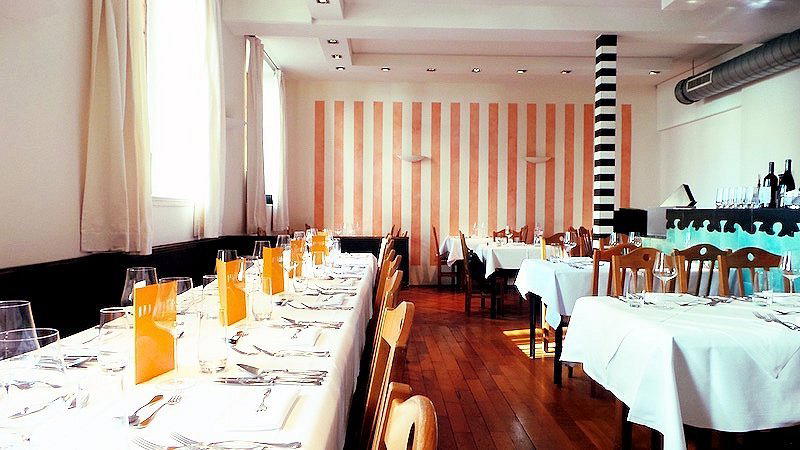
- Modern
- Elegant
- Cozy
- Casual Hangout
- Group Dining
- After Work
- Standalone
- Organic
Current opening hours
- Monday
- 11:30 AM–2:30 PM, 5:30–10 PM
- Tuesday
- 11:30 AM–2:30 PM, 5:30–10 PM
- Wednesday
- 11:30 AM–2:30 PM, 5:30–10 PM
- Thursday
- 11:30 AM–2:30 PM, 5:30–10 PM
- Friday
- 11:30 AM–2:30 PM, 5:30–10 PM
- Saturday
- 5:30–10 PM
- Sunday
- Closed
Hours can change for holidays and private events. Last verified .
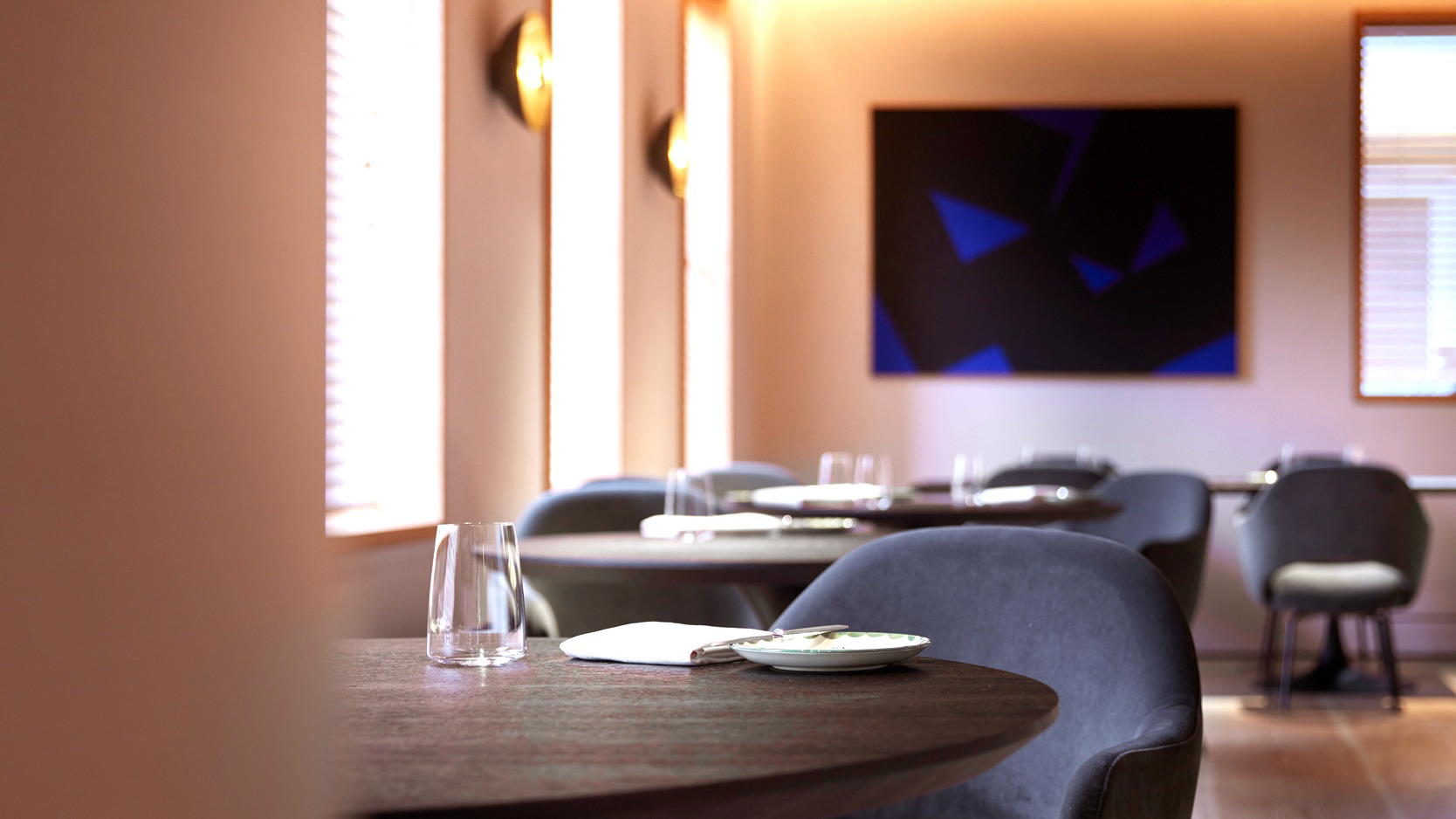
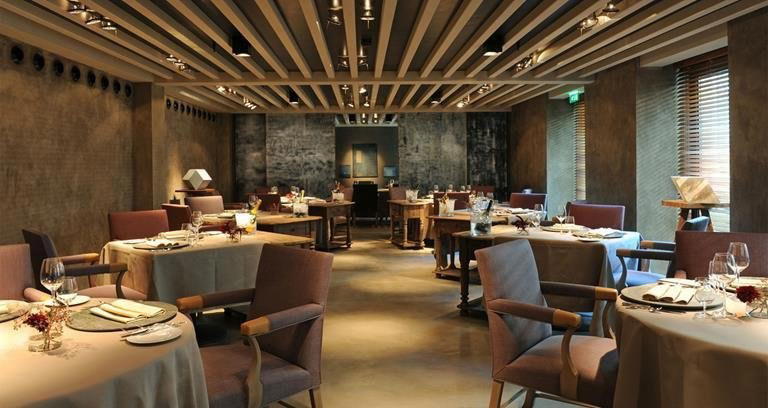
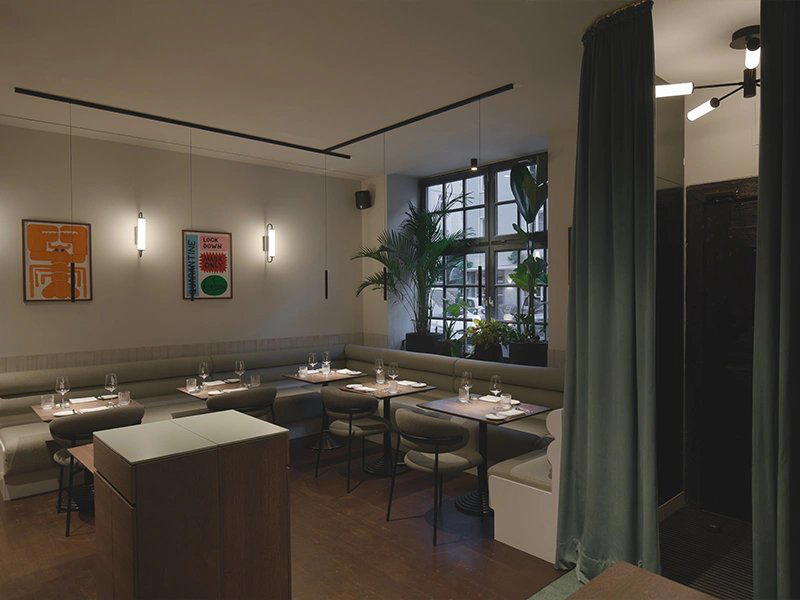
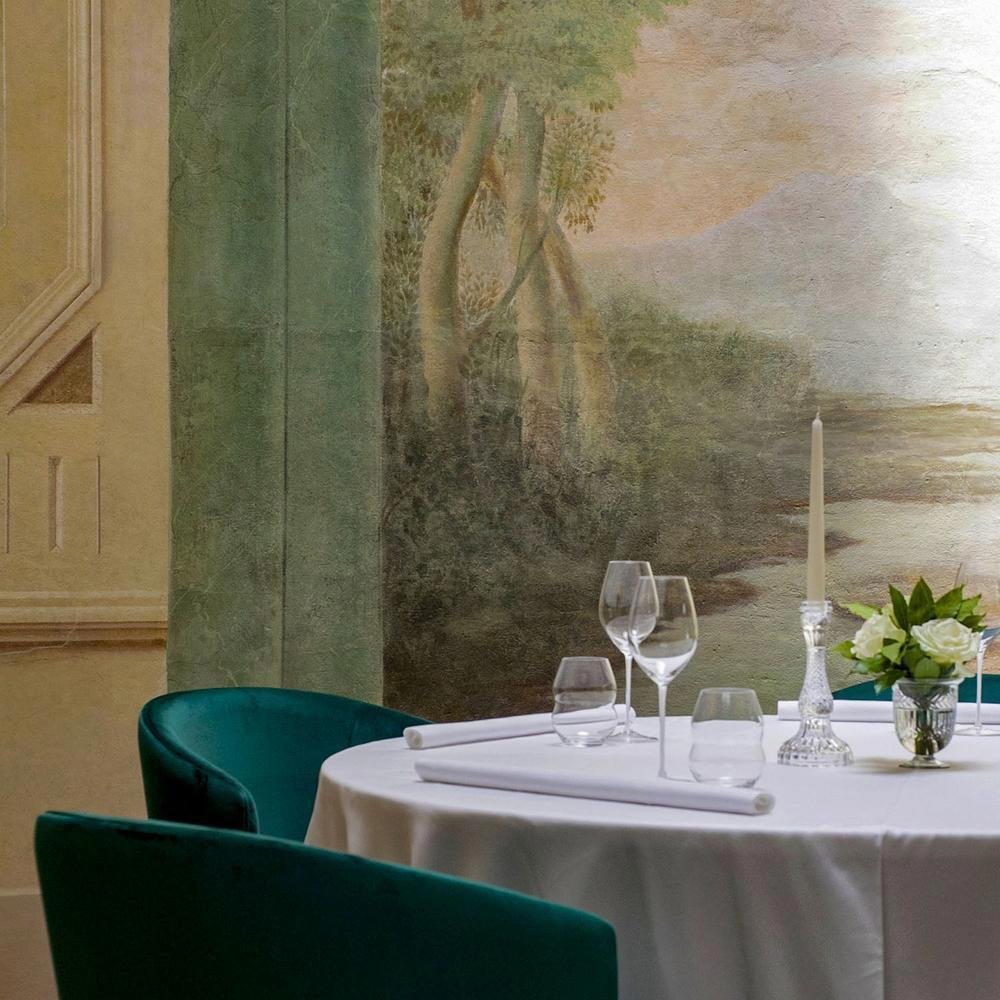
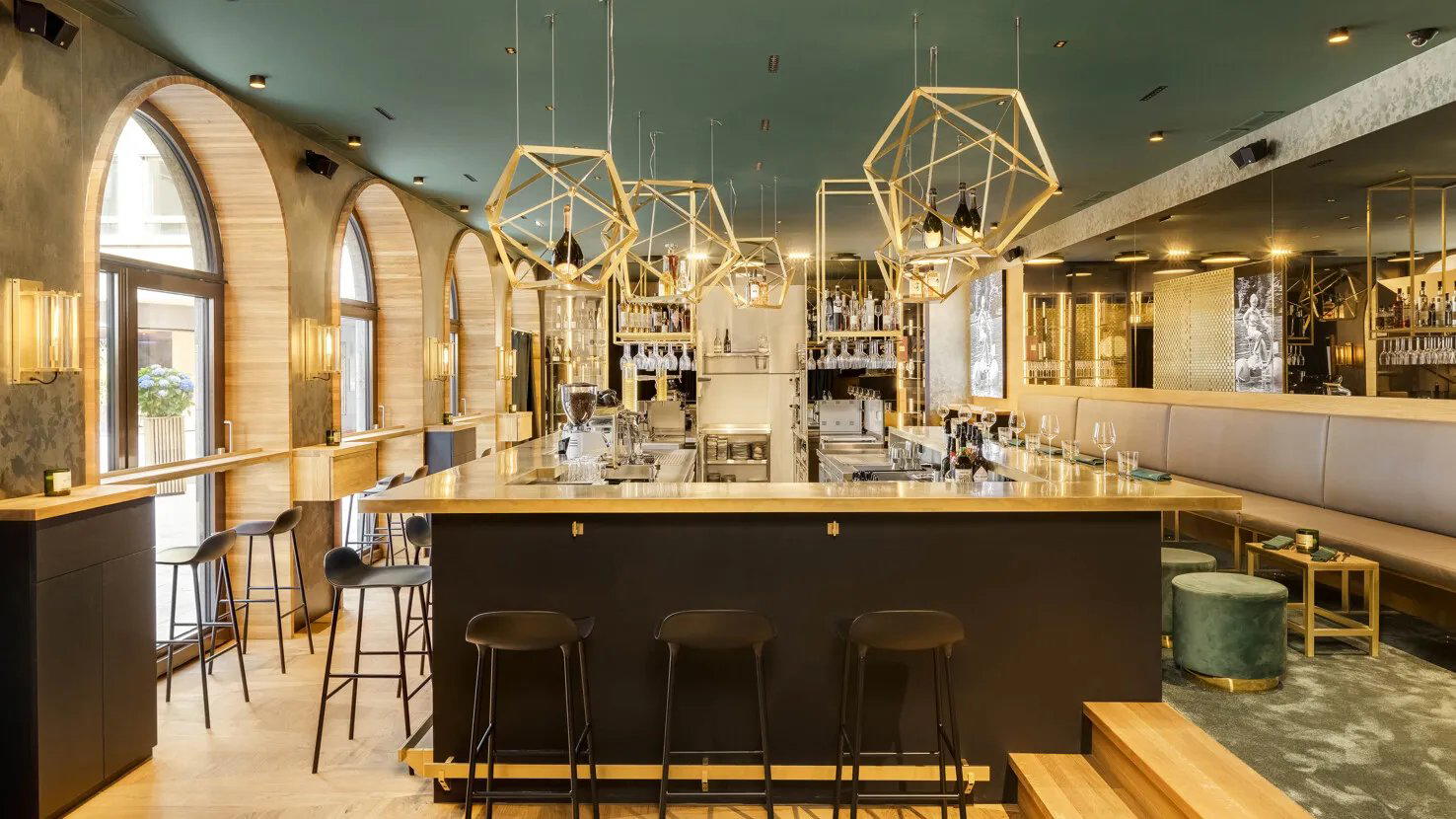
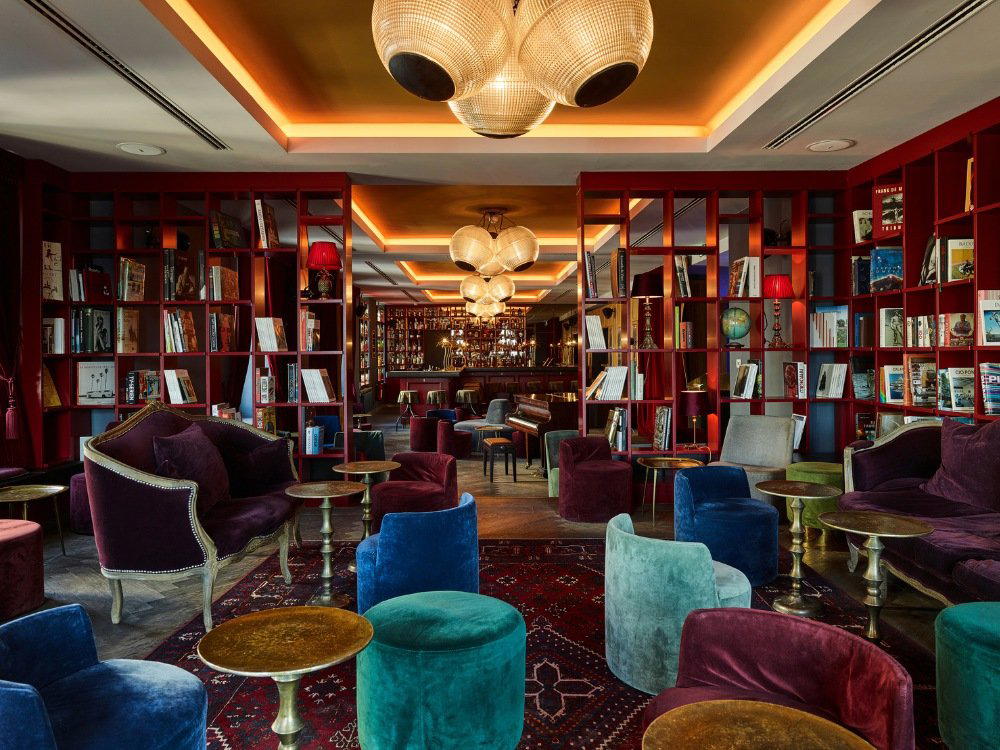
Elegant casual dining atmosphere with modern design elements and quality-focused presentation.