Positioned on the 13th floor of Times Square in Causeway Bay, Yuè occupies a tier of Cantonese dining that has quietly shifted over the past decade, as shopping-complex restaurants moved from afterthought to serious culinary address. The setting places it within easy reach of Hong Kong Island's dining corridor, where Cantonese tradition and contemporary reinvention now compete for the same table.
Pearl is the En Primeur Club membership app — saves, bookings, and concierge access live there. Same editors, same standards.
- Address
- Shop 1301, 13/F, Times Square, 1 Matheson St, Causeway Bay, Hong Kong
- Phone
- +85228383968
- Website
- lubuds.com
- Directions
- Get directions
 Saves & bookings on Pearl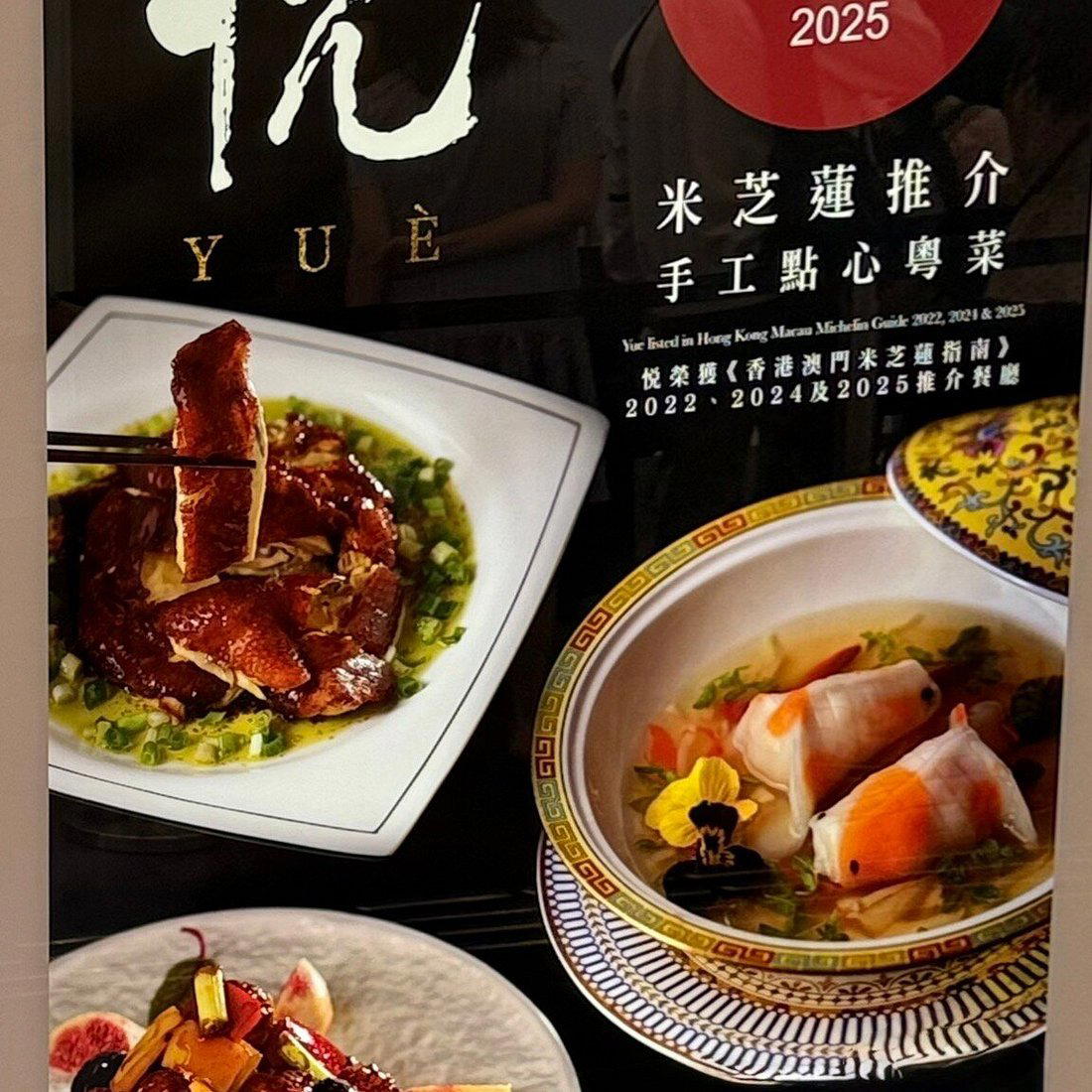
Cantonese Dining Inside the Mall: How the Format Evolved
Yuè is a Modern Cantonese restaurant in Causeway Bay, Hong Kong, with a price tier of about US$80 per person. For most of the twentieth century, the premium Cantonese dining room lived in a hotel or a standalone address in Wan Chai or Central. That division has narrowed considerably since the mid-2010s, as rising retail rents and shifting consumer patterns pushed credible operators into vertically integrated commercial developments. Times Square in Causeway Bay, one of Hong Kong's densest retail-and-dining stacks, now houses formats that would once have been implausible in that context. Yuè, on the 13th floor at Shop 1301, sits inside that shift.
Causeway Bay itself operates as a different dining register from Central. The neighbourhood's density, compressed between Victoria Park and the Cross-Harbour Tunnel approach, creates a dining audience that is heavily local, repeat, and familiar with value calibration. Restaurants here face a more demanding reckoning than those in hotel towers on Harbour Road. Cantonese rooms at this address compete not against the imported fine-dining formats you find at venues like Amber or Caprice, but against decades of accumulated neighbourhood expectation around roast meats, dim sum execution, and Cantonese seafood literacy.
The Physical Approach
Arriving at Yuè requires commitment to the Times Square vertical. The mall's lower floors belong to international retail; the restaurant levels emerge above the commercial noise, with the 13th floor offering a degree of separation from street-level Causeway Bay that functions almost as a threshold. The Matheson Street address places you at the eastern edge of the shopping district, a short walk from the MTR's Causeway Bay exit and the pedestrian flow between the mall and the tram lines along Yee Wo Street. For visitors arriving from Central or Admiralty, the Island Line runs directly here; the journey takes under ten minutes from Central station.
This kind of vertical positioning within a commercial tower has become its own dining typology in Hong Kong, used to different effect by operators across price tiers. The question it always raises is whether the environment inside justifies the approach, and whether the cooking can hold attention once the logistics are resolved.
Where Yuè Sits Against the Cantonese Spectrum
Hong Kong's Cantonese dining spectrum runs from dai pai dong informality to the highest tier of Michelin-annotated rooms. At the traditional apex, places like Forum have built their reputations across decades on ingredient sourcing and classical technique, abalone, whole fish, and roasted meats prepared with the kind of institutional continuity that is difficult to manufacture. That upper tier remains relatively stable, though individual venues within it have changed substantially in recent years.
The middle and upper-middle tiers are where reinvention has been most active. Post-2020, a number of established Cantonese addresses in Hong Kong either closed, relocated, or substantially revised their format, creating gaps that newer operators have moved to fill. The shift is not only about personnel changes; it reflects a broader recalibration of what a Cantonese meal is expected to deliver in terms of setting, service register, and price positioning. Diners who once defaulted to the same family-style banquet formula now expect a wider range of formats, including smaller parties, more tasting-menu structures, and seasonal variation in presentation that aligns with how the city's international dining scene operates.
For comparison: at the high end of Hong Kong's non-Cantonese fine dining, a three-Michelin-star Italian room like 8 1/2 Otto e Mezzo Bombana or a Franco-Japanese room like Ta Vie sets the pricing benchmark against which contemporaneous Cantonese rooms are now measured. That cross-category comparison has altered expectations in both directions: Cantonese operators have adopted elements of European fine-dining presentation, while non-Chinese formats have increasingly engaged with local ingredient sourcing and Chinese culinary reference points.
The Evolution Question
A Cantonese room in a major shopping complex, operating in Causeway Bay rather than in a hotel tower or standalone heritage building, is a product of specific post-pandemic conditions in Hong Kong's F&B; market.
Hong Kong's dining scene has shown consistent capacity to absorb this kind of structural change without losing its culinary identity. The Cantonese tradition here is deep enough that individual operators can pivot formats, change locations, or enter unusual settings without destabilising the overall category. What remains consistent across the evolution of the mid-to-upper Cantonese tier is the demand for technical precision in particular preparations: the texture of steamed fish, the colour and fat balance of char siu, the clarity of a double-boiled soup. Those benchmarks do not move regardless of whether the room is in a standalone address or on the 13th floor of a Times Square tower.
Lei Garden in Sha Tin to One-ThirtyOne in Tai Po, or follow the contrast into less-expected territory with Coconut Soup in Yau Tsim Mong and Hoi Tin Garden in Tuen Mun. For a point of cross-cultural reference, the discipline that defines high-end Cantonese cooking is not dissimilar to what separates the tiers at a room like Le Bernardin in New York, where the treatment of primary ingredients under strict technique is the entire argument.
Given the neighbourhood's density and the concentration of dining demand in the building itself, weekend reservations for Cantonese rooms at this address tend to fill earlier in the week than comparable rooms in Central or Wan Chai.
The area rewards return visits across multiple meal formats rather than a single extended outing.
Compact Comparison
Comparable venues nearby, for context on price, style, and recognition.
| Venue | Cuisine | Price |
|---|---|---|
| YuèThis venue — the venue you are viewing | Wan Chai, Modern Cantonese | $$$ |
| Yung Kee Restaurant (鏞記) | Central, Classic Cantonese Roast Goose | $$$ |
| Happy Paradise | Central, Neo-Chinese | $$$ |
| Yue | Tung Chung, Modern Cantonese Dim Sum | $$$ |
| Tim's Kitchen | Wan Chai, Traditional Cantonese | $$$ |
| The Royal Garden Chinese Restaurant | Yau Tsim Mong South, Authentic Cantonese | $$$ |
Continue exploring
More in Hong Kong
Restaurants in Hong Kong
Browse all →
Bars in Hong Kong
Browse all →
At a Glance
- Elegant
- Modern
- Sophisticated
- Business Dinner
- Special Occasion
- Group Dining
- Private Dining
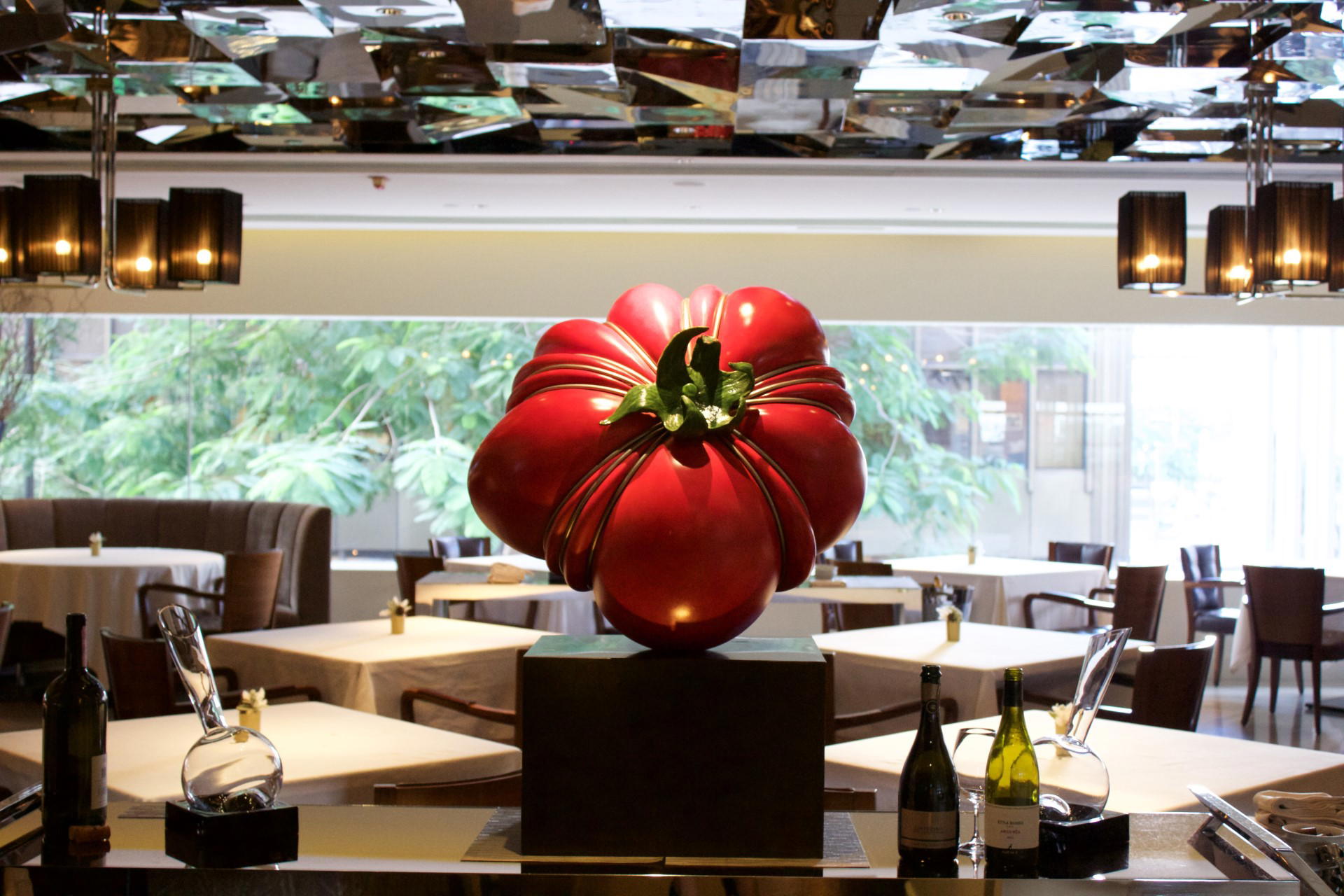
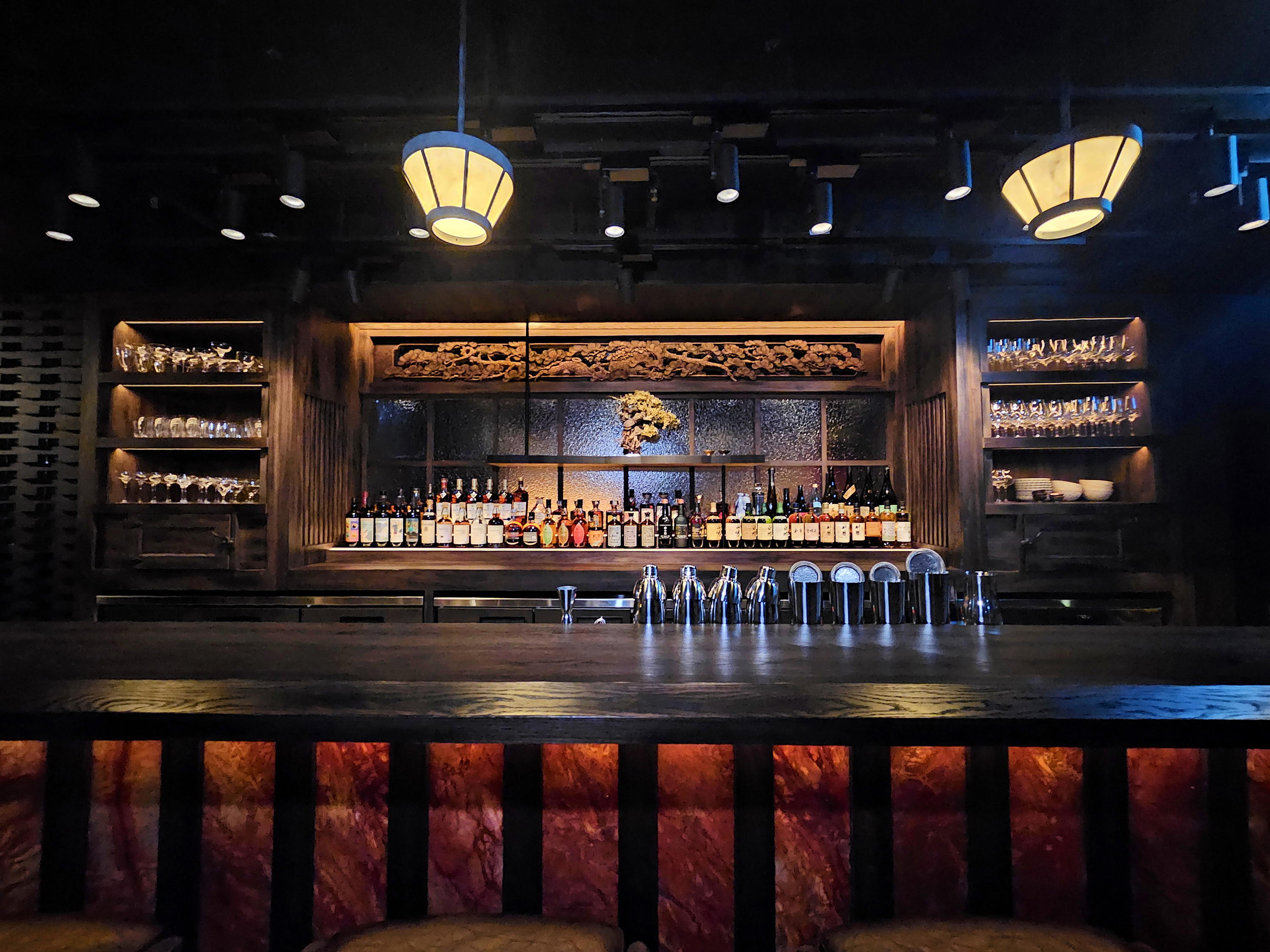
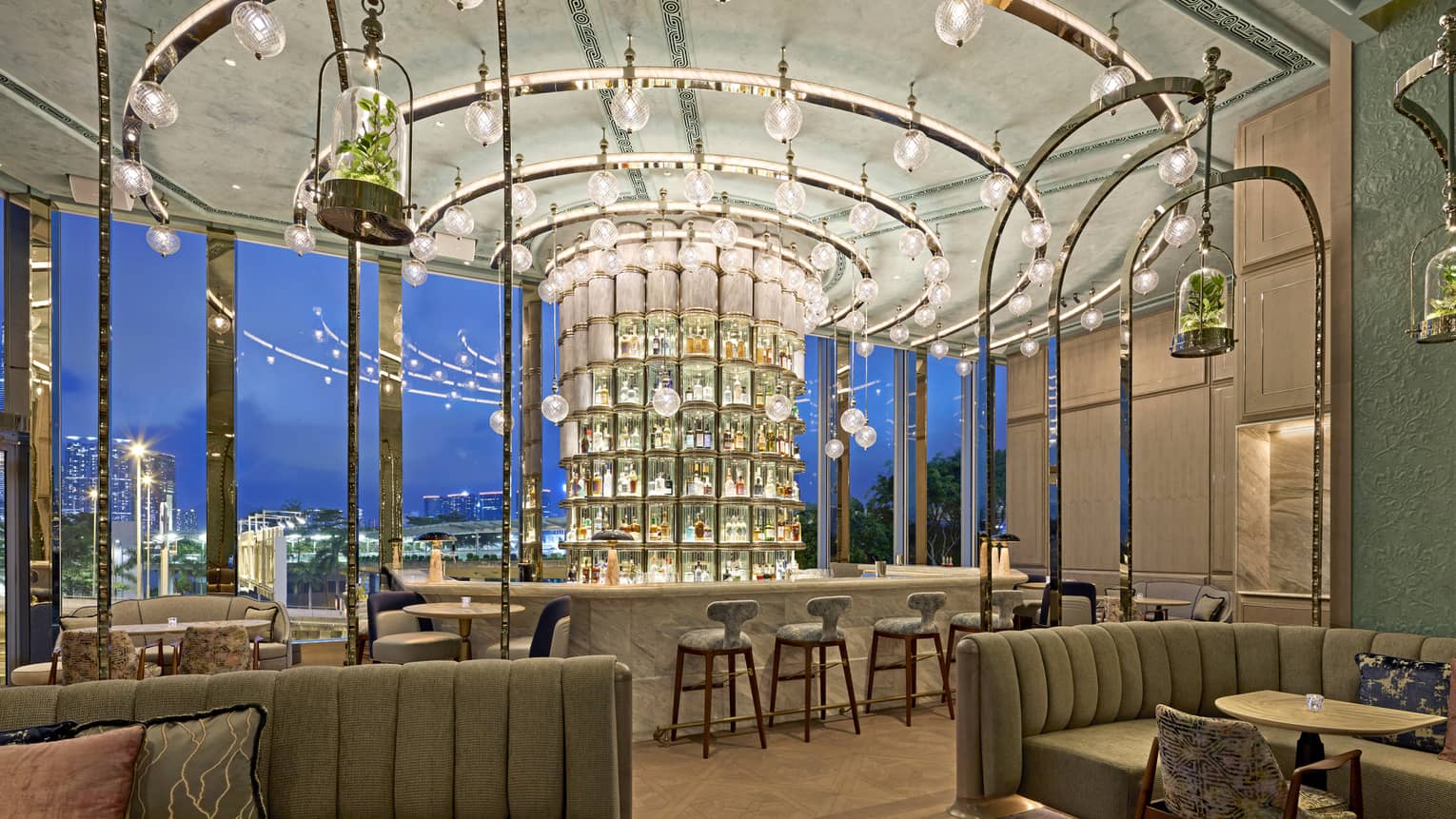
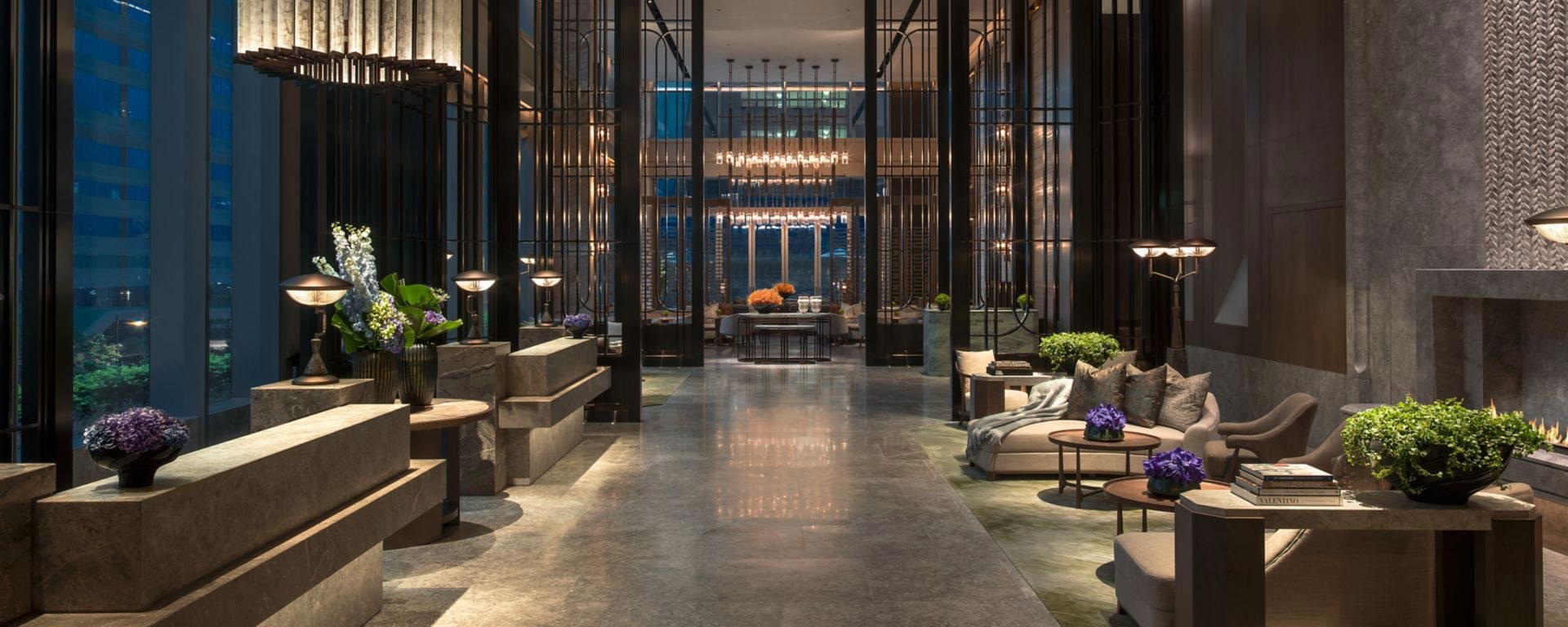
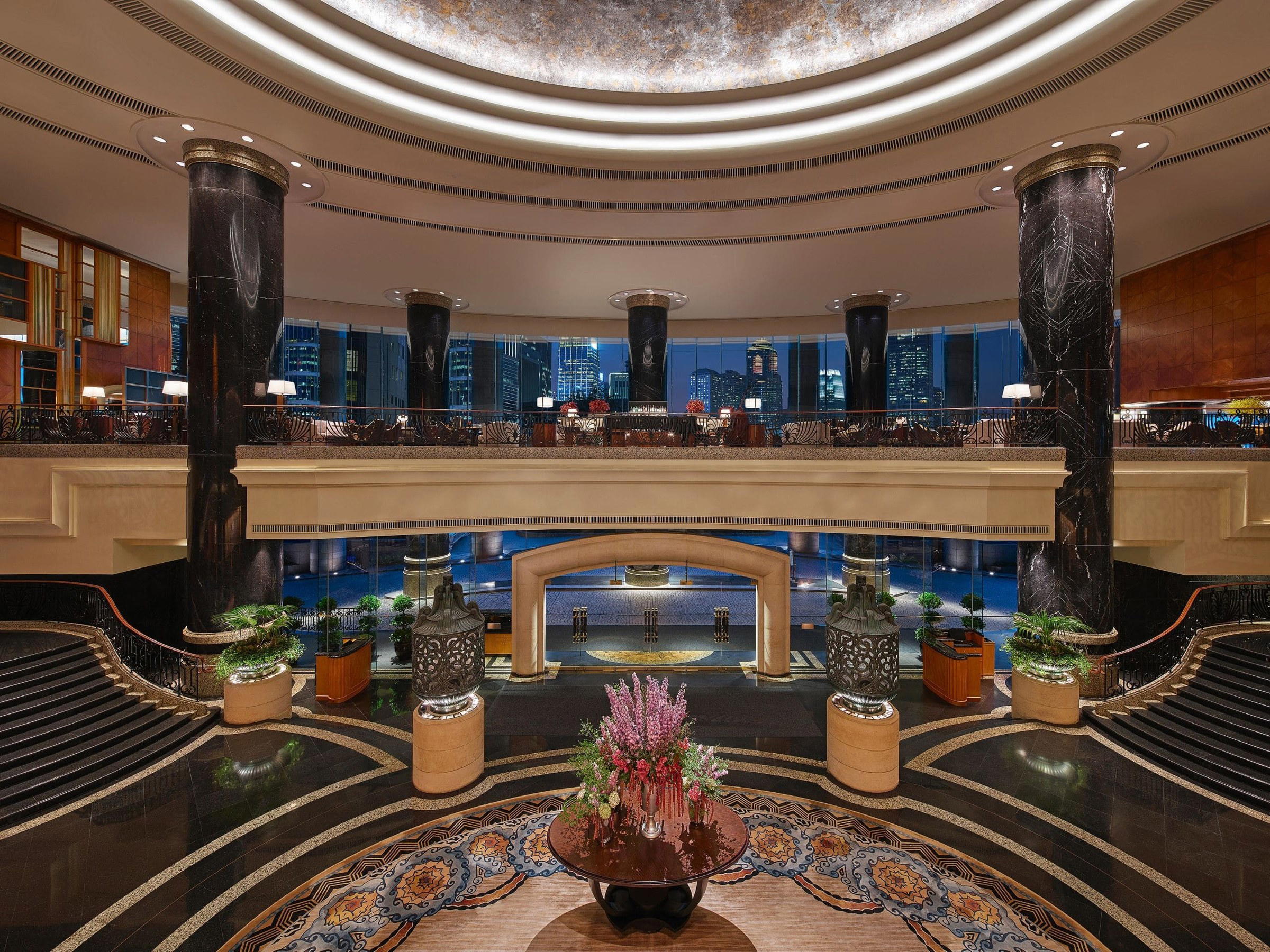
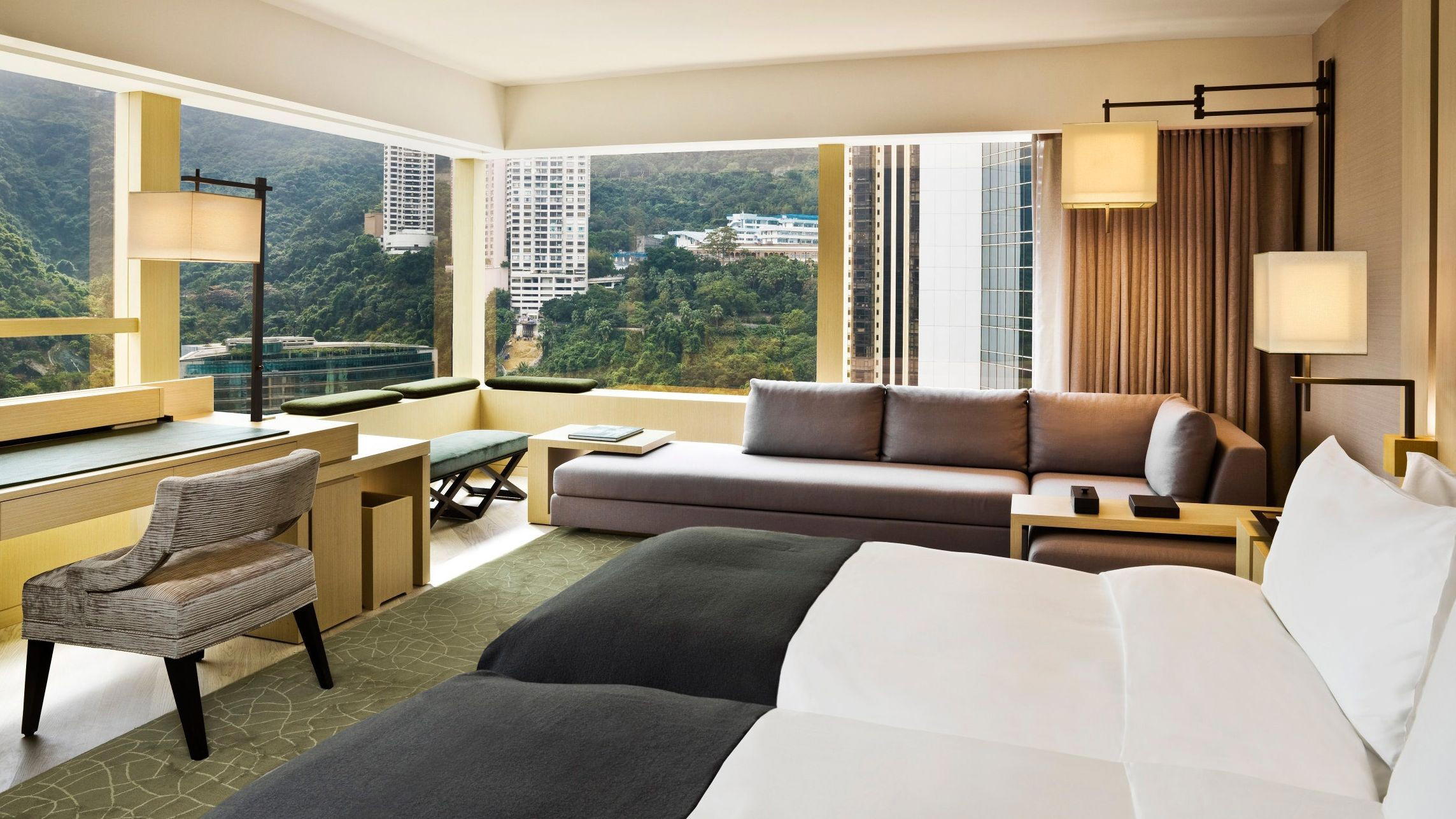
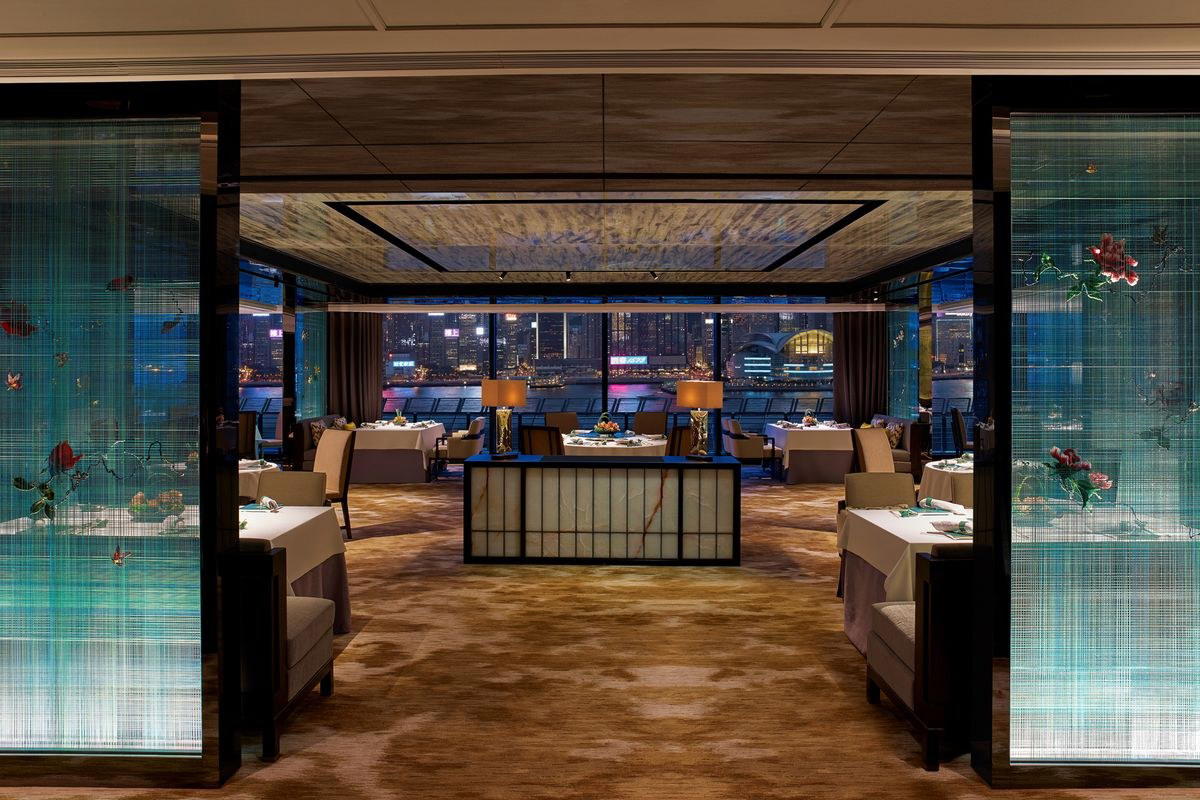
Bright airy interiors with soft furnishings and rich mahogany furniture accented by Qing Dynasty art.