Skip to Main Content
Fujian Cuisine

Google: 5.0 · 2 reviews

← Collection
Guangzhou, China

Yu Garden

CuisineFujian
Price¥¥
Dress CodeSmart Casual
ServiceUpscale Casual
NoiseQuiet
CapacityMedium
Michelin

A Michelin-starred Fujian table operating on the fringes of Guangzhou's dining scene, Yu Garden takes a deliberate step away from the city's Cantonese mainstream. Chef May's art-filled space brings ingredients shipped directly from Fujian province, with dishes like sea worm jelly and Xiamen ginger duck stew anchoring a menu where provenance is the point. Private rooms are available for more considered occasions.

Pearl is the En Primeur Club membership app — saves, bookings, and concierge access live there. Same editors, same standards.

Yu Garden restaurant in Guangzhou, China
About

Outside the Centre, Outside the Canon

Guangzhou's fine dining identity is shaped almost entirely by Cantonese tradition. The city's Michelin constellation skews heavily toward dim sum masters, roast specialists, and Chao Zhou tables — venues like Imperial Treasure Fine Chinese Cuisine and BingSheng Mansion that anchor themselves firmly in regional Cantonese lineage. Fujian cuisine, by contrast, occupies a narrower register in this city: umami-forward, rooted in coastal fermentation and fresh seafood, and far less represented at the starred level. Yu Garden's 2025 Michelin star is, in that context, a recognition of something genuinely outside the local mainstream.

The restaurant sits away from Guangzhou's central dining corridors, a deliberate spatial choice that signals something about the kind of experience on offer. In a city where many of the most-discussed tables cluster around Tianhe and the Pearl River waterfront, operating on the periphery tends to mean one of two things: a venue that hasn't yet found its audience, or one that has decided its audience will make the effort. Yu Garden belongs to the second category.

An Airy Room Built for Looking

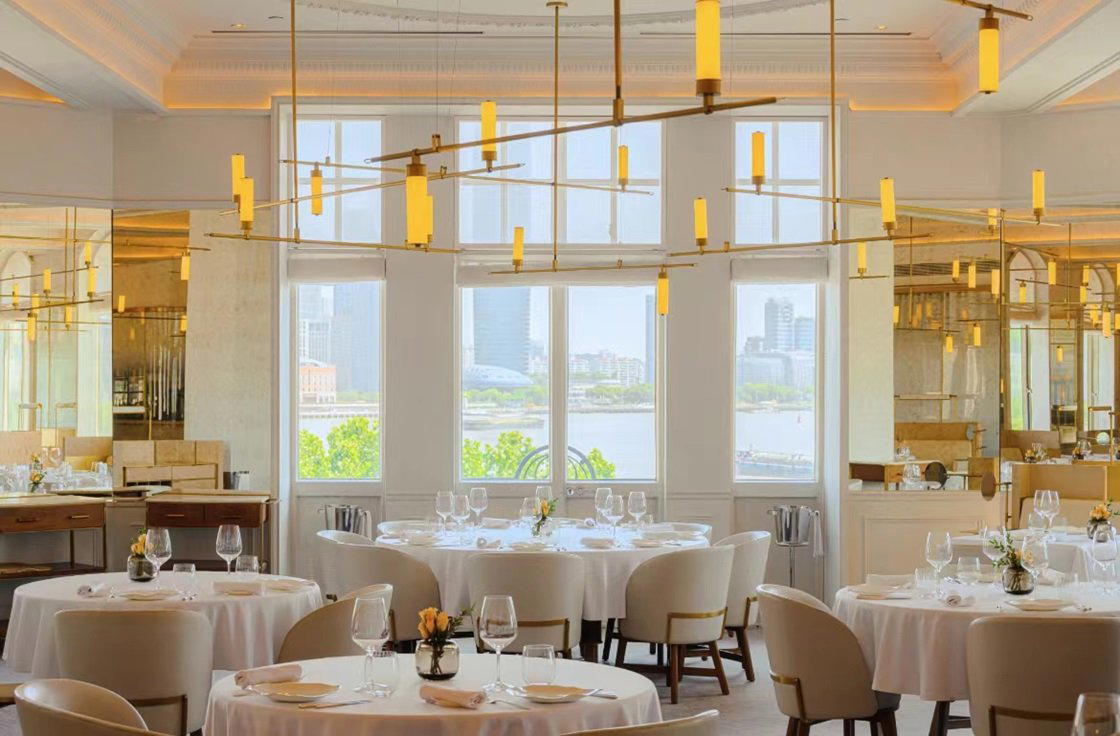
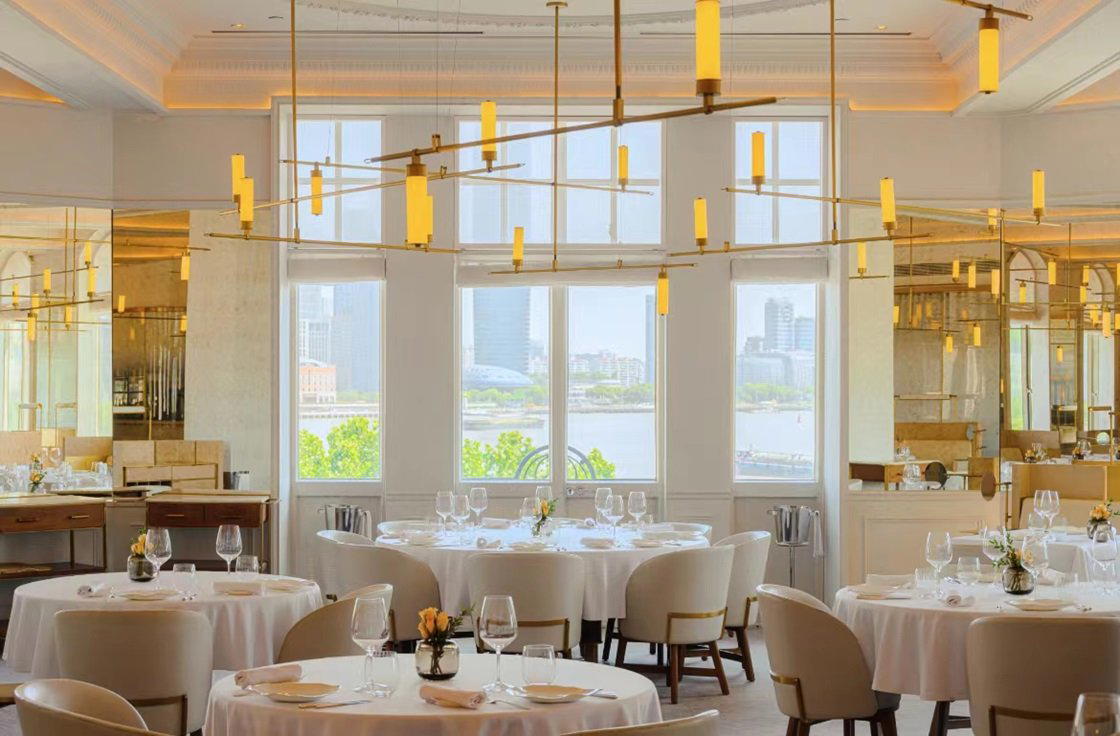
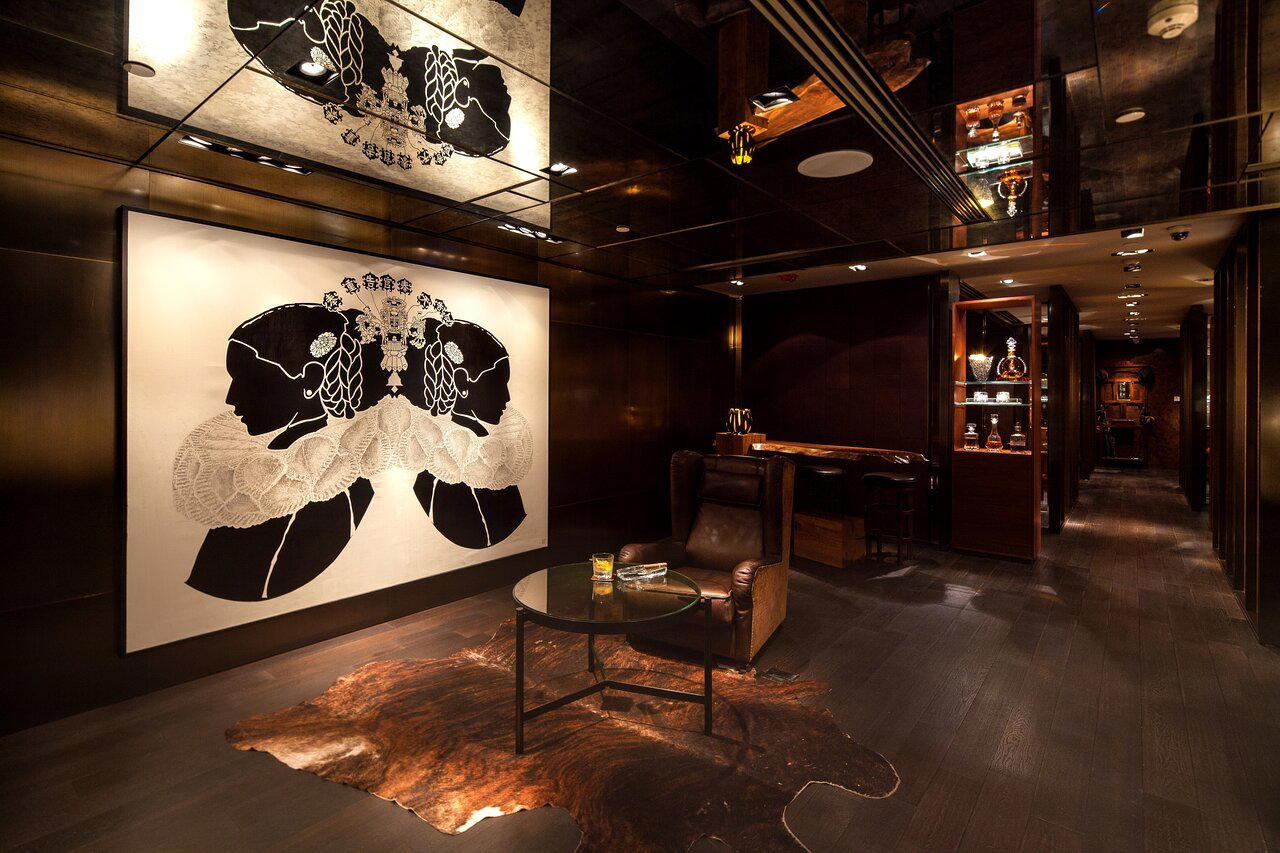
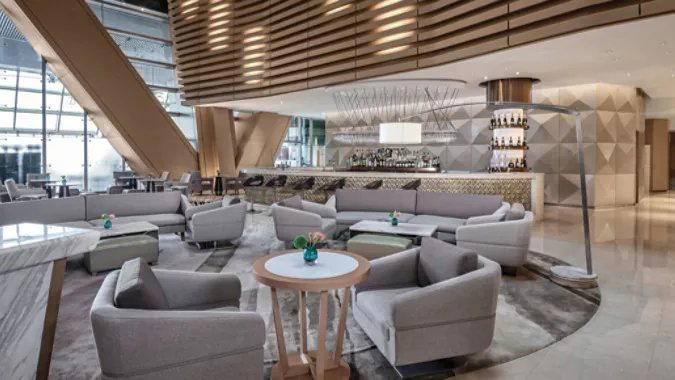
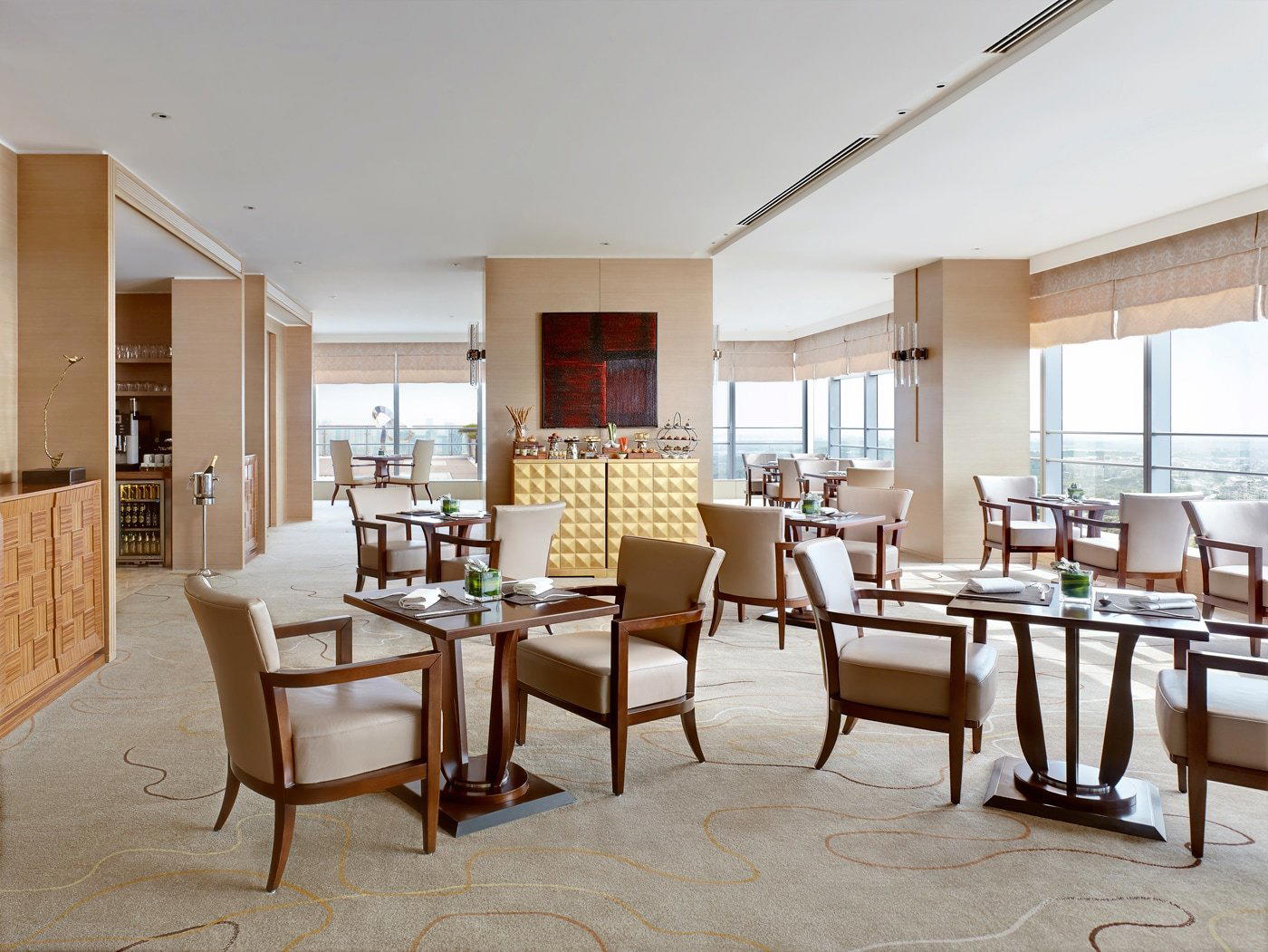
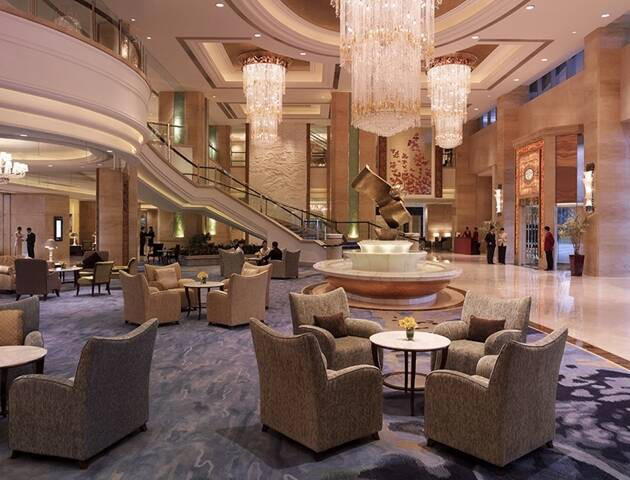
The physical environment at Yu Garden reads more like a gallery annex than a conventional dining room. Artworks on loan from a nearby gallery rotate through the space, meaning the walls carry a different visual weight depending on when you visit. Tables are well spaced — a luxury in Guangzhou's denser commercial dining rooms , and the overall atmosphere runs toward calm and considered rather than festive or theatrical. The light is generous. The proportions feel deliberate.

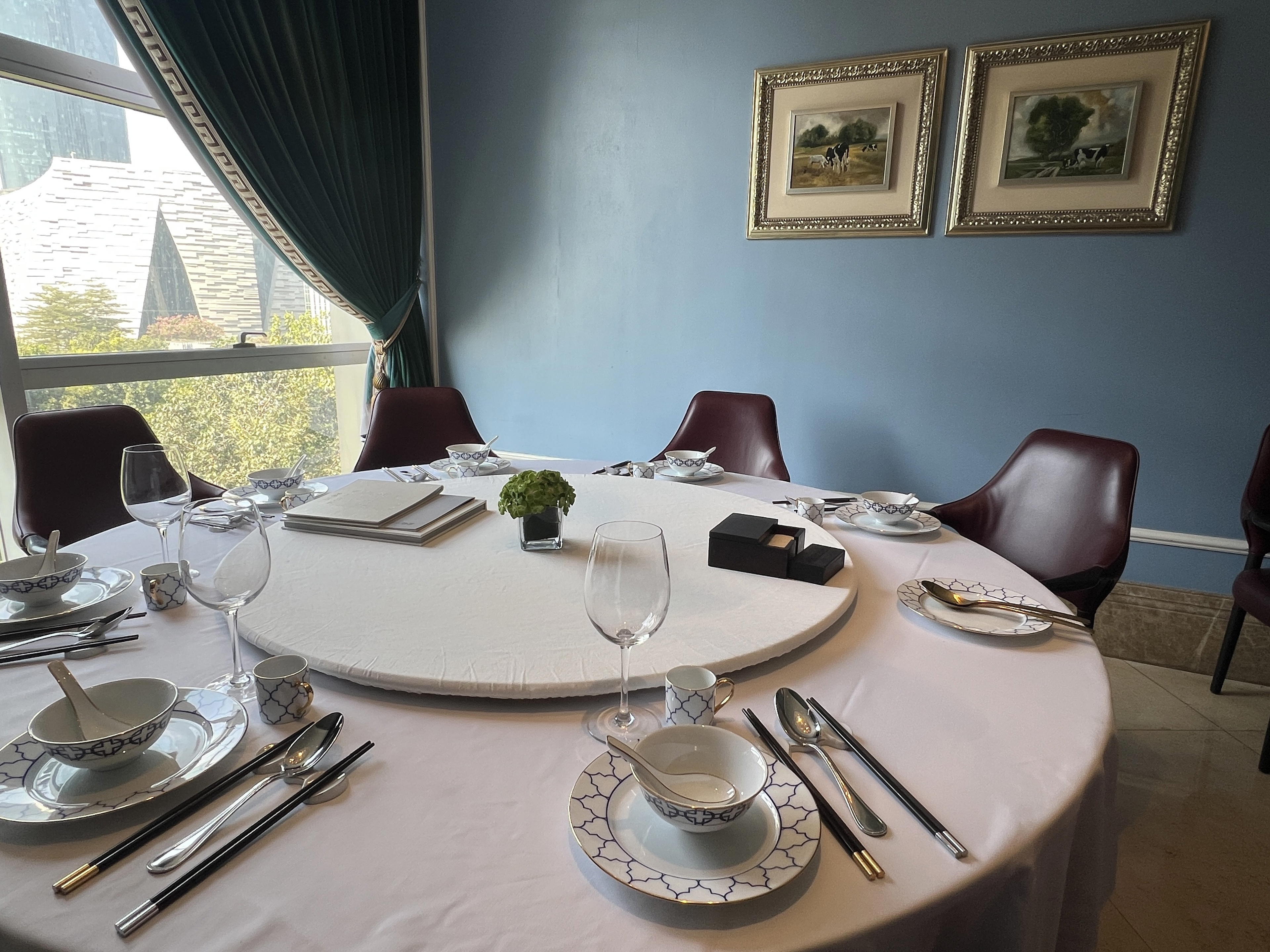
Private rooms are available for occasions where the main dining room's more open layout doesn't suit. This matters in a city where private dining retains significant cultural weight, whether for business meals or family gatherings where conversation should not travel between tables. Booking a private room here places you in a different tier of the experience, and it's worth factoring in when planning for groups.

The design sensibility connects to a wider shift in Chinese fine dining, where a cohort of chef-led independent restaurants have moved away from the gilded formality that defined luxury dining a decade ago. Venues like Chōwa and Taian Table in Guangzhou each occupy this newer register in their own way , spaces where the architecture and art programme carry as much intention as the food. Yu Garden's gallery loans put it firmly in that company.

Fujian Cuisine and the Ethics of Provenance

The sustainability story at Yu Garden is not one of certified programmes or corporate pledges. It runs through a more fundamental decision: sourcing the majority of ingredients directly from Fujian province and shipping them to Guangzhou, rather than substituting with locally available approximations. In a cuisine where the identity of the ingredient is inseparable from the character of the dish, that commitment carries real weight.

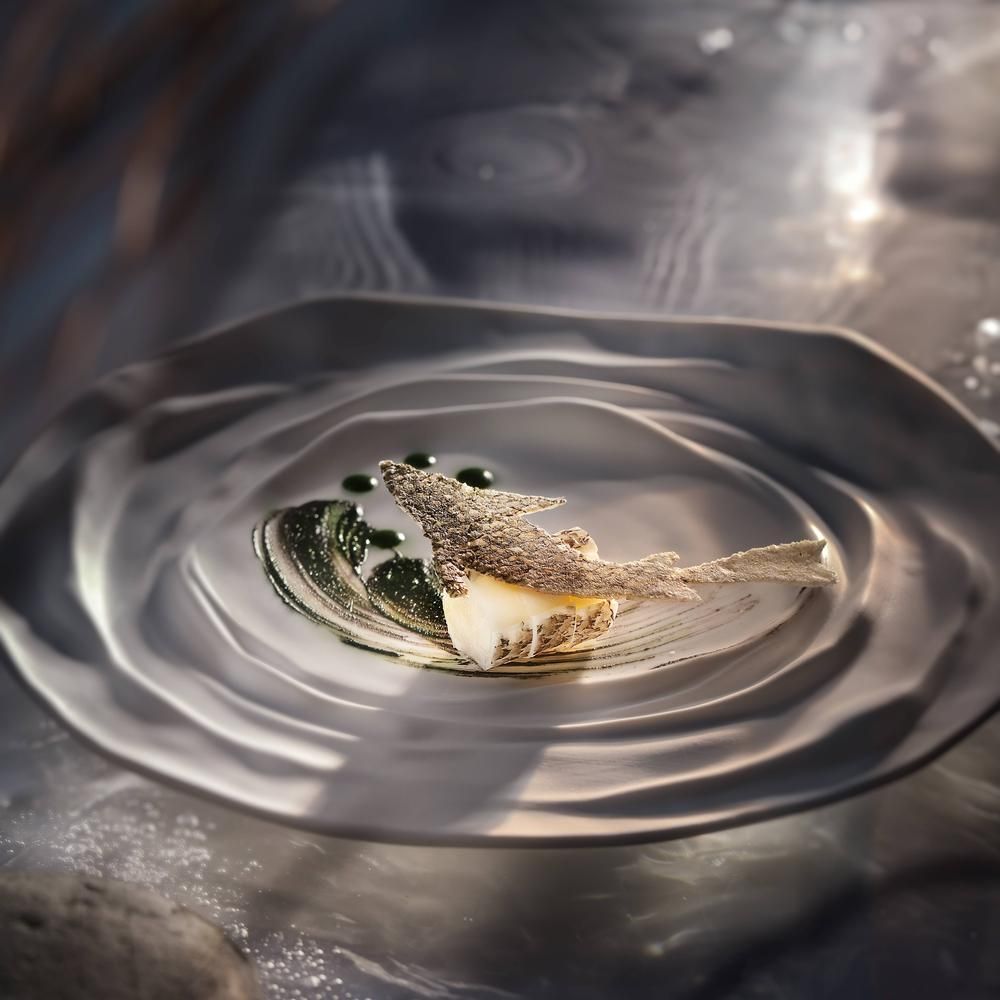
Fujian cooking draws from a coastal geography of estuaries, rocky shoreline, and mountain river systems. Sea worm jelly , listed among the kitchen's specialities , requires sea worms harvested from specific tidal flats along Fujian's coast, their natural gelatin set into a cool, translucent block with an iodine depth that farmed substitutes cannot replicate. Xiamen ginger duck stew carries the aromatic logic of a dish calibrated to that port city's climate and pantry. Both dishes lose their meaning if the sourcing drifts.

This is a different kind of sourcing commitment from the farm-to-table model common in European and American fine dining. It is less about reducing food miles and more about preserving a cuisine's material integrity. The supply chain runs from the source of the tradition, not the nearest organic farm. For Fujian specialists in other Chinese cities, this is a recurring tension: Hokkien Cuisine in Chengdu and Hokklo in Xiamen each move through the same question of how much regional authenticity can survive displacement. Yu Garden's answer is to keep the supply line intact rather than adapt the menu to local availability.

Fujian cuisine is also one of the stronger cases in Chinese cooking for the argument that fermentation and curing traditions represent an early form of waste reduction, preserving harvests across seasons in ways that generate complex flavour as a byproduct. The province's fish sauce tradition, its preserved vegetables, its dried seafood categories , these are not nostalgic holdovers but functional systems with genuine environmental logic. A kitchen that draws on these traditions is working within a culinary heritage that pre-empts a lot of what contemporary sustainability discourse has only recently named.

Where Yu Garden Sits in the Wider Fujian Conversation

Michelin has been progressively attentive to Fujian cooking across mainland China and the broader region. In Beijing, Xin Rong Ji has established Fujian cuisine as a credible presence in the capital's starred tier. In Hangzhou, Ru Yuan operates in a similar register of regional specificity given critical recognition. Xin Rong Ji in Chengdu extends that footprint westward. Yu Garden's 2025 star places Guangzhou on that map for the first time at this level.

The comparison worth drawing is not just within the Fujian category but within the broader Guangzhou starred landscape. Against Jiang by Chef Fei or the highest tier of Guangzhou's Cantonese tables, Yu Garden operates in a distinct key , lower price point at ¥¥ against the ¥¥¥ bracket occupied by most Guangzhou starred restaurants, a non-Cantonese menu, and a location that requires deliberate planning rather than opportunistic booking. The price differential is meaningful: a Michelin-starred Fujian meal at ¥¥ pricing sits in a bracket where few starred tables in mainland China operate, and it makes the restaurant accessible to a different visiting profile than the ¥¥¥ and ¥¥¥¥ rooms further covered in our full Guangzhou restaurants guide.

For context on how Fujian cooking sits within a broader regional sweep, 102 House in Shanghai and Chef Tam's Seasons in Macau show how premium Chinese regional cuisine tables with strong provenance credentials position themselves within their respective cities. Dai Yuet Heen in Nanjing offers another reference point for how Cantonese-adjacent traditions carry to cities where they are not the local default.

Planning Your Visit

Know Before You Go

  • Cuisine: Fujian
  • Price range: ¥¥
  • Awards: Michelin 1 Star (2025)
  • Setting: Airy gallery-style dining room with rotating artwork on loan from a nearby gallery; well-spaced tables
  • Private dining: Private rooms available , recommended for groups or special occasions
  • Location: Outside central Guangzhou; plan travel accordingly
  • Booking: Contact details not publicly listed in our database , check current booking channels directly

For hotels near Yu Garden's neighbourhood, see our Guangzhou hotels guide. For bars and drinks programmes in the city, our Guangzhou bars guide covers the current landscape. If wine or experiences are part of your visit, the wineries guide and experiences guide are the places to start.

Signature Dishes
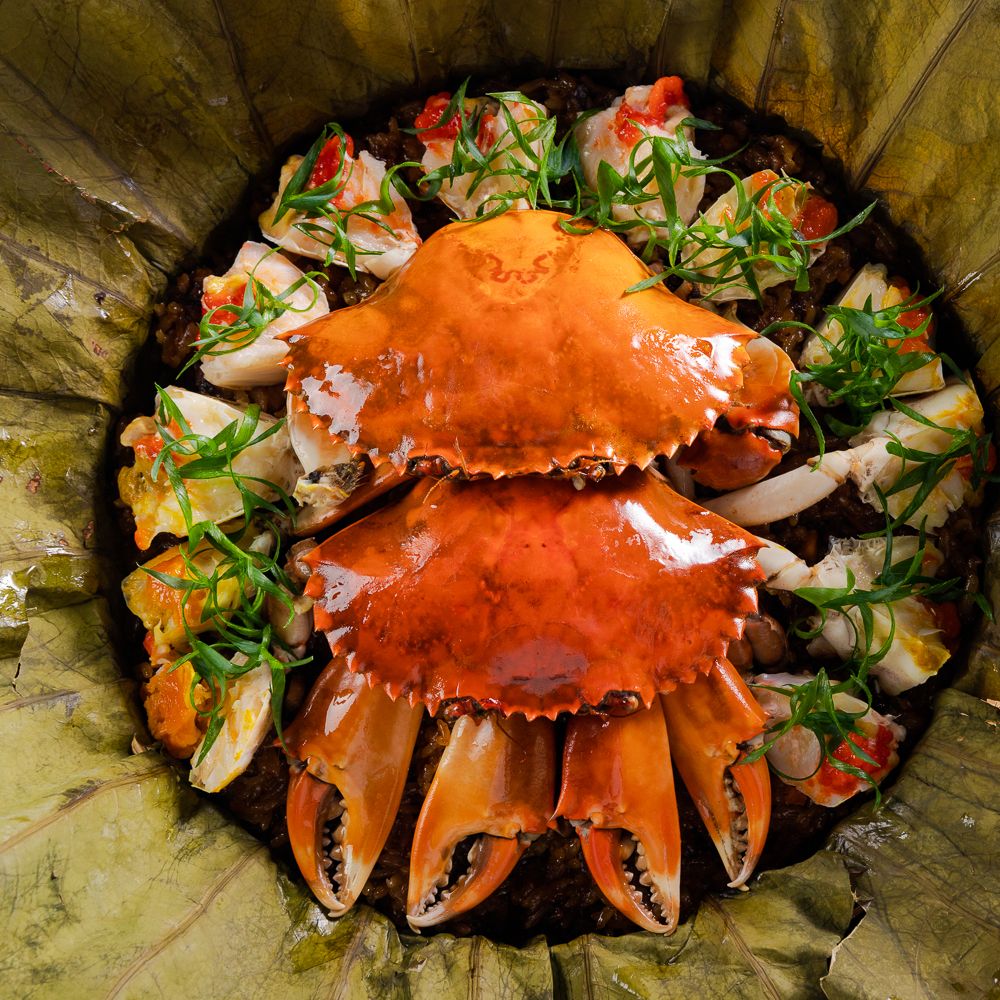
Xiamen ginger ducksea worm jelly
Frequently asked questions

At-a-Glance Comparison

A short peer set to help you calibrate price, style, and recognition.

At a Glance
Vibe
  • Elegant
  • Sophisticated
Best For
  • Business Dinner
  • Special Occasion
Experience
  • Private Dining
Views
  • Garden
Dress CodeSmart Casual
Noise LevelQuiet
CapacityMedium
Service StyleUpscale Casual
Meal PacingLeisurely

Airy space adorned by artworks from nearby gallery with well-spaced tables creating an elegant and artistic atmosphere.

Signature Dishes
Xiamen ginger ducksea worm jelly