
Yorgo places Fukuoka’s bistro culture in a sharper frame: counter-led, wine-aware, and closer to a neighbourhood dining room than a formal French room. Its selection for Tabelog French WEST “Tabelog 100” 2025 gives the address a clear trust signal, while the Daimyo setting keeps the experience tied to the city’s casual, ingredient-driven eating habits.
Pearl is the En Primeur Club membership app — saves, bookings, and concierge access live there. Same editors, same standards.
- Address
- 福岡県福岡市中央区大名1-2-15 GF SQUARE大名 1F 餃子のラスベガス
- Phone
- +81927258277
- Website
- tabelog.com
 Saves & bookings on Pearl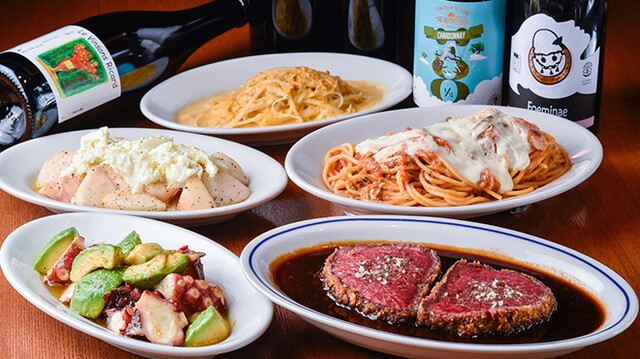
Approach in Daimyo and Tenjin retail traffic gives way to side streets, where Fukuoka’s strongest dining often hides behind modest frontage and shared-building addresses. The counter format changes the register of French-influenced cooking: less ceremony, more immediacy, and a closer relationship between wine, pacing, and the kitchen.
Fukuoka has never needed Tokyo’s luxury dining hierarchy to be taken seriously. Its food culture is built on proximity: fish markets, Kyushu vegetable growers, noodle counters, izakaya, and a public that eats out often enough to reward consistency over spectacle. In that context, Yorgo belongs to a local bistro tier where French vocabulary is useful, but sourcing logic is regional. Seasonal cooking is the operating system, letting a small kitchen move with produce, seafood, and drinking habits rather than fixed grand-restaurant choreography.
Kyushu ingredients give the bistro format its reason to exist
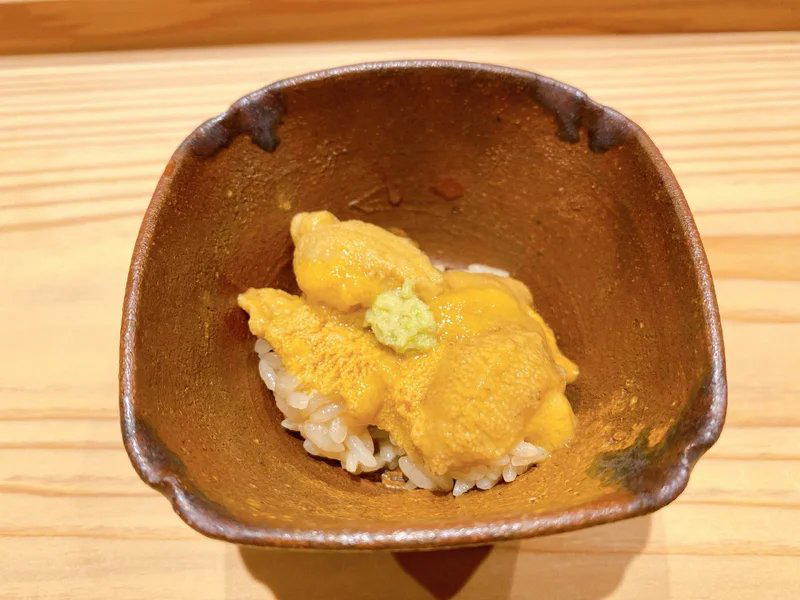
The stronger Fukuoka bistros work because Kyushu gives them material: seafood from the Genkai Sea, vegetables from surrounding prefectures, and a drinking culture comfortable moving between sake, shochu, wine, and late-evening snacks. French technique can sharpen that raw material, but rarely needs to dominate it. That separates a bistro with local intelligence from a restaurant using French as costume.
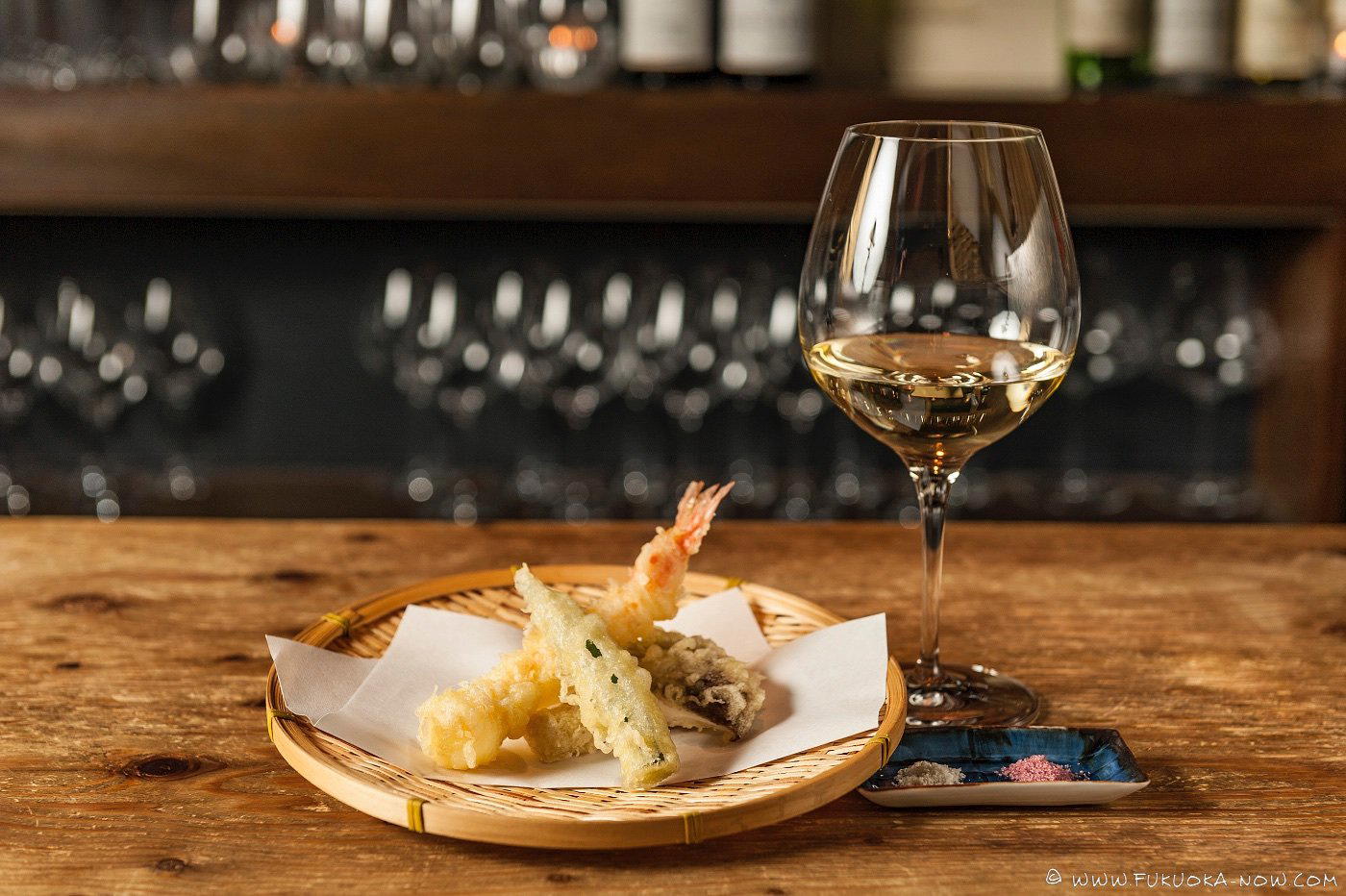
Yorgo’s public positioning around seasonal dishes and wine puts it in that first camp. The Tabelog French WEST “Tabelog 100” 2025 selection matters because it places the restaurant inside a regional French category, not a generic popularity list. A 3.73 Tabelog score is another signal: in Japan’s review culture, that sits in serious territory, especially for a compact, counter-led bistro rather than a large-format dining room built for guidebook theatre.
Against Fukuoka peers in the supplied set, pricing clarifies its role. LAS VEGAS operates in a lower casual bracket; KYuNii and Mashiko occupy a higher spend band; MOMOTA Bar sits closer on spend but belongs to a different drinking-led category. Yorgo lands in the middle, where the choice is less about luxury than wanting a proper evening anchored by wine and seasonal cooking. That tier is where Fukuoka can be especially persuasive: serious enough to plan around, relaxed enough to feel native to the city.
A counter changes the way French cooking behaves in Fukuoka
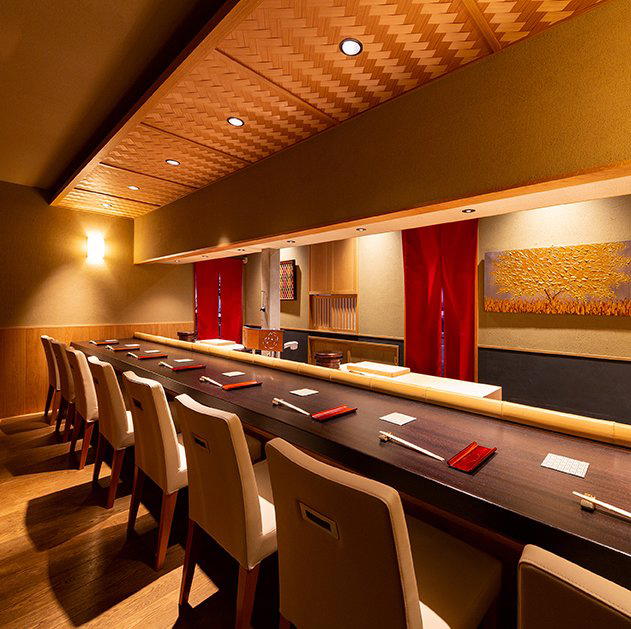
Thirty counter seats make the format unusually direct. Counter dining is often associated with sushi, tempura, and kappo, but in Fukuoka it also suits bistro cooking because it removes distance between kitchen rhythm and diner rhythm. A wine-focused meal need not be stiff to be thoughtful; the counter keeps the energy closer to an izakaya while the category points toward French technique and structured pairing.
That hybrid character helps travellers understand Fukuoka beyond ramen shorthand. The city’s restaurant scene is not split neatly between street-food ease and formal omakase. A broad band borrows the intimacy of Japanese counter culture and applies it to Western categories: bistro, wine bar, grilled meat, curry, and small-plate dining. For a broader read, Our full Fukuoka restaurants guide gives the better map than chasing one genre.
The sourcing angle also separates this meal from a classic Tokyo French template. Tokyo often rewards technical polish and imported luxury cues; Fukuoka rewards restaurants that understand season, appetite, and wine service as conversation with food rather than trophy shelf. The result is lower-pressure French dining suited to dates, small groups, and visitors who want shape without performance.
How to place it in a Fukuoka eating itinerary
Daimyo and nearby Akasaka make sense as a dining base, sitting between shopping, nightlife, and residential pockets with stronger independent restaurant density than station-area hotel zones. A night here can center on a counter dinner, then extend into bars or late food without crossing the city. For drinking, Our full Fukuoka bars guide is the natural companion; for nearby stays, Our full Fukuoka hotels guide helps separate convenience from character.
Readers comparing categories should see what Fukuoka does well across formats. South Indian cooking has a following at 106 South Indian Fukuoka tenjin ten, spice-led dining appears differently at Afterglow, and local comfort traditions run through Aji Dokoro Taro Gen Sougyou ten, Aji Furai Shokudo Kaba, and Aji no Katsueda. A bistro night becomes clearer against that spread: not the only serious meal in town, but another register of the same ingredient-conscious city.
For Japan-wide dining routes, the comparison is not simply French versus Japanese, but how each city absorbs outside formats. A sukiyaki specialist such as -Grilled beef Sukiyaki- KAMAKURA TANUKIAN 鎌倉 たぬき庵 in Kamakura tells one story about regional appetite; 鮪と炭火焼き うお炭 秋葉原店 in Tokyo points to the capital’s dense genre specialization;.cafe in Osaka.know in Kumamoto, (Shoku) Vietnam in Kawasaki, and [Curry Senmon Ten] Maruyama Kyoju. in Sapporo show how imported or adapted formats settle into local habits. Even outside Japan, Jōdo Saké Bar in Los Angeles and Onigiri Time in Pasadena underline the same point: context decides whether a format feels alive or merely assembled.
The editorial case for Yorgo is not that Fukuoka needs a French bistro to validate its dining scene. It is that the city’s produce, seafood, counter culture, and wine-curious diners give the bistro form a local argument. Add the 2025 Tabelog 100 French WEST selection, and the restaurant becomes a marker for where Fukuoka dining is strongest: informal in posture, serious in sourcing, and resistant to empty luxury signals.
For a wider trip plan, Our full Fukuoka experiences guide helps build the hours around meals, while Our full Fukuoka wineries guide is useful for readers tracking the wine side of the region’s hospitality culture.
Fast Comparison
Nearby venues at a similar price tier for orientation.
| Venue | Cuisine | Price | Notes |
|---|---|---|---|
| YorgoThis venue — the venue you are viewing | Seasonal Japanese‑French natural‑wine bistro | $$$ | Not listed |
| gasutoronomi ya kogakeisuke | Creative Italian Fusion Tasting Menu | $$$ | Chūō |
| Yakitori Morimoto | Yakitori | $$$ | Chūō |
| Kamoryori Marimo Honten | Duck hot pot & kaiseki-style Japanese | $$$ | Hakata |
| KYuNii | Creative Italian with Japanese influences & natural wine | $$$ | Chūō |
| Hyogo Dori | Yakitori Izakaya | $$$ | Chūō |
Recognition history
Dated appearances from independent guides and award organizations, with the underlying list record or original source where available.
Tabelog 100 #27 · No. 27
Tabelog · Tabelog 100 - French - WEST - 2025
At a Glance
- Lively
- Trendy
- Cozy
- Romantic
- Intimate
- Date Night
- After Work
- Casual Hangout
- Celebration
- Solo
- Special Occasion
- Open Kitchen
- Chefs Counter
- Standalone
- Design Destination
- Natural Wine
- Extensive Wine List
- Natural Wine
- Local Sourcing
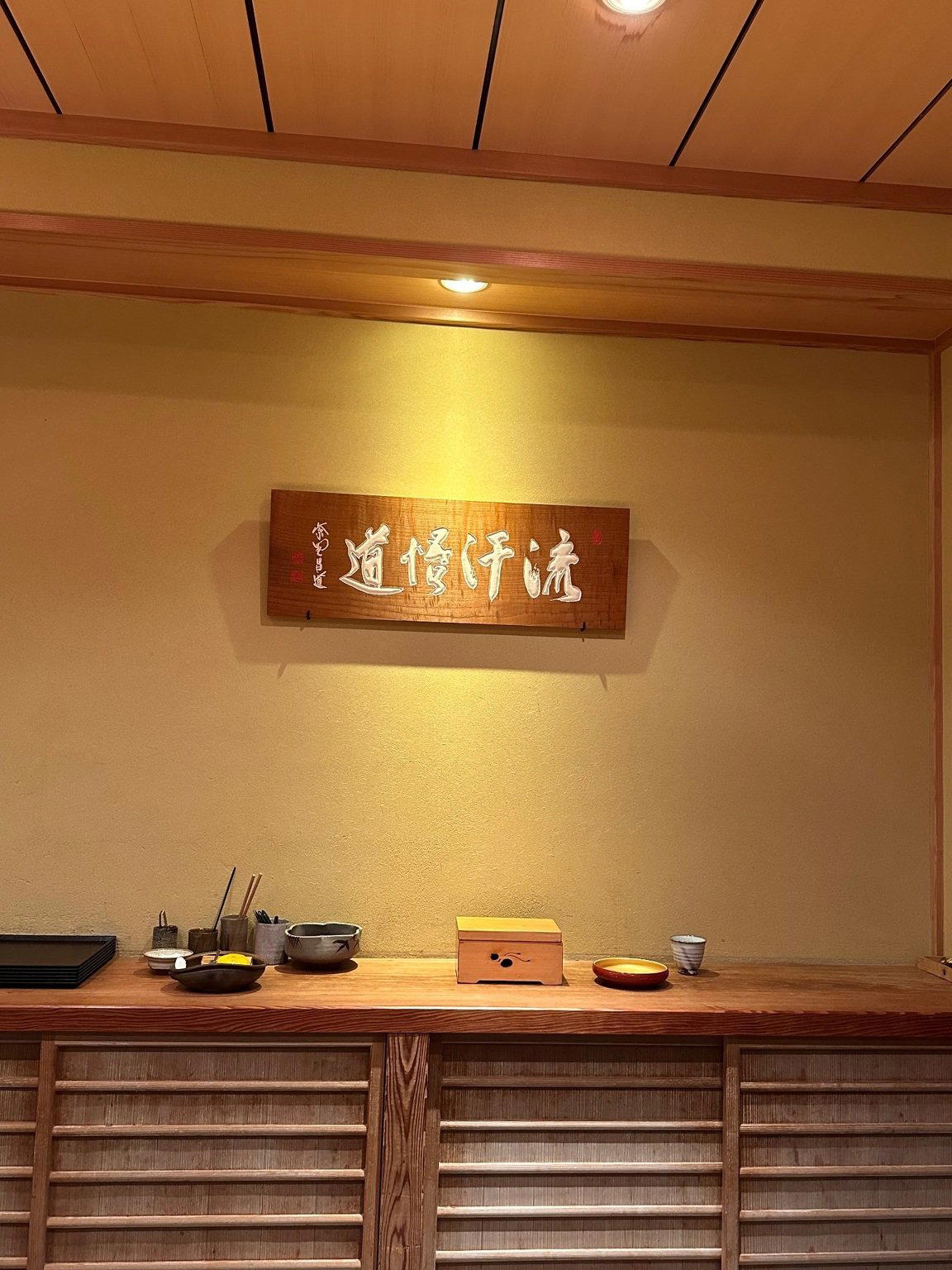
A stylish, intimate counter‑only bistro with a lively open kitchen, warm and relaxed lighting, and a cozy hideout feel that makes it popular for dates and wine‑centric evenings.