
In a residential pocket of Cangshan District, this low-key shop has built a loyal following around bian rou, Fuzhou's signature mini wontons wrapped in wafer-thin starch-and-pork skins and served in pork bone broth. Order the blanched noodles and soy-marinated egg alongside to understand why the queue forms before the shutters go up.
Pearl is the En Primeur Club membership app — saves, bookings, and concierge access live there. Same editors, same standards.
- Address
- Cangshan District, Fuzhou, Fujian, China
- Directions
- Get directions
 Saves & bookings on Pearl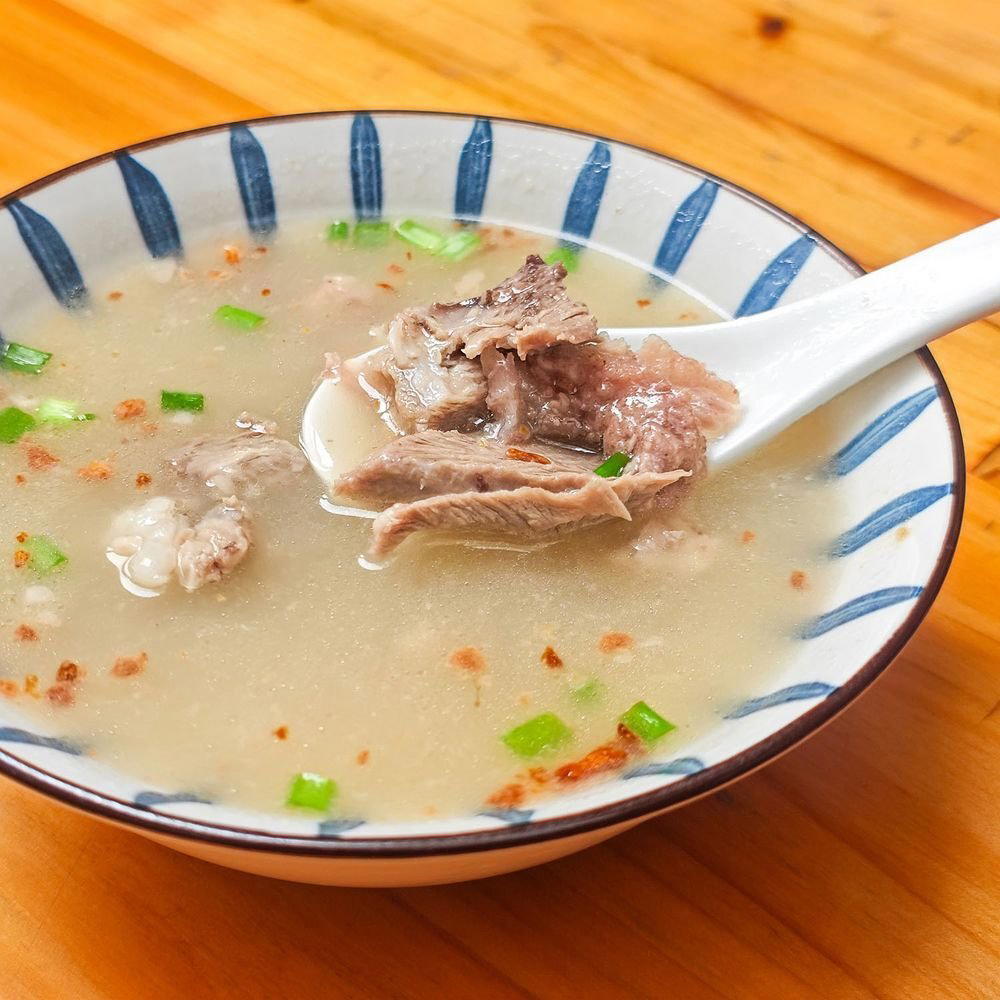
Where Fuzhou Mornings Begin
Cangshan District does not announce itself with grand boulevards or tourist signage. The streets around Jinrong South Road run through the kind of residential neighbourhood where breakfast is a serious, unhurried act, residents pulling plastic stools to low tables, steam rising from ceramic bowls, the sound of broth ladled from an iron pot. Yong Zhou Ji Bian Rou occupies exactly that register: a shop that would be invisible to the passing outsider but functions as a fixed point on the mental map of anyone who has eaten their way through Fuzhou's morning-food circuit.
Fuzhou's snack tradition is one of the more distinctive in Fujian province, built around a handful of hyper-specific preparations that reward repeat visits and punish impatience. Bian rou sits at the centre of that tradition. These are not dumplings in any generalised sense. The wrapper is made from a combination of starch and finely ground pork, stretched and pressed until it reaches a near-translucent thinness that sets it apart from Cantonese wonton skins or the thicker Shanghainese varieties. The result dissolves at the edges in hot broth rather than chewing through, creating a texture that is somewhere between silk and soft cartilage.
The Sequence of a Proper Order
The meal here follows a clear logic. The bian rou arrive first, floating in pork bone broth that has been simmered long enough to reach an opaque, golden depth without tipping into heaviness. The filling is pork, formed into small, tight mounds, with enough spring to resist the tooth before yielding. The broth does most of the editorial work, it is the frame around which every other component is measured.
Once the soup is established, the blanched noodles make sense as a counterpoint. Tossed in sauce rather than submerged in broth, they arrive drier and more textured, providing contrast to the yielding wontons. This is a structural choice, not an afterthought: noodles-in-broth and noodles-in-sauce at the same sitting is a common ordering pattern at this tier of Fujianese breakfast shop, and it allows the diner to assess the kitchen's range without increasing the overall volume significantly.
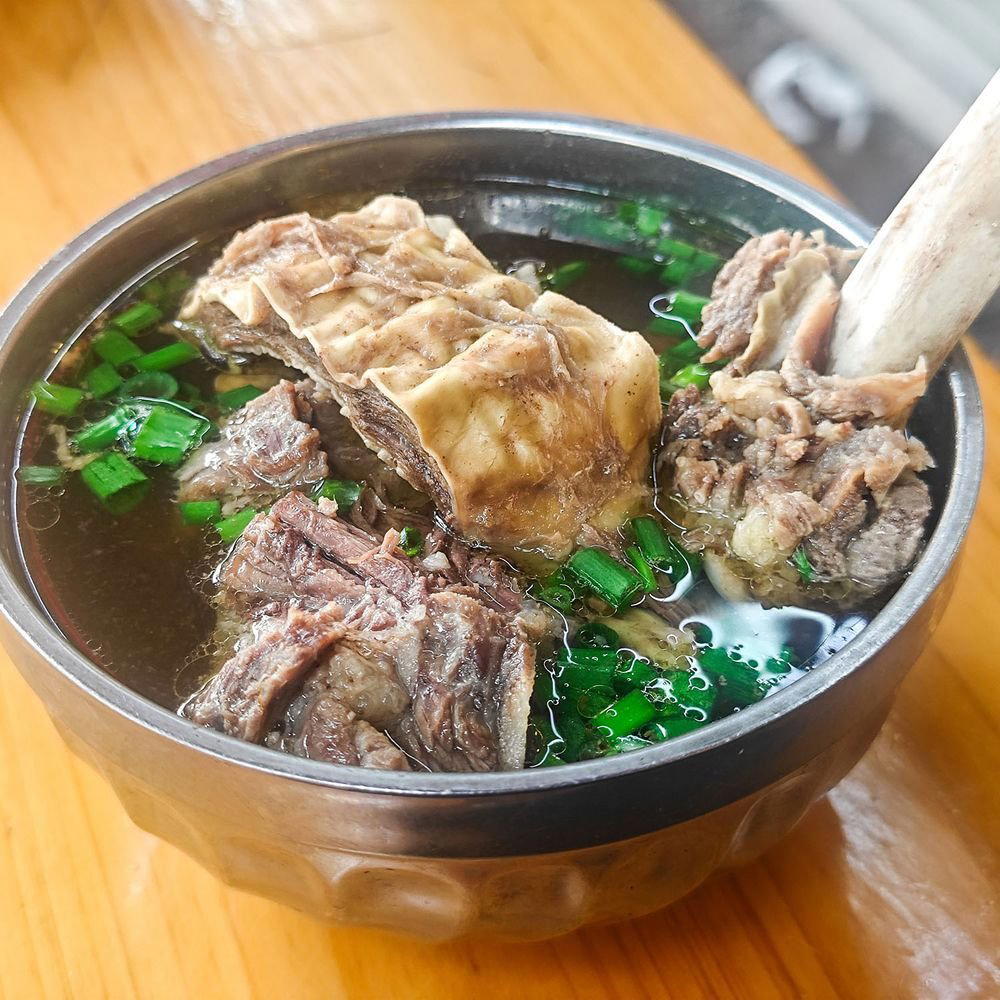
The soy-marinated egg completes the progression. In Fuzhou's snack shops, this is often the detail that separates a competent kitchen from one that has been at it for years, the depth of the marinade, the set of the white, the jammy centre. Here it functions as punctuation at the end of a short but coherent sequence. For those who want protein with more substance, blanched pork with tendon attached is also available, the tendon delivering the kind of gelatinous resistance that makes sense after the lighter textures that precede it.
The logic of ordering at places like this mirrors, in miniature, the multi-course intelligence you would find at more formally structured tables. At Jiangnan Wok•Rong (Huaiyang), or at a refined Fujian setting like Wenru No.9, that progression is curated by the kitchen on behalf of the diner. Here, it is self-directed, but the underlying grammar is the same: broth first, then textural contrast, then something rich to close.
A Neighbourhood Shop in the Context of Fuzhou's Food Culture
Fuzhou's food culture has never prioritised spectacle. The city's most-discussed eating is concentrated in formats like this one: small footprint, daily-made product, a menu narrow enough to suggest genuine mastery of the few things it offers. This shop makes its bian rou fresh in-house daily. Many comparable operations use pre-made wrappers, a compromise that shows in the texture of the finished wonton. The daily production cycle is the operational commitment that explains the loyal local following.
Among Fuzhou's budget-tier eating options, this sits within a cohort that includes noodle specialists like A Xin Xian Lao (Gongnong Road), where the focus is similarly narrow and the technique similarly specific. What differentiates bian rou as a format from standard noodle shops is the technical complexity of the wrapper itself, a preparation that requires both fine grinding and skilled stretching, and that makes the product difficult to shortcut without visible degradation. That technical barrier is part of why good bian rou shops are comparatively scarce even within Fujian.
Fuzhou's dining range extends well beyond the breakfast-snack tier. 167 Shan Hai Li and Chosop represent different registers of the city's restaurant scene, as does the more contemporary framing at Wenru No.9. For those building a multi-day itinerary across the wider region, comparable depth in Chinese breakfast and street-food formats can be found at destinations tracked through our guides to Ru Yuan in Hangzhou and at the more formal end of the spectrum via Xin Rong Ji in Beijing. For a sense of how Fujian-rooted technique translates to fine-dining contexts elsewhere in Asia, Chef Tam's Seasons in Macau provides a useful point of contrast. The gap between a residential shop making bian rou at dawn and a Michelin-tracked dining room is not simply one of price or formality, it is a difference in purpose, and both have a place in how a serious eater maps a region's food.
Planning the Visit
Cangshan District is accessible from central Fuzhou, and the shop sits in the residential fabric of the area rather than in a commercial strip, which means first-time visitors should allow time to locate it. Morning is the operative window for bian rou: these shops operate on a breakfast-and-early-lunch logic, and arriving later in the day risks finding the kitchen wound down or the product sold out. The queue dynamic at well-regarded shops in this format is a reliable indicator of quality and timing, arriving when locals arrive is a better heuristic than arriving when tourist-facing hours suggest. Fuzhou's broader hospitality infrastructure is covered in our Fuzhou hotels guide, our Fuzhou bars guide, and our Fuzhou experiences guide.
Table availability is walk-in, and the experience is self-service in character.
Comparable Spots
Comparable venues nearby, for context on price, style, and recognition.
| Venue | Cuisine | Price | Notes |
|---|---|---|---|
| Yong Zhou Ji Bian Rou (Jinrong South Road)This venue — the venue you are viewing | Dining | Not listed | Not listed |
| Shang Xing | Classic Chaoshan Cuisine | $$ | Gulou |
| Xingxian (Mawei) | Traditional Fujian Seafood | $$ | Mawei District |
| 167 Shan Hai Li | Dining | Not listed | Fuzhou |
| Xuanhe Cuisine | Dining | Not listed | Fuzhou |
| 粤新啫煲•广州啫啫煲 | Cantonese Clay Pot Rice (啫啫煲) | $$ | 福州市 |
Recognition history
Dated appearances from independent guides and award organizations, with the underlying list record or original source where available.
Michelin Bib Gourmand
Michelin
At a Glance
- Classic
- Cozy
- Solo
- Casual Hangout
- Family
- Standalone
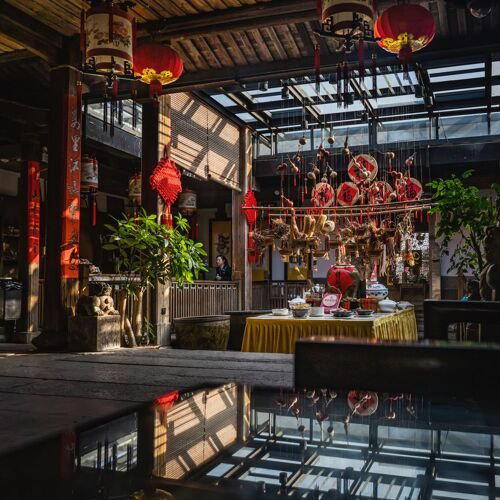
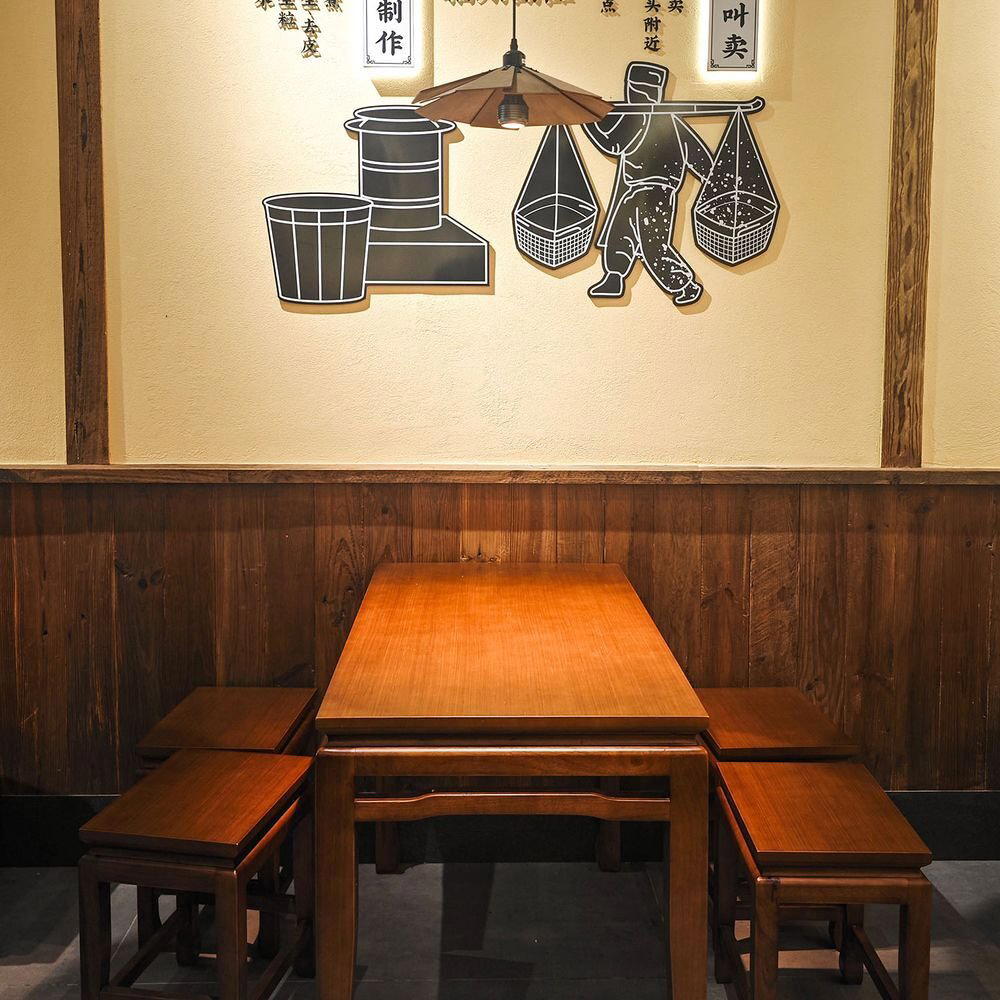
Low-key, traditional neighborhood shop atmosphere in a residential pocket, with queues forming before opening.